
1. Hoarding food for later in the day

Walk through any hotel breakfast room around eight in the morning and you’ll spot it: someone quietly filling a tote bag with muffins, yogurt cups, and bananas meant to last well past checkout. Hotel managers understand the appeal of free food, but breakfast service is priced and stocked based on projected morning consumption, not an all-day snack pantry. When guests clear out extra portions, kitchens run short before service even ends, leaving later guests with picked-over trays.
This habit is common enough that some properties have started posting subtle signage asking guests to take only what they’ll eat during service hours. Staff generally won’t confront someone directly over a granola bar tucked into a bag, but repeated overstocking by a handful of guests can throw off inventory for the entire week. It’s less about the cost of a few pastries and more about the ripple effect on portion planning.
2. Letting kids run the buffet line unsupervised
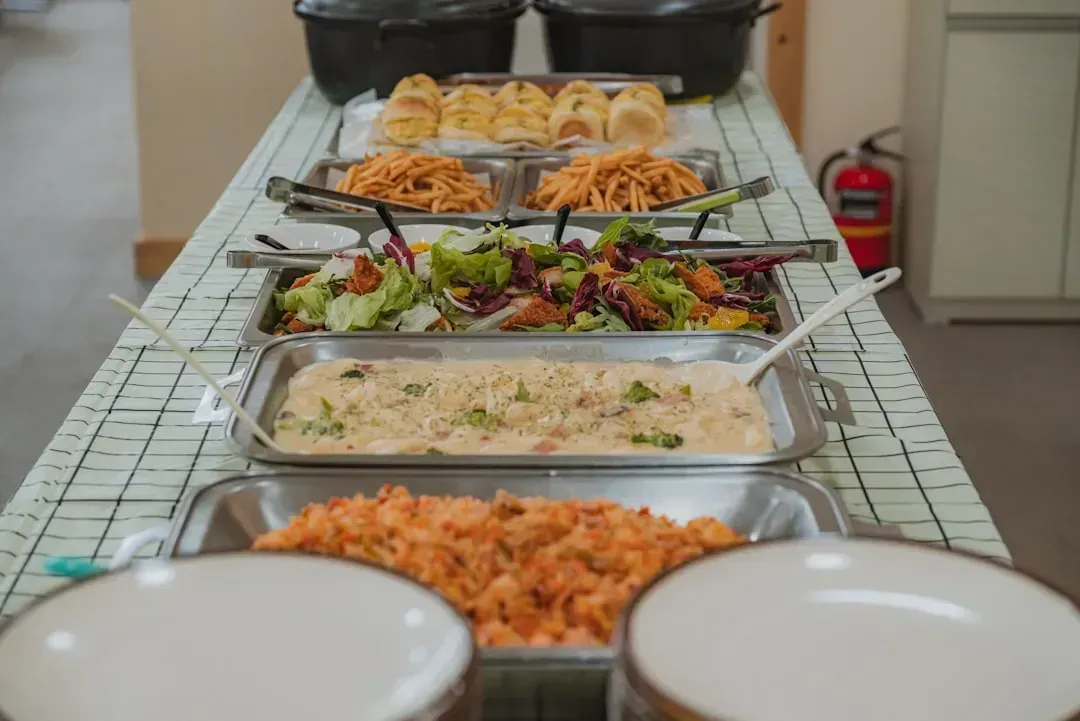
Buffet stations are built for a steady, single-direction flow, and that only works when people move through them with some awareness of others. Unsupervised children weaving between stations, grabbing items with bare hands, or lingering at the waffle maker create bottlenecks and, more importantly, food safety concerns that staff have to quietly manage all morning. Sneeze guards and serving utensils exist for a reason, and small hands don’t always respect either.
Hotel managers aren’t asking parents to hover over every bite, just to keep an eye on younger kids near shared serving areas. A child touching multiple pastries before picking one, or double-dipping a spoon back into shared syrup, isn’t just a minor annoyance. It’s a genuine sanitation issue that can force staff to discard and refill entire trays mid-service.
3. Overloading the waffle and pancake station
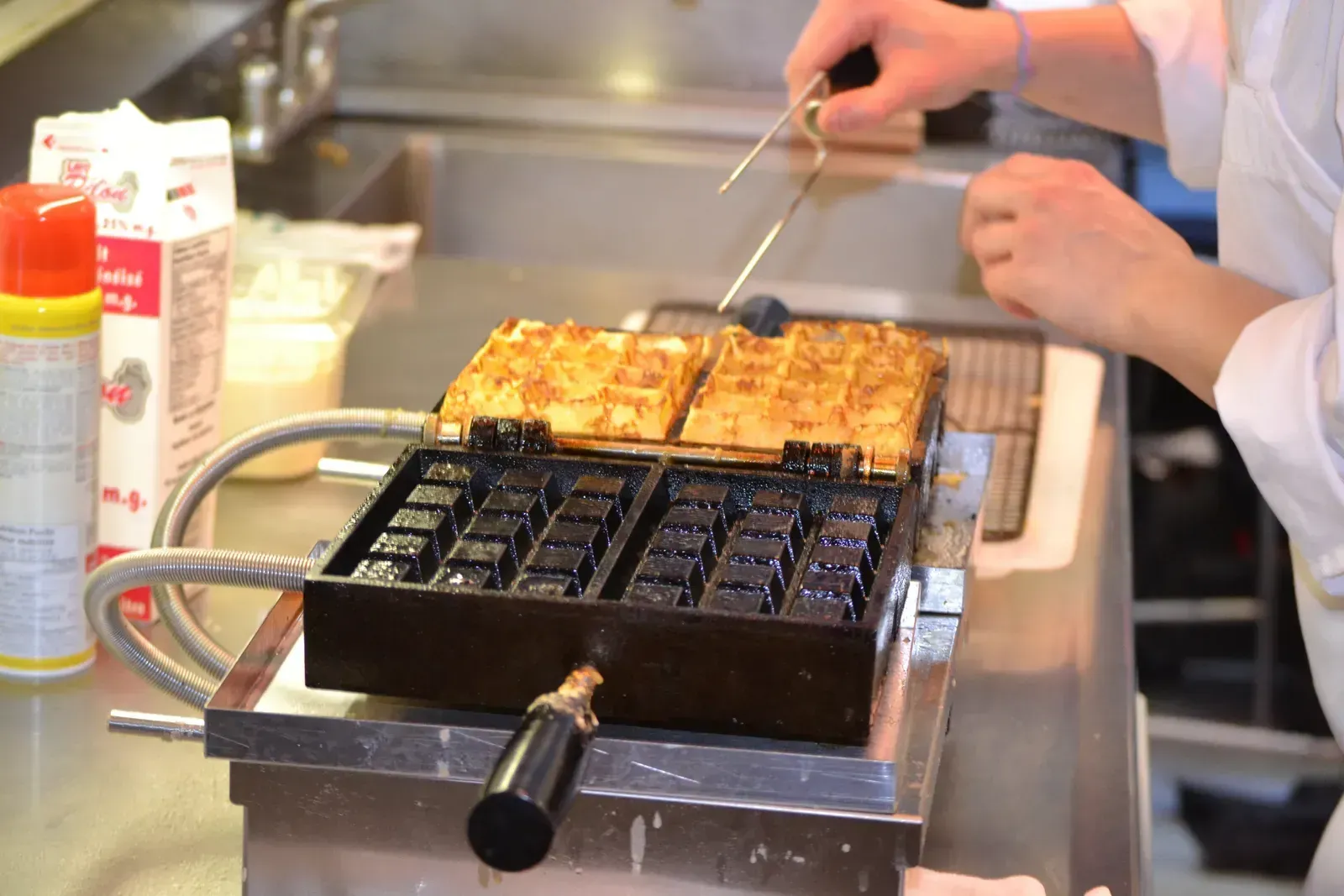
Self-serve waffle makers are a beloved hotel breakfast staple, but they’re also one of the most frequently misused stations. Guests sometimes pour double or triple the recommended batter amount, which causes overflow, longer cook times, and machines that need mid-service cleaning or even repair. That single overloaded waffle can hold up a line of five or six people waiting behind it.
Staff often have to step in and reset these machines multiple times a morning because of batter spills that harden onto the plates and hinges. It sounds minor, but a broken or jammed waffle iron mid-rush means one less working station during peak demand, which director-level staff say is one of the more preventable equipment issues they deal with regularly.
4. Treating the coffee station like a personal refill bar for the room
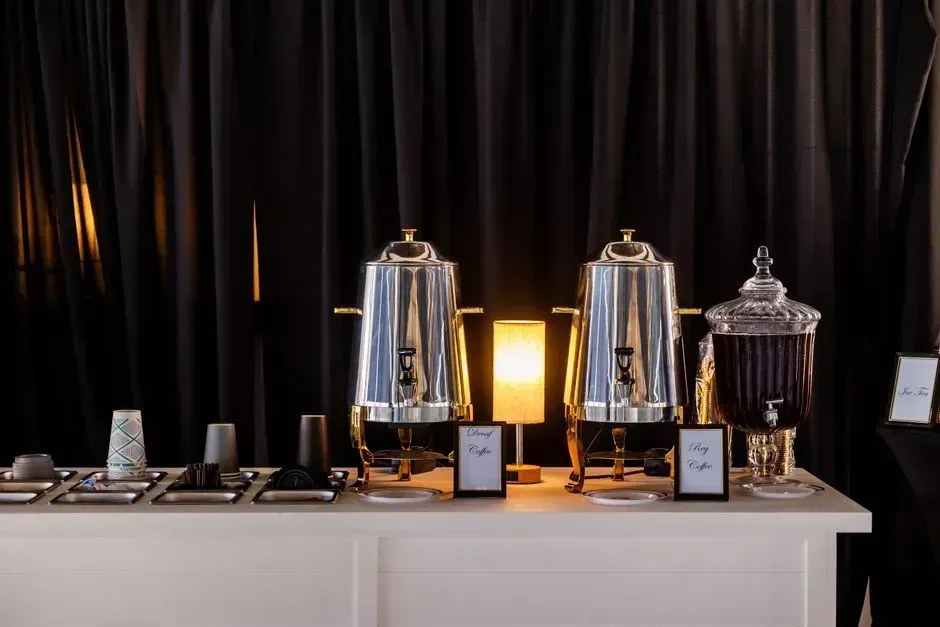
Coffee is often the most heavily trafficked part of any hotel breakfast, and managers say the biggest complaint isn’t the coffee itself but how many cups guests take back to their rooms in one trip. Some guests fill four or five cups at once for a group still upstairs, effectively pulling that supply away from other guests arriving to the lobby moments later. Large coffee urns are sized for steady, incremental refills, not sudden multi-cup withdrawals.
This becomes especially noticeable at properties with limited seating or smaller breakfast footprints, common in many mid-scale and extended-stay brands. Staff then have to interrupt other prep tasks to restock the urn ahead of schedule, which can mean a few minutes without fresh coffee for everyone else. A quick trip downstairs per person, rather than one giant supply run, keeps the flow far more even.
5. Ignoring posted dietary or allergen labels, then asking staff urgent questions
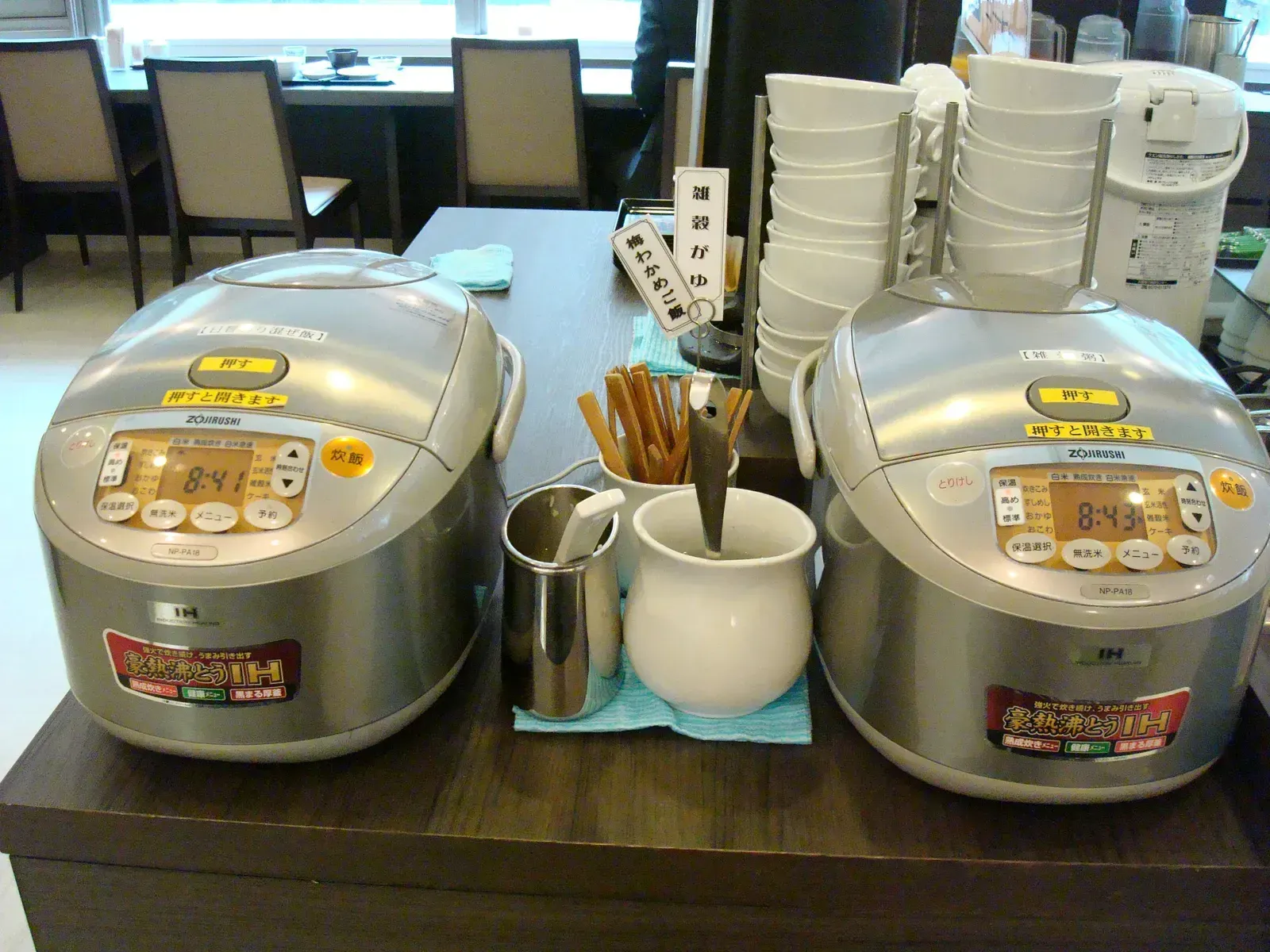
Most hotels with continental or hot breakfast service now label common allergens like nuts, dairy, and gluten directly on buffet cards, a practice that has become more standardized industry wide over the past few years as food allergy awareness has grown. Still, managers note that many guests skip reading these cards entirely and then approach staff mid-rush with urgent questions about ingredients. This puts frontline breakfast attendants, who may not have detailed recipe knowledge, in an awkward position during the busiest hour of service.
The fix is straightforward but rarely followed: a quick glance at the label before serving yourself avoids a stressful back and forth later. For guests with serious allergies, most properties recommend contacting the kitchen or front desk the night before, which allows staff time to pull ingredient information or offer alternatives calmly rather than under pressure.
6. Leaving tables littered with dishes and food waste

Hotel breakfast rooms typically run with a skeleton crew, often just one or two attendants responsible for both cooking and clearing tables during peak hours. When guests leave tables covered in half-eaten plates, spilled juice, and crumpled napkins without any attempt to consolidate dishes, it slows down turnover for the next arriving guests. Limited seating areas depend on relatively quick table turnaround, especially between seven and nine in the morning when demand peaks.
Managers aren’t expecting guests to bus their own tables fully, that’s still staff’s job, but simple gestures like stacking plates or pushing chairs in make a noticeable difference during rush periods. Properties with smaller dining footprints, which describes a large share of limited-service hotels built in the last decade, feel this pressure most acutely since there’s often no overflow seating available.
7. Complaining about hot food quality without mentioning it to staff first

Buffet-style eggs, bacon, and sausage sitting under heat lamps for extended periods inevitably lose some quality compared to freshly plated versions, a tradeoff inherent to self-serve hot breakfast formats. Managers say the most common frustration isn’t the food quality itself but guests posting negative reviews about lukewarm eggs without ever flagging the issue to staff in the moment. A quick word to the attendant on duty often results in a fresh batch within minutes, something a review posted days later obviously cannot fix.
Most breakfast attendants actively monitor hot-holding temperatures and rotate trays regularly, but a steady stream of guests moving through can outpace even careful timing. Speaking up in real time gives staff the chance to correct the issue immediately, which most managers say they’d genuinely prefer over discovering the complaint later in an online review.
Small adjustments to these habits rarely take extra time or effort, but they make a noticeable difference for both hotel staff and fellow guests navigating the same crowded breakfast room each morning.




Leave a Reply