
Ask a vet which dog is right for a retiree, and you’ll rarely hear a single breed name. You’ll hear about energy, size, grooming and how much time someone spends at home. A dog that fits a 60 year old marathon walker can be a poor fit for an 80 year old who prefers a quiet routine.
Still, certain breeds come up again and again in veterinary advice for older adults. Here are seven of them, with the reasons vets and other pet experts give for each.
Cavalier King Charles Spaniel
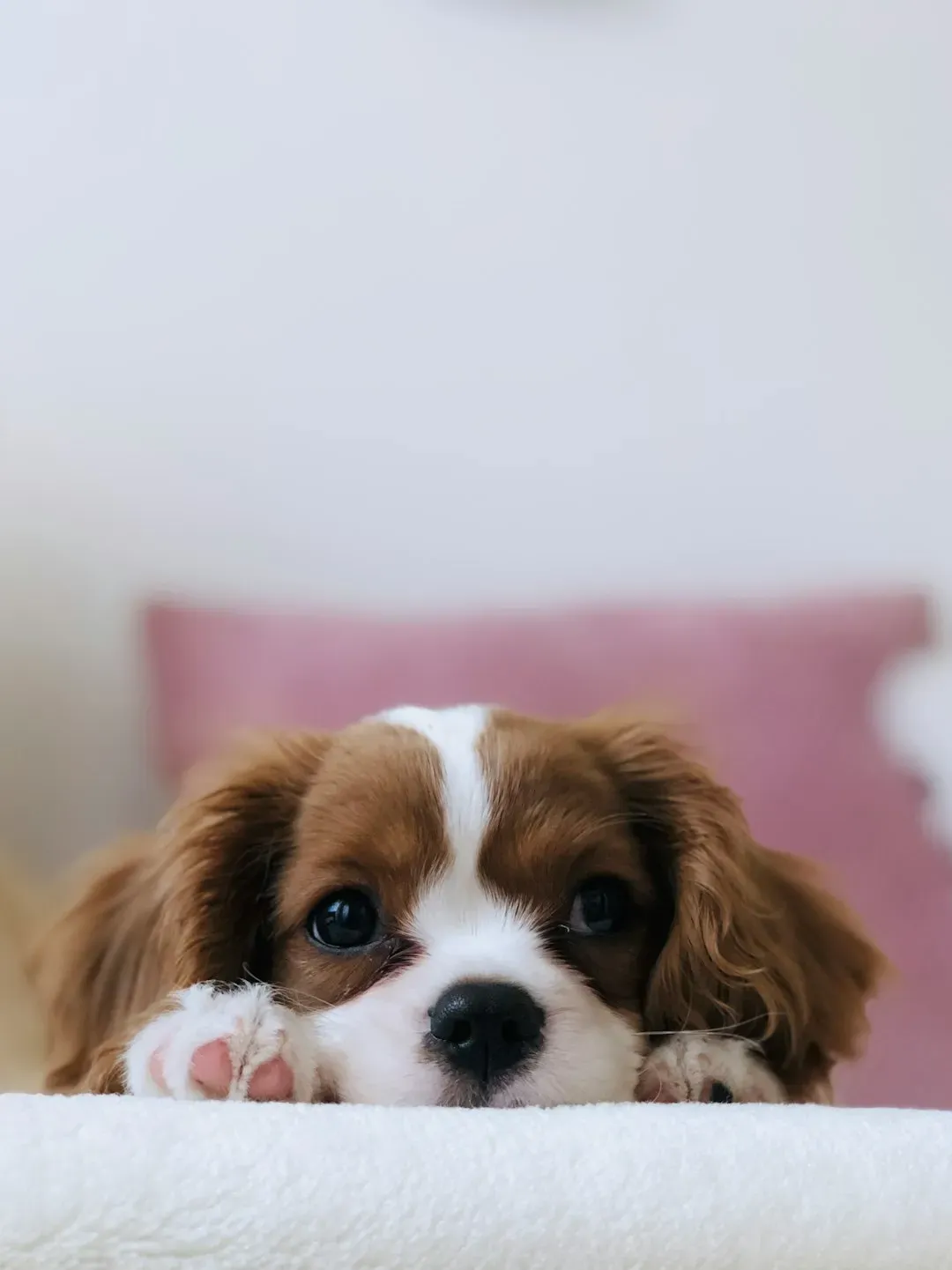
This breed shows up at the top of many lists. Affectionate, calm and easy going are the traits experts use to describe it, and it was the most popular small breed recommendation among the experts Care.com consulted. The American Kennel Club notes it was bred to be a comforting, non-aggressive and gentle pet.
Size helps too. Cavaliers weigh roughly 12 to 18 pounds, light enough to carry if needed, and they can be exercised with short indoor and outdoor sessions. One caution: the breed is known for inherited heart problems, so ask a breeder or rescue about health history before you commit.
Maltese
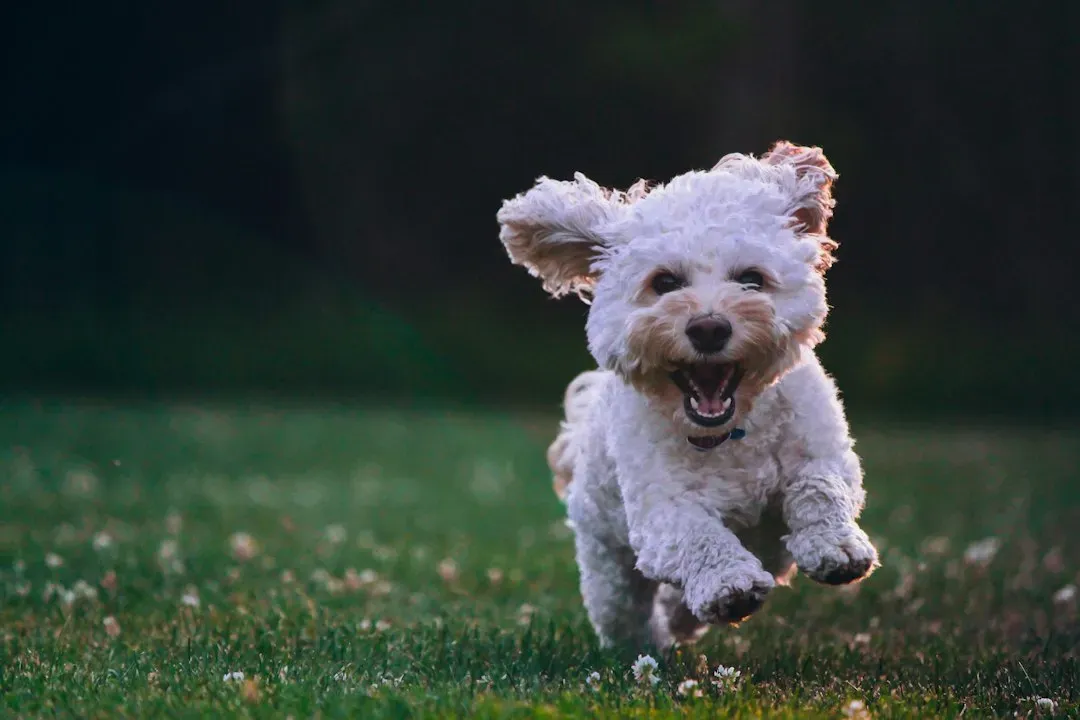
The Maltese suits owners who want a snuggler more than a hiking partner. Dr. Christa Kahuda, a veterinarian in Charleston, South Carolina, recommends it for less active seniors and describes it as calm and quiet, yet social.
Its compact size makes it easy to carry and manage. The long silky coat sounds like a lot of work, but routine care keeps it manageable. A shorter trim can make upkeep even simpler.
Shih Tzu
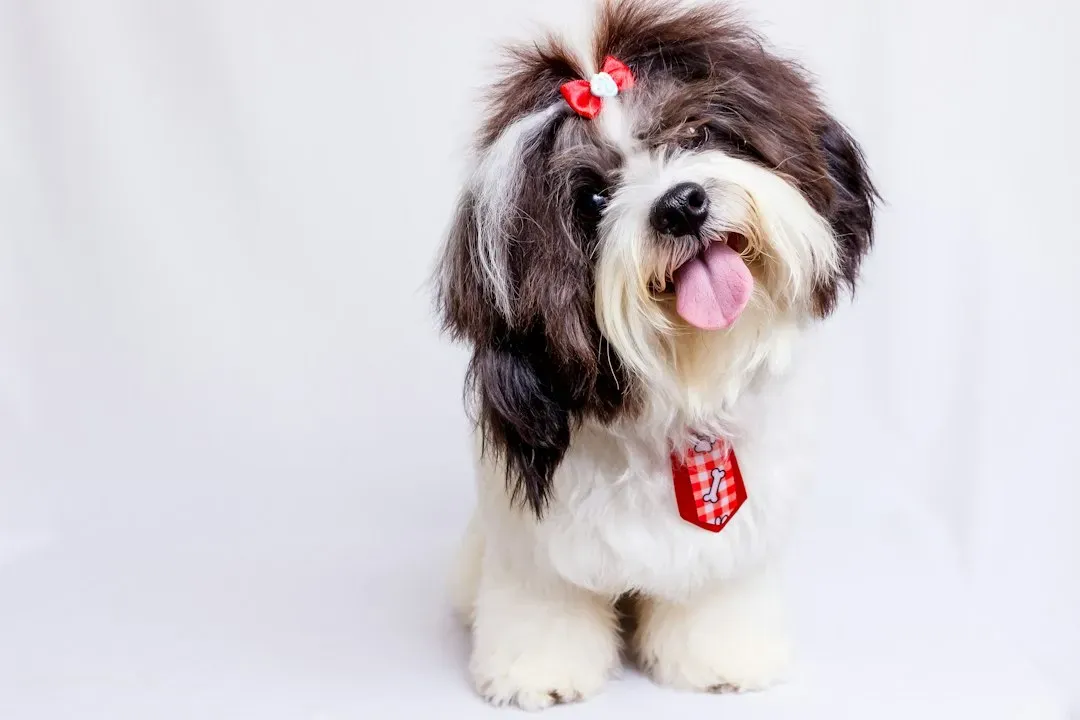
Shih Tzus were bred as lap dogs, and they still act like it. They’re small, calm and devoted, which makes them a good match for retirees who want a loyal shadow. Veterinarian Dr. Joslin points to their minimal exercise needs and their quiet, loving nature.
Grooming is the trade off. They need regular grooming to keep a healthy hair coat. Budgeting for a professional groomer is worth considering if brushing is hard on your hands or back.
Greyhound
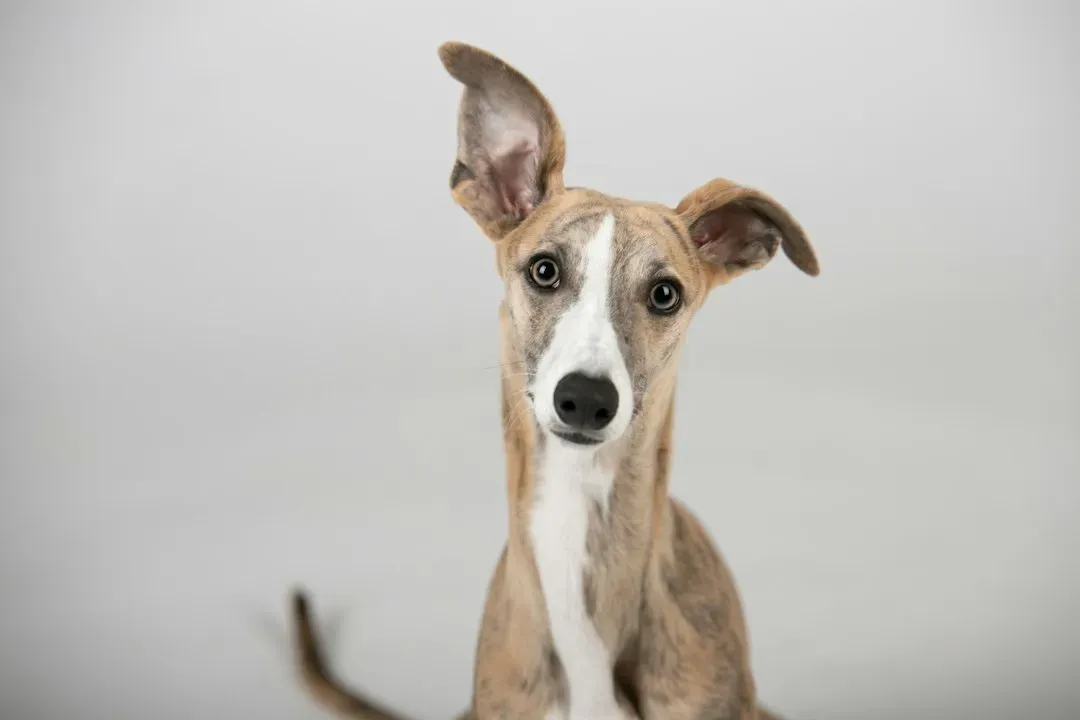
It sounds backwards to suggest a racing breed for a quieter life. Yet one veterinarian quoted by Best Life says people are often surprised that the Greyhound is a couch potato. Greyhounds need less exercise than most dogs and are calm and even tempered.
Many of them come from racing retirement programs, so adopting an adult is common. That can be a plus, since you skip the chaos of puppyhood. Larger breeds like Greyhounds may suit older owners who still enjoy staying active.
Bichon Frise
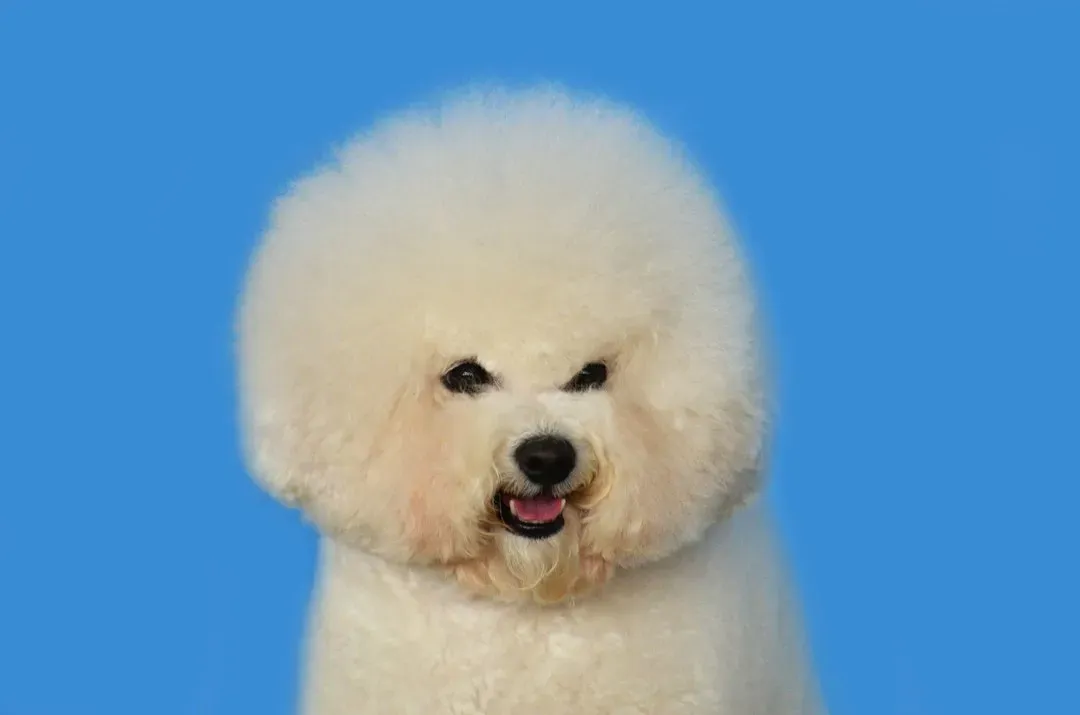
Bichons are cheerful and sociable. Dr. Joslin describes them as friendly, adaptable dogs with manageable energy levels. That mix makes them easy to live with in a house or an apartment.
They’re non shedding, but they need regular grooming and do well with consistent routines. If you like a predictable day, that routine may suit you as well as the dog. Bichons are also described as cheerful and quiet enough for shared buildings.
Basset Hound
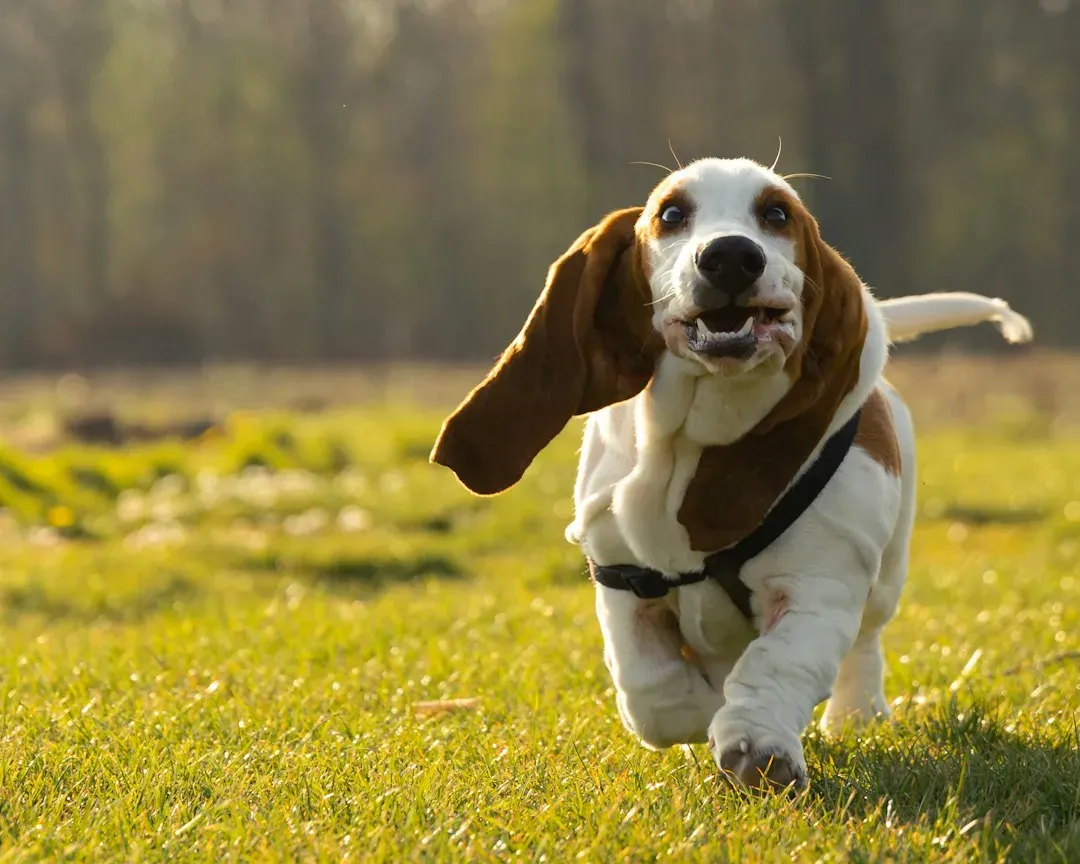
The Basset Hound is a slow, steady companion. One vet says that once out of puppyhood, the breed loves to sleep. Another veterinarian, Brister, says their calm, warm demeanor makes them ideal companions for seniors.
Basset Hounds are listed as a relaxed pace choice for people who prefer leisurely strolls. They are low to the ground and stocky, so lifting one into a car can be tough. Their long backs also need care, so keep them at a healthy weight.
Chihuahua
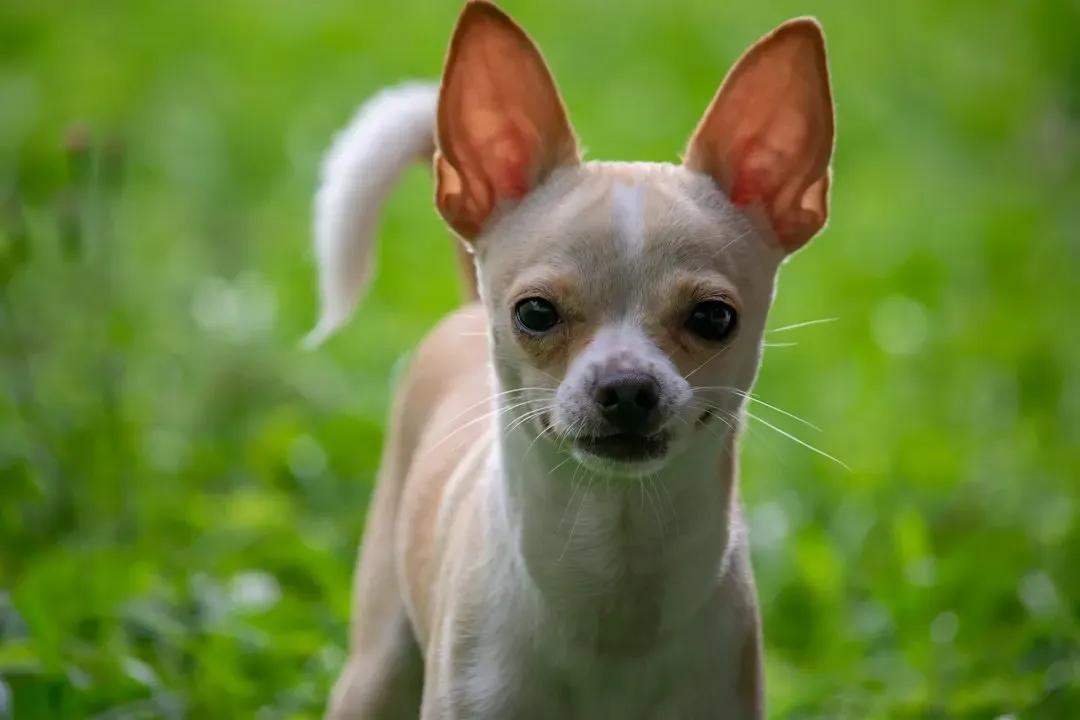
The Chihuahua has the smallest footprint on this list. Dr. Joslin calls them small, lightweight dogs with low energy needs that are happy to play indoors or take short walks. They do well in apartments or smaller homes.
They often bond strongly with one person and are loyal and affectionate. That devotion can be lovely for someone living alone. Early training and gentle socialization help keep that loyalty from turning into suspicion of visitors.



Leave a Reply