
1. United Arab Emirates
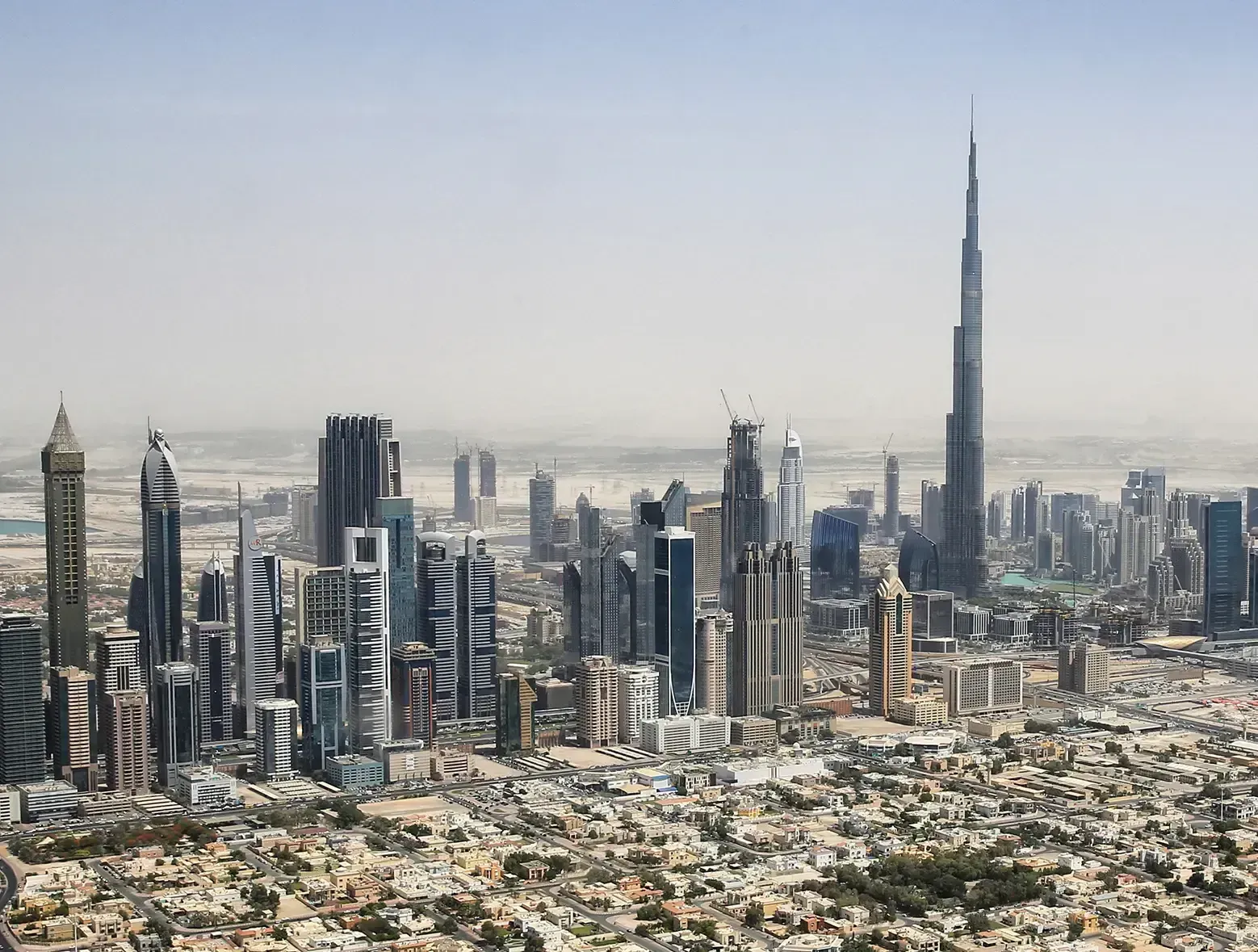
The UAE has become the world’s biggest magnet for relocating wealth, and the numbers back that up. The UAE has become one of the world’s top magnets for wealthy migrants, thanks to its 0% personal income tax, Golden Visa program, and investor‑friendly visa reforms, attracting around 9,800 high‑net‑worth individuals in 2025, more than any other country. There is no tax on salaries, dividends, or capital gains for individuals, and the country has built an entire residency system around courting exactly this kind of money.
Dubai and Abu Dhabi have leaned into the reputation with serious infrastructure investment rather than relying on secrecy alone. The UAE remains one of the most popular low-tax destinations, with no personal income tax, making it attractive for professionals, entrepreneurs, and investors, while cities like Dubai and Abu Dhabi also offer excellent infrastructure and a high standard of living. The trade-off is a high cost of living and a business environment still adjusting to a new corporate tax regime, but for individuals, the personal tax bill remains essentially zero.
2. Monaco

Monaco has been the classic destination for tax-averse wealth for generations, and little about that has changed. Monaco is one of the world’s best tax havens for individuals, offering zero personal income tax and no capital gains tax, alongside a premium lifestyle in the European market, and while certain businesses pay corporate tax, most residents enjoy minimal tax liabilities, with the principality’s political stability, high-end infrastructure, and secure banking system making it a preferred base for high-net-worth individuals. It is a tiny country, and that scarcity is part of the appeal.
Getting in is not cheap or easy, which is precisely the point for a place this exclusive. To get a residency permit, you generally must deposit at least €500,000 into a Monaco bank account and prove you have a place to live. Property prices reflect the demand, with even modest apartments commanding prices in the millions, so Monaco works best for people who were already wealthy before they arrived rather than those hoping to build a fortune there.
3. Cayman Islands

The Cayman Islands has built its entire modern economy around having essentially no personal taxation at all. The Cayman Islands imposes no income or corporate taxes, and that simplicity is exactly why so many funds, trusts, and wealthy individuals have set up residency or financial structures there over the decades. There is no income tax, no capital gains tax, and no inheritance tax to plan around.
What makes the Cayman model distinct is that it never pretended to be anything else. Countries that impose no personal income tax often rely on revenue from natural resources, sovereign wealth funds, tourism, consumption taxes, or smaller government spending obligations, generating government revenue through fees, licensing, tourism, and financial services rather than relying heavily on traditional income taxes. For the Caymans specifically, financial services and tourism fill that gap, which lets the territory keep its zero-tax promise intact year after year.
4. The Bahamas
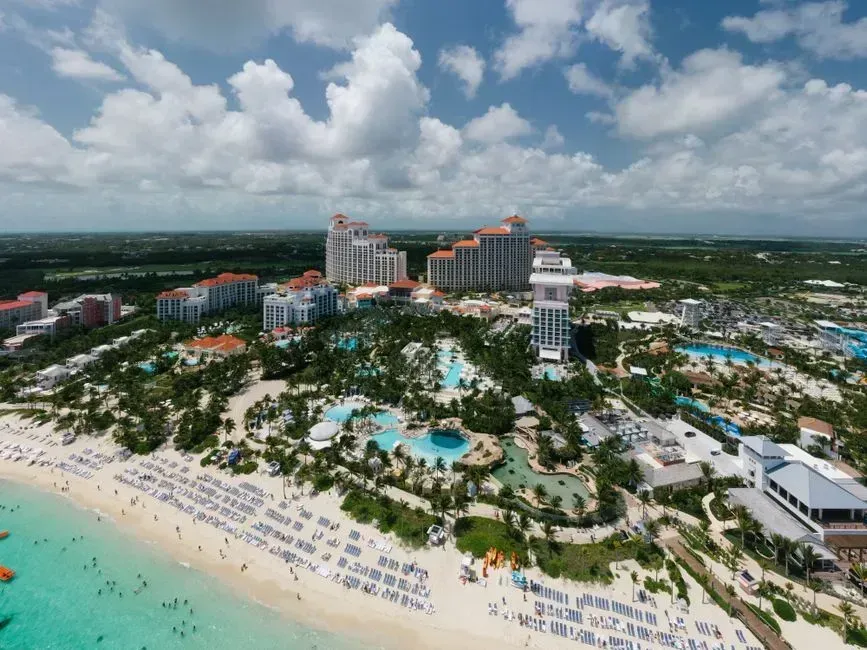
The Bahamas offers a version of the tax-haven lifestyle with the advantage of proximity for anyone based in North America. The Bahamas is the go-to tropical escape, particularly popular with North American expats who want a tax haven that is just a short, direct flight away from home. Like the Caymans, there is no personal income tax, no capital gains tax, and no inheritance tax for residents.
Where the Bahamas differs slightly is in the residency conditions, which tend to be more flexible than some of its Caribbean rivals. Many high-net-worth individuals choose it precisely because it combines an established international banking sector with a laid-back island lifestyle, rather than the ultra-formal, ultra-expensive feel of somewhere like Monaco. It is a haven that has managed to stay relatively affordable by tax-haven standards while still delivering the same zero-tax outcome on personal income.
5. Bermuda
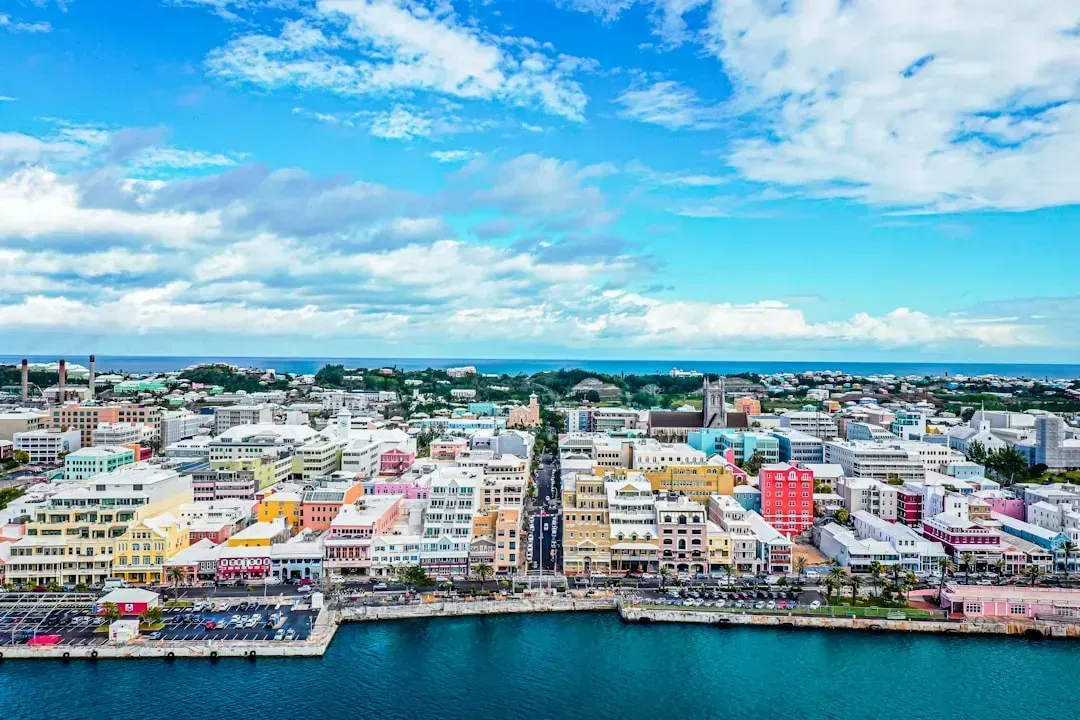
Bermuda sits in a similar category to the Cayman Islands but has carved out its own niche, particularly around insurance and reinsurance wealth. Bermuda is a haven thanks to zero corporate and personal income tax, no capital gains tax, and a business-friendly regulator, with no withholding tax on dividends, interest, or royalties, making it highly attractive to multinationals and wealthy individuals, and it is also a global hub for insurance and reinsurance. That industry concentration has given Bermuda a wealthier, more institutional flavor than some of its Caribbean neighbors.
Its location close to the United States has also made it a natural fit for corporate headquarters and holding structures tied to American wealth. Its proximity to the United States and mature infrastructure make it a favourite for corporate headquarters and holding companies. For individuals, the appeal is the same as elsewhere on this list: no personal tax on income, gains, or inheritance, paired with a stable legal system rooted in British common law.
6. Switzerland

Switzerland does not offer zero taxation, but for the ultra-wealthy who qualify, it offers something almost as good, a negotiated flat bill that has nothing to do with actual income. Lump-sum taxation is a special tax regime available to wealthy foreign nationals who move to Switzerland but do not work there, letting them negotiate a flat annual tax payment based on their living expenses rather than being taxed on worldwide income and assets. It is a system that has existed for more than a century and shows no sign of disappearing.
Interest in the regime has spiked recently for a very specific reason. Interest has surged in 2026 because when the United Kingdom abolished its non-dom regime in April 2025, thousands of internationally mobile people who had relied on it began looking for alternatives, and Switzerland brings a century-old system, deep private banking, and a country whose voters rejected a harsh wealth-tax vote in late 2025. For 2026, the federal floor for the lump-sum base sits at CHF 435,000, though the total annual bill after cantonal and communal taxes typically lands somewhere between CHF 150,000 and CHF 500,000 or more, depending on the canton chosen.
7. Singapore
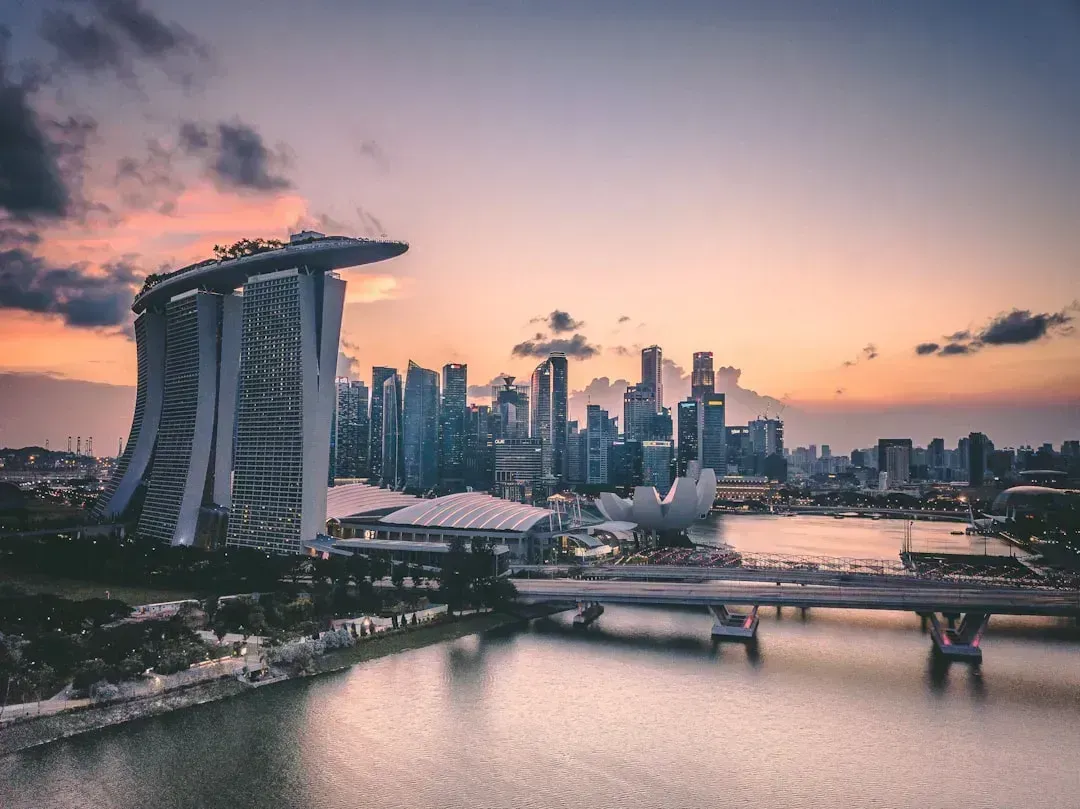
Singapore has quietly become one of Asia’s biggest draws for relocating wealth, built on a tax system that leaves the two things millionaires care about most largely untouched. Singapore does not have capital gains or gift taxes, and levies income tax only on income accrued in or derived from Singapore, or received in Singapore from outside Singapore. There is also no inheritance tax, which matters enormously for anyone planning to pass wealth to the next generation.
The numbers reflect just how effective that approach has been at pulling in money. Global millionaire migration hit a record 128,000 relocations in 2025, and Singapore pulled in 3,500 of them, ranking third globally as a destination for the ultra-wealthy. Personal income tax still applies on a progressive scale, but Singapore’s top personal income tax rate sits at 24%, and that only kicks in at very high incomes, which leaves plenty of room for wealth built through investments and capital gains to stay entirely untouched.
The common thread running through all seven of these places is not simply low rates on paper, but a deliberate design choice to let wealth accumulate without the friction of income, capital gains, or inheritance taxes chipping away at it year after year. Some, like the Cayman Islands and Bermuda, achieve this through outright zero taxation funded by alternative revenue streams. Others, like Switzerland, offer a negotiated middle ground that still beats ordinary taxation by a wide margin for those who qualify. Whichever route a millionaire chooses, the direction of travel in 2026 is unmistakable, away from high-tax jurisdictions and toward the small group of nations willing to make low taxation their defining feature.




Leave a Reply