
1. Being talked over in group discussions
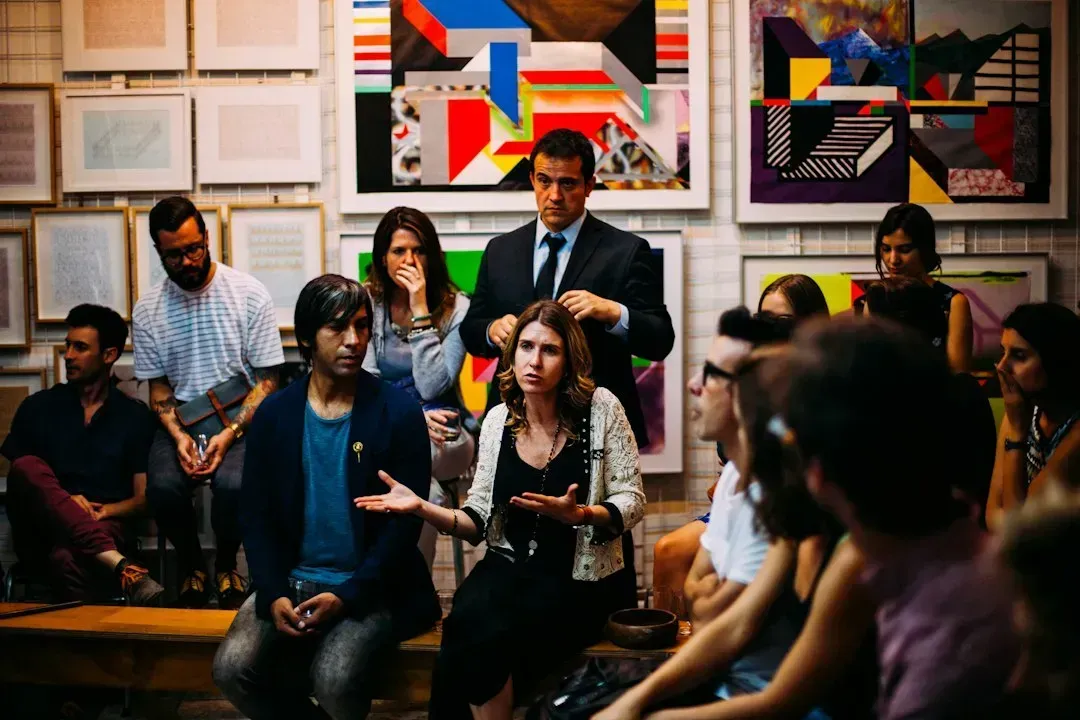
Interrupting isn’t just rude, it’s measurable. Research on conversational dynamics has repeatedly found that women get interrupted more frequently than men in professional and social settings alike, a pattern that shows up in classrooms, boardrooms, and casual dinner parties. The effect compounds over time, leading many women to either speak louder to be heard or stop contributing altogether.
This isn’t about one bad conversation. It’s the cumulative weight of having to fight for airtime in spaces where contribution should be effortless. Many women describe adjusting their communication style entirely, front loading points or repeating themselves, just to avoid being cut off mid thought.
2. Unsolicited advice about appearance or life choices
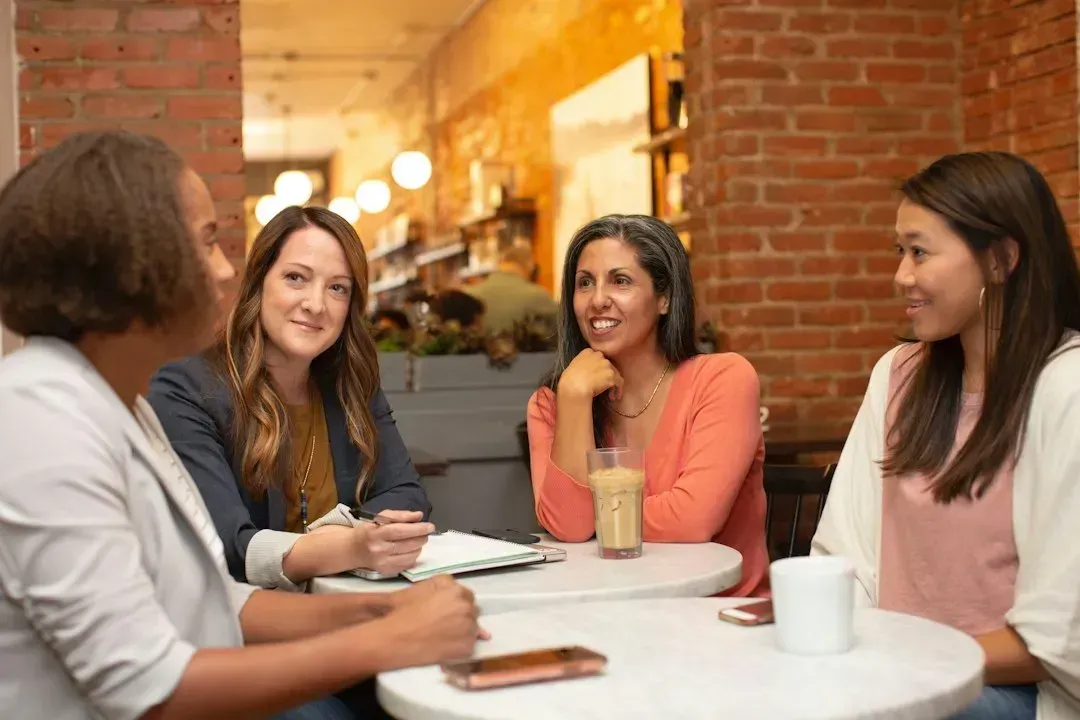
There’s a particular kind of social exchange where a comment about weight, hairstyle, or relationship status arrives uninvited, usually framed as concern. It happens at family gatherings, in the office breakroom, even from near strangers at parties. The frequency of these comments toward women, compared to men, has been noted in numerous surveys on everyday sexism and casual commentary.
The discomfort isn’t really about the advice itself. It’s the implicit message that a woman’s body or personal decisions are open for public evaluation. Declining to engage often gets labeled as touchy, which adds another layer of pressure to just smile and change the subject.
3. Networking events dominated by transactional small talk

Professional networking mixers are supposed to open doors, yet many women report feeling like they’re navigating a minefield of assumptions rather than building genuine connections. Conversations can veer quickly into questions about marital status or childcare instead of career goals, shifting the entire tone of the interaction. Surveys from professional organizations have found women are more likely than men to describe networking events as exhausting rather than energizing.
Part of the issue is representation. In rooms where women make up a smaller share of senior attendees, the pressure to prove competence while also fielding off topic questions becomes its own kind of labor. It’s less about disliking networking and more about disliking networking that isn’t actually about the work.
4. Walking alone at night, even in familiar places

This one isn’t about awkward conversation, it’s about safety calculus. Studies on perceived safety consistently show women reporting far higher levels of anxiety walking alone after dark, even in neighborhoods they know well, compared to men in the same environment. That constant assessment, checking who’s behind you, picking a well lit route, texting a friend your location, is a mental tax most men simply don’t carry the same way.
Social events that run late, whether it’s a concert, a bar outing, or a work function, often come with an invisible added cost for women: the logistics of getting home safely. It changes how enjoyable the event itself feels, since part of the mind stays on alert the whole time.
5. Being the only woman in a professional or social circle

Rooms with lopsided gender ratios create a particular kind of pressure. Being the sole woman among colleagues or friends at a gathering often means feeling hyper visible and invisible at the same time, noticed for being different but overlooked when it comes to actual input. Research on workplace representation has linked this dynamic to increased stress and lower reported job satisfaction among women in male dominated fields.
It’s not that mixed or male heavy groups are inherently unwelcoming. It’s the extra vigilance required, watching tone, wondering if a comment will be taken seriously, that turns a normal social evening into something more like performance.
6. Bridal showers, baby showers, and other heavily gendered rituals

These events carry real warmth for many, but they also come loaded with expectation. Traditional showers often center around themes and games that some women find outdated or overly focused on domestic roles, and skipping them can be seen as a social misstep rather than a personal choice. The financial cost adds up too, with guests frequently expected to buy gifts, contribute to group presents, and sometimes travel, all for events that happen with striking frequency in adult social calendars.
The discomfort isn’t universal, plenty of women genuinely enjoy these traditions. But for those who don’t connect with the format, there’s often little room to opt out gracefully without facing questions about loyalty or enthusiasm.
7. Group settings where jokes rely on gender stereotypes

Casual humor at parties, family dinners, or office happy hours sometimes leans on tired stereotypes about women being overly emotional, bad at math, or obsessed with shopping. Even when delivered without malice, these jokes create a subtle exclusion, reminding women in the room that they’re being viewed through a narrow lens rather than as individuals. Laughing along becomes a kind of social currency, a way to avoid being labeled sensitive or humorless.
The tricky part is that calling it out often shifts the mood of the whole gathering, putting the woman who speaks up in the position of disrupter rather than the joke itself being the problem. Many simply stay quiet, which doesn’t make the moment less uncomfortable, just less visible.
Patterns like these rarely announce themselves as big problems. They show up in small moments, an interrupted sentence, a late night walk, a joke that lands wrong, and accumulate into something that shapes how social life actually feels. Recognizing them is a straightforward first step toward gatherings that feel less like something to endure and more like something to enjoy.




Leave a Reply