
You walk into the clinic, your dog straining at the leash or your cat yowling in the carrier, and you think the vet’s attention is entirely on your animal. Here’s a little secret though: long before the stethoscope comes out, the veterinarian is already reading you. Your posture, your words, your body language, even the way you handle the carrier – all of it speaks volumes.
Vets are trained observers, and people-watching is part of the job whether they realize it or not. The things they pick up on in those first quiet moments before the exam even begins can shape everything from how they communicate a diagnosis to how confident they feel about their treatment recommendations. Be prepared to be surprised by what follows.
1. How Deeply You Know Your Pet
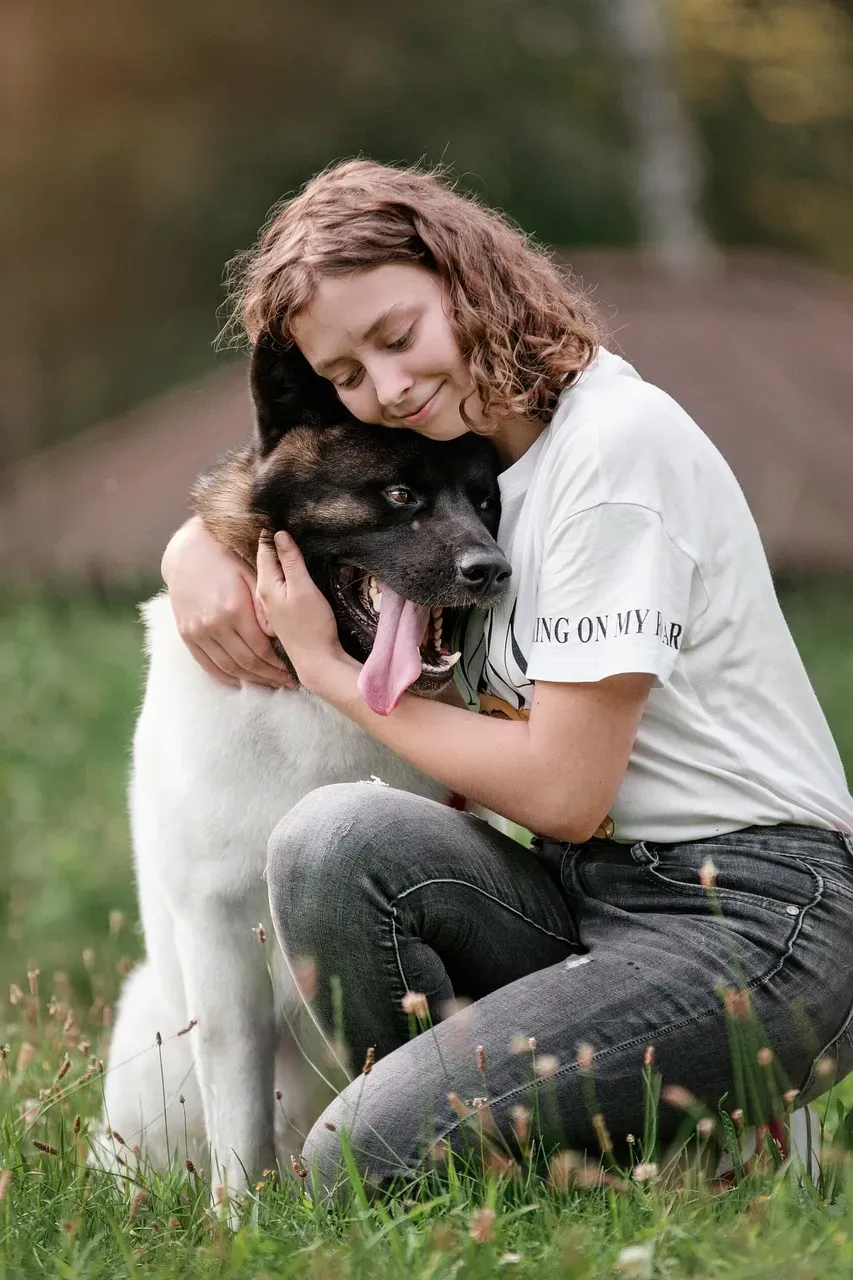
When a vet asks how your pet is doing and you launch into a detailed account of quirky behaviors, unique preferences, and daily routines, that’s a genuine green flag. Vets notice immediately when you can describe what’s normal for your individual animal. It tells them, in a matter of seconds, that you’re genuinely engaged in your pet’s life rather than simply going through the motions of ownership.
When owners come in with vague but genuinely felt concerns, like “he’s eating fine but he’s just not himself,” vets recognize they’re dealing with someone who truly knows their pet. You can’t notice subtle changes unless you’re genuinely paying attention. Think of it like noticing your best friend seems slightly off because you know their baseline so well. Same principle, furrier subject.
2. Whether You See Your Pet as Family or Property
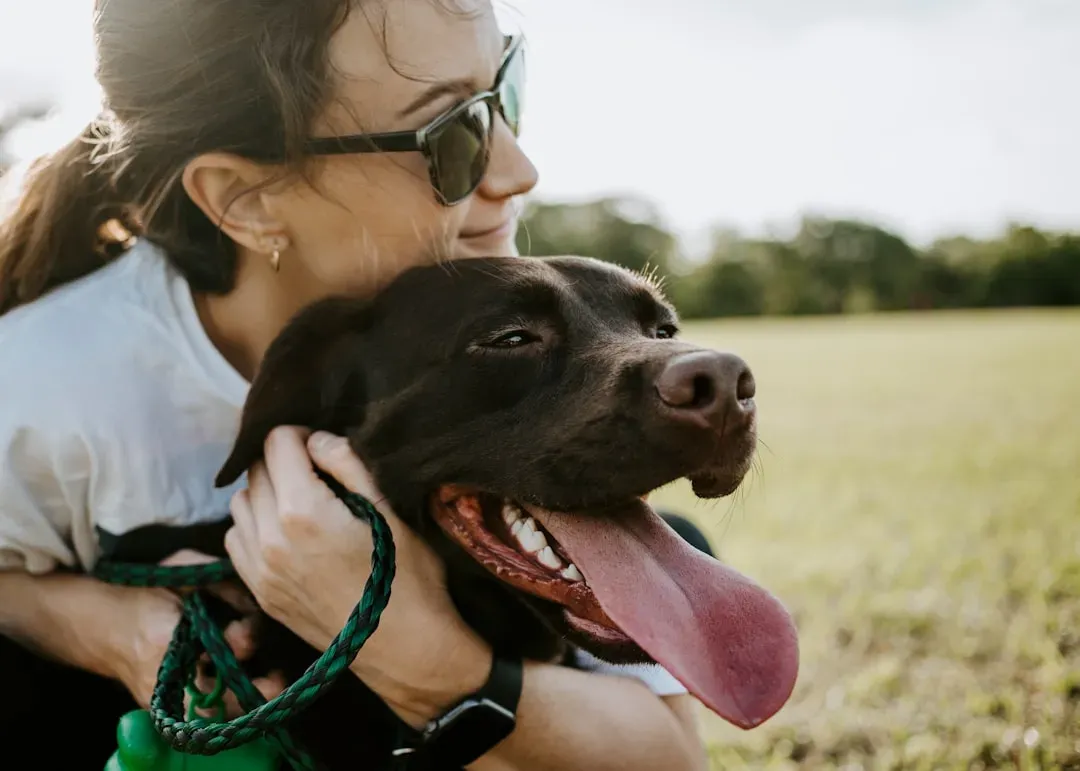
Listen to how people talk about their pets’ issues. “We’ve been dealing with some anxiety during thunderstorms” versus “it has a skin problem.” That pronoun choice reveals everything, and vets pick up on this language immediately. It shows whether you see pet care as a shared journey or a chore. Honestly, I think most vets would say this is one of the fastest reads they get on a new client.
Studies have shown that owners who consider their pets “part of the family” are significantly more responsive to veterinary recommendations and more likely to maintain an established pet-owner-veterinary bond. That’s not just a warm and fuzzy observation. It has real consequences for how well a treatment plan gets followed at home.
3. The Strength of Your Bond – Visible in the Waiting Room
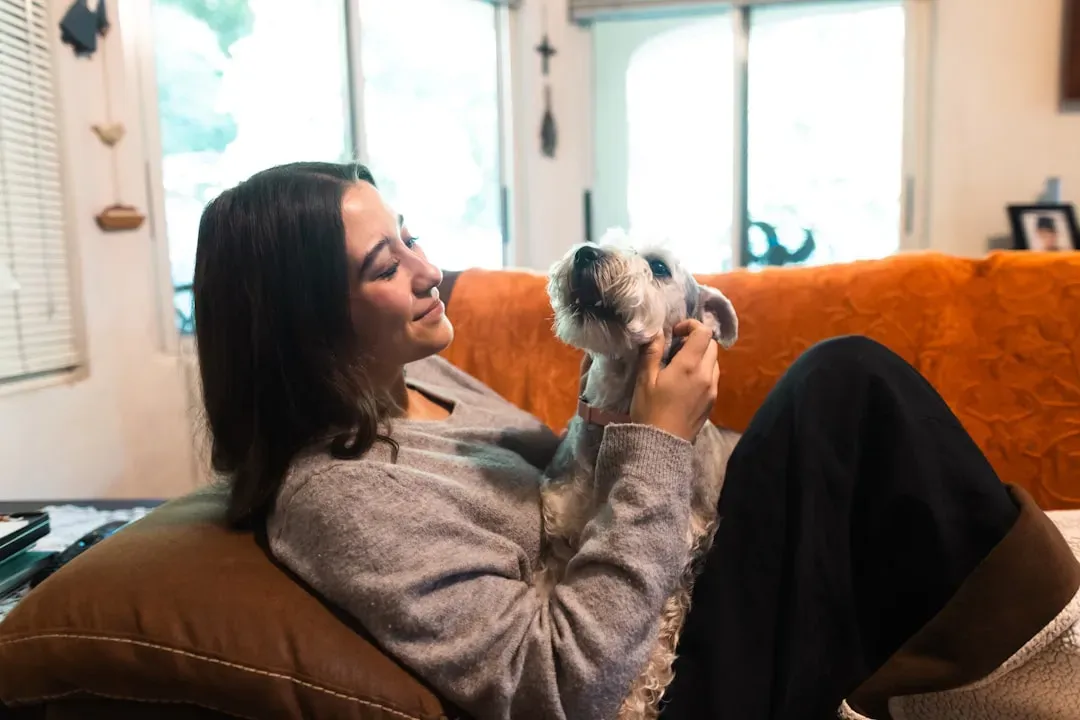
Watch what happens in the waiting room. Loved pets lean into their owners. Owners absently stroke their pets while reading. There’s casual, comfortable physical connection. It’s not performative. Nobody’s trying to prove anything. The touch just happens naturally, like between close friends. A vet who glances through the window before entering the room has already learned something important about that relationship.
Loved pets have learned that their person equals safety. They’ve built that trust through countless positive interactions at home. The reverse is just as telling. A pet that seems indifferent to whether its owner is in the room or not – that quieter, sadder picture speaks volumes too.
4. Your Stress Level and How It Affects Your Pet

Research findings have revealed that perceived stress levels in pets are highest right after entering the practice but decline significantly after about ten minutes in the waiting room. What’s fascinating is that anxious owners often slow that recovery down. A vet who sees a pet visibly mirror its owner’s nervous energy knows exactly what dynamic is at play before anyone says a word.
Because owners spend so much time in close proximity with their pets and share daily activities with them, they can be the best observers of factors impacting their animals’ wellbeing. Yet veterinary visits are themselves regarded as stressful events for pets, and often stressful for their owners too. A calm, steady owner is practically a co-therapist in the exam room. A panicked one? The opposite. Vets factor all of this in from the moment you walk through the door.
5. How Engaged You Are With Your Pet’s Health
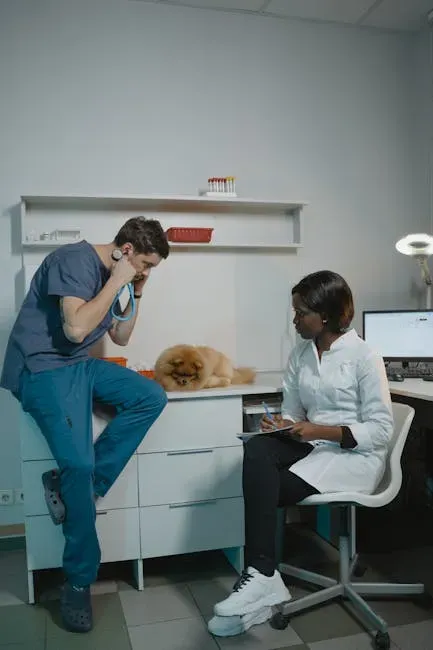
Engaged owners ask questions. “Why does she need this medication?” “What can I do at home to help?” “Should I be watching for anything?” They want to understand their pet’s health, not just follow instructions blindly. A vet reading the room recognizes this immediately. It shifts the whole consultation from a one-way broadcast into an actual conversation.
A survey revealed that clients of veterinarians who discussed the value of human-animal connections were up to three quarters more likely to follow veterinary recommendations, come for wellness appointments, and purchase pet insurance. That level of engagement doesn’t appear out of nowhere on the day of the appointment. It’s something you either bring with you or you don’t, and seasoned vets can usually tell which within the first few minutes.
6. Whether You’ve Noticed Early Warning Signs – or Waited Too Long
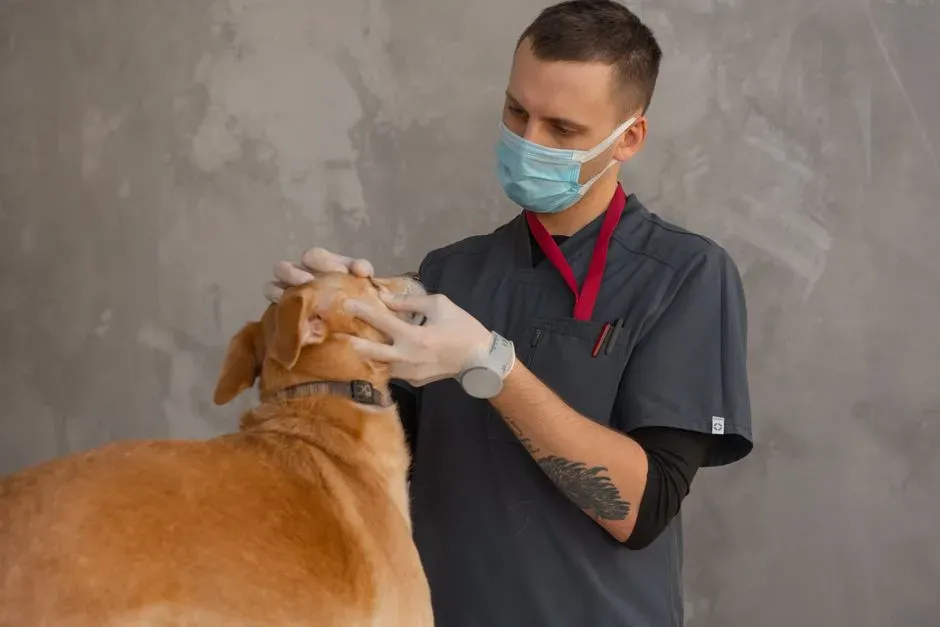
A vet friend shared the story of an owner who brought in their rabbit because “his left ear isn’t twitching as much as usual.” Turned out the rabbit had a minor ear infection. That level of observation only comes from love. Meanwhile, some people don’t notice obvious issues until they become severe – not because they’re bad people, but because they’re not emotionally connected enough to really see their pet. That gap in timing tells a vet an enormous amount, fast.
When you walk into a veterinary exam room, those first quiet moments matter more than most pet parents realize. Before a single test is run or a stethoscope is lifted, trained eyes are already gathering critical clues about your pet’s health, comfort, and emotional state. Part of those clues involve what you’ve noticed and reported before the exam even starts. Catching something early almost always signals an attentive owner. Arriving in a crisis that’s been building for weeks? That tells a different story entirely.
7. Your Relationship with Instructions and Follow-Through
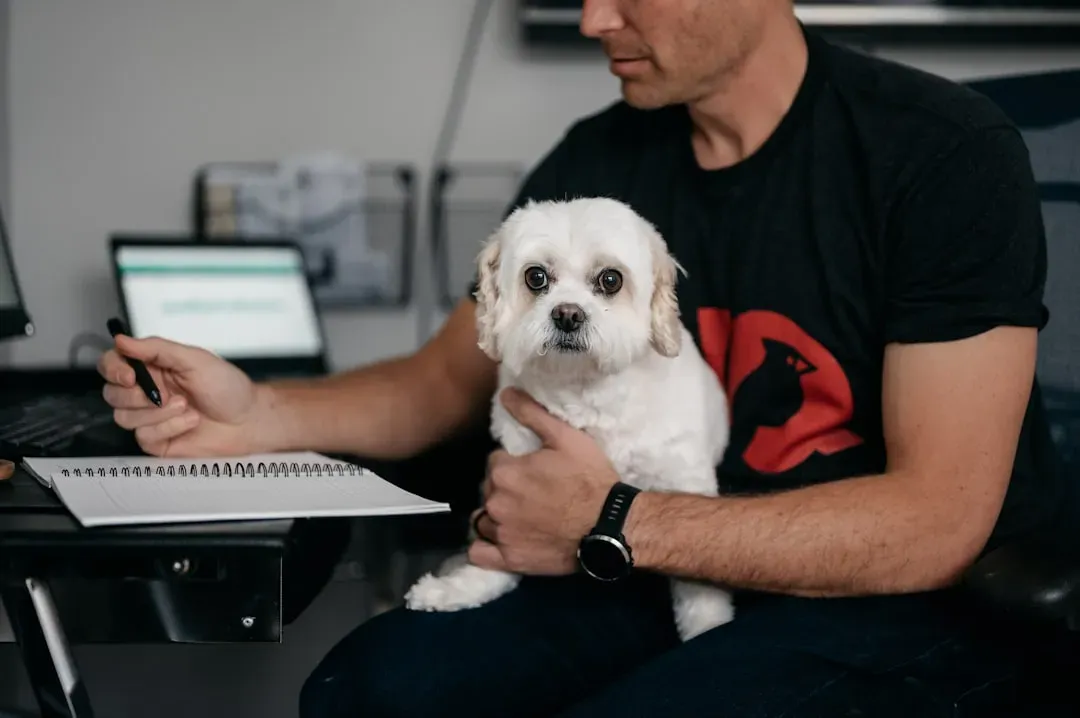
Your answers at intake are entered into your pet’s file for the vet to review and for future reference. You may be asked about your pet’s diet, exercise routine, lifestyle, thirst levels, urination, bowel movements, and general behavior. A returning patient’s file is like a report card. If the vet recommended a specific diet six months ago and the pet has gained weight since, that’s information. If a behavioral plan was suggested and behavior has improved, that’s information too. Vets notice both outcomes.
Partnering with your veterinarian to support your pet’s long-term health and wellbeing matters deeply. Regular checkups allow your veterinarian to get to know you and your pet and to catch problems early, before they become bigger and costlier. The owner who shows up consistently, who remembers what was discussed last time, who follows through on home care – that person builds a reputation with their vet practice that is worth its weight in gold. It changes how much trust flows in both directions, and trust shapes every conversation about your pet’s care.
Here’s the bottom line: vets are remarkable readers of human behavior, and they’ve had a lot of practice. They’re not judging you in a harsh or unkind way. Most of them genuinely root for every owner who walks through the door. Still, the portrait they build of you in those first few minutes before the exam begins quietly informs how they communicate, how thoroughly they explain things, and how much they’ll push back when something seems off. The good news? Everything on this list is within your control. So next time you head into that waiting room, remember – you’re already being seen, even before your pet is.
What do you think your vet has quietly picked up about you over the years? It might be more than you’d expect.





Leave a Reply