
Anyone who has worked a front desk for more than a week knows the truth that guests rarely hear out loud: some requests get an automatic yes, and some get a polite smile followed by a hard no. The difference usually comes down to timing, tone, and how much it actually costs the hotel to say yes. Understanding which asks tend to work in your favor can turn a routine check-in into a noticeably better stay.
None of this involves tricks or manipulation. It is simply about knowing what front desk agents have the authority to grant, what makes their shift easier, and when a hotel has the inventory to spare. Here are seven upgrades that staff commonly approve, along with why they tend to say yes.
1. Early check-in when a room is already clean
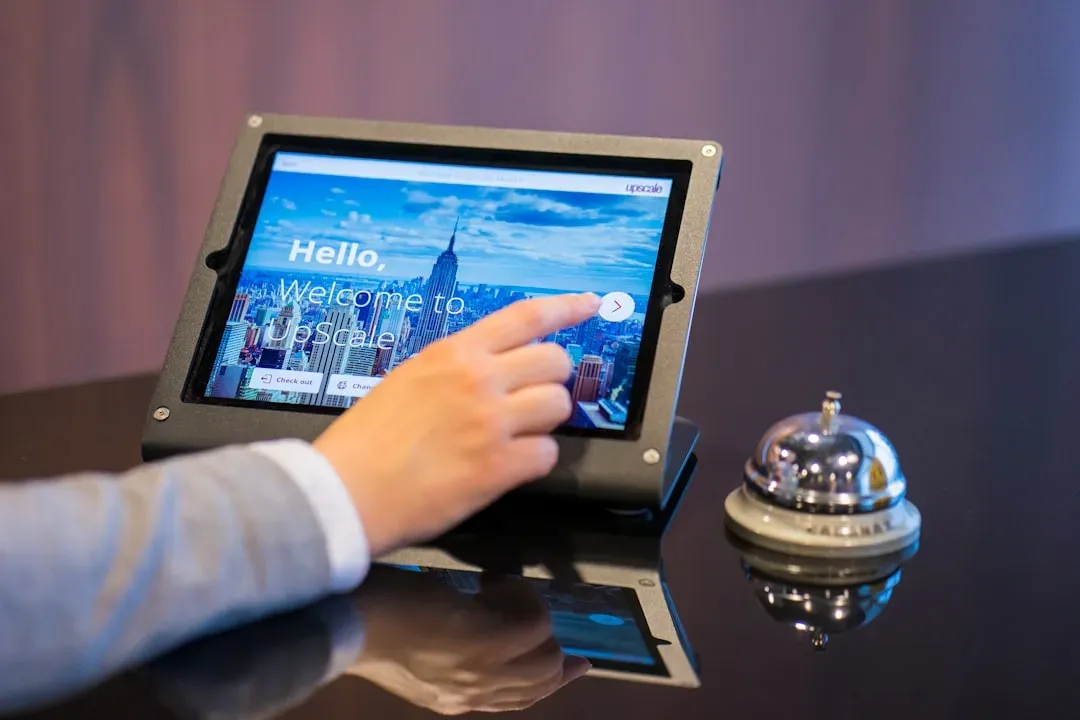
Hotels typically set a standard check-in time of 3 or 4 p.m. because that is when housekeeping realistically finishes turning over rooms from the previous night. If a guest arrives at noon and a suitable room happens to be ready, agents almost always let them in early rather than making them wait in the lobby for no operational reason. It costs the hotel nothing and saves the front desk from managing a frustrated guest sitting on luggage for three hours.
The catch is unpredictability. Occupancy on any given morning determines how many rooms are clean, so a polite and specific request, ideally mentioning a flexible room type, gives staff more options to say yes. Calling ahead the day before also helps, since it lets the property flag the reservation for early readiness if housekeeping allows it.
2. A higher floor or quieter room away from elevators
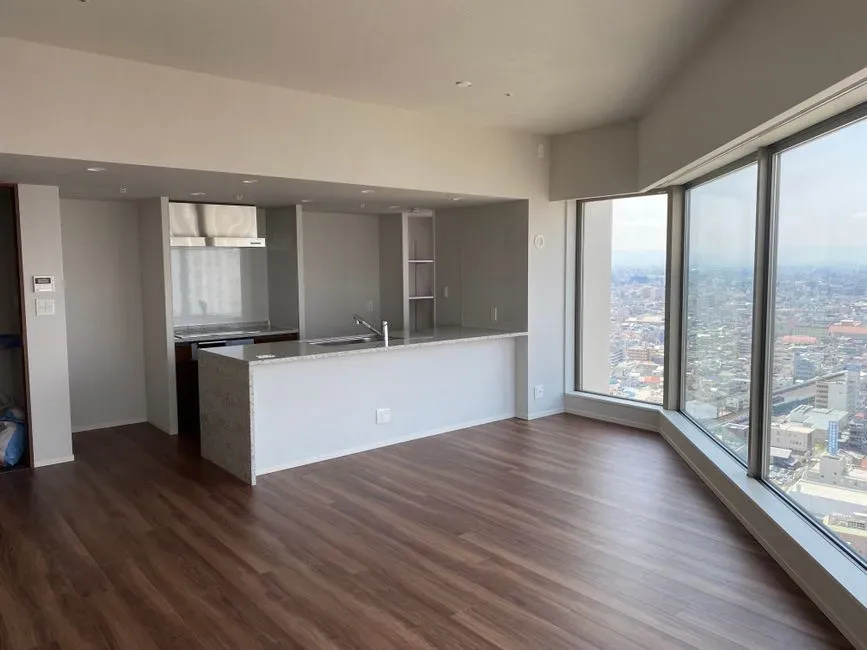
Room assignment software distributes guests somewhat randomly within a rate category, which means plenty of quiet, high-floor rooms sit unused even when a hotel appears fully booked. Front desk agents can usually override that assignment with a few clicks, and doing so costs the property nothing since it is the same room type and same rate. Requests tied to a legitimate reason, like a light sleeper or someone sensitive to elevator noise, tend to get prioritized first.
This is one of the most consistently granted upgrades because it does not touch revenue at all. Agents are simply choosing a different room within the same category the guest already paid for. The main limitation is inventory on a sold-out night, when there may genuinely be no alternative rooms left to offer.
3. A room type upgrade during low occupancy

When a hotel is running well below full capacity, unsold suites and premium rooms represent pure lost revenue if they stay empty. Many properties would rather place a loyal guest or a friendly walk-in into that empty suite than let it sit vacant, since an empty room generates zero income either way. Agents often have discretion to grant these upgrades on the spot, especially for guests enrolled in a hotel loyalty program.
Industry occupancy data from the U.S. Travel Association and major chains has shown average hotel occupancy hovering in the mid to upper 60 percent range through 2024 and into 2025, meaning a meaningful share of rooms go unsold on any given night nationwide. That gap is exactly where upgrade approvals tend to happen. Guests who ask calmly, mention loyalty status, or simply inquire about availability at check-in are far more likely to receive one than those who demand it.
4. Late checkout without a fee

Standard checkout times sit around 11 a.m. or noon, but if the incoming reservation for that room does not start until later in the day, there is no real reason to rush a departing guest out. Front desk staff frequently approve a one or two hour extension at no charge simply because it avoids friction and keeps guest satisfaction scores higher, which matters for both staff performance metrics and online reviews. The system already shows agents exactly when the next guest is due to arrive, so they know quickly whether it is safe to grant.
Weekdays tend to be easier for this than weekend checkouts, since turnover schedules are usually tighter after a busy Saturday night. Asking the night before or first thing in the morning, rather than at the actual checkout deadline, also improves the odds because it gives housekeeping more lead time to adjust.
5. Waived resort or amenity fees for documented issues
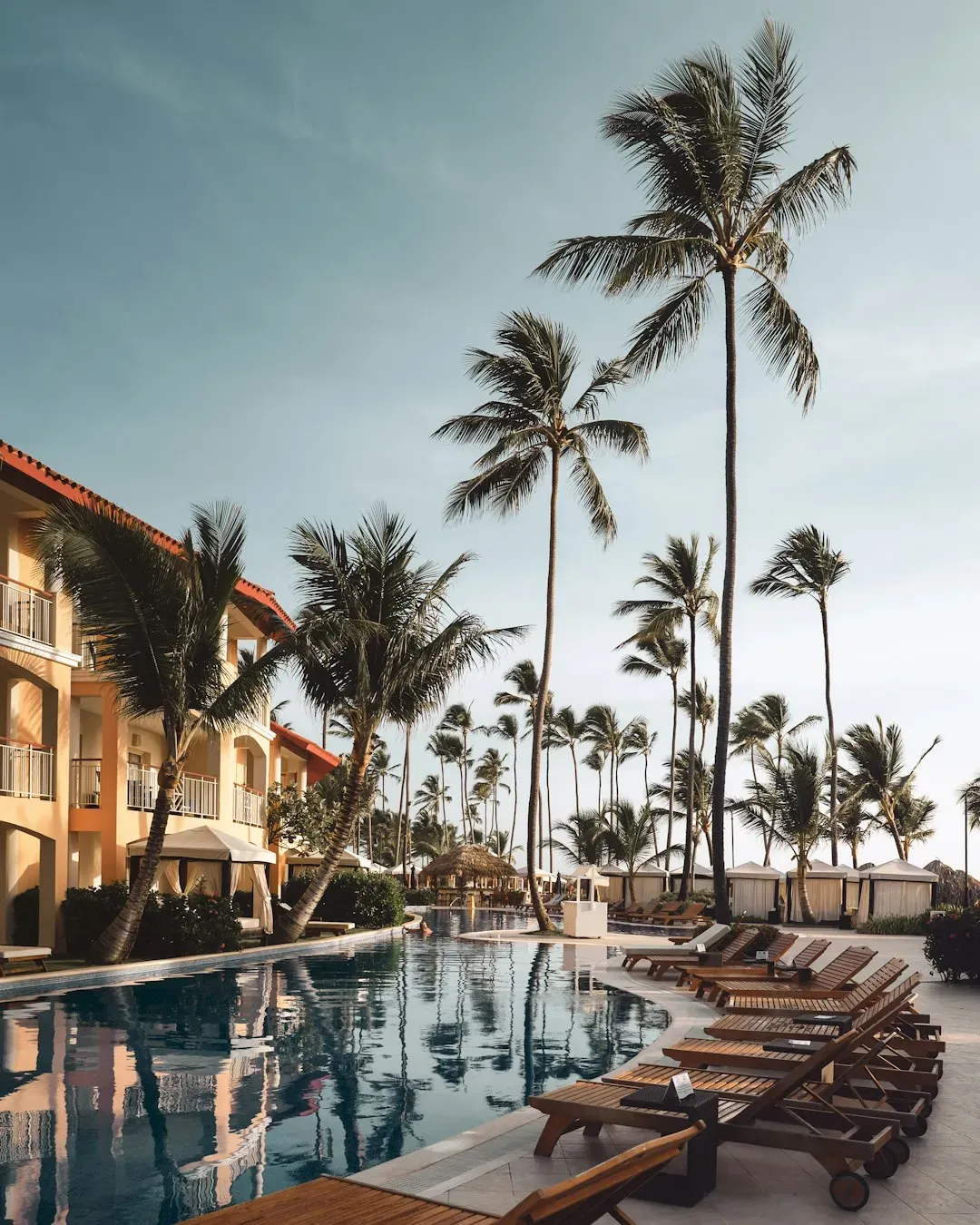
Resort fees, often ranging from twenty to fifty dollars per night at many U.S. properties, have drawn increased scrutiny from regulators and consumer groups through 2024 and 2025, with the Federal Trade Commission finalizing rules requiring clearer upfront disclosure of these charges. When a guest can point to a specific, verifiable problem, such as a broken pool, an out of service gym, or wifi that never worked during the stay, front desk agents are often authorized to remove or reduce the fee without needing manager approval. This is less a favor and more a recognition that the fee is tied to amenities the guest did not actually receive.
Staff are generally more willing to adjust this when the complaint is calm, specific, and raised promptly rather than saved for a heated conversation at checkout. Documenting the issue with a quick photo or a note to the desk during the stay also strengthens the case. Properties increasingly train staff to resolve these disputes at the front desk level precisely to avoid negative reviews mentioning surprise fees.
6. Complimentary breakfast or parking for loyalty members
Major hotel loyalty programs, including Marriott Bonvoy, Hilton Honors, and World of Hyatt, have built elite tiers specifically around perks like free breakfast, waived parking, and lounge access, and front desk staff are trained to honor these benefits consistently. Even guests without elite status sometimes receive a small courtesy version of these perks, particularly during slower periods or when a hotel is trying to build goodwill with a first time visitor. Parking in particular is often waived when garage capacity is not tight, since an empty spot generates no revenue anyway.
Breakfast comps are more common at extended stay and upper midscale brands that already include some food service in their operating model. Full service hotels with a dedicated restaurant are more conservative about this because breakfast represents actual food and labor cost, not just unused inventory. Mentioning loyalty status clearly and politely at check-in remains the most reliable way to trigger these benefits.
7. Adjoining or connecting rooms for families and groups
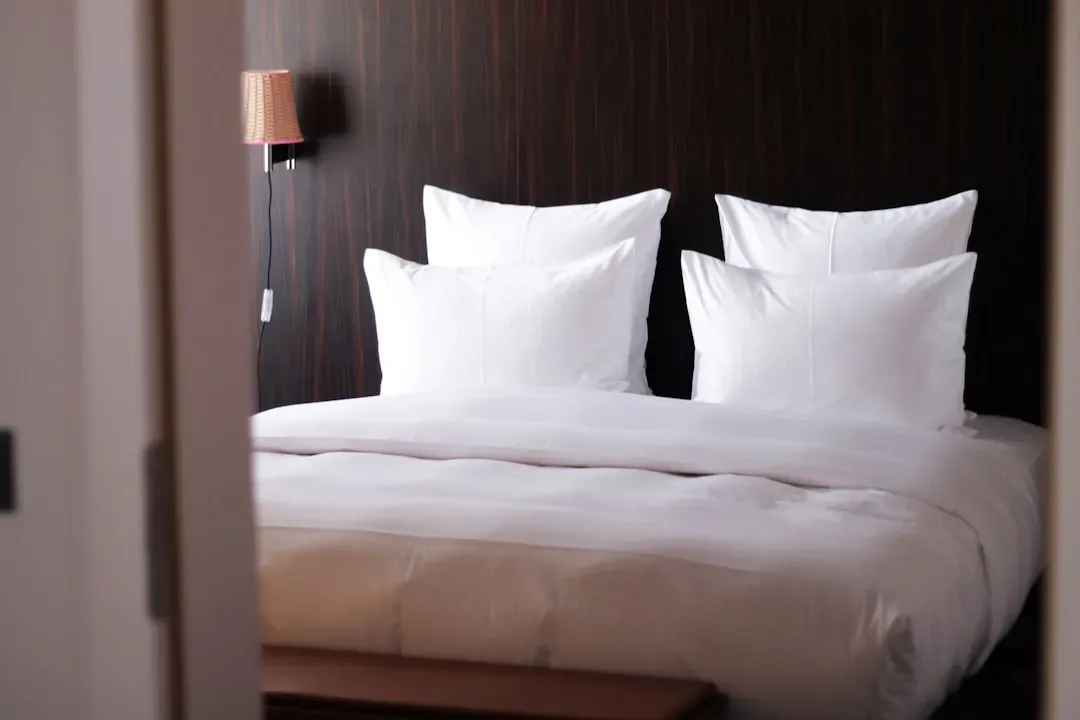
Families traveling with children or groups splitting into multiple rooms often ask for connecting or adjoining rooms, and hotels generally want to accommodate this because keeping a family satisfied and quiet is easier than managing separate complaints from two rooms on different floors. These room configurations exist specifically for this purpose, and agents usually check availability first before even quoting rates for a separate room type. When occupancy allows it, granting the request costs the hotel nothing extra since the rooms are typically sold at standard rates regardless of their physical connection.
The main obstacle is simply supply, since most hotels only have a limited number of connecting room pairs built into the property. Booking directly with the hotel and mentioning the need for connecting rooms at the time of reservation, rather than waiting until arrival, significantly improves the odds of securing them. Early communication gives the property time to block the specific rooms needed well before check-in day.
Small, reasonable requests made with a calm tone and good timing consistently outperform demands or complaints at almost every property. Front desk staff have more discretion than most guests realize, but that discretion tends to open up for people who ask rather than insist.





Leave a Reply