
Most dog owners can tell when their dog is simply tolerating them and when it genuinely prefers their company. The signs are usually small, such as a glance across the room or a certain way of settling onto the couch. Researchers have studied many of these habits, and some of them line up with what we know about attachment in humans.
Dogs don’t read from a script, and no single behavior proves a bond on its own. Still, certain patterns show up again and again in the science of dog and human relationships. Here are eight of the most common.
Making Eye Contact That Feels Soft

Gentle, mutual gazing is one of the best studied signs of closeness between dogs and people. A well-known 2015 study in Science by Miho Nagasawa and colleagues found that when dogs and owners gazed at each other, both showed a rise in oxytocin, a hormone linked to bonding. Wolves raised by humans didn’t respond the same way.
The key is the quality of the look. A relaxed face and soft eyes are a very different thing from a hard stare, which dogs can use as a warning. When your dog glances at you, looks away, then checks back in, that’s usually a friendly exchange.
Checking In While Out and About
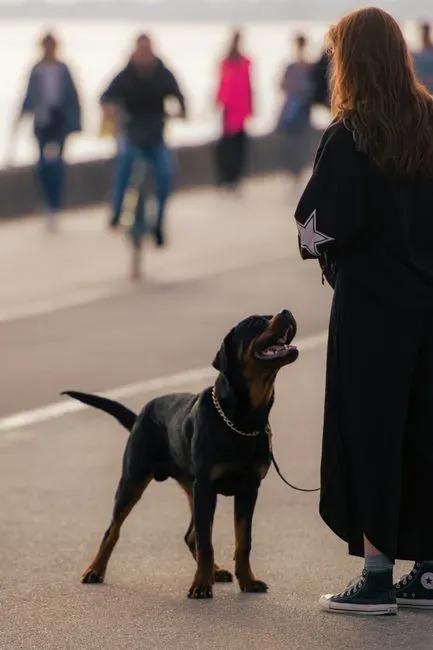
Dogs that feel attached often keep tabs on their person on walks or at the park. They’ll look back, pause, or circle around to see where you are. This lines up with what researchers call the secure base effect, where a dog uses its owner as a point of safety while exploring.
The effect was described in studies using a modified version of the Strange Situation test, originally designed for human infants. Dogs that were more securely attached tended to explore more comfortably when their owner was present. So a dog that wanders but keeps glancing back isn’t ignoring you. It’s staying connected.
Greeting You With Real Enthusiasm
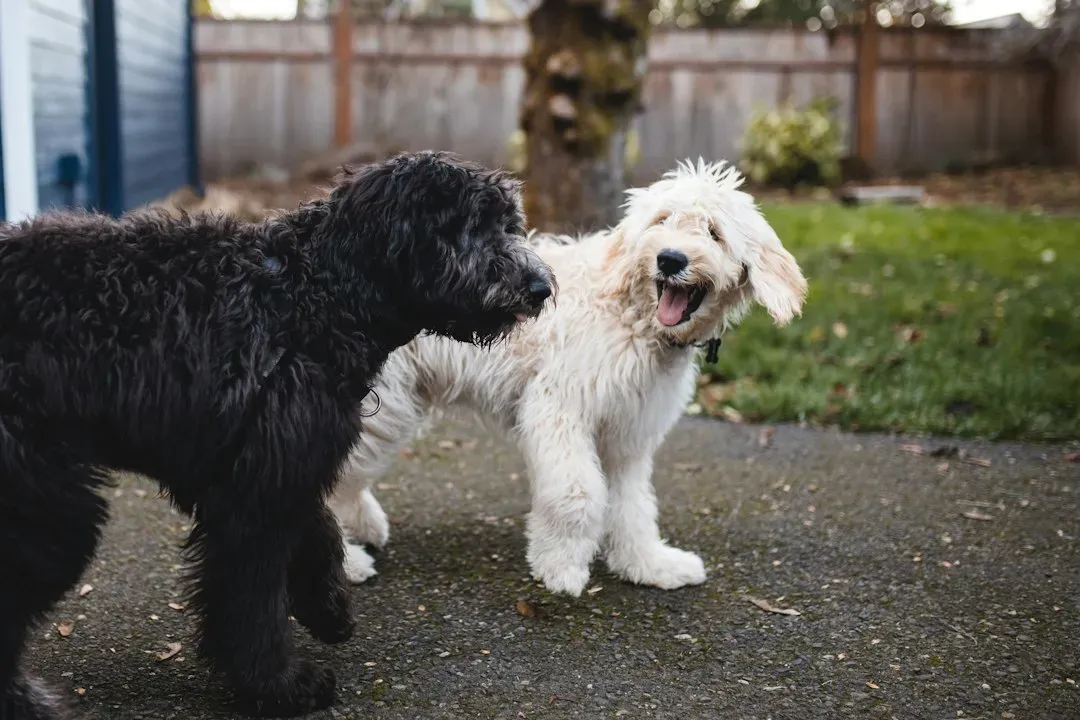
The happy reunion is a classic. Tail wags, wiggly hips, and a rush to the door are common when a trusted person comes home. In the Strange Situation research on dogs, animals typically showed stronger greeting behavior toward their owners than toward strangers after a separation.
Dogs also tend to respond to the scent and voice of people they know. Brain imaging work from Emory University has shown that a dog’s reward centers respond strongly to the smell of a familiar person. That helps explain why a short trip to the mailbox can still earn a big welcome.
Leaning, Cuddling, and Seeking Touch
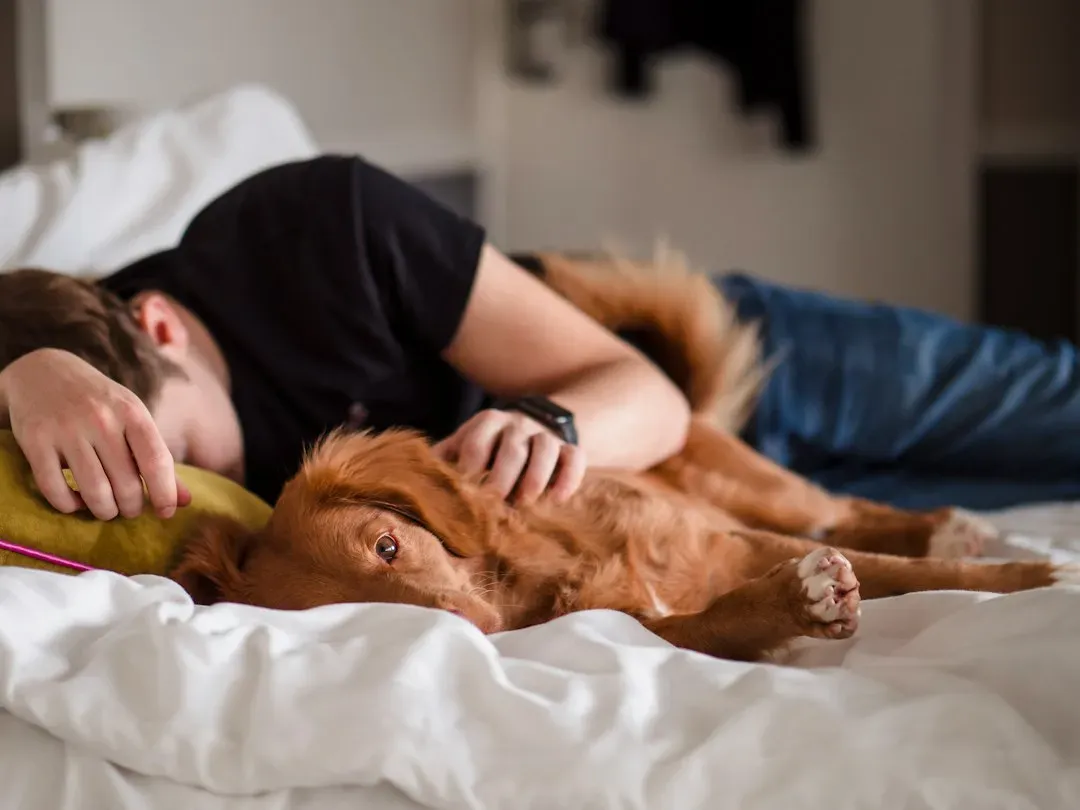
Physical closeness is another strong signal. Dogs that lean against your legs, rest a chin on your knee, or curl up beside you are choosing contact, and that choice usually reflects comfort. Dogs are selective about touch, so it’s worth noticing who they approach on their own terms.
Not every dog loves cuddling, though, and breed, age, and past experience all play a part. A dog that sits near you rather than on you may still be deeply attached. Respecting how your dog likes to be touched is part of building trust.
Following You From Room to Room
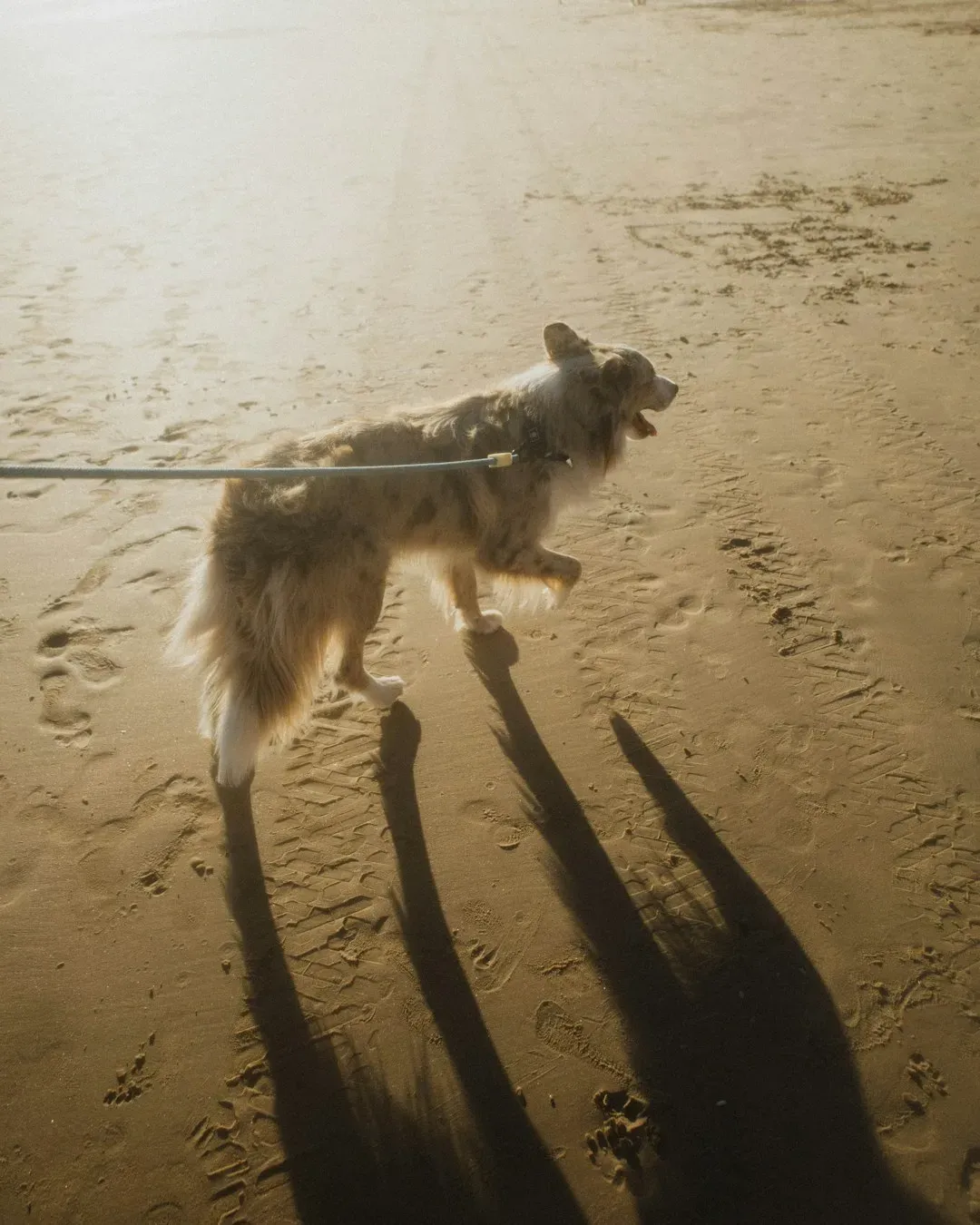
The dog that trails you to the kitchen, the bathroom, and back again is often called a shadow. This behavior is commonly linked to attachment and to a dog’s preference for staying near its social group. Many trainers and veterinary behaviorists see it as normal, especially in dogs that feel secure around a specific person.
There is a caveat. If following comes with panic, destructive behavior, or heavy distress when you leave, it may point to separation related problems rather than simple affection. A veterinarian or certified behavior professional can help sort out the difference.
Responding to Your Emotions
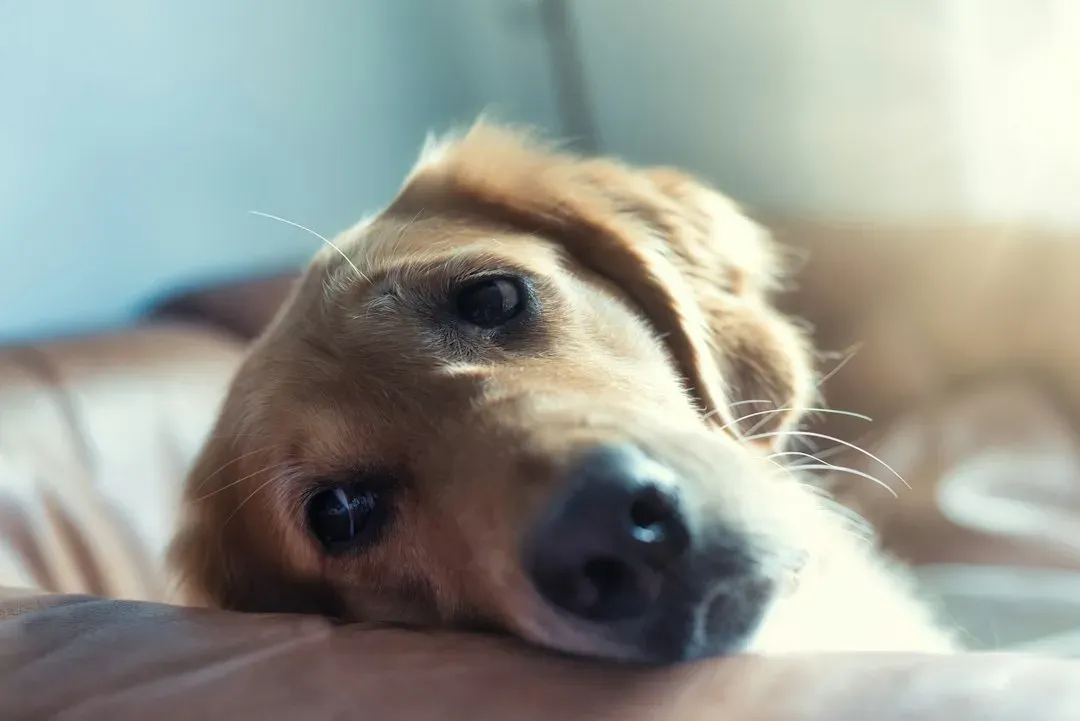
Dogs seem tuned in to how their people feel. A 2022 study in Learning and Behavior found that dogs were more likely to open a door to reach an owner who was crying than one who was humming, and they did it faster. The researchers suggested the dogs were responding to distress, and that a dog’s own stress level influenced how quickly it acted.
Other research has shown that dogs can distinguish human emotional expressions to some degree. That doesn’t mean they understand sadness the way we do. It does suggest they notice changes in our tone, posture, and scent, and many adjust their behavior in response.
Relaxing and Sleeping Near You
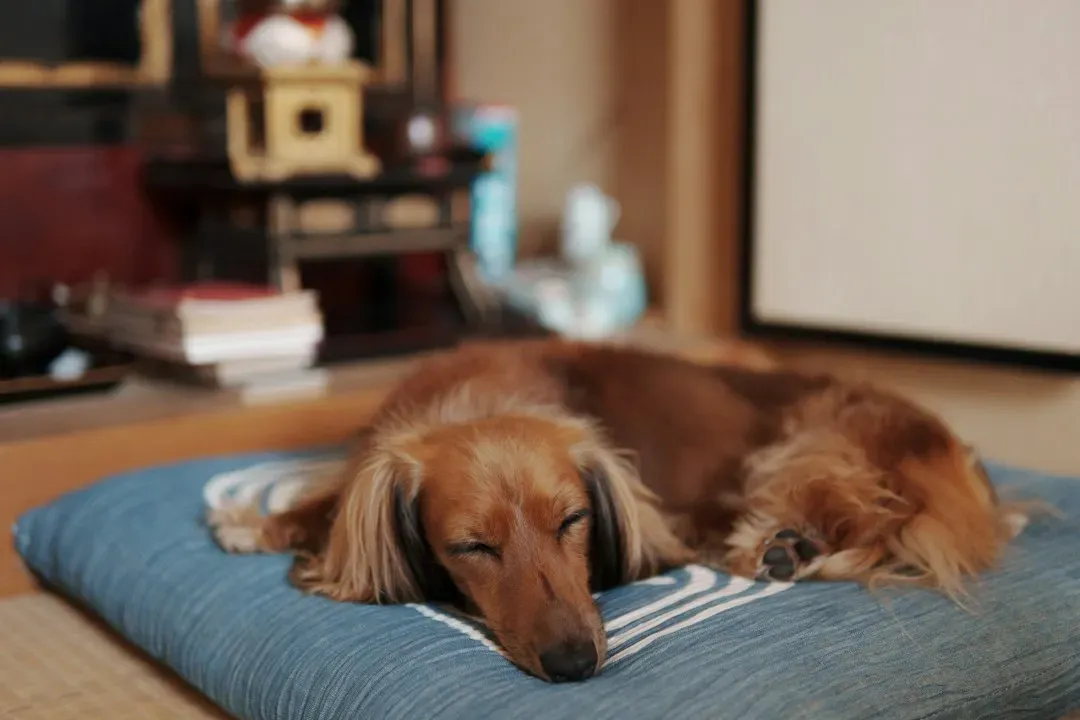
A dog that falls asleep in your presence is showing a level of trust. Sleeping leaves an animal vulnerable, so choosing to do it near a particular person often says something about comfort. Many dogs pick a spot at your feet, by your bed, or in the same room.
Body language matters here too. Loose muscles, a soft face, and a relaxed belly all suggest ease. A dog that’s alert, stiff, or constantly shifting position is telling a different story, even if it’s close by.
Looking to You for Guidance

Dogs often turn to trusted people when something is uncertain. Research on social referencing has shown that dogs can use a person’s emotional cues, such as a happy or fearful reaction, to decide how to treat an unfamiliar object. A dog might glance at you when a strange noise starts, or when it meets something new.
Dogs also follow human pointing and gaze remarkably well, a skill that has been documented in many studies and appears early in puppies. This tendency to read and rely on human signals is part of what makes dog and human partnerships unusual. For a bonded dog, you’re often the first place it looks for answers.



Leave a Reply