
Choosing a first bird tends to start with looks or a charming video, and it usually ends with a sudden education in noise, mess, and lifespan. Some species forgive beginner mistakes. Others expect a level of experience most new owners simply don’t have yet.
Avian veterinarians see the results of those choices every week. Their recommendations generally favor birds that are hardy, manageable in size, and realistic for a typical household. Here are eight that come up again and again.
Budgerigar (Budgie)

The budgie is the classic starter bird, and for good reason. It’s small, affordable to feed, and doesn’t need an enormous cage, though it does need room to fly short distances. Most budgies live roughly five to ten years with good care, which is a commitment but not a lifelong one.
Vets like budgies because they’re widely kept, so there’s plenty of established guidance on their diet and health. They’re social, and many learn to mimic words or sounds. A pair can keep each other company, though a single budgie that gets daily attention can also do well.
Cockatiel
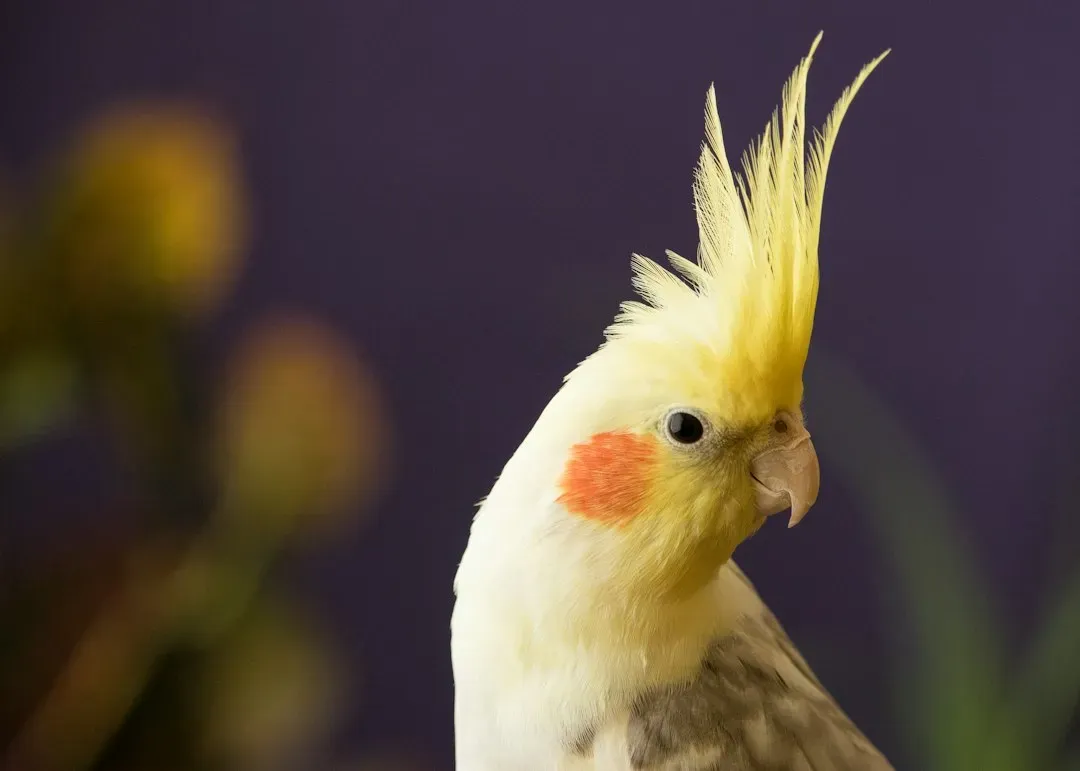
Cockatiels are gentle, expressive birds that often enjoy being handled. Their crests signal mood, so new owners can learn to read them quickly. They’re a small parrot, but they’re larger than a budgie and need a roomier cage.
Lifespan is the thing to plan around, since a healthy cockatiel can live fifteen to twenty five years. They also produce a fine powder that can bother people with allergies or asthma. Vets often suggest a seed and pellet mix with vegetables, since an all seed diet is a common cause of nutritional problems.
Canary
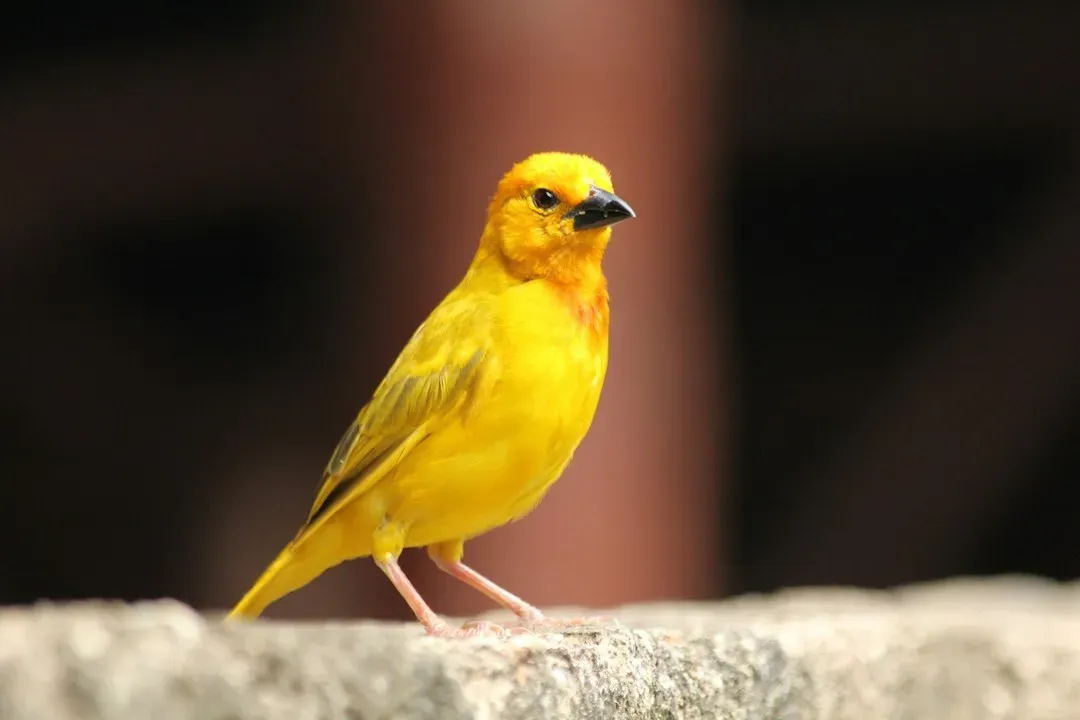
Canaries are kept mainly for their song, and males are the ones known for singing. They don’t enjoy being handled much, which makes them a good fit for people who want to watch and listen rather than cuddle. They’re generally quiet in a gentle, musical way, which suits apartments.
Because they’re hands off pets, they need a long cage so they can fly back and forth. Many live around ten years or so with proper care. They do best kept singly, since males can be territorial toward each other.
Zebra Finch
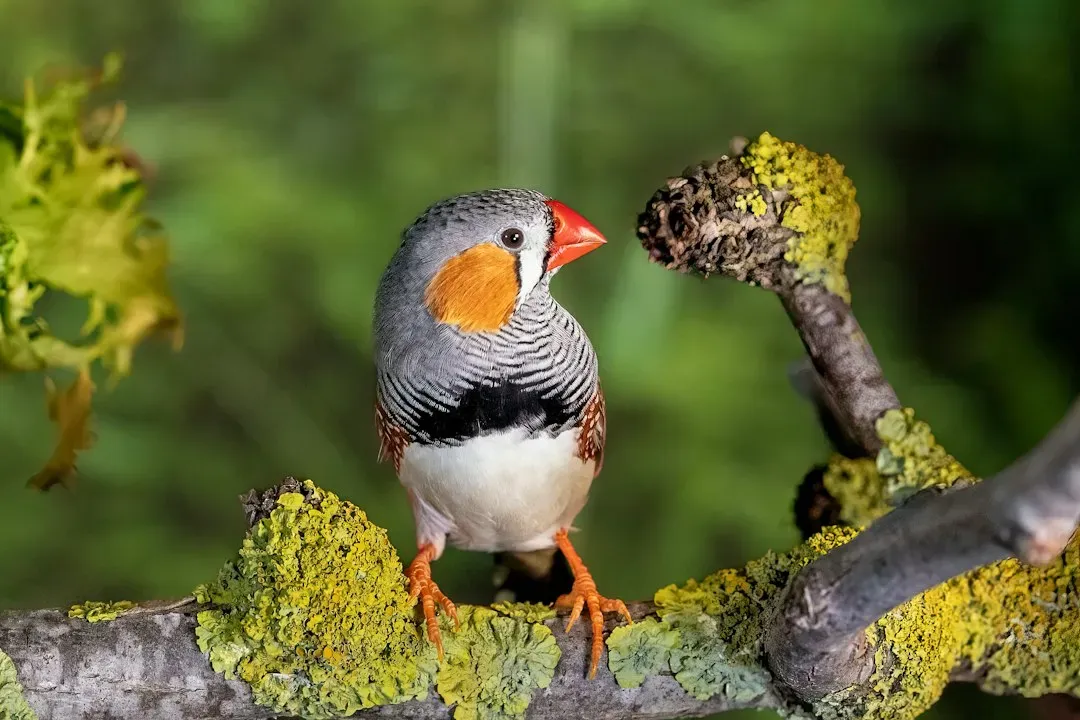
Finches are another good choice for people who’d rather enjoy birds than handle them. Zebra finches are among the hardiest and most commonly kept, and they’re lively to watch as they hop and chatter. They’re sociable with their own kind, so they’re usually kept in pairs or small groups.
Their care is simple in principle, but they need a wide cage rather than a tall one, since they fly horizontally. Lifespans are often around five to nine years. Cleanliness matters, because crowded or dirty cages can lead to health trouble.
Parrotlet
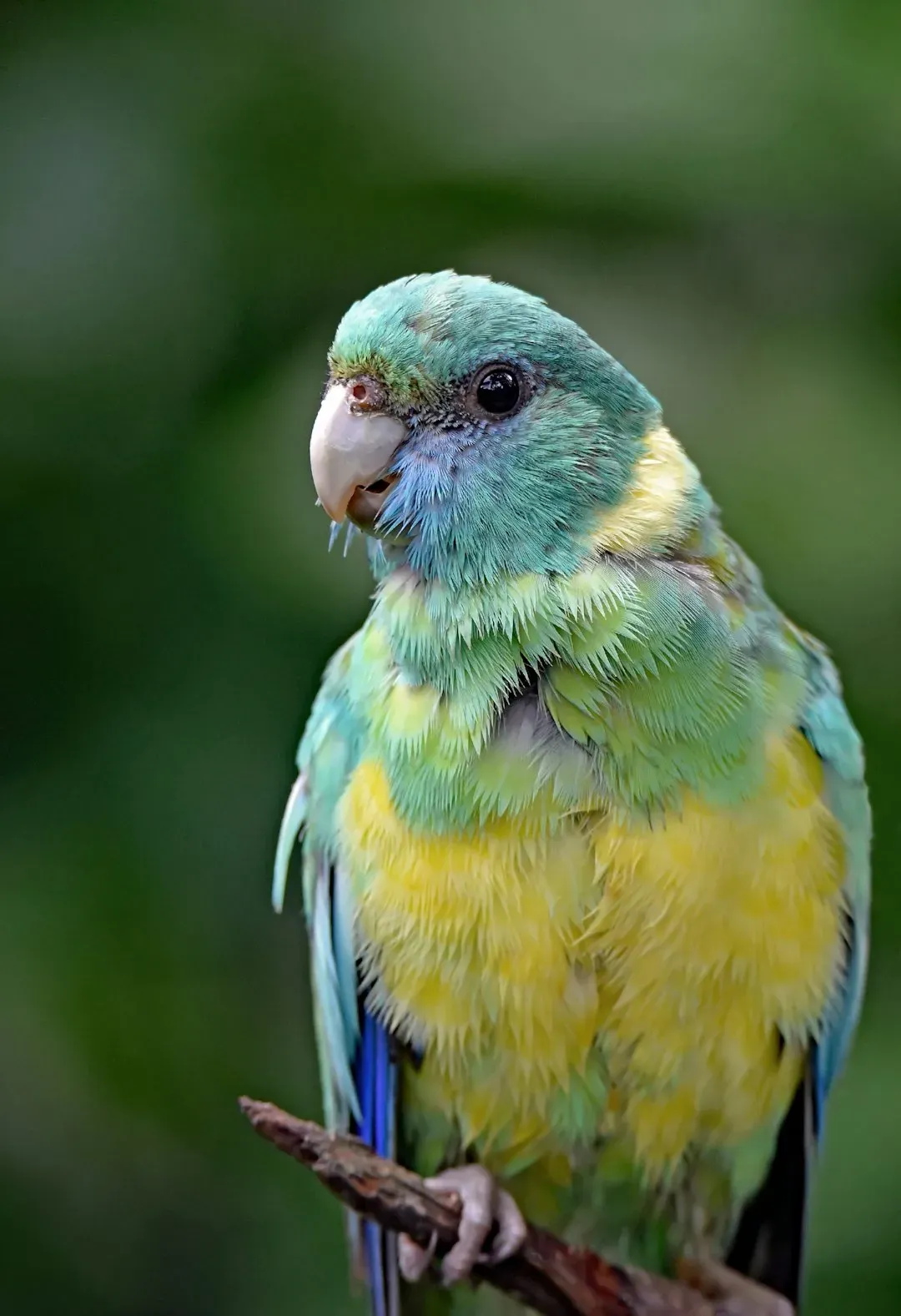
Parrotlets are tiny birds with big personalities, often described as having a parrot’s attitude in a very compact body. They bond closely with their owners and can be trained with patience. Their voices are less piercing than those of many larger parrots.
Their confidence can lead to bossiness, so early, gentle training helps. Parrotlets can live fifteen to twenty years, which surprises many people given their size. A good cage, safe toys, and daily time outside it go a long way.
Lovebird

Lovebirds are colorful, energetic, and playful, and a hand raised one can be very affectionate. They’re small, but they can be nippy if they’re bored or poorly socialized. Many owners find them entertaining as long as they get plenty of toys and attention.
Their reputation for needing a partner is somewhat overstated, since a single lovebird can do well with a devoted owner. A pair, though, may bond with each other more than with you. Lifespans commonly run from ten to fifteen years, and sometimes longer.
Green Cheeked Conure
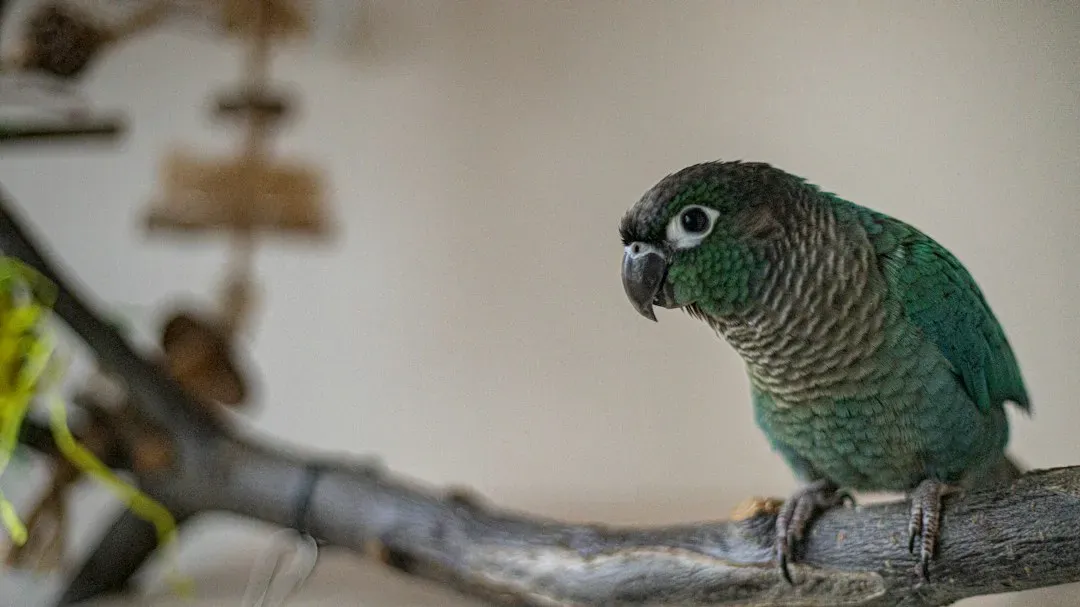
Among conures, the green cheeked is usually the one recommended to beginners. It’s clownish, affectionate, and quieter than many of its louder relatives. Even so, it can still make noise at certain times of day, so close neighbors are worth considering.
These birds are intelligent and active, and they need regular out of cage time and things to chew. They can live two decades or more, so this is a long commitment. Vets generally suggest a pellet based diet with fresh vegetables and some fruit.
Pionus Parrot
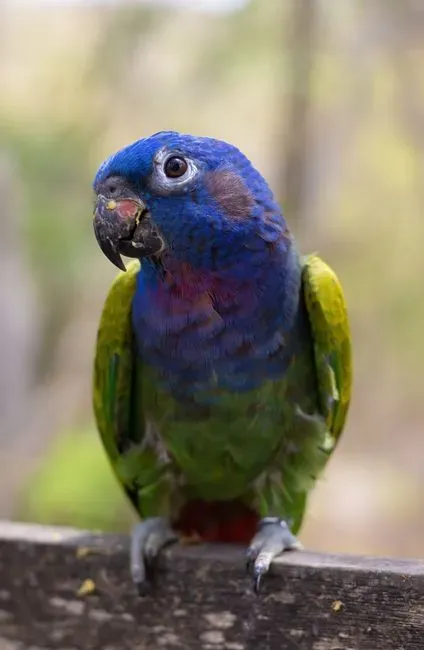
Pionus parrots are medium sized birds known for being calmer and quieter than many parrots, such as cockatoos or macaws. They tend to enjoy affection without demanding constant interaction. That temperament makes them appealing to owners who work during the day.
They can be shy at first and may take time to warm up to a new home. Pionus birds can live twenty five years or more, so the decision is a serious one. They’re also prone to respiratory trouble if their environment is dusty or poorly ventilated, which is worth discussing with an avian vet early on.





Leave a Reply