
Ask anyone born between the mid-1960s and early 1980s what their childhood looked like, and you’ll likely hear stories that sound almost unbelievable to today’s parents. Gen X grew up in an era of latchkey kids, unsupervised bike rides, and a general cultural attitude that children could and should figure things out on their own. There was no helicopter parenting, no GPS tracking, and certainly no group chat pinging every fifteen minutes to check in.
Looking back, some of these freedoms seem almost reckless by today’s standards, shaped by a very different understanding of risk, supervision, and childhood independence. Yet for millions of Gen Xers, these experiences were simply Tuesday. Here are eight everyday freedoms that defined a generation and would likely give modern parents heart palpitations.
1. Riding Bikes for Hours Without a Helmet or a Destination

Gen X kids routinely hopped on their bikes after breakfast and didn’t return until the streetlights flickered on. There was no set plan, no check-in point, and often no helmet either, since bike helmet laws for children didn’t become common in the United States until the 1990s. Parents simply trusted that their kids would show up eventually, hungry and covered in dirt.
This kind of unstructured mobility gave children a sense of geographic independence that’s rare today. They learned neighborhoods, made friends outside their immediate block, and navigated minor mishaps like flat tires or getting lost without an adult stepping in. Modern parents, armed with safety statistics and a cultural shift toward constant supervision, would likely find this level of freedom unthinkable now.
2. Walking or Biking to School Alone
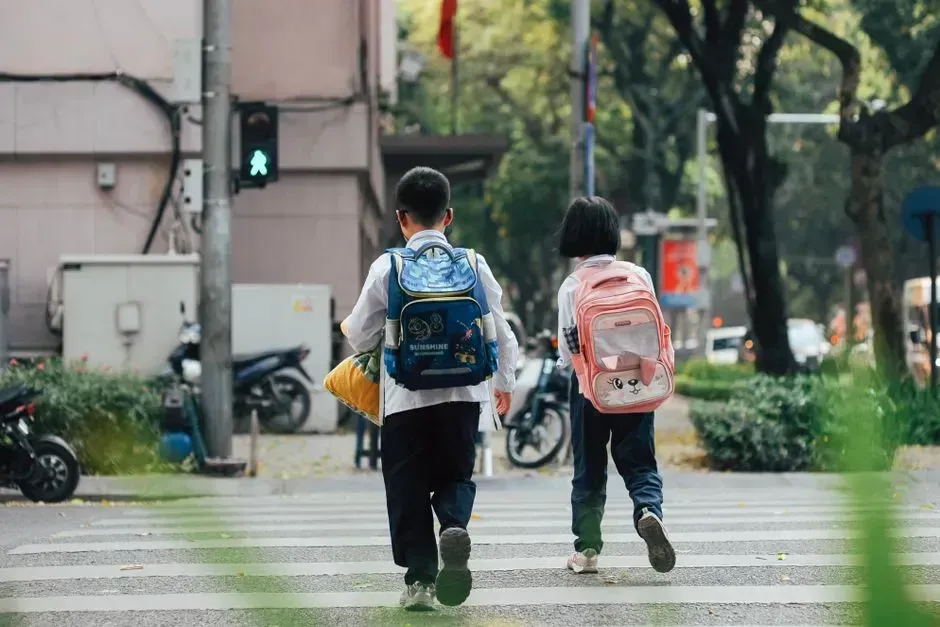
It was common for Gen X children as young as six or seven to walk to school by themselves or with a sibling, often crossing busy streets without a crossing guard in sight. This wasn’t seen as unusual, it was simply how kids got to class. Federal data has since shown a dramatic decline in this practice, with independent walking or biking to school dropping sharply over the following decades.
Today, the National Center for Safe Routes to School and similar organizations have documented how the percentage of children walking or biking to school fell from roughly half in the 1970s to a small fraction today. Fear of traffic, stranger danger, and legal liability concerns have reshaped how families approach the morning commute. For Gen X, though, that solo walk was often the first taste of independence each day.
3. Drinking From the Garden Hose

On hot summer days, there was no hesitation about grabbing the garden hose for a drink instead of walking inside for a glass of water. Kids didn’t think twice about the metal taste or where the water had been sitting, they just wanted relief from the heat. This casual approach to hydration was universal across neighborhoods and required zero adult supervision.
Modern parents, more aware of concerns like lead content in older hoses or bacteria buildup, tend to steer children toward filtered water bottles instead. Research from environmental health groups has raised valid concerns about chemicals leaching from PVC hoses over time. Still, for Gen X, the hose was just another part of summer, no different from a sprinkler or a popsicle.
4. Riding in Cars Without Seatbelts or Car Seats
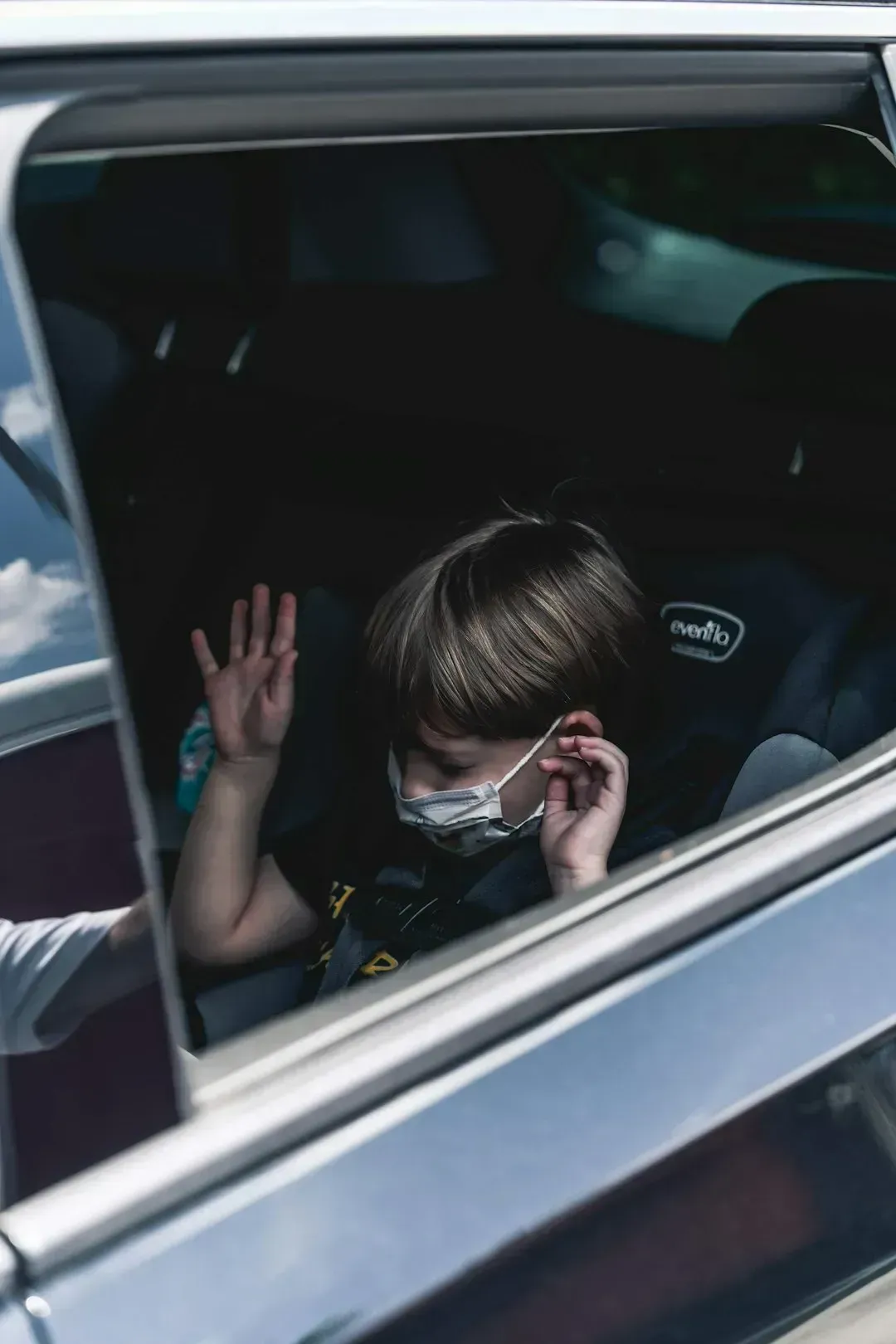
Car safety looked drastically different before the 1980s, when seatbelt laws became widespread across the United States. Gen X kids often rode in the back of station wagons, sometimes lying down in the cargo area, or piled into the bed of a pickup truck for short trips. Car seats existed but weren’t mandated or consistently used the way they are now.
The National Highway Traffic Safety Administration didn’t establish comprehensive child passenger safety laws nationwide until the 1980s, and enforcement varied widely by state for years afterward. It’s a stark contrast to today’s strict guidelines, which dictate specific seat types based on a child’s age, height, and weight. For many Gen Xers, memories of car rides involve freedom of movement that today’s booster seat laws would never permit.
5. Playing Outside Unsupervised Until Dark
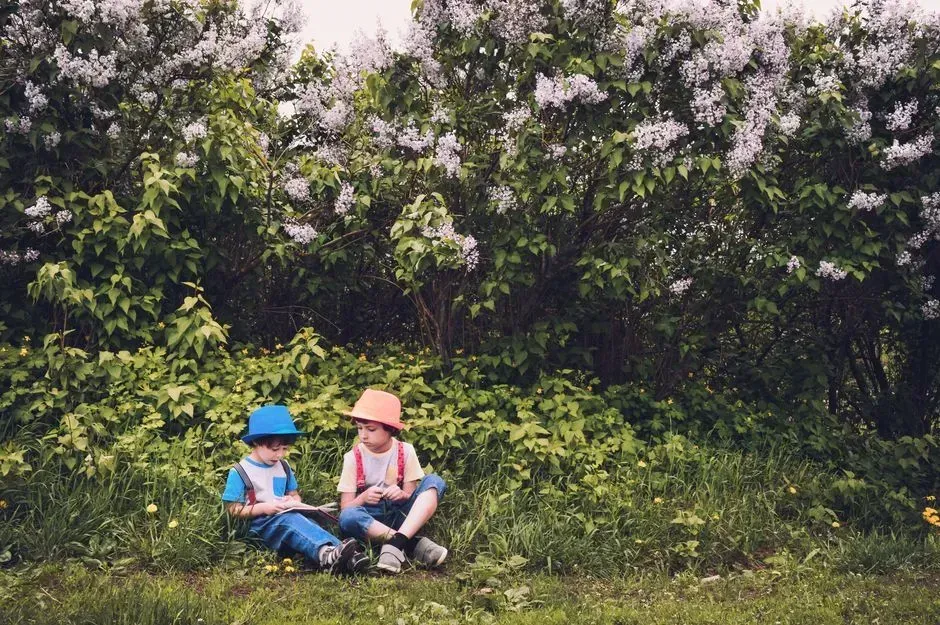
The phrase “be home before the streetlights come on” was essentially the only rule governing outdoor playtime for many Gen X families. Kids roamed parks, wooded areas, and neighborhood cul-de-sacs without any adult present, organizing their own games and settling their own disputes. There was no app to track their location and no expectation that a parent needed to know their exact whereabouts at all times.
Sociologists have often pointed to this era as a high point for what’s called “free-range” childhood, a term that gained renewed attention decades later when parents began reviving the concept amid pushback against overscheduled, supervised childhoods. Author Lenore Skenazy became a prominent voice for this idea in the 2000s, arguing that unsupervised play builds resilience and problem-solving skills. For Gen X, though, this wasn’t a parenting philosophy, it was simply the default setting of daily life.
6. Walking to the Store Alone With Just a Few Dollars
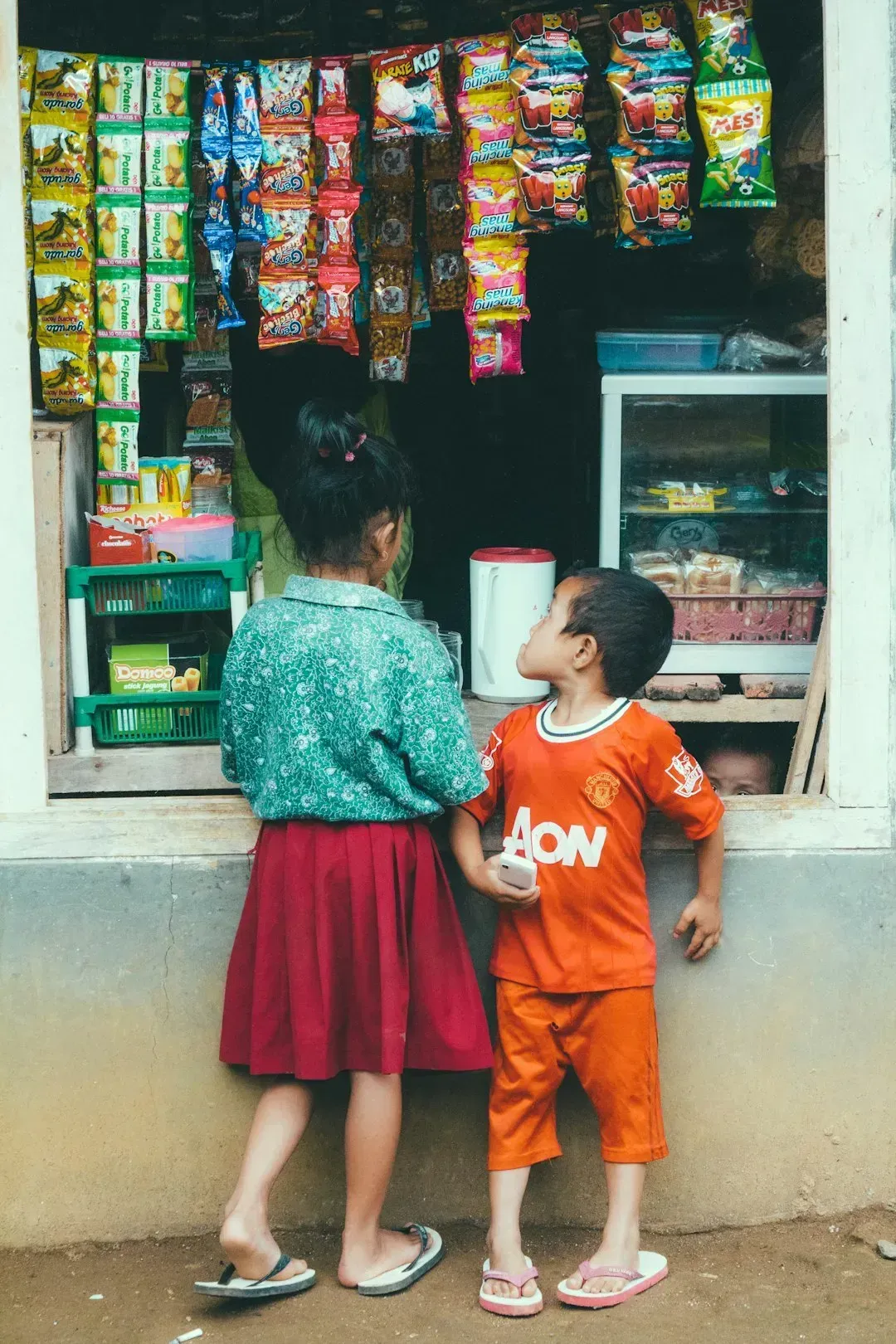
Sending a child to the corner store for milk, bread, or a pack of cigarettes for a parent was a normal errand, not a cause for concern. Kids as young as eight or nine might walk several blocks alone, handle cash transactions, and return home without any adult supervision or contact along the way. It taught basic responsibility and money handling skills at a young age.
This kind of independent errand-running has become far less common, partly due to shifting cultural norms around child safety and partly due to legal changes regarding tobacco and alcohol sales to minors. Many states have since tightened laws around what unsupervised minors can legally purchase. Modern parents accompanying children on even short errands reflects a broader shift toward constant supervision that Gen X simply didn’t experience.
7. Playing With Fireworks and BB Guns With Minimal Oversight

Backyard fireworks, BB guns, and even homemade go-karts were common fixtures of Gen X summers, often used with only casual adult awareness rather than direct supervision. Bottle rockets and firecrackers were purchased at roadside stands with little regard for age restrictions in many states. Injuries happened, sometimes seriously, but they were often treated as part of growing up rather than reasons for stricter rules.
The Consumer Product Safety Commission has tracked firework-related injuries for decades, and data shows thousands of emergency room visits each year, a statistic that has driven increased regulation and public safety campaigns since the 1990s. Many states have since raised age requirements and restricted the types of fireworks available to consumers. What was once treated casually is now approached with far more caution and legal restriction.
8. Staying Home Alone for Entire Days
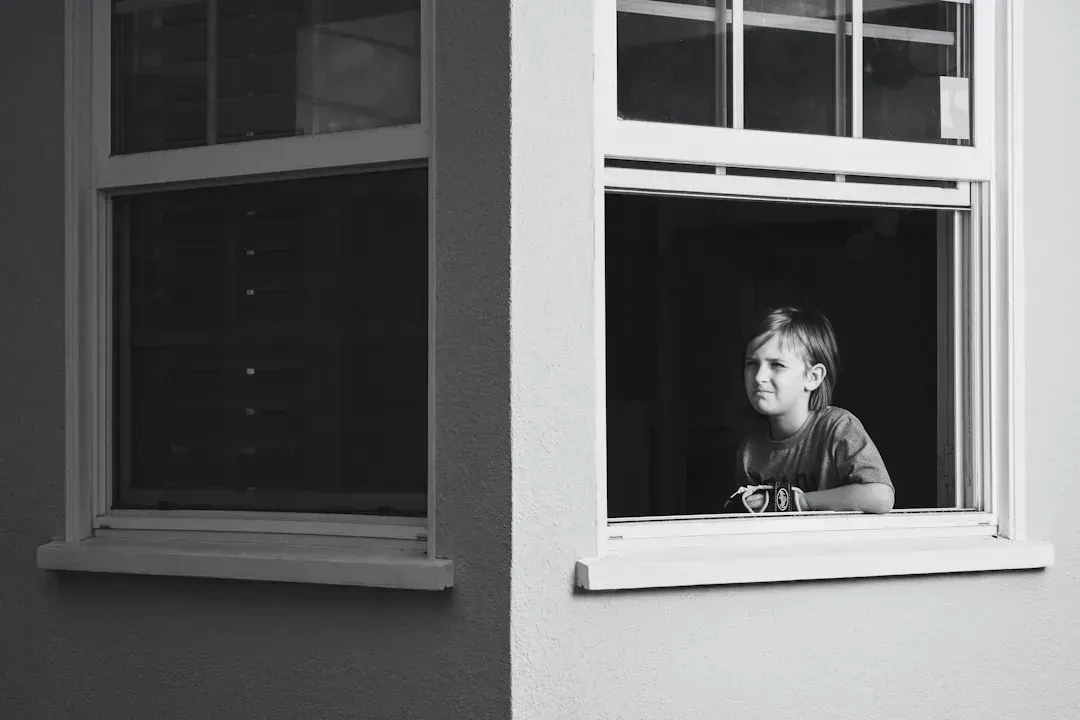
The term “latchkey kid” became a defining label for Gen X, describing children who let themselves into an empty house after school and stayed alone until a parent returned from work, sometimes for several hours. This became especially common as dual-income households increased throughout the 1970s and 1980s. Kids made their own snacks, did homework unsupervised, and entertained themselves without any digital babysitter beyond broadcast television.
Research from that era, including studies referenced by child development researchers, examined both the challenges and the surprising resilience this arrangement fostered in many children. There was no formal legal age requirement in most states dictating when a child could be left alone, leaving it largely up to parental judgment. Today, while laws still vary by state and rarely specify an exact age, cultural expectations around supervision have shifted considerably, making extended solo time far less common for young children.
Looking back at these eight freedoms, it’s easy to see why Gen X often gets credited with a certain scrappy independence that later generations didn’t experience in quite the same way. None of this means earlier parenting was better or worse, just different, shaped by different information, different statistics, and a different cultural mood around risk. What’s clear is that childhood autonomy has changed dramatically in just a few decades, and Gen X happened to live through one of the last chapters where kids were largely left to figure things out on their own.





Leave a Reply