
Dogs can’t tell us in words when something’s bothering them, but their bodies usually do the talking. Trainers who spend their days reading canine body language often notice the same handful of everyday habits tripping up otherwise loving owners. These aren’t dramatic mistakes, just small routines that quietly chip away at a dog’s sense of security.
The good news is that most of these habits are easy to spot once you know what to look for, and even easier to adjust. Below are eight behaviors trainers flag again and again, along with why they matter and what tends to help.
1. Skipping consistent routines

Dogs thrive on predictability, and irregular feeding times, walk schedules, or bedtime routines can leave them feeling unsettled. Trainers often point out that a dog who doesn’t know when the next meal or walk is coming tends to show more pacing, whining, or attention seeking. This isn’t about rigid military scheduling, but dogs do better with a loose, repeatable rhythm to their day.
When routines shift constantly, some dogs start anticipating stress before anything even happens, which can show up as excessive alertness or restlessness. Building in a general pattern, even a flexible one, gives a dog something steady to rely on. Many behaviorists consider this one of the simplest fixes with the biggest payoff.
2. Forcing physical affection

Hugging, prolonged eye contact, or holding a dog in place for photos might feel affectionate to us, but many dogs read these gestures very differently. Trainers frequently explain that dogs communicate discomfort through subtle cues like lip licking, yawning, or turning their head away, and these signals often appear during forced cuddling. A dog that tolerates a hug isn’t necessarily enjoying it.
Recognizing when a dog wants space is a skill that takes practice, but it pays off in trust. Letting a dog approach for affection on its own terms, rather than initiating contact every time, tends to reduce these low-level stress signals. Over time, dogs that feel they have some control over physical contact often appear more relaxed overall.
3. Overloading them with noise and stimulation

Loud households, constant television noise, or nonstop visitors can be surprisingly taxing on a dog’s nervous system. Dogs have far more sensitive hearing than humans, and trainers note that chronic background noise can contribute to a baseline level of tension that owners might not even notice. It’s not always obvious because the dog isn’t reacting to one single loud event, just existing in an environment that never quiets down.
Quiet time matters more than people assume, especially for anxious or sensitive breeds. Creating a low-stimulation space, even just a corner with a bed away from the noise, gives dogs somewhere to decompress. Trainers often recommend this simple addition for dogs showing signs of chronic restlessness.
4. Inconsistent rules and mixed signals
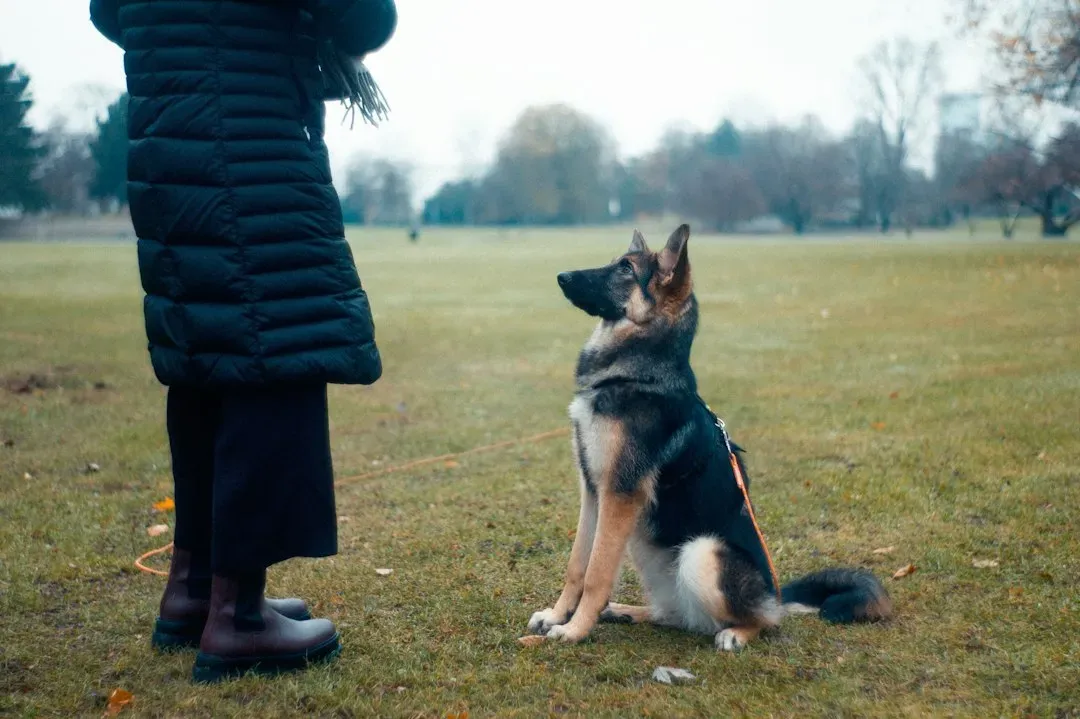
Letting a dog on the couch one day and scolding it the next sends confusing signals that can genuinely stress dogs out. Trainers commonly cite inconsistency as one of the fastest ways to create an anxious, unsure dog, because the animal never knows what’s actually expected. Dogs don’t reason through nuance the way people do, so mixed messages tend to just register as unpredictability.
Everyone in the household enforcing the same boundaries makes an enormous difference. This doesn’t mean rules have to be strict, just consistent. A dog that knows the boundaries, even simple ones, generally feels more secure than one guessing at what’s allowed each day.
5. Skipping mental enrichment

Physical exercise gets plenty of attention, but trainers increasingly stress that mental stimulation is just as important for a dog’s wellbeing. Dogs that don’t get enough puzzle toys, scent games, or new experiences can become bored, and boredom often manifests as destructive behavior or low-grade anxiety. A tired body without an engaged mind doesn’t fully satisfy a dog’s needs.
Simple additions like snuffle mats, short training sessions, or rotating toys can meaningfully reduce this kind of stress. Even five or ten minutes of focused mental work a day gives dogs an outlet that pure exercise doesn’t provide. Trainers often see noticeable behavior improvements once mental enrichment becomes part of the daily routine.
6. Frequent, abrupt separations

Leaving suddenly without any warning, or varying wildly between long absences and constant presence, can heighten a dog’s anxiety around being alone. Trainers who specialize in separation-related issues often trace the root back to unpredictable comings and goings rather than the absence itself. Dogs pick up on patterns, and erratic ones tend to breed uncertainty.
Practicing calm, low-key departures and arrivals helps dogs learn that alone time isn’t a big event. Gradually building up alone-time tolerance, rather than jumping from constant companionship to sudden long absences, tends to ease this stress considerably. This is especially relevant for dogs adopted during periods when owners were home more often than usual.
7. Using punishment-based corrections
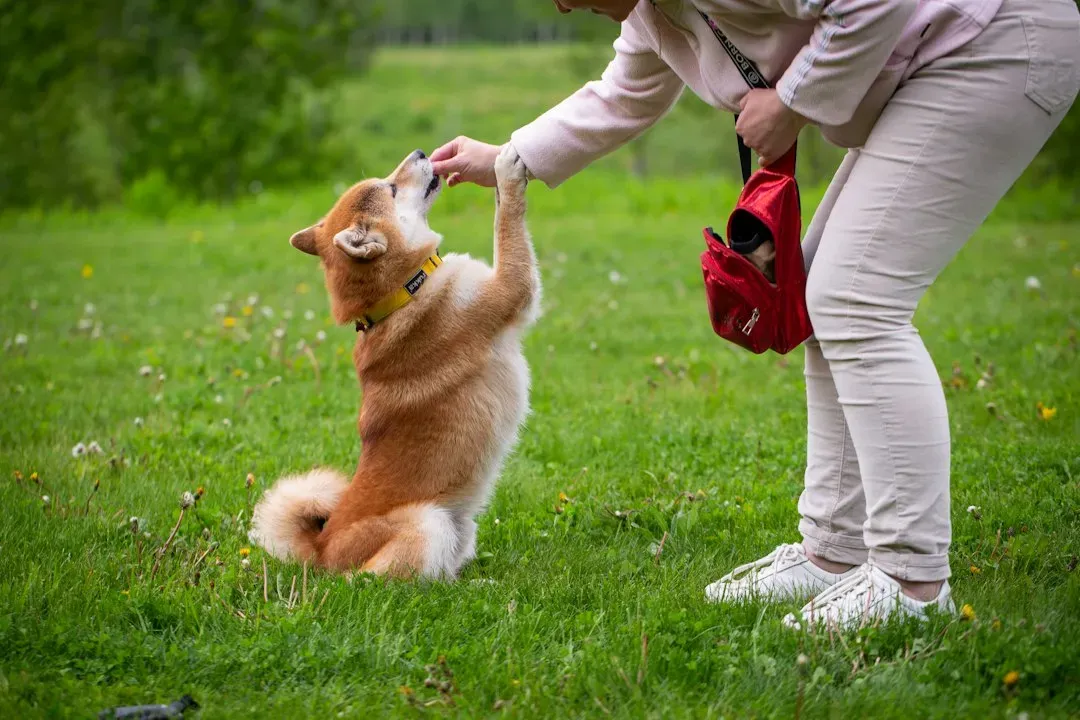
Harsh verbal corrections, physical punishment, or aversive tools remain a point of concern among modern trainers, many of whom have shifted toward positive reinforcement methods. Research on canine stress hormones has shown links between punishment-based training and elevated cortisol levels in dogs. Beyond the immediate reaction, these methods can erode a dog’s trust in its owner over time.
Trainers increasingly recommend redirecting unwanted behavior or rewarding desired actions instead of punishing mistakes after the fact. This shift isn’t just about kindness, it also tends to produce more reliable, long-term behavior change. A dog trained through fear may comply, but often at the cost of visible anxiety signs like cowering or avoidance.
8. Ignoring calming signals

Dogs communicate stress long before they growl or snap, through subtle cues like lip licking, yawning, whale eye, or turning away. Trainers stress that owners who miss these early warning signs often end up in situations where the dog feels forced to escalate just to be heard. Recognizing these signals early is one of the most valuable skills a dog owner can develop.
Once people learn to spot these cues, they can adjust the situation before it builds into real distress, whether that means backing off during a greeting or giving a dog space during a stressful encounter. This kind of awareness builds a more responsive, trusting relationship over time. Many professional trainers consider this single skill more impactful than any specific training technique.
None of these habits make someone a bad dog owner. They’re simply common blind spots that even experienced pet parents fall into, often without realizing it. Paying closer attention to a dog’s body language and daily rhythm tends to reveal quickly which of these habits might be quietly at play in any given household.





Leave a Reply