
1. Heavy, matching furniture sets
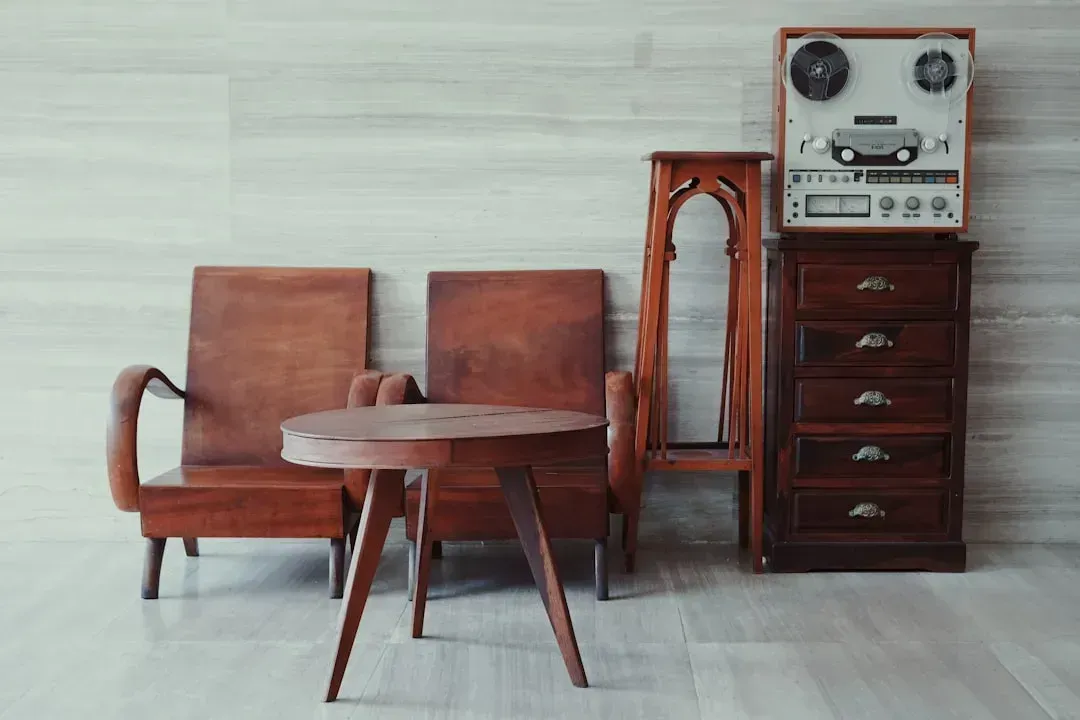
Buying an entire living room or bedroom set from a single collection was once considered the safe, sensible choice. Designers now say this uniformity is exactly what makes a room feel dated, because real homes accumulate pieces over time rather than arriving as a package deal. A sofa, coffee table, and side chairs that all share the same wood tone and silhouette read as showroom rather than lived-in.
The fix isn’t complicated. Mixing eras and materials, a vintage chair next to a modern sofa, or a metal lamp beside a wood console, gives a room depth and signals that the owner made individual choices rather than checking a box. Designers often recommend keeping one or two anchor pieces and swapping the rest gradually.
2. Wall-to-wall carpeting in every room
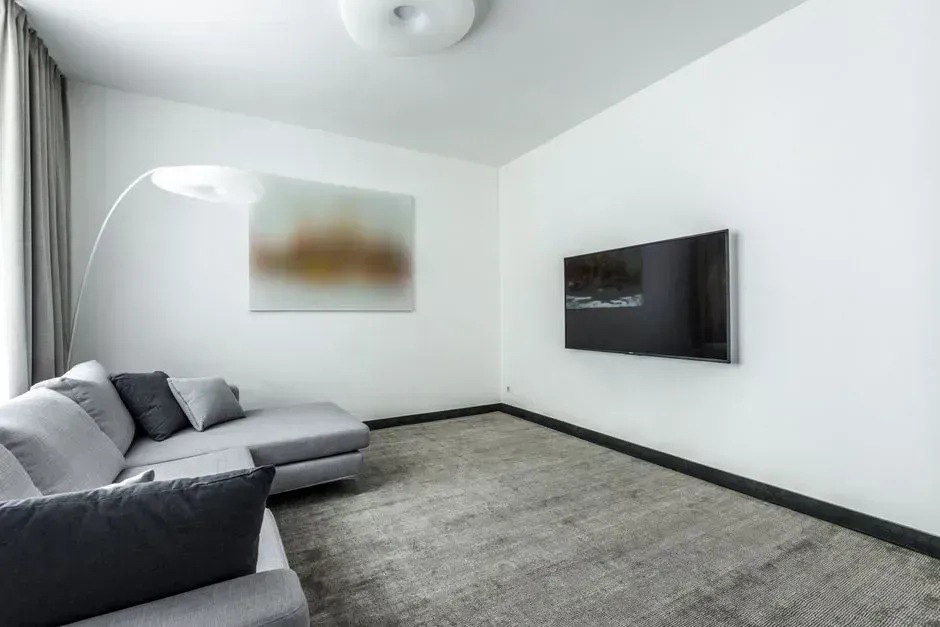
Carpeting an entire home, including kitchens and bathrooms, was standard practice for decades and is now one of the fastest ways to visually date a property. Beyond the aesthetic issue, wall-to-wall carpet traps allergens and wears unevenly in high-traffic zones, which only adds to the tired look over time. Hard surfaces like wood, tile, or luxury vinyl have become the default expectation in most updated homes.
This doesn’t mean rugs are off the table. Layering a well-chosen area rug over hard flooring gives warmth and softness without committing to the wall-to-wall look. It’s also far easier and cheaper to update a rug than to rip out carpet installed decades ago.
3. Popcorn or heavily textured ceilings
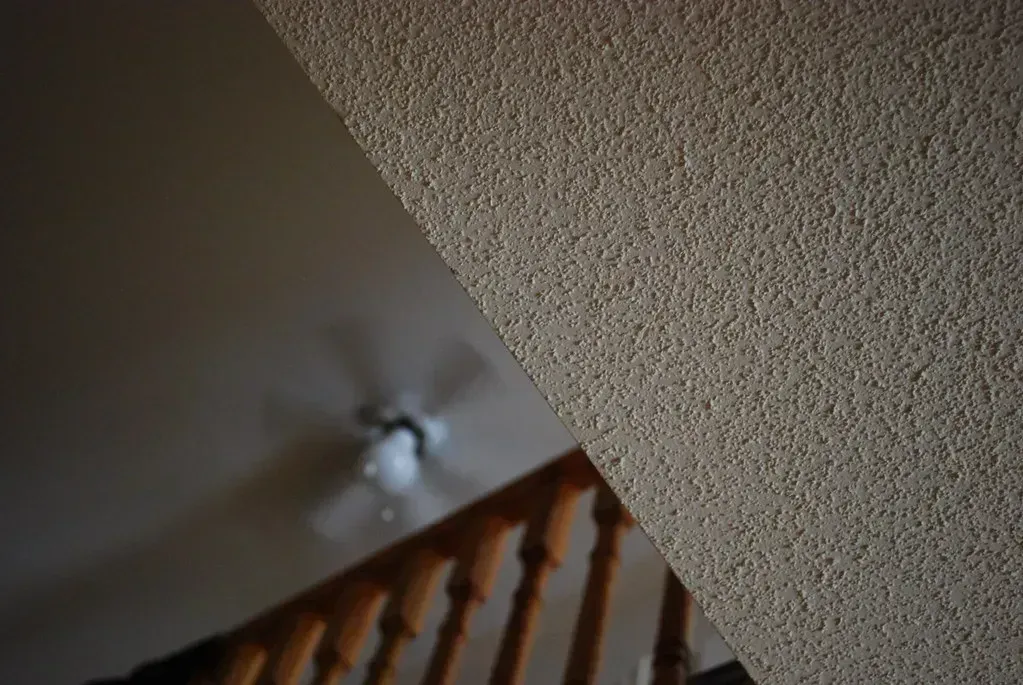
Textured ceilings, especially the popcorn style popular from the 1970s through the 1990s, remain one of the clearest visual markers of an older home. They collect dust, are difficult to clean, and in older properties can even contain asbestos, which is why many buyers ask about ceiling texture during inspections. A smooth, flat ceiling immediately reads as more contemporary and finished.
Removing textured ceilings is a bigger job than most updates on this list, often requiring professional help depending on the material underneath. Still, designers consistently rank it among the highest-impact changes a homeowner can make, particularly in main living areas where the ceiling is most visible.
4. Overly matched, monochrome color schemes
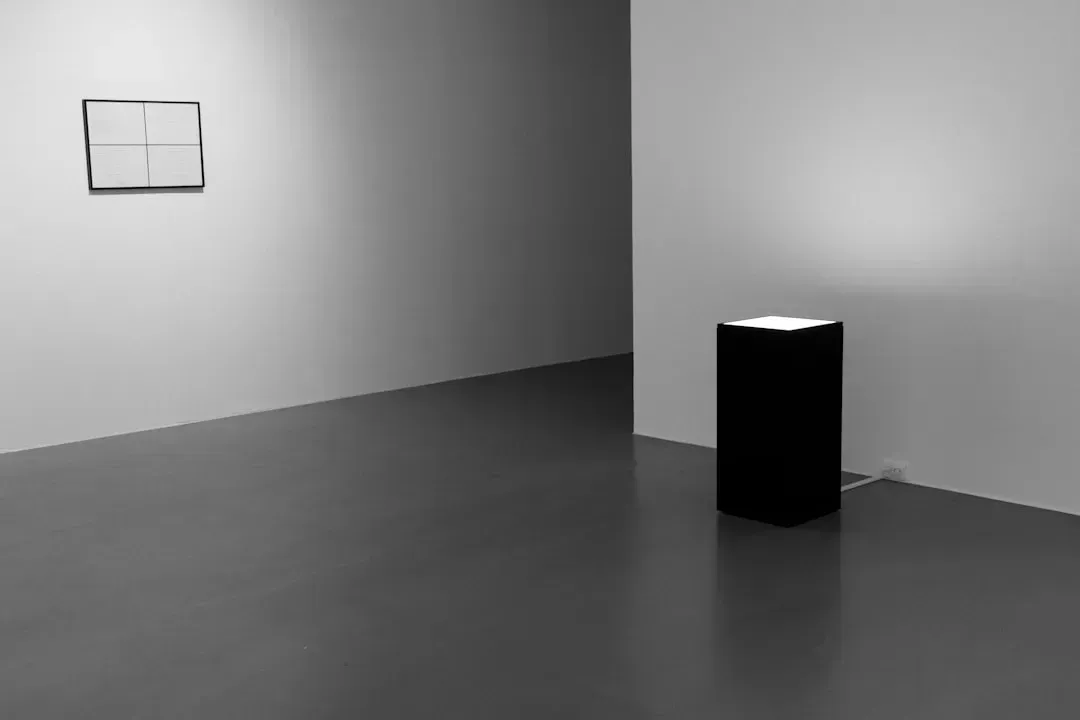
Painting walls, trim, furniture, and accessories all in variations of the same single color, or worse, choosing an entire room in one dominant shade, was a hallmark of certain design periods. It can make a space feel flat and, ironically, less cohesive than a room built around a few complementary tones. Designers point out that true sophistication usually comes from contrast and layering rather than uniformity.
A simple correction involves introducing at least one contrasting accent color and varying the finishes, matte walls against glossy trim, for instance. Even small doses of pattern or a different tone on cabinetry can break up the sameness and make a room feel intentional rather than accidental.
5. Brass or gold fixtures used indiscriminately
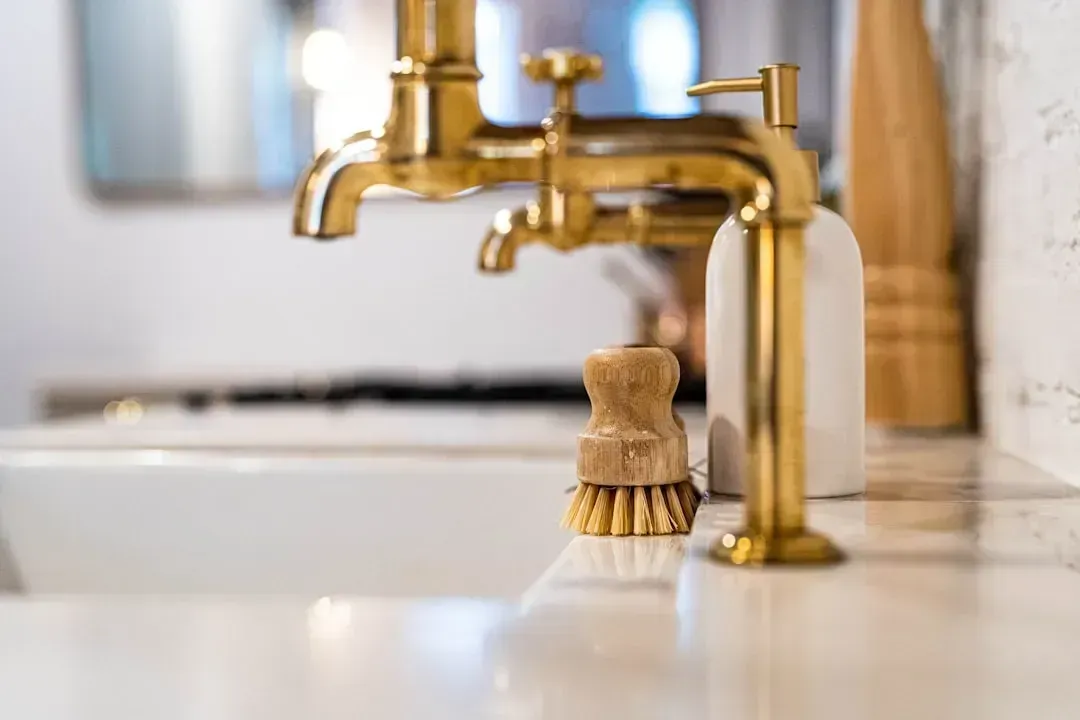
Shiny, yellow-toned brass hardware and light fixtures dominated bathrooms and kitchens for years before falling sharply out of favor in the 2000s and 2010s. While warm metals have made a comeback recently, the specific bright, polished brass of earlier decades still reads as outdated when it appears throughout an entire home. Designers distinguish between that older finish and the newer, more muted brushed or aged brass now appearing in updated spaces.
Swapping cabinet pulls, faucets, and light fixtures is one of the more affordable updates on this list. It’s also one homeowners can do in stages, starting with the most visible fixtures like a kitchen faucet or entry light before moving to smaller hardware.
6. Heavy drapes and valances

Thick, layered window treatments with matching valances, tiebacks, and multiple layers of fabric were once a sign of a well-appointed home. Today they tend to block natural light and add visual clutter that designers say makes rooms feel smaller and heavier than they are. Lighter, simpler window coverings have taken their place in most current interiors.
Replacing heavy drapery with simple linen panels, woven shades, or even leaving windows bare where privacy isn’t a concern can transform how a room feels almost instantly. Natural light reads as fresh and current, while blocked or filtered light tends to feel closed off and old-fashioned.
7. Oversized, ornate crown molding and trim
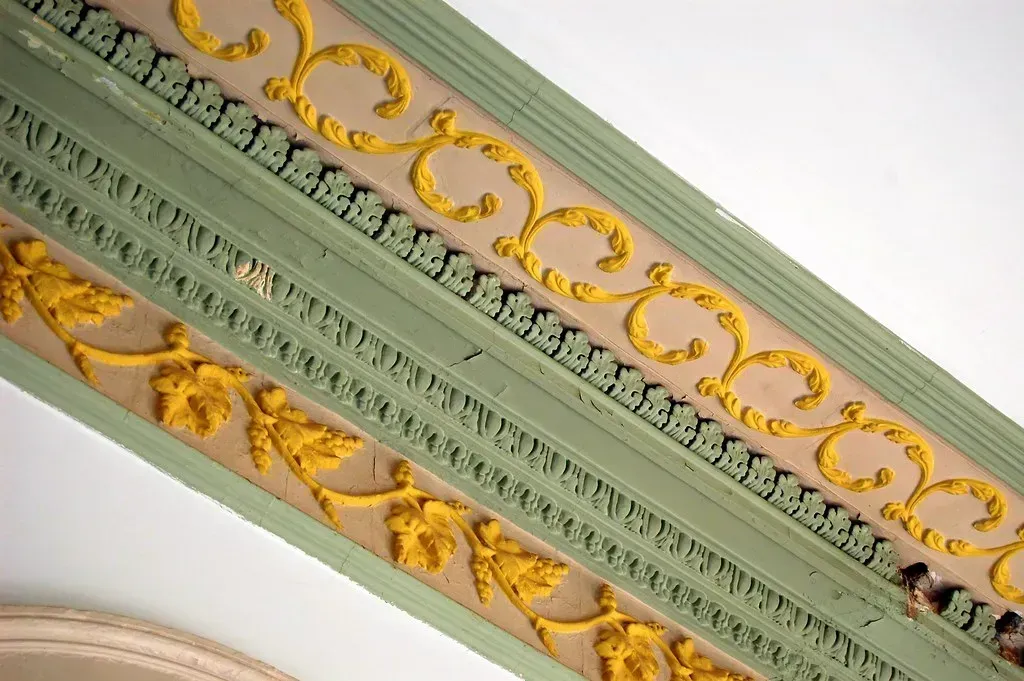
Elaborate, multi-layered crown molding and heavily carved trim were once markers of luxury, particularly in homes built or renovated in the 1990s and early 2000s. In smaller or lower-ceilinged rooms, this level of ornamentation can overwhelm the space and make it feel busier and older rather than grander. Simpler, cleaner trim profiles have become the more common choice in updated interiors.
This is one of the pricier fixes on the list since it involves carpentry work, but it doesn’t always require a full replacement. In some cases, simplifying by removing excess layers or painting trim to match the walls can soften the dated effect without a complete overhaul.
8. Frosted or textured glass in doors and windows

Frosted, etched, or heavily textured glass, often seen in front doors, shower enclosures, and interior transom windows, was a popular way to add privacy and pattern for many years. Designers now note that this style tends to filter and dim natural light while giving spaces an unmistakably older feel, especially when paired with the frosted glass patterns common in the 1980s and 1990s. Clear glass, or minimal frosting limited to specific privacy zones, has become the more current standard.
Replacing an entire door or window isn’t always necessary. In many cases, swapping just the glass insert or adding a simple film in select areas can update the look without the cost of replacing the whole unit.
None of these choices are permanent mistakes, and most homes accumulate a few of them simply through the natural passage of time rather than poor planning. Recognizing which elements are quietly dating a space gives homeowners a practical starting point, whether the goal is a quick refresh or preparing a property for sale. Small, targeted updates, tackled one at a time, tend to have the biggest visible impact for the effort involved.


Leave a Reply