
Ten years, ten different addresses. Somewhere between the third and fourth move, I stopped thinking of packing as a chore and started treating it as an annual audit. Every box I taped shut was a small vote for what mattered enough to carry forward, and every item left on the curb was proof that most things don’t deserve that kind of loyalty.
This isn’t a minimalism manifesto or a productivity hack. It’s just what happens when you’re forced, year after year, to look at your own possessions and ask a blunt question: does this earn its place in the next chapter? The answers surprised me more than I expected.
The furniture that survives is rarely the furniture you love
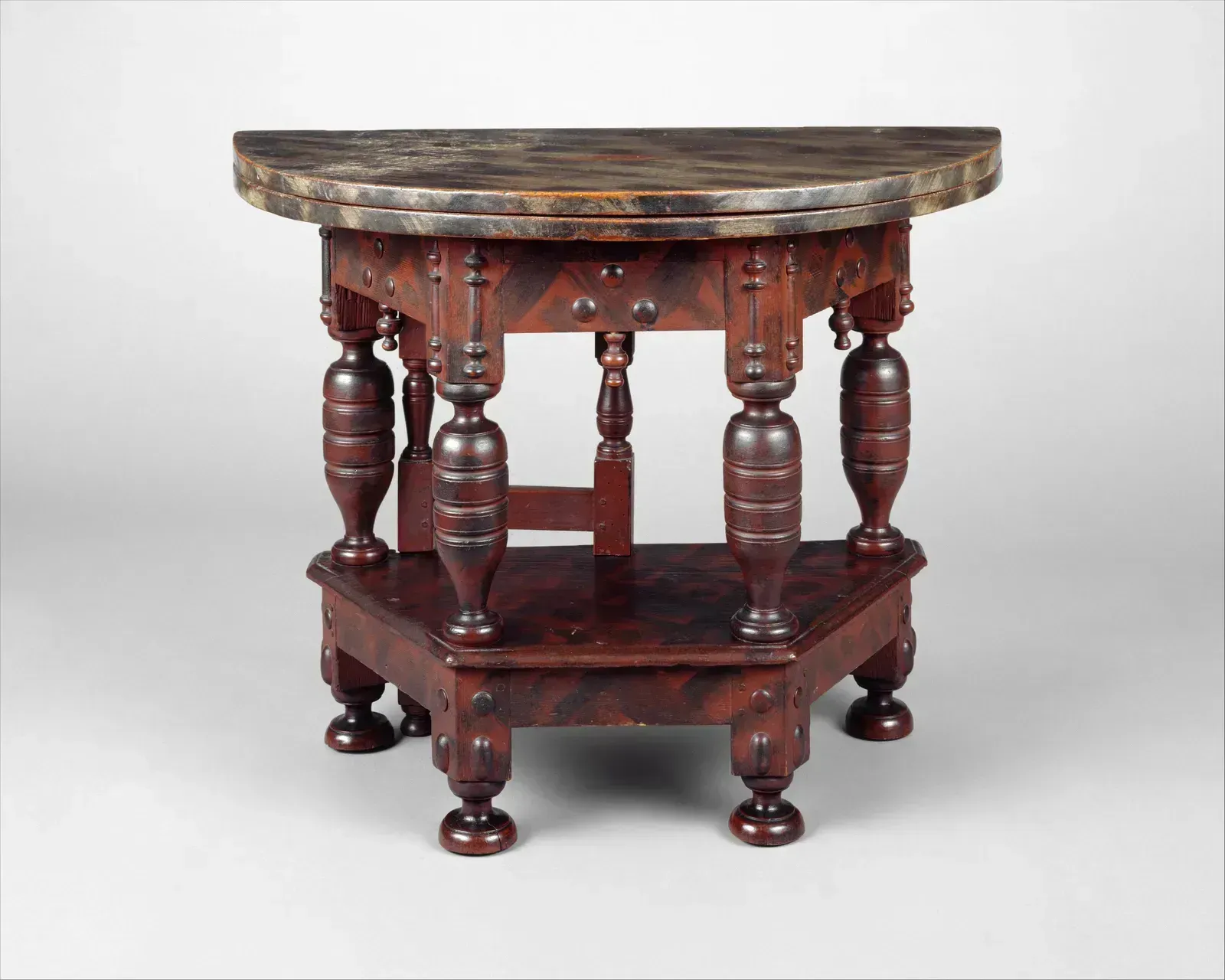
I used to think sentimental pieces would be the ones I’d fight to keep. Instead, the furniture that made it through move after move was almost always the boring, practical stuff. A sturdy bookshelf that broke down into flat panels. A folding table that didn’t care if it lived in a studio or a two-bedroom.
The ornate dresser I loved in my twenties got left behind twice because it was too heavy and too awkward to justify. Function beat beauty nearly every time, and after enough repetitions, I started buying furniture with the next move already in mind rather than the current room.
Books are heavier than sentiment can justify

Movers charge by weight or by the truckload, and books are dense in a way that sneaks up on you. A single box of hardcovers can weigh as much as two boxes of clothes, and after paying to haul the same unread novels across three states, the math stopped making sense.
I kept the ones I’d actually reread, gave away the rest, and leaned harder into library cards and e-readers. It wasn’t about loving books less. It was about admitting that owning a book and wanting a book nearby aren’t the same thing.
Kitchen gadgets reveal what you actually cook
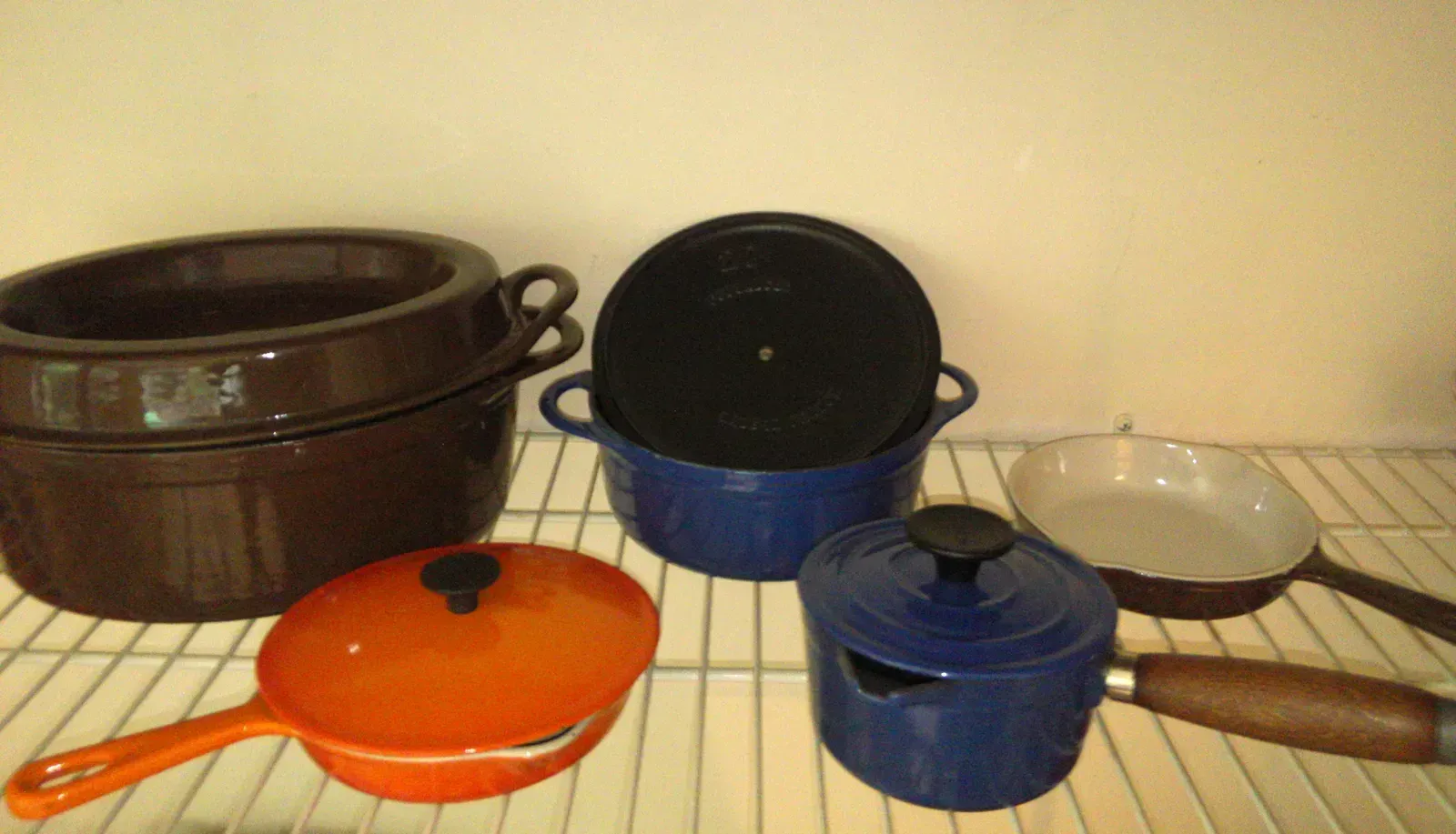
Every move exposed which kitchen tools were fantasies and which were habits. The panini press, the fondue set, the elaborate spiralizer all got donated at some point because they represented a version of cooking I aspired to rather than one I practiced.
What survived was plain: a good knife, a cast iron pan, a reliable pot. Watching myself pack the same three or four tools repeatedly while donating the rest taught me more about my actual habits than any journal entry could have.
Clothes you haven’t worn in a year rarely get worn after that either
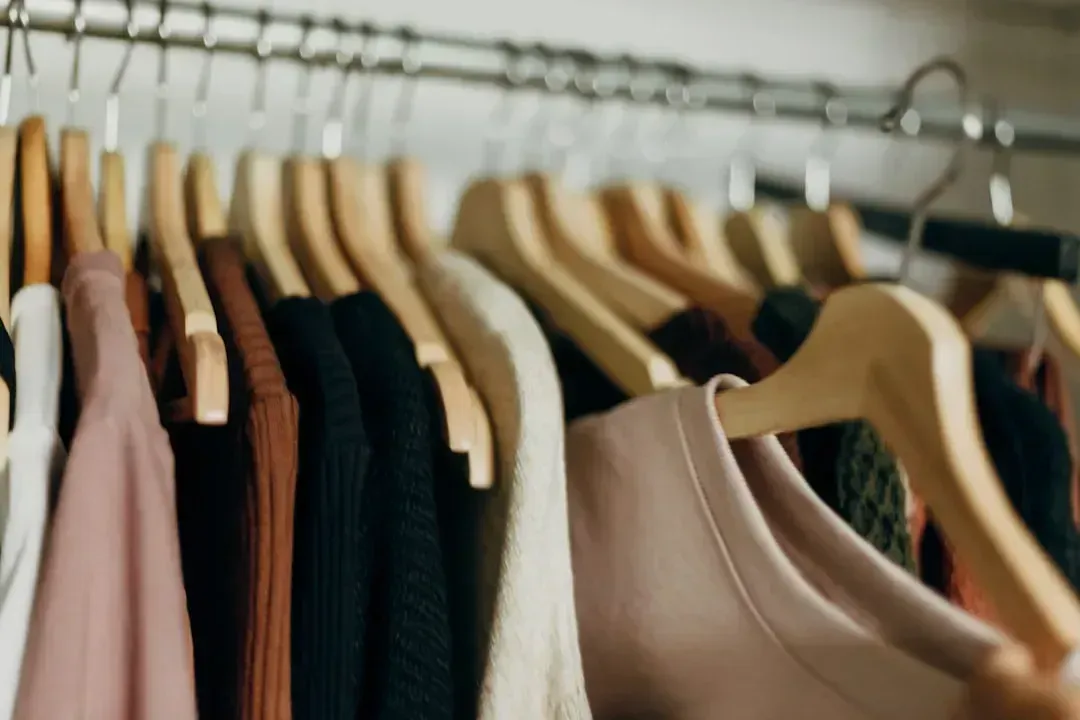
The “I might need this someday” pile is a trap, and moving every year exposes it fast. If a sweater sat untouched through an entire winter, it almost never got touched the winter after that, no matter how good it looked on the hanger.
I started applying a simple rule: if I hadn’t reached for something in the last twelve months, it went into the donation bag before the moving truck arrived. The closet that resulted was smaller, but everything in it actually got worn.
Photos matter more than the frames they came in
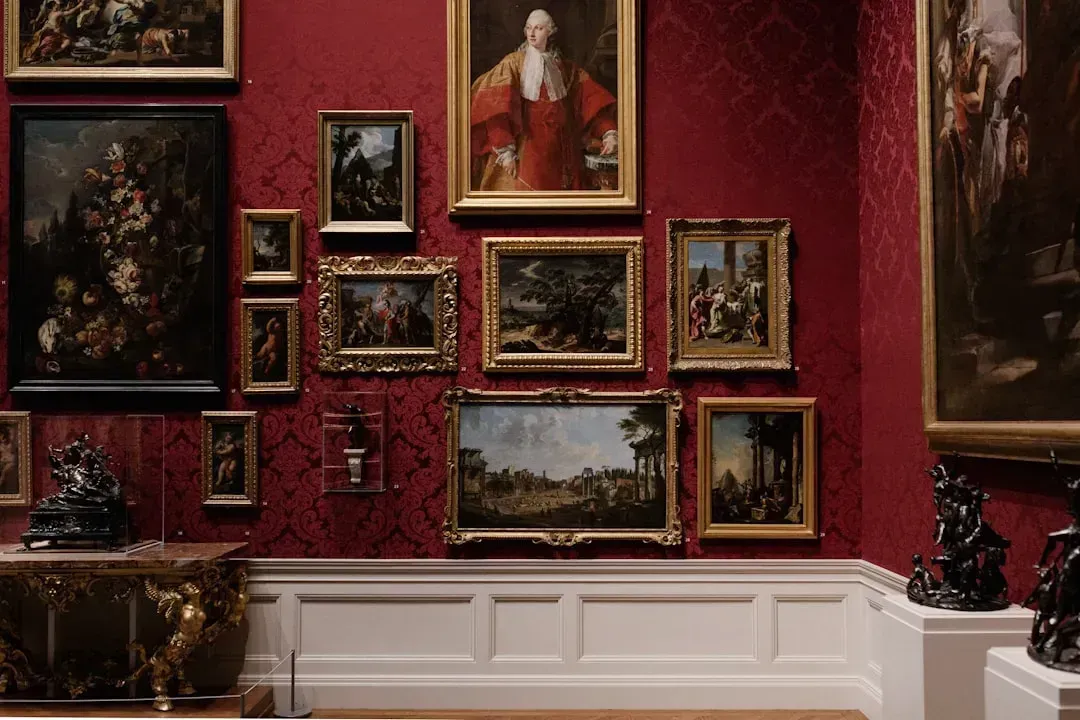
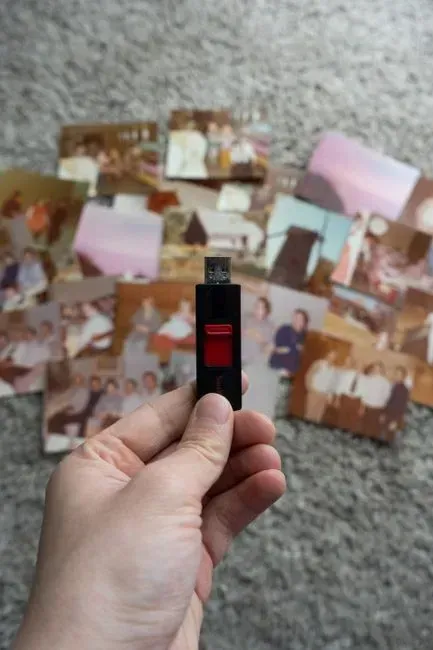
Framed photos are fragile, heavy for their size, and oddly stressful to transport without cracking the glass. After a few near disasters, I switched to digitizing most prints and keeping only a handful of physical favorites out on display.
The memory wasn’t in the frame anyway. It was in the image, and once I accepted that, packing became less about protecting glass and more about protecting a small, curated stack of things that actually meant something.
Duplicate tools and supplies pile up faster than you notice
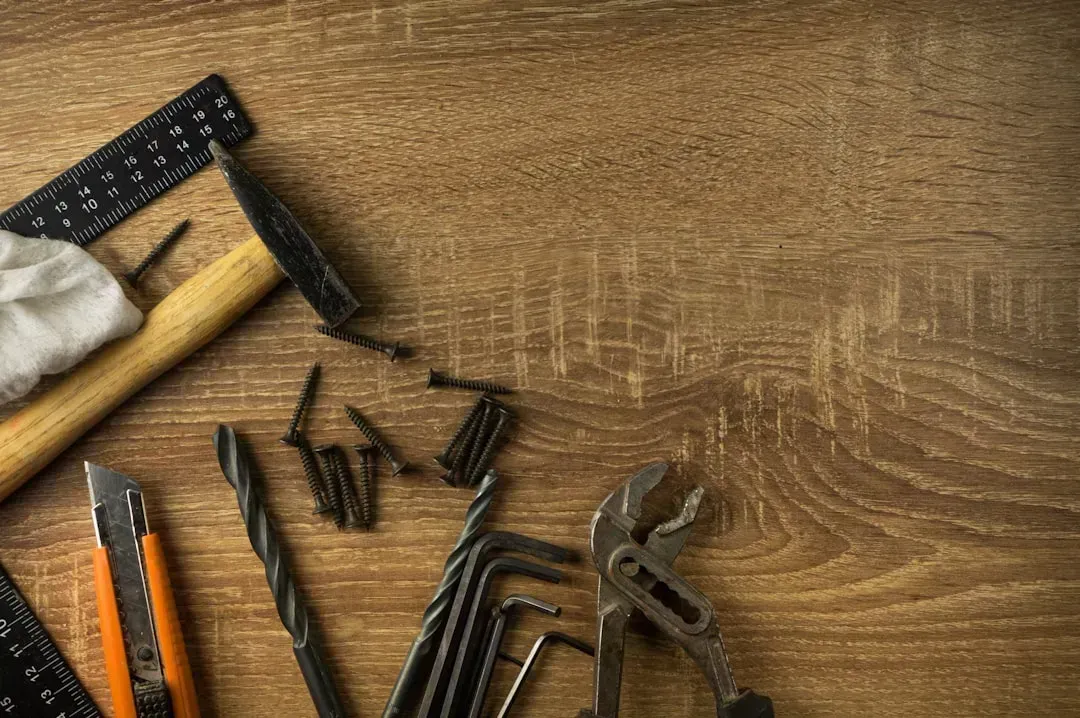
Every apartment somehow generated its own scissors, its own tape measure, its own set of screwdrivers, usually bought in a moment of “I probably don’t have one of these here.” By year five, I had four tape measures and three staplers, none of which I remembered acquiring.
Unpacking became an exercise in consolidation. I’d lay out every duplicate, keep the best version, and donate or toss the rest, which meant later moves involved noticeably fewer boxes labeled simply “miscellaneous.”
Digital storage quietly solved a physical problem
Cloud storage and streaming services changed what “keeping” something even means. Instead of hauling CD collections, DVDs, or paper documents from place to place, most of that shifted into accounts I could access from any address.
According to industry data on consumer storage trends, cloud adoption for personal media and documents has continued climbing through 2025 and 2026 as more households prioritize portability over physical archives. That shift alone probably saved me several boxes and at least one hernia over the years.
Emotional attachment doesn’t always predict what you’ll miss
I assumed I’d miss the things I cried a little over giving away. Mostly, I didn’t. What I actually missed later were small, unremarkable objects, a specific mug, a worn-in chair, things I hadn’t thought twice about parting with at the time.
That taught me to be suspicious of dramatic sentimentality during a packing session. The things that quietly earned daily use often mattered more in hindsight than the things that triggered an emotional reaction in the moment.
Renting versus owning changes what’s worth investing in

Moving constantly meant renting almost everything, and renters face a different calculus than homeowners. U.S. rental data from 2025 and 2026 continues to show that renters move far more frequently than homeowners, which naturally discourages heavy investment in built-in fixtures, custom shelving, or anything not designed to travel.
I learned to buy modular, adjustable, and lightweight whenever possible, because anything permanent-feeling in a rental is really just a future packing problem waiting to happen. That mindset saved money and made each move noticeably less painful.
The real skill isn’t packing, it’s deciding
After ten years, the physical act of packing became almost irrelevant. The skill that actually mattered was decision making under mild pressure, looking at an object and quickly judging whether it deserved another year of my attention and space.
That skill didn’t stay confined to boxes and bubble wrap. It bled into how I approach commitments, relationships, and even digital clutter, because the same question applies everywhere: does this earn its place in what comes next?


Leave a Reply