
Every decade leaves a fingerprint on the homes built and renovated within it. Some of those fingerprints age into something charming. Others just age. Right now, a clear picture is forming among interior designers about which current features are quietly racing toward irrelevance – and the list is more specific than you might expect.
The shift happend in 2025 and 2026 isn’t simply about taste cycling back around. Function-forward interior design now emphasizes acoustic comfort, layered lighting, mid-tone woods, warm neutrals, and rooms with doors. That’s a meaningful pivot, and it puts several once-beloved home features directly in the crosshairs.
1. Sliding Barn Doors
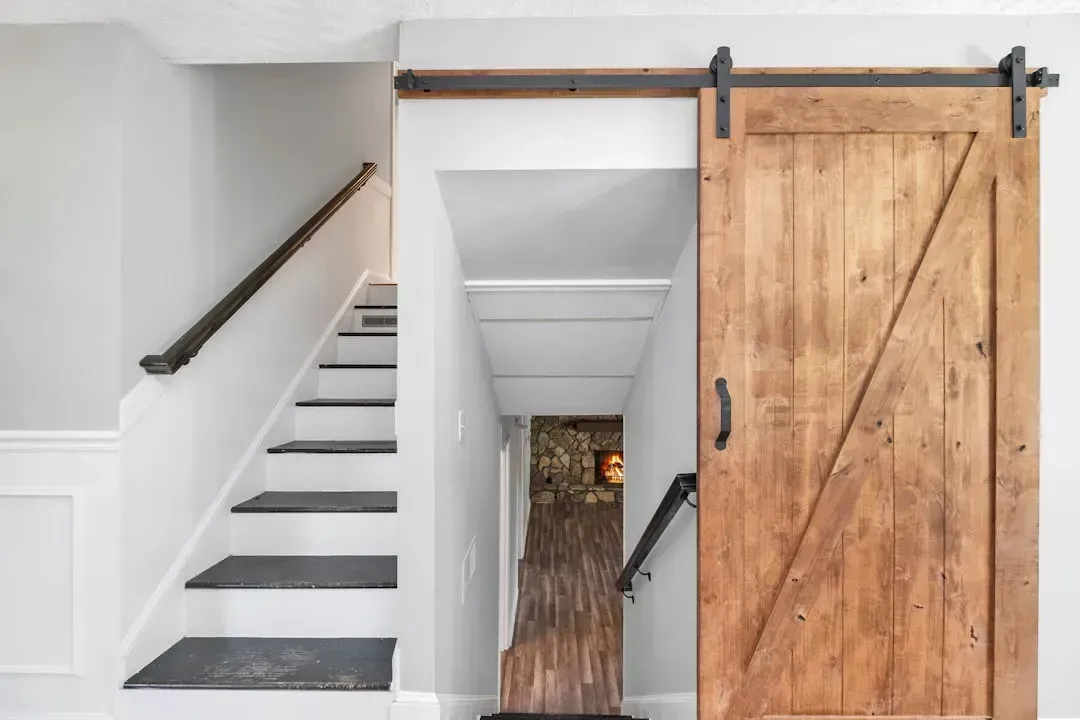
Sliding barn doors may be charming in real barns, but they perform poorly for privacy, sound, and smell containment in bathrooms and bedrooms. That practical shortcoming was always there. For a while, the aesthetic novelty was enough to overlook it. That grace period is ending. The ubiquitous modern farmhouse aesthetic that ruled the late 2010s is being dismantled, and sliding barn doors, shiplap on every wall, and high-contrast black window frames are actively being phased out in favor of traditional, heritage-inspired details.
Designer Elaine Burns of Pistachio Designs is moving away from what she calls “the cookie-cutter farmhouse aesthetic,” which includes faux exposed beams, burlap, barn doors, and super-distressed finishes, steering clients instead toward more unique vintage pieces with history and character. By 2030, the rustic sliding barn door on a bedroom or powder room will almost certainly read as a very specific moment in time, the way avocado green appliances do today.
2. Gray Everything: Walls, Floors, and Furniture
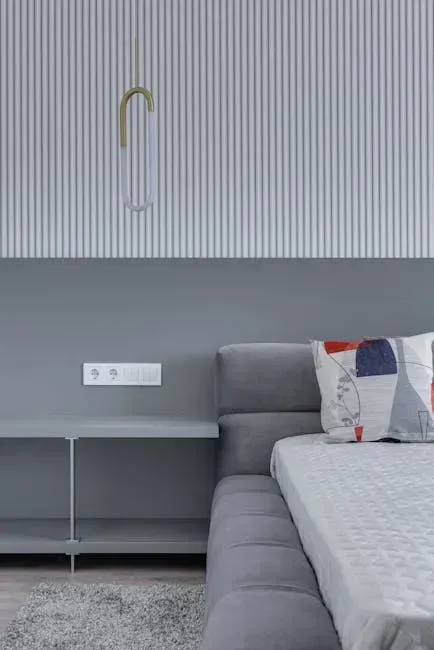
The obsession with cool-toned gray walls, gray sofas, and gray luxury vinyl plank flooring is officially over – it now reads as flat and “past-decade,” being rapidly replaced by a return to warmth including rich chocolate browns, earthy neutrals, and mid-tone woods. It’s a wholesale reversal of one of the most dominant color stories of the 2010s. Decorating with gray once had a strong grip on the design world, but designers largely agree that gray flooring ideas now make a space feel drab, uninspired, and occasionally cold.
While rich charcoals and warm whites continue to be popular amongst designers, cool-toned grays and whites are no longer factored into current color trends – millennial gray and bright white may have been in every living room during the 2000s, but today they feel a little lifeless. The pace of that exit is accelerating. Gray kitchen cabinets, gray couches, gray everything had its moment, but homeowners across the country are ready to show it to the door.
3. Shiplap on Every Surface
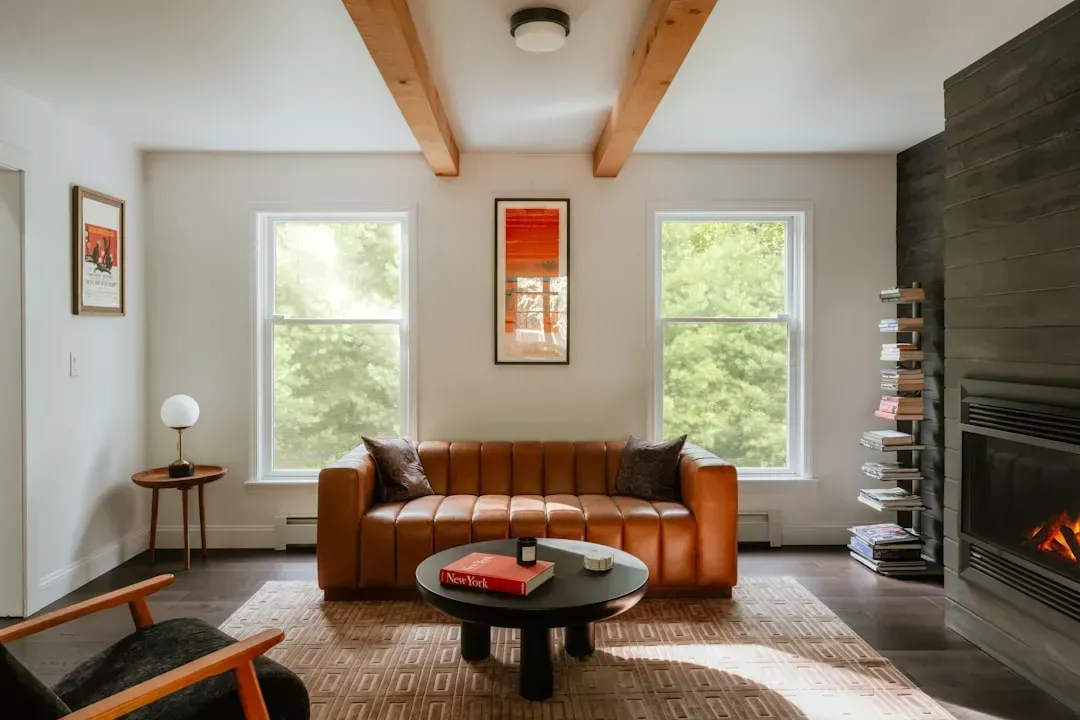
Shiplap belongs as a niche accent, not a whole-house identity – and designers expect it to recede significantly by 2030. The problem isn’t shiplap itself, exactly. The problem is what happened to it: a Pinterest-fueled overuse that stripped it of any sense of place or intention. Classic shiplap became stylish during the farmhouse craze, but popular opinion is now saying it’s more shabby than chic, though experts caution ruling it out entirely as there are contemporary and fresh ways to apply it.
The distinction matters. A single shiplap accent wall in a coastal cottage can still work. The most common mistake with shiplap isn’t the material itself – it’s the surrounding wall treatment. If every surface in the room also has shiplap, the focal element disappears and loses its impact; it works best when it’s the only shiplap element in the space and the surrounding walls remain smooth and simple. Most homes that installed it during the farmhouse peak didn’t follow that restraint.
4. Open-Concept Floor Plans Without Definition
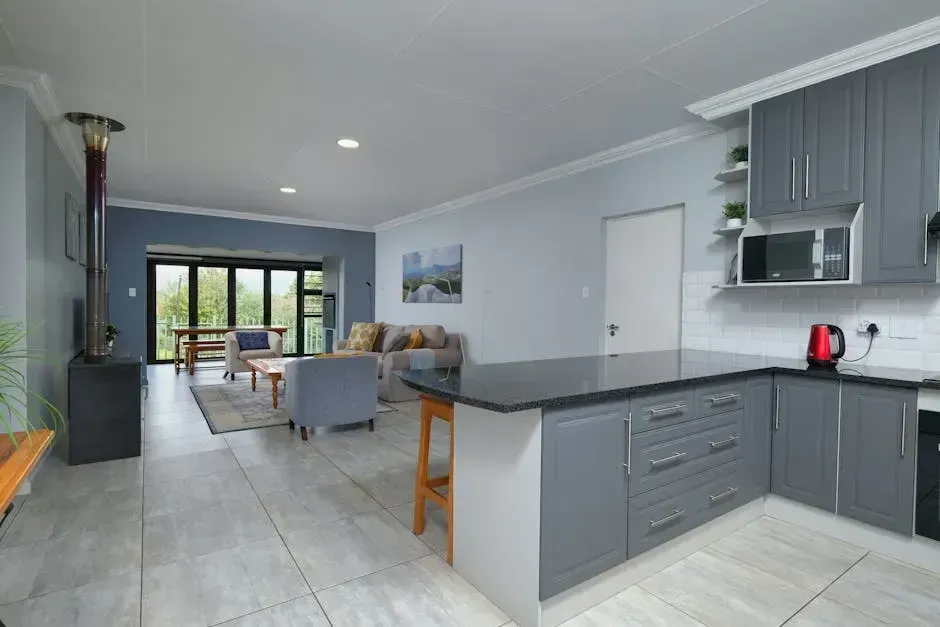
For a while, open plan dominated layout trends, but as we head into 2026, homeowners are craving cozier spaces with a sense of separation – closed-concept kitchens are making a return, with designers predicting more designated private spaces for kitchens going forward. The reasons are practical more than aesthetic. Open-concept kitchens are losing favor due to noise, cooking odors, exposed clutter, and lack of privacy during meal preparation and entertaining.
After a decade of open-plan bravado, people are asking for doors again, better lighting, and finishes that soothe instead of shout – with life at home now toggling between work, rest, and entertaining, open concept can read as perpetual exposure, leading to expectations that partial separations, pocket doors, and defined zones will surge. The fully knocked-through great room, a design shorthand for modernity for two decades, is losing its appeal as a concept when removed from the context of how people actually live.
5. Oversized Waterfall Islands and Double Islands
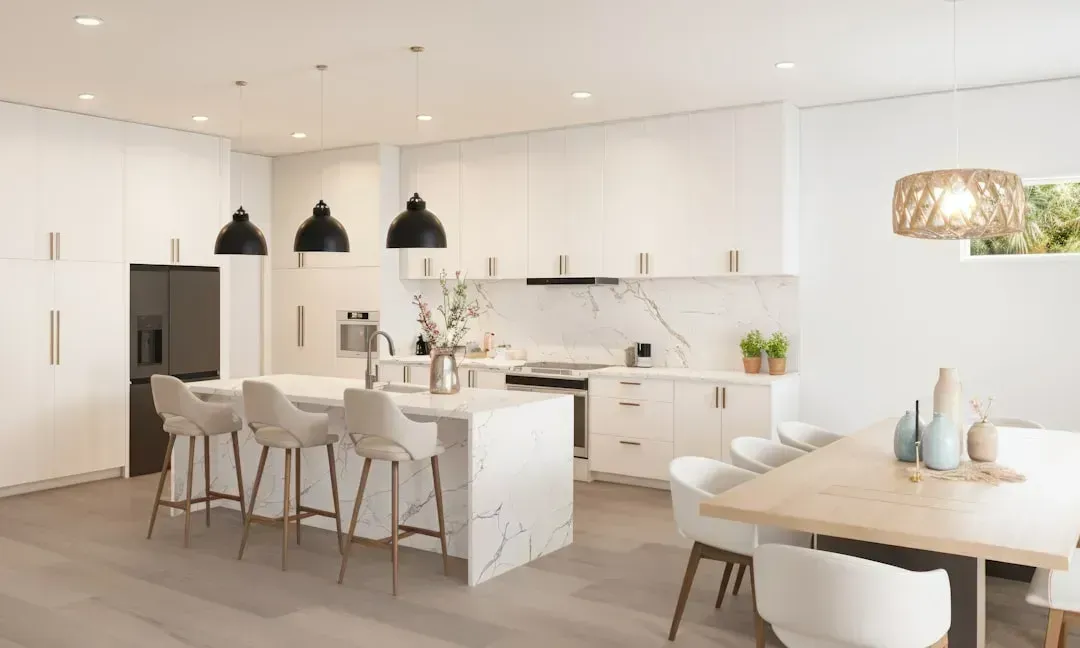
The era of the kitchen as a massive, untouchable monument is ending – giant double islands and monolithic stone waterfall edges are being recognized as layout hurdles that disrupt the flow of a home, with classic, single-level wood or matte stone islands proving much more functional. For years, the oversized waterfall island was the kitchen’s status symbol. Designer Rebecca Ward notes that clients are ready to say goodbye to stark white ceilings and overly repeated waterfall edges on islands, with clients today wanting spaces that feel more personal and inviting.
Oversized waterfall islands and double islands were spectacles that compromise flow. That’s the core issue: they photographed beautifully in renovation reveals but proved inconvenient to actually use. Oversized statements, sterile minimalism, and features that try too hard to dominate the room are all being rethought, with designers dialing up warmth, layering, and smart solutions that support daily routines rather than staging moments.
6. Open Kitchen Shelving Replacing Upper Cabinets
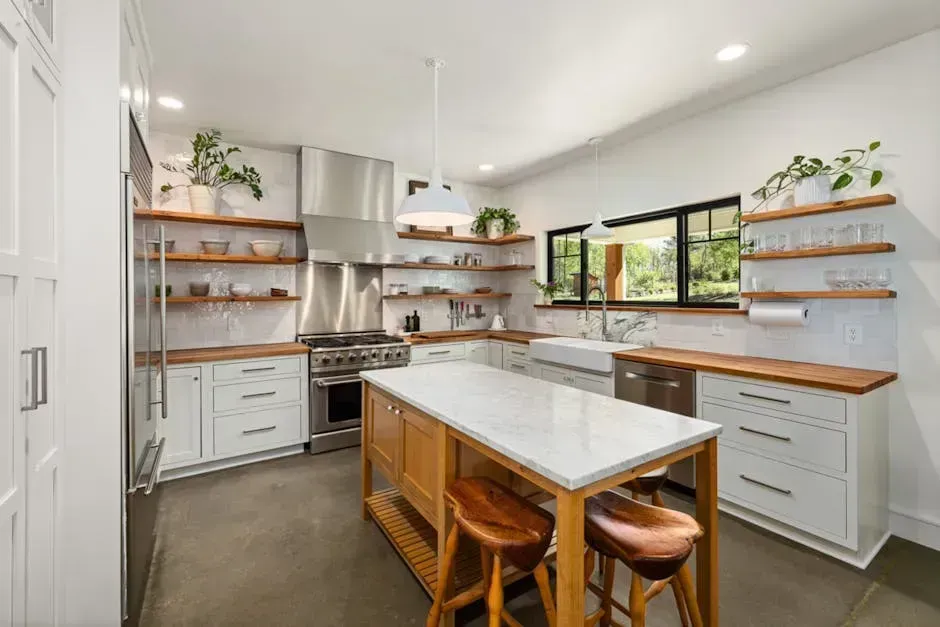
Open kitchen shelving as the sole storage solution looks great on day one but becomes a maintenance routine – and it’s expected to fade significantly before 2030. The Instagram appeal was real. A curated row of matching jars and stacked white plates could look effortlessly editorial. The daily reality was anything but. Dust accumulates. Items get used out of order. The “curated” look requires constant attention. Designer Ellie Mroz is ready to say goodbye to glass-front and open cabinets in the kitchens she designs – it all comes down to practicality, as these unfortunately too easily become cluttered and impractical for functional storage.
Kitchens with hidden appliances, zero clutter, and sterile, empty counters no longer resonate – they feel disconnected from how people live and cook, with people now wanting “lived-in” kitchens with visible but organized storage, accessible tools, and layouts that show signs of life. Open shelving isn’t disappearing entirely, but using it to replace full upper cabinets throughout a kitchen will increasingly read as a choice made for social media, not for cooking.
7. Vertical Slat Feature Walls
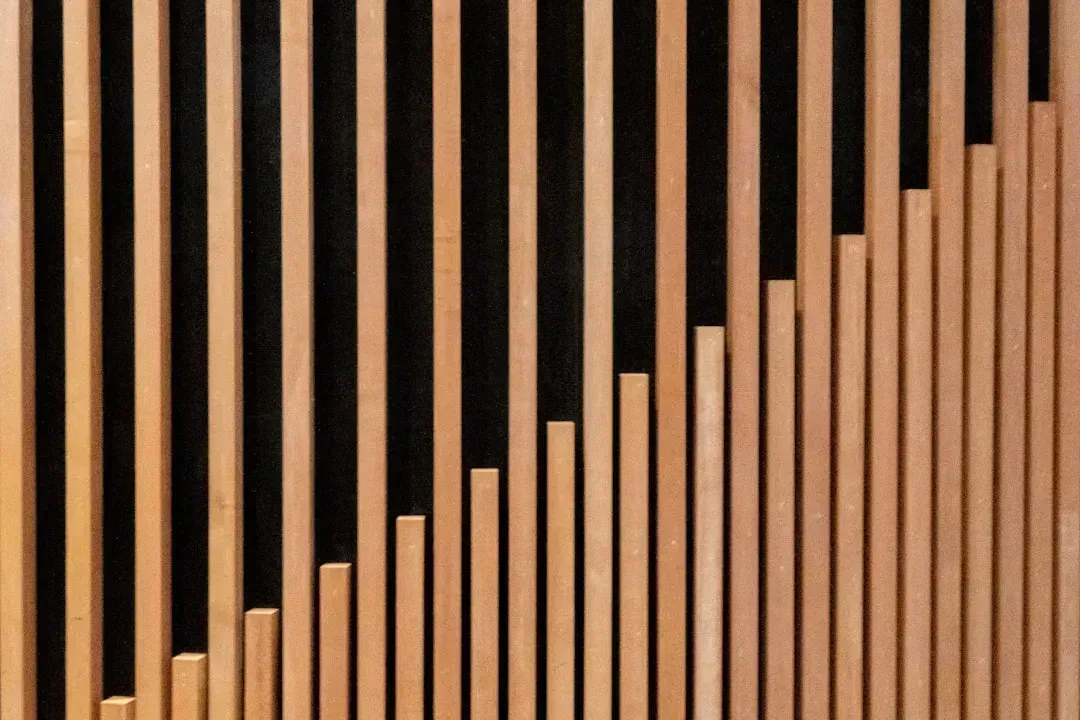
Vertical slat feature walls are expected to fade by 2030 – dusty, overused, and office-lobby-coded when misapplied. The slat wall had a genuinely good run. It offered a quick, relatively affordable way to add texture and visual interest to an otherwise flat surface. For the last few years, slatted wood feature walls and fluted kitchen islands were everywhere, with designers now viewing this as an overused shortcut to make a space look custom – one that is starting to resemble corporate office lobbies, with clean planes and authentic traditional millwork taking their place.
There’s a broader lesson embedded here about what happens when a texture trend scales to mass production. When something trends this strongly, it inevitably time-stamps the feature – in five years, overly trendy features immediately read as very 2025 to 2026, which is why it’s so important for clients to consider their home’s architecture and what they truly love rather than simply what’s popular. The slat wall, now available as a prefab panel at every home improvement store, has crossed that point of no return.
8. All-Black Hardware and Matte Black Fixtures
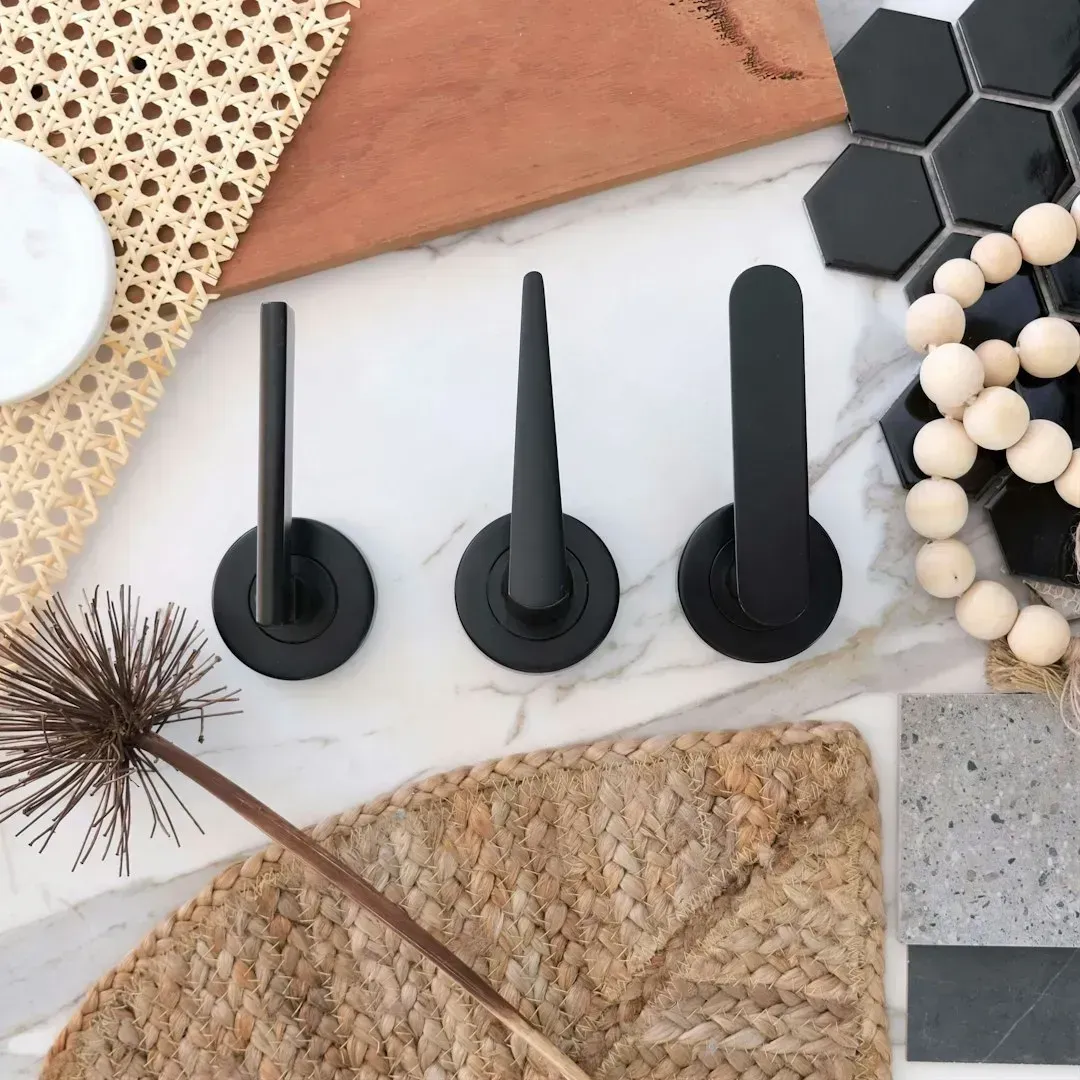
The use of contemporary all-black fixtures is at the top of the list of dated hardware trends – black hardware had its moment, but it can feel stark and predictable now, with a return to unlacquered brass, antique bronze, and polished nickel gaining momentum, finishes that age beautifully and add a sense of timelessness. Matte black fixtures swept through kitchen and bathroom design with remarkable speed around 2018 and dominated for the better part of six years. Matte black fixtures in a bathroom especially are difficult to clean and maintain due to the coating being easily scratched and damaged – making replacement not just a stylistic preference but a practical one.
Designers are “very much over” the look when it trends this strongly, because it inevitably time-stamps the feature – in five years these choices immediately read as very 2025 to 2026, which is why a move toward richer, more nuanced material palettes and finishes that feel layered, collected, and timeless rather than tied to a specific trend cycle is underway. Warm metals, patinated finishes, and aged bronze are picking up the momentum that black hardware is quietly losing.
Trends are easier to spot on the way up than on the way down. Most of the features on this list were genuinely appealing when they arrived – they solved real problems, filled visual gaps, or just matched a cultural moment that needed an aesthetic. The issue isn’t that they were bad ideas. It’s that trends, once they reach mass saturation, lose the very quality that made them interesting in the first place. Homeowners are moving away from stark, overly curated interiors and gravitating toward rooms that feel grounded, inviting, and authentically personal – less about following a strict design style and more about embracing materials and forms that resonate on an emotional level. That shift, more than any specific trend, is what will determine which homes still feel right by 2030 and which ones feel frozen in a very particular moment.



Leave a Reply