
Most people walking through an open house are busy imagining where the couch will go. They are not looking at the grading around the foundation or checking whether the electrical panel has been quietly recalled. That is exactly why home inspectors exist, yet even a solid inspection report can bury small clues inside dense paragraphs that buyers skim past under deadline pressure.
The issues below are not the obvious ones like a missing roof shingle or a leaky faucet. They are the subtler warning signs that tend to slip through because they look minor on the surface but often point to something more expensive underneath.
1. Hairline cracks near window and door corners
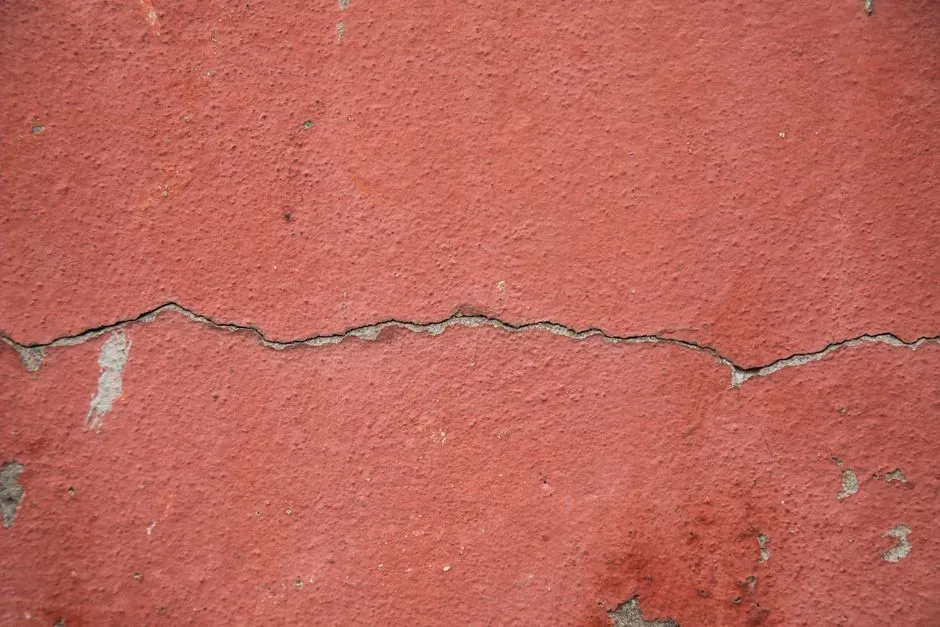
A thin diagonal crack running from the corner of a window or door frame is easy to dismiss as cosmetic settling, and sometimes it is exactly that. Older homes shift a little every year, and a hairline crack in drywall rarely means disaster on its own. The problem is that this same pattern can also be the earliest visible sign of foundation movement, especially when it appears on multiple corners throughout the house rather than just one spot.
Buyers tend to notice these cracks and mentally file them under “needs paint” without asking the inspector to measure them or compare notes room by room. A cluster of similar cracks across different parts of the home is a pattern worth flagging to a structural engineer before closing, not after moving in. Catching this early can save a buyer from negotiating repairs on a problem that was visible the whole time but never connected.
2. An electrical panel with an unfamiliar brand name
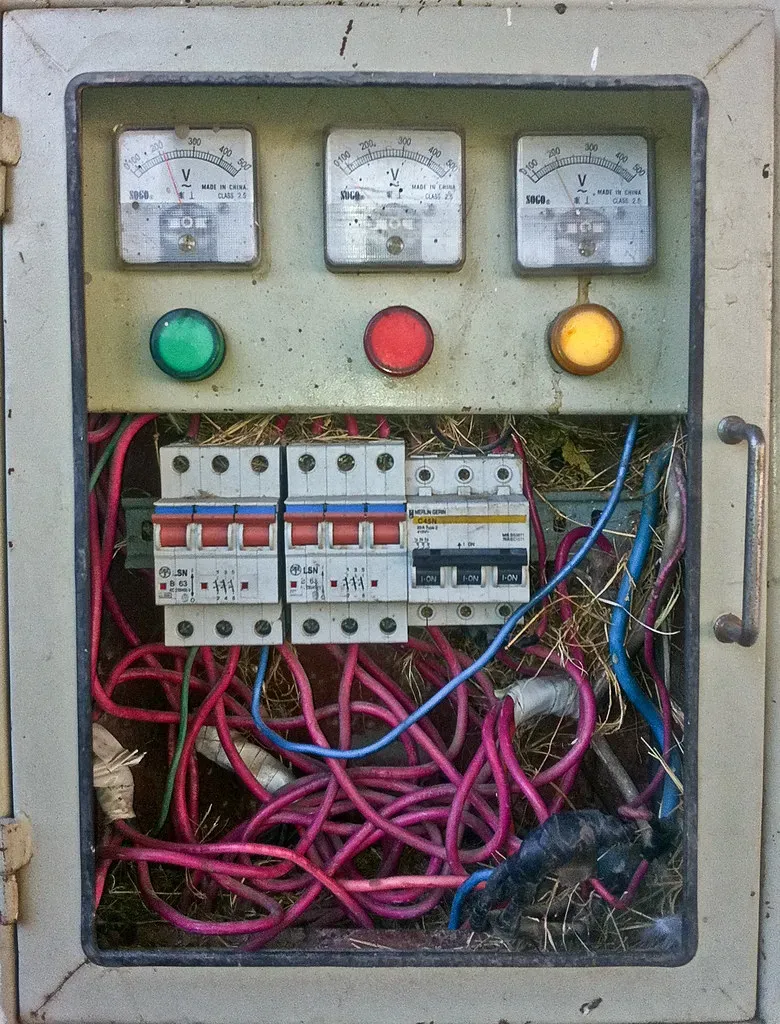
Buyers usually glance at the electrical panel, see that the lights work, and move on. What they miss is that certain older panel brands, most notably Federal Pacific Electric and some Zinsco models, have a well documented history of breakers failing to trip during overloads, which increases fire risk. These panels were installed widely in homes built from the 1950s through the 1970s and many are still in service today.
An inspector may note the brand name in the report without spelling out the implications, assuming the buyer will look it up. Replacing a problematic panel typically runs from a bit over a thousand dollars to several thousand depending on the region and the home’s electrical demands, so this is not a detail to skip past. Asking directly whether the panel brand has any known safety history is a simple question that pays off.
3. Grading that slopes toward the house instead of away
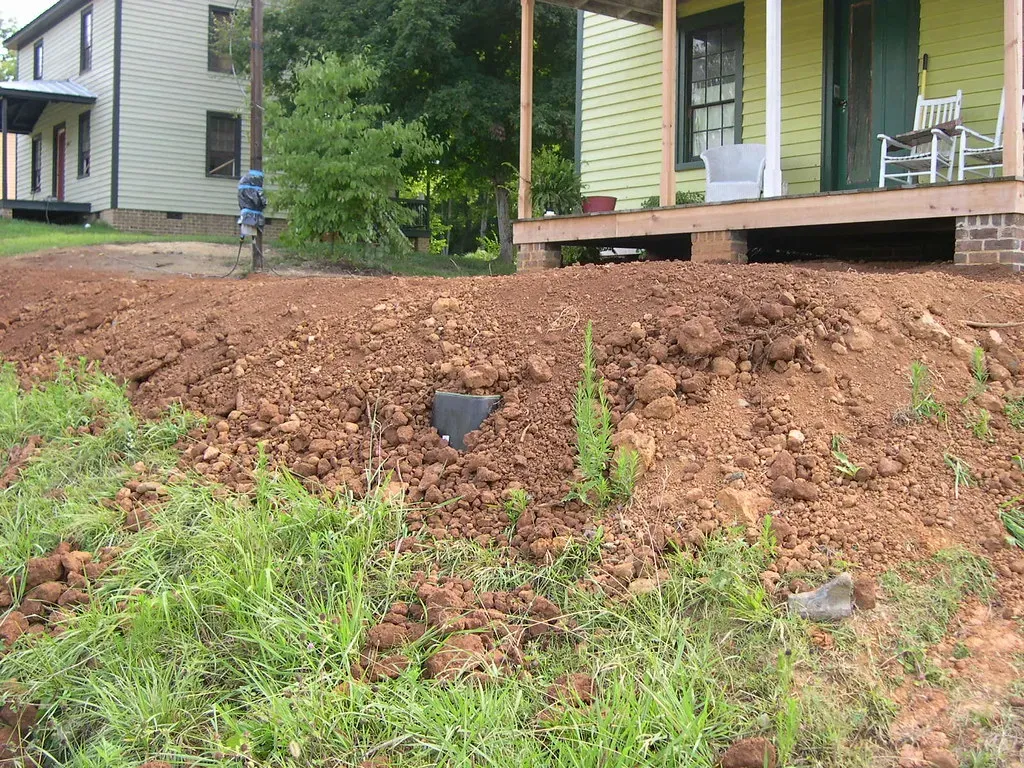
Everyone checks the roof, but almost nobody walks the perimeter of the yard with the same attention. Land that slopes toward the foundation, rather than away from it, funnels rainwater directly against the base of the home every time it rains, and that moisture eventually finds its way into basements and crawl spaces. This is one of the most common causes of water intrusion, yet it rarely shows up as a dramatic line item in an inspection report.
Inspectors will often mention grading in passing, sometimes with a phrase as understated as “negative slope observed near rear foundation.” Buyers read past it because there is no visible water stain to alarm them at the time of the visit. Regrading a yard or adding drainage solutions can cost anywhere from a few hundred dollars for simple soil work to several thousand for a full French drain system, so this line deserves a second look.
4. Water heater age past its expected lifespan
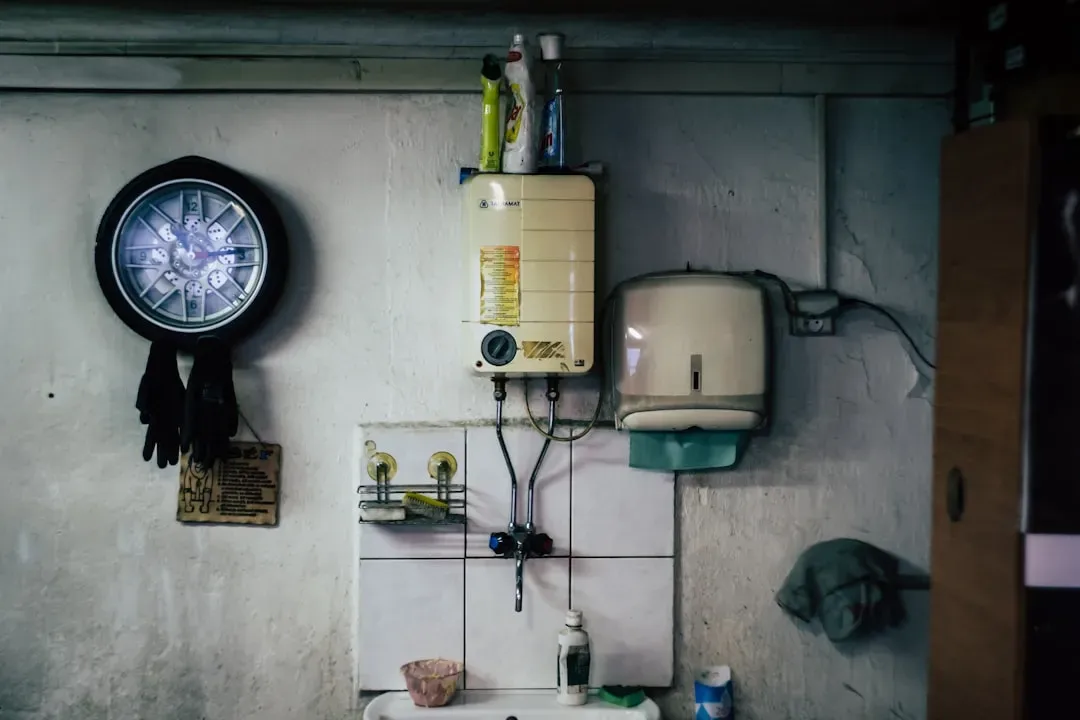
A working water heater looks fine to the average buyer, since hot water is hot water regardless of how old the tank is. What most people do not check is the manufacture date stamped on the unit, and most tank style water heaters are only rated to last between eight and twelve years before the risk of failure and leaking rises sharply. An inspector will usually note the age in the report, but it is easy to treat that as a footnote rather than a near term expense.
A water heater failure does not just mean no hot water, it can mean a flooded basement or utility closet if the tank ruptures. Buyers who spot an old unit during the inspection period have real leverage to negotiate a credit or replacement before closing, since a new standard tank installation generally runs somewhere in the range of fifteen hundred to twenty five hundred dollars installed. Waiting until after moving in usually means paying full price with no negotiating power left.
5. Musty smell in a finished basement
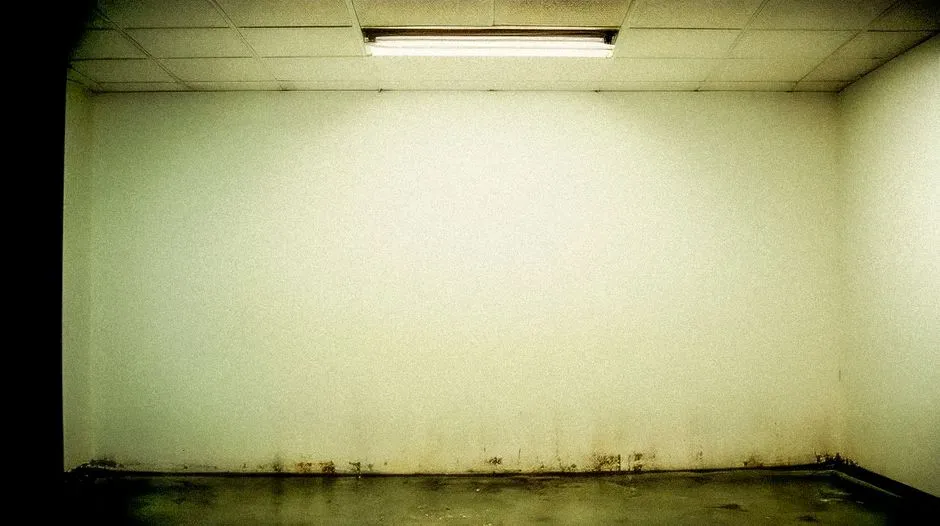
A finished basement with fresh paint and new carpet can look like a bonus room, and buyers often walk through without giving the air a second thought. A persistent musty odor, even a faint one, is frequently the first sign of hidden moisture or mold growth behind walls that have been recently refinished specifically to cover up water damage. Fresh paint and new flooring in a basement should raise curiosity rather than comfort.
Inspectors can note humidity readings or visible staining, but a smell is subjective and does not always make it into a written report the way a photograph does. Buyers who notice an odor should ask directly when the basement was last finished and whether there is any history of water intrusion. A moisture meter reading from the inspector, taken directly against the drywall, is a simple way to confirm or rule out a problem before it becomes a post closing surprise.
6. HVAC system that is mismatched in size or age to the home
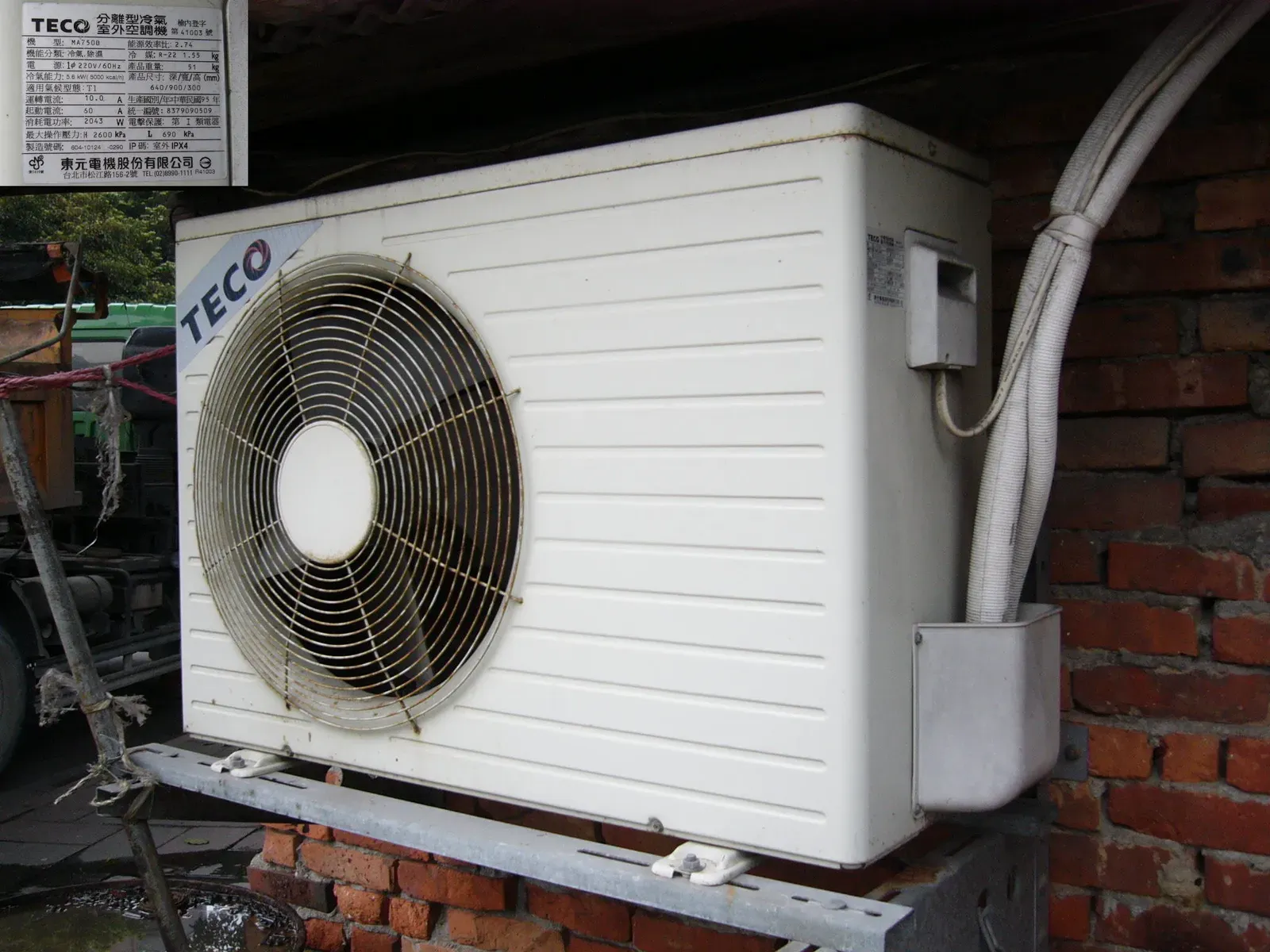
Buyers usually just want to know that the heating and cooling system turns on and blows air at the right temperature. What often goes unchecked is whether the unit is actually sized correctly for the square footage it serves, since an undersized or oversized system runs inefficiently and wears out faster regardless of how well it was maintained. A system that is significantly newer or older than the rest of the home’s major components can also hint at a previous issue that was patched rather than fully resolved.
Inspectors typically test that the system functions but do not always perform a full load calculation, since that goes beyond a standard visual inspection. Replacing a central air and furnace system in 2026 commonly falls somewhere between six thousand and fifteen thousand dollars depending on size, region, and efficiency rating, so a mismatch is worth asking a licensed HVAC technician to evaluate before finalizing a purchase.
7. Roof valleys and flashing rather than the shingles themselves
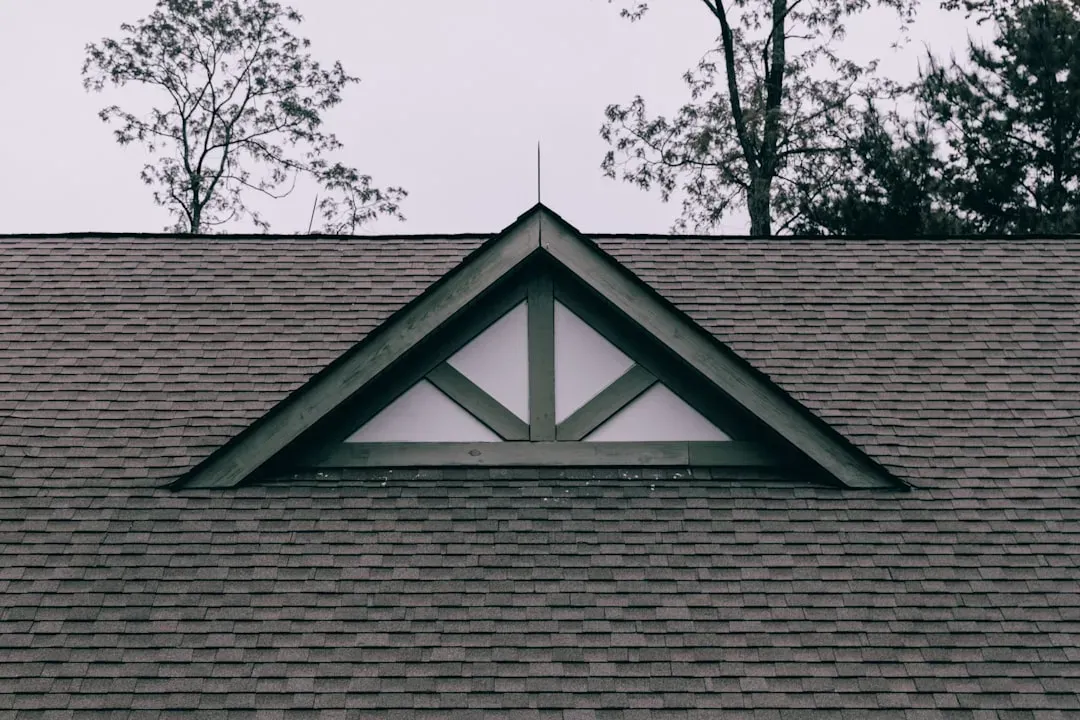
Most buyers scan the roof surface for missing or curling shingles and call it good if nothing looks obviously damaged. The more common failure point is actually at the valleys, where two roof slopes meet, and around flashing near chimneys, skylights, and vent pipes, since these are the spots where water most often finds a way in. A roof can look nearly new from the ground and still leak through poorly sealed flashing.
Inspectors will sometimes photograph flashing conditions but describe them briefly, using phrases like “minor separation noted” that do not convey the potential for gradual water damage over time. Buyers should ask specifically about the condition of flashing and valleys rather than assuming a recently reroofed home is automatically leak proof. A five minute conversation with the inspector about this one detail can prevent a much longer conversation with a contractor a year later.
8. Outdated or missing GFCI outlets in wet areas
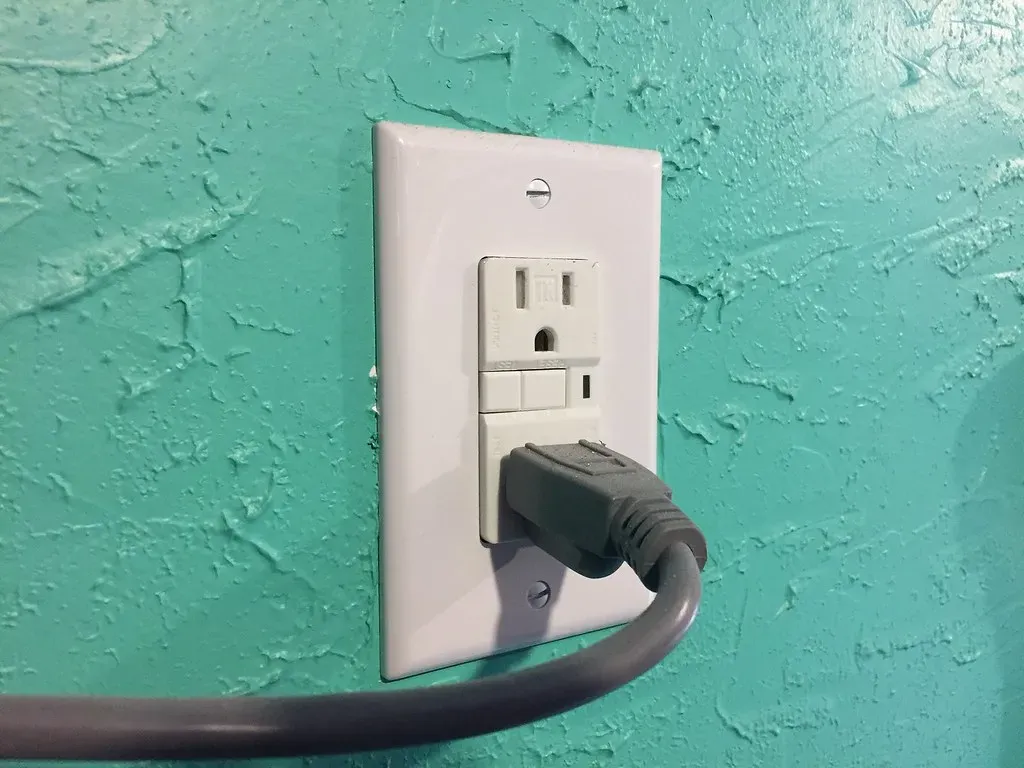
Kitchens, bathrooms, garages, and exterior outlets are all supposed to have ground fault circuit interrupter protection under current building codes, and this protection has been a widely enforced requirement for decades in most jurisdictions. Buyers rarely test these outlets themselves, and even inspectors sometimes note “GFCI not present” in one line without emphasizing that this is a genuine shock hazard rather than a minor code technicality. Homes built or last rewired before GFCI requirements became standard are the most likely to have gaps in coverage.
The fix itself is inexpensive, often costing under fifty dollars per outlet in parts and a modest labor charge for an electrician to swap them in. The bigger risk is buyers assuming this is trivial and skipping it entirely after closing, when in reality it is one of the simplest and cheapest safety upgrades available. Confirming GFCI coverage in every wet location before finalizing a deal is a small step that closes a real safety gap.
Every one of these issues tends to hide in plain sight, tucked into a phrase or a footnote that a busy buyer reads once and forgets. None of them require a second full inspection to catch, just a slower walk through the report and a few pointed questions to the inspector before the contingency period closes. The buyers who ask about these details upfront are usually the ones who avoid unpleasant surprises during their first year in the house.




Leave a Reply