
The cabinet under the bathroom sink is one of the hardest spots in the house to keep tidy. It’s dark and awkward, and the plumbing sits right in the middle of it. Most people end up shoving things in and shutting the door.
The good news is that a few common missteps cause most of the mess. Fix them and the space gets easier to use and safer too. Here are eight mistakes worth avoiding, with the reasoning behind each fix.
1. Ignoring the Plumbing Before You Buy Organizers
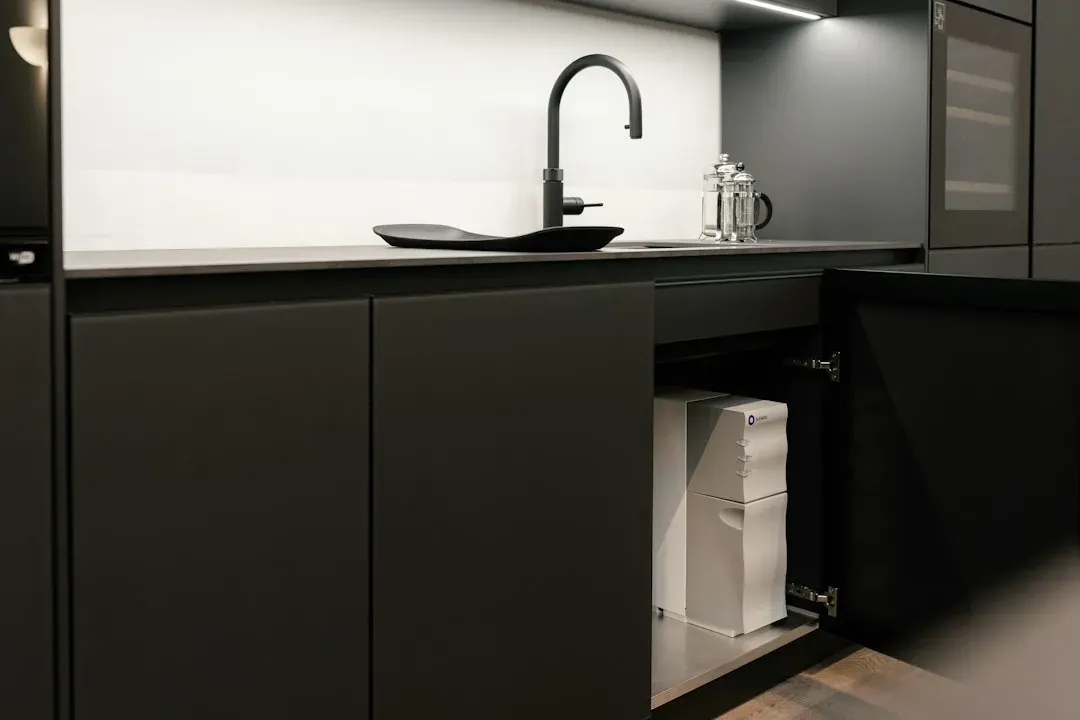
Many people buy bins first and measure later. The drain pipe and P-trap take up the center of the cabinet, and supply lines and shutoff valves run along the back. A rectangular organizer that ignores them won’t fit properly.
Measure the width, depth, and height of the usable space, and note where the pipes sit. Then look for U-shaped or cutout organizers made to wrap around a drain. That way you use the space around the pipes instead of fighting them.
2. Leaving Medications and Hazardous Products Within Kids’ Reach

A low cabinet is easy for toddlers to open. Poison control organizations, including Poison Help in the United States, advise keeping medicines and household chemicals up high and locked away, out of children’s sight and reach. Cleaning products, drain cleaners, and some personal care items can all be dangerous if swallowed.
If you have young children, move medications out of the bathroom vanity entirely and use a childproof latch on the cabinet. Store cleaners in their original containers so the warning labels and ingredient information stay with them. A tidy cabinet isn’t a safe one unless it’s secured.
3. Storing Medicine in a Humid Space

Bathrooms get steamy, and heat and moisture can affect some medications. The FDA advises storing medicines according to the label, and it generally recommends a cool, dry place. It specifically cautions against the bathroom for that reason.
So the cabinet under the sink isn’t a good home for pills, vitamins, or first aid supplies that can degrade. Keep those in a bedroom closet or a high kitchen shelf instead. Use the sink cabinet for items that tolerate humidity, like spare toilet paper in a bin or cleaning tools.
4. Skipping Regular Leak Checks

This cabinet hides slow leaks well. Water from a loose connection or a worn supply line can damage the cabinet floor and encourage mold. The EPA notes that mold needs moisture to grow, and that fixing water problems quickly is the key to preventing it.
Do a quick check every few months by pulling items out and feeling the pipes and the cabinet floor for dampness. Staining, warping, or a musty smell are warning signs. Store items in bins that you can lift out easily so inspection doesn’t become a chore.
5. Piling Everything Into One Big Heap
Without categories, you end up digging through everything to find one item. Items sink to the bottom and get forgotten, and duplicates pile up. It’s a very common reason people feel their storage never works.
Sort things into simple groups, such as cleaning supplies, hair tools, spare toiletries, and paper goods. Give each group its own bin or caddy, and label them if others share the bathroom. Grouping makes it obvious when you’re running low and when you already own three bottles of the same shampoo.
6. Wasting Vertical Space
Most cabinets are tall, yet people use only the floor. Stacking items directly on the base leaves a lot of unused air above. Reaching for something at the back means moving everything in front of it.
Add a two-tier shelf or stackable drawers to use the height. Door-mounted racks and small hooks can hold hair tools, spray bottles, or cleaning cloths. Just keep the weight in mind, since light cabinet doors and thin hinges can’t carry heavy bottles.
7. Keeping Expired and Unused Products
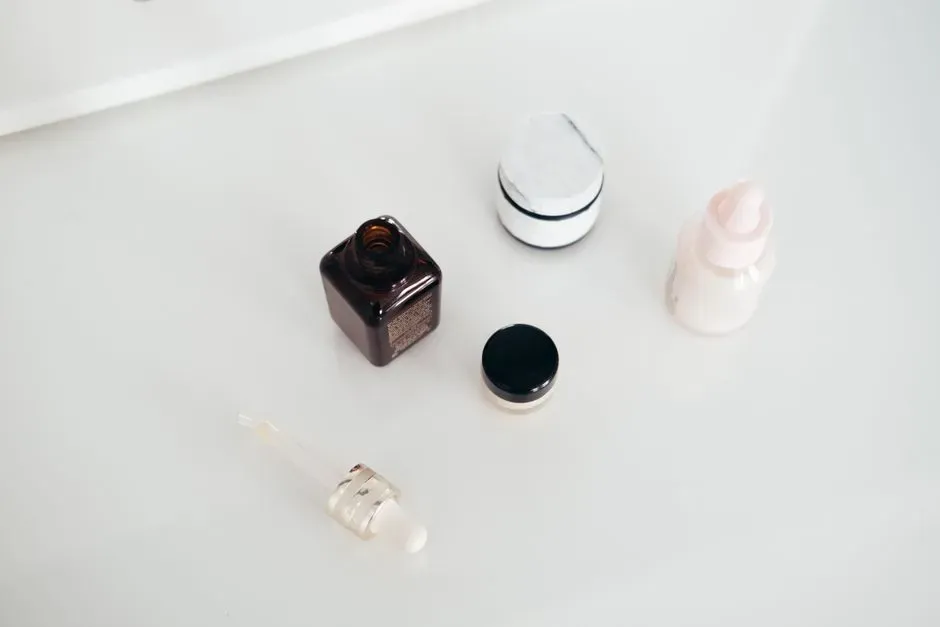
Half-empty bottles and old products tend to collect here. Skin care and cosmetics can degrade, and the FDA notes that cosmetics can become contaminated with bacteria, particularly when stored in warm, humid places. Many products also carry a period-after-opening symbol that suggests how long they stay good once opened.
Take everything out once or twice a year and toss anything expired, separated, or smelling off. Dispose of old medications through take-back programs rather than flushing them, unless the label says otherwise. A smaller, curated stock is easier to organize and safer to use.
8. Choosing Organizers That Can’t Handle Moisture or Spills

Cardboard boxes, untreated wood, and fabric bins soak up moisture. A single spill or a damp bottle can leave them soft, stained, or moldy. They end up adding to the problem you were trying to solve.
Plastic, metal with a rust-resistant finish, or silicone organizers are better suited to the damp environment. Bins with solid sides contain leaks, and a waterproof liner or mat on the cabinet floor protects the wood underneath. Wipe the liner when you do your leak checks, and you’ll catch trouble early.
Organizing this cabinet well comes down to a few habits: measure around the pipes, keep hazards secured, avoid storing medicine there, and check for moisture now and then. Sorting by category, using vertical space, and clearing out old products keep it working over time.
It doesn’t need to be a big project. An hour with the right bins can turn the most neglected cabinet in the house into the most useful one.





Leave a Reply