
Moxie
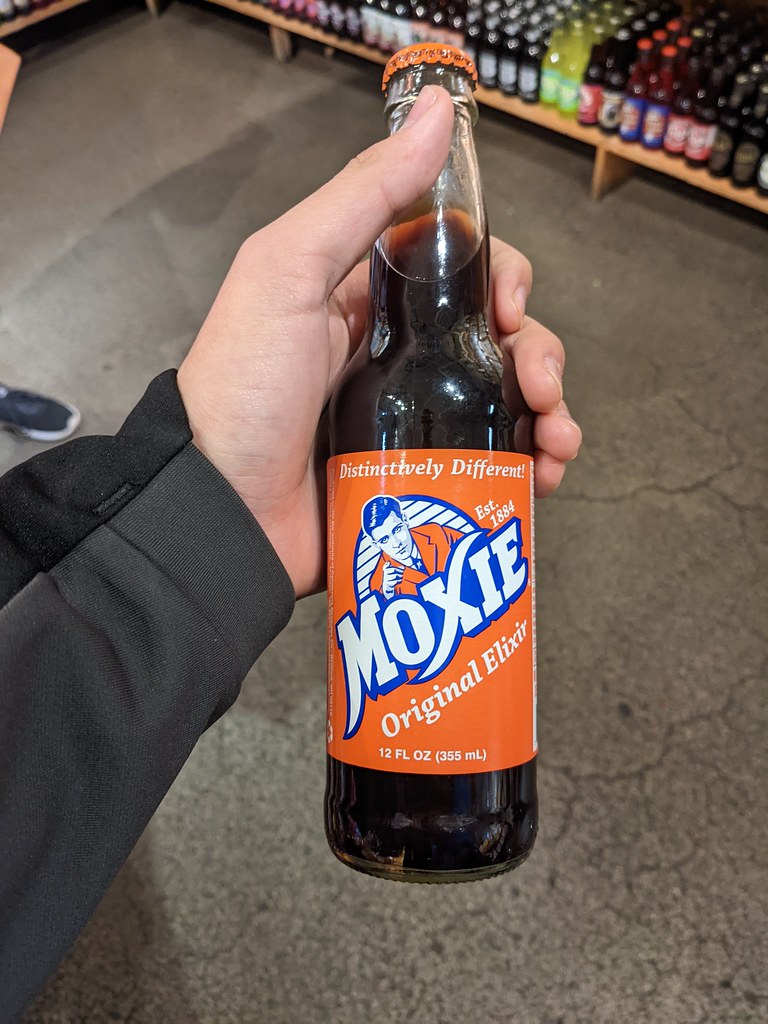
Created around 1876 as a patent medicine called Moxie Nerve Food, this bold beverage is among the first mass-produced soft drinks in the United States. Flavored with gentian root extract, an extremely bitter substance commonly used in herbal medicine, Moxie offers a taste that’s hard to describe until you try it yourself. It was previously produced by the Moxie Beverage Company of Bedford, New Hampshire, until Moxie was purchased by The Coca-Cola Company in 2018. It continues to be regionally popular today, particularly in New England states, where you can still find it stocked at specialty stores and some grocery chains.
Faygo

Made in Detroit, Michigan, Faygo has been quenching thirsts with its wild array of flavors since its founding over a century ago. What’s remarkable is how this regional favorite never really disappeared. There are over 50 flavors available, ranging from classics like Rock and Rye to outrageous options like Cotton Candy and Moon Mist. You can grab Faygo at major retailers including Walmart and Amazon, proving that sometimes the underdog soda survives just fine without massive marketing budgets.
Nehi
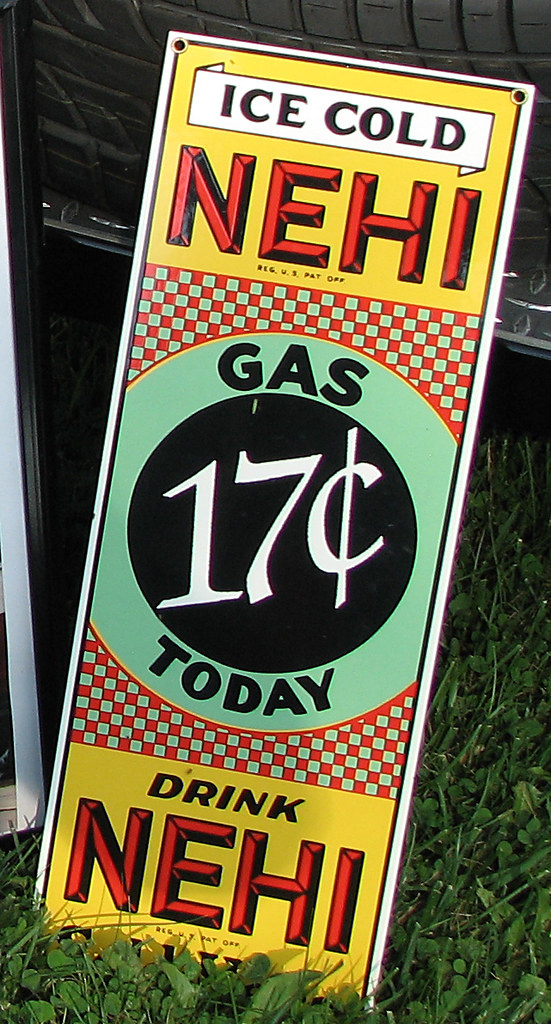
It was introduced in 1924 by Chero-Cola/Union Bottle Works and founded by Claud A. Hatcher, a Columbus, Georgia, grocer. The name “Nehi” was to remind customers that it came in “knee-high” tall bottles. In April 2008, Nehi became a brand of Dr Pepper Snapple Group (now known as Keurig Dr Pepper) in the United States, which means the brand got a corporate lifeline that keeps it on shelves today. The three surviving flavors – orange, grape and peach – offer a sweet slice of summer fruit in a bottle. Honestly, that peach flavor hits different when you’re looking for something beyond the usual cola options.
Frostie Root Beer

In 1939, an enterprising businessman named George Rackensperger decided that it was time to make a mark on the soda world, and the result was Frostie, a root beer that started life in a Baltimore suburb before expanding across the country. Its name spread primarily by word-of-mouth, with folks clearly falling in love with its sprightly flavor, and a franchising effort meant that it was able to rapidly expand during the 1940s, and by the end of the decade, it was available in nearly every state. The brand has survived various ownership changes and is currently enjoying a quiet revival among vintage soda enthusiasts who appreciate its nostalgic appeal.
Cheerwine
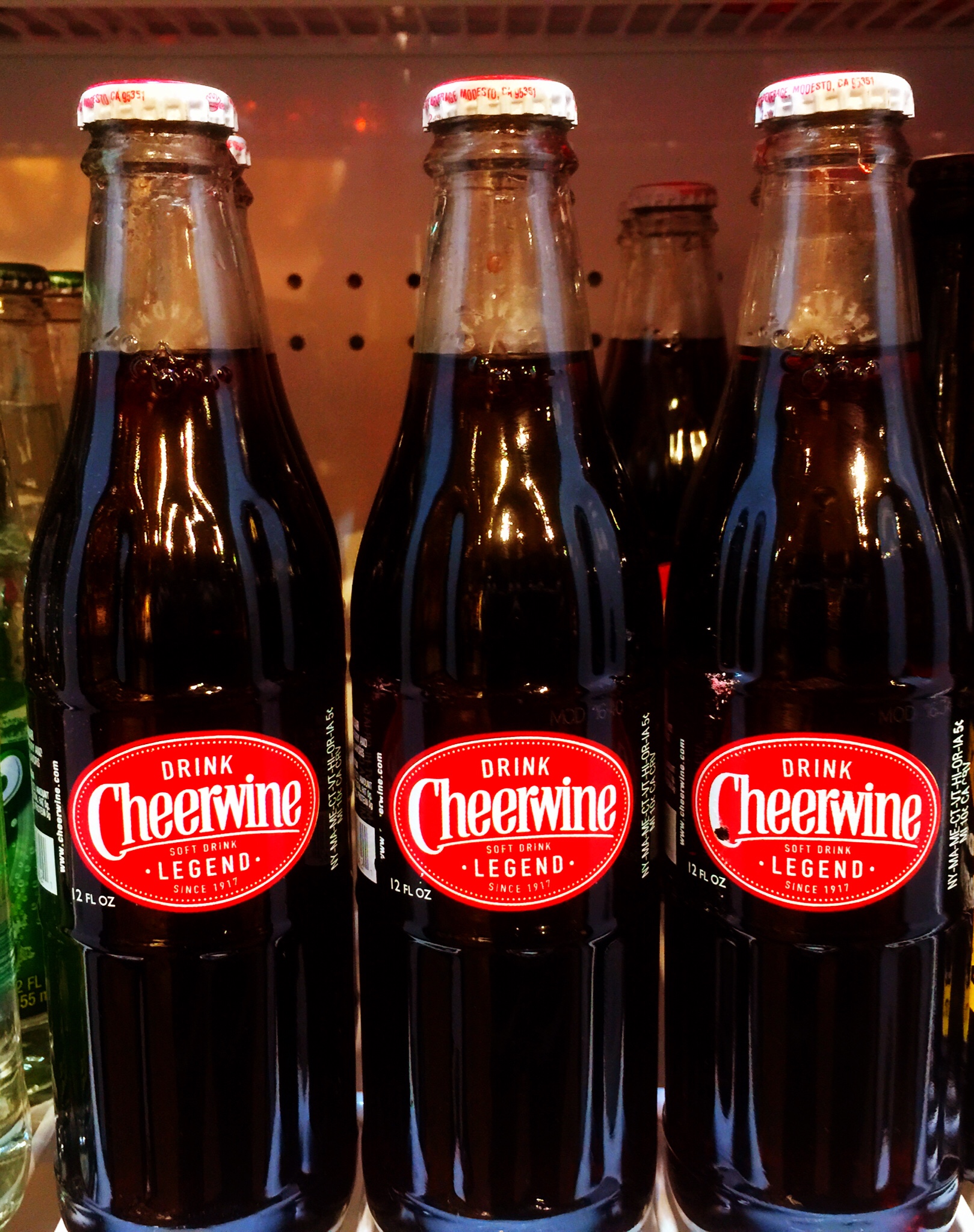
The oldest continuing soft drink company run by the same family, Cheerwine is, like the tag line says, “uniquely southern,” originating from Salisbury, North Carolina. The POPular pop was called Cheerwine because of its deep red wine-like hue and the cheery disposition in brings. This wild cherry beverage has maintained a loyal following primarily in the Southeast, where it’s never truly vanished from store shelves. The cherry flavor is distinctive, not overly medicinal like some cherry sodas can taste, which explains why it’s maintained such a dedicated fanbase across multiple generations in the region.
Green River

If you’re wondering what happened to Green River soda, it never actually went away, but it’s just not widely available across the U.S. and is very much a regional affair. Green River looks like something a kid might dream up – an electric, neon-green soda that tastes like a zingy lime sherbet. Sprecher Brewing Company was the place to get Green River in 2024, and it continues to be a go-to today. The fluorescent color alone makes it stand out on any shelf, though finding it outside of specialty soda shops or certain Midwestern locations requires some serious detective work.
Vernors Ginger Ale
Historian Keith Wunderlich once told The Detroit News, “It’s hard to tell the story of someone who grew up in Detroit in the 1940s and ’50s that doesn’t somehow involve Vernors,” and for most raised in Michigan, Vernors ginger ale isn’t just a beverage, but an integral part of the local heritage. According to one story, Vernors ginger ale was invented by a junior drug store clerk called James Vernor who left behind a concoction of ginger, vanilla, and spices in a wooden barrel while he served in the Civil War, and after returning from the war in the mid-1860s, Vernor discovered that the mixture had transformed into a delicious beverage. The aging process supposedly gave it that distinctively bold, barrel-aged flavor that sets it apart from every other ginger ale on the market.
Boylan Bottling
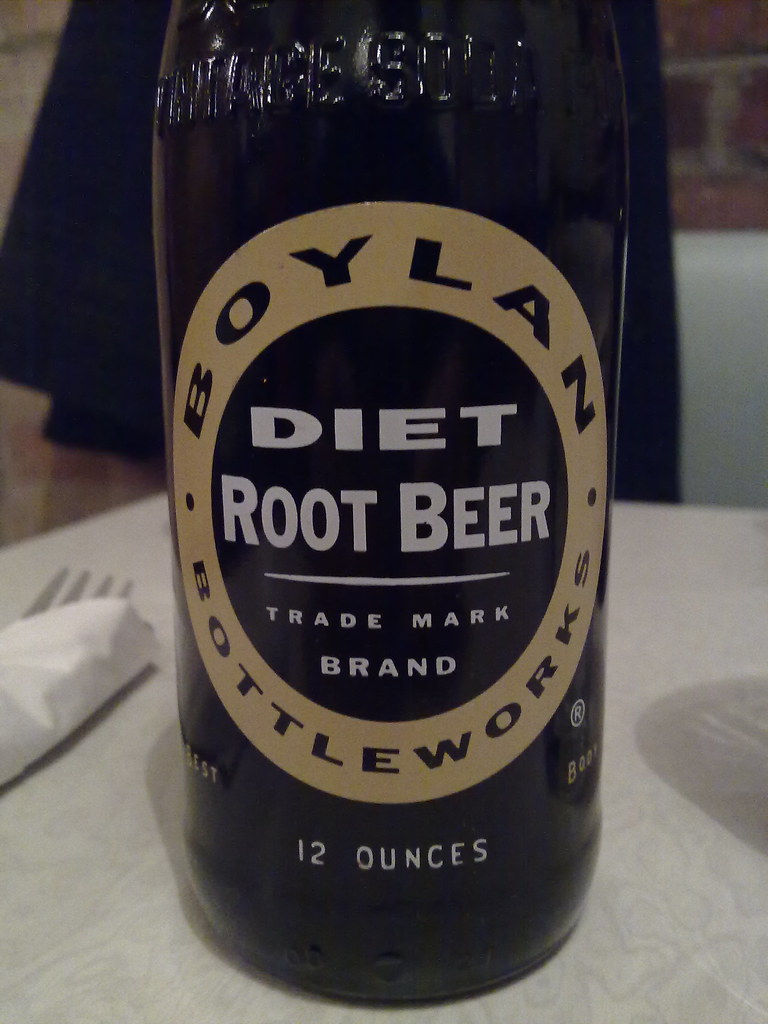
Created as an elixir by pharmacist William Boylan in 1891, Boylan Bottling Company’s Birch Beer still makes us feel good. Each soda by the Paterson, New Jersey company is still crafted in small batches using pure cane sugar, and joining the classic Birch is such fun flavors as Ginger Ale, Black Cherry, Shirley Temple – even Sparkling Lemonade. Best of all, Boylan is still served in very distinctive elongated glass bottles which haven’t changed for decades, with vintage design that comes complete with appealing embossed designs that harken back to the packaging of yesteryear, and the circular retro labels complete the brand’s timeless aesthetic.
The Comeback Culture
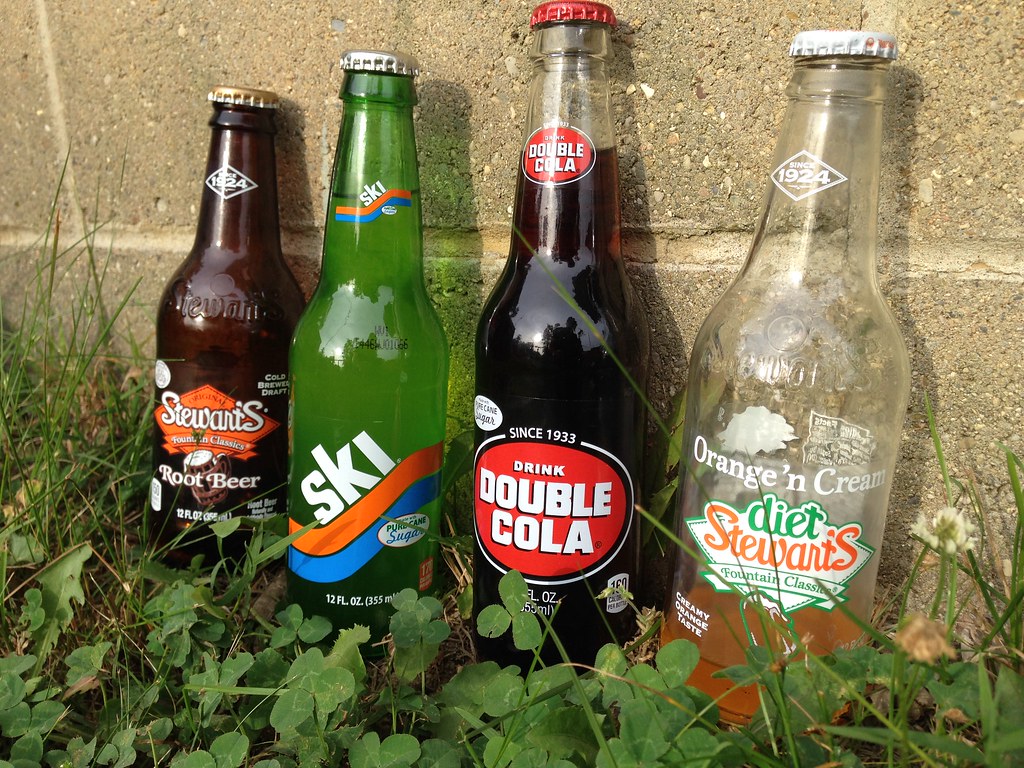
Old-fashioned, retro soda pop has been making a triumphant comeback in recent years, and just like we’ve seen a boom in the glass bottle, craft soda market, people are also looking to try many of the classic, retro sodas from their childhood. While annual soda consumption in the U.S. declined from 49.7 gallons per capita in 2000 to 43.1 gallons in 2022, we remain a nation of carbonated drink lovers, according to IBIS World. There’s something irreplaceable about cracking open a glass bottle of soda that tastes exactly like your grandparents described. These vintage brands remind us that not everything needs to be reformulated or modernized to survive. Sometimes the best strategy is simply staying true to what made you special in the first place, even if that means occupying a smaller corner of the market than the giants.



Leave a Reply