
Dining out is one of the most universal social rituals there is. Yet somewhere between sitting down and asking for the check, a surprising number of people forget that a restaurant is someone else’s workplace, not a personal stage. The staff isn’t invisible, the kitchen isn’t a custom workshop, and the table isn’t yours to occupy indefinitely.
Some of these rules are written down. Most aren’t. Either way, many Americans think the customer is not, in fact, always right – and those who’ve worked in the industry would likely agree more strongly. Here are eight rules that too many diners keep ignoring, and why each one matters more than most people realize.
1. Honoring Your Reservation – or Canceling It in Time
Making a reservation is easy. Keeping it, apparently, is not. OpenTable data shows that a staggering roughly one in four Americans say they haven’t shown up for a reservation in the past year. That isn’t just a minor inconvenience. With restaurant profit margins straddling a precarious line between three and six percent, these numbers can lead to significant losses and a lasting impact on businesses.
When a party doesn’t show, restaurants lose more than just that table’s potential revenue. A four-person no-show at an upscale restaurant with a $75 average check represents $300 in lost revenue, and at a five percent no-show rate with 100 weekly reservations, that amounts to over $78,000 annually from a single restaurant. Food waste compounds the damage further, since many restaurants prep based on reservations, and large-party no-shows in particular create waste when special items were already prepared.
2. Being Honest About Your Party Size
It seems like a small thing. It isn’t. Some guests will try to bypass restaurant rules or reservation limits by booking a reservation for four, only to show up with a group of eight, expecting accommodation. Restaurants staff their teams and order ingredients based on expected covers, so booking a smaller or larger table just to get in the door and then showing up with a different number of people creates real operational challenges and takes tables away from groups that actually need the space.
Some guests will even make multiple reservations for smaller groups and assume tables can be combined when they show up. This forces staff into awkward, last-minute rearrangements that ripple through the entire service. If your party size changes, calling the restaurant as soon as possible gives them a real chance to accommodate you at a different table or adjust their preparations accordingly.
3. Not Snapping Your Fingers or Whistling at Staff

At least eight in ten Americans say it is unacceptable for diners to snap their fingers to get the waiter’s attention – and yet it still happens, regularly, in restaurants across every price bracket. It’s one of those behaviors that feels small in the moment but carries a clear signal to the person on the receiving end. Don’t snap to get attention. It’s rude.
The same logic applies to whistling, waving aggressively, or repeatedly interrupting a server mid-sentence with another table. Servers are managing multiple tables simultaneously, and good service depends on a rhythm that customers can easily disrupt without realizing it. A brief, calm wave or patient eye contact is almost always enough.
4. Skipping the Tip – or Leaving Far Too Little
Tipping culture in America is genuinely complicated in 2026, and there’s real fatigue around it. Still, in a full-service restaurant setting, the math hasn’t really changed. Tipping may feel frustrating, but it’s vital for some fields. Because the expectation is that tipped workers will make more through tips, they legally only need to make $2.13 an hour in the U.S., according to the U.S. Department of Labor.
Tips make up nearly sixty percent of a server’s and just over half of a bartender’s share of hourly earnings. Recent surveys indicate a decline in the percentage of people who always tip, dropping from around three quarters in 2019 to roughly two thirds in 2023. However, the fundamental principle remains: service industry employees depend on tips as part of their income. Leaving nothing after a standard meal isn’t a bold protest. It directly reduces someone’s take-home pay.
5. Staying Well Past Closing Time
Most diners wouldn’t linger in a shop after the staff has started locking up. Restaurants somehow feel different, but they’re not. At least eight in ten Americans say it is unacceptable for diners to stay past the restaurant’s closing time. That heart-sinking feeling when a party of six walks in ten minutes to close is universal amongst restaurant industry workers. When this happens the whole staff, front of house and back of house, lets out a communal groan. Often, these are the people who promise they’ll only stay for one drink and dessert but end up lingering for two hours.
Every minute a restaurant stays open past closing costs money in wages, delayed food deliveries, and exhausted staff. The kitchen crew has usually been on their feet since early afternoon. Servers have bills to pay and lives outside the dining room. Being aware of posted closing times and wrapping up before them, not after, is basic courtesy that most people extend in every other environment without thinking twice.
6. Refusing to Pay for a Dish You Ate Anyway
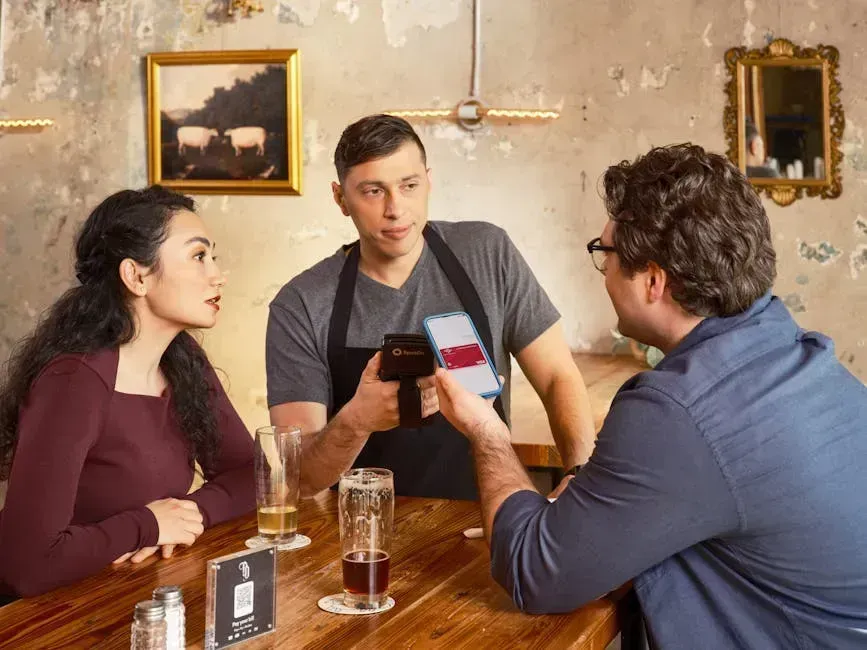
This one is perhaps the most quietly dishonest behavior on the list. At least eight in ten Americans say it is unacceptable for diners to say they won’t pay for a dish they didn’t like but ate. If food genuinely arrives wrong – wrong preparation, a documented allergy missed – that’s a fair, legitimate complaint. Eating through most of a dish and then announcing it was unsatisfactory at bill time is a different matter entirely.
Kitchens operate on tight margins and are genuinely trying to recover when something goes wrong. Taking the phrase “the customer is always right” too far leads some guests to assume that the staff is there to bend to their every whim. While restaurants try their best to accommodate, sometimes it’s just not possible. Raising a concern the moment a dish arrives gives the kitchen a real opportunity to fix it. Waiting until the plate is empty doesn’t.
7. Letting Children Run Freely Through the Restaurant
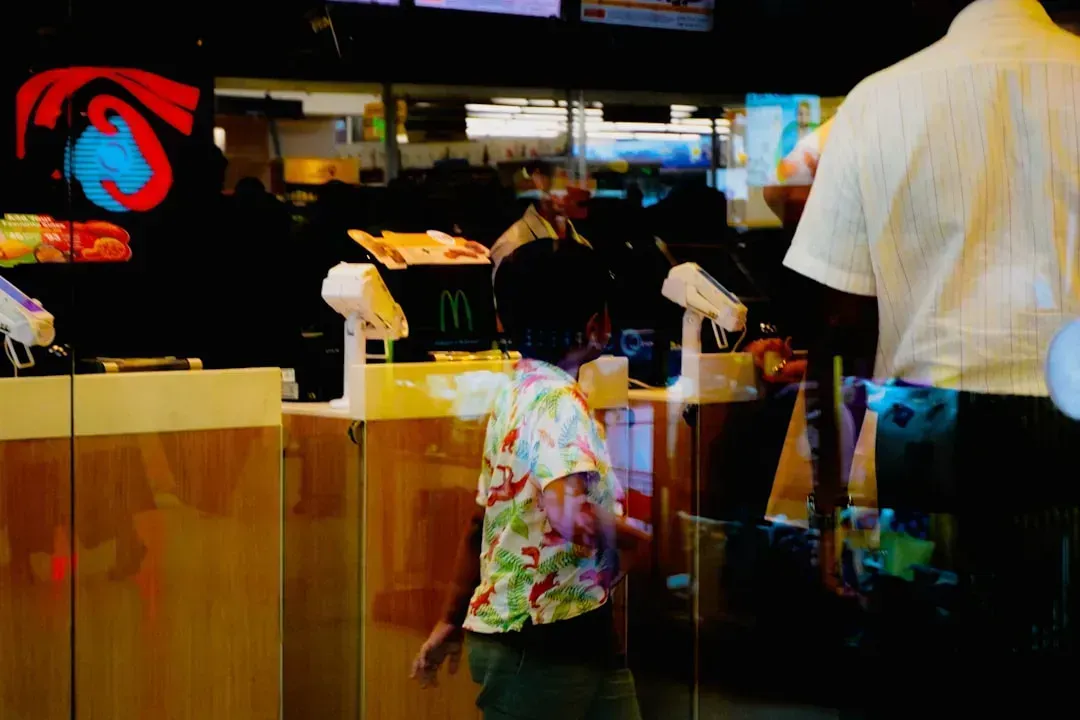
At least eight in ten Americans say it is unacceptable to allow their children to roam freely in a restaurant – a figure that reflects how widely this behavior is recognized as a problem, even if it persists. Servers carry hot plates, heavy trays, and sharp objects through tight spaces, often at speed. A child darting between tables creates a genuine safety hazard for everyone involved.
Beyond safety, it’s a matter of consideration for other diners trying to have a quiet meal. Restaurants aren’t playgrounds, and the burden of managing that environment shouldn’t fall on the staff. It’s a simple rule with clear reasoning, which makes it all the more noticeable when it’s ignored.
8. Debating Menu Prices With the Staff
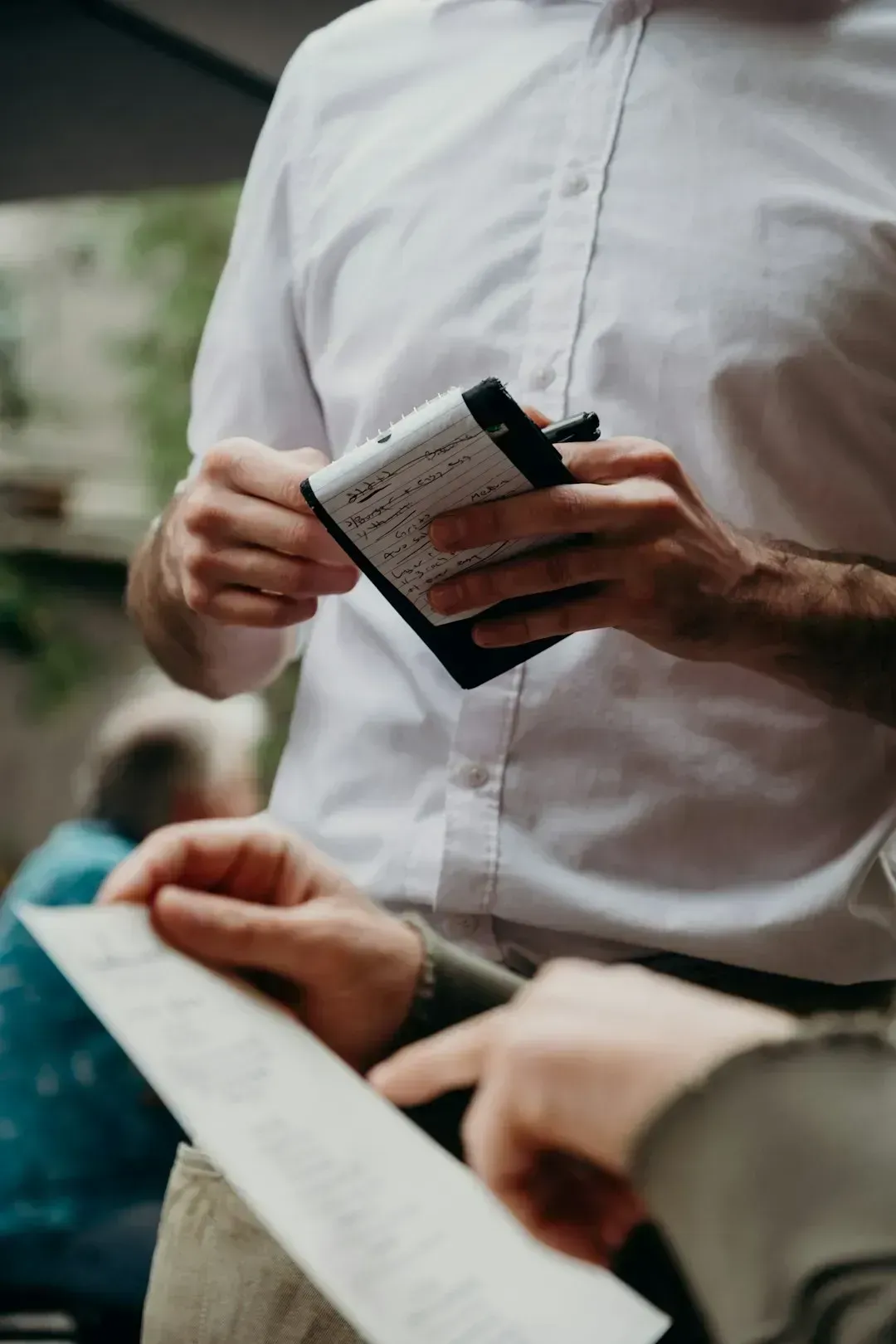
At least eight in ten Americans, including fully eighty-four percent in one 2024 YouGov survey, say it is unacceptable to debate menu prices with the staff. Your server didn’t set the prices. They have no authority to change them, and putting them in that position only creates an uncomfortable exchange that resolves nothing. If prices feel steep, the appropriate moment to assess that is before sitting down.
Some of the most divisive customer behaviors include asking for multiple modifications to a menu item, taking an extended period of time to decide what to order, and leaving no tip after receiving bad service – all of which share something in common with arguing over prices. They place the weight of a guest’s dissatisfaction squarely on staff members who have very little control over the things being complained about. Feedback about pricing belongs with management, in writing, after the meal.
None of these rules require special training or exceptional self-awareness. Most of them come down to a single, practical habit: remembering that the people working around you are doing a difficult job, and that small choices made at the table add up in ways that aren’t always visible from where you’re sitting.





Leave a Reply