
1. The Suspiciously Expensive “Decoy” Dish
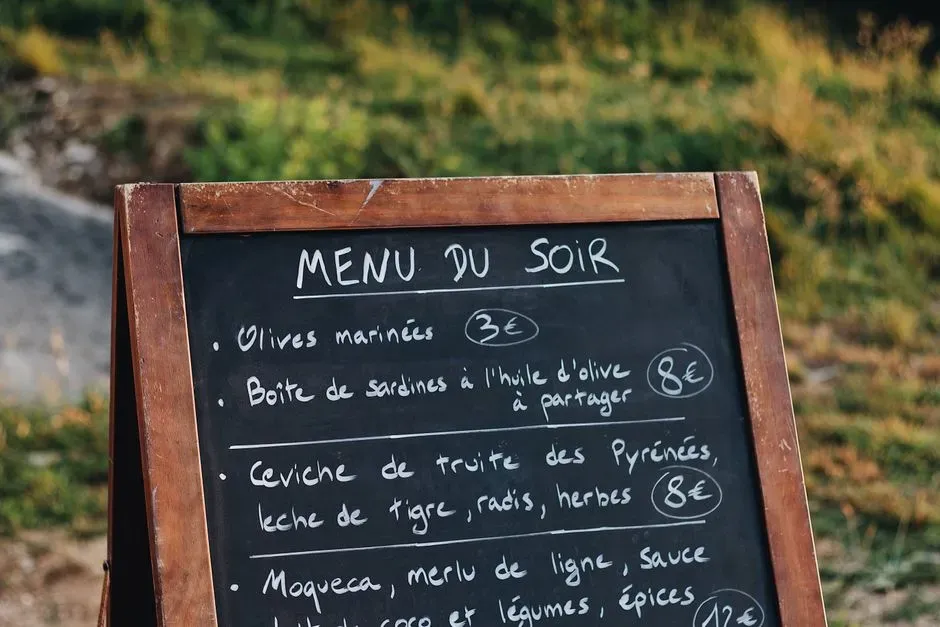
Experienced diners know to look for the one item on a menu that seems wildly overpriced compared to everything around it, because that item is rarely there to be ordered. A decoy item is an overpriced option placed on the menu to make other items seem more reasonable by comparison, and its only job is to shift your perception of every other price on the menu upward. Once you spot it, the rest of the menu suddenly reads differently.
This isn’t a fringe tactic used by a few shady operators either. Decoy pricing plays a significant role in influencing dining choices, involving placing less appealing menu items next to more attractive ones, so when wines are priced at ten, thirty, and fifty dollars, the fifty dollar option acts as a decoy that makes the thirty dollar choice seem more reasonable. A savvy diner treats that top-tier item as a warning sign rather than an aspiration, and reassesses the mid-range prices around it with a more skeptical eye.
2. Prices That Ignore Actual Food Cost
Most well-run kitchens work within a fairly tight food cost band, and diners who understand this can often tell when a price has drifted far from that reality. Most successful venues maintain a food cost percentage between 28 percent and 35 percent to remain competitive while staying afloat. When a simple pasta dish or a basic salad is priced like a specialty entrée, that gap usually signals margin padding rather than ingredient quality.
Seasoned diners will mentally price out a dish, thinking through what the core ingredients likely cost, then compare that to the menu price and the overall vibe of the restaurant. If a dish made mostly of pantry staples costs nearly as much as a protein-heavy plate a few lines down, that’s often a clue the kitchen is leaning on perceived value rather than actual production cost to justify the number.
3. Menus That Steer You Toward the Top-Right Corner
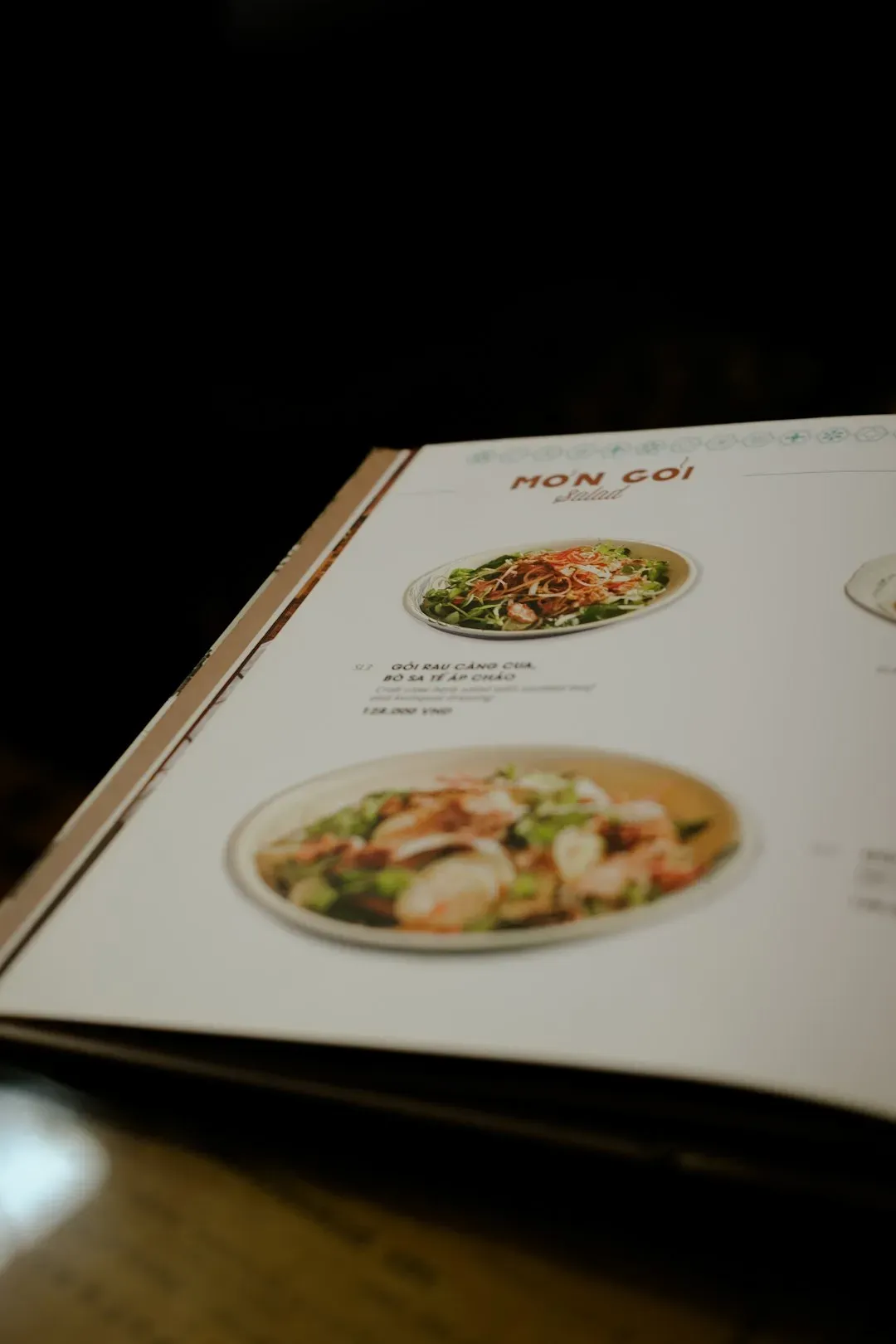
Anyone who has read enough menus starts to notice that certain positions get disproportionate attention, and that’s not an accident. The placement of dishes on a menu can significantly impact customer choices, with items positioned in the top right corner, often called the sweet spot, typically the most frequently chosen, so restaurants strategically use this prime location to highlight their most profitable dishes. Experienced diners have learned to specifically scan the middle and bottom of a menu instead of letting their eyes default to that corner.
Eye-tracking research backs this up in more detail. Eye-tracking studies commissioned by menu consulting firms and replicated at Cornell University’s hospitality research lab show that diners don’t read a menu linearly, and instead the gaze follows a predictable pattern where it lands first in the center, then moves to the top-right, then the top-left. Knowing this, a careful diner deliberately reads the whole menu top to bottom rather than letting the layout dictate their choice, which often reveals better-value dishes tucked away from the “sweet spot.”
4. Descriptive Language Doing the Heavy Lifting
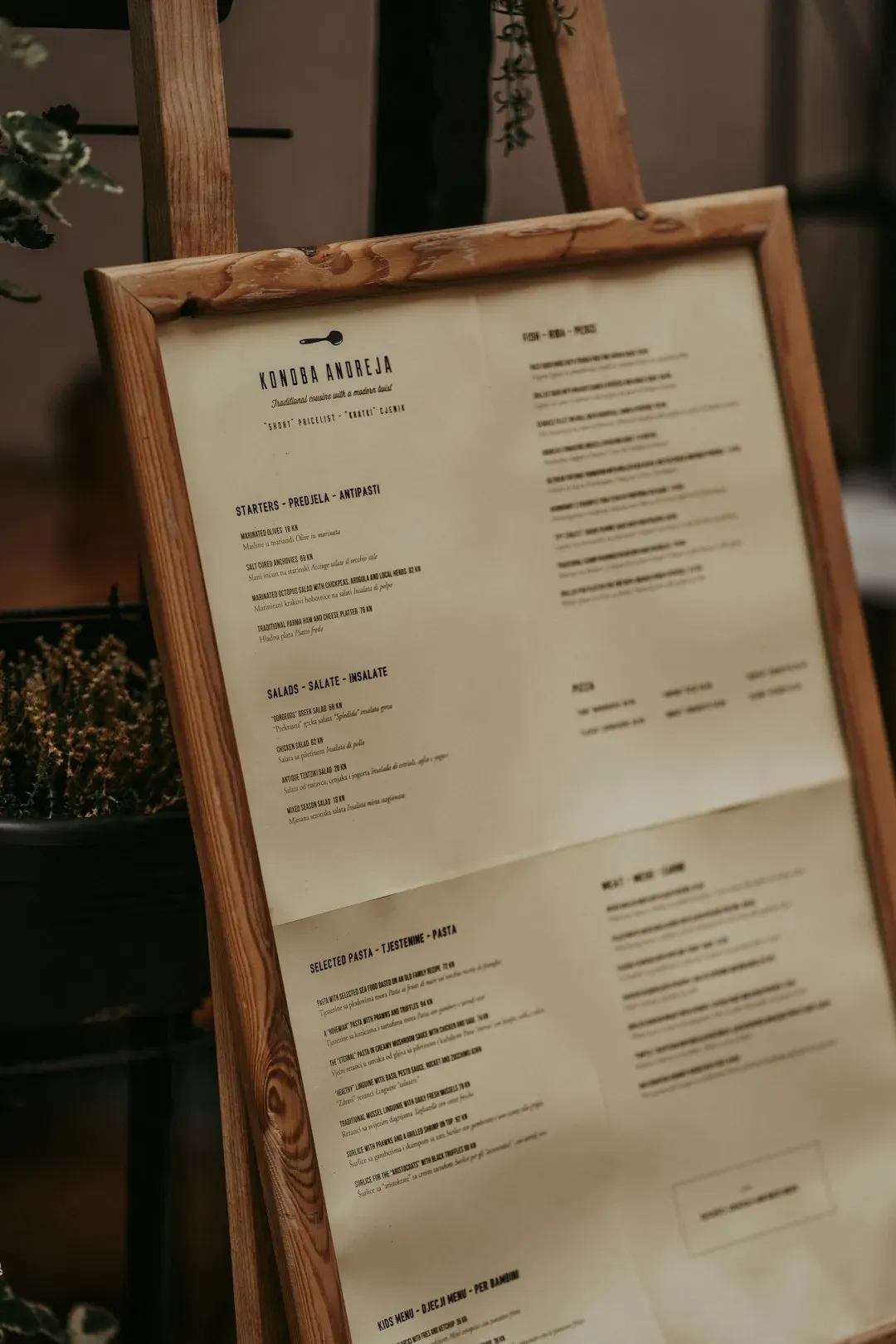
Word choice on a menu is rarely accidental, and diners who eat out often start noticing when adjectives seem to be substituting for actual value. The words used in menu descriptions deeply influence customer preferences, and terms like savory, crispy, or freshly caught do more than just sound appealing, they can increase the perceived value of a dish. When a plain dish gets three or four flowery descriptors and a price to match, that’s a sign the language is compensating for something.
A more experienced approach is to ask what’s actually being described versus implied. Words like “artisanal,” “hand-crafted,” or “locally sourced” sound premium, but they don’t always correspond to a meaningfully different dish or higher ingredient cost. Diners who’ve been burned before tend to ask a server directly what makes a dish special before assuming the description alone justifies the price.
5. A High-Priced Anchor Sitting Near Everything Else
Related to the decoy trick but slightly different in mechanics is anchoring, where one expensive item recalibrates how reasonable everything else feels. Upscale venues often use psychological anchoring, placing a very high-priced item near other dishes to make them seem more reasonable. A ninety dollar steak sitting at the top of a menu can make a fifty dollar entrée feel like a bargain, even if that fifty dollar dish is still overpriced for what it delivers.
The data on how effective this is can be striking. Research from Cornell’s School of Hotel Administration found that high-priced anchors increased mid-range selections by 27 to 33 percent across 180 participating restaurants. Diners who’ve caught on to this trick try to evaluate each dish on its own merits rather than in comparison to the most expensive thing on the page, which keeps the anchor from doing its intended job.
6. Decoy Portion Sizes That Nudge You Toward Bigger Spending
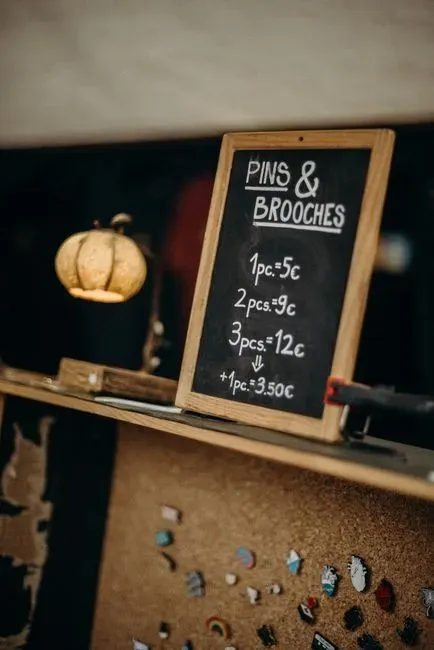
Beyond single dishes, portion tiers themselves can be engineered to push diners toward a specific choice, especially with items like pizza, wings, or shareable plates. Tiered or decoy pricing offers items at different price points to sway customer choices, such as a small pizza for twelve dollars, a medium for eighteen, and a large for twenty, where most customers will skip the medium and head for the large since it looks like a better deal. That “obvious” choice is often exactly the one the menu was designed to produce.
Experienced diners run a quick per-unit calculation before ordering, comparing price per slice, per wing, or per ounce across all the tiers rather than just picking the option that visually looks like the best deal next to its neighbors. Sometimes the smallest size actually offers the best value once you do the math, precisely because the middle tier was placed there to look unappealing on purpose.
7. Vague or Missing Context for Premium Ingredients
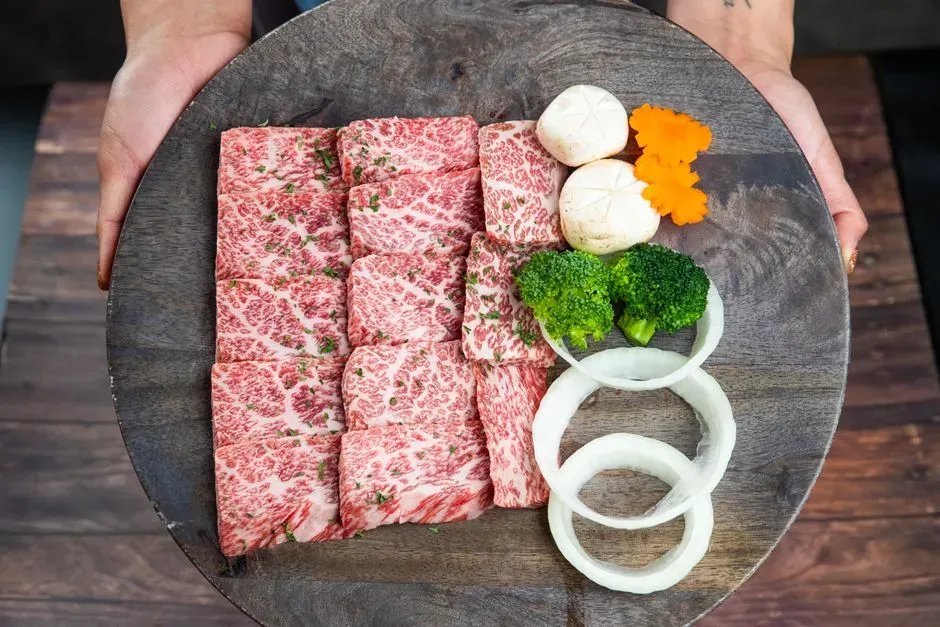
When a menu leans hard on a single premium-sounding word without backing it up with specifics, that’s often a red flag rather than reassurance. Terms like “wagyu,” “organic,” or “wild-caught” carry real cost implications only when they’re accurate and specific, and diners who ask follow-up questions frequently find that the premium claim is vaguer than the price suggests. A dish billed simply as “Wagyu burger” without specifying the grade or sourcing, for instance, invites more scrutiny than one that names a specific farm or region.
This ties back to the broader idea that perceived value, not actual cost, drives much of restaurant pricing. The psychology behind pricing focuses on how customers perceive value rather than actual cost, and techniques like anchoring and decoy pricing guide attention and influence decisions subtly, helping increase spending without changing the product itself. Diners who ask servers pointed questions about sourcing or preparation often get a clearer sense of whether the price reflects something real or just a well-chosen adjective.
8. A Menu That Reads Like It Was Built by a Consultant, Not a Chef
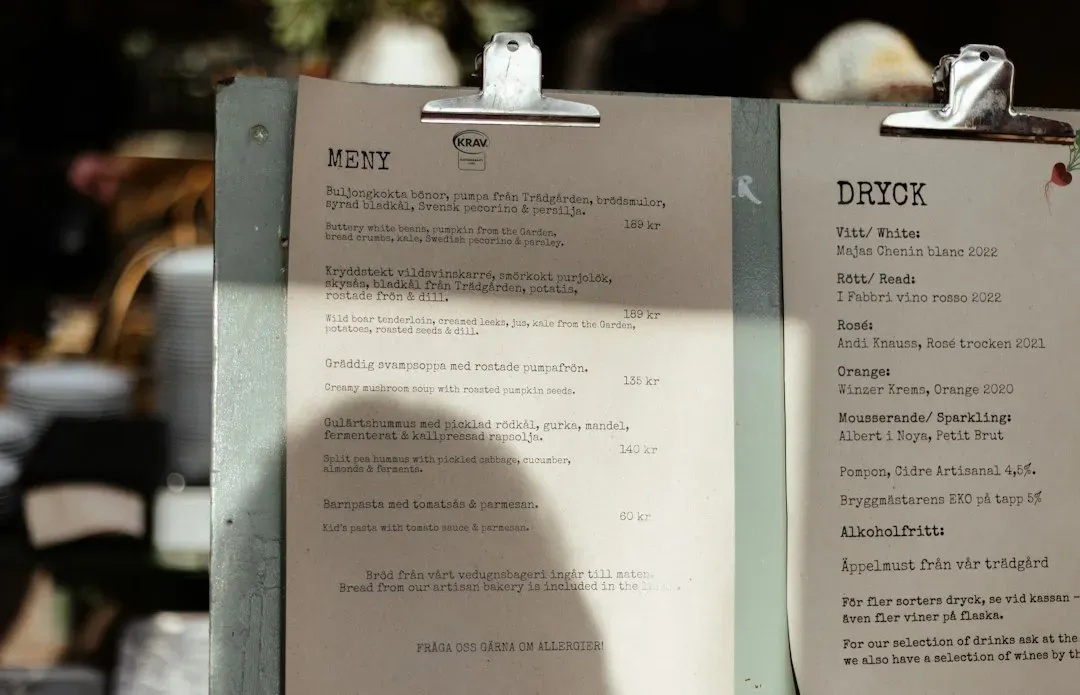
There’s a certain uniformity to menus that have gone through heavy commercial engineering, and frequent diners start to recognize the tells: boxed-in “featured” items, strategically placed photos next to the priciest dishes, and pricing that ends suspiciously often in .95 or .99 rather than round numbers. Engineering a successful restaurant menu involves utilizing a menu matrix to analyze sales data and customer preferences, applying data-driven insights to optimize menu items and pricing strategies, and pairing this with menu psychology tips to enhance the overall dining experience. None of that is inherently dishonest, but it does mean the menu was optimized for margin as much as for the kitchen’s strengths.
The tell here isn’t any single design choice but the accumulation of them. Pricing techniques, use of color and images, menu layout and menu placement are just a few factors that can influence consumer behavior and ordering habits, and when well employed, menu psychology tricks of the trade can push diners toward the most profitable items. A menu with a heavy box around one dish, a photo next to only the most expensive appetizer, and prices that consistently sit just under a round number is a menu built by people thinking about margin first. Recognizing that pattern doesn’t mean the food is bad, but it does mean the price tag deserves a second look before you commit.
None of these tricks make a restaurant dishonest on their own. Menu engineering is a legitimate, widely taught discipline, and most operators use it simply to run a sustainable business rather than to deceive anyone. Still, understanding how a menu is built gives diners real leverage. Once you know what a decoy item looks like, why your eyes drift to the top-right corner, or how a “medium” size got squeezed into looking unattractive, you stop reacting to the menu and start reading it critically instead. That shift, more than any single hack, is what separates a diner who overpays from one who eats well and spends wisely.





Leave a Reply