
1. Carrying a credit card balance instead of paying in full

Credit card interest rates have stayed uncomfortably high through 2026, and the cost of carrying a balance is not a rounding error. If you have $5,000 of credit card debt at a 20% APR and only make minimum payments, you’ll be in debt for about 23 years and end up paying roughly $7,723 in interest. That single habit, repeated across a household’s various cards, is where a lot of “thousands” quietly disappear.
The frustrating part is how avoidable this is for anyone who pays statements in full. Paying the full statement balance each month avoids interest entirely, and most cards offer a grace period of at least 21 days after the statement closes. The rate on the card barely matters if the balance never carries over, which makes this less about finding a better card and more about breaking the habit of treating a credit line like extra income.
2. Paying avoidable overdraft and NSF fees
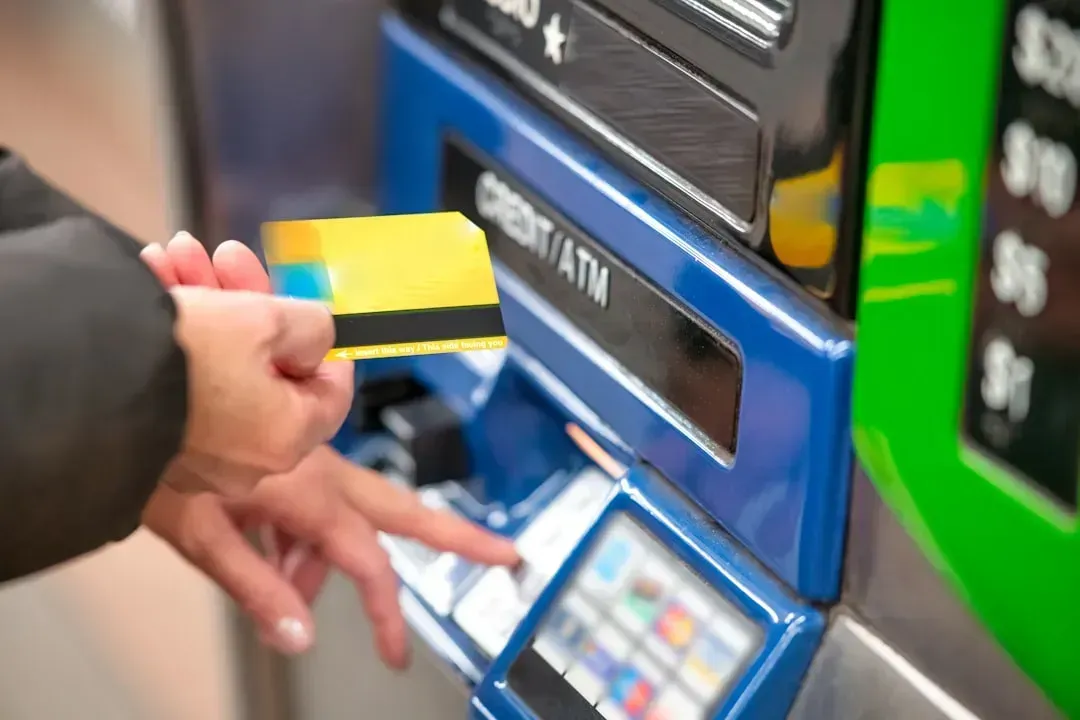
Overdraft charges have come down from their worst years, but they haven’t disappeared. Bankrate’s 2025 Checking Account and ATM Fee Study found the average overdraft fee fell 1% year-over-year to $26.77, while the average non-sufficient funds fee declined for the fourth consecutive year to a record-low $16.82. That sounds modest until it happens three or four times a year, every year, for a decade.
The bigger issue is how unevenly this cost falls. Approximately 26.5% of households incur at least one overdraft or NSF fee annually, and a smaller group gets hit repeatedly. Many banks now offer buffer amounts, fee-free overdraft coverage, or accounts that simply decline a transaction instead of charging for it, so switching banks is often the cheapest fix available.
3. Letting unused subscriptions auto-renew

Subscriptions are designed to be forgettable, and that’s precisely the problem. The average American household spends nearly $1,100 per year on various subscription products, and around $200 of that spending goes toward subscriptions they forget about or otherwise never used. Multiply that over five years and you’re looking at a small vacation’s worth of money spent on services nobody actually opened.
The habit of tracking rarely matches the habit of paying. The average respondent now has 3.4 active paid subscriptions, spending $35.03 monthly on average, though that figure has actually declined from prior years as prices climbed and people started trimming. A once-a-quarter review of bank statements, just scanning for recurring charges, usually pays for itself within minutes.
4. Parking savings in a low-yield account

This one doesn’t feel like a mistake because nothing bad seems to happen. Nothing does happen, which is exactly the issue. The average savings account earns a yawn-worthy 0.39% according to the FDIC, while the best high-yield savings accounts offer APYs of up to 4.21%.
The gap sounds small until you put real numbers behind it. With an average interest rate under 0.40%, you’re not only failing to keep pace with inflation, you’re technically losing money, since a high-yield savings account at 4% is about 900 times more lucrative than a traditional savings account. On ten thousand dollars sitting in an emergency fund, that difference is hundreds of dollars a year, essentially free money left on the table for the sake of not filling out a new account application.
5. Sticking to minimum payments on debt
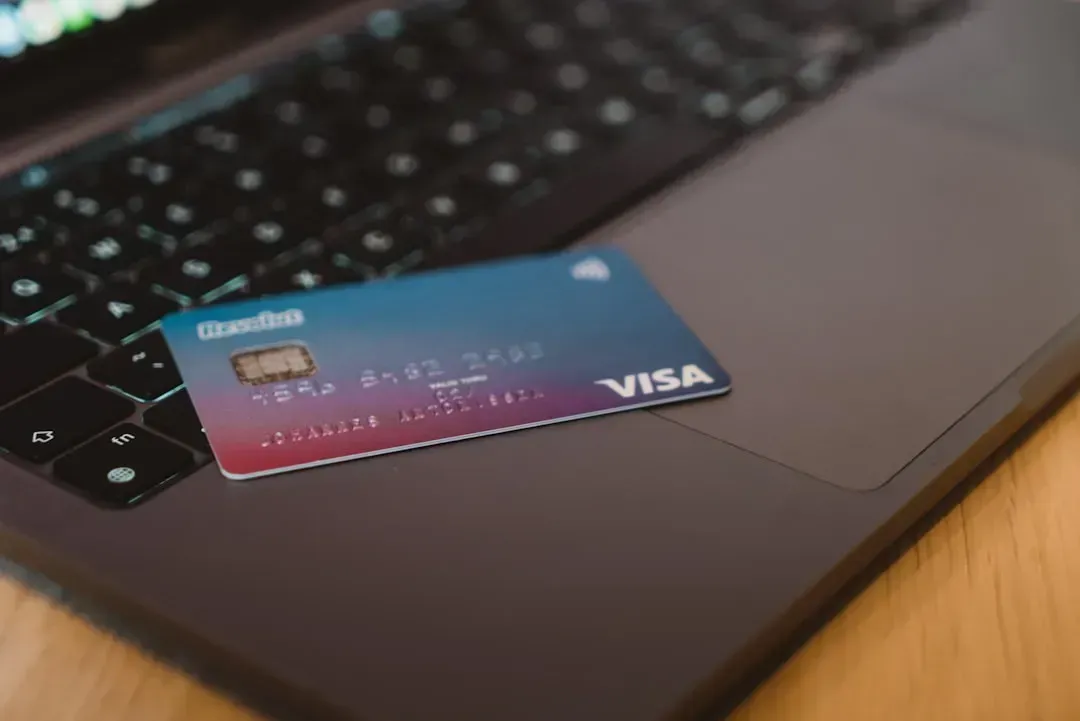
Minimum payments exist to keep an account technically current, not to get anyone out of debt quickly. The math behind them is brutal by design. The math gets worse when you only pay the minimum: at 22% APR with a $1,000 balance and a $25 minimum payment, it would take over 5 years to pay off the balance and cost nearly $700 in interest.
That example uses a modest starting balance. Scale it up to a typical household’s combined credit card debt, and minimum payments stretch what should be a one or two year payoff into a decade-long drag on monthly cash flow. Paying even a modest amount above the minimum each month, even an extra twenty five or fifty dollars, shortens that timeline dramatically and cuts the total interest paid by a meaningful margin.
6. Out-of-network ATM fees and checking account maintenance charges
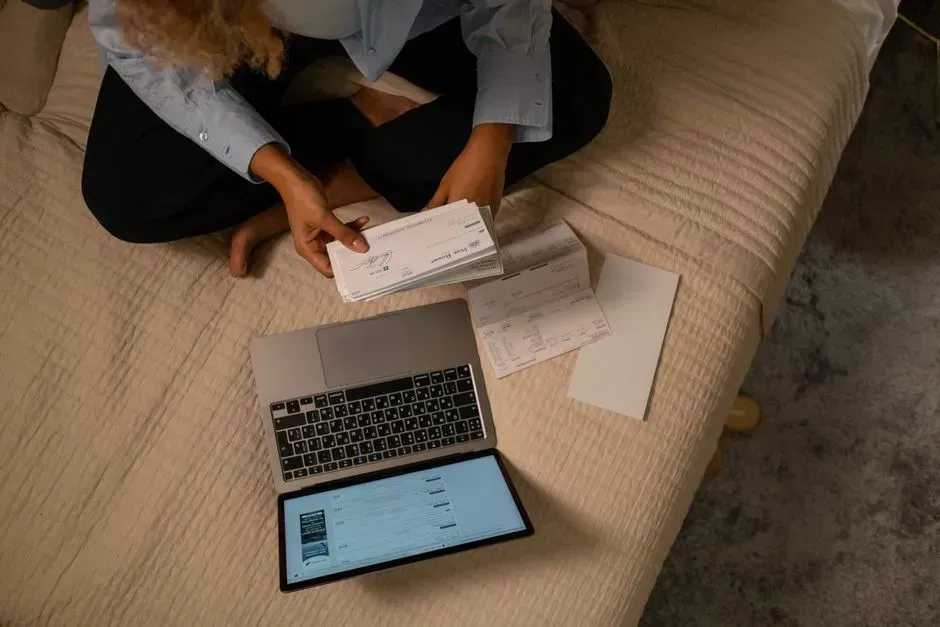
These fees are small individually, which is exactly why they survive. Monthly maintenance fees now average a record $13.51, according to the 2026 MoneyRates Checking Account Fee survey, while out-of-network ATM fees have hit a combined average of $4.64. Pull cash from the wrong machine twice a month and pay a maintenance fee you didn’t need to, and that’s close to two hundred dollars a year for essentially nothing.
What makes this mistake especially quiet is how avoidable it is. Junk fees are largely avoidable, and nearly a third of checking accounts charge no monthly maintenance fee at all. Most large banks will waive the fee entirely if you meet a simple direct deposit requirement, and free checking is still very much available for anyone willing to spend ten minutes comparing accounts.
7. Never negotiating bills or interest rates

There’s a quiet assumption that rates and fees are fixed, non-negotiable facts of life. They usually aren’t. A June 2026 LendingTree survey found that 84% of cardholders who requested an APR reduction were successful, with respondents reporting an average decrease of 6.3 percentage points. That single phone call can be worth more than most budgeting apps combined.
The same logic extends beyond credit cards to insurance premiums, streaming bundles, phone plans, and internet service. The APR outlined in the cardholder agreement isn’t always the be-all and end-all, and you can request a rate reduction from your card issuer, referencing offers with lower interest rates from other providers to strengthen your case. Companies count on inertia, and a five minute request once or twice a year is often the entire cost of pushing back against it.
8. Losing track of small, frequent purchases

No single coffee, lunch delivery order, or convenience-store snack breaks a budget. The trouble is that these purchases rarely get logged anywhere, so they never show up when someone tries to figure out where their paycheck went. A five dollar habit repeated daily is close to eighteen hundred dollars a year, invisible precisely because it never arrives as one large charge.
This mistake is less about the spending itself and more about the blind spot it creates. Without some kind of tracking, whether that’s a budgeting app, a dedicated spending account, or simply reviewing statements monthly, these purchases blend into the background noise of daily life. The fix isn’t necessarily cutting them out entirely; it’s making them visible enough that they become a conscious choice rather than a default.
None of these eight habits are dramatic on their own. That’s the point. A high credit card balance, a couple of overdraft fees, a forgotten subscription, cash sitting in the wrong savings account, a minimum payment here, an ATM fee there, a bill nobody negotiated, and daily purchases nobody tracked can quietly combine into thousands of dollars a year without a single moment that feels like a crisis. Catching even three or four of these in your own finances tends to free up more money than most people expect, and it usually takes less effort than it sounds like it should.



Leave a Reply