
Meals are among the most social rituals humans share. Long before anyone mentions their hometown, their family, or their childhood, the way they sit down, unfold a napkin, or glance at their phone tells a story that words would take much longer to convey. The dinner table is, in many ways, an accidental autobiography.
Table manners are not simply a matter of personal preference or etiquette. They are shaped by a complex interplay of historical, social, and cultural factors, and the way we behave at the dinner table reflects our cultural background, social status, and personal values. These signals fire off instantly, before a single topic of conversation is raised.
1. Whether They Wait for Everyone to Be Served Before Eating
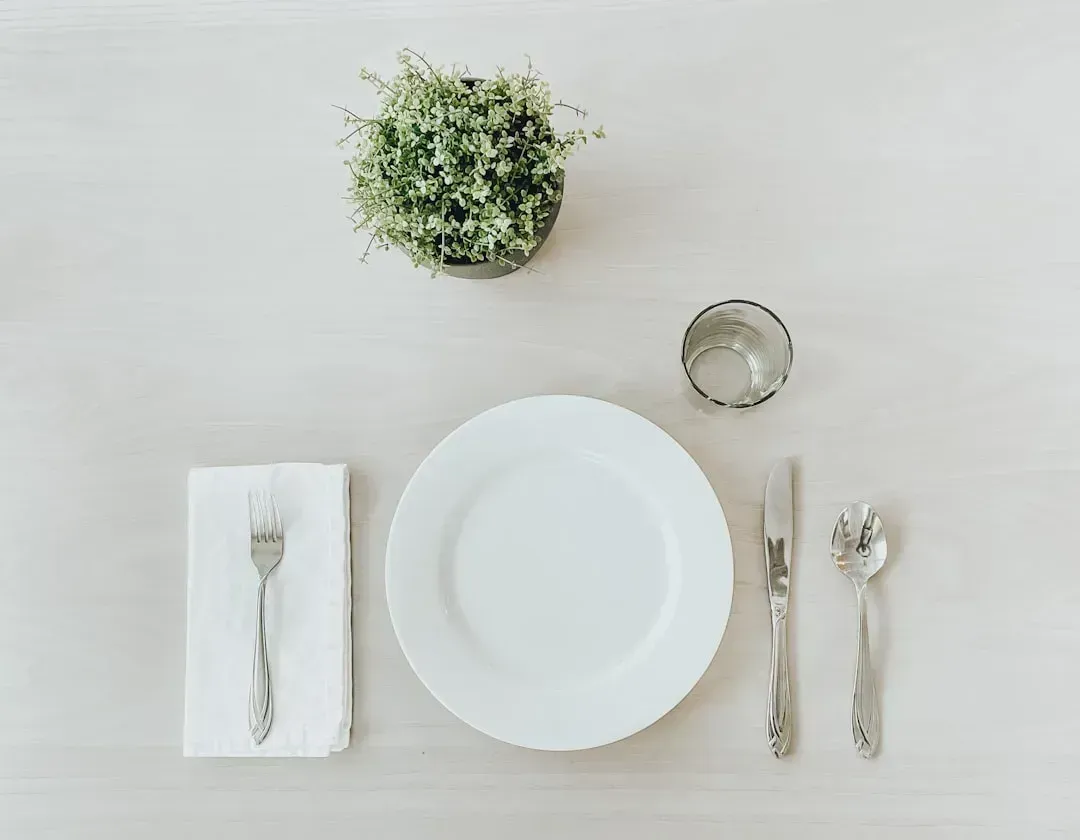
Patience at the dinner table speaks volumes about upbringing. Many families with formal dining traditions teach children to wait until every person has their plate before picking up a fork. This practice shows respect for the group and values the communal experience over individual hunger. It’s a small, nearly invisible signal, but it’s one of the most consistent ones.
People who grew up with this rule don’t even think about it anymore. It’s automatic. They sit comfortably, making light conversation while others are still being served. Meanwhile, someone unfamiliar with this custom might dive right in, not realizing the silent signal they’re sending. The contrast between the two is hard to miss once you know what to look for.
2. How They Handle Their Napkin
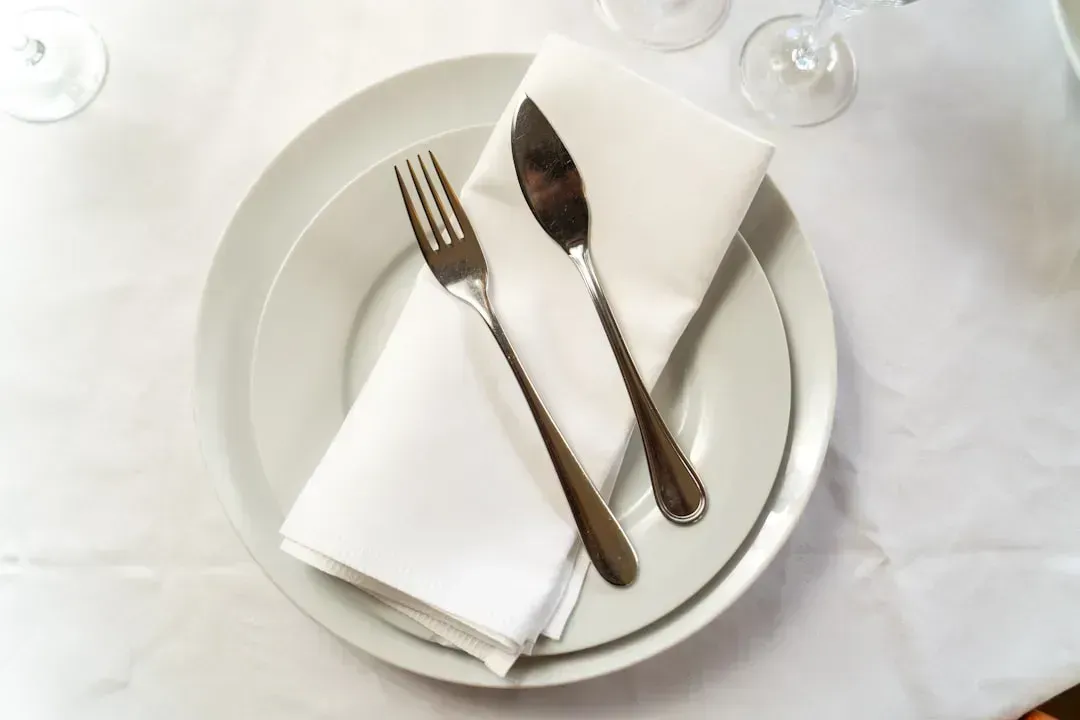
The cloth napkin choreography is learned behavior. It’s not intuitive. You have to be taught that the napkin goes on your lap immediately, that you blot rather than wipe, that it stays on your chair if you excuse yourself temporarily. These aren’t things most people figure out on their own.
The napkin is considered the most important tool at the table, and learning how to use it correctly is a skill that carries forward into more formal dining situations, such as dances, weddings, and even job interviews. These distinctions matter in certain circles. They mark you as someone who knows the rules, someone who’s dined in places where these things are expected.
3. How They Treat the Waitstaff
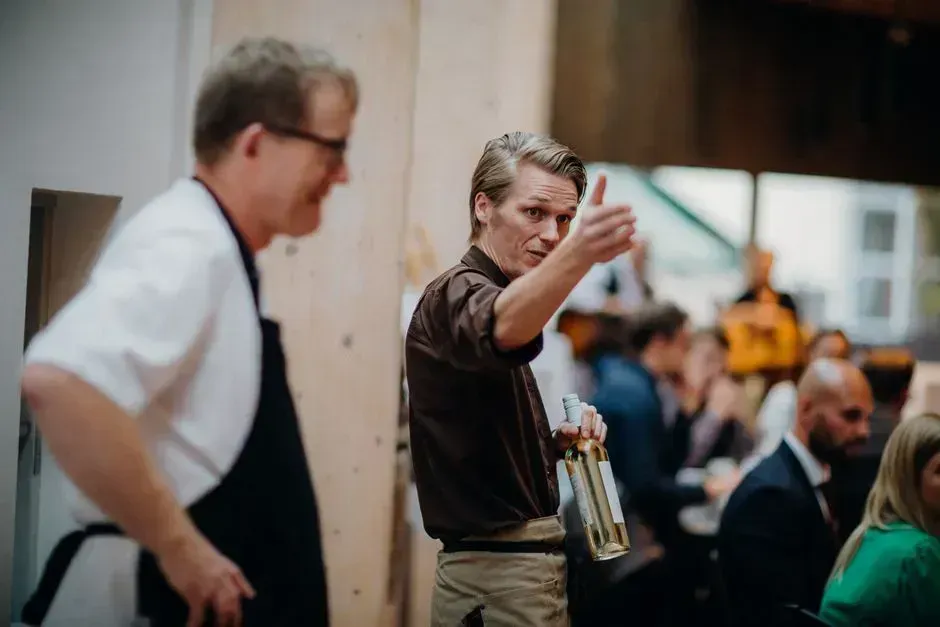
How someone treats restaurant staff reveals their true character and upbringing. People raised in privileged environments often learn early that courtesy extends to everyone, regardless of their role. They say “please” when ordering and “thank you” every time a server refills water or clears a plate. It’s reflexive, not performed.
Psychology and mindfulness both suggest that consistent micro-courtesy reveals deeper traits that run through someone’s identity like an invisible thread. Psychologists find particular value in observing how someone treats others in service roles because it reflects genuine character traits, and studies suggest that these habits stem from early education or a sincere recognition of the hard work that waitstaff do behind the scenes.
4. Whether Their Phone Is on the Table
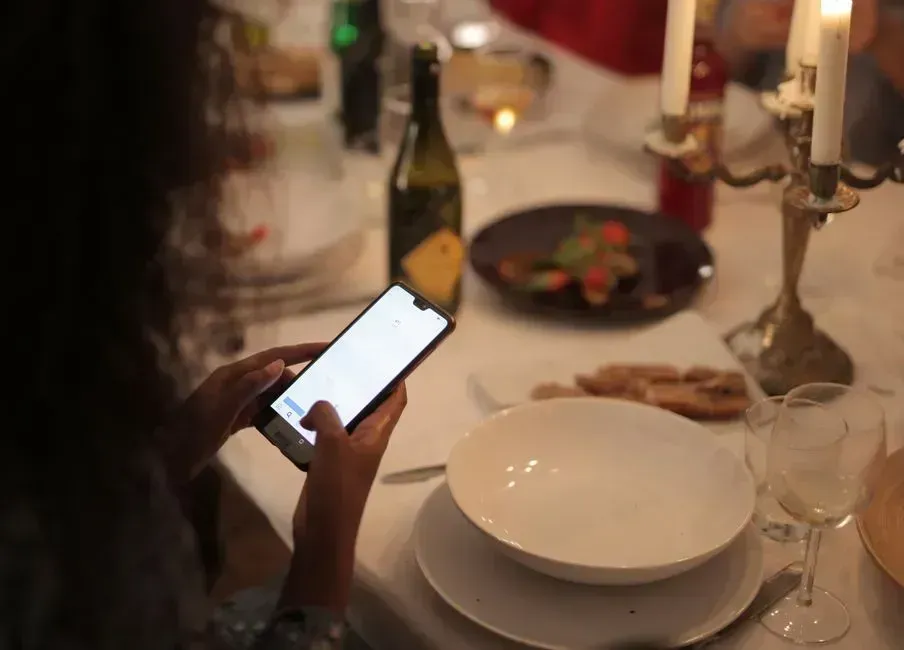
Whether or not a phone makes it onto the table at dinner is revealing. Some families banned phones because of dining etiquette principles. Others banned them because phones didn’t exist when the rules were set. Upper-middle-class families often have explicit, enforced policies about devices at dinner. It’s about respecting the meal, respecting conversation, treating dinner as sacred family time.
Phone manners are a hot-button issue in schools, homes, and in public. Most kids have their own smartphone or ready access to a parent’s, which means they need to be taught cellphone etiquette as soon as they are old enough to hold one. This starts with knowing when to turn off or silence a phone and when to put it out of sight, like at family dinners. Someone who keeps their phone face-down and silent throughout a meal almost certainly grew up with that expectation enforced.
5. Whether They Reach Across the Table or Ask for Items to Be Passed
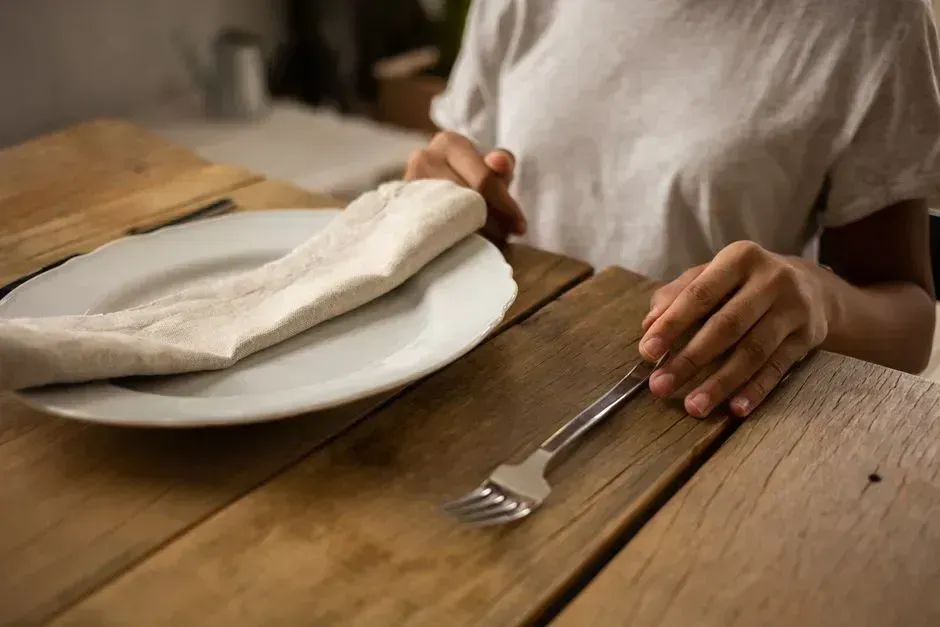
In formal dining settings, the proper thing to do is ask someone to pass items, even if they’re within arm’s reach. Reaching across the table is considered rude because it invades other people’s space, disrupts conversation, and shows impatience. You’re supposed to politely ask for items to be passed, even if you could easily grab them yourself.
It sounds overly strict, until you notice how naturally it flows for someone who was raised with it. Psychologists link the awareness of personal space to boundary awareness, a social skill that helps people coexist harmoniously, and consider it a sign of emotional maturity to be aware of your own space and respect that of others. Passing the salt without being asked is an extension of the same instinct.
6. Their Posture and Elbows

People from stricter backgrounds sit up straight naturally, keeping their elbows in their laps between bites. Others lean forward, prop themselves up, and take the weight off their backs. Nobody is more comfortable, just differently trained. Posture at the table is almost entirely a product of repetition and early correction.
Table etiquette includes maintaining good sitting posture, with no elbows on the table, along with proper use of cutlery and engaging in polite conversation. These physical habits are so deeply grooved by adulthood that people rarely realize they’re doing them. Watching how someone holds themselves through an entire meal tells you more than any single gesture.
7. Whether They Chew With Their Mouth Closed and Stay Silent While Eating
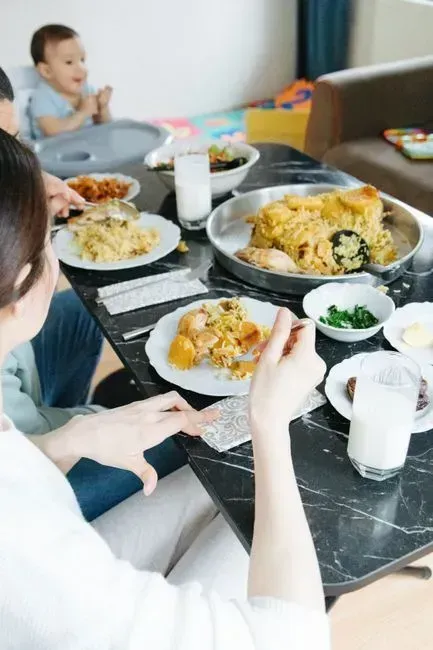
In homes where dining etiquette mattered, this was non-negotiable. Getting caught chewing with your mouth open or talking with food visible would earn immediate correction. It was about respect, about not being disgusting, about controlling your basic impulses. In more casual households, these rules were suggested rather than enforced.
Research finds that parents play a crucial role as educators, role models, and supervisors in supporting children to achieve moral intelligence. The stages children experience include moral knowing, moral feeling, and moral action. The habituation of dining etiquette through strong collaboration between parents positively impacts children’s character formation, including independence, discipline, and politeness. Closed-mouth chewing is one of the earliest and most deeply drilled of these lessons.
8. How They Wrap Up the Meal
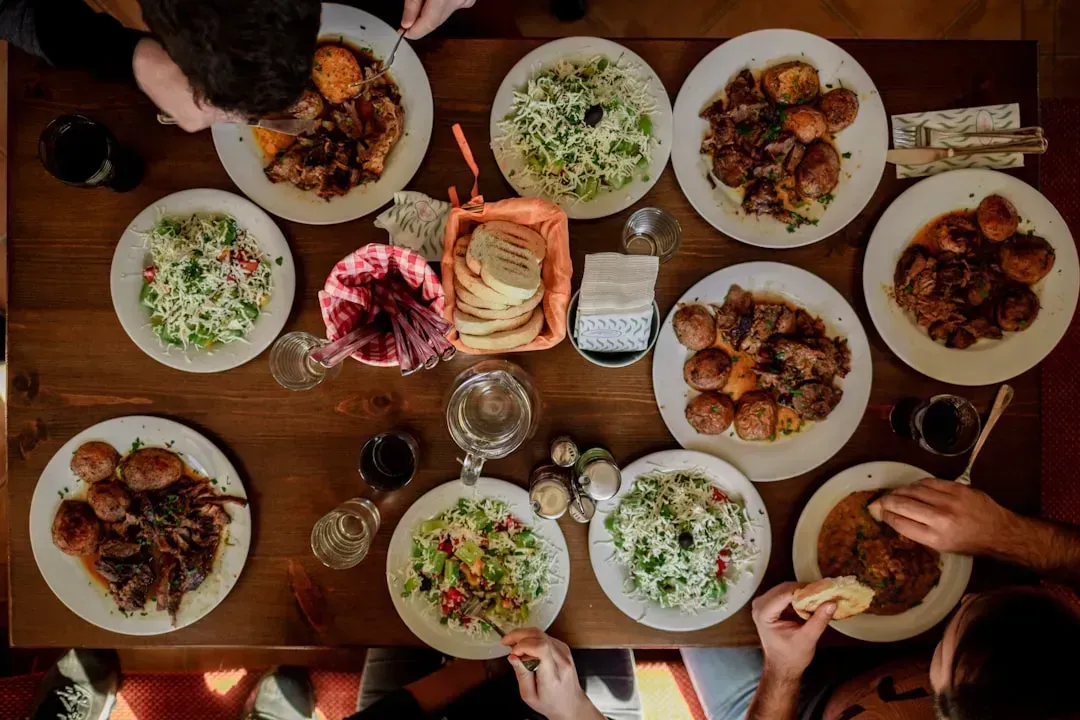
It is good manners at the end of the meal to compliment the cook or chef. In many families, children were required to ask permission before leaving the table. While this may seem a little formal, it is a good way to ensure that the family meal is thoroughly enjoyed and experienced before anyone goes running off. The way a person exits a meal is just as telling as how they arrived at it.
Good table manners aren’t just about following a set of rules. They’re a chance to teach kids important social skills like empathy, consideration, and respect for others. By setting a good example at the table, parents help children become socially confident and able to handle all kinds of situations with grace. Someone who lingers, thanks the host, and places their napkin neatly beside their plate before standing has absorbed all of that without needing a reminder.
There’s a reason the dinner table has been used as a social testing ground for centuries. It’s one of the few settings where behavior is both habitual and highly visible, where what was drilled in childhood replays with almost no conscious effort. The way we eat tells a story about where we came from, even when we’re not saying a word. Table manners aren’t about being better or worse. They’re cultural markers, signs of the environment that shaped us. Most people don’t realize they’re broadcasting any of it. They’re just eating.




Leave a Reply