
A new ride usually arrives with fanfare, a ribbon cutting and a long queue. Most then settle in for decades of service. A handful never get that far.
The eight rides below ran for a short time, some for months and some for a few seasons, before the people who built them gave up. The reasons vary: weak ideas, mechanical trouble, safety worries and poor crowds. Several of them are old, and the record on the oldest ones is thin, so the details here stay close to what’s documented.
Superstar Limo, Disney California Adventure
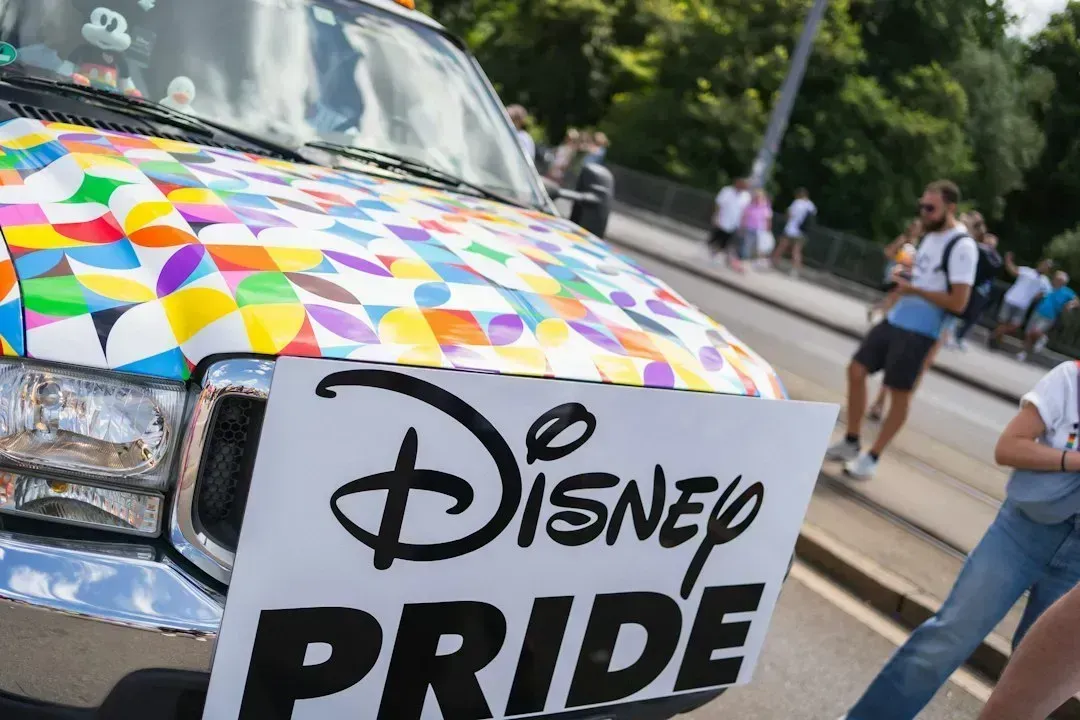
This dark ride was one of the opening day attractions at the park. It opened on February 8, 2001, and closed on January 11, 2002. Guests rode in limousine style cars through a cartoon version of Hollywood and passed caricatures of famous celebrities.
The reception was poor. It closed because of low attendance and was the park’s first ride to close permanently. The ride system wasn’t wasted, though. Monsters, Inc. Mike & Sulley to the Rescue! replaced it and uses the same vehicles and track.
Rocket Rods, Disneyland
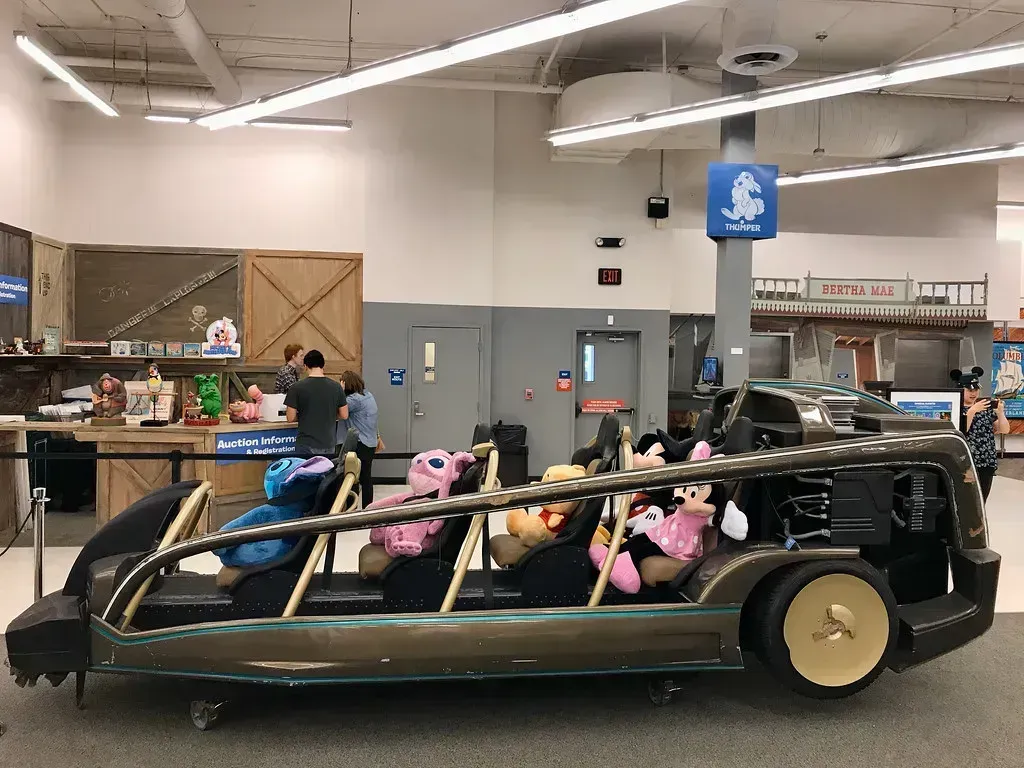
Rocket Rods was the centerpiece of the 1998 Tomorrowland makeover. It opened in May 1998 and used the existing PeopleMover track and infrastructure. The ride was built on a budget of twenty five million dollars, and it was billed as the fastest attraction at Disneyland.
Trouble came quickly. Within six weeks of its grand opening, it had to be shut down for maintenance. The old track wasn’t built for high speeds, and frequent speed changes overwhelmed the computer systems, which caused breakdowns and very long lines. It was shut down in September 2000 for renovations and never reopened. Disney confirmed the closure in April 2001.
Cannonball Loop, Action Park
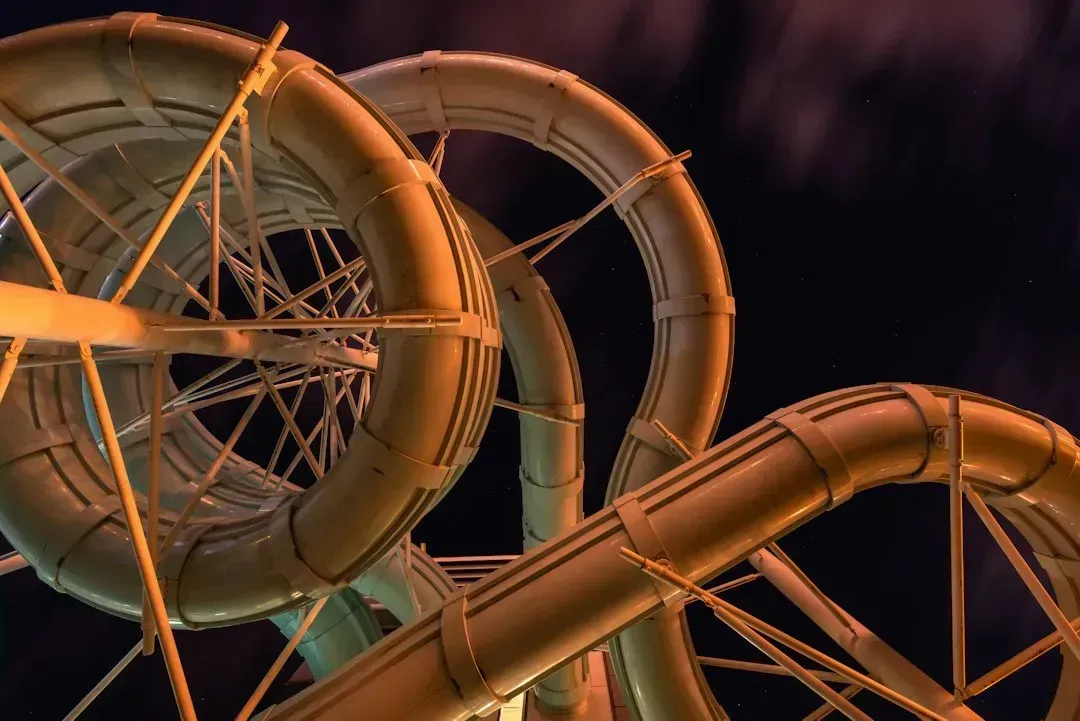
Action Park in New Jersey is famous for rides that pushed past common sense. The Cannonball Loop was one of the most notorious. It was a water slide with a full vertical loop.
The design caused real problems. Riders could get stuck at the top and slam against the fiberglass walls, which led to injuries. The ride was eventually shut down after several test runs and reports of accidents. It remained in operation only briefly in the mid 1980s.
The Bat, Kings Island
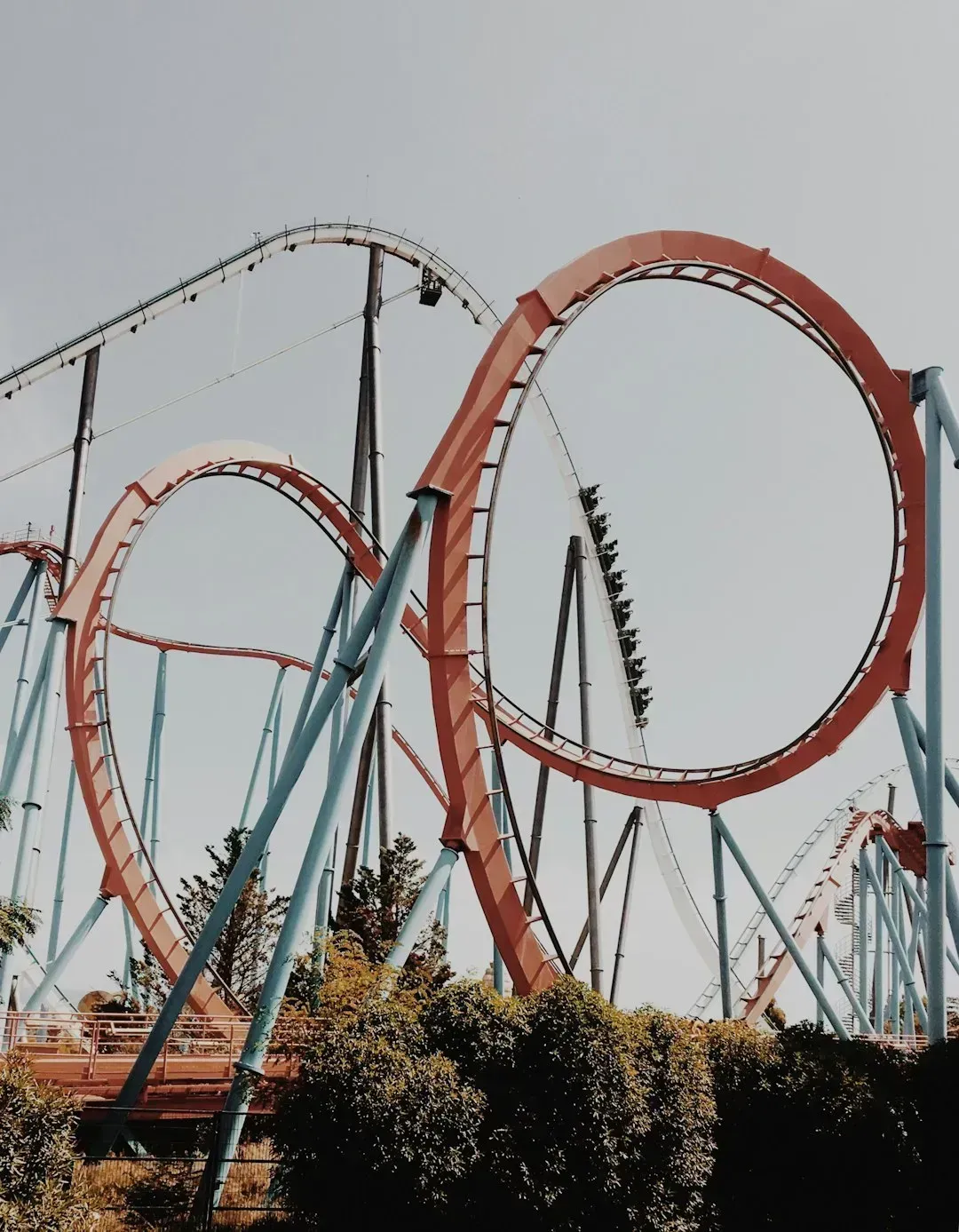
The Bat was meant to change roller coasters. It opened at Kings Island in Ohio in 1981 as the first suspended roller coaster designed by Arrow Dynamics. Riders sat in cars that hung beneath the track and swung through the turns.
The concept turned out to be ahead of what the technology could handle. Major design problems forced its closure only three years later. Other parks later built successful suspended coasters, so the idea itself survived even though this version didn’t.
Moon Rocket, Cedar Point
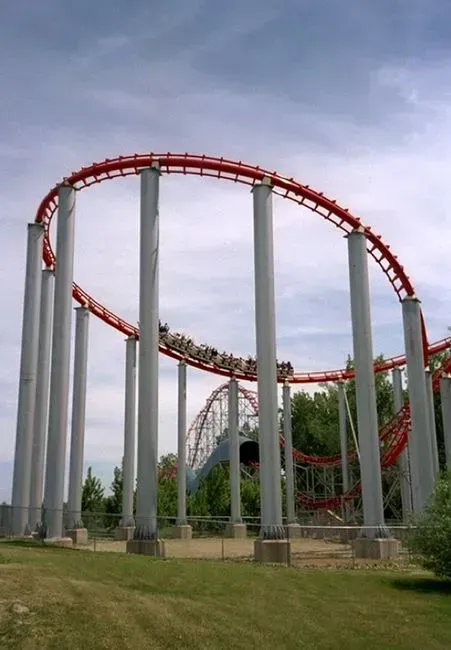
Cedar Point has been around for well over a century, so it has a long list of retired rides. Moon Rocket is one of the shortest lived. It was a spinning ride that opened in 1946 and lasted only a few seasons on the midway because of poor business.
Records on the ride are sparse. The park’s own history list doesn’t give a firm closing year and only says the ride ended in the 1940s or 1950s. What is clear is that the crowds didn’t turn out, and the ride was quietly removed.
Lightning, Revere Beach
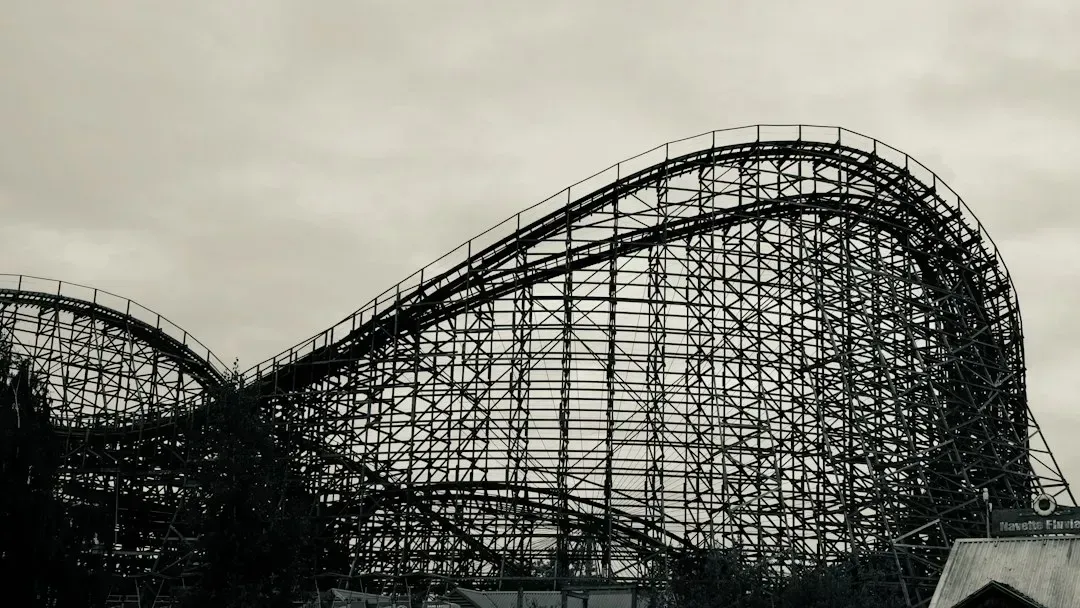
Lightning was a wooden coaster designed by Harry Traver, an engineer known for unusual ride designs. It opened at Revere Beach, Massachusetts, in 1927. The coaster belongs to the early era of American amusement parks, when new designs were tried quickly and dropped just as fast.
Its time was short. It closed only a few years later because of repeated accidents and a lack of ridership. A bad safety record combined with thin crowds left the owners little reason to keep it running.
Cyclone, Revere Beach
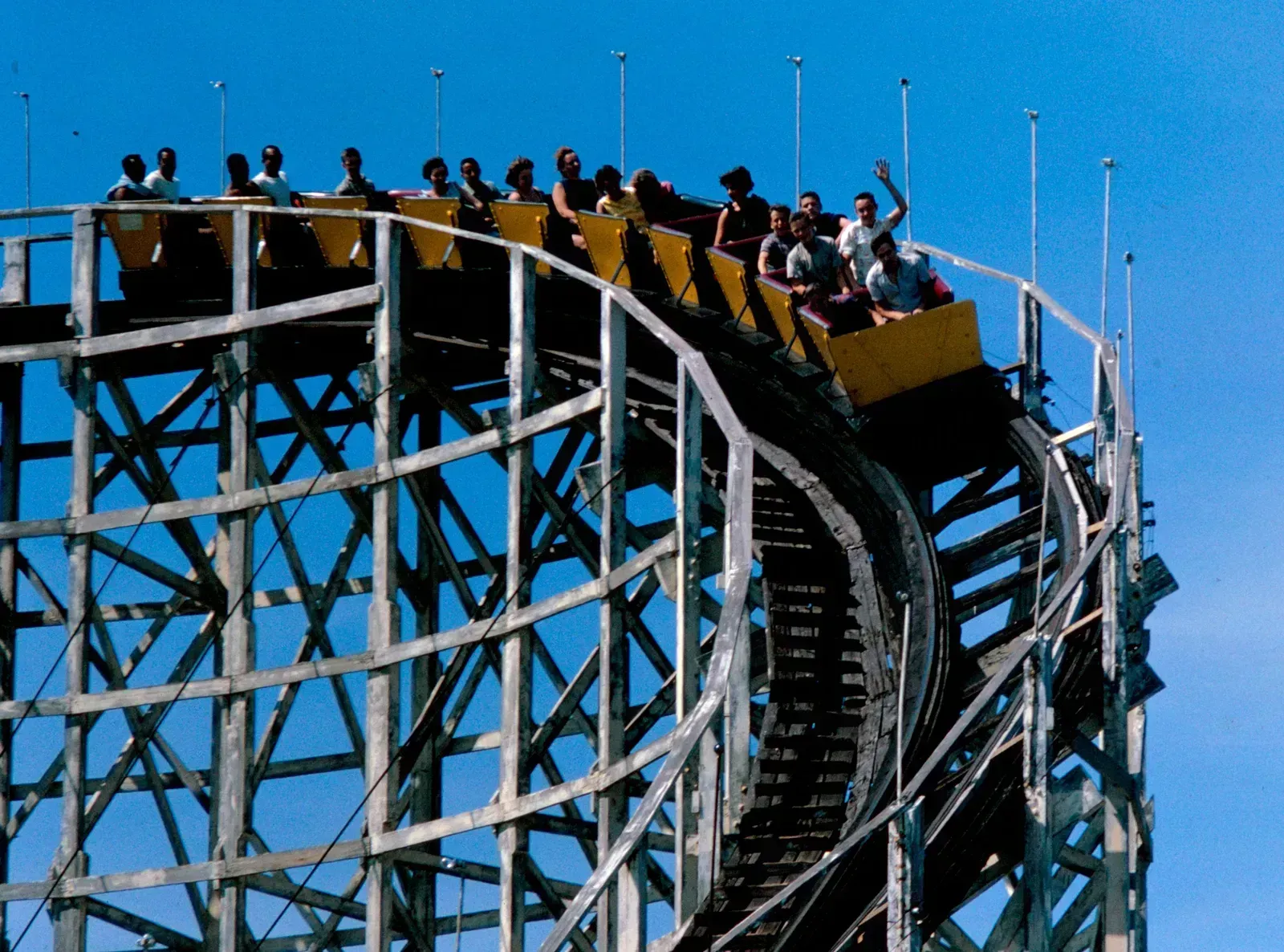
Revere Beach had another Traver coaster, and this one carried a name that’s far better known today. This Cyclone opened in 1925 in Massachusetts. It shouldn’t be confused with the Coney Island Cyclone, which is still running.
The Revere Beach version didn’t last. It opened in 1925 and closed soon after because of a lack of ridership. The Coney Island ride opened two years later and is still in operation today.
Cannon Coaster, Coney Island
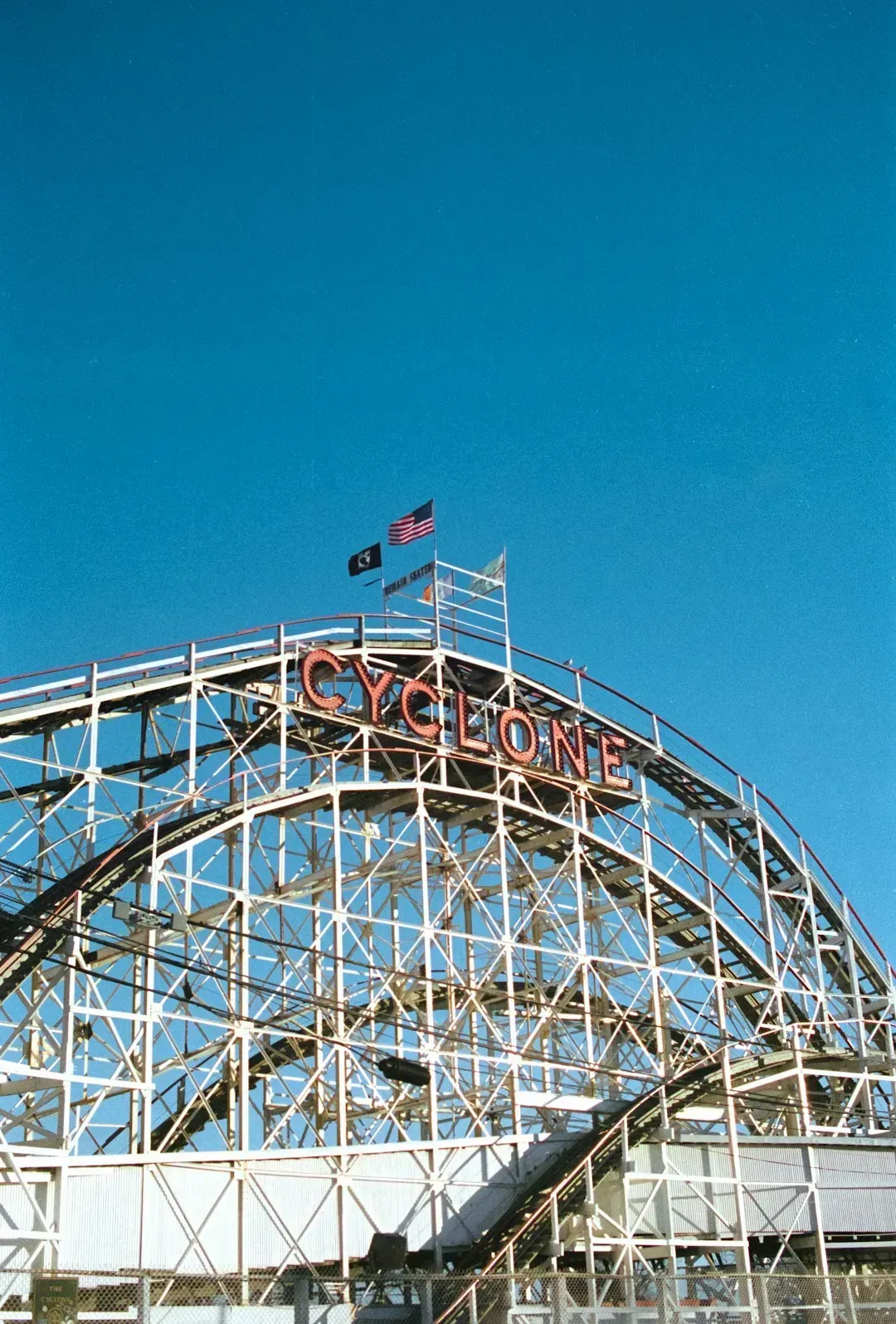
This ride was an early attempt to fire people through a loop. The idea was to shoot riders along a track that included a trackless loop. It dates back to 1902, when thrill rides were still more experiment than science.
The loop didn’t work as hoped. Tests with sandbags resulted in a large number of crashes, and the loop idea was abandoned. The track was filled in, but at forty feet high with little speed the ride was dull, and it closed only five years after it was built.





Leave a Reply