
Walk into almost any all-you-can-eat sushi restaurant on a Friday night and you’ll see a particular kind of chaos. Tables piled with uneaten rolls, soy sauce dishes turned murky brown, and ginger draped directly over nigiri like a garnish. The kitchen sees all of it. And while the staff will smile and refill your tea, there’s a quiet list of things that genuinely make a sushi chef wince.
It’s not about being precious. Sushi has real craft behind it, even at a buffet price point, and certain habits disrupt that craft in ways most diners don’t realize. Here are eight things that chefs at all-you-can-eat sushi bars wish would quietly disappear from the dining room.
1. Drowning Your Sushi in Soy Sauce
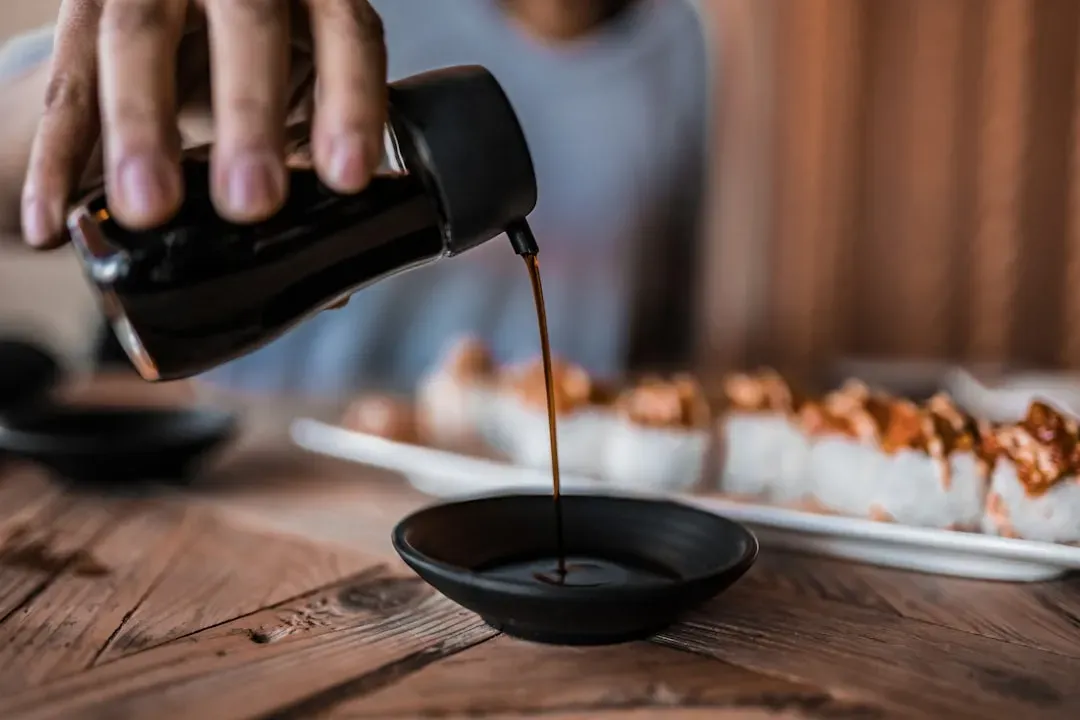
Soy sauce is meant to enhance, not overpower. When sushi is soaked until the rice collapses, the careful balance between vinegar, fish, and temperature is completely lost. It’s one of the most common habits at all-you-can-eat spots, and it renders the chef’s seasoning work invisible. The correct approach is to turn the nigiri on its side and lightly touch the fish, not the rice, to the soy sauce.
Dipping the rice side down disrupts the careful balance of flavors the chef has created, and it can even affect the texture of the rice. Worse still, the rice may fall apart and absorb too much soy sauce, overshadowing the subtle flavors. In a buffet setting, where rice is already under pressure from speed and volume, soaking it further just turns a decent bite into a soggy disappointment.
2. Mixing Wasabi Directly Into the Soy Sauce
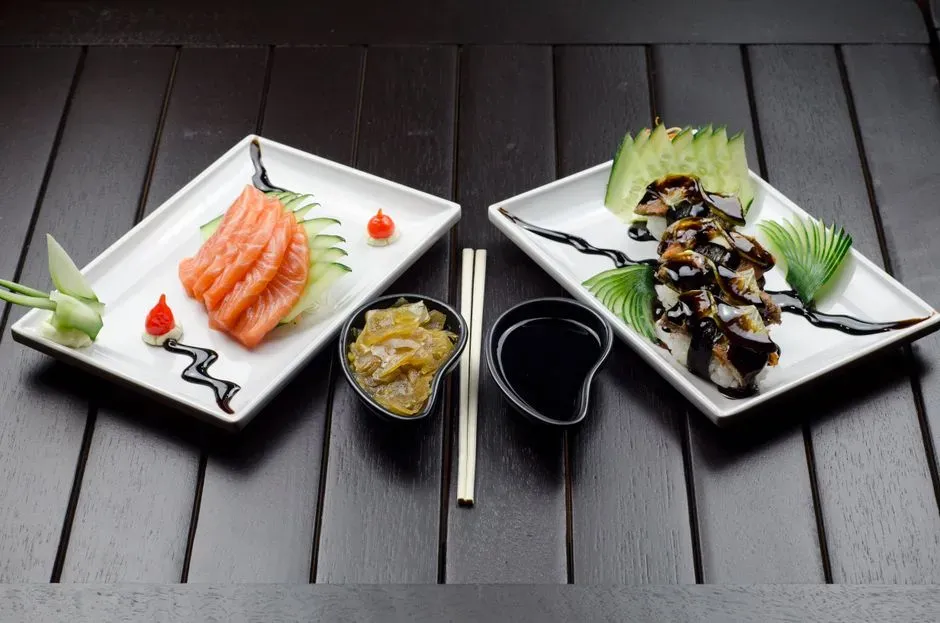
Combining wasabi with soy sauce is common but incorrect in traditional settings. Most sushi chefs already place a precise amount of wasabi between the rice and the fish, calibrated to complement that specific cut. Mixing the two blunts the sharpness of wasabi and muddies the soy sauce, masking the nuances of the fish. It’s a reflex most diners picked up somewhere along the way, but it’s one that undercuts a lot of careful prep work.
In Japan, mixing wasabi into your soy sauce is considered poor manners. Wasabi is meant to be applied directly to the fish by the sushi chef, who balances the flavors according to the fish’s natural taste. If you prefer more heat, a small dab directly on the sushi is the respectful way to go. That’s a small adjustment that makes a real difference in how the fish actually tastes.
3. Using Ginger as a Topping
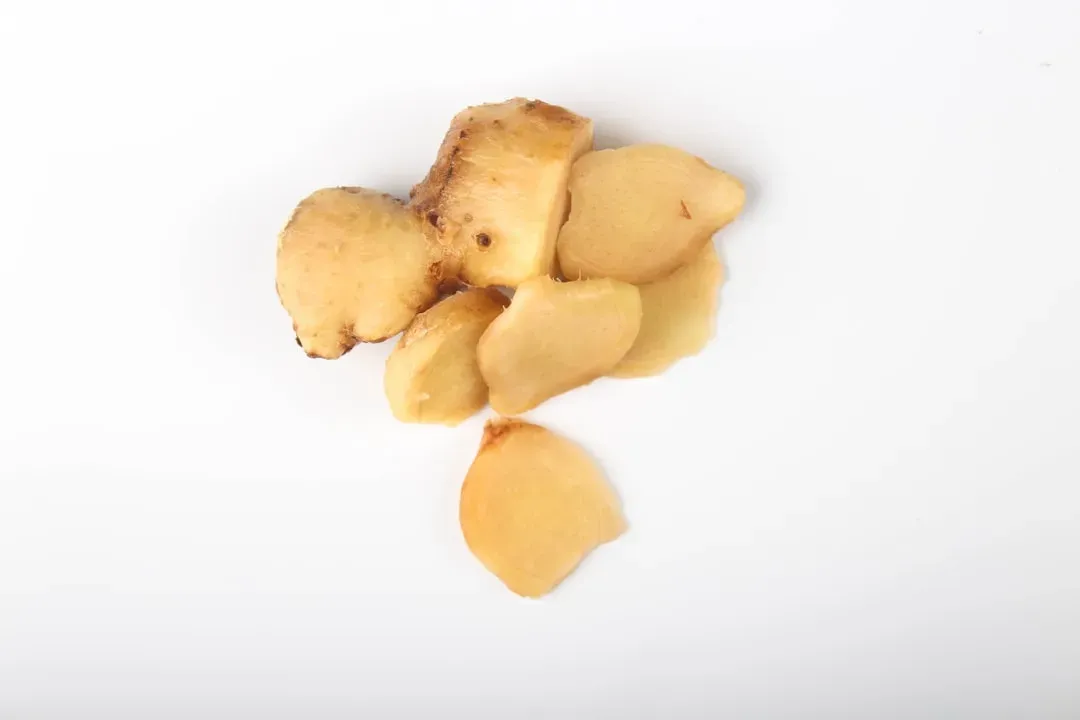
Pickled ginger, known as gari, serves a specific purpose in the sushi-eating experience: it’s a palate cleanser between different types of sushi, not a topping. You take a small piece of ginger and eat it between different fish to refresh your taste buds. Eating ginger together with your sushi, or placing it on top of it, defeats this purpose entirely.
Pickled ginger is meant to be eaten in between different types of sushi to cleanse the palate. It’s simply not meant to be eaten with sushi. Stacking ginger on top of a roll is a bit like wiping your palate mid-sentence. The two flavors fight each other rather than working in sequence, and the fish loses every time.
4. Leaving Rice Uneaten on Purpose
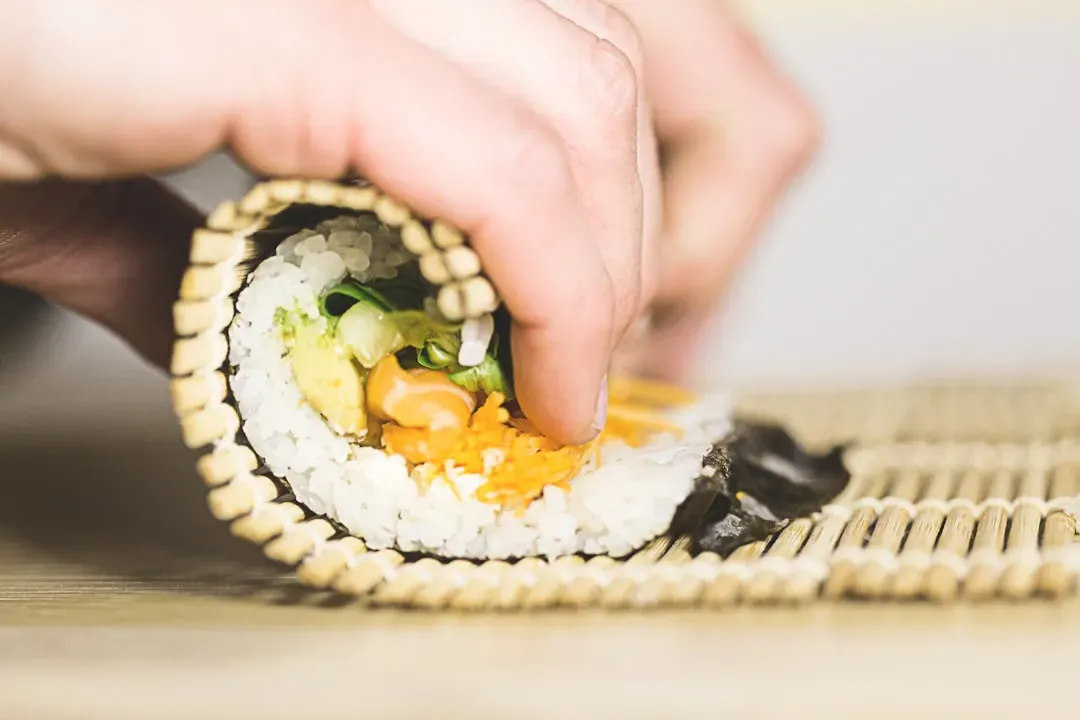
Sushi is known worldwide for being one of the healthier choices when it comes to dining out, but in recent years, diet-conscious diners have begun to eschew the carb-heavy rice content in a way that causes anger among chefs, waitstaff, business owners, and the general public in Japan. This wasteful style of dining has become a sore point that unfortunately appears to be continuing.
Sushi celebrates core ingredients such as rice, vinegar, seaweed, soy sauce, wasabi, and ginger. Chefs in Japan spend up to a decade just perfecting sushi rice – it’s an art form. Showing appreciation for the rice can be the ultimate compliment for a chef. Pulling off the fish and discarding the rice isn’t a diet hack. It’s essentially throwing away the most considered part of the dish.
5. Over-Ordering and Then Leaving Food Behind
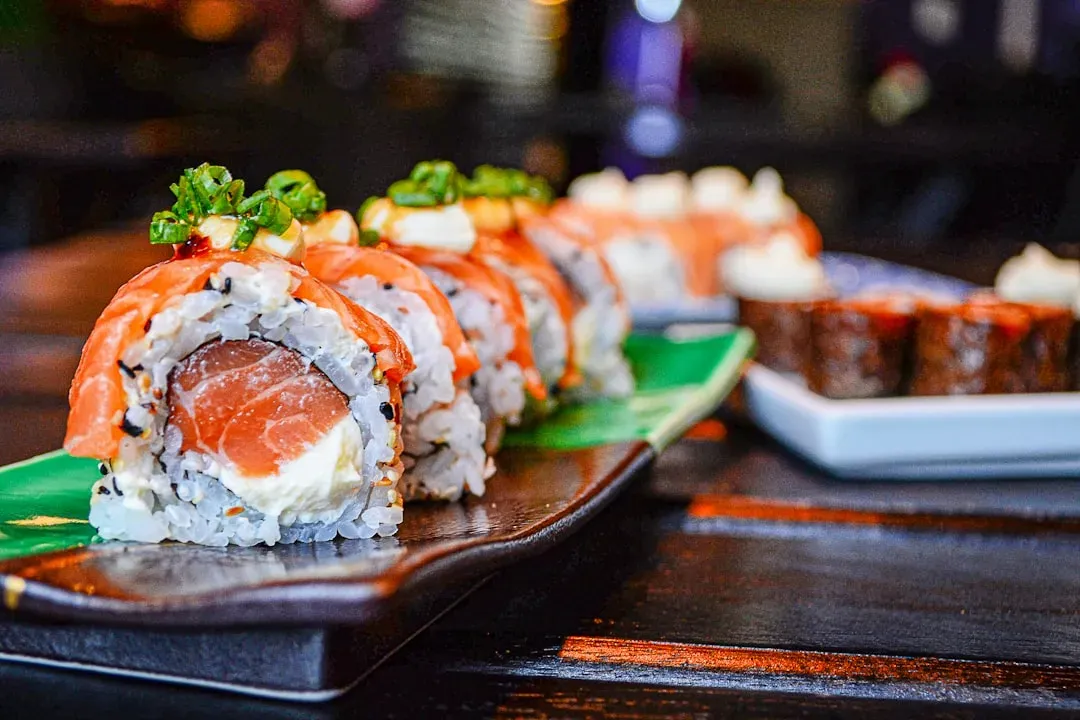
According to the United Nations Environment Programme’s Food Waste Index Report 2024, over one billion tons of food waste were generated globally. Restaurants and other food services contribute significantly to this problem, with roughly a quarter of all food available to consumers ending up as waste. All-you-can-eat sushi bars sit right in the middle of this issue, where the psychology of “getting your money’s worth” often leads to plates that arrive full and leave equally full.
As tempting as it may be, you should avoid ordering so much that you end up with a feast you can’t possibly tackle at once. The better move is to slow down and enjoy each plate on its own. Many establishments will charge you extra for any uneaten pieces precisely to discourage this kind of over-ordering. It protects the kitchen, it reduces waste, and it generally leads to a better meal.
6. Not Eating the Sushi Promptly After It Arrives
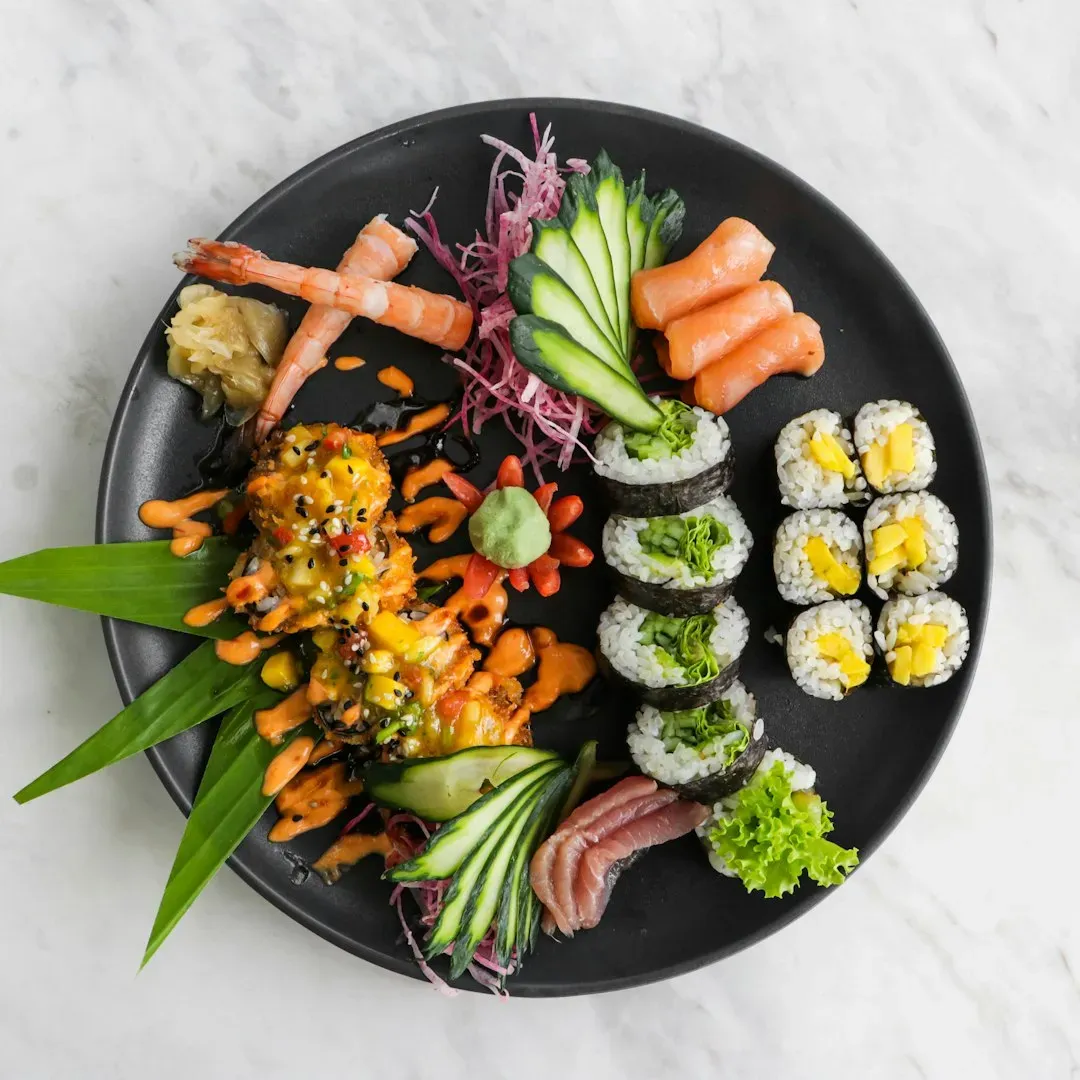
Sushi should be eaten as quickly as it arrives. Both the rice and fish dry out if they sit too long, and the temperature directly affects the texture. At an all-you-can-eat bar, where pieces are prepared in batches and delivered at speed, letting a plate sit for ten minutes while you scroll through your phone is one of the quietest ways to waste good food.
If sushi isn’t handled properly, it loses that delicate texture and flavor that make it so amazing in the first place. Sushi is traditionally served at room temperature or chilled to maintain its freshness and texture. The main focus for sushi bars is on maintaining proper food temperatures and freshness through appropriate refrigeration and cold holding. Once that temperature window closes, the chef’s efforts go with it.
7. Deconstructing Rolls and Picking Them Apart
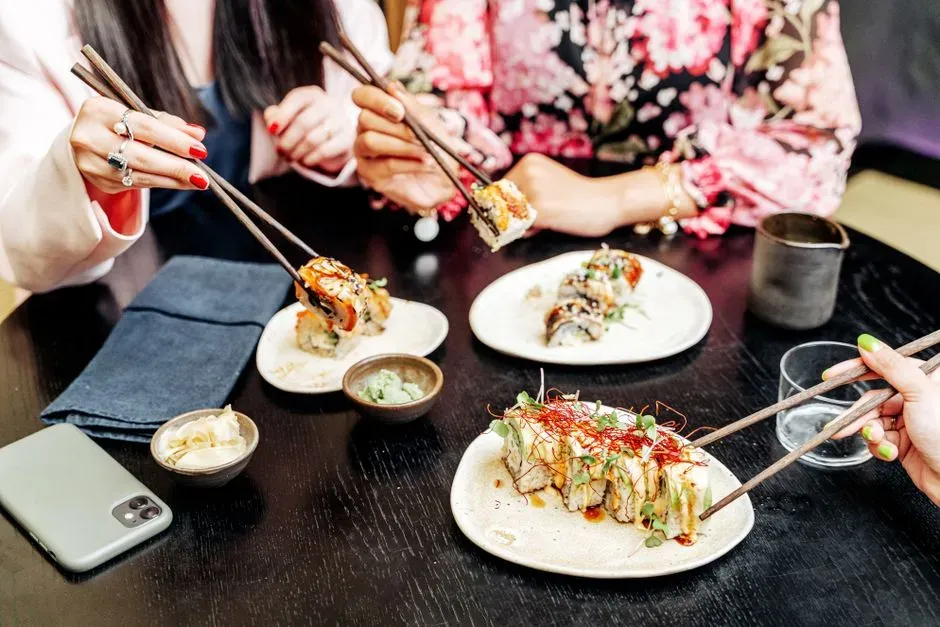
Each piece of sushi represents a deliberate construction – flavor, proportion, and presentation all balanced. Pulling it apart to remove ingredients or add condiments violates sushi etiquette and disrupts flavor harmony. If you dislike an ingredient, it’s better to skip that piece rather than deconstruct it. At an all-you-can-eat bar this happens constantly, and it puts the kitchen in the uncomfortable position of producing carefully assembled food that gets immediately dismantled.
Sushi pieces are crafted to be consumed in one bite. Eating sushi this way allows you to enjoy all the flavors and textures at once, as the chef intended. The goal is to eat each piece in one bite to respect the chef’s careful preparation. Taking multiple bites from one piece of sushi can cause it to fall apart and disrupt the balance of flavors. It’s a small thing, but it changes the entire experience of that one bite.
8. Ordering Spicy Rolls First and Ruining Your Palate
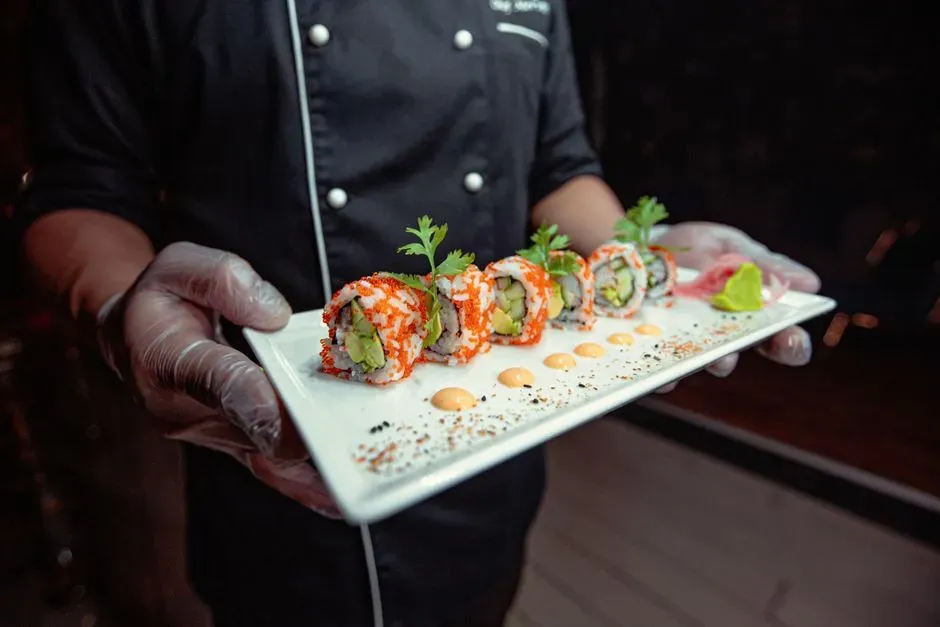
The only real drawback to ordering heavily spiced items early is that they alter your taste buds for the rest of your dining experience. Capsaicin, the chili pepper extract found in spicy food, is an active ingredient that clings to your mouth and imitates the feeling of heat. The fiery feeling lingers for so long because capsaicin is slow to dissolve and isn’t easily broken down by water.
Your palate may get overwhelmed if you eat something heavier before sushi. Most of the time the flavor of fish is extremely delicate, and to pick up those subtle flavors you don’t want to have tasted heavier and spicier things first. As a general rule, skip the rich foods before sushi, and if you want to get the most out of the experience, start with lighter, white fish options before making your way to the fattier, richer varieties. That sequence isn’t random – it’s the difference between tasting the fish and just tasting the sauce.
None of these habits are worth feeling guilty about. Most people simply weren’t taught the reasoning behind sushi etiquette, and all-you-can-eat formats don’t exactly encourage slowing down to think. Still, a few small shifts – lighter soy sauce dips, ginger between bites, ordering in sensible rounds – turn the experience from a volume exercise into something that actually tastes better, plate by plate.



Leave a Reply