
Extra Virgin Olive Oil
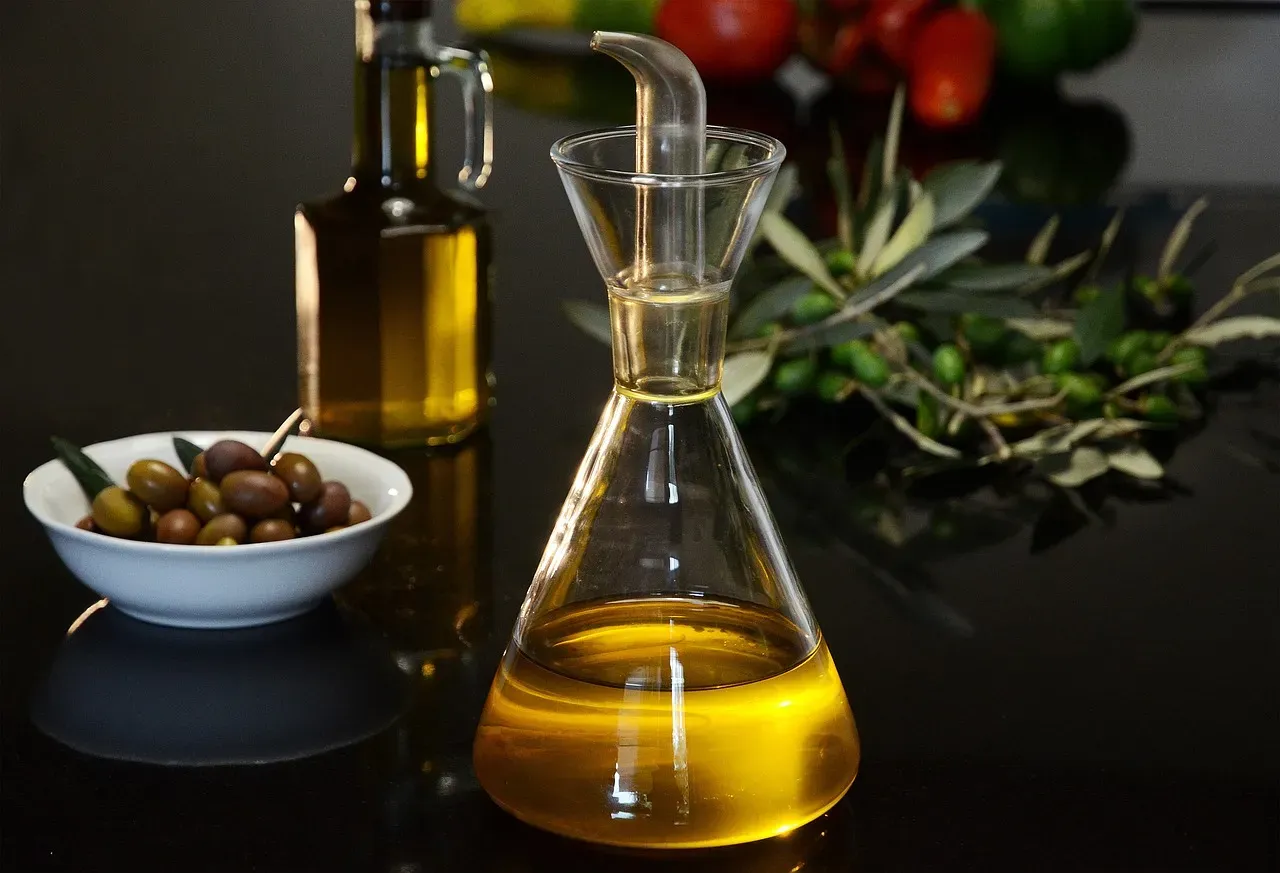
Olive oil is probably the ingredient chefs mention most often when the topic of splurging comes up. Kyle Taylor, a private chef in Atlanta and the founder of the platform HE COOKS, says the quality can make all the difference in the world. He points out that a cheap bottle from a big-box grocer can ruin a dish before it even starts, and there’s evidence that inexpensive, high-volume products labeled “olive oil” aren’t even authentic extra virgin olive oil.
The difference shows up immediately in raw applications. Cold-pressed and full of grassy, peppery flavor, real extra-virgin olive oil transforms even the simplest salad or slice of bread, while cheap versions taste flat or greasy. Checking the label for a harvest date and a clear country of origin is a simple way to separate the real thing from a diluted blend.
Butter
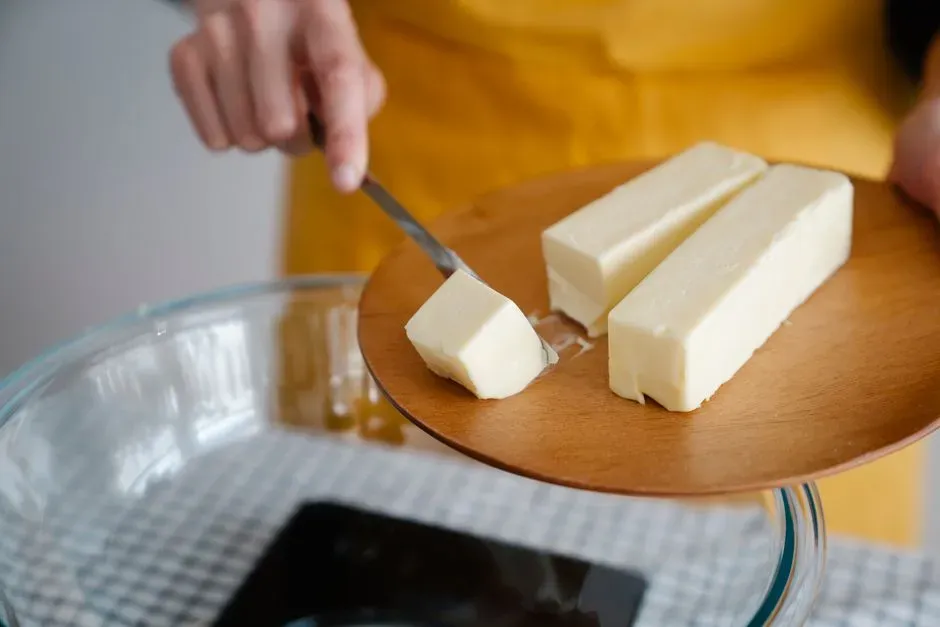
Butter might seem like the last place to overspend, but chefs treat it as one of the few ingredients where a few extra dollars per pound pays off in almost every dish. High-quality butter is typically rich in butterfat, has a deep yellow color from grass-fed cows and offers a complex, nuanced flavor, according to Ruben Ruggier, the executive chef at InterContinental New York Barclay. He points to examples like Vermont Creamery Cultured Butter, European butter, and other grass-fed butters, all of which add richness, creaminess, and umami to dishes.
The technical reason comes down to water content. European-style or cultured butters have less water and more flavor than standard sticks, and higher butterfat means flakier pie crusts and silkier sauces. That difference is easy to notice in something as plain as toast or a batch of scrambled eggs, where there’s nowhere for a weak ingredient to hide.
Vinegar

Vinegar rarely gets much attention on a shopping list, yet chefs treat it as a make-or-break ingredient because there’s no way to disguise a bad one. Ann Ziata, a chef at the Institute of Culinary Education’s New York City campus, says cheap vinegar will ruin an otherwise fantastic dish because vinegar has such a strong flavor that even a small amount will have a big impact, and low-quality vinegar tastes harsh with very little complexity while high-end vinegar expresses itself like tart wine.
Spotting a better bottle isn’t complicated once you know what to look for. Ziata recommends looking for products made from a single grape variety or a specific location, since details like these generally indicate a more nuanced product compared with one distilled from mixed grapes sourced worldwide. The same logic applies to rice vinegar and apple cider vinegar, where reading the ingredient list for added sugar or artificial flavoring tells you a lot before you even open the bottle.
Flaky Sea Salt
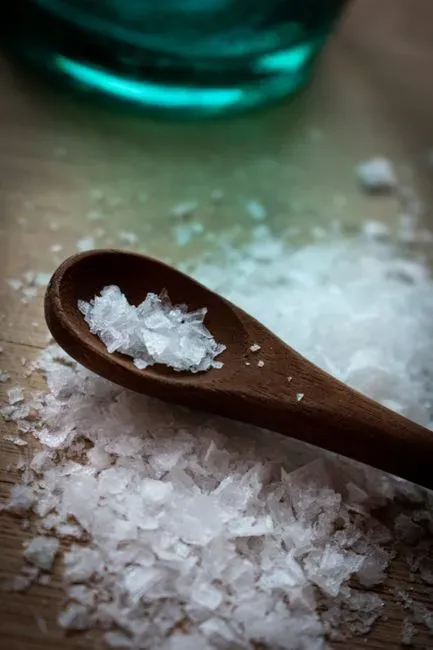
Salt is cheap by nature, so the idea of splurging on it sounds odd at first. Still, chefs draw a clear line between the fine table salt used for everyday seasoning and the flaky finishing salts saved for the final touch on a plate. A flaky sea salt like Maldon might not seem essential, but it’s a game-changer, explains Sarah Bond, a food scientist and recipe developer in Denver.
What makes the difference is texture rather than just flavor. Just a pinch adds texture and that perfect salty pop to roasted vegetables, avocado toast, or even cookies, according to Bond. A small tin lasts a long time, which makes it one of the more affordable upgrades on this entire list.
Aged Balsamic Vinegar
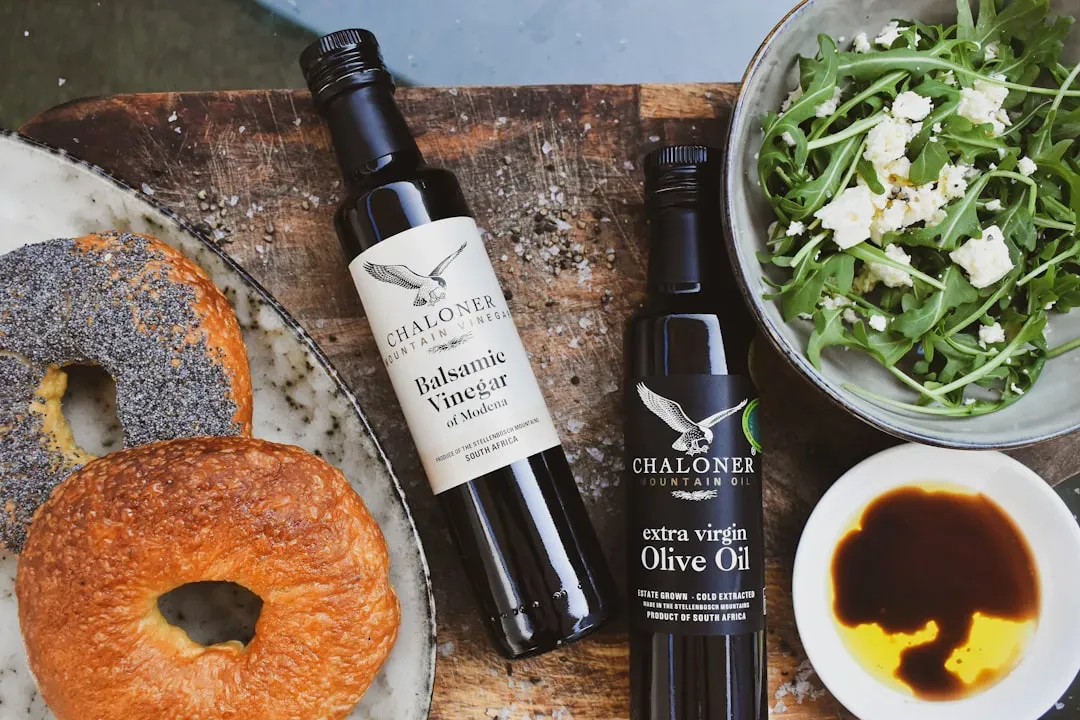
There’s a wide gulf between the thin, sour balsamic found in bulk bottles and the syrupy, aged version that professionals reach for. Aged balsamic thickens over time, developing a syrupy texture and rich, sweet tang that adds instant complexity to salads, roasted vegetables, and strawberries alike, while cheap versions are just sour. The transformation comes purely from time spent in barrels, not from any shortcut a manufacturer can replicate.
Reading the label carefully is the easiest way to avoid getting fooled by packaging that looks fancier than it actually is. Bottles labeled “Aceto Balsamico di Modena” with a PGI seal tend to deliver real depth compared with generic imitations. A drizzle goes a long way, so a single bottle can last through months of cooking.
Real Vanilla Extract
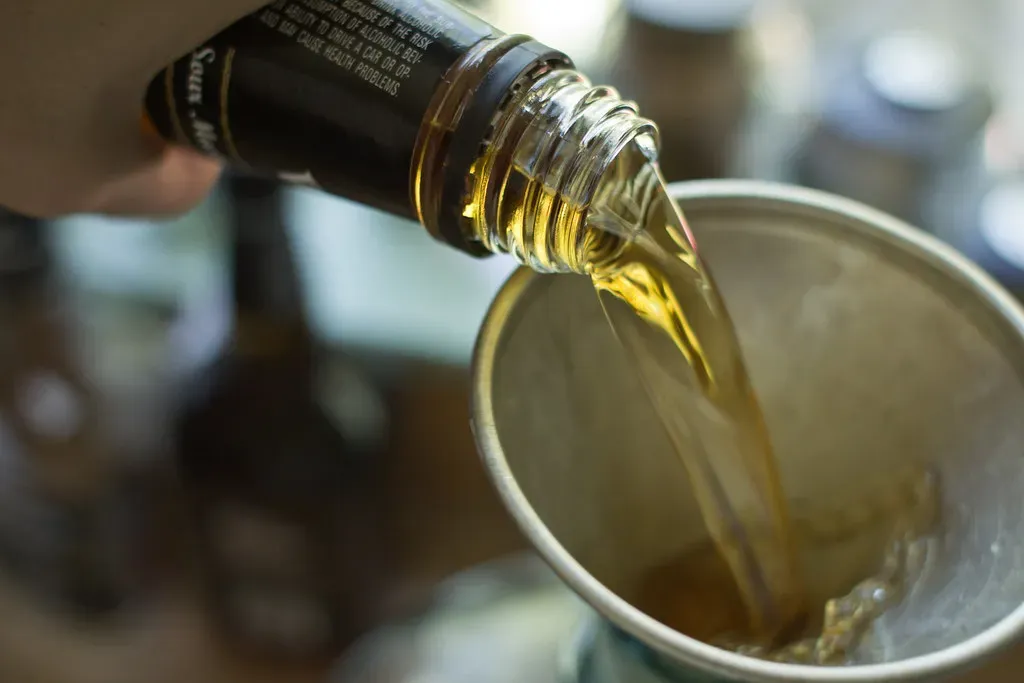
Baking is where the gap between cheap and quality ingredients becomes almost impossible to ignore, and vanilla is the clearest example. Imitation vanilla might smell similar, but it lacks the warmth and complexity of real vanilla, which is made from cured vanilla beans soaked in alcohol and brings a floral, almost smoky note to baked goods.
Global vanilla prices have swung dramatically over the last decade due to weather events in Madagascar, which still supplies most of the world’s supply, so the price of pure extract can fluctuate more than most pantry staples. Even with that volatility, chefs tend to view it as non-negotiable for anything where vanilla is a starring flavor rather than a background note, since imitation extract simply cannot replicate the same depth.
Hard Cheeses and Aged Parmesan
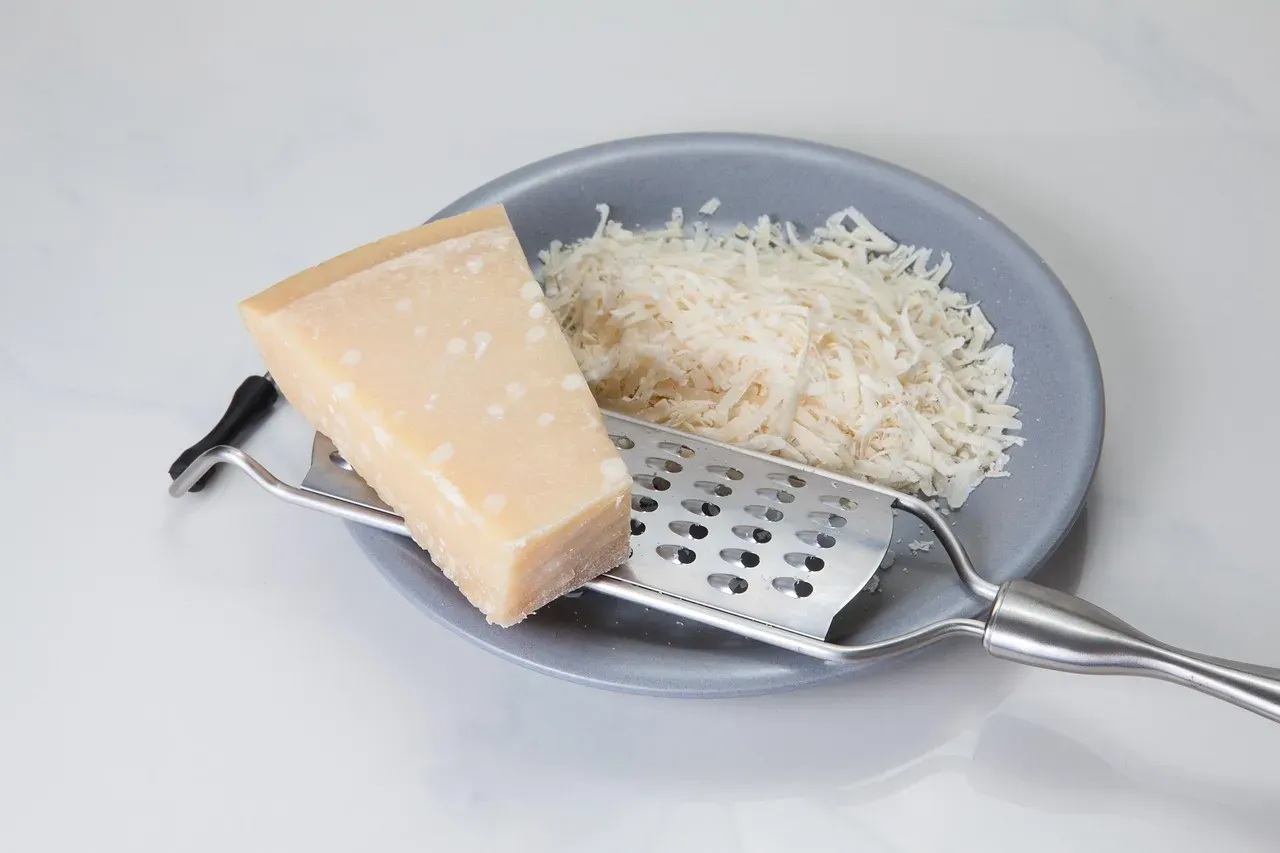
Cheese is one of those ingredients where the price difference between mediocre and excellent versions is often smaller than people assume, yet the flavor gap is huge. A well-aged Parmigiano-Reggiano or a good aged cheddar carries layers of nutty, savory depth that younger, mass-produced cheeses simply don’t develop. Several chefs interviewed about their personal pantry splurges mention hard cheese in the same breath as good olive oil, treating the two as a reliable, no-cook combination for elevating a simple meal.
Grated straight from a wedge rather than pre-shredded in a bag, a quality hard cheese also melts and browns more evenly, which matters in anything from a gratin to a simple pasta finish. The upfront cost per pound looks higher, but a little goes further than a cheaper, more watery alternative, so the actual cost per use often evens out.
Dark Chocolate
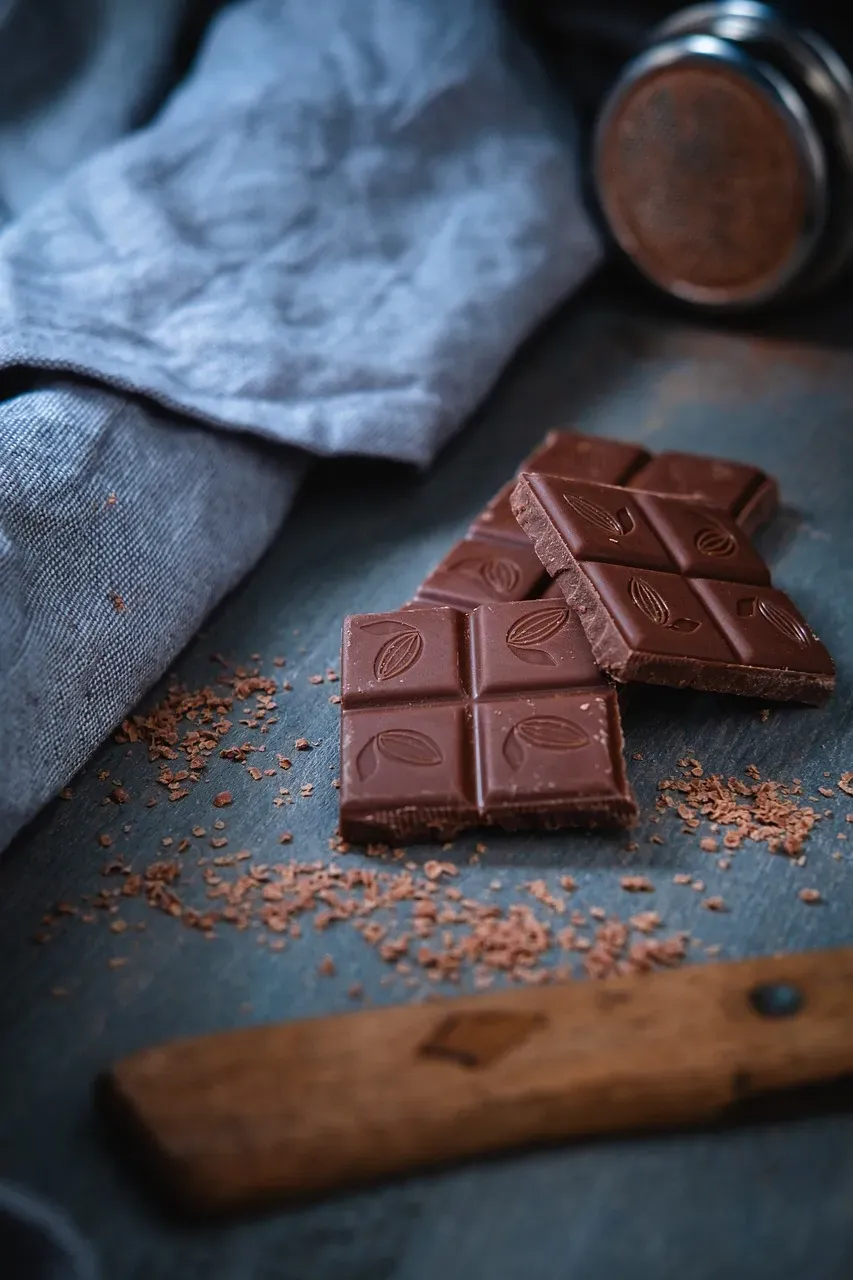
Chocolate is another category where sugar content often does the heavy lifting in cheaper products, masking a lack of real cacao flavor. Bittersweet bars made from high-cacao blends carry deep, layered notes of fruit, spice, and smoke, while low-quality chocolate often hides behind sugar, and real dark chocolate has a satisfying snap and melt whether it’s used in baking or eaten straight.
The good news is that a little of a high-quality bar goes a long way, so the actual spending increase per recipe or per snack is modest. Chefs tend to treat it less as an everyday staple and more as an occasional splurge for desserts or a simple square eaten on its own, which keeps the cost manageable even at a premium price point.
Fresh Seafood
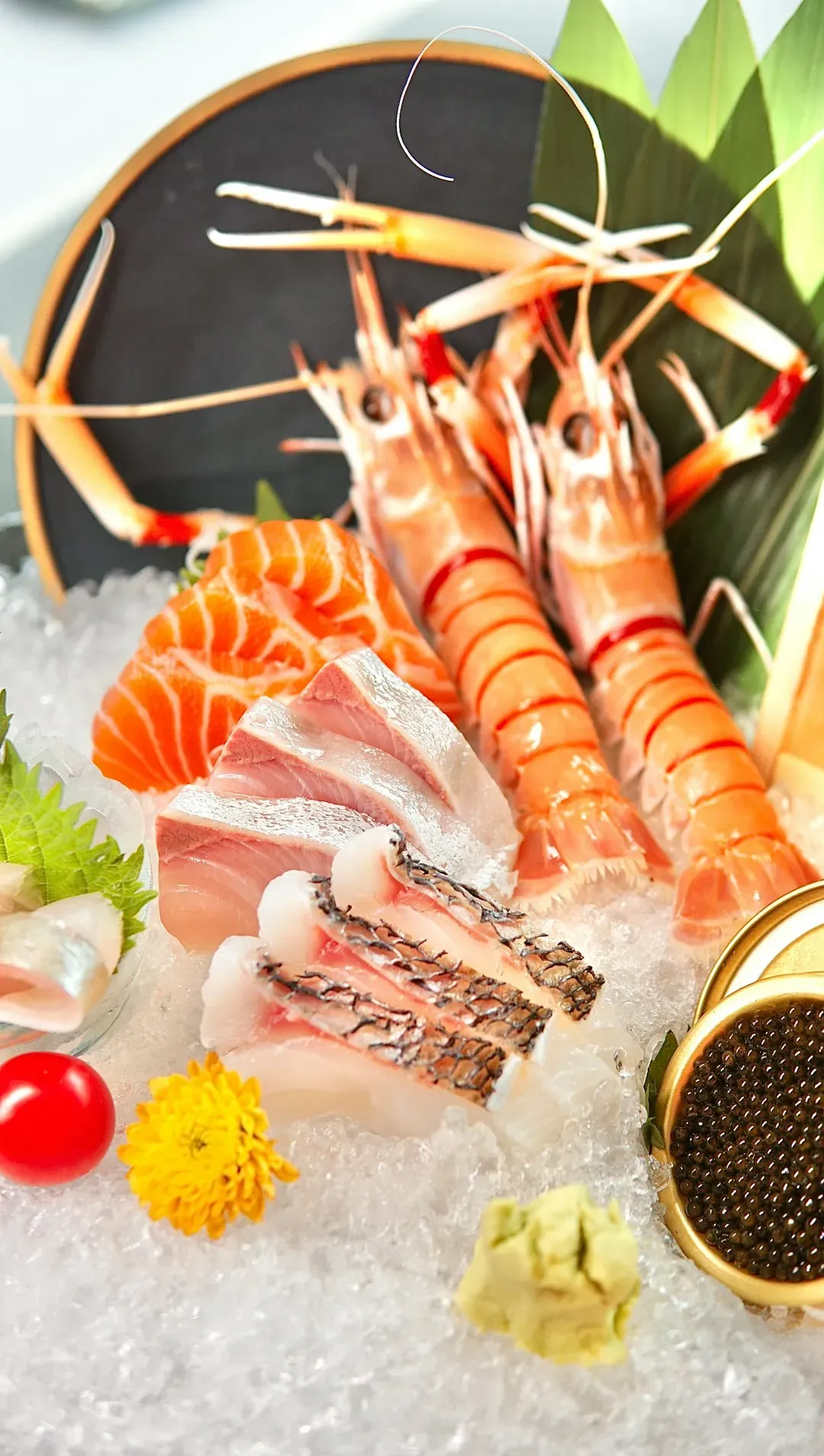
Unlike pantry staples, seafood quality is something that can’t be corrected once it’s in the pan, which is why chefs are particularly strict about where and how fresh it is. Ocean-fresh fish should smell like saltwater rather than fishy, since quality seafood is firm, moist, and cooks cleanly while bad seafood ruins the dish and the appetite, and freshness makes or breaks the meal whether it’s wild salmon or scallops.
Because seafood is perishable and its quality depends so heavily on handling, spending more usually means paying for a shorter supply chain, better refrigeration, and a fishmonger who can tell you exactly when the catch arrived. That premium buys peace of mind as much as flavor, and it’s one of the few ingredients where an obviously “off” product should simply be avoided rather than cooked and hoped for the best.
Whole Spices and Saffron
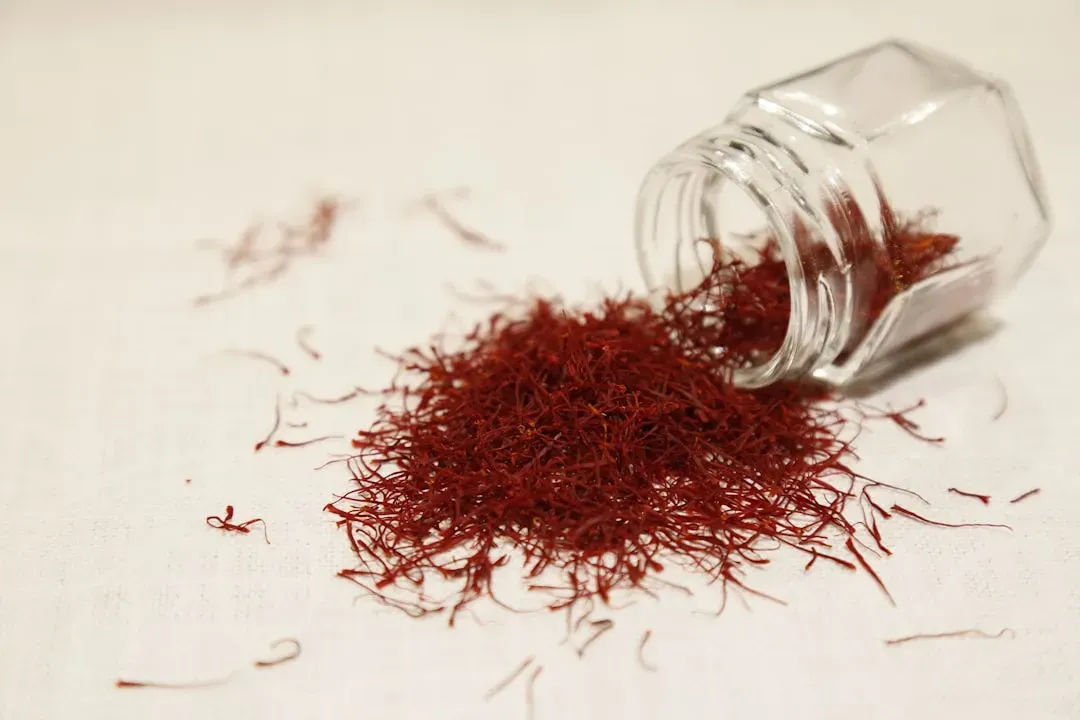
Ground spice jars lose their punch quickly, often within months of opening, which is a big part of why chefs prefer buying whole and grinding fresh. Ground spices lose flavor fast, while whole cumin, coriander, or cloves toasted and crushed at home release bold aromas that dusty pre-ground jars can’t match. A basic spice grinder or a mortar and pestle is a small investment that changes how every dish tastes afterward.
Saffron sits at the very top of the spice splurge list simply because of how it’s harvested. Delicate strands harvested from crocus flowers, saffron brings color, floral aroma, and a deep, earthy flavor that no substitute comes close to replicating. It’s expensive by weight, but a pinch is usually all a recipe calls for, so the actual cost per dish stays reasonable.


Leave a Reply