
Order It: Braised and Slow-Cooked Meat Dishes
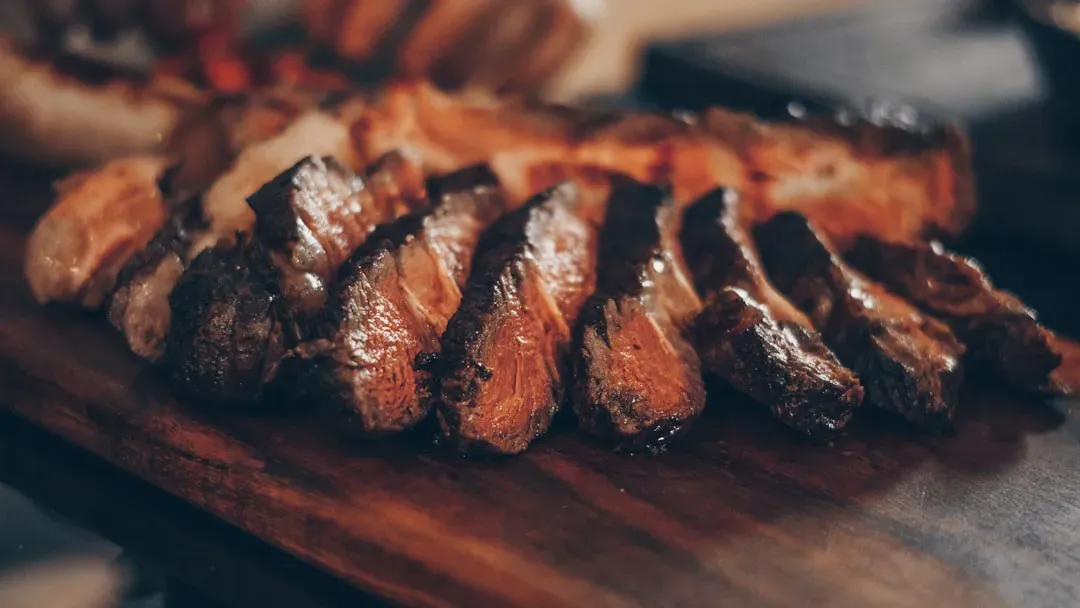
Cheap restaurants that specialize in braised meats, stews, or slow-cooked proteins are often operating squarely in their wheelhouse. These dishes are built for budget kitchens. Inexpensive cuts like chicken thighs, pork shoulder, or beef chuck actually benefit from long, slow cooking – they get better with time, not worse. The result is food that’s genuinely hard to mess up once a kitchen has found its rhythm.
Dishes featuring inexpensive meats like chicken or pork tend to offer real value at budget restaurants. At a Mexican spot, for example, a plate of chicken tacos rather than beef ones can deliver more flavor for less money. The same logic applies anywhere slow cooking is the method: the lower the cut’s original price, the more a skilled simmer can transform it.
Avoid It: The House Salad
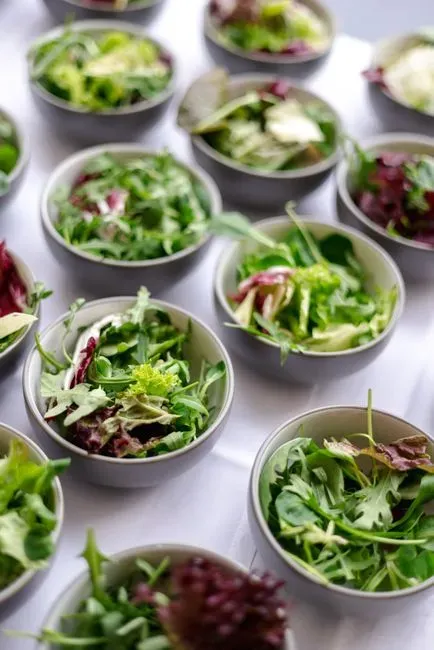
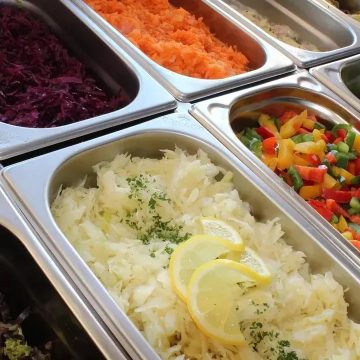
If the menu highlights a dish called a “house salad,” top chefs say you should avoid it. These dishes are typically made up of repurposed ingredients – meat scraps, limp leafy greens, and overripe tomatoes – left over from the week. House salads are also often disguised by a thick, heavy dressing to hide wilting components that are on the verge of being unsafe to eat.
Beyond the quality problem, there’s a genuine safety angle too. Lettuce and other leafy greens now cause far more outbreaks than hamburgers, largely because they’re grown near cattle operations, can be contaminated by irrigation water, and are eaten raw with no cooking steps to kill pathogens. At a high-volume cheap restaurant with limited staff and fast turnaround, that risk climbs higher.
Order It: Soups and Broths Made In-House
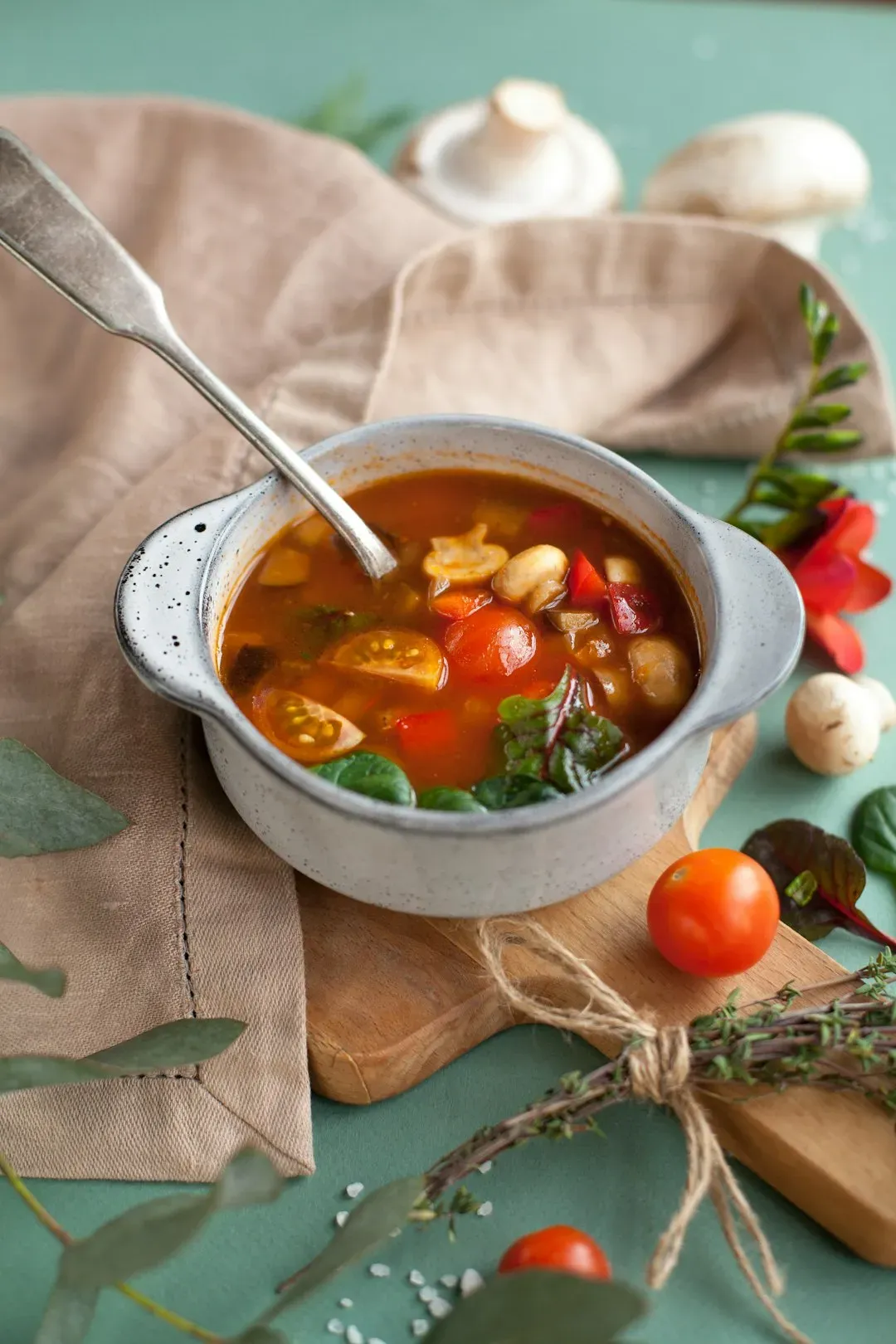
A restaurant’s soup – when it’s genuinely house-made – can be one of the most honest things on the menu. Good broths require time and cheap ingredients: bones, aromatics, water, patience. When a cheap diner or casual spot has found a soup that works, they tend to make it the same way every day. That consistency is actually a form of quality.
Simpler preparations that allow the quality of the ingredients to shine often represent the better alternatives. Among the smarter options worth ordering: pasta dishes made with house-made sauces, and classic egg dishes or omelettes prepared fresh to order. A well-made soup is closely related – it’s not showy, but it delivers. The key is checking whether the restaurant is actually known for it, because some diners simply open a can.
Avoid It: Bargain Sushi
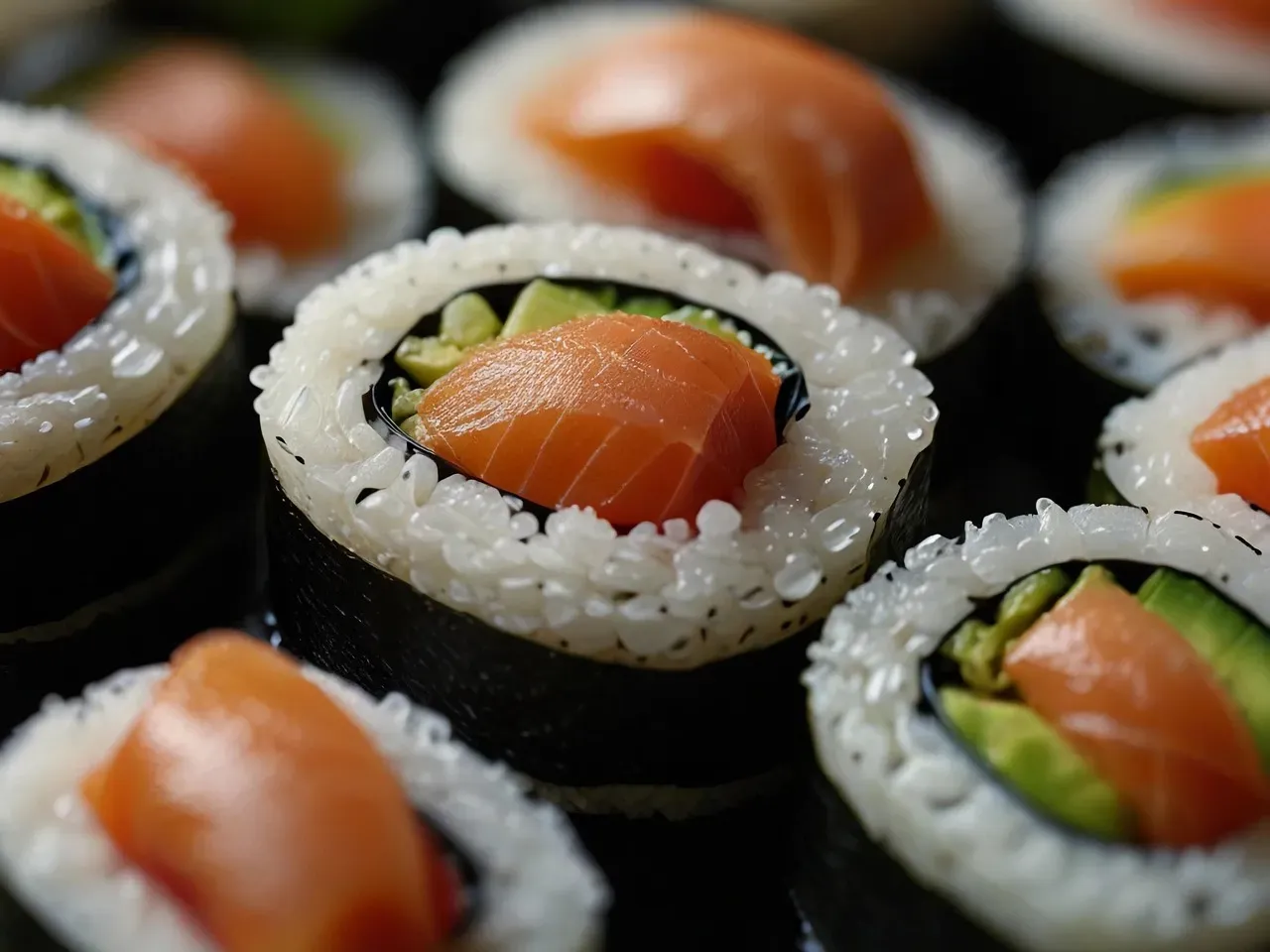
Modern sushi is made with high-quality, fairly expensive seafood. It’s also crafted with premium preparation methods that often require extensive training and specialty supplies. It’s a technical and high-end dish, so cheaper prices indicate that a compromise was most likely made somewhere – whether through lower-quality ingredients, inauthentic preparation methods, or less sustainable fish.
This is one category where the gap between a credible product and a low-cost imitation is especially wide. Sushi relies almost entirely on ingredient quality and the precision of the chef’s technique. Dining venues with high turnover can ensure quality, but slower spots might not – raw fish that isn’t stored at the correct temperature becomes a breeding ground for bacteria. At a cheap restaurant that isn’t dedicated to Japanese cuisine, the risk simply isn’t worth taking.
Order It: The Restaurant’s Signature or Most Popular Dish
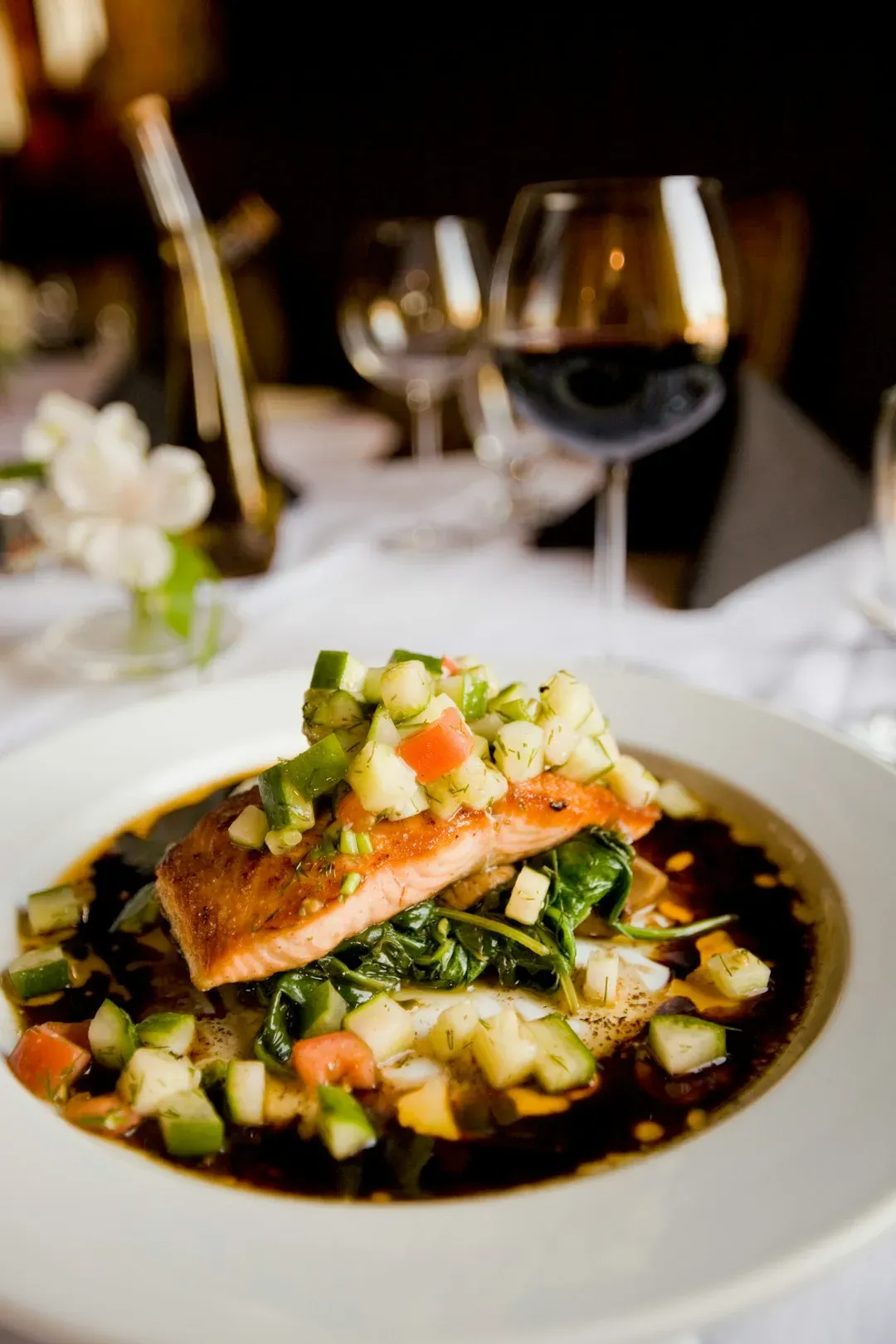
Go for dishes the restaurant is known for – stick to specialties and signature dishes rather than generic menu fillers. This sounds obvious, but it’s easy to forget when you’re scanning a long, laminated menu. Cheap restaurants that do one or two things extremely well earn their regulars precisely because those dishes are made over and over, refined by repetition, and almost never compromised on.
There’s also a practical freshness argument here. With seafood and many other proteins, freshness is everything. If you’re ordering a dish that isn’t what the restaurant is known for, it’s likely less popular, so the ingredients might have been sitting around for a while. That same principle applies at any type of restaurant. Volume protects quality; slow-moving menu items do not.
Avoid It: Anything Described as “Truffle”
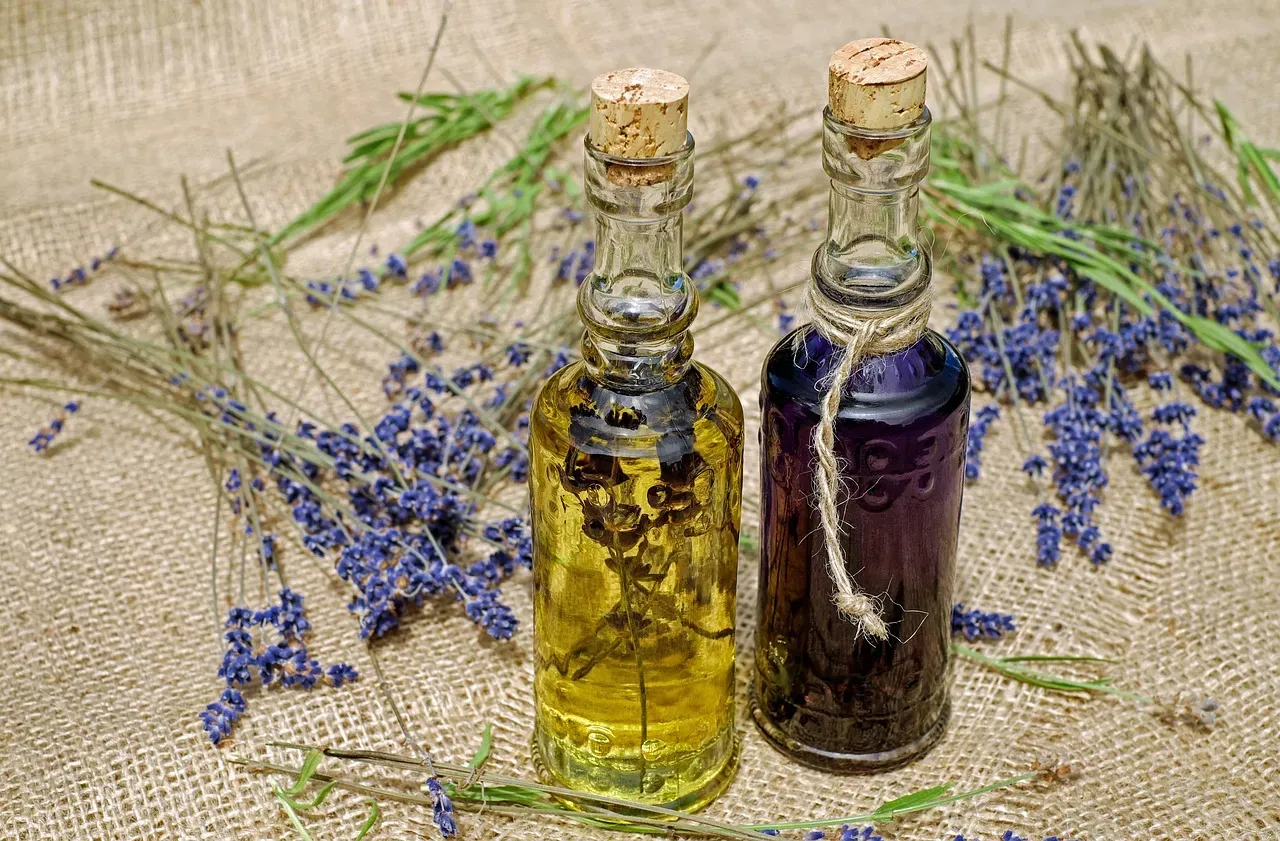
A menu buzzword that’s usually subpar in quality is truffles. Unless you’re at a high-class fine-dining restaurant, ordering anything with the word “truffle” in it usually means truffle oil, which is very rarely made with actual truffles. It tends to be used aggressively and will immediately increase the price of any dish, regardless of its actual quality.
At a cheap restaurant, this markup becomes especially absurd. Most “truffle” dishes don’t have real truffles – they use truffle oil made from synthetic chemicals, not real mushrooms. They’re extremely overpriced for something that isn’t authentic truffle flavor. The smell might be compelling in the moment, but you’re essentially paying a premium for an artificial additive layered over an otherwise ordinary dish.
Order It: Appetizers as a Meal Strategy
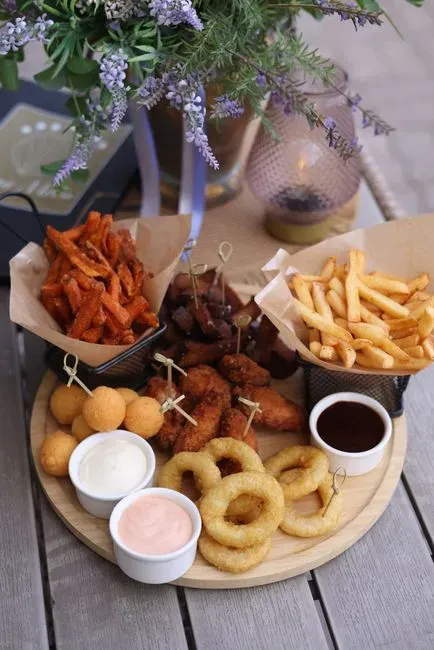
When perusing the menu, focusing attention on the appetizers is a smart move. Appetizers are usually much less expensive, so you can get a couple of tasty dishes for the same price as a single entree and still have plenty of food. This approach works especially well at casual spots where the starters are the kitchen’s strongest output – think dumplings, small bao, fried rice, or street-style tacos.
The logic holds across cuisines. A few well-chosen small plates can add up to a more interesting meal than one large, forgettable entree. One of the more uncomfortable truths about restaurants is that not every dish is meant to impress. Some menu items exist primarily to fill gaps, appeal to a broad audience, or maximize profit – and these dishes may look appealing on paper but don’t always reflect the kitchen’s strengths. Appetizers, particularly in ethnic cuisines, are often exactly where that strength lives.
Avoid It: Cheap Steak
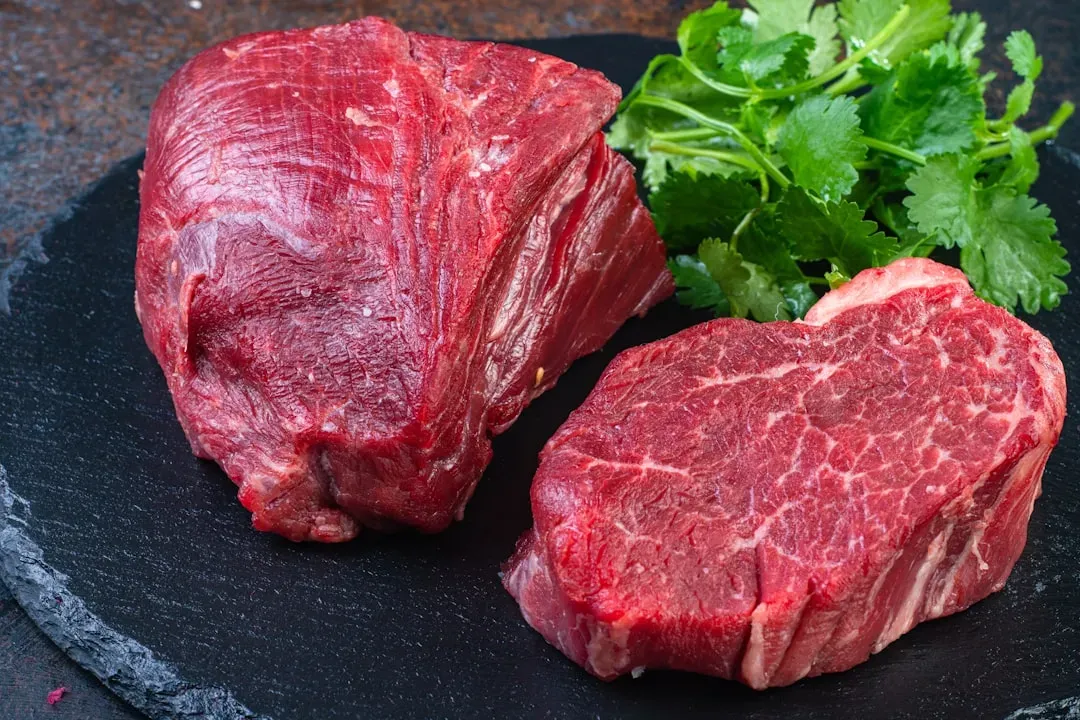
Steak is one of the most difficult proteins to pull off at a low price point, and the numbers don’t lie. For several chefs, steak is one item that simply doesn’t tolerate poor quality or preparation. In addition to avoiding well-done preparations, you should pick one of the restaurant’s signature cuts and avoid those that are curiously cheap or over-sauced. Most of the time, a cheap steak is lower-USDA-grade meat.
You should avoid cuts that are curiously cheap or over-sauced. Heavy sauce is almost always there to mask something. At a cheap restaurant where the kitchen relies on speed and volume, a slab of low-grade beef drowning in mushroom gravy is a reliable sign that the kitchen knows exactly what it’s working with – and is counting on you not to.
Avoid It: Generic Seafood Pasta or Vague “Fish” Dishes
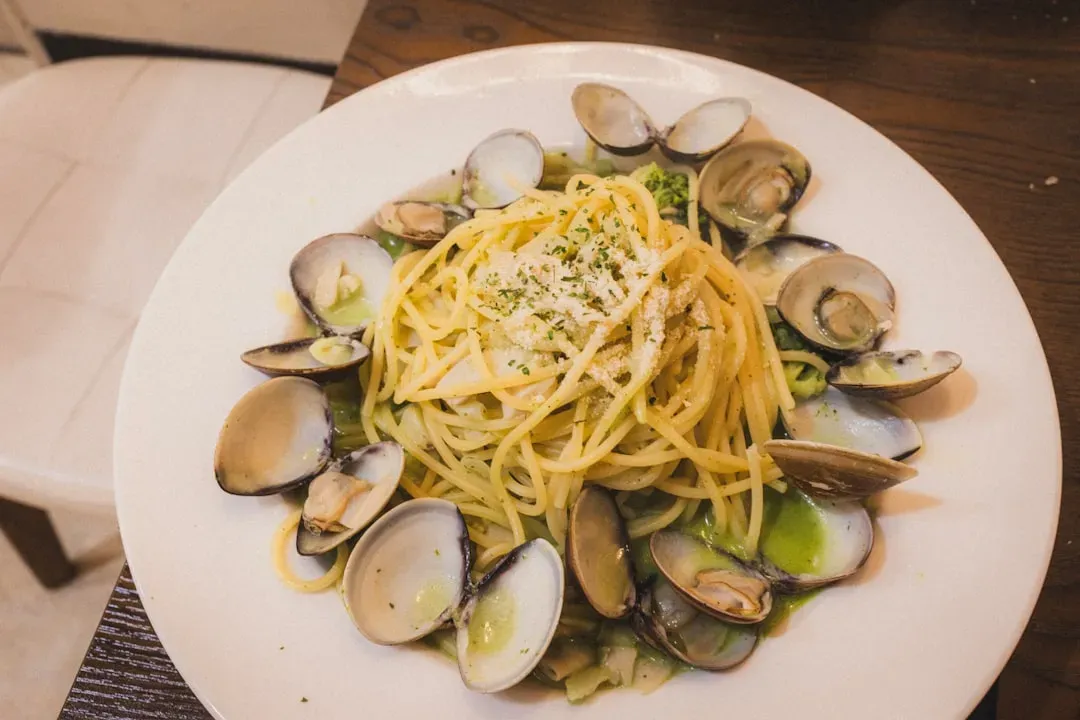
Generic seafood pasta is often a dumping ground for fish scraps. If the menu doesn’t lead with the specific type of seafood and pasta used in the dish’s preparation, it could be exactly that. Compare “Seafood Pasta” to “Spaghetti with Clams and Green Olives” as menu titles – the former is generic, while the latter is a very intentional combination of a particular pasta, specific shellfish, and accompanying ingredients.
Chefs generally advise avoiding the super-vague “fish” when it’s used in a menu item description. When a menu doesn’t name the fish, it’s likely because the kitchen is using something older, frozen, or inexpensive – which is why it often ends up deep-fried or covered in heavy sauce. Most of the time, it’s fish such as pollock, tilapia, or swai because they’re cheap, easy to source, and hide well under batter or thick sauce that masks both texture and flavor.
Order It: Egg-Based Dishes at Breakfast Spots
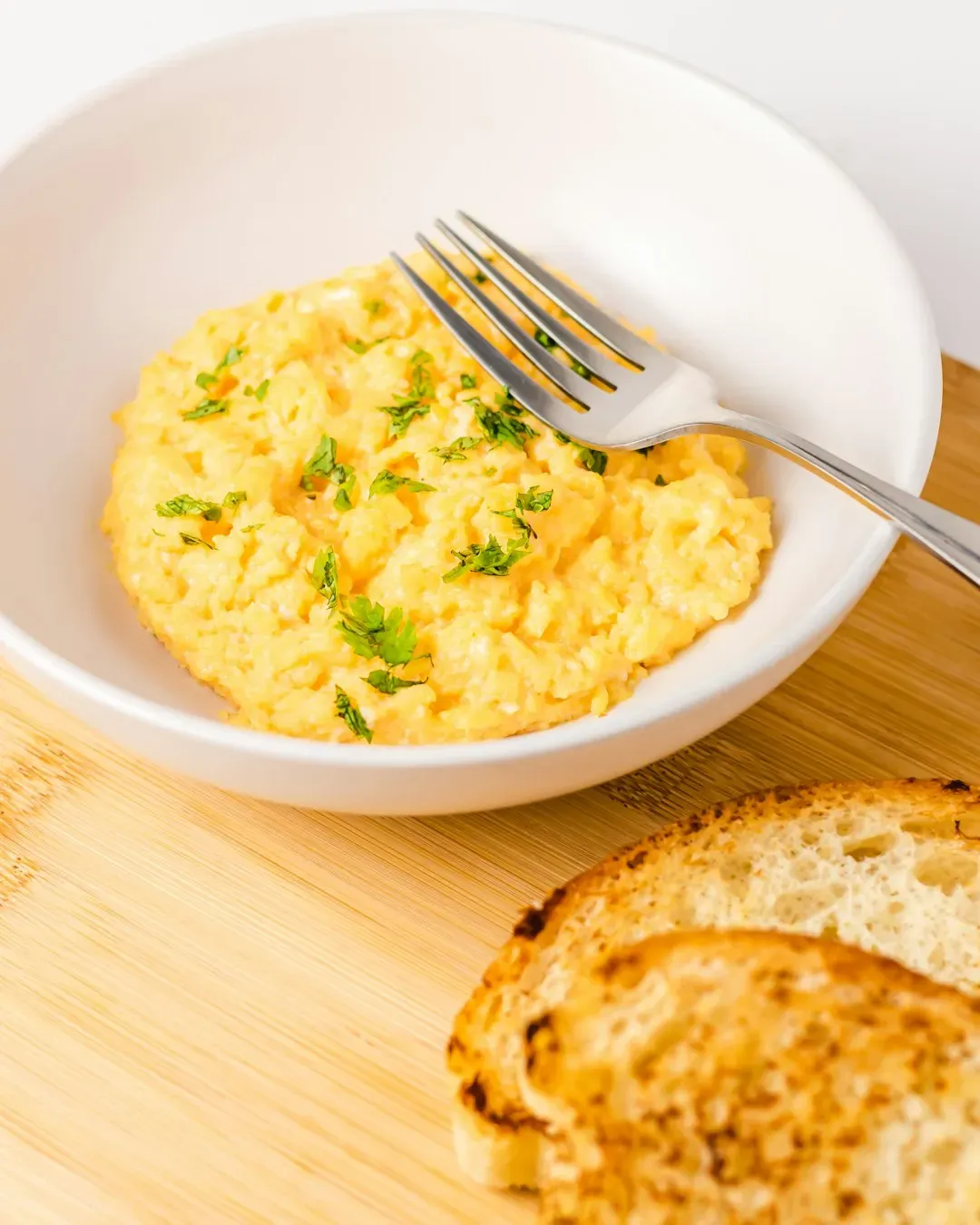
A cheap diner or breakfast-focused spot that’s busy every morning has almost certainly figured out its egg game. Omelets, fried eggs, and scrambled eggs made to order are fast, inexpensive to produce, and genuinely hard to fake when cooked fresh. The ingredients are simple enough that quality is either present or it isn’t – there’s not much room to hide behind elaborate preparation.
That said, one caveat is worth knowing. Scrambled eggs at certain diners can be made from powder rather than fresh eggs. If you’re indifferent to whether your scrambled eggs came from a powder, that’s fine – but powdered egg mixes can sometimes carry additives, including gluten, which matters for those with intolerance. Ask for fried or poached if you want to guarantee you’re getting the real thing.
Avoid It: Daily Specials at Low-Volume or Off-Peak Times
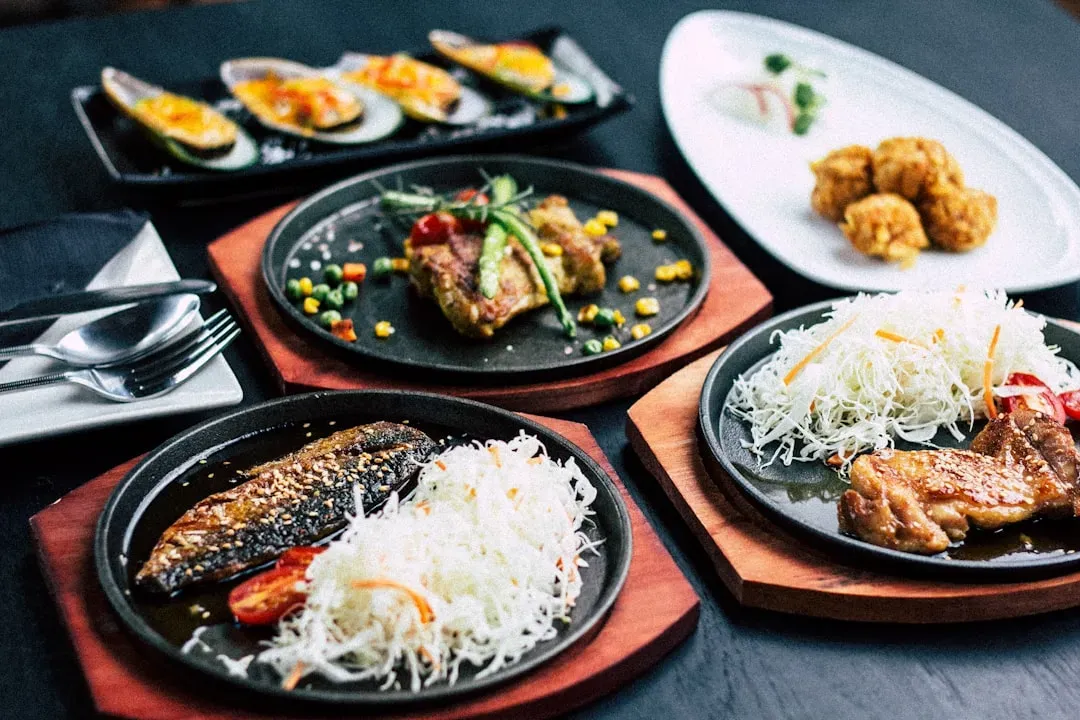
As tempting as the daily special may sound, professional chefs often warn against ordering it, especially in mid-range or chain restaurants. The “special” is usually a way for the kitchen to use up ingredients that are about to go bad. This doesn’t mean every special is suspect – but it does mean you should ask a few questions before committing.
According to chefs, the seafood special can be particularly suspicious depending on the day. Many seafood deliveries arrive on Thursdays, ahead of the weekend busy period – meaning a Monday seafood special is basically made up of the weekend’s leftovers. The same general principle applies to meat and vegetable specials at restaurants that clearly depend on high weekend traffic and slow weekday turnover.
Order It: Dishes That Show the Kitchen’s Actual Ethnicity or Specialization
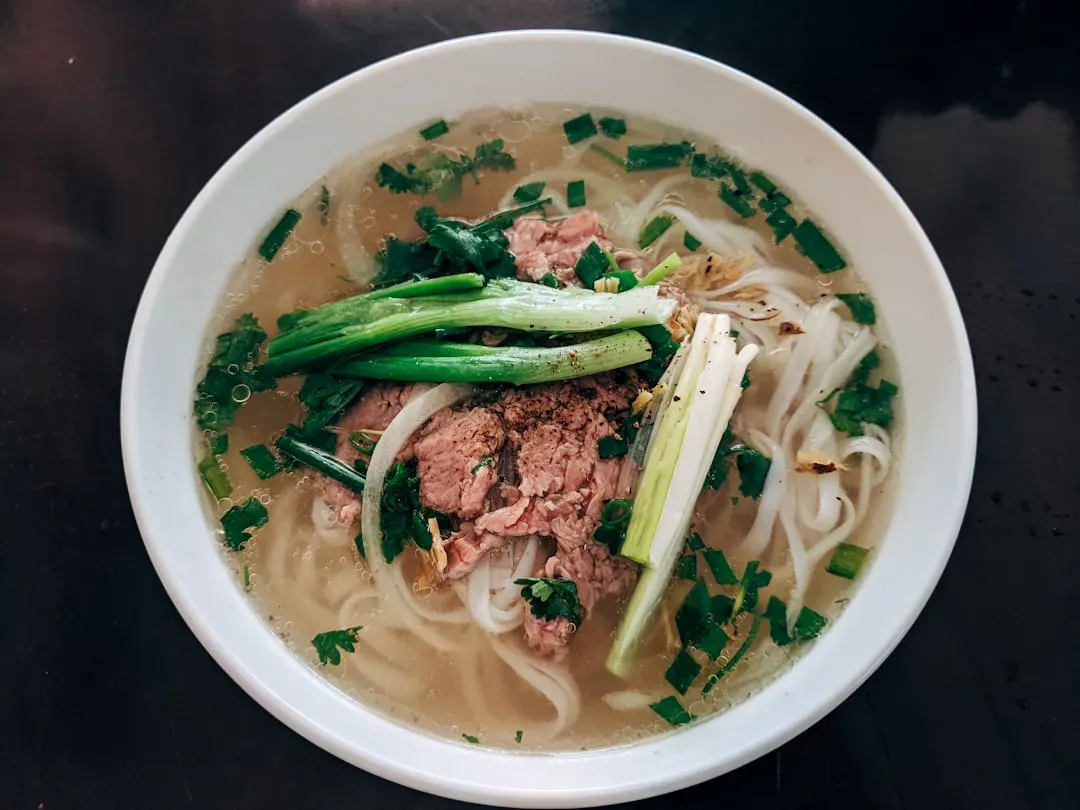
The most consistently reliable meals at cheap restaurants tend to come from places where the kitchen is cooking food they grew up eating. An authentic Vietnamese pho shop, a family-run Sichuan spot, a Salvadoran pupuseria – these restaurants don’t offer the dish as one option among forty. It’s the point. The recipes are worked out, the sourcing is consistent, and the cooks are not guessing.
Not all restaurants follow the same patterns. High-quality establishments often put care into every dish. At cheap restaurants run by people who genuinely specialize in one cuisine, that care is especially visible. The price is low not because corners are being cut, but because the operation is lean and the knowledge is deep. Those are exactly the meals worth hunting for.
Leave a Reply