
There were around 5,200 reported dog attacks on Postal Service employees in 2025. That’s a lower number than the year before, but it still averages out to well over a dozen incidents every day. Most of them involve a dog that its owner would describe as friendly.
The advice from carriers and the Postal Service is fairly consistent, and most of it costs nothing. These are eight habits that make a real difference at the front door.
Keep the Dog Secured Before the Carrier Arrives
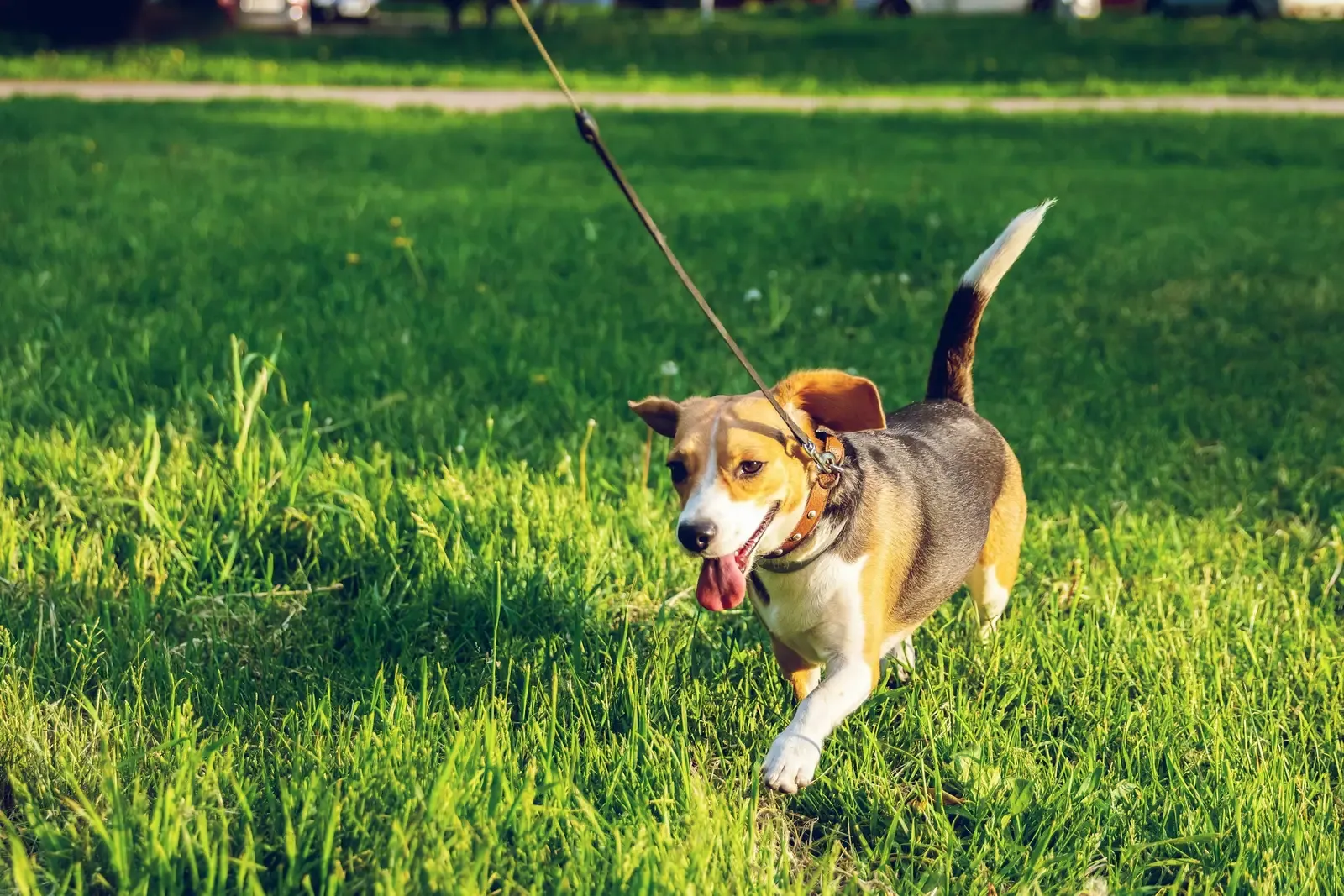
The Postal Service calls this the single most important message of its recent campaigns. Customers are asked to keep their dog secured and away from the carrier while the mail is being delivered. Indoors, behind a fence, or on a leash all count.
Timing matters more than most people think. A dog loose in the yard for “just a minute” is exactly the situation carriers run into. Securing the dog ahead of time removes the guesswork.
Put the Dog in a Separate Room
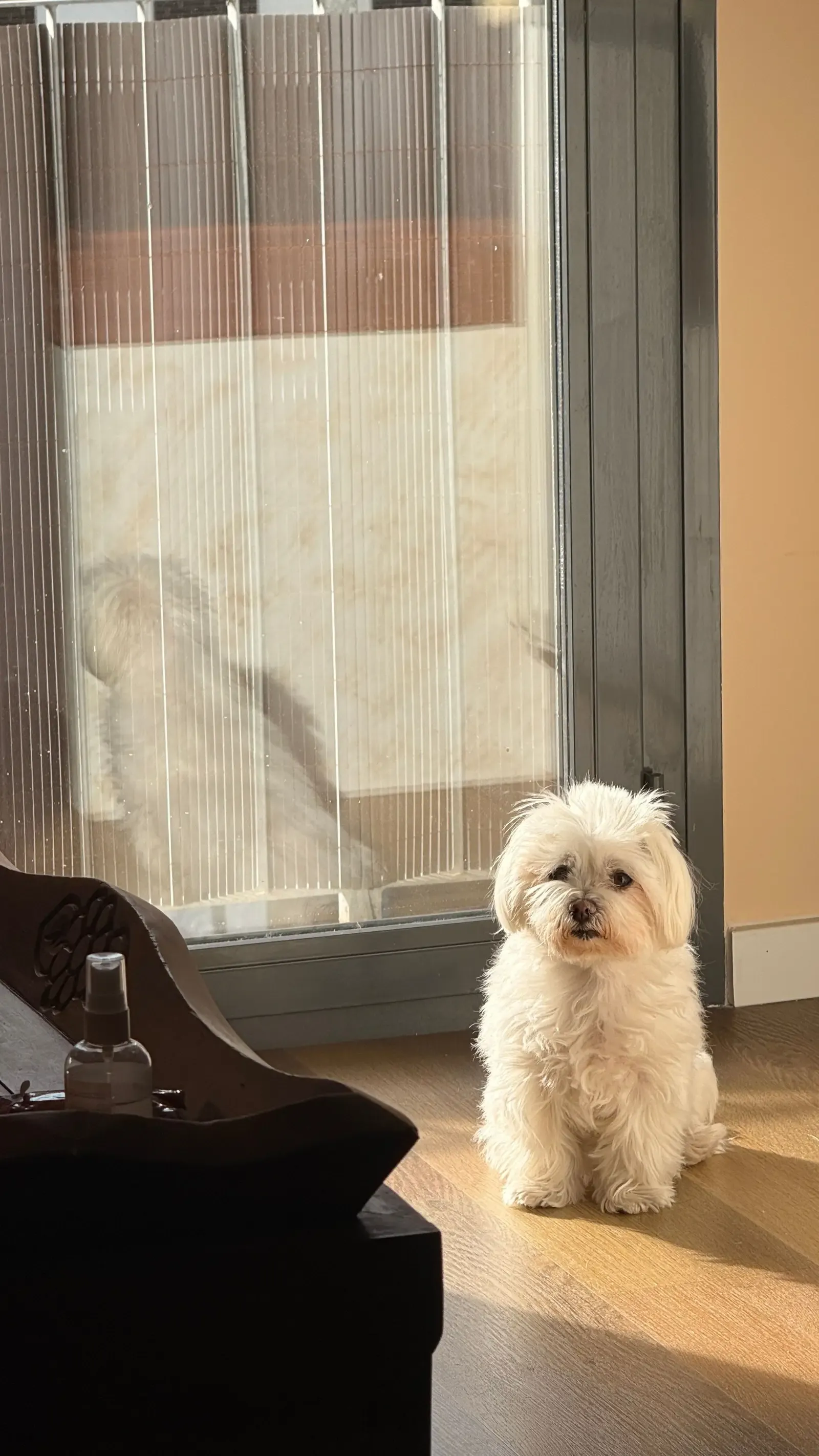
Being inside the house isn’t always enough. USPS advises keeping your dog in a separate room or area away from the door when the carrier comes. A dog with a clear view of the door can still be alarmed by a knock or a package drop.
A closed interior door or a baby gate can be the difference between a barking spell and a bite. Pick a spot that’s quiet, and it’ll help the dog stay calmer too.
Never Take Mail From the Carrier With Your Dog Present
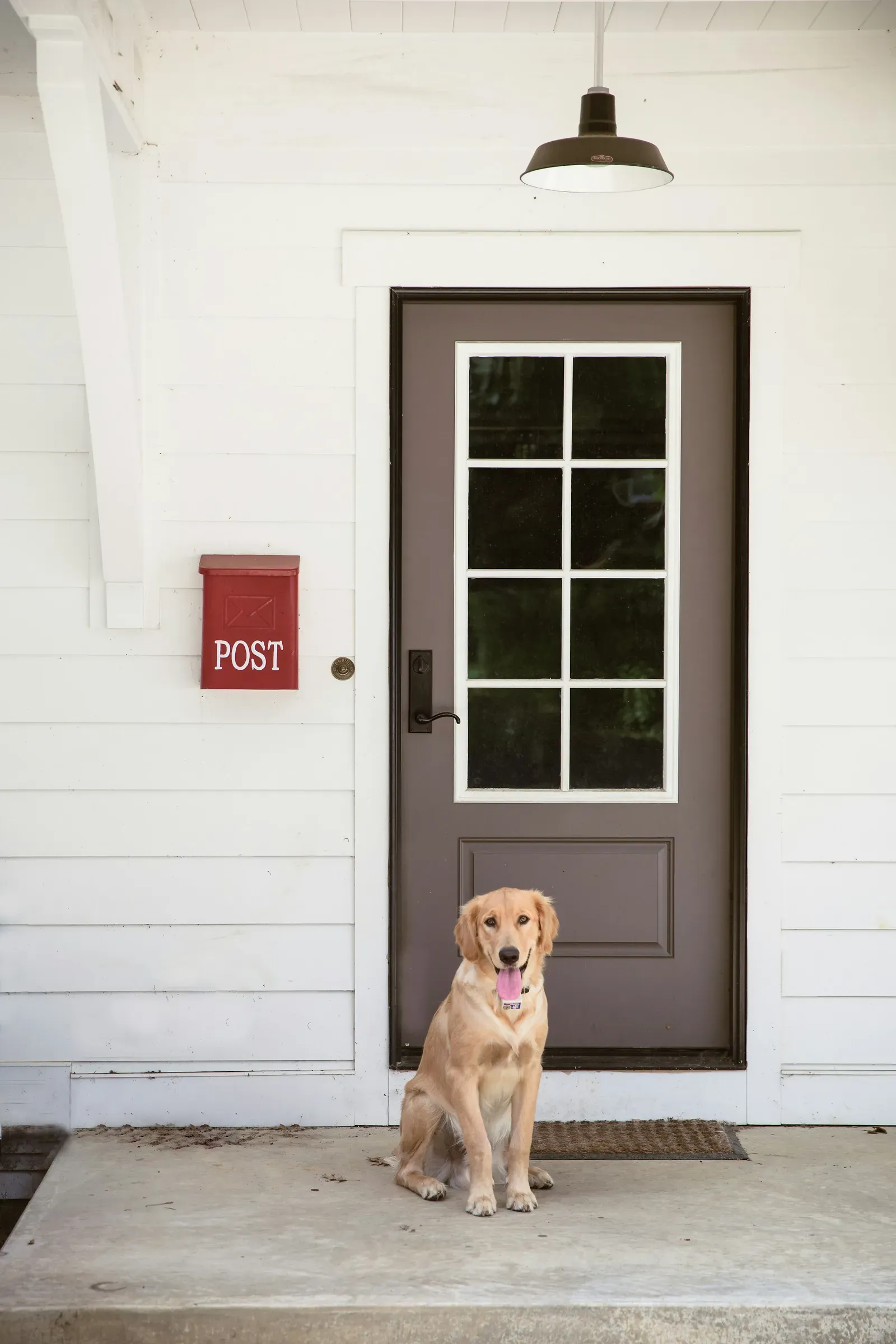
It feels polite to meet the carrier at the door. With a dog beside you, though, it can go wrong fast. USPS tells customers never to accept mail from the carrier in the presence of the dog.
Dogs can read a hand reaching toward their owner as a threat. Owners are also urged not to let children take mail directly from carriers, since dogs may misinterpret the exchange. Wait until the dog is safely away, then collect your mail.
Close the Door Firmly When You Step Outside
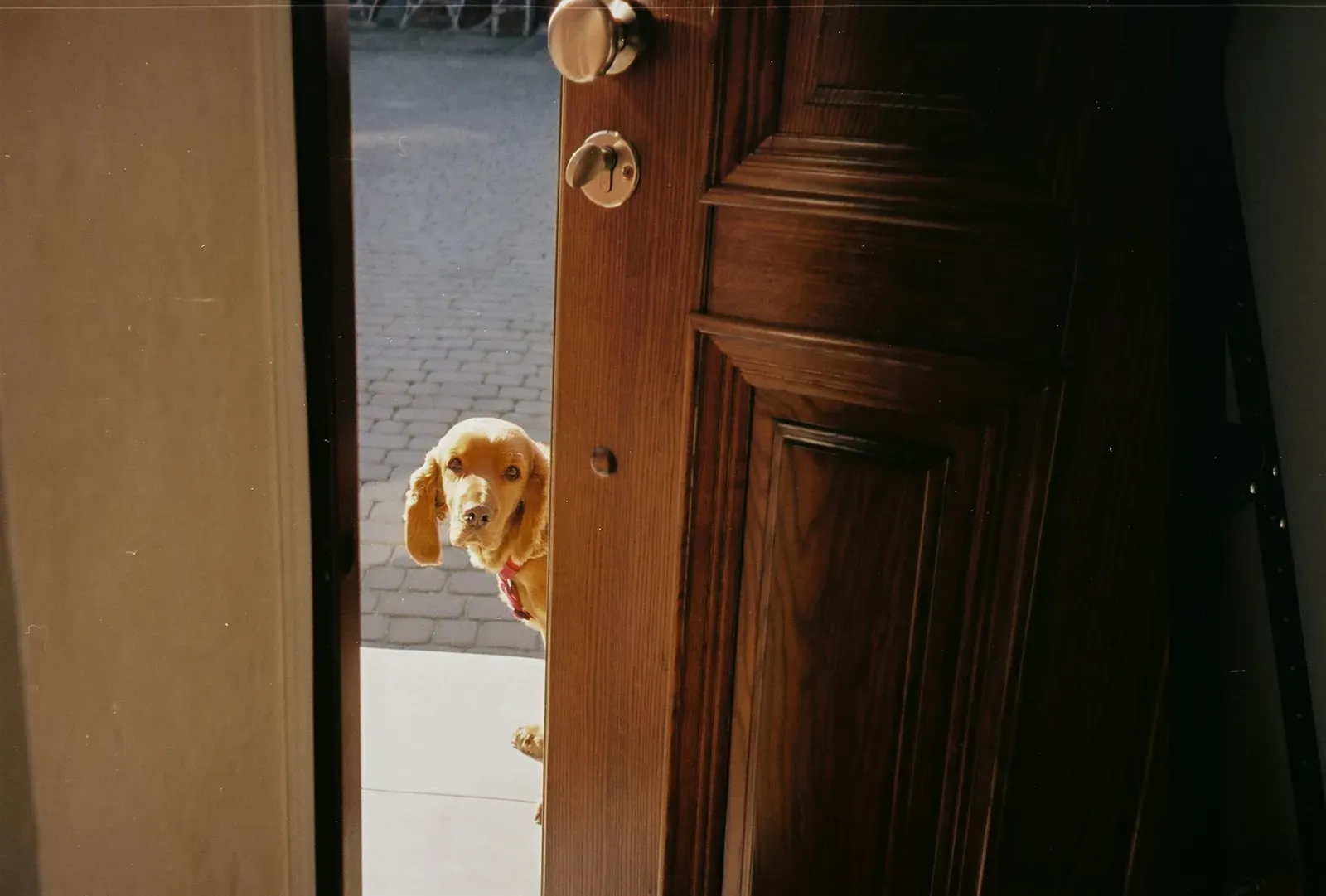
Doors are where many bites begin. If you go outside, USPS says to close the door firmly behind you so the dog can’t slip out or push through. A latch that doesn’t fully catch is a common culprit.
One carrier from Blue Bell, Pennsylvania, described being bitten on the wrist by a dog that charged through a door, which required medical attention. Check that screen doors and storm doors latch properly, too.
Don’t Assume Your Dog Is Harmless
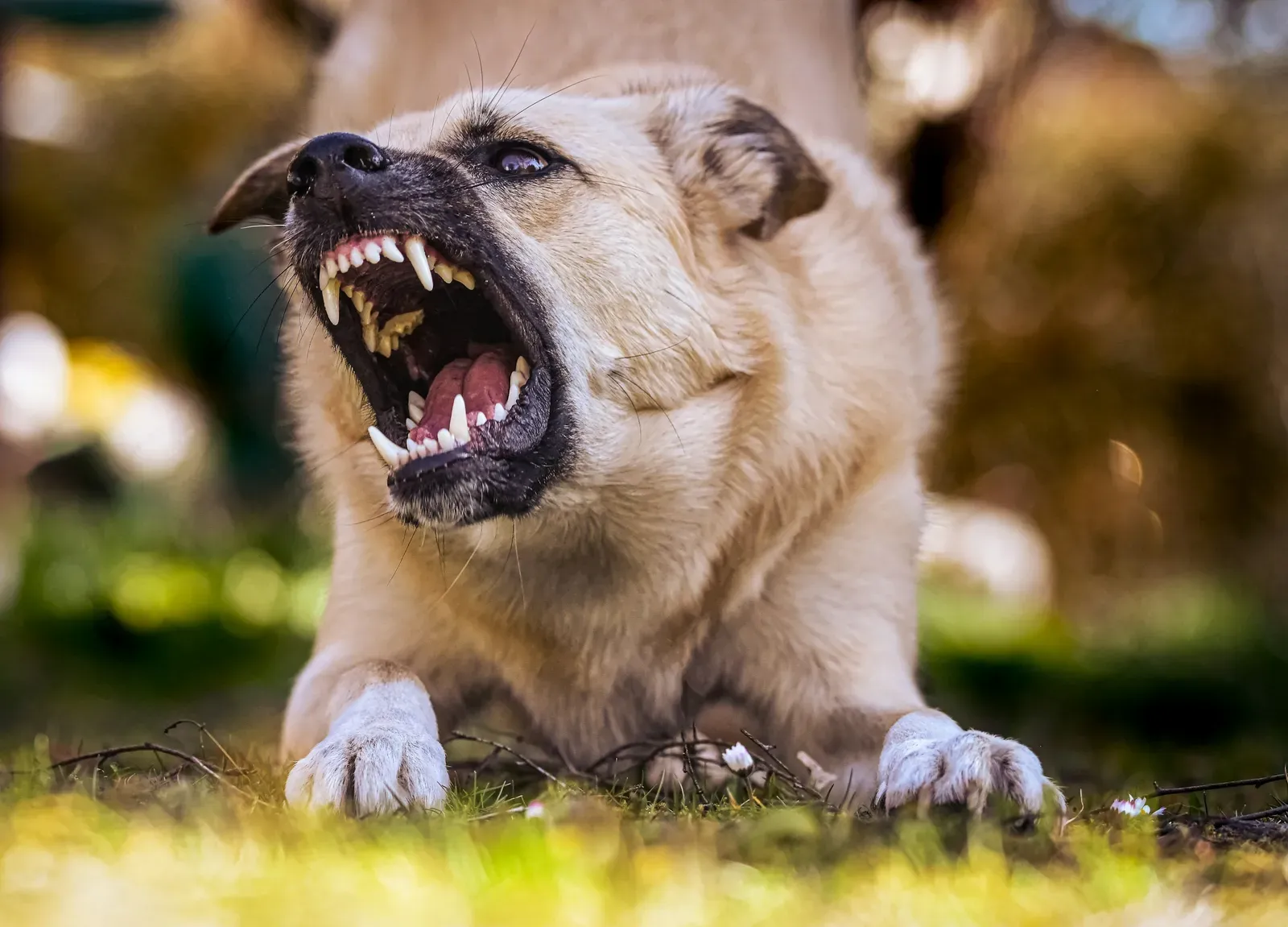
This one is about mindset. USPS says all dogs, regardless of breed, size or age, have the potential to bite. Carriers see small dogs and gentle family pets go after them regularly.
The reasons aren’t always about aggression. Dogs may attack to defend territory, but also when they feel startled, anxious or unwell. A dog that’s fine with guests may still react to a uniformed stranger who shows up daily.
Train Your Dog and Don’t Let It Roam
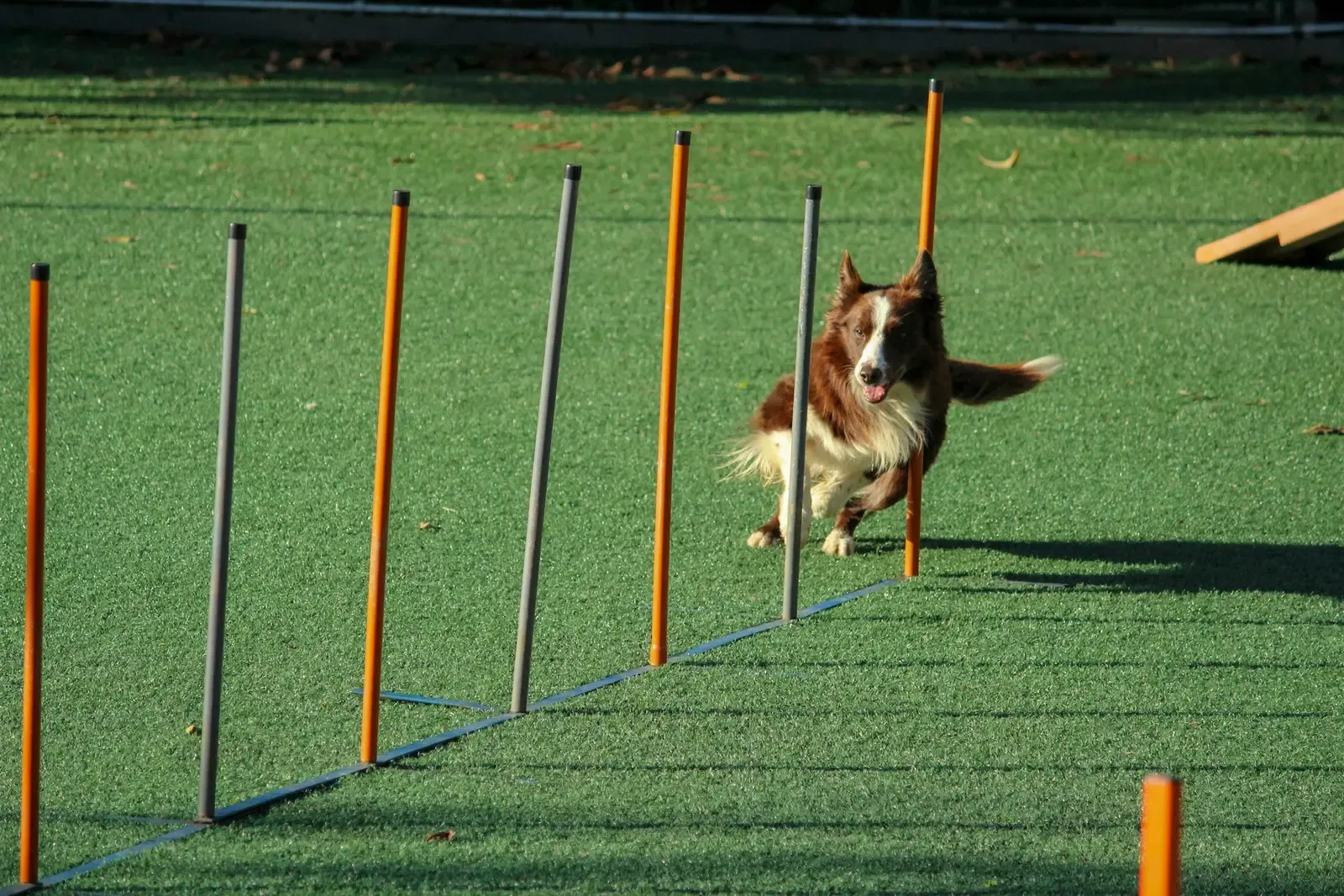
Obedience training is part of USPS’s guidance for responsible owners. The Postal Service points to teaching appropriate behavior and commands, and not letting a dog roam freely. A reliable recall or a solid “stay” gives you control when something unexpected happens.
Training doesn’t replace physical barriers, but the two work well together. A dog that responds to you is easier to manage when the mail truck pulls up. Roaming dogs, meanwhile, are the ones carriers can’t plan for.
Use Informed Delivery to Know When Mail Is Coming
Many owners don’t know the carrier’s schedule, and it can shift day to day. USPS encourages customers to use Informed Delivery, a service giving digital previews of incoming mail and packages, which can help owners anticipate the carrier’s arrival. It’s free to sign up.
The previews won’t give you an exact time. Still, knowing that mail or a package is due that day helps you plan ahead. It’s a simple prompt to bring the dog inside early.
Keep Your Property Easy and Clear for the Carrier
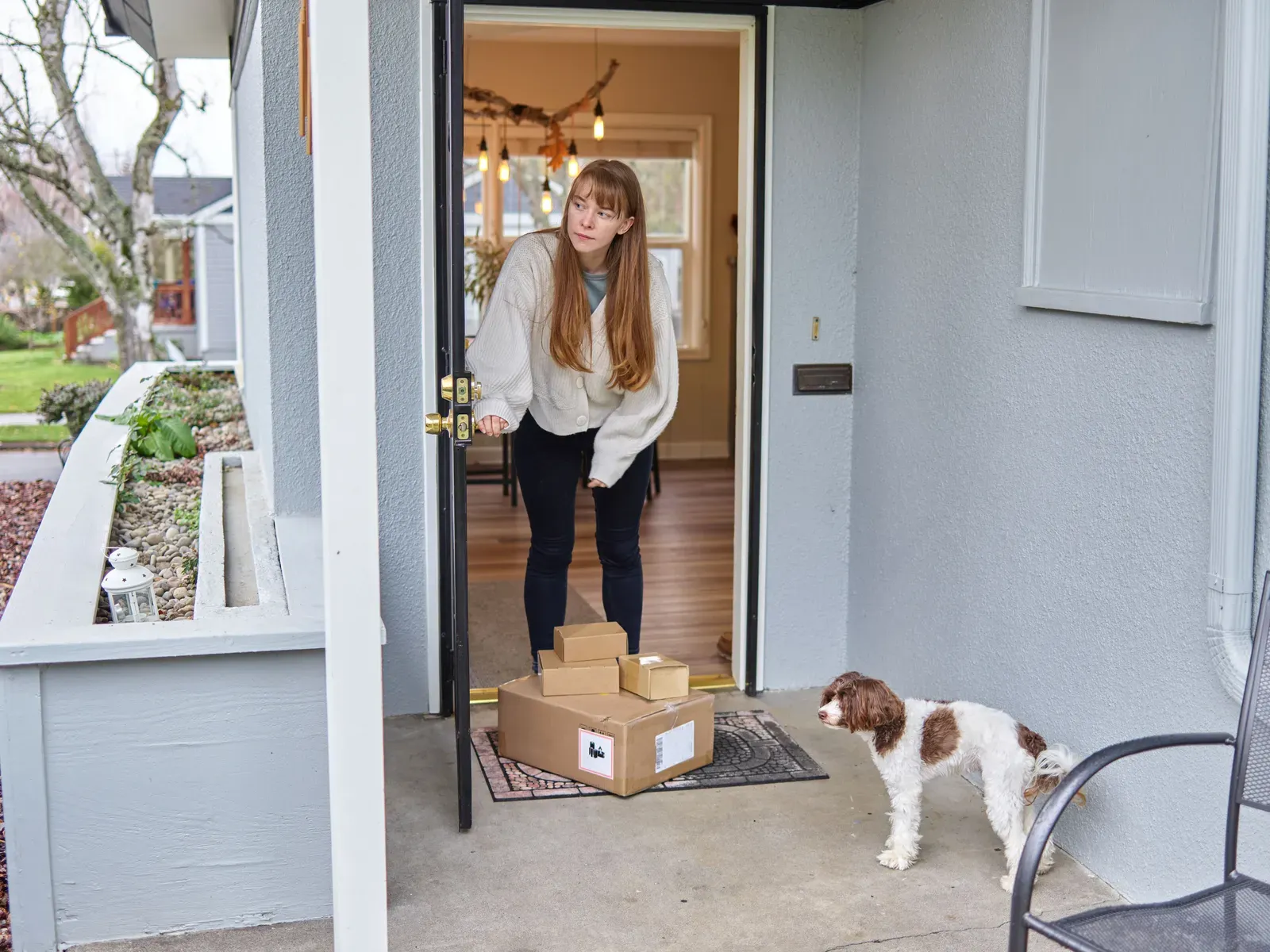
Carriers are trained to watch for dogs. That includes making a nonthreatening noise or rattling a fence to alert a dog when entering a yard, and never startling one. A clear path and a visible mailbox mean they don’t have to walk deep into a yard to deliver.
If your dog does get past you, remember the carrier’s training. Carriers are taught to stand their ground and place something, such as a mail satchel, between themselves and the dog. Calling your dog back calmly, rather than shouting, helps keep things from escalating.





Leave a Reply