
Jumping up the second the wheels touch down
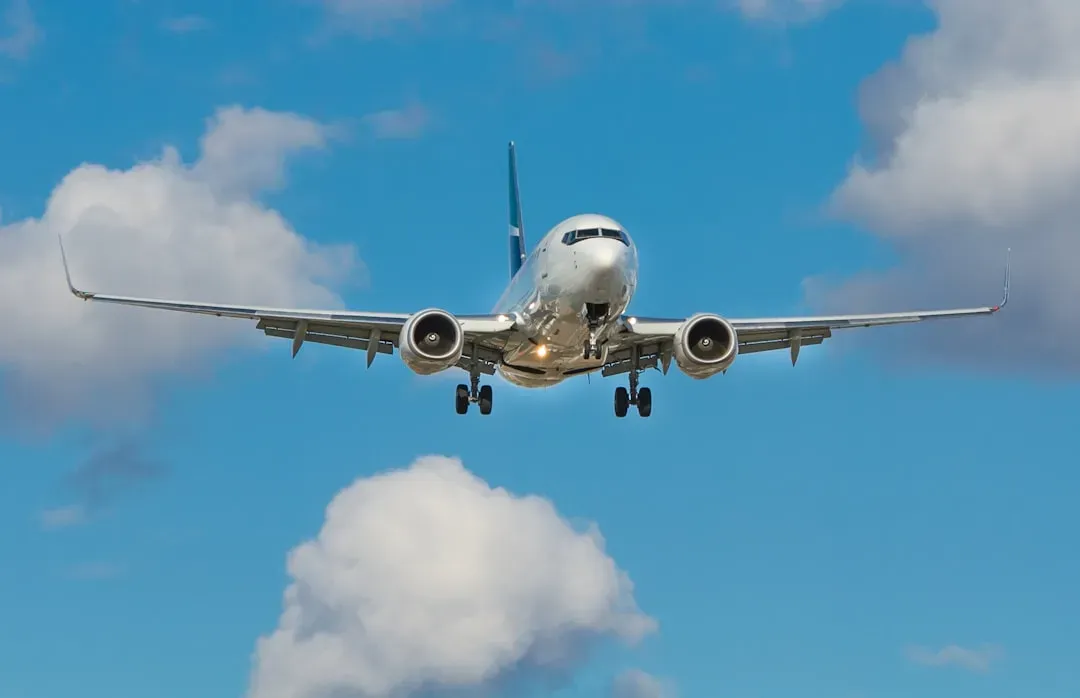
The instant a plane lands, a predictable scene unfolds: seatbelts click open, people stand, and hands shoot toward the overhead bins, even while the aircraft is still taxiing. A former Piedmont Airlines flight attendant explained that the moment the plane touches down, many passengers jump up from their seats and start reaching for the overhead bins, often while the seatbelt sign is still on, and this can create safety issues if the aircraft is still taxiing.
Beyond the safety concern, it doesn’t actually get anyone off the plane faster. Doing this disrupts the deplaning process, since crowding the aisle too early blocks others from retrieving their bags and exiting in an orderly way, while waiting until the seatbelt sign turns off helps things move more efficiently. Frequent flyers tend to know this and just sit tight until their row starts moving.
Cramming small bags into the overhead bin instead of under the seat
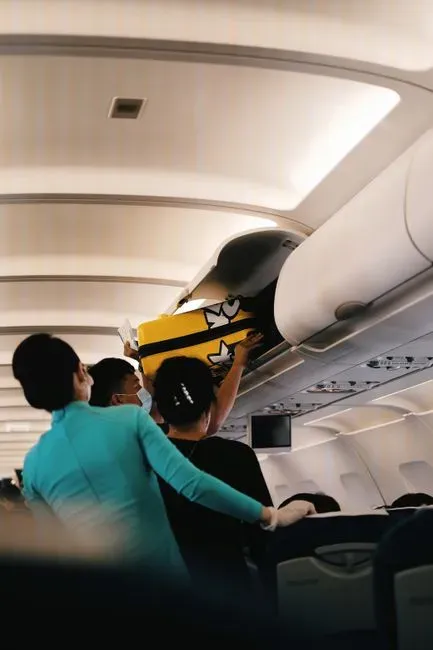
Overhead bin space is limited, and it fills up fast when passengers stash items that were never meant to go up there. According to flight attendants, placing smaller items in the overhead bin instead of under the seat in front of them is a frequent mistake, despite the countless announcements crews make during boarding reminding passengers not to do this.
This habit isn’t just an inconvenience for other travelers hunting for space. It’s often a giveaway that someone hasn’t flown enough to know the unwritten rule: small bags go under the seat, bigger ones go up top, and there’s rarely room for both if everyone ignores that logic.
Crowding the gate before boarding is even called
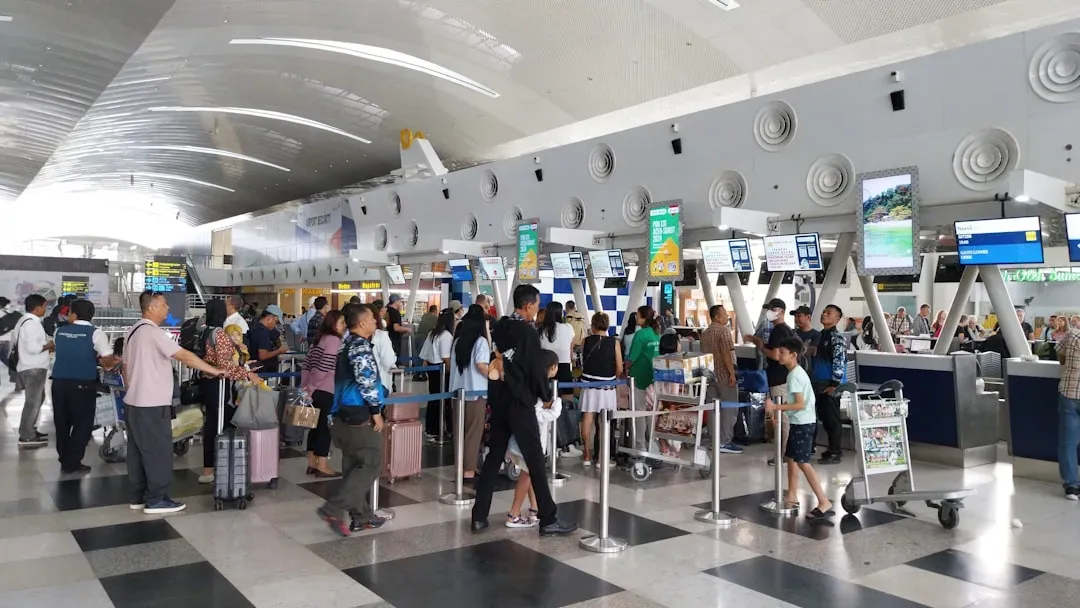
Standing in a tight cluster near the gate long before your group number is announced doesn’t get you on the plane any sooner. Experienced travelers seem to understand this instinctively, since flight attendants agree that passengers are better off observing the boarding flow rather than trying to beat it, and one noted seeing passengers push others to be first in line only to spend twenty minutes standing in the aisle waiting for everyone else.
The logic is simple once you think about it. Getting on the plane sooner doesn’t mean you’ll get to your destination any faster. Rushing the gate just adds stress for everyone, including the crew trying to keep the line moving smoothly.
Asking questions that a boarding pass already answers
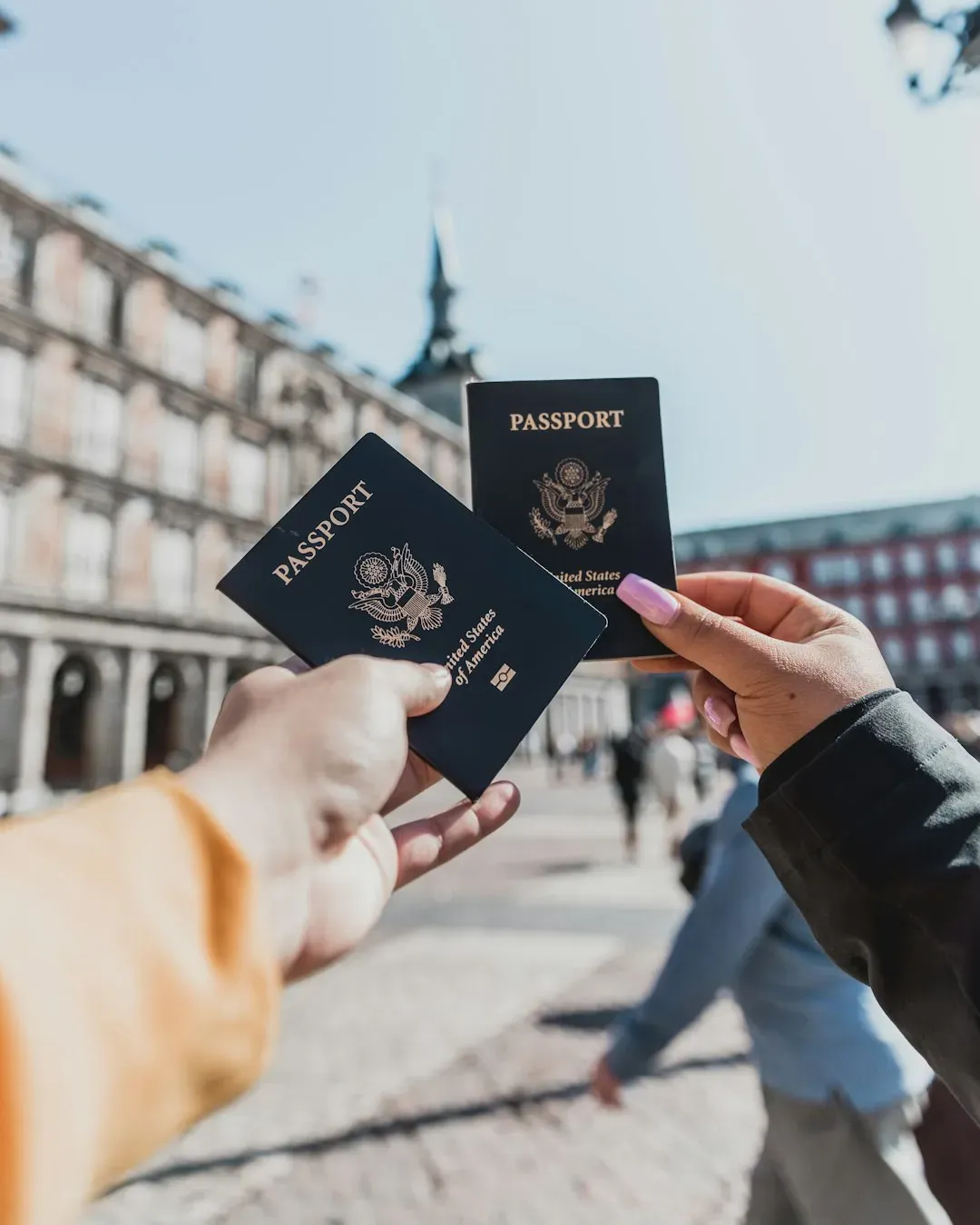
There’s a particular kind of question that instantly signals unfamiliarity with flying, and it usually comes from someone holding the exact answer in their hand. As one flight attendant described it, experienced travelers board without drama and already know the drill, while occasional flyers ask questions that reveal their status, like where their seat is when they’re holding their boarding pass, or whether they can put their jacket up top.
None of this is embarrassing, and crew members genuinely don’t mind answering. Still, it’s one of the fastest ways they clock someone as new to the process, since regulars rarely need to ask.
Taking off shoes and walking around barefoot
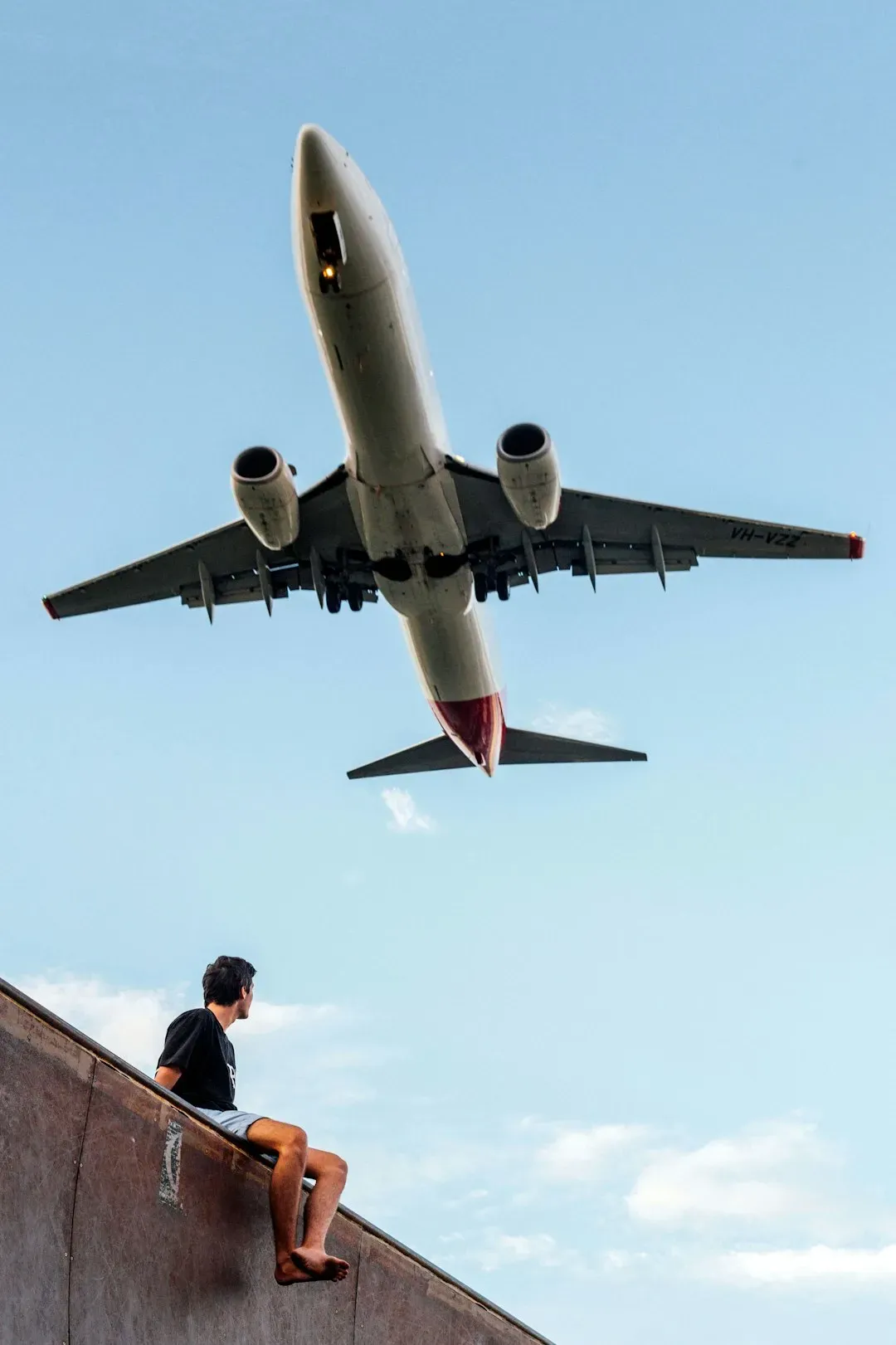
Bare feet on a plane are more common than most people expect, and flight attendants notice every time. One former flight attendant put it plainly, saying “you’ll never catch me taking off my shoes, walking barefoot, or casually putting my feet all over the walls and seats” when flying as a passenger themselves.
Shoes matter for more than hygiene, too. Crew members point out that keeping shoes on during takeoff and landing matters because that’s the most dangerous part of the flight, and stepping into the lavatory barefoot should be avoided entirely. Seasoned flyers tend to keep their shoes on until they’re settled, and only slip them off briefly during long cruising stretches.
Bringing food that turns the whole cabin into a diner
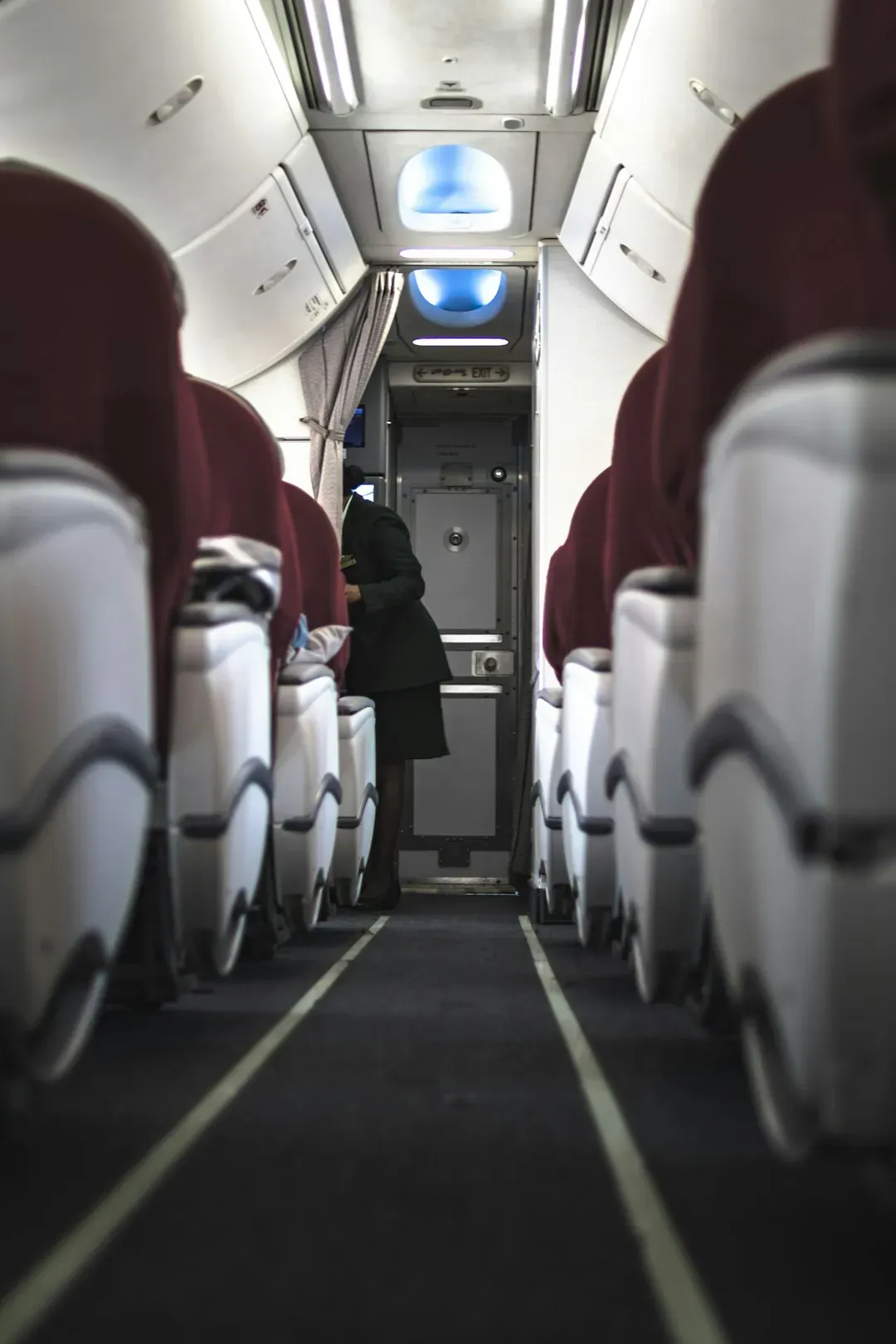
A sandwich might seem harmless at home, but the sealed environment of an airplane cabin changes things. Flight attendants have noted that strong-smelling foods can quickly become a problem in a confined aircraft cabin, with odors from items like fish, egg salad sandwiches, or heavily spiced dishes lingering and becoming unpleasant for nearby passengers, since air circulates throughout the cabin.
It’s an easy mistake to make once, since it’s not obvious until you’re airborne and the smell has nowhere to go. Regular travelers tend to learn this lesson quickly and start packing more neutral snacks for future flights.
Playing videos or scrolling with the sound turned up
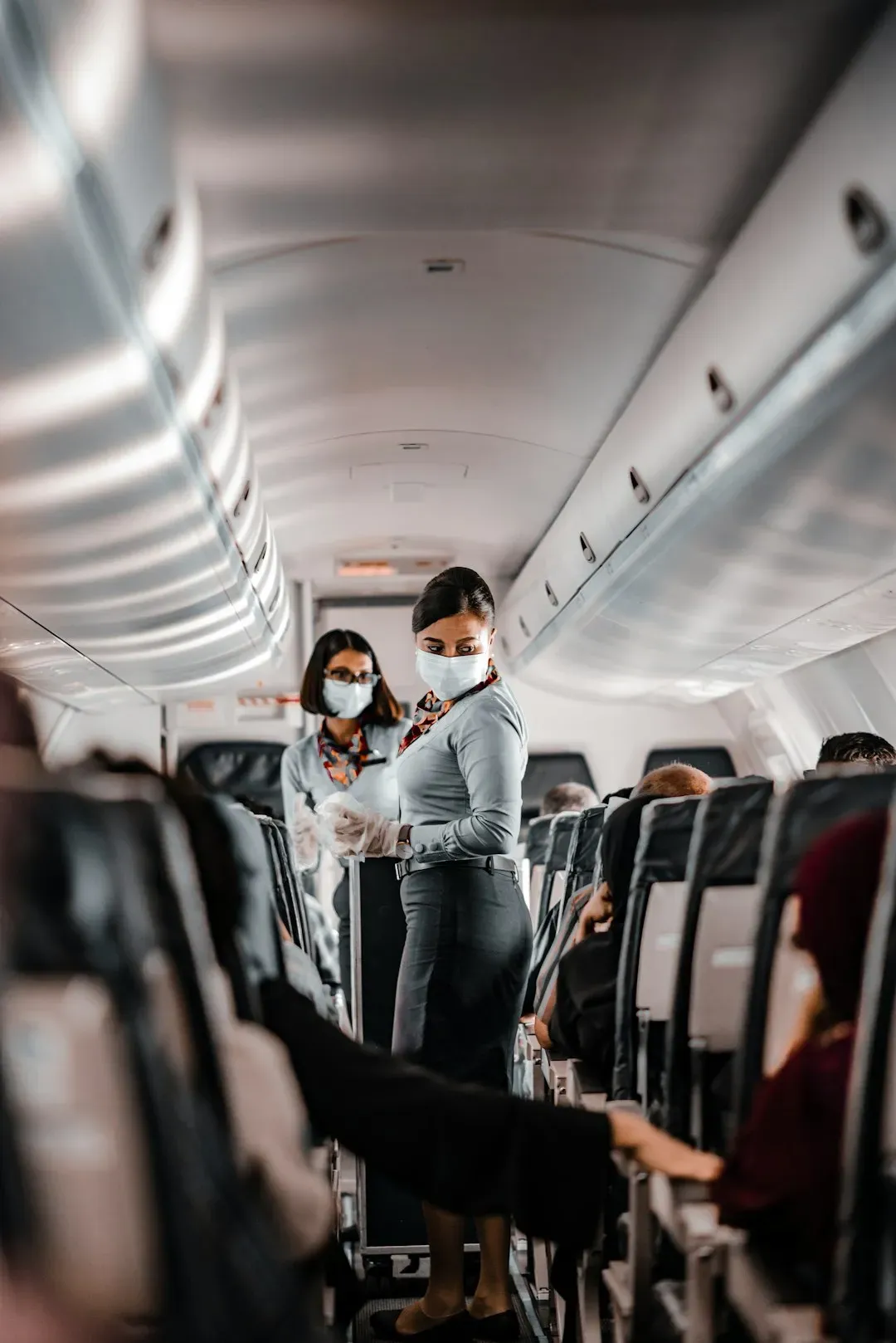
Cabin noise carries further than people expect, especially once the engine hum settles into the background. Crew members have observed that it might not seem like a big deal to watch a quick video or scroll through social media with the sound on, but in the quiet cabin of an airplane, that noise can travel more than many passengers realize.
This one tends to catch first-time or infrequent flyers off guard simply because they haven’t experienced how differently sound behaves in a pressurized cabin compared to everyday life. Headphones aren’t just a courtesy, they’re practically a requirement once you’ve flown enough times to know better.
Fidgeting with the seatbelt right before landing
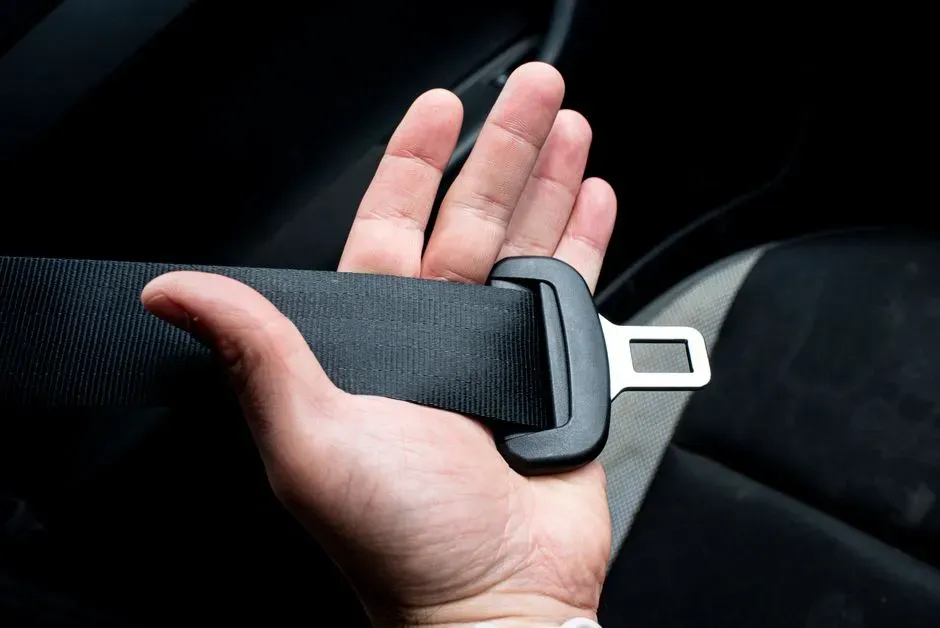
As a plane descends and the seatbelt sign stays lit, there’s often someone who can’t stop adjusting their buckle, as if bracing to bolt the moment the wheels hit the runway. Flight attendants describe this as a clear signal, noting that when the seatbelt sign is on and someone keeps adjusting their buckle like they’re ready to bolt, that’s a red flag crews watch closely, whether the person is simply impatient or something more concerning is going on.
Most of the time it’s just restlessness rather than anything serious, but it still stands out to crew members trained to read passenger behavior in tight quarters. Frequent flyers, by contrast, tend to sit still through the descent because they already know the wait is short and rarely worth the anxiety.
None of these habits are dramatic, and none of them get anyone kicked off a flight. They’re simply small tells, the kind that experienced flyers stop thinking about because the routine has become second nature. For everyone else, they’re just part of the learning curve that comes with logging more miles in the air.




Leave a Reply