
Most people treat their wallet like a portable filing cabinet. Loyalty cards, old receipts, insurance documents, a scribbled PIN – it all accumulates quietly over time. The problem is that what feels like convenient preparation can quickly become a serious liability if that wallet is ever lost or stolen.
Americans 60 and older filed more than 200,000 fraud complaints in 2025, with reported losses reaching $7.7 billion – the highest total of any age group. Complaints from older adults more often involve bank accounts, retirement funds, and investment portfolios, where a single identity fraud incident can result in a large withdrawal or transfer. With that context in mind, here’s what genuinely needs to come out of your wallet right now.
1. Your Social Security Card
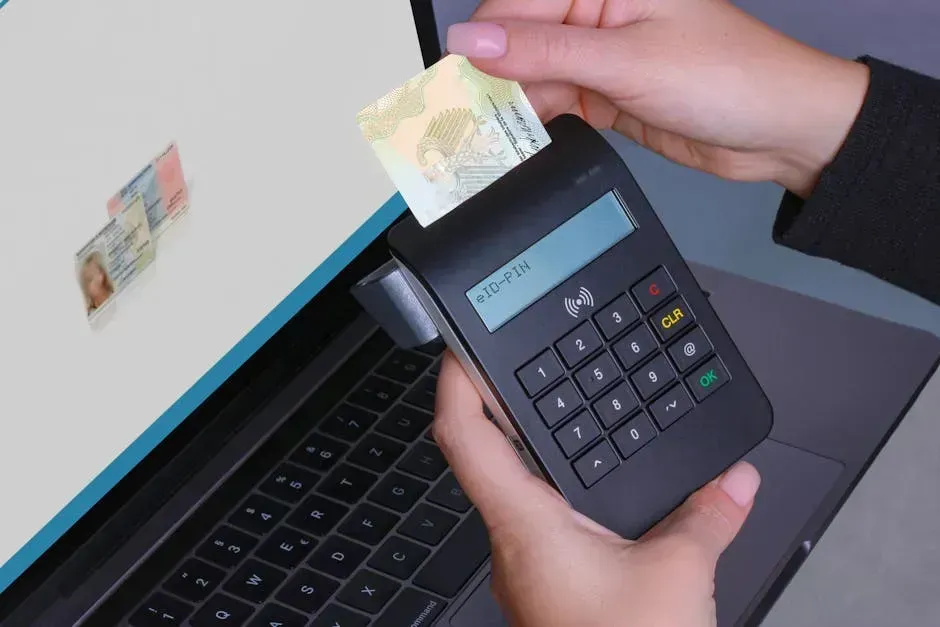
Your Social Security card should be removed from your wallet because criminals could use it to open lines of credit in your name or sell it to another criminal. Most daily activities – grocery runs, doctors’ appointments, casual errands – simply don’t require you to carry the physical card at all.
Social Security cards and the number itself are one of the most valuable pieces of information in the hands of a thief. With it, they can easily file taxes on your behalf, open a line of credit in your name, receive medical attention, or even commit crimes using your information. Keep the card locked at home, ideally in a fireproof safe, and never write the number on any slip of paper you carry with you.
2. Blank Checks or Your Entire Checkbook
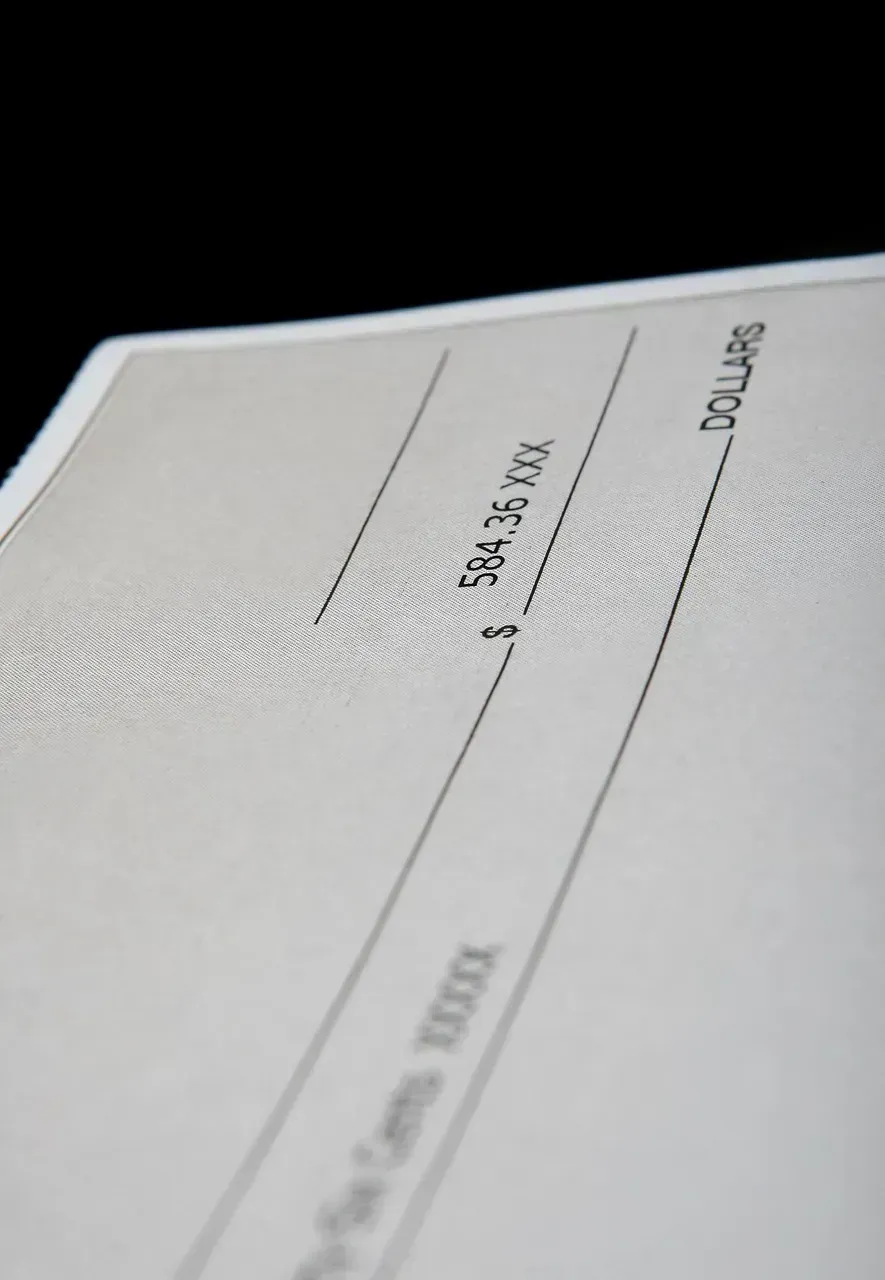
In the wrong hands, a blank check could be used to quickly drain money from your bank account. Even if the stolen check isn’t used, the check has on it your bank account and routing numbers, a target for electronic withdrawals from your account. That blank check will also likely have your home address and maybe telephone number.
Thieves can easily counterfeit checks in order to tap into your checking account. They can also use the bank account and routing numbers on the check to withdraw money electronically, which is faster and harder to track. The smarter move is to carry only one or two checks when you know you will need them, leaving the rest safely at home.
3. Multiple Credit and Debit Cards
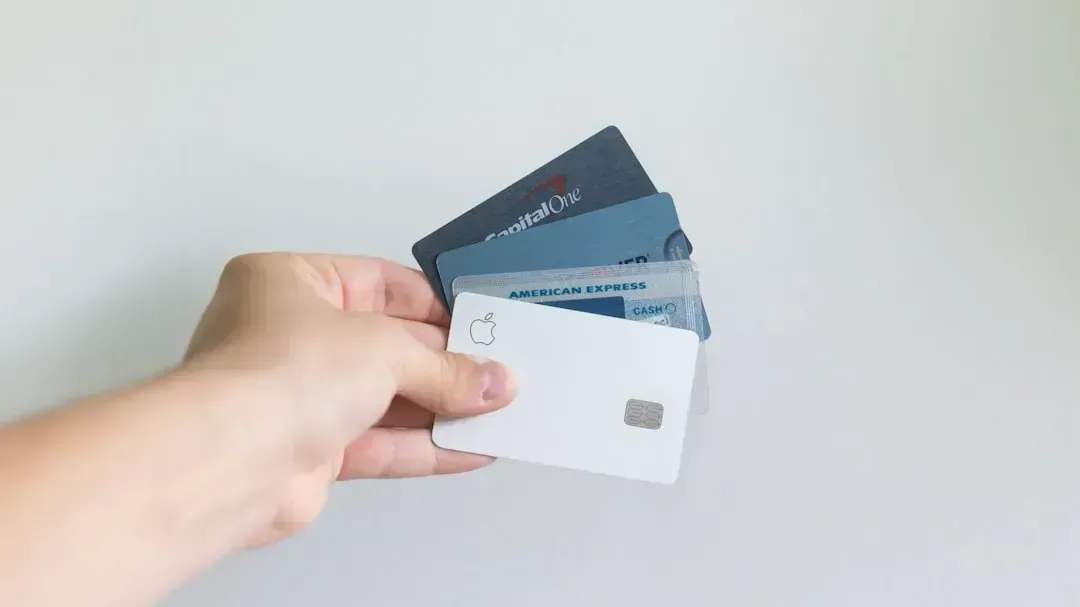
While it’s tempting to carry all your cards for convenience, this increases your risk if your wallet is stolen. Limiting yourself to one debit and one credit card you use most frequently, storing the rest in a secure location at home, means that if your wallet is compromised, you’ll only need to cancel and replace one or two cards.
Losing a wallet means canceling everything, which is a massive headache to replace. You also lose access to credit for days. After 50, the administrative burden of replacing half a dozen cards simultaneously is real – and entirely avoidable by leaving the extras at home.
4. Your Passport or Passport Card
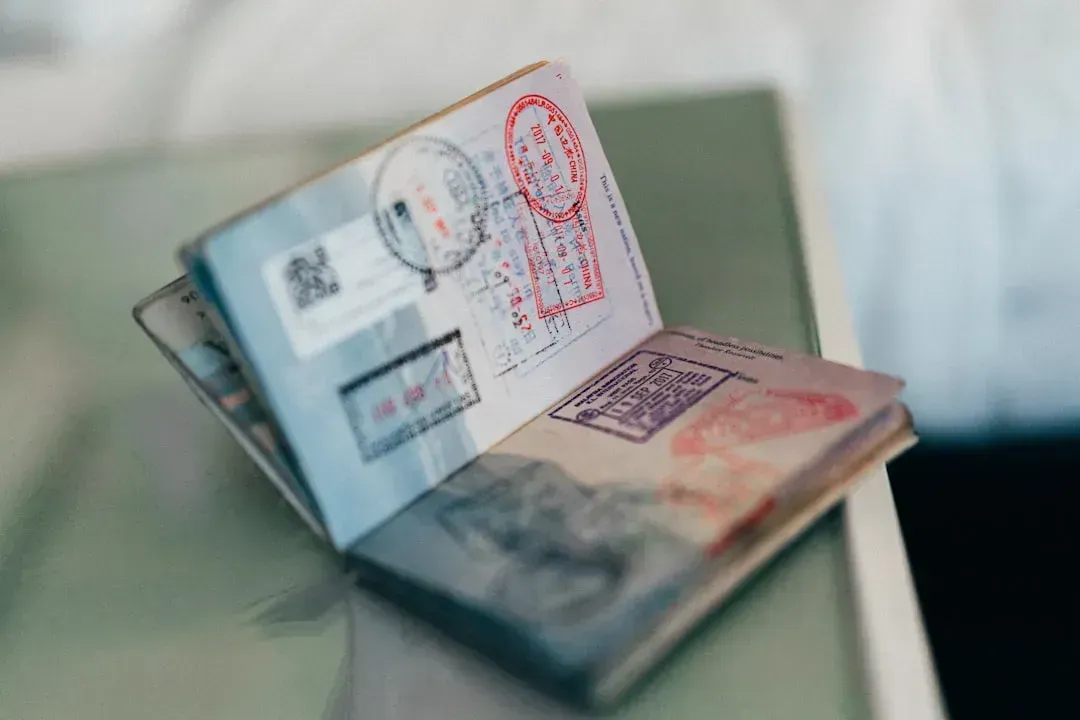
Unless you are crossing national borders, your passport should stay in a safe deposit box or another secure place. Even when you travel abroad, it’s good practice to make a copy of your passport and leave the real one locked in the hotel safe.
If you lose your wallet with your passport inside, identity thieves can use it to have a Social Security card made in your name, to open bank accounts, or even to attempt travel. If you lose your passport card, identity theft is as much of a risk as it is with a full passport. If you don’t need it on a particular day, leave it at home in a safe.
5. Written Passwords or PINs
Some people write down their debit card PIN and passwords for accounts in case they forget them and carry them in their wallets. However, this information should always be left at home in a secure place. If someone has access to your bank PIN or financial account passwords, they can easily steal money from your accounts or make purchases under your name.
We all have too many passwords to remember, so writing them down seems logical. However, putting them in your wallet is dangerous because a thief gets your cards and codes together. As a result, they can drain accounts in minutes or lock you out of your email. Use a secure password manager app instead. That’s a straightforward upgrade that removes the risk entirely.
6. Spare House Keys
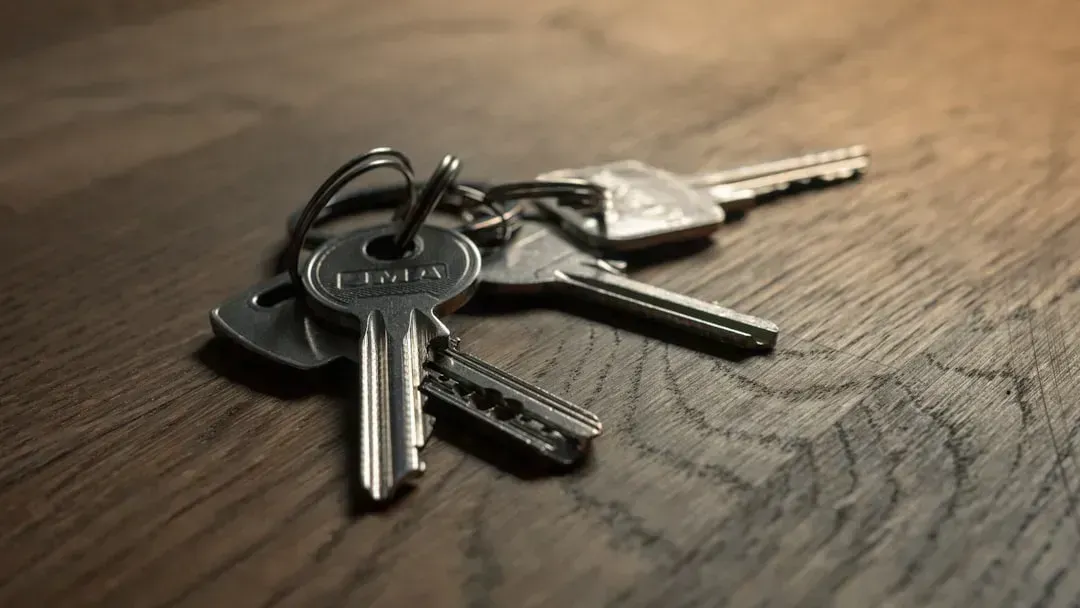
Spare house keys are an item to never keep in your wallet because they could be an invitation to crooks to steal more. While you are searching for your missing wallet or filing a police report, thieves could be targeting your home.
Beware of toting around spare house keys in your wallet – it’s an open invitation for thieves to break into your home. All the crooks have to do is find your address on your driver’s license, and they will instantly have access to everything inside your house. Plan to keep your spare keys with a trusted friend or relative to avoid putting your property and family at risk.
7. Receipts
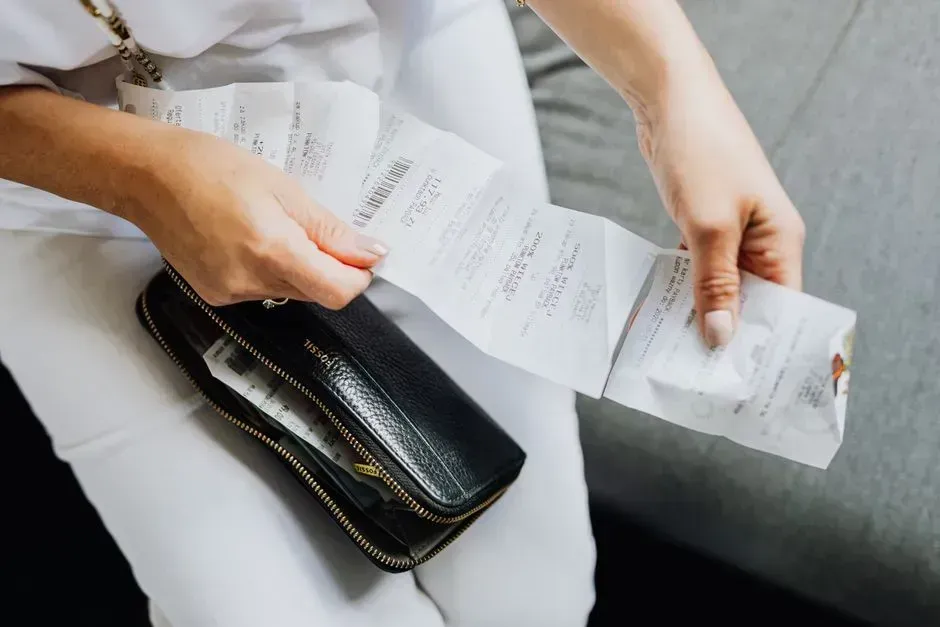
You don’t need all those receipts jammed into your wallet. While businesses have not been allowed to print more than the last five digits of your credit card number on paper receipts for years, skilled thieves could use those last five digits and merchant information on receipts to phish for the remaining numbers on your credit card.
Skilled thieves use receipt data to fish for more information. For example, they can answer security questions based on your purchases. Clear out your wallet weekly and shred receipts you do not need. Keep your financial trail clean and don’t leave breadcrumbs for thieves.
8. Medicare Cards or Other Medical Insurance Documents
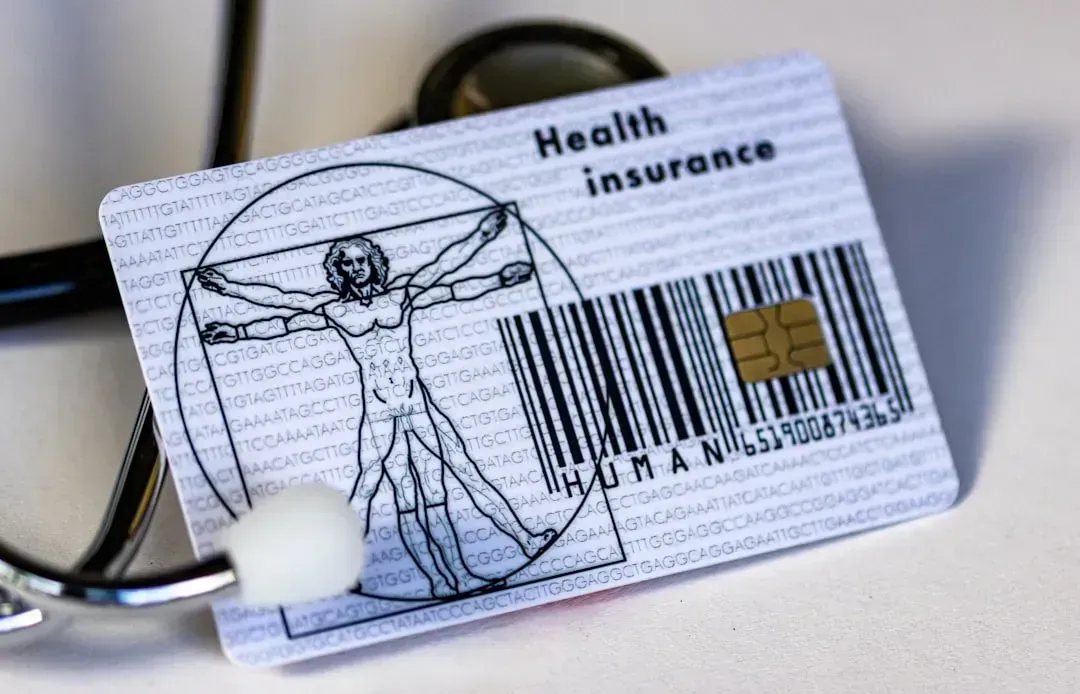
Seniors tend to be at higher risk of identity fraud, as they may carry their Social Security number or Medicare card on their person. Older Medicare card formats had an especially close link to Social Security numbers, making them particularly valuable to thieves. Even with newer card formats, carrying insurance paperwork daily creates unnecessary exposure.
Your information could be used to obtain a health insurance policy or to submit false claims to Medicare and other insurers. Thieves that get their hands on sensitive documents by stealing your wallet can use them for all sorts of purposes. Some methods for stealing a person’s identity exploit specific types of documents, such as medical, investment, and tax records. Scan or photograph your insurance cards and store them securely on your phone instead of keeping originals in your wallet at all times.
The wallet you carry every day is a small object with outsized consequences when it falls into the wrong hands. It’s important to keep the contents of your wallet to a minimum – if your wallet is packed with personal information and is lost or stolen, you are at risk of identity theft and fraud. A leaner wallet isn’t about being unprepared. It’s about understanding exactly what you need for a given day and leaving everything else somewhere safer than your back pocket.





Leave a Reply