
Most conversations about moving to a new state center on job markets, housing costs, or weather. Those things matter, obviously. But there’s a quieter, harder-to-quantify pull that keeps people rooted in certain places year after year: the feeling that daily life is simply good. Clean air, safe streets, strong schools, neighbors who look out for one another. When all of those pieces align, the question of leaving rarely comes up.
Researchers typically evaluate state-level quality of life across dozens of individual indicators, grouped into broad categories like affordability, economy, education and health, and safety. The states on this list consistently rank near or at the very top across those dimensions. They aren’t perfect. But they come closer than most.
1. Vermont: The Gold Standard for Day-to-Day Living

For the fifth year in a row, CNBC ranked Vermont the number one state in the U.S. for quality of life, spotlighting the Green Mountain State’s low crime rate, clean air, and healthy lifestyles for residents. That crisp mountain air is the result of comparatively low traffic congestion and limited polluting industry, while easy access to the outdoors, low health disparities among populations, and a thriving local agriculture and food scene contribute to Vermont’s sterling reputation as among the healthiest states in the nation.
Vermont tops specialized quality-of-life rankings with its combination of exceptionally low crime rates, clean air, preserved outdoor spaces, and strong community protections, with the Vermont Outdoor Recreation Economic Collaborative supporting trails, parks, and outdoor recreation infrastructure that encourages connection with nature and community interaction. As of mid-2025, 163 of the state’s 251 towns and cities had signed the state’s Declaration of Inclusion, a grassroots effort by community leaders to reinforce the message that Vermont is a safe and welcoming place.
2. Massachusetts: Where World-Class Healthcare Meets Elite Education
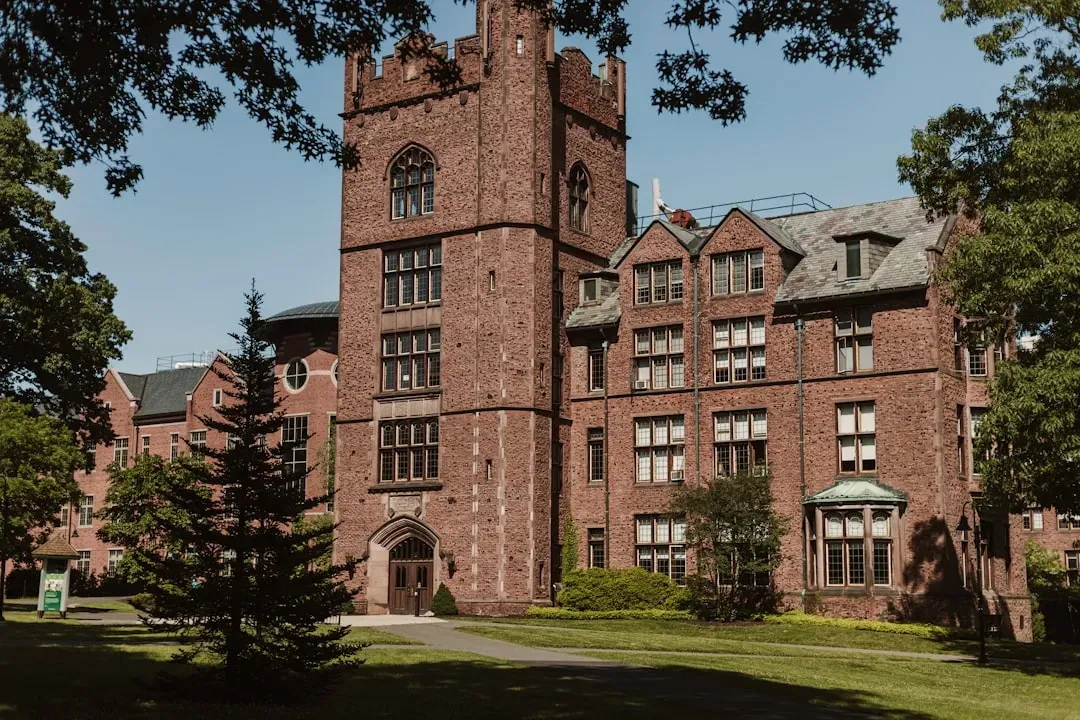
Massachusetts is the best state to live in according to WalletHub’s 2026 rankings, due in large part to its strong healthcare system and high-quality education, and it has the lowest premature death rate in the country along with the highest share of residents with health insurance coverage, at nearly 97 and a half percent. Massachusetts ranks number one in primary care doctors and mental health providers per capita, not to mention second for dentists, and just about two and a half percent of its residents lack health insurance, the lowest percentage in the country compared to nearly eight percent nationally.
The state offers some of the best education available in the nation, is home to some of the world’s most prestigious universities including MIT, Harvard, and Boston College, and residents are among the most educated, with a median household income that ranks among the highest in the country. Massachusetts leads in health outcomes as well, posting the lowest avoidable mortality rate in the entire country.
3. Minnesota: The Land of 10,000 Reasons to Stay
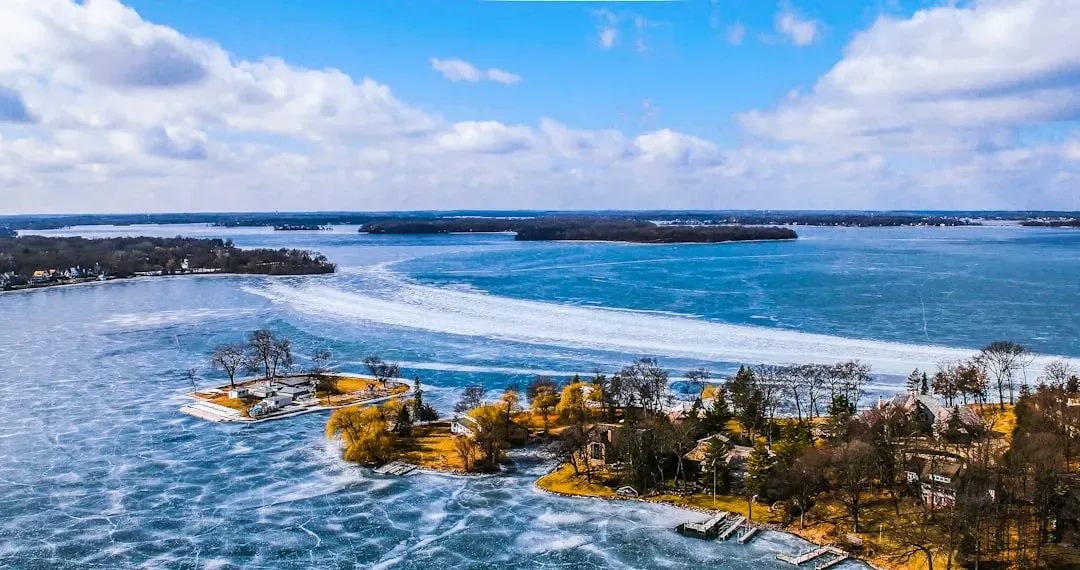
Minnesota ranks second best for quality of life in the United States, with residents enjoying the fourth-longest life expectancy in the nation at an average of nearly 81 years, and the state also has one of the lowest levels of poverty in the nation, with roughly nine out of ten residents living above the poverty level. Food security and employment levels are also high, as are K-12 performance metrics, and WalletHub ranks Minnesota the fourth-best state to raise a family, due in part to high median family income and low levels of separation and divorce, while crime rates are low and the air is clean.
Minnesota exemplifies the connection between natural spaces and wellbeing, with its “Land of 10,000 Lakes” offering year-round outdoor recreation that strengthens community bonds. Known for its generous public services and strong infrastructure, Minnesota combines Midwestern values with economic variety, offering affordable living, high job satisfaction, and excellent healthcare from the Twin Cities to lake country.
4. New Hampshire: Low Taxes, High Standards

New Hampshire has the fourth-highest quality of life in the U.S., and the state has the least economic hardship and the lowest levels of poverty and food insecurity in the nation. Residents benefit from low crime, no state income tax, and exceptional public schools, while the White Mountains and Lake Winnipesaukee offer year-round outdoor appeal, and the state’s civic engagement remains a model for others.
New Hampshire is no stranger to being in the top five states, as it has been every year since 2017, and the state has one of the country’s lowest incarceration rates, with 197 out of every 100,000 individuals imprisoned, significantly lower than the national average of 359 per 100,000. Remote work has amplified the appeal of towns like Keene, Hanover, and Lebanon, which offer charm, walkability, and strong healthcare infrastructure, while biotech and clean energy industries are expanding to offer new economic momentum.
5. Utah: Thriving Economy, Exceptional Health

Utah has the third-best quality of life in the United States, and the state’s economy is thriving, tying Nebraska for the lowest rate of unemployment in the nation, with job growth and fiscal stability both ranking highly as well. Utahns are also among the healthiest people in the country, with the lowest levels of alcohol and tobacco consumption and physical inactivity, while rates of cancer, cardiovascular disease, and high blood pressure are also among the lowest in the nation.
Utah and Colorado rank as the two healthiest states in the country, with Utah taking the top spot thanks in part to having the lowest smoking rate at under seven percent and nearly all adults getting some form of regular exercise. For the second consecutive year, Utah claimed one of the top three positions among the most desirable states to move to, with strong scores across multiple categories, especially in safety, economic stability, and overall quality of life.
6. Colorado: Active, Healthy, and Economically Resilient

Colorado ranks as the second healthiest state with the lowest obesity rate in the nation and the highest rate of adults who exercise, at more than four out of five residents. Colorado offers a unique blend of natural beauty and urban sophistication, boasts a thriving job market especially in technology and renewable energy sectors, and residents enjoy world-class outdoor activities from skiing in the Rockies to hiking in pristine national parks.
The Centennial State is known for its diverse landscapes, high elevation, and thriving snow sports tourism industry, and its economy has expanded into military sectors including the U.S. Air Force Academy, offering residents a high quality of life with abundant sunshine and endless outdoor recreational options. Key lifestyle metrics for Colorado show that more than four in five residents exercise regularly, and the state allocates nearly three percent of its GDP to outdoor recreation.
7. Wisconsin: Midwest Excellence at a Reasonable Price

Wisconsin has the eighth-highest quality of living in the United States, and the state’s schools are among the best performing in the nation, leading the country in high school graduation rates. The cost of living is lower than the national average, levels of poverty are low, and unemployment sits at well under three percent, much lower than the national average.
One of the clearest trends in recent rankings is the rise of the Midwest as a quality-of-life leader, with Wisconsin ranking in the top five and standing out for balancing strong economic, health, and educational outcomes with relatively better affordability. While Massachusetts has stayed on top of the leaderboard, Wisconsin is among the states that have climbed into the top five best states to live in, displacing previously highly ranked coastal competitors.
8. Washington State: Innovation, Nature, and No Income Tax

Washington state has the highest quality of life in all 50 states according to some rankings, with no income tax, a thriving job market, great international business opportunities, and residents who enjoy one of the nation’s longest life expectancies, likely due in part to their strong healthcare system and lifestyle habits. The state is also a leader in renewable energy, with roughly half of its power supply coming from sustainable sources, primarily hydroelectric and wind.
Seattle, the largest city, is known for its cultural output, mild climate, and misty skies, and Washington residents enjoy zero state income tax, a progressive social climate, and access to world-class employers in a region that balances innovation with natural beauty. Washington ranked as the best state to live in from 2019 to 2022 and continues to rank near the top of the list, leading the country in renewable energy levels with nearly half of its energy coming from renewable sources.
What ties these eight states together isn’t any single feature. It’s a pattern of consistency across dozens of metrics that shape how people actually feel about their daily lives. Safe neighborhoods, good schools, clean environments, economic opportunity, and accessible healthcare don’t each make life great on their own. Together, they create the kind of place where people stop searching for somewhere better.




Leave a Reply