
Most people think of mosquitoes as a Southern problem – something you deal with in Louisiana swamps or Florida backyards. Los Angeles, with its famous sunshine and dry reputation, was never really part of that conversation. Then things changed, quietly and quickly, and now the city sits at the top of a ranking no one wants to lead.
For the past several years running, Los Angeles has been officially named the most mosquito-infested city in the United States. Not Atlanta. Not Houston. Not Miami. L.A. The city where locals already juggle wildfires, earthquakes, and traffic, now has a full-time mosquito season baked into daily life. Many residents have simply stopped being surprised by it.
L.A. Has Officially Claimed the Top Spot – Again
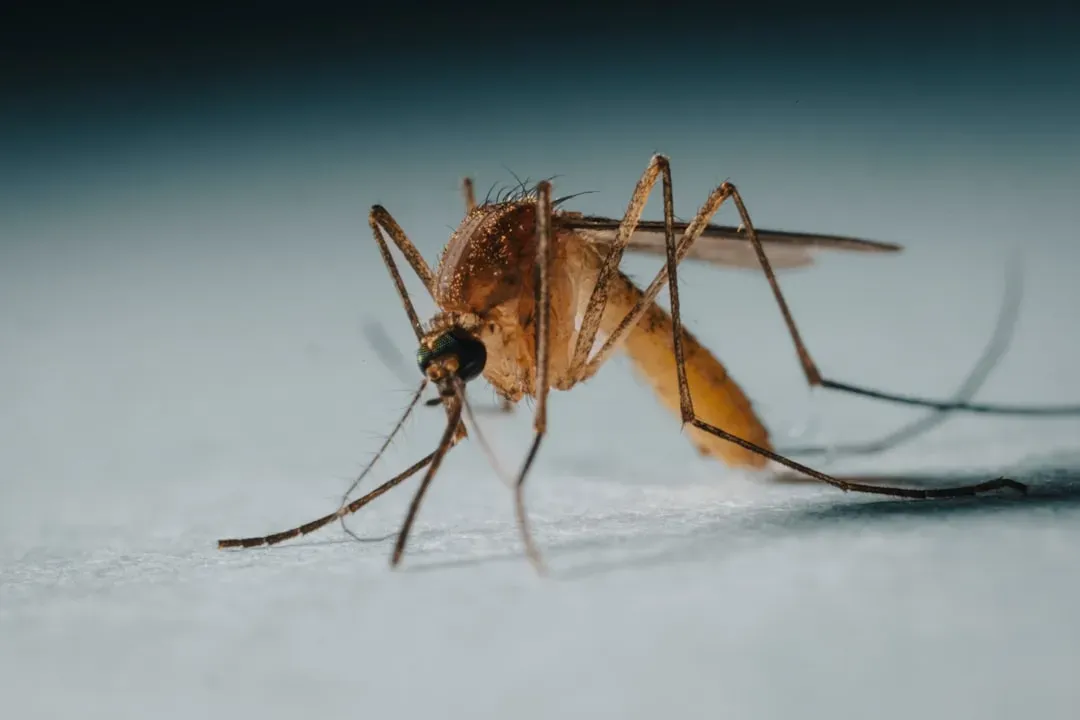
For the sixth year running, Los Angeles has claimed the title of the worst city for mosquitoes in America, followed closely by Chicago and New York. That consistency is striking. It’s not a one-off bad year driven by unusual weather. It’s a pattern.
The rankings are based on the number of new residential mosquito treatments performed by Orkin between March 18, 2025 and March 18, 2026. In other words, these numbers reflect real demand from real homeowners calling pest control – not just trap counts or theoretical models. The scale of the problem is showing up in people’s wallets.
How Los Angeles Dethroned Atlanta
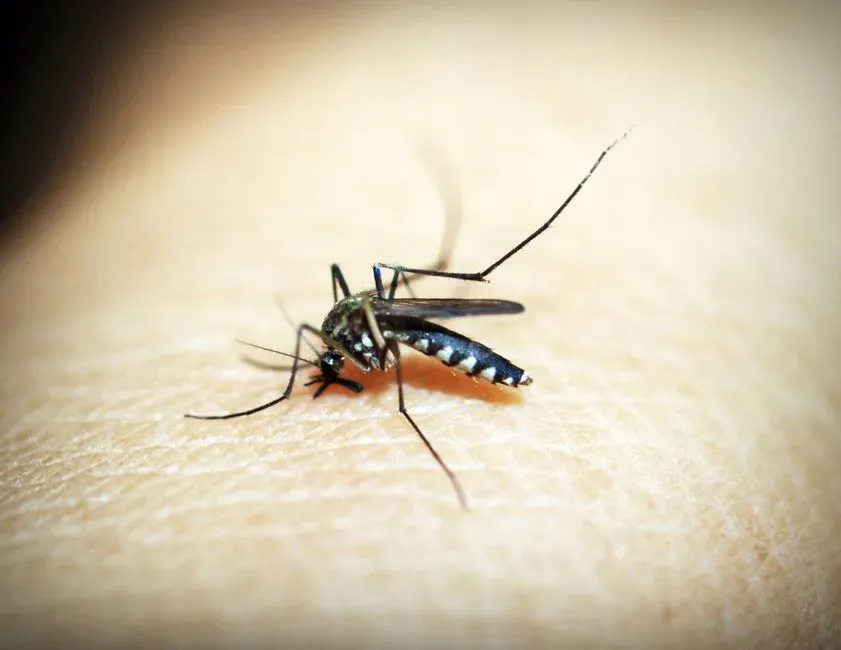
According to Orkin’s 2026 Mosquito Cities List, the geographic landscape of mosquito activity has dramatically shifted. A decade ago, Atlanta sat firmly atop the list, leading the nation in mosquito pressure for six consecutive years. The Southeast long dominated these rankings, and that was no surprise given the heat, humidity, and rainfall common across that region.
This shows that these pests are no longer just a problem for the humid Southeast; they are thriving in every corner of the country. Los Angeles’s climb wasn’t a fluke. It reflects something broader happening across the country – a shift in where mosquitoes can now survive and for how long each year.
An Invasive Species That Arrived and Never Left
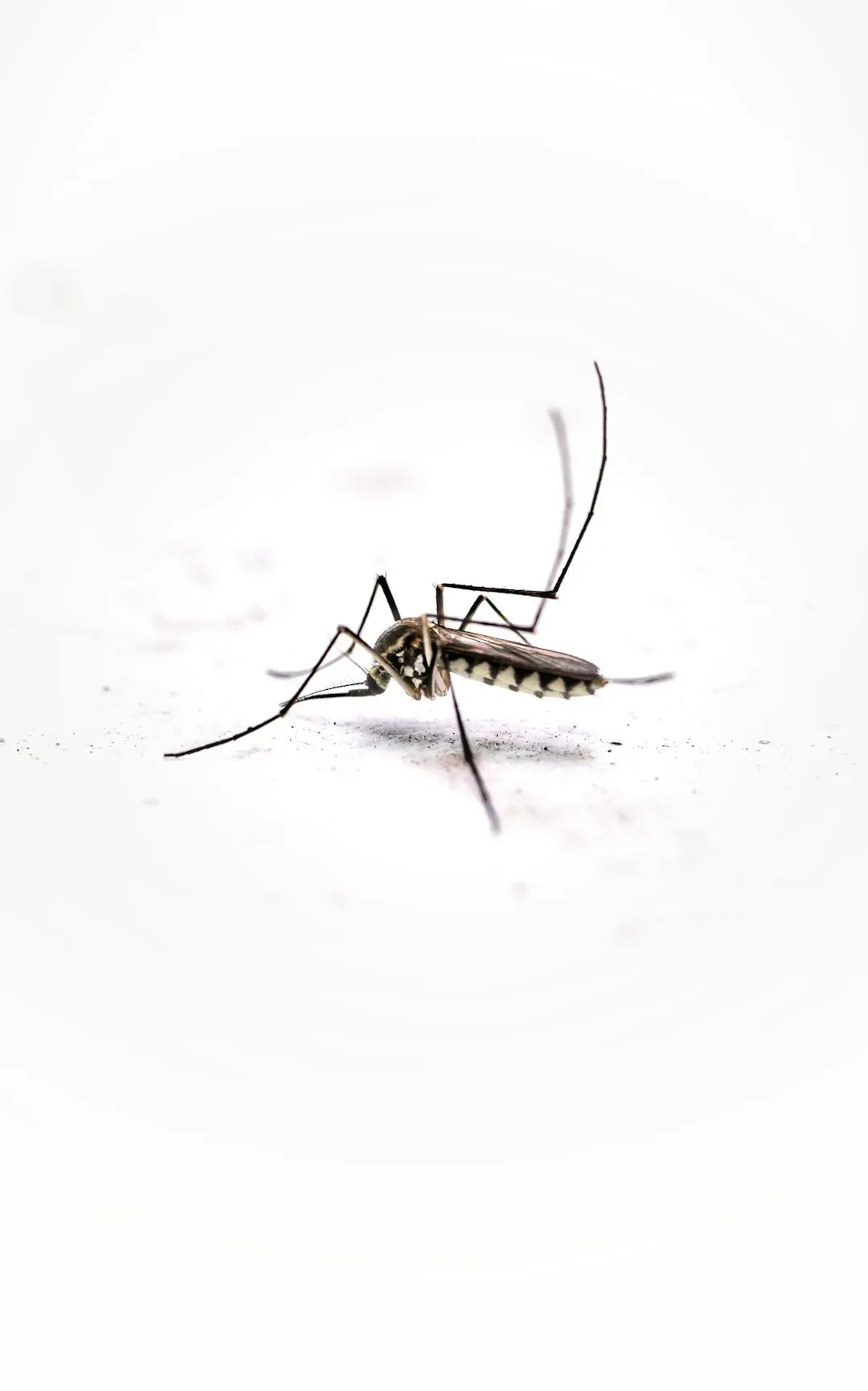
The mosquito Aedes aegypti, a key vector for arboviruses including dengue, Zika, and chikungunya, was first detected in California in 2013 and has since expanded northward. Before that, this particular species was essentially unknown in the state. Its arrival triggered a slow-burning public health problem that researchers and vector control workers are still working to contain.
Aedes aegypti mosquitoes have spread into Southern California in the past decade, likely introduced from the U.S. Southeast. The new mosquitoes gained a foothold in the region since the early 2010s and were likely introduced from the Southeastern United States, where they are also invasive, and have since spread all across Los Angeles County. Today, they are essentially everywhere in the metro area.
These Mosquitoes Behave Differently – and More Aggressively
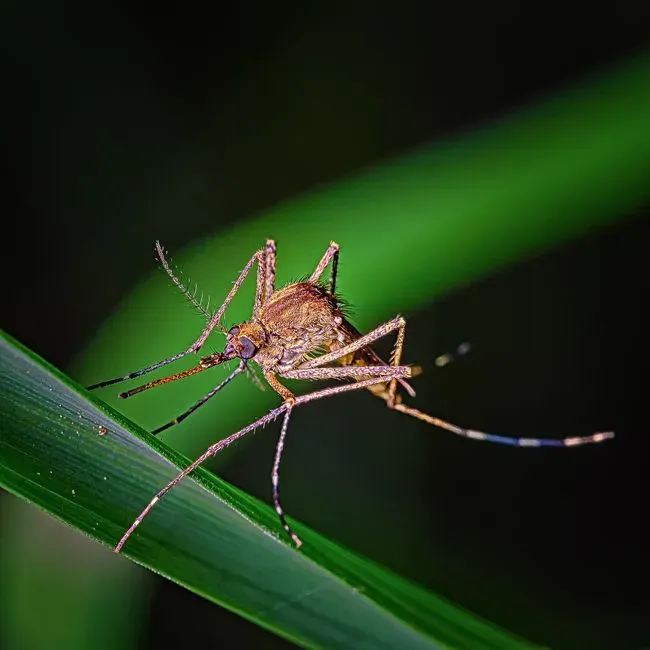
Female Aedes mosquitoes bite during the day, and even a small number of mosquitoes can become an extreme nuisance. That daytime behavior is a significant departure from California’s native mosquito species, which tend to be most active at dawn and dusk. It means there is essentially no safe window to be outdoors without some level of exposure.
Invasive mosquitoes also differ behaviorally from native mosquitoes. They’re more aggressive. The native Culex mosquitoes will “bite to get its meal and then just leave,” sating themselves with a single blood meal from a single person. The Aedes mosquito does no such thing. They flit from person to person, snacking – and it almost seems like “they just bite for fun.” That behavior has real consequences for disease transmission.
Dengue Fever in Los Angeles: A New and Unsettling Reality
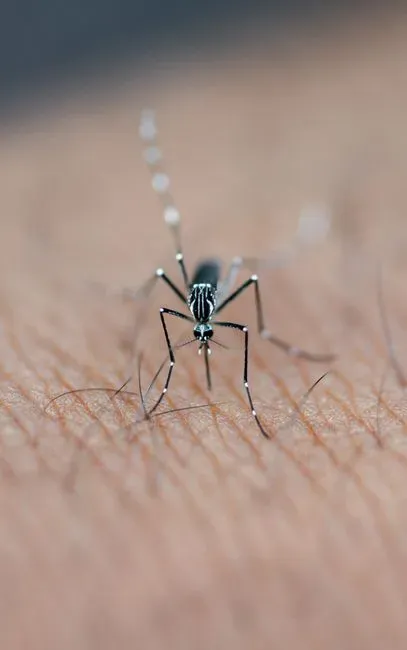
Unlike California’s native mosquitoes, Aedes aegypti are capable of spreading dengue fever, a disease common in the tropics but still rare in most of the United States. Last year was the first time the disease spread locally in Southern California. That was a watershed moment for public health officials in the region.
Public Health’s first confirmed case of locally acquired dengue was reported September 9, 2024. During the 2024 mosquito season, LA County saw an emergence of locally acquired dengue, reporting a total of 14 cases, which is extremely rare for a region where the virus had not previously been transmitted by mosquitoes. Los Angeles County also reported its first case of locally acquired dengue for the 2025 mosquito season in a resident of the San Gabriel Valley. The disease is no longer just something people catch abroad.
West Nile Virus Is Already Endemic to the City
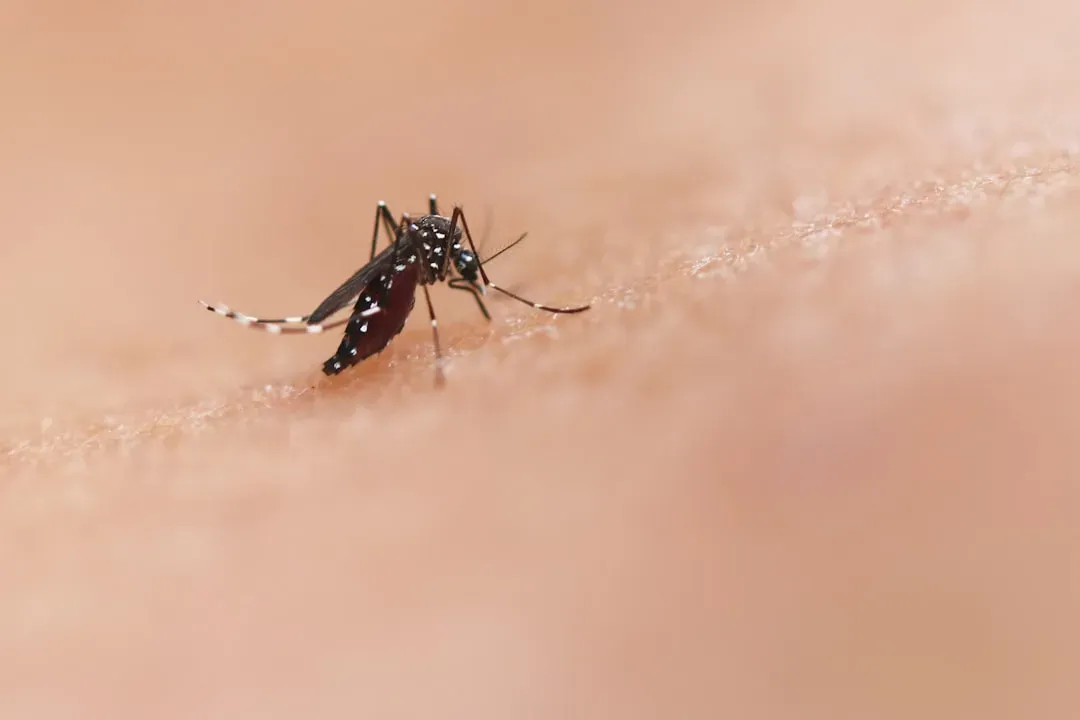
West Nile Virus is the most common mosquito-borne disease that affects residents in Los Angeles County. Public health agencies detect West Nile virus every year in L.A. County, which means it’s endemic and found naturally in city environments. That word – endemic – matters. It means the virus isn’t visiting. It lives there.
West Nile virus is the most common and serious vector-borne disease in California. There have been more than 8,000 human cases and over 400 deaths reported in California since 2003. The Los Angeles County Department of Public Health confirmed the first local death due to West Nile virus for the 2025 mosquito season. The person, a resident of San Fernando Valley, was hospitalized and died from neurological illness caused by severe West Nile virus. These are not abstract statistics.
Climate Change Is Lengthening the Season
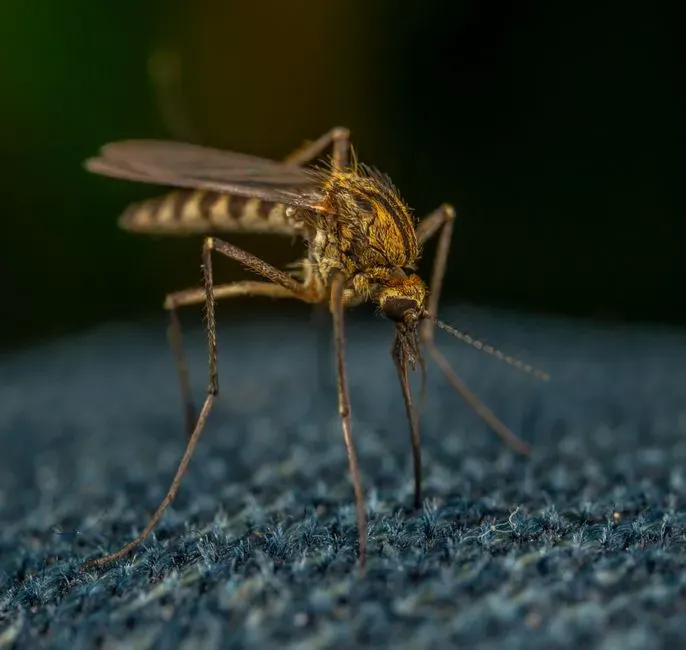
California’s weather is warming because of human-caused climate change, lengthening the season in which mosquitoes can survive and breed. Now, the species can theoretically survive nearly as far north as the Oregon border. What was once a roughly seasonal nuisance is becoming something closer to a year-round concern across a much larger portion of the state.
Warmer temperatures also affect how viruses survive and thrive inside the insects. “If it’s warmer for a longer part of the year, then the mosquitoes are active longer.” The implications compound: longer activity windows mean more chances for transmission, more residential treatments needed, and more pressure on local vector control districts already stretched thin.
The Mosquito Problem Is Spreading Beyond Traditional Hotspots
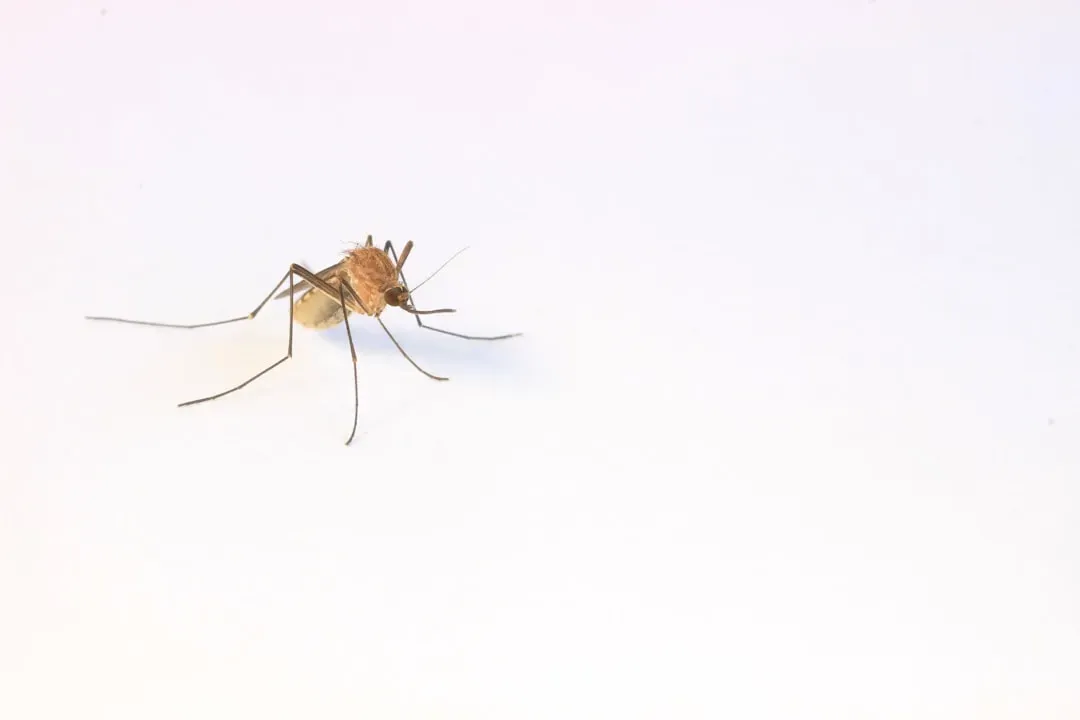
Data reveals that mosquito populations are expanding rapidly into unexpected regions. The Midwest, in particular, is experiencing a surge in activity due to changing climate conditions and the expanding range of the invasive yellow fever mosquito. Cities that never had significant mosquito pressure before are now appearing on national rankings for the first time.
Minneapolis climbed six spots to number 13, while Milwaukee jumped an astonishing 15 spots to rank number 23. The list also welcomed first-time entries like Traverse City, Michigan and Springfield, Illinois, highlighting how the threat is moving into areas not traditionally known for heavy mosquito pressure. Los Angeles was simply the first big city to feel this shift most acutely.
Why L.A.’s Urban Landscape Makes Things Worse
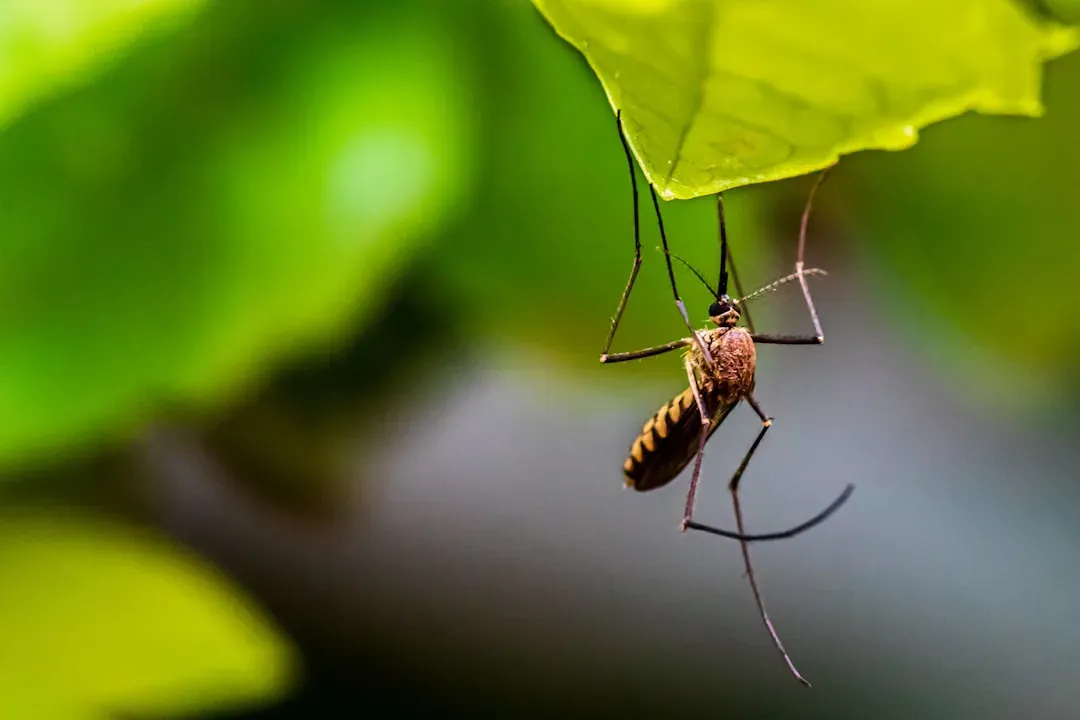
In the United States, two mosquito groups are responsible for most activity in urban areas: Aedes and Culex. Both adapt well to city environments where small water sources, such as gutters, containers, and storm drains, create ideal breeding spots. Los Angeles, with its sprawling residential neighborhoods and tens of millions of outdoor containers, flowerpots, and birdbaths, offers an almost unlimited number of breeding opportunities.
These mosquitoes only live near people and will use any small container that holds water, both indoors and outdoors, to lay eggs. They can replicate in tiny amounts of water – just a capful of water can house hundreds of mosquito eggs. In a dense metro area of roughly ten million people, that translates into an almost unmanageable number of potential breeding sites scattered across millions of properties.
What Residents and Officials Are Actually Doing About It
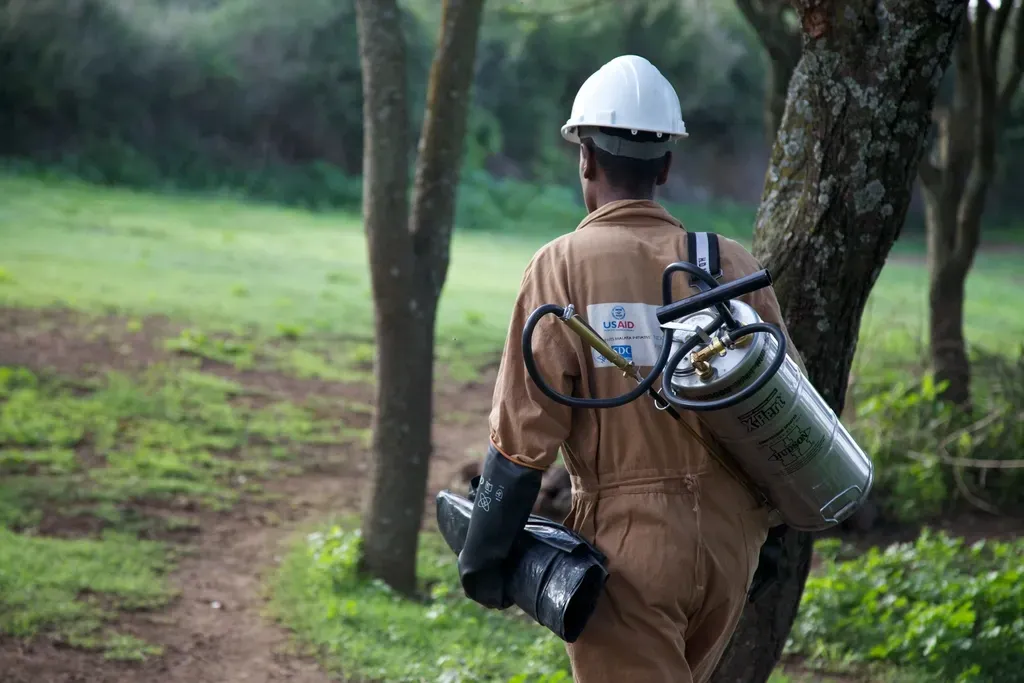
In California, surveillance and control of mosquitoes and mosquito-borne diseases is a collaborative effort involving vector-control agencies, local health departments, the California Department of Public Health, and the University of California, Davis Center for Vectorborne Diseases. That coordination is more intense in Los Angeles County than perhaps anywhere else in the country, given the scale of the problem.
Simple steps like removing standing water, cleaning gutters, trimming vegetation, and maintaining outdoor areas can help limit breeding sites in places where mosquitoes are most common. For many L.A. residents, these habits have quietly become part of the weekly routine – the same way people check for brush fire risk or know to keep earthquake supplies handy. The mosquito problem isn’t going away, and the city is learning, imperfectly and incrementally, to live with it.

Leave a Reply