
1. Roofing damage and aging shingles
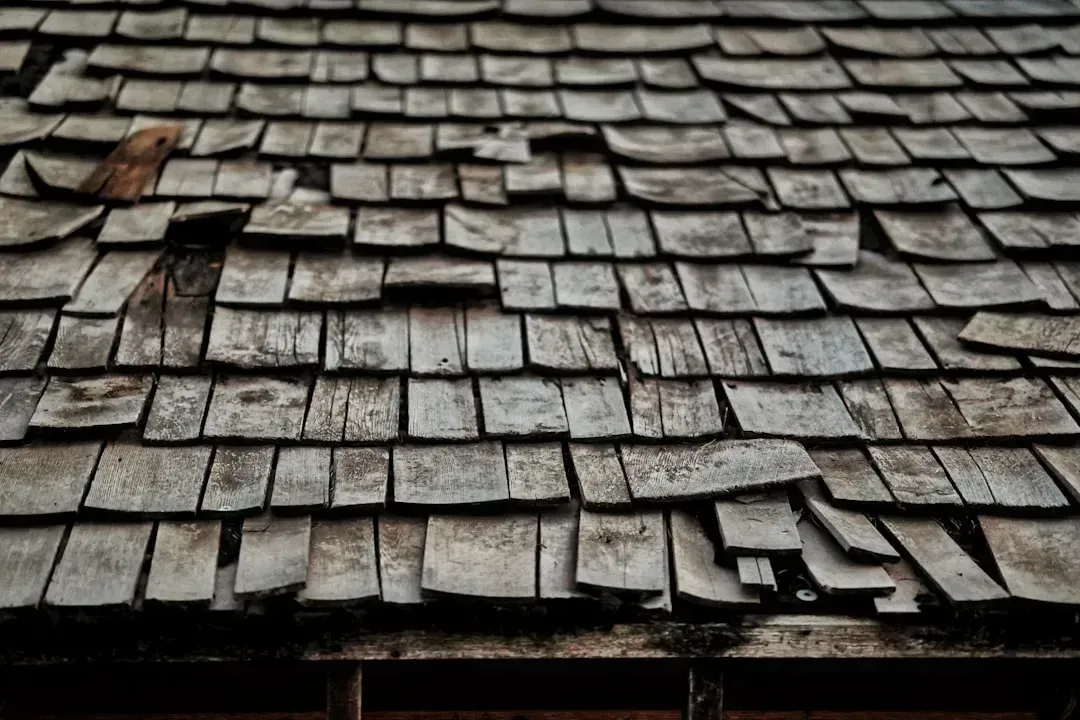
Roofs top almost every list inspectors compile, and the numbers back that up. The most common problems associated with inspections are related to the roof, electrical, and windows, with roof issues showing up in about one in five inspections. That tracks with what many inspectors report anecdotally as the single most frequent flag on their reports.
The damage ranges from cosmetic to serious. The roof is one of the most vital components of a home, yet it often has hidden issues, and inspectors commonly find missing or damaged shingles, leaks, poor drainage, and structural weaknesses. Because roofing repairs sit near the top of the cost list for home repairs, buyers often use roof findings as a starting point for negotiation.
2. Outdated or unsafe electrical panels
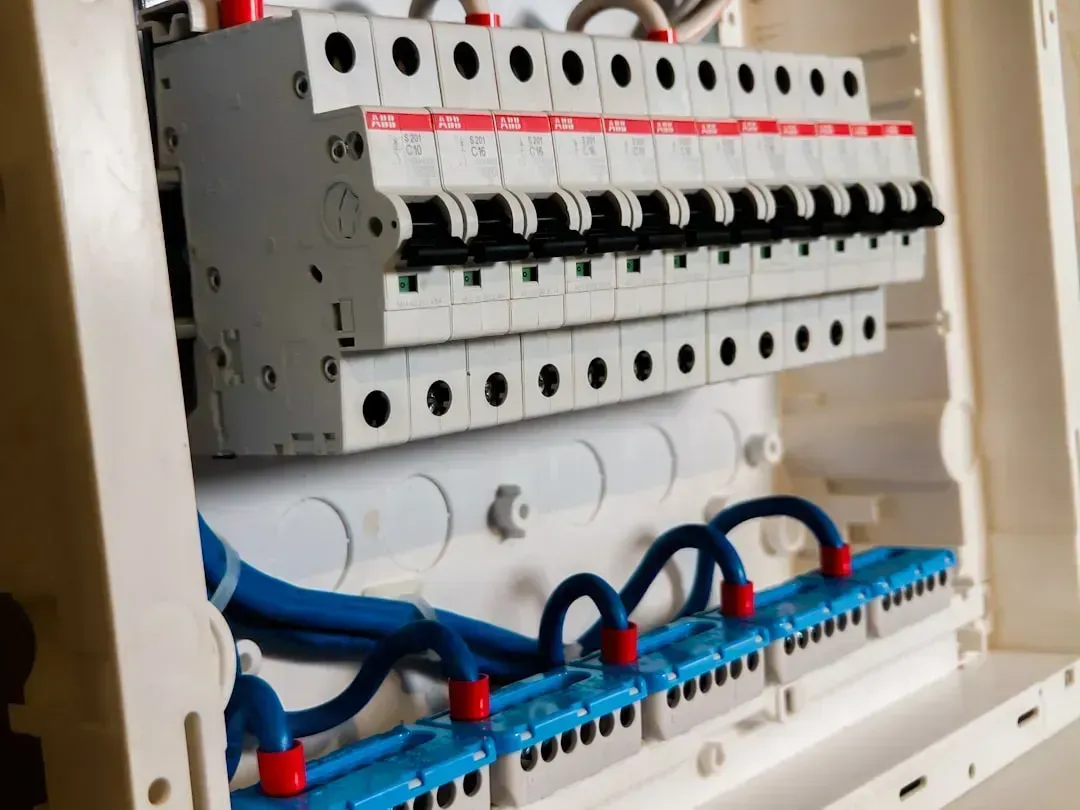
Electrical issues are less visible than a sagging roofline, but they’re arguably more dangerous. Minor electrical problems are found in sixty to seventy percent of inspections, including missing GFCI outlets, improper wiring, outdated panels, or grounding issues. That’s a strikingly high share for something most homeowners never think about until an inspector points a flashlight at the breaker box.
Older homes carry extra risk here. Outdated or overloaded electrical panels pose a safety risk and may not meet modern power needs, and inspectors check amperage, condition, and code compliance, since some older panels and brands like Federal Pacific Electric or Zinsco are fire hazards. Fixing this isn’t cheap either, with panel replacements commonly running $800 to $4,000, though costs can rise if major rewiring or code updates are needed.
3. Faulty or amateur wiring throughout the house
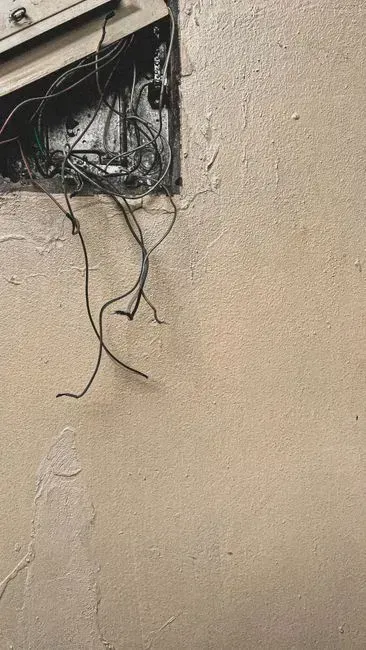
Beyond the panel itself, inspectors routinely find wiring problems scattered through walls, attics, and crawlspaces. Electrical wiring is a vital detail for inspectors to review, since approximately 51,000 house fires start each year as a result of improper wiring, and common issues include reversed polarity, frayed insulation, DIY wiring, over-fusing, and mismatched wiring. Much of this traces back to well-meaning homeowners who tackled electrical work themselves without pulling permits.
Reverse polarity outlets and improvised splices don’t always announce themselves with sparks or smoke. They sit quietly until someone plugs in the wrong appliance at the wrong time. Licensed electricians are almost always the right call once an inspector flags this category, since the fixes involve code compliance that a general handyman shouldn’t touch.
4. Foundation cracks and structural movement
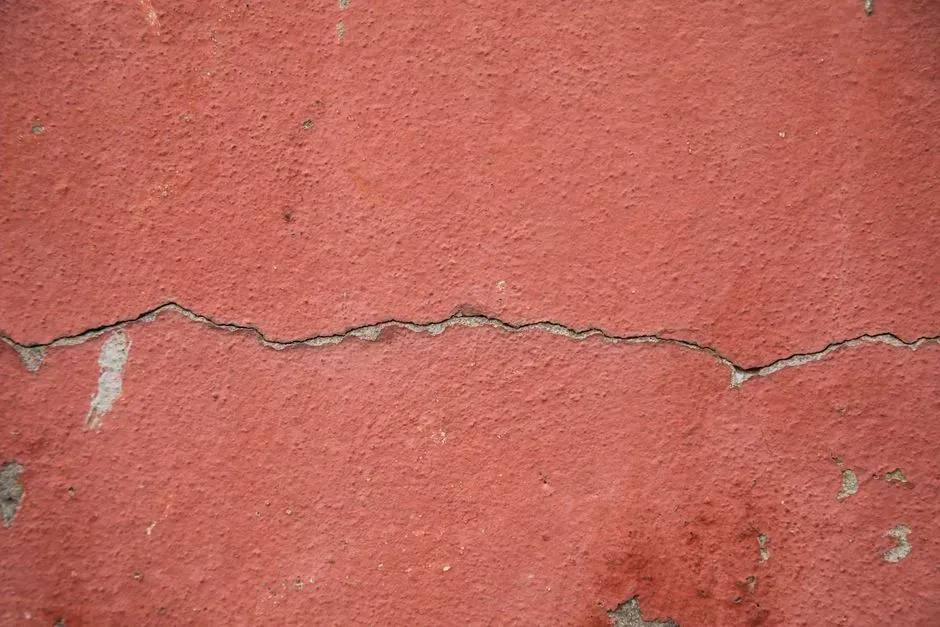
Nothing rattles a buyer quite like the word “foundation” appearing in bold on an inspection report. Inspectors look for large cracks in walls or ceilings, sloping or uneven floors, sticking doors or windows, bowing or bulging foundation walls, and gaps between floors and baseboards. Any one of these on its own might mean nothing, but a cluster of them usually points to real settling.
The financial stakes can be significant. In 2025, foundation repair costs an average of $5,165 but can range between $2,218 and $8,111. Severe cases are less common than people fear, though inspectors say it’s worth taking seriously since severe structural issues are rare but worth checking for since they can be financially devastating.
5. Plumbing leaks and aging pipe materials
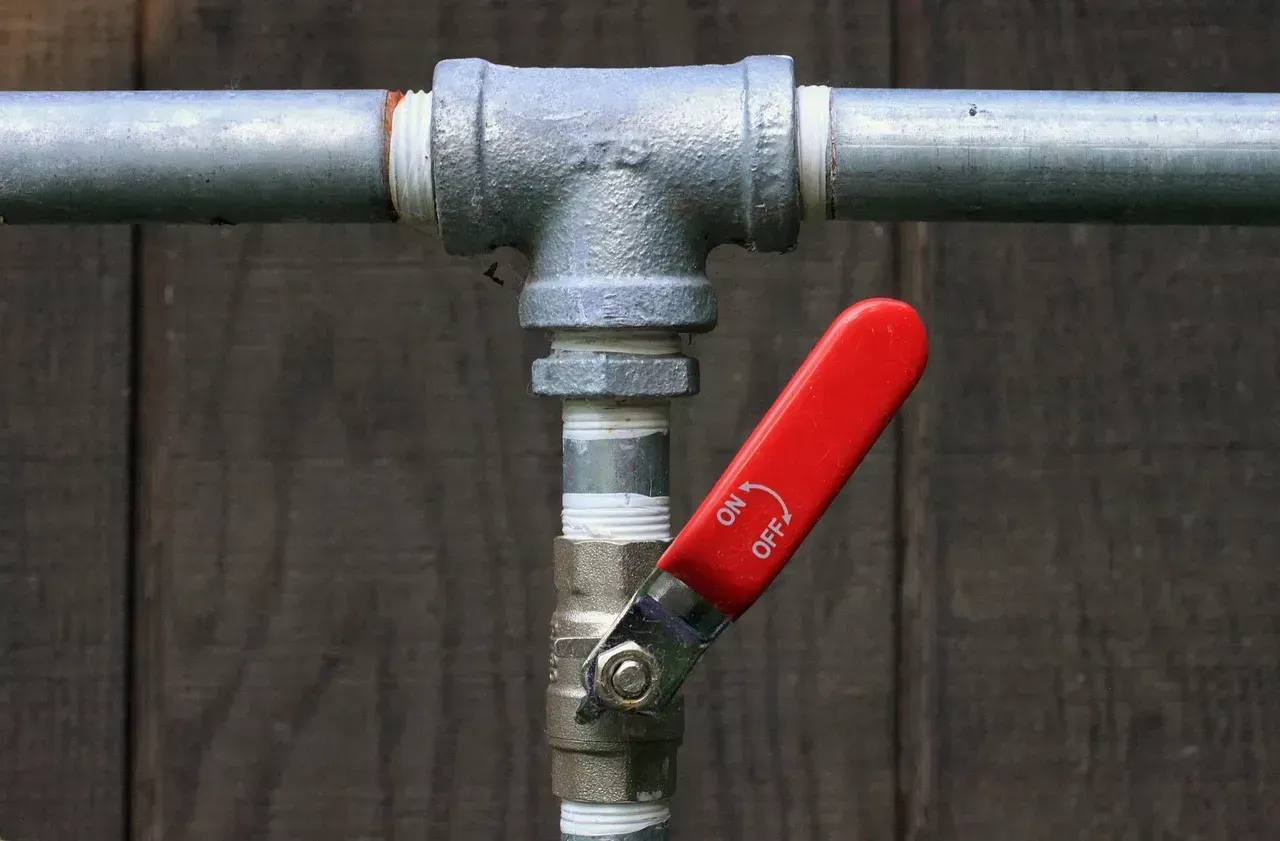
Plumbing rarely grabs headlines the way electrical or foundation problems do, but it shows up constantly in reports. More than 13 percent of home inspections find issues with plumbing, and inspectors spend extra time on these systems because of their complexity, since plumbing failures can set homeowners back thousands of dollars. Older neighborhoods bring their own specific headache, too.
Galvanized pipe is a recurring theme in older housing stock. Inspectors often find plumbing issues like leaks under sinks, corroded pipes, and water heater problems, and in homes built decades ago, galvanized pipes may need replacement. These systems corrode from the inside out, meaning the pipe can look fine externally while barely functioning internally.
6. Poor drainage and grading around the foundation
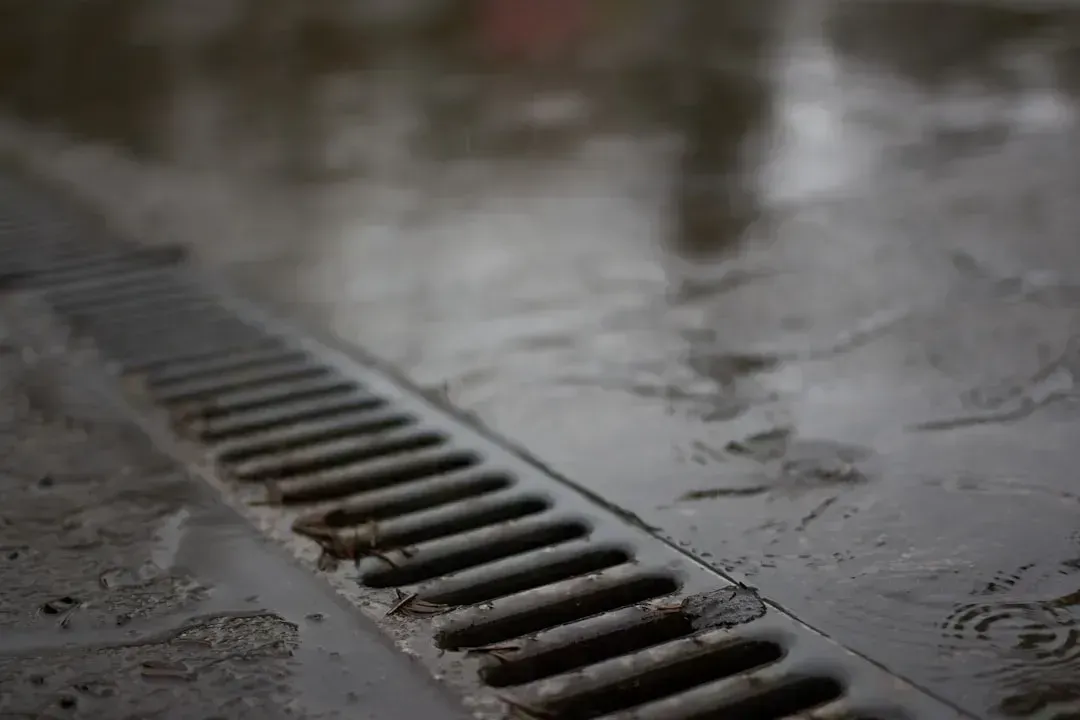
Water management around a house sounds like a minor landscaping detail, but inspectors treat it as one of the more consequential findings on a walkthrough. Drainage issues usually go unnoticed until an inspector’s report flags them, and poor drainage usually happens because of poor grading, which becomes a severe problem when rain is frequent, since water collecting around the foundation can compromise the home’s structure and, if unaddressed, even contribute to collapse.
This is one of those slow-burn issues. A homeowner might live with it for years without realizing the ground around their house is quietly funneling water toward the foundation instead of away from it. Regrading a yard or extending downspouts is a relatively inexpensive fix compared to the foundation repair that follows if it’s ignored.
7. Moisture, ventilation gaps, and mold risk

In wetter climates especially, moisture control becomes one of the most repeated findings inspectors mention. Damp climates make moisture a recurring concern, and inspectors often find poor ventilation in bathrooms, crawlspaces, and attics, which can lead to mold, mildew, and wood rot. The problem compounds itself, since trapped moisture breeds the exact conditions that let mold spread further.
Inspectors treat mold findings with particular seriousness. Mold is a severe health hazard, and if an inspector finds it, buyers generally need to address it before proceeding with the sale. Fixing ventilation early, whether through better attic vents or bathroom exhaust fans, tends to be far cheaper than dealing with mold remediation after the fact.
8. HVAC systems nearing the end of their lifespan
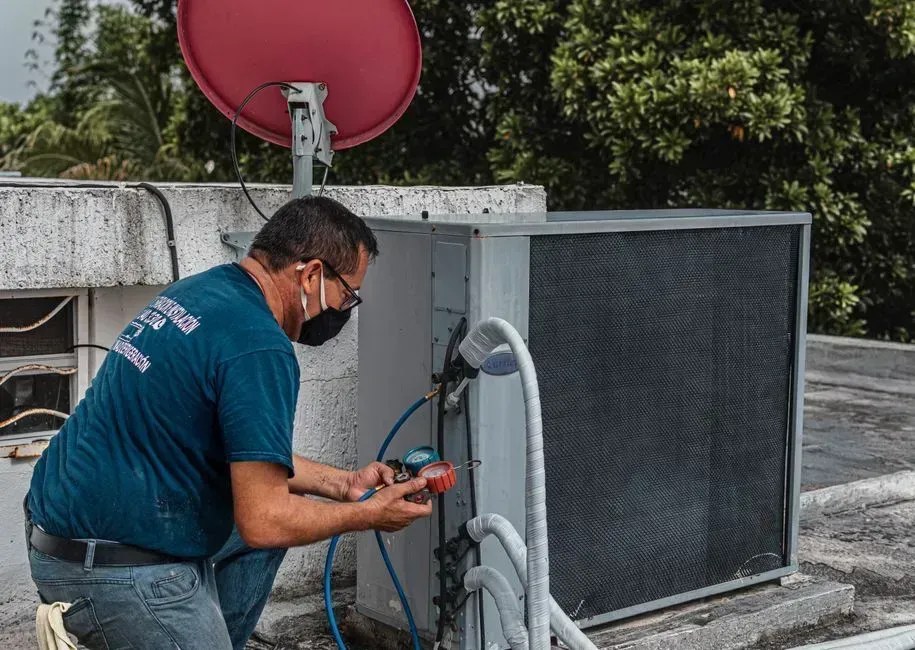
Heating and cooling systems are expensive to replace, which is exactly why inspectors pay close attention to their age and condition. The HVAC system is one of the most important systems in a home, keeping it comfortable year-round no matter the season, which is why it must be in good working condition. A system that’s still running doesn’t necessarily mean it’s running well or efficiently.
Many reports flag units that are technically functional but clearly on borrowed time. Inspectors commonly note a water heater near end of life, a roof past 20 years, an HVAC system that no longer cools to spec, and a main electrical panel that is undersized for how the home is actually used as the kind of aging-system findings that repeat across nearly every report they write. These aren’t emergencies, but they’re the sort of line items buyers use to negotiate credits toward future replacement costs.
9. Pest damage and wood-destroying insects
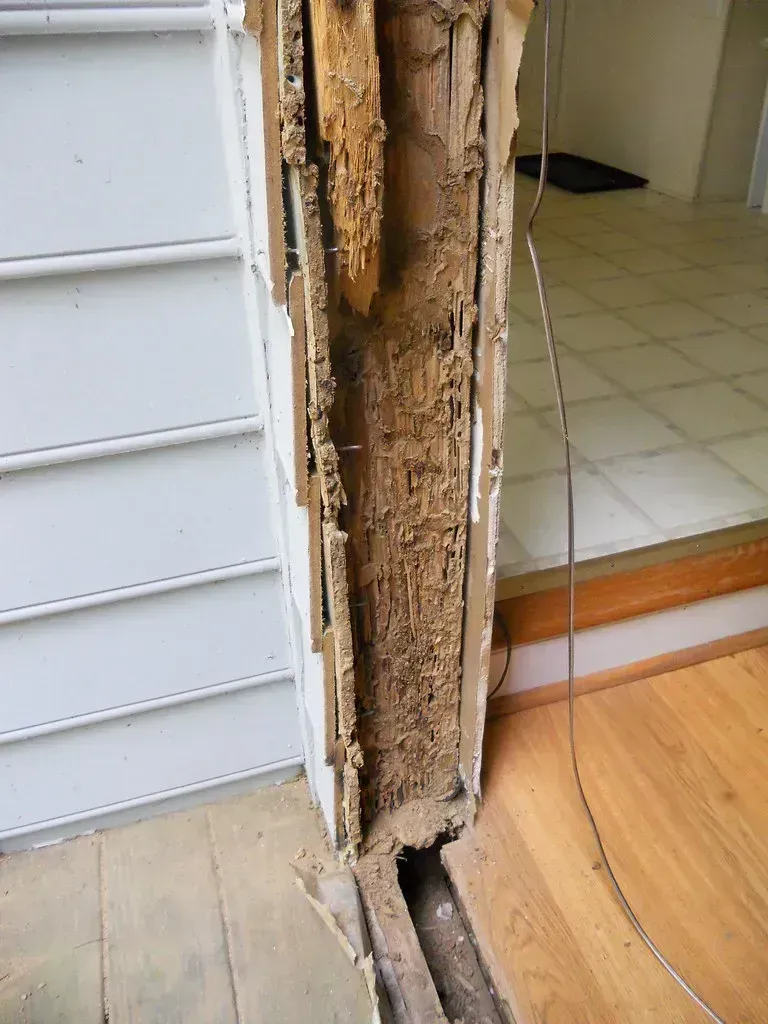
Termites and other wood-destroying pests don’t always announce themselves until real damage has already occurred. Pests like termites, ants, and rodents can cause various problems in a home, from damaging the structure to adversely affecting health, and some pests are even capable of starting fires, making infestations important to address as soon as they’re noticed. Because this damage often hides inside walls or under flooring, a general home inspector will frequently recommend a specialized pest inspection alongside the standard report.
The tricky part is that termite damage can look cosmetic at first glance, a little soft wood here, a slightly hollow sound there. By the time it’s obvious to an untrained eye, the structural cost of repair has usually grown considerably. This is one category where paying for a specialist’s second opinion tends to be worth the extra fee.
Taken together, these nine categories explain why the vast majority of home inspections turn up at least one issue worth discussing. Roofs, electrical systems, plumbing, and moisture control account for most of what fills a typical report, while foundation and pest problems tend to be rarer but carry higher stakes when they appear. None of this means walking away from a house is automatic. It means going in with a clear sense of what usually turns up, and treating the inspection report as a negotiating tool rather than a verdict.



Leave a Reply