
Most of us pick a dog by looks or temperament, yet nearly every breed started as a practical answer to a farm, forest or village problem. The shape of a muzzle, the thickness of a coat and the way a dog watches you often trace back to a specific task.
Japan, Germany and Britain produced an especially wide range of working dogs, from mountain hunters to sheep herders to ratters. Here are nine of them, and the jobs that shaped them.
Akita: Big Game Hunter and Guardian
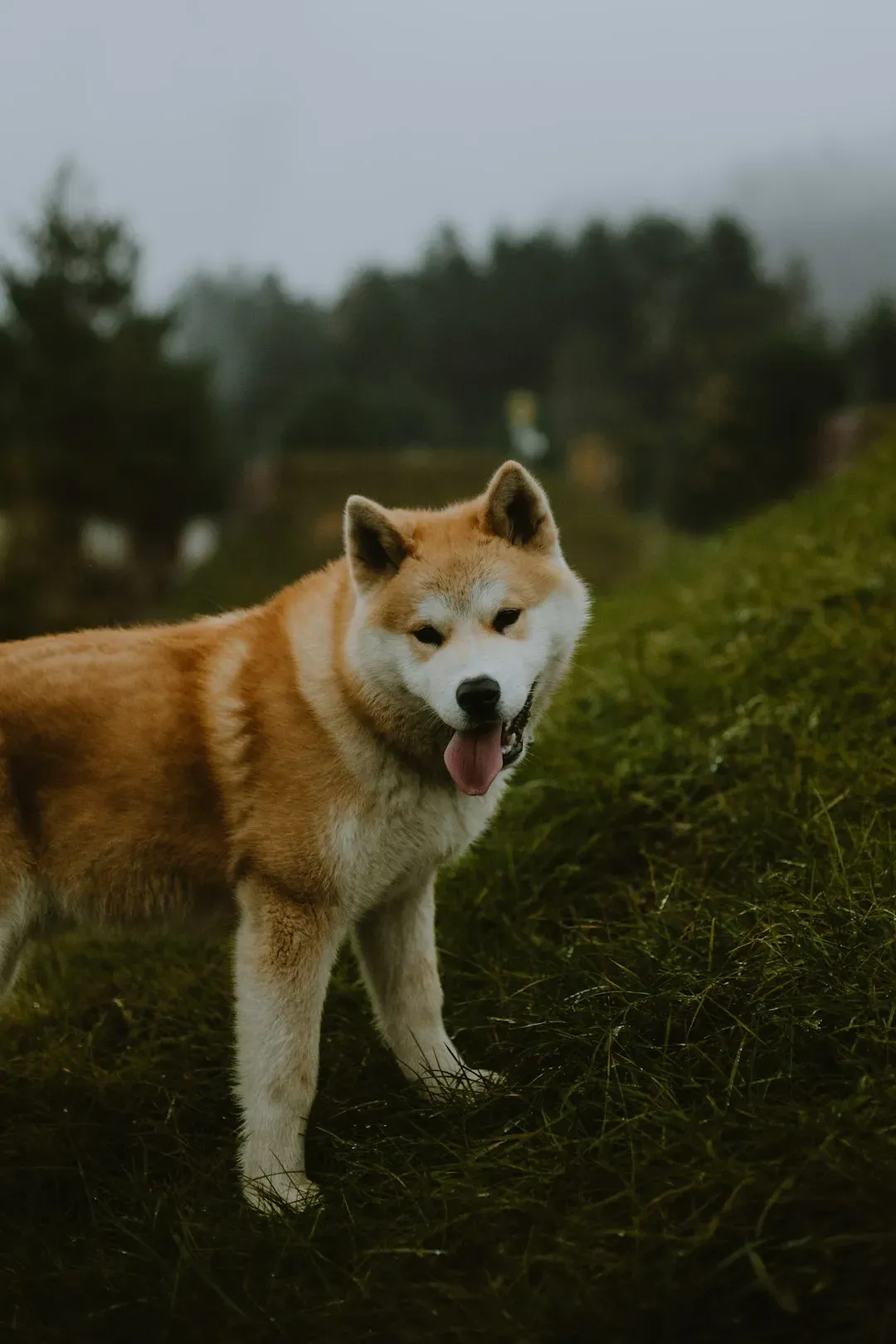
The Akita comes from the snowy northern mountains of Japan, in the Akita region of Honshu. It was developed to track and hold large game such as bear, boar and deer, work that demanded courage and strength.
Over time the breed also became a guardian and a symbol of good fortune in Japanese culture. Today’s Akita is large, dignified and often reserved with strangers, traits that fit its watchful past.
Shiba Inu: Small Game Flusher in Rough Country
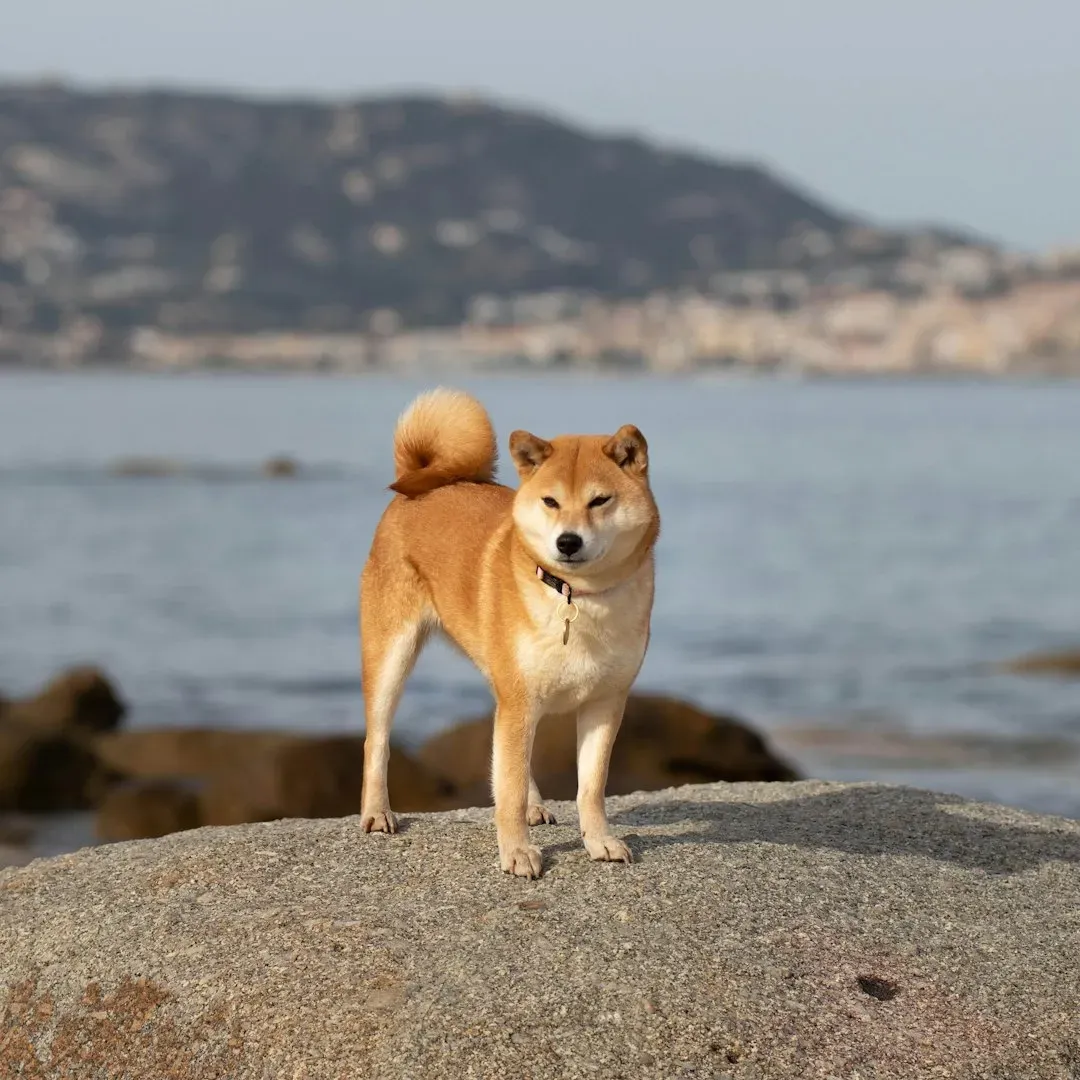
The Shiba Inu is the smallest of Japan’s native spitz type breeds. It was used to hunt small game and birds in mountainous terrain, where agility and quick reflexes mattered more than size.
That hunting heritage still shows up in its alert, independent nature. Owners often describe a dog that is clean, spirited and a bit stubborn, which makes sense for an animal bred to work without constant direction.
Kai Ken: Mountain Boar and Deer Hunter
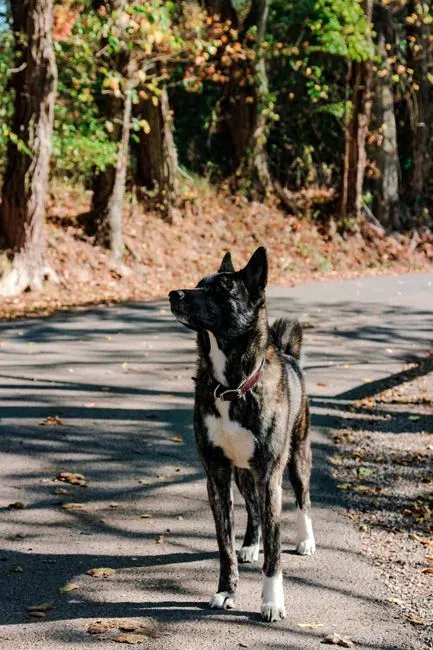
The Kai Ken is a rare medium sized dog from the mountains of Yamanashi Prefecture, once called Kai. It was kept for hunting deer and wild boar, and is known for its brindle coat.
It is considered a natural monument in Japan, which reflects how highly the breed is valued at home. Outside Japan it remains uncommon, and it’s still prized for its loyalty and steady hunting instinct.
German Shepherd: Herder and Flock Guardian
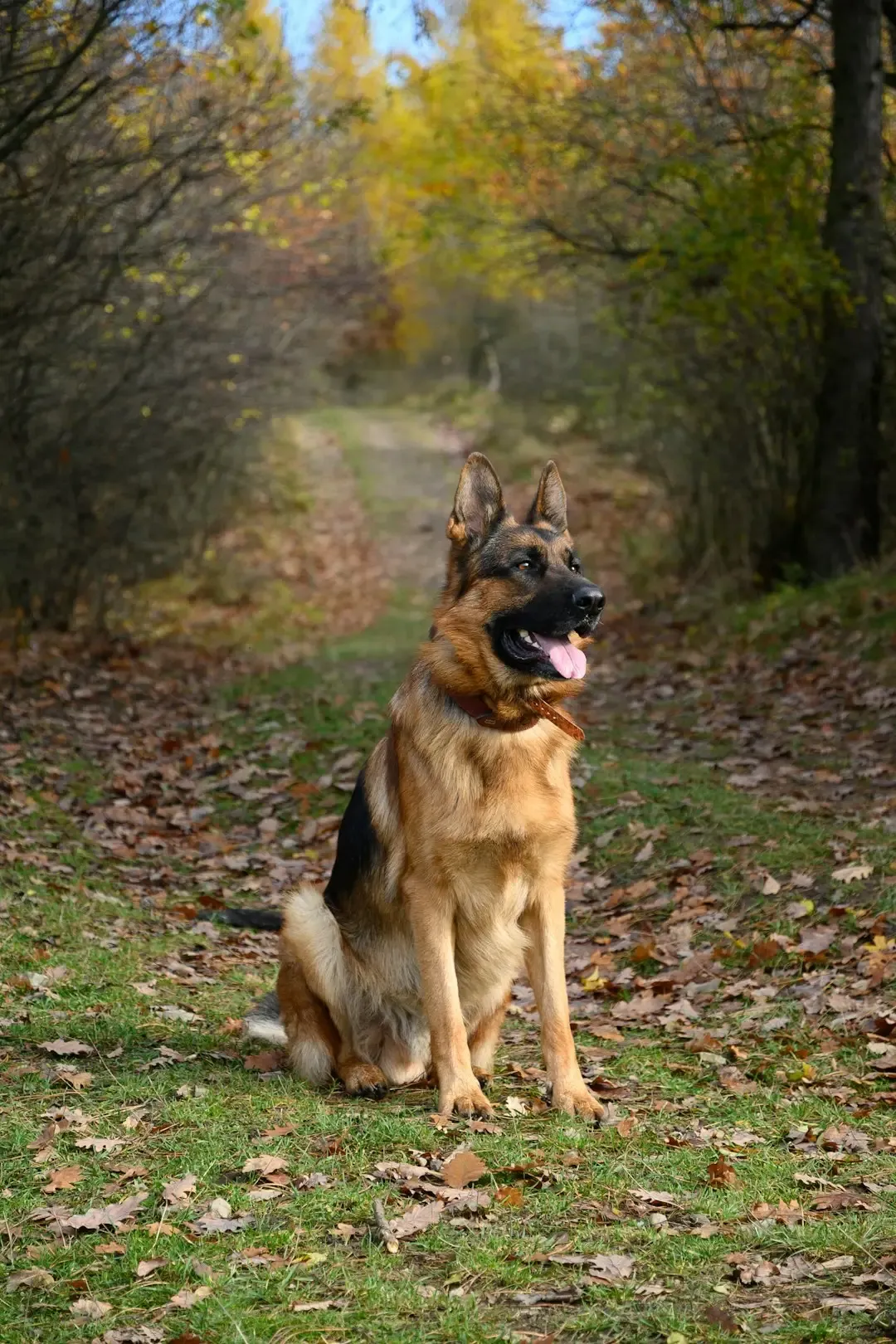
The German Shepherd was developed in Germany in the late nineteenth century, largely under the guidance of Captain Max von Stephanitz. The goal was a versatile herding dog that could control flocks and keep them away from crops.
Its intelligence and trainability soon led to police, military and service roles around the world. That adaptability explains why the breed is still such a common sight in working jobs today.
Rottweiler: Cattle Driver and Butcher’s Companion
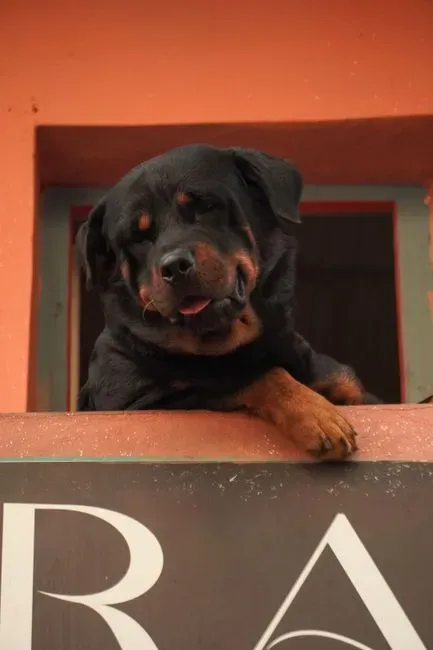
The Rottweiler takes its name from the German town of Rottweil. Its ancestors drove cattle to market and guarded the money butchers carried home, work that called for power and calm confidence.
When railways replaced cattle drives, the breed nearly lost its purpose. It found new work in police and guard duties, and its protective nature remains a defining feature.
Dachshund: Badger Hunter Underground
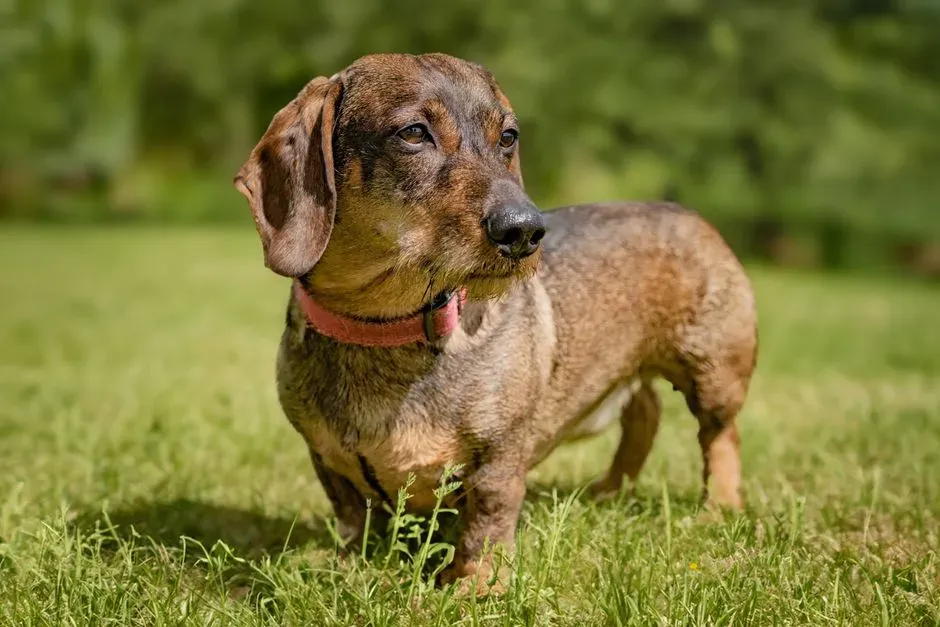
The Dachshund’s name means badger dog in German, and its body was built for exactly that. Long, low and sturdy, it was bred to follow badgers into their burrows.
Smaller versions were also used to hunt rabbits and other small quarry. The bold, determined personality is a reminder that this short legged dog was meant to face an animal much larger than itself.
Border Collie: Britain’s Sheepdog Specialist
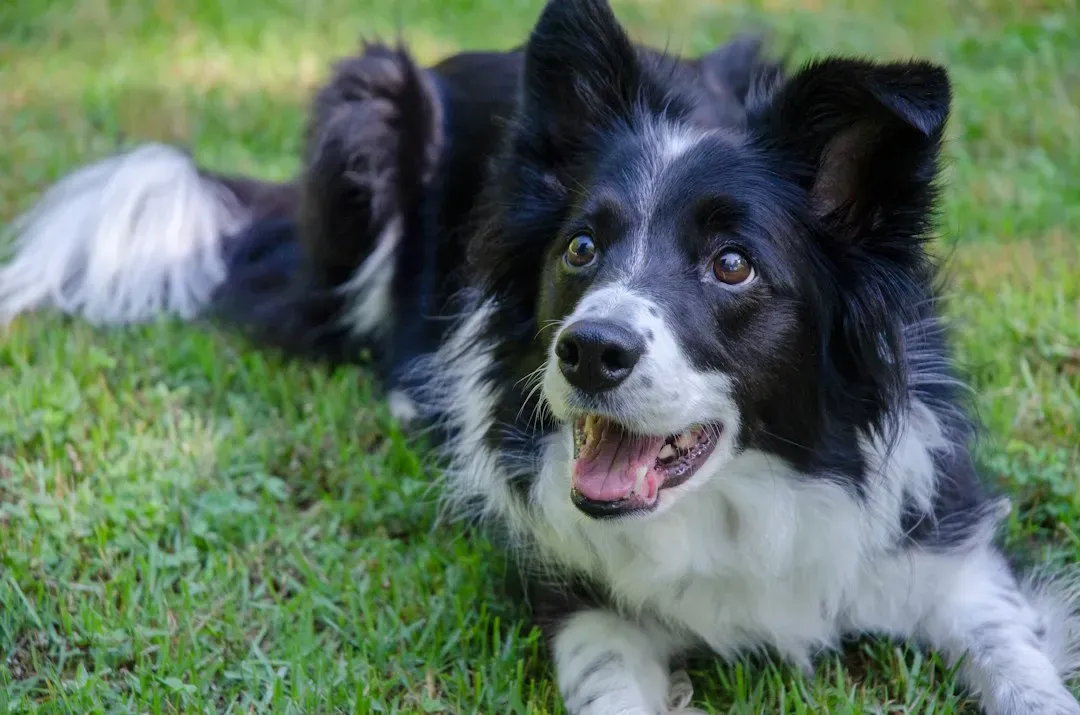
The Border Collie was developed in the border country between England and Scotland to manage sheep on hilly farmland. It controls livestock using focus and body language, often the famous stare known as eye.
The breed is widely regarded as one of the most trainable dogs. That drive to work means it does best with a job, whether that’s herding, agility or another demanding activity.
Jack Russell Terrier: Fox Bolter and Ratter
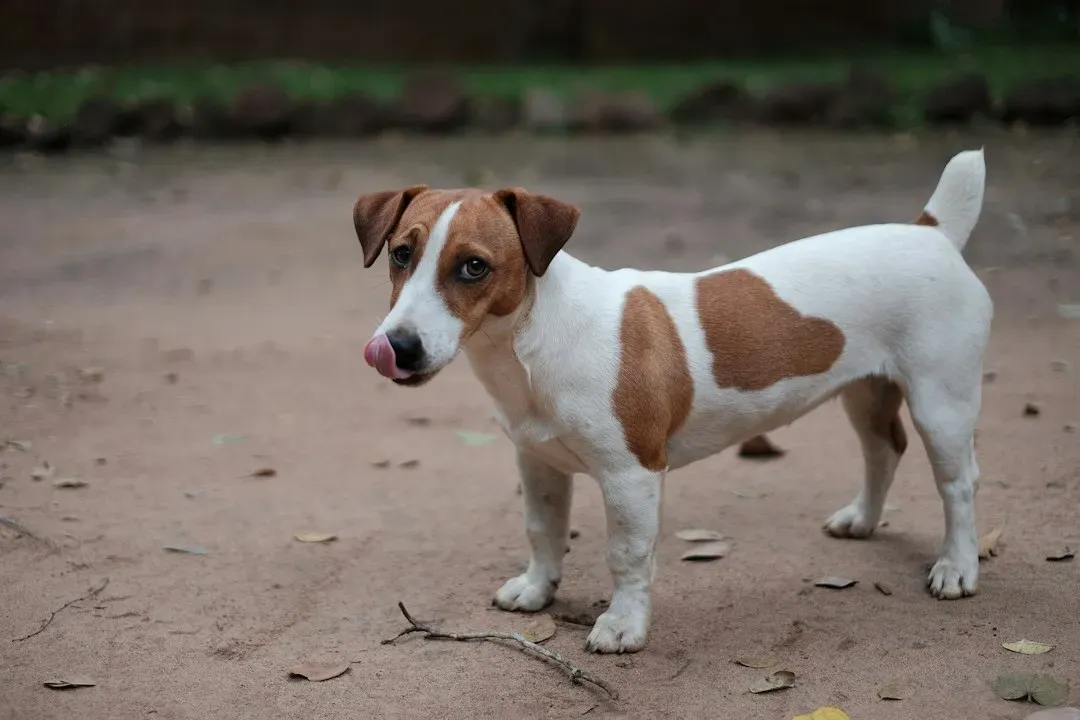
The Jack Russell Terrier is named for Reverend John Russell, a nineteenth century English clergyman who bred terriers for fox hunting. The dogs were meant to follow foxes into dens and drive them out.
The same fearless energy made them useful on farms for controlling vermin. Small but tireless, they still need plenty of activity to stay content.
English Springer Spaniel: Game Flusher for the Gun
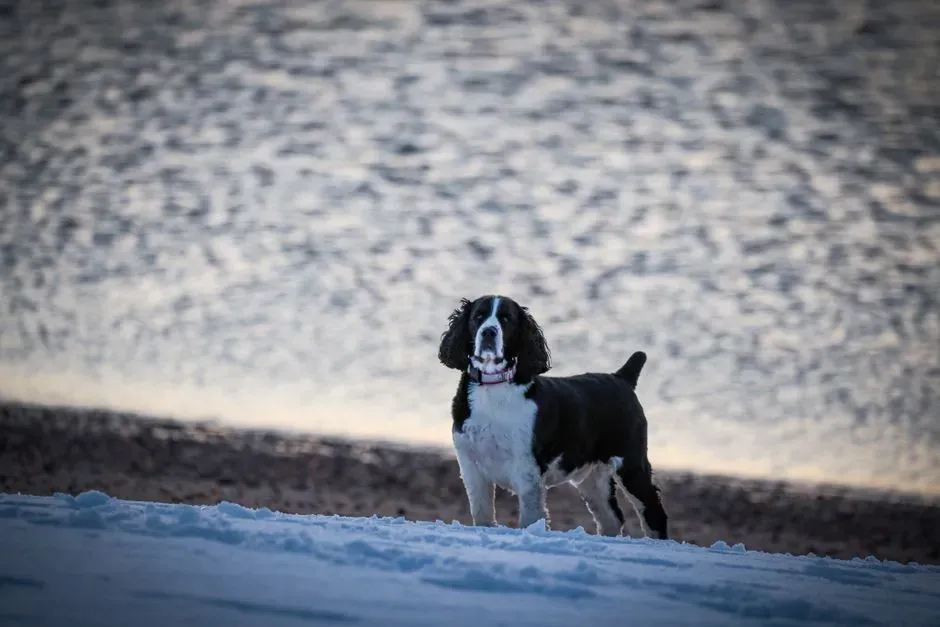
The English Springer Spaniel was bred in Britain to flush, or spring, game birds from cover so hunters could shoot them. It was also trained to retrieve, making it a flexible partner in the field.
Its friendly, eager nature suits families as well as hunters. Many Springers now work as detection dogs, a role that draws on the same keen nose that once located game in thick brush.




Leave a Reply