
Europe is one of the easiest places for Americans to travel with confidence. Fourteen of the 20 most peaceful countries in the world are in Europe, according to the Global Peace Index. That index, run by the Institute for Economics and Peace, scores each country using 23 factors, including political stability, violent crime, militarization, and internal conflict.
Feeling safe is personal, and no ranking captures pickpockets or a bad night out. Still, peace rankings and U.S. State Department advisories give a reasonable picture. Below are nine countries that score well.
Iceland
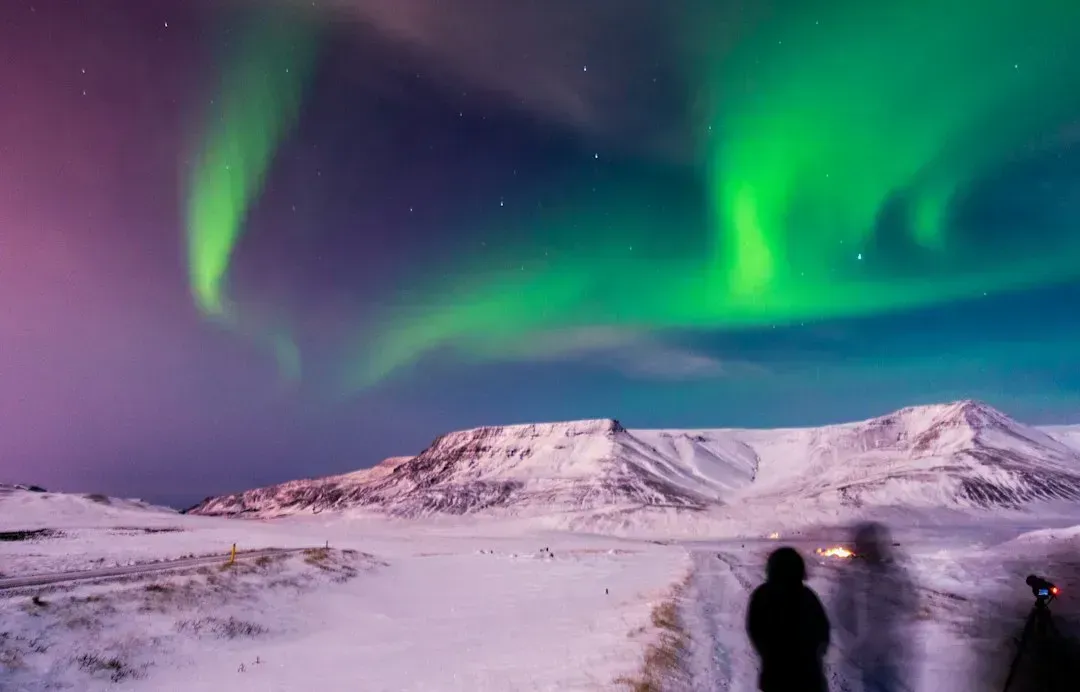
Iceland is the clearest example of a calm destination. It remains the most peaceful country in the world, a position it has held since 2008. The ranking reflects low violent crime, few demonstrations, minimal conflict, and deep trust in public institutions.
It’s also unusual in its defense posture. Iceland has no military, which makes it the only NATO member without one. For visitors, the practical result is a place where nighttime walks in Reykjavik feel ordinary. The real hazards are weather and rugged terrain, not people.
Ireland

Ireland sits just behind Iceland. It ranked second in the 2025 Global Peace Index and is the second most peaceful country in Europe. The index credits relatively low levels of serious violent crime and strong internal stability.
Neutrality plays a part too. Ireland isn’t a NATO member and has kept a policy of military neutrality since World War II. Americans often add the shared language and a friendly reputation as reasons Ireland feels easy. Petty theft in busy Dublin areas still happens, so normal city habits apply.
Austria

Austria ranked fourth in the 2025 index. Its position rests partly on low violent crime, long-standing political neutrality, and public systems that locals trust. It remains a top-tier peaceful nation, though it slipped one place in 2025.
Vienna is the best test case, since capitals tend to bring more crime. Serious crime is uncommon there, and in 2024 the most common offenses were property-related. In practice, that means watching your bag on crowded trams and at Christmas markets, not worrying about personal safety.
Switzerland
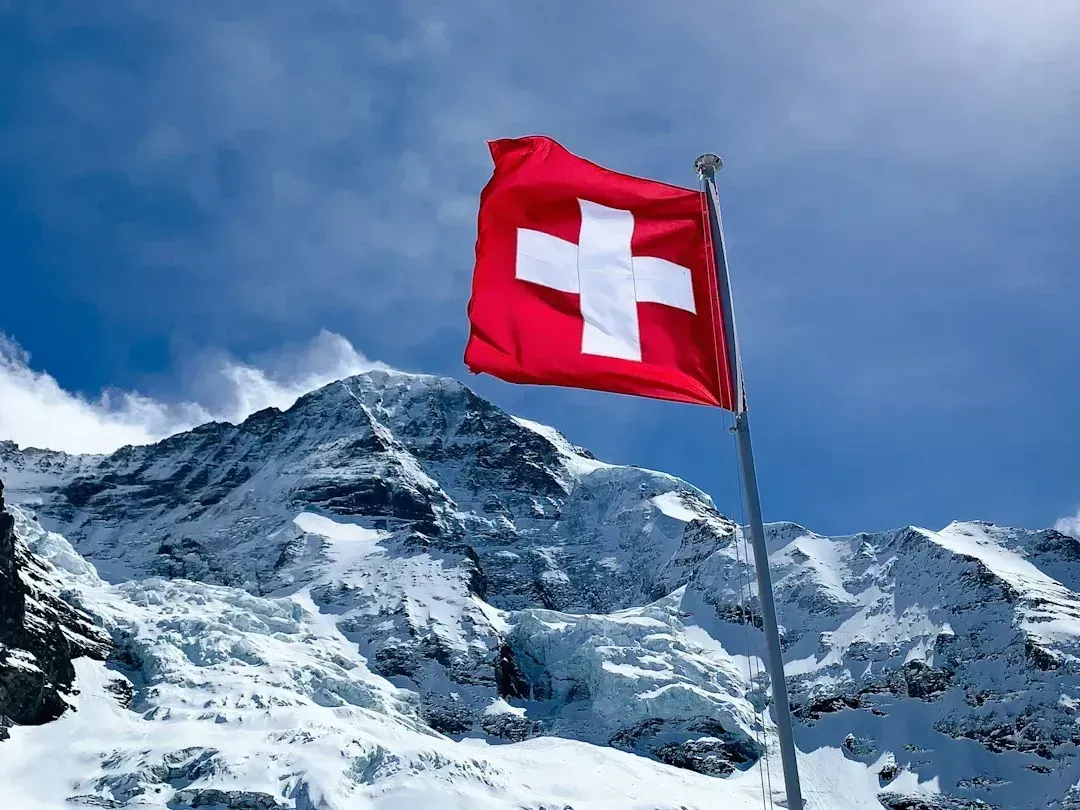
Switzerland is another predictable entry. It tied with Austria in the 2025 Global Peace Index, and its long-standing neutrality is a major reason. One summary describes it as having an exceptionally high degree of safety in society, superior political stability, and close to nonexistent international conflict.
For Americans, the main concern is cost rather than crime. Trains run on time and cities are orderly, though the usual advice about watching valuables near major stations still applies. It’s a good first European trip for nervous travelers.
Portugal

Portugal has become a favorite for Americans, and the data supports the comfort. It has steadily climbed back into the top ten, reflecting improvements in perceptions of criminality and political stability. Analysts link the climb to political continuity and economic recovery after a decade of strain.
Lisbon and Porto are walkable and relaxed, with violent crime rarely affecting visitors. Pickpocketing in tourist hotspots is the usual annoyance. Overall, it’s a rare case of a warm, affordable destination that also scores well on peace.
Denmark
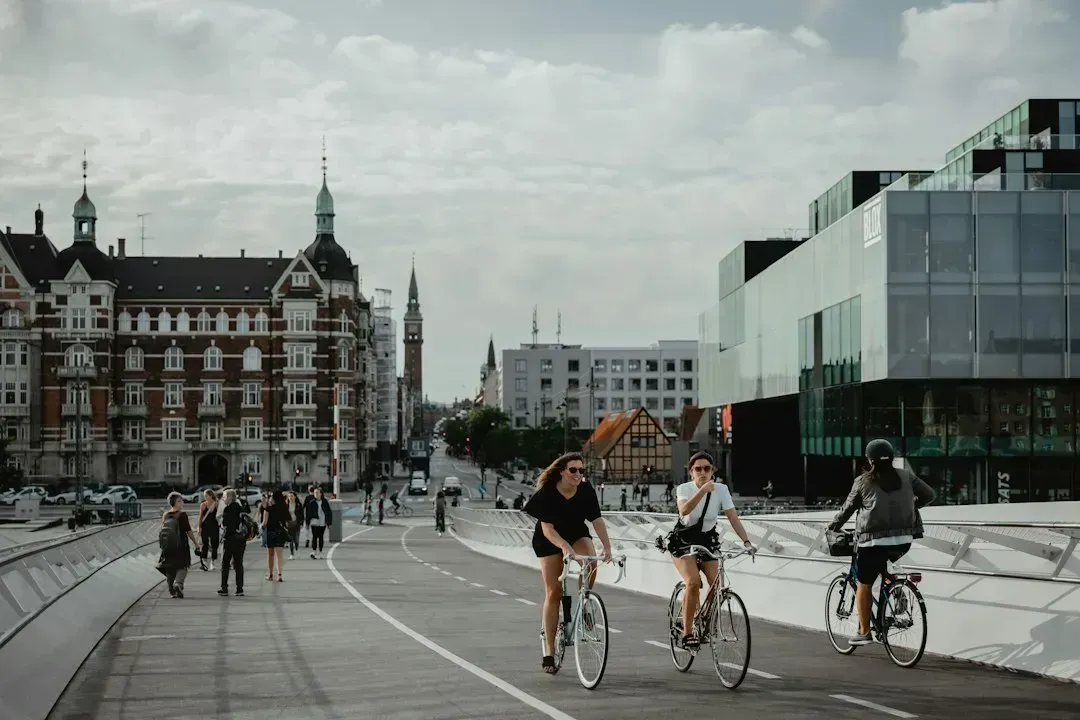
Denmark has risen steadily. It moved from 18th place in 2014 into the top 10. It’s described as a safe country to travel in, with high political stability, press freedom, and respect for human rights.
One analysis ties Denmark’s standing to institutional trust. That trust shows up in daily life, from cyclists to open public spaces in Copenhagen. As anywhere, bike theft and crowded-area pickpocketing are the realistic risks.
Slovenia

Slovenia is the surprise on many lists. It is the only country from Central and Eastern Europe to place in the top 10, making it the most peaceful nation in that region. It kept its place at ninth, benefiting from low violent crime, minimal political instability, and limited military engagement.
That makes it a good pick for Americans who want lakes and mountains without the crowds. Within a one-hour drive of Ljubljana, you can swim in the Adriatic or climb the Julian Alps. The main risks are outdoors, so mountain preparation matters more than street awareness.
Norway
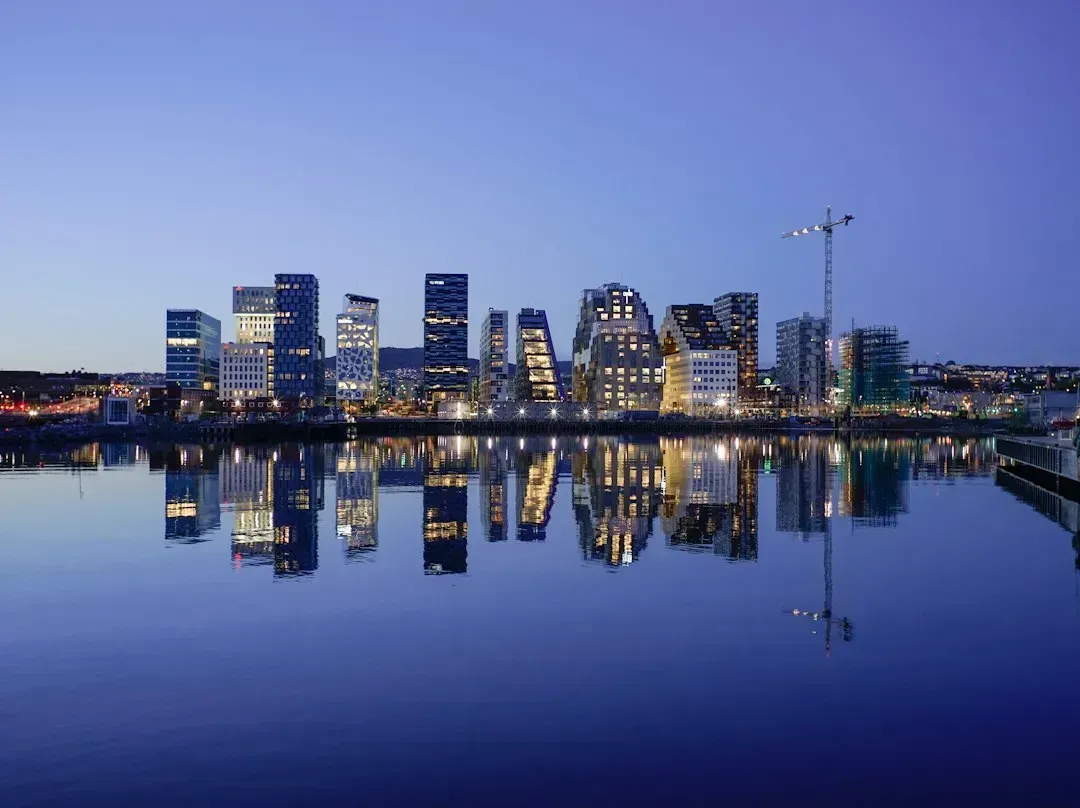
Norway has long had a reputation for safety and generally remains in the upper tier of the Global Peace Index. One 2025 analysis did flag that peace declined in France and Norway, which is a reminder that rankings shift slightly year to year. Even so, Norway remains well within the group of highly peaceful countries.
For travelers, daily life in Oslo and the fjord towns is calm, and the biggest hazards are weather and hiking. I’d treat Norway as reliably safe while noting that no rankings are permanent. Checking current advisories before any trip is a sensible habit.
Finland
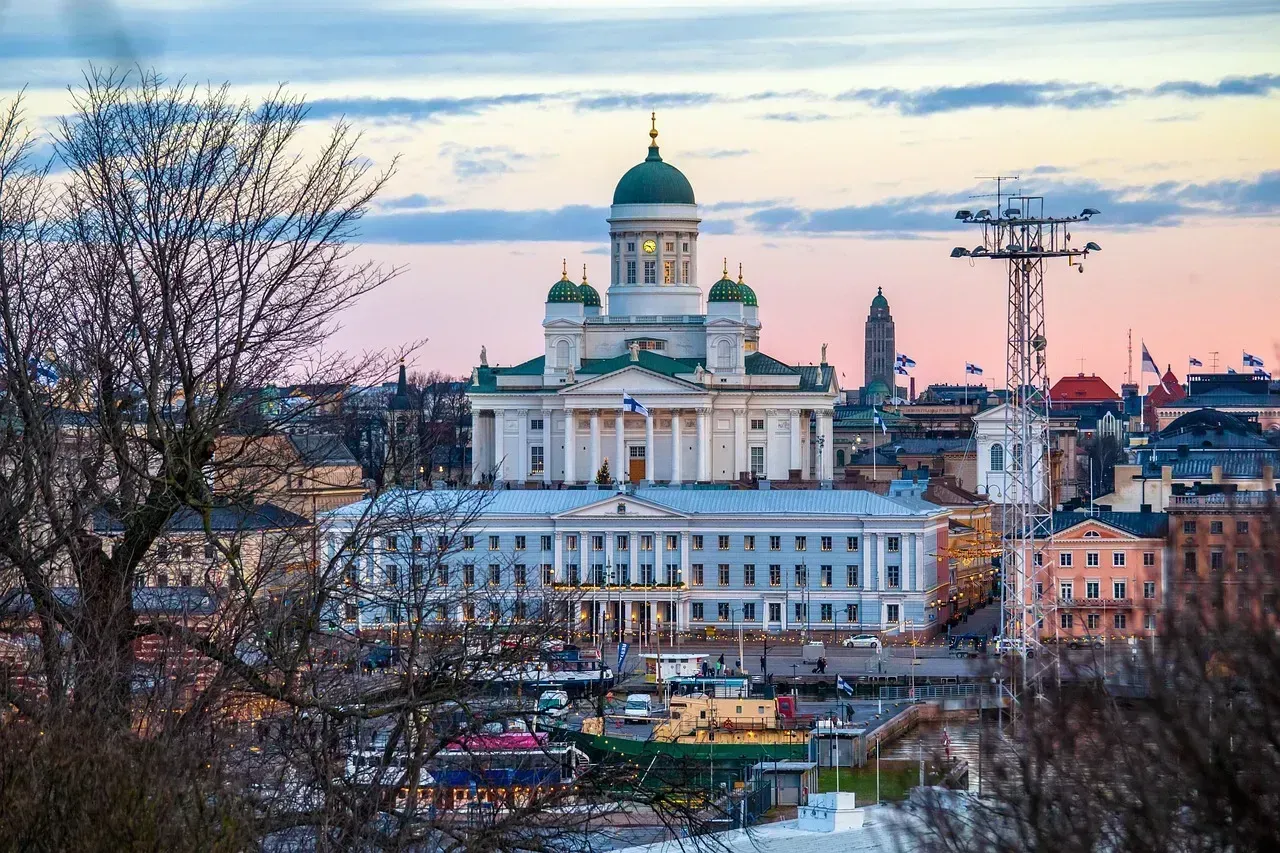
Finland is a steady presence among Europe’s most peaceful countries, and its reputation for orderly, low-crime cities is long established. Its border with Russia draws attention given the war in Ukraine, but the State Department’s most severe warnings apply to Russia itself, not to its neighbors. Visitors to Helsinki or Lapland typically find ordinary, relaxed conditions.
Because specifics change, it’s worth checking the State Department’s current Finland page before booking. Like the other Nordic countries, Finland rewards travelers with efficient transit and strong public services. Winter conditions are the more realistic concern than crime.





Leave a Reply