
Walk into most diners today and the menu still looks huge. Look closer, though, and a lot of the old standbys have quietly slipped away. Many of the dishes that once defined the counter and the booth are now hard to find.
Several recent roundups of vanished diner dishes point to the same causes: rising costs, changing tastes, and a shift toward lighter food. Here are nine classics that people still talk about, and in some cases still hunt for.
Liver and Onions
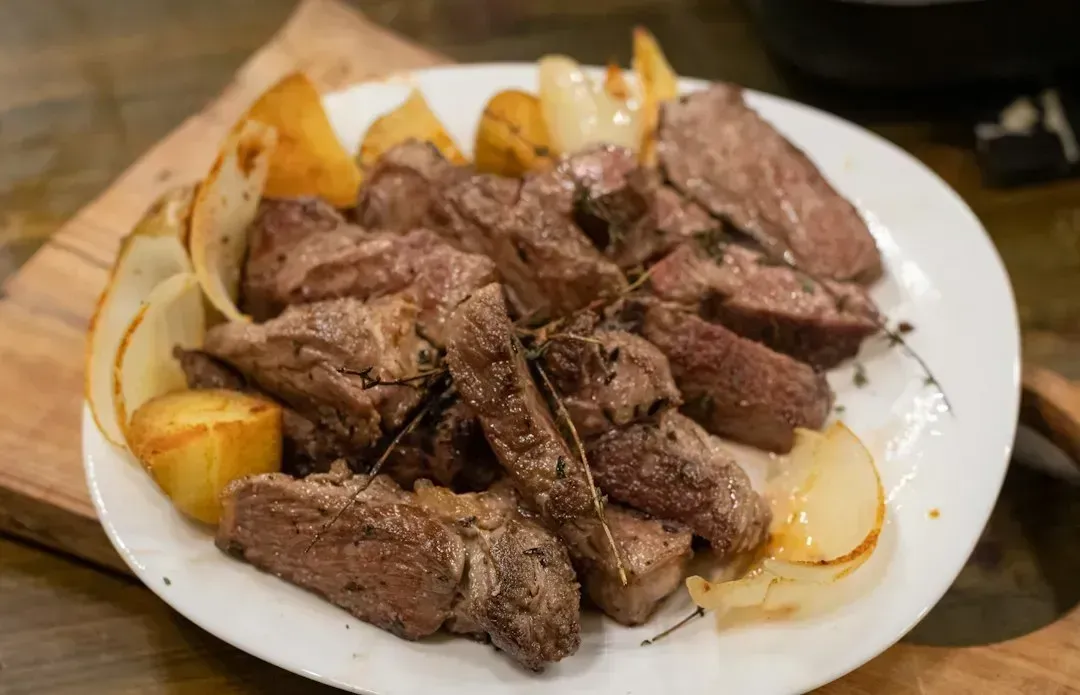
For decades, liver and onions were as standard on a diner menu as meatloaf or fried chicken. It was cheap, filling, and served with gravy or a pile of fried onions on the side.
Tastes moved on. By the 1970s, organ meats fell off most menus. Today, finding a plate usually means knowing an old diner or neighborhood spot that never changed its recipe.
Salisbury Steak
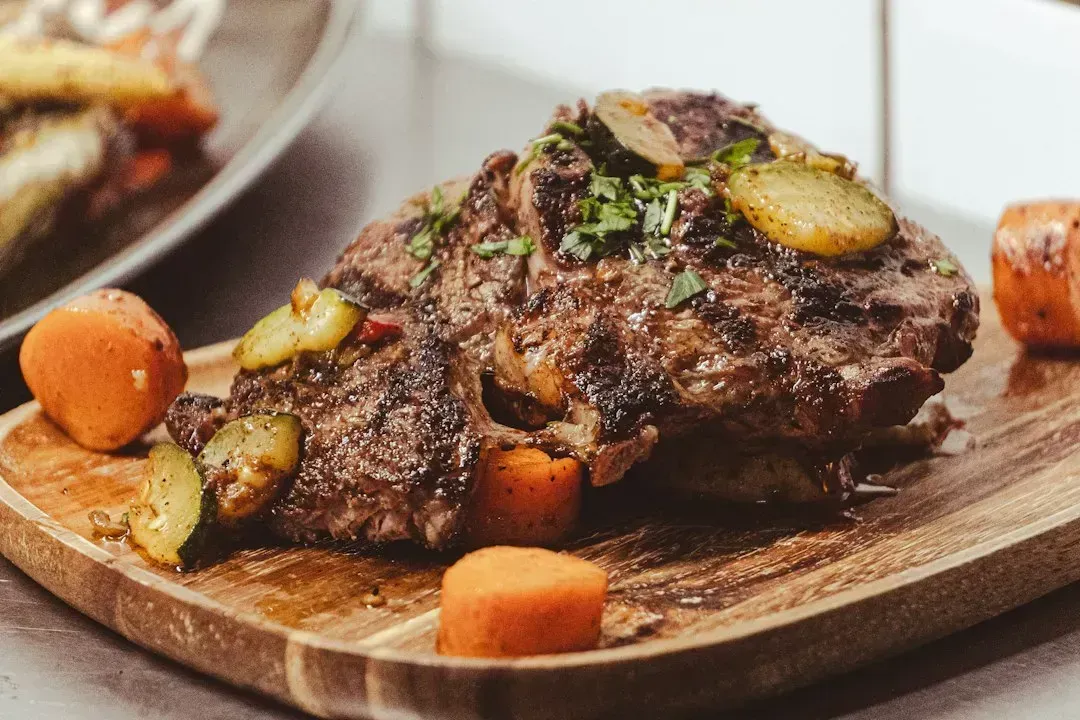
Salisbury steak was a diner workhorse, a seasoned beef patty under brown gravy, often with mashed potatoes. It felt like home cooking at a counter price.
Frozen dinners changed its image. Frozen TV dinners and cafeterias made it feel institutional rather than special, and today it’s rarely found in diners.
Turkey Croquettes
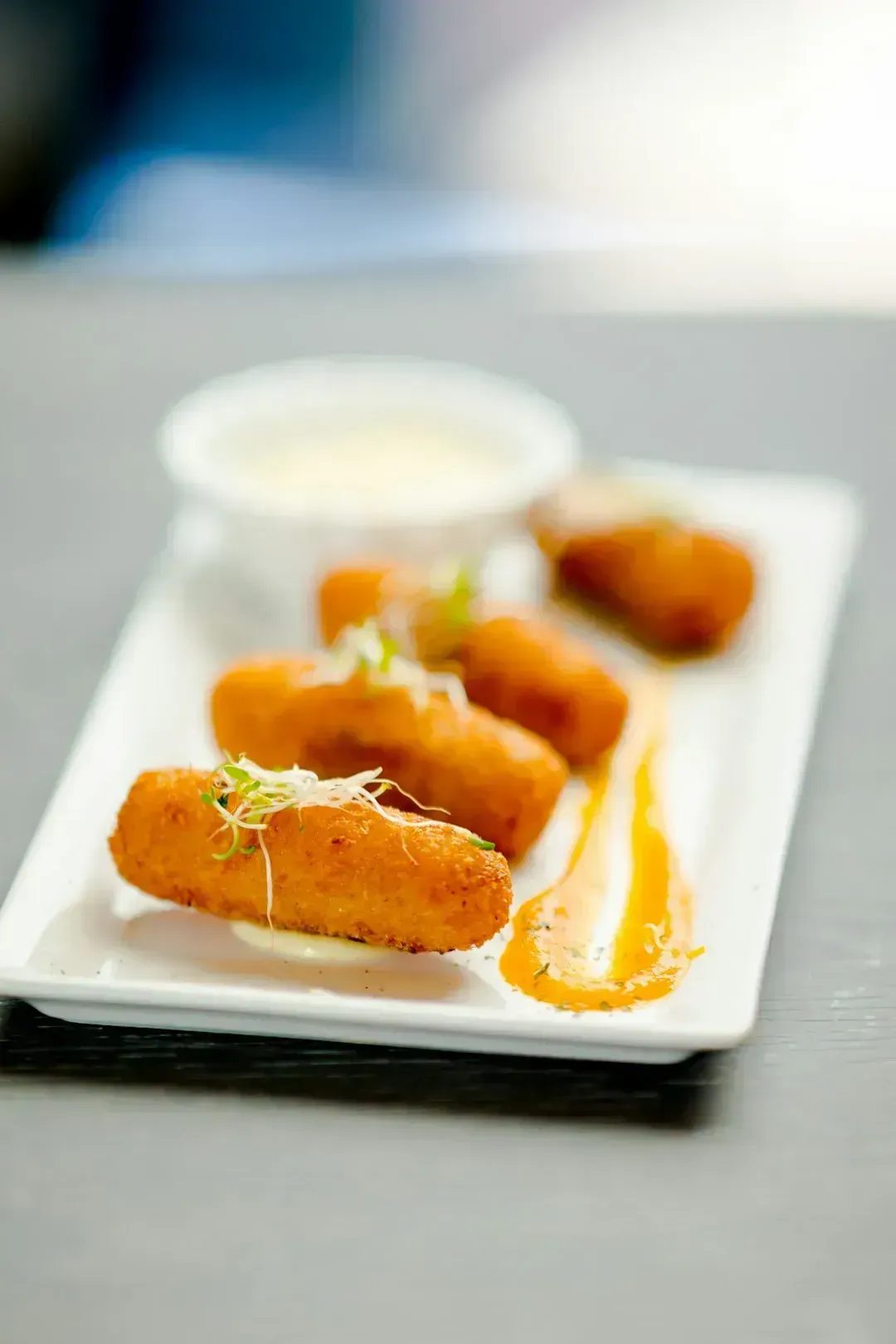
Croquettes were the great recyclers of the diner kitchen. Cooks would shred turkey, mix it with a starchy binder, roll it into small cylinders, bread it, and fry it until golden brown.
They have deep roots, too. They appeared on diner menus during the Depression and stayed relevant in wartime, when stretching meat was a necessity. Chicken fingers eventually surpassed them and pushed them off the menu.
Wheatcakes
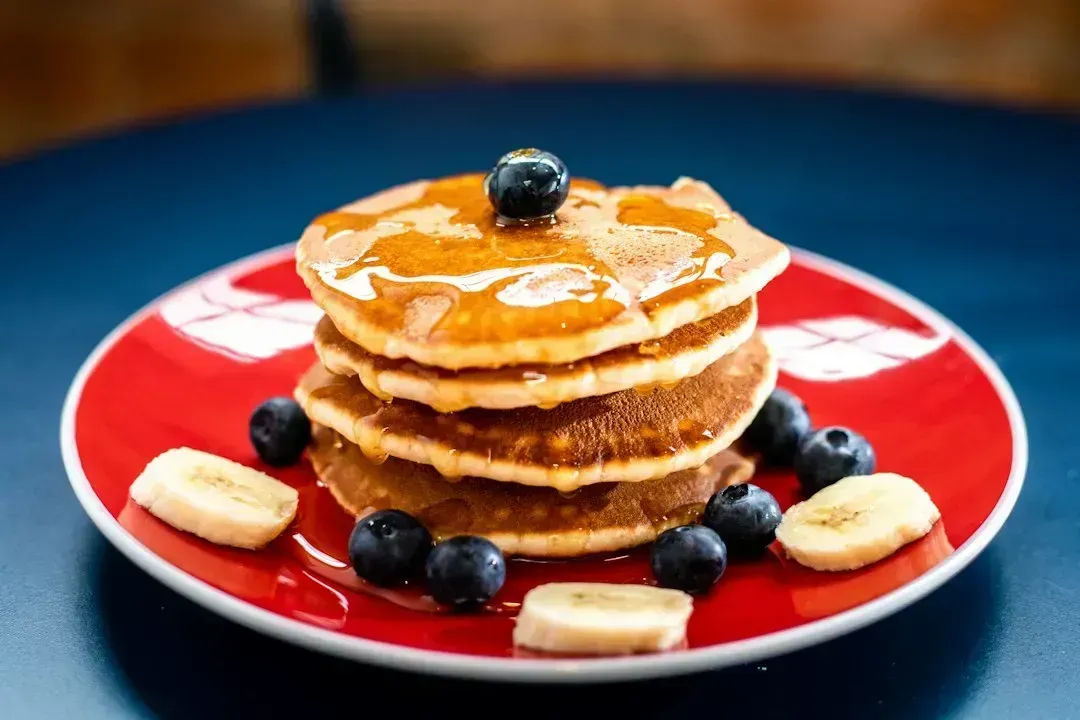
Wheatcakes were the sturdier cousin of the pancake. They were heavier, made with whole wheat flour and sometimes a hit of molasses, and they stuck with you long after breakfast.
The food still exists in a different form. Whole grain pancakes are around, but the word “wheatcakes” has largely vanished from everyday restaurant language. Menus now lean toward buttermilk, protein, or flavored versions.
Ham Steak With Pineapple
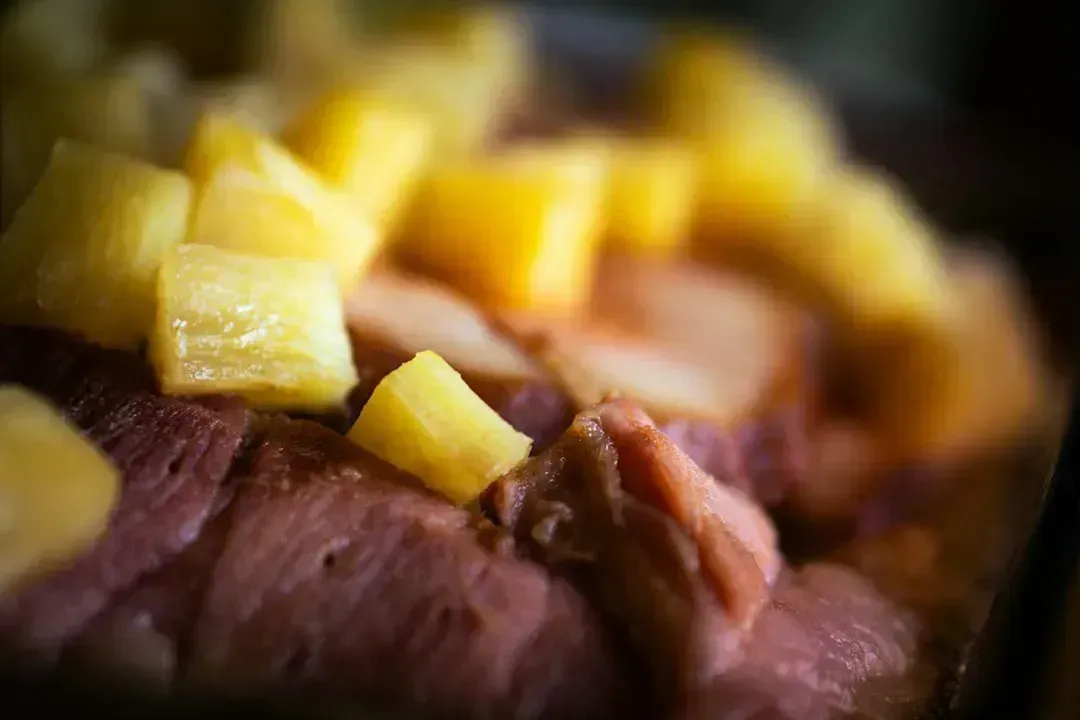
This was a mid-century breakfast and lunch favorite. The steaks came pre-cooked, so a prep cook only had to heat one on a grill. Some diners topped the ham with a slice of pineapple, a pairing from the early twentieth century that the Hawaiian Pineapple Company, later Dole, promoted.
Ham hasn’t gone away. It still turns up chopped in omelets, sliced in sandwiches, and fried in modest slices with eggs, but the thicker ham steak has fallen out of favor.
Rice Pudding
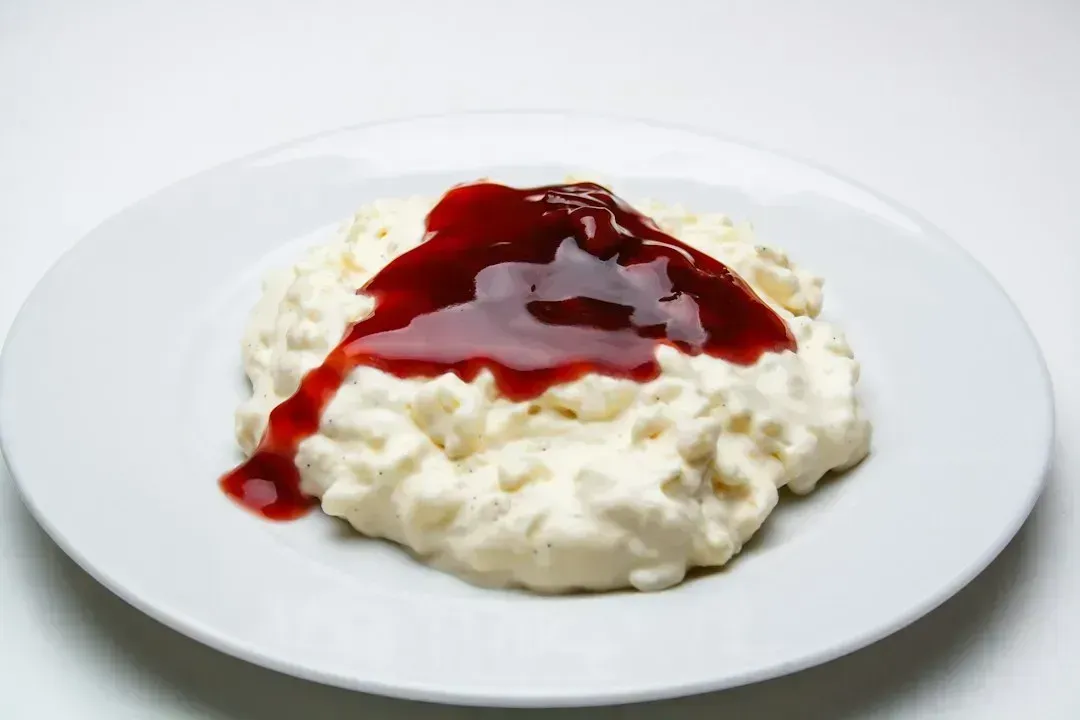
Rice pudding was the quiet closer of the diner dessert case. Baked into a custard with milk, sugar, and eggs and finished with cinnamon or nutmeg, it was cheap to make and easy to portion.
It lost ground without losing fans. People didn’t stop liking it, but the dessert landscape expanded, and cheesecake, specialty sundaes, and molten chocolate cake pushed it aside. Some retro-style spots still keep it going.
Oyster Stew
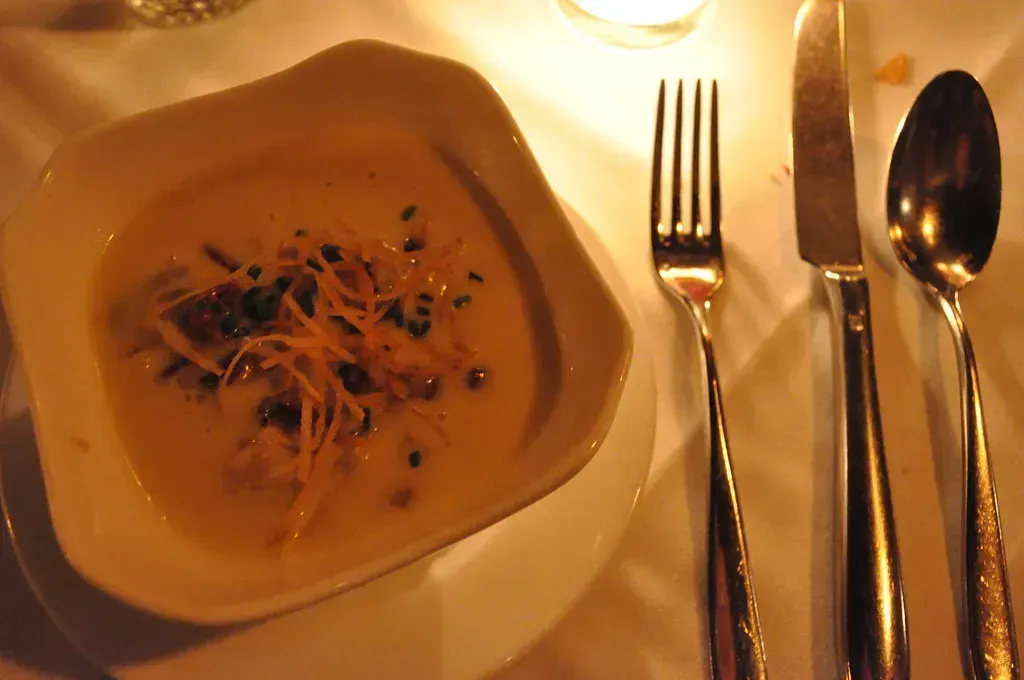
Oyster stew once had a place on standard diner menus, a simple, creamy bowl that suited cold weather. It was the kind of dish regulars ordered without looking at the menu.
Supply and cost did it in. As oyster populations dwindled and prices rose, the dish lost its place, and changing tastes played a role too.
Cottage Cheese Diet Plates
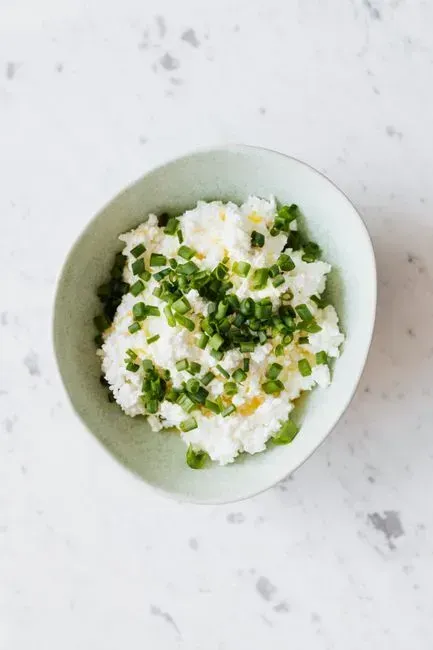
Cottage cheese was once everywhere on diner menus. A 1967 Denny’s menu, for example, lists a peach and cottage cheese salad.
The ingredient itself is doing fine. Cottage cheese has made a comeback, but the old “diet plate” format, with plain protein, fruit, and a scoop of cottage cheese, has largely faded.
Jelly Omelets
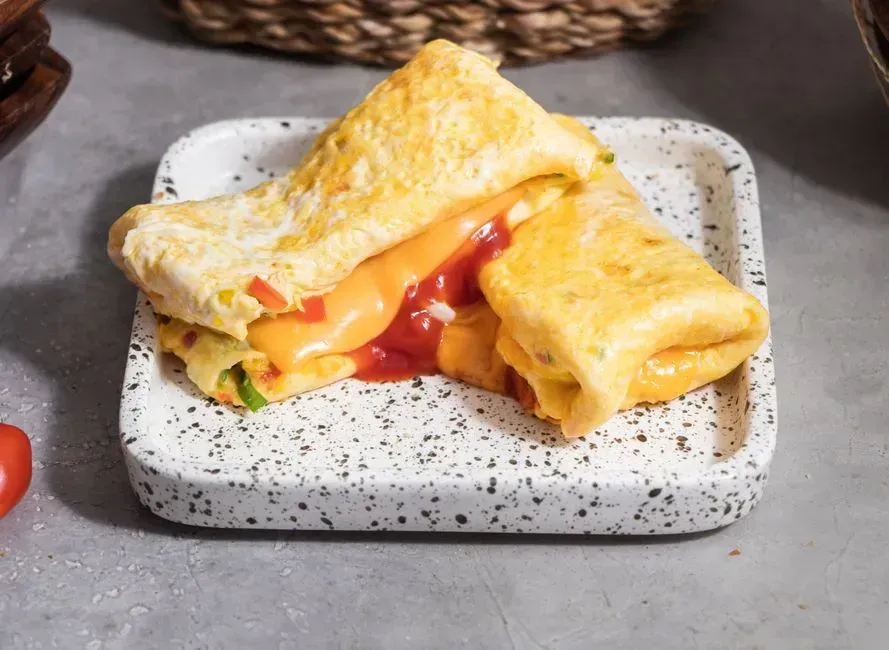
It sounds odd now, but this one has a long history. An omelet spread with jelly appeared in cookbooks such as The Boston Cooking-School Cook Book in the late 1800s.
The logic was straightforward. Eggs are neutral enough to tolerate both sweet and savory, and if you’re already putting jam on toast, why not put it in an omelet? Few diners serve it today, which is probably why it makes so many nostalgia lists.




Leave a Reply