
Heart disease is still the number one killer worldwide, responsible for nearly 18 million deaths every year. Yet one of the most powerful tools against it might be sitting right in your kitchen. What you put on your plate three times a day has a direct, measurable impact on what builds up inside your arteries.
Atherosclerosis can develop when a dangerous combination of LDL cholesterol, fat deposits, and other substances accumulate on artery walls and restrict blood flow. Over time, that restriction becomes a ticking clock. The exciting part? Research published in recent years shows that certain everyday foods can genuinely help slow and even partially counter this process. Let’s dive in.
1. Fatty Fish: Omega-3s That Fight the Fire Inside Your Arteries
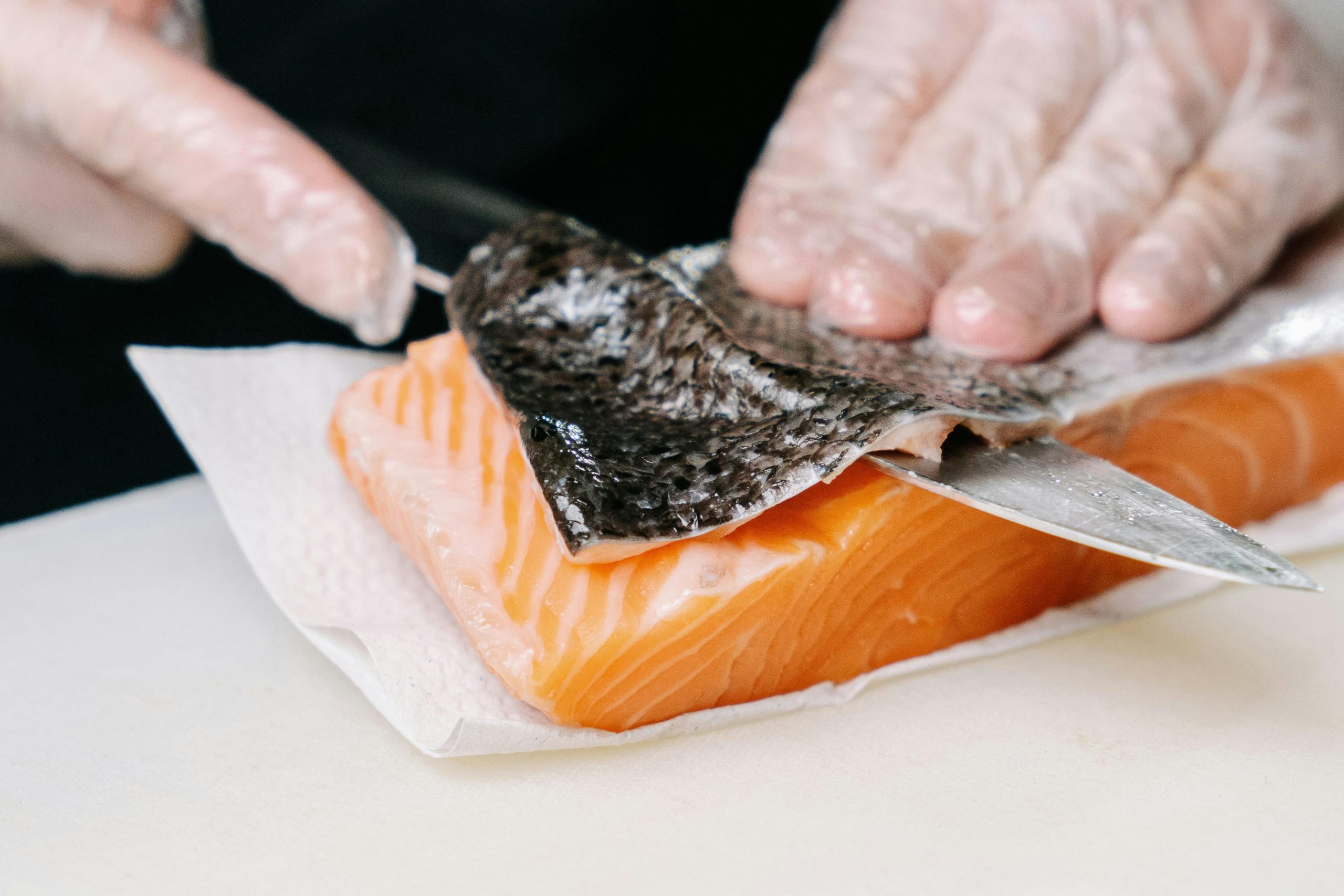
Here’s the thing about inflammation: it is quietly one of the most dangerous things happening inside your body if you have artery plaque. Fatty fish, including salmon, sardines, anchovies, and mackerel, are a potent source of omega-3 fats, powerfully anti-inflammatory unsaturated fats that have protective effects against vascular inflammation and atherosclerosis. Think of them as little firefighters swimming through your bloodstream.
The anti-atherosclerotic effects of omega-3 fatty acids include reduced platelet aggregation, a triglyceride-lowering effect, an anti-inflammatory effect, and plaque stabilization, with the anti-inflammatory effect being principally responsible for preventing atherosclerosis. That is a remarkable set of benefits from a single food group.
Omega-3s can also reduce platelet aggregation, lower triglyceride levels, and increase levels of good HDL cholesterol. Research shows that people who eat two or more servings of fish per week are less likely to develop atherosclerosis in their carotid arteries. Twice a week is a genuinely achievable goal for most families.
2. Garlic: An Ancient Remedy With Surprisingly Modern Science Behind It
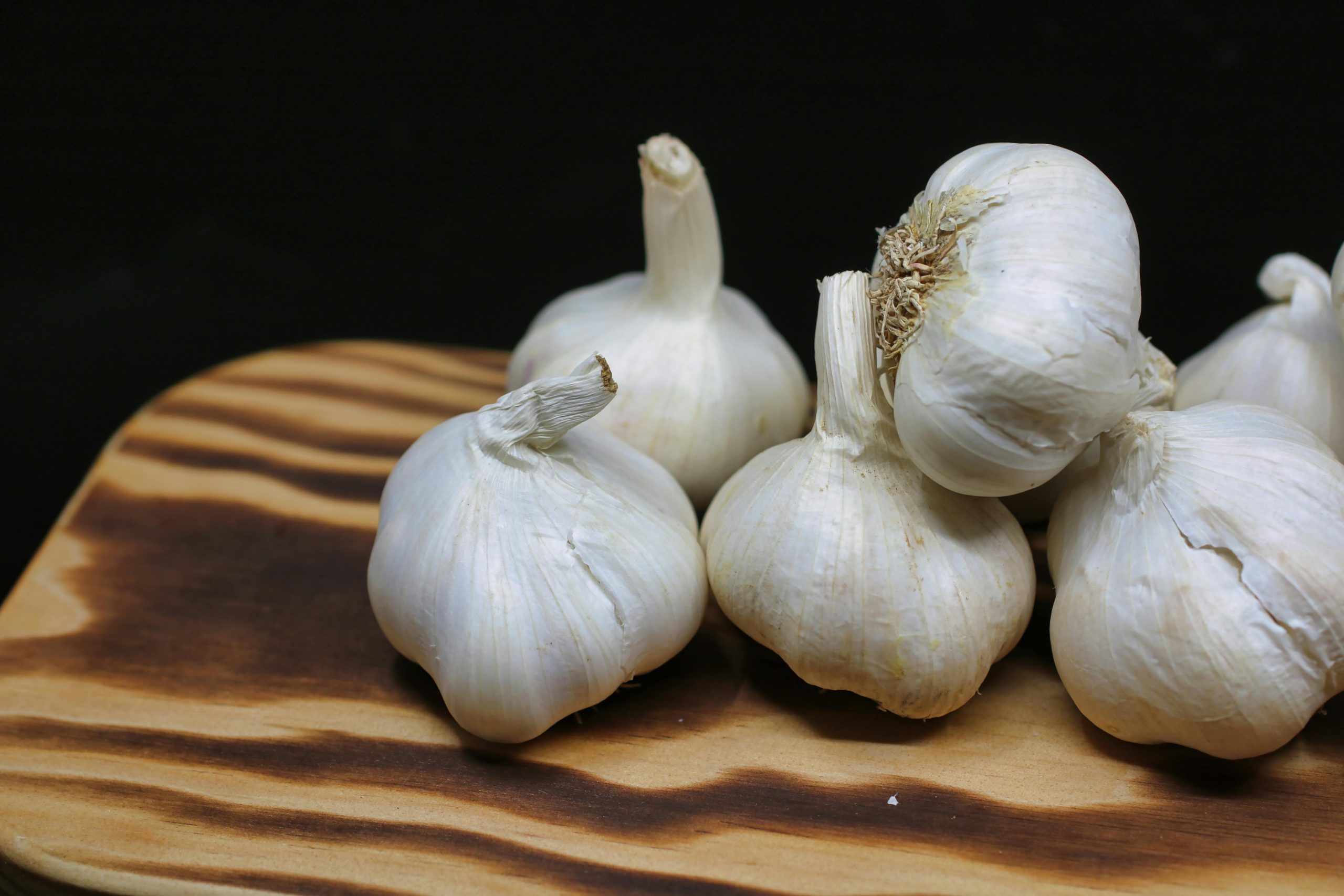
Garlic has been used medicinally for centuries, and honestly, the modern research has done nothing but validate what ancient healers suspected all along. Aged Garlic Extract can reverse the buildup of deadly plaque in arteries and help prevent the progression of heart disease, according to a study published in the Journal of Nutrition. That is a bold finding.
The research, conducted at LA BioMed, found a reduction in soft plaque in the arteries of patients with metabolic syndrome who took Aged Garlic Extract. A follow-up screening conducted a year later found those who took it had slowed total plaque accumulation by roughly four-fifths, reduced soft plaque, and demonstrated regression for low-attenuation plaque.
Garlic allicin suppresses aldosterone release and decreases blood pressure via vasodilatory effects. In plain terms, it helps your blood vessels relax and widen, which is exactly what you want for healthy circulation. Raw garlic in your dressings or lightly cooked in your meals preserves most of these benefits.
3. Berries: Tiny Fruits With a Giant Impact on Vascular Health
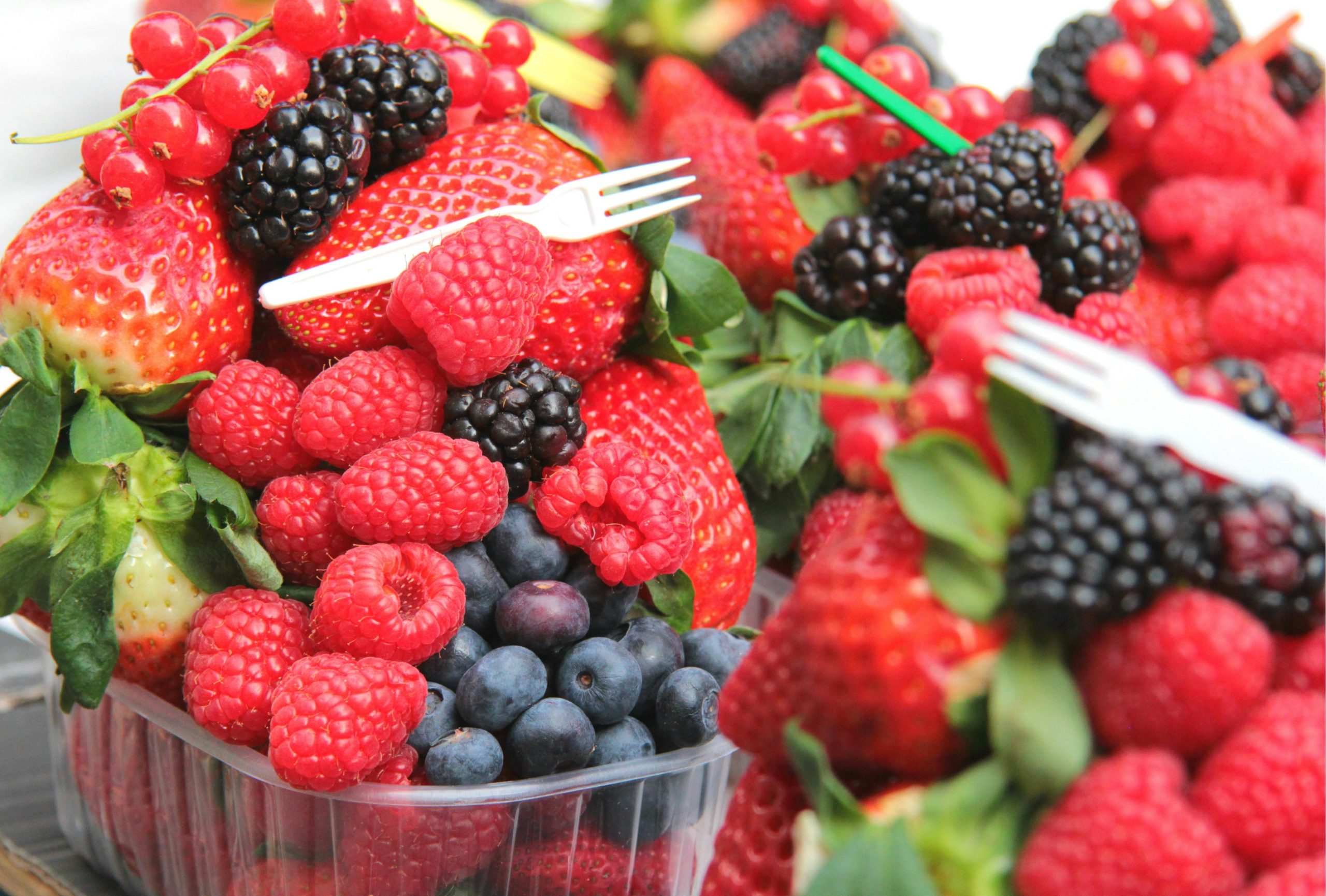
Few foods punch above their weight like berries do. Blueberries, raspberries, and strawberries offer a burst of antioxidants that may protect artery walls from damage. Their vibrant color comes from anthocyanins, which support circulation. That color is essentially a signal of how loaded they are with protective compounds.
The Nurses’ Health Study revealed that myocardial infarction risk was nearly a third lower among the highest percentile anthocyanin food consumers. Higher polyphenol consumption was associated with a nearly half reduction in cardiovascular mortality in the PREDIMED group. These are not small numbers from small studies.
Berries are nature’s treat, loaded with anthocyanins that combat inflammation and enhance blood vessel function. They improve arterial elasticity, reduce plaque buildup, and lower blood pressure. A cup a day mixed into your morning oatmeal or yogurt is as easy as healthy eating gets. I think this is probably one of the most underappreciated swaps a family can make.
4. Extra Virgin Olive Oil: The Cornerstone of the World’s Most Heart-Protective Diet
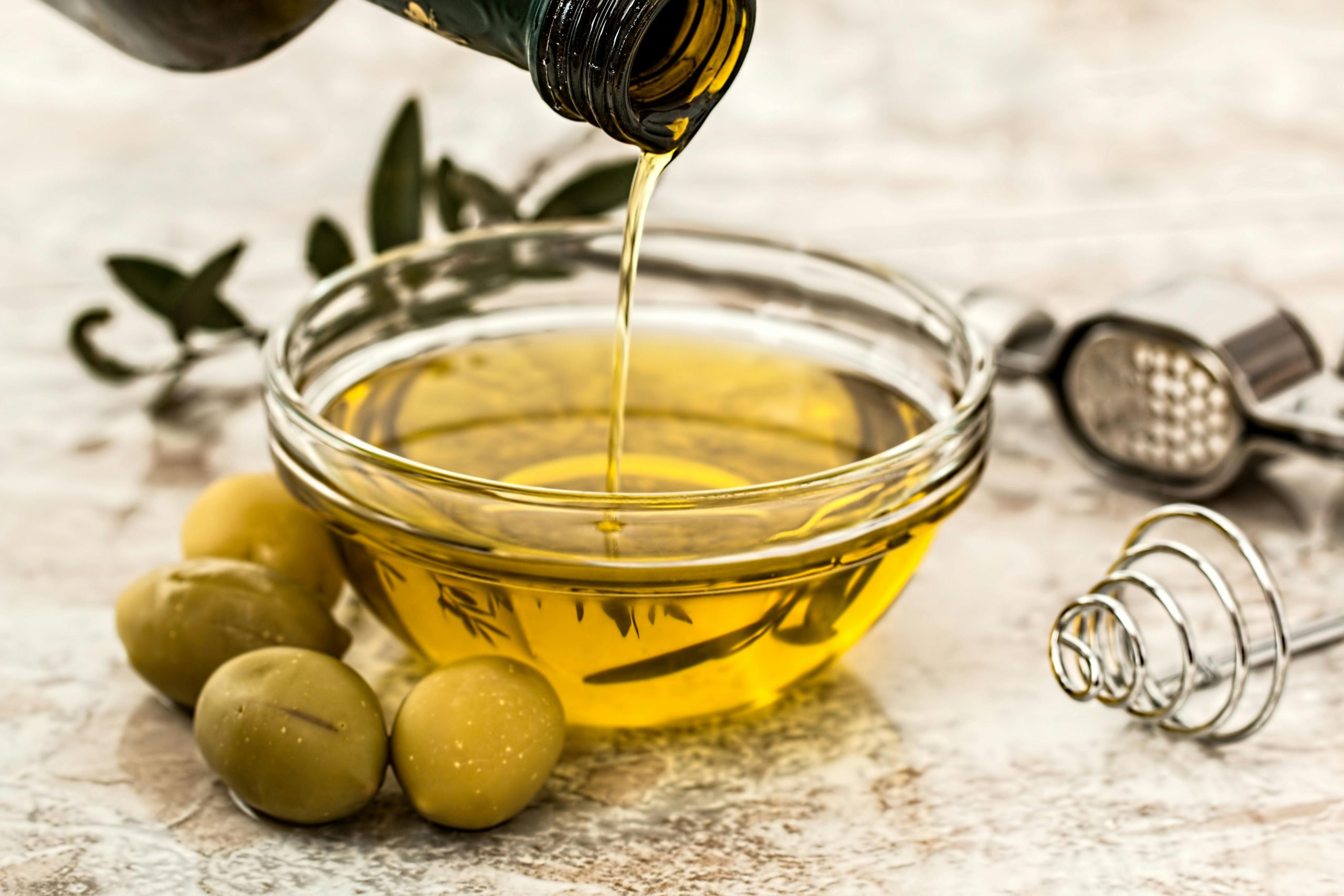
Long-term consumption of a Mediterranean diet rich in extra virgin olive oil, compared to a low-fat diet, was associated with decreased atherosclerosis progression, as shown by reduced carotid artery wall thickness and carotid plaque height. These findings reinforce the clinical benefits of the Mediterranean diet in the context of secondary cardiovascular prevention.
The foundation of the Mediterranean diet, which is closely linked to low incidence of heart disease, is extra virgin olive oil. It contains strong antioxidants called polyphenols and monounsaturated fats, which lower inflammation and stop LDL oxidation, a crucial stage in the development of plaque. Regular consumption slows the advancement of atherosclerosis and increases vascular elasticity.
It is hard to say exactly how much olive oil is ideal for everyone, but the research consistently points in one direction. The Mediterranean diet can reduce heart disease risk by roughly a third. It is rich in olive oil, fruits, vegetables, nuts, and fish, and is low in red or processed meats. Drizzle it over vegetables, use it as your default cooking fat, and make it a household staple.
5. Walnuts and Nuts: The Brain-Shaped Snack That Protects Your Heart
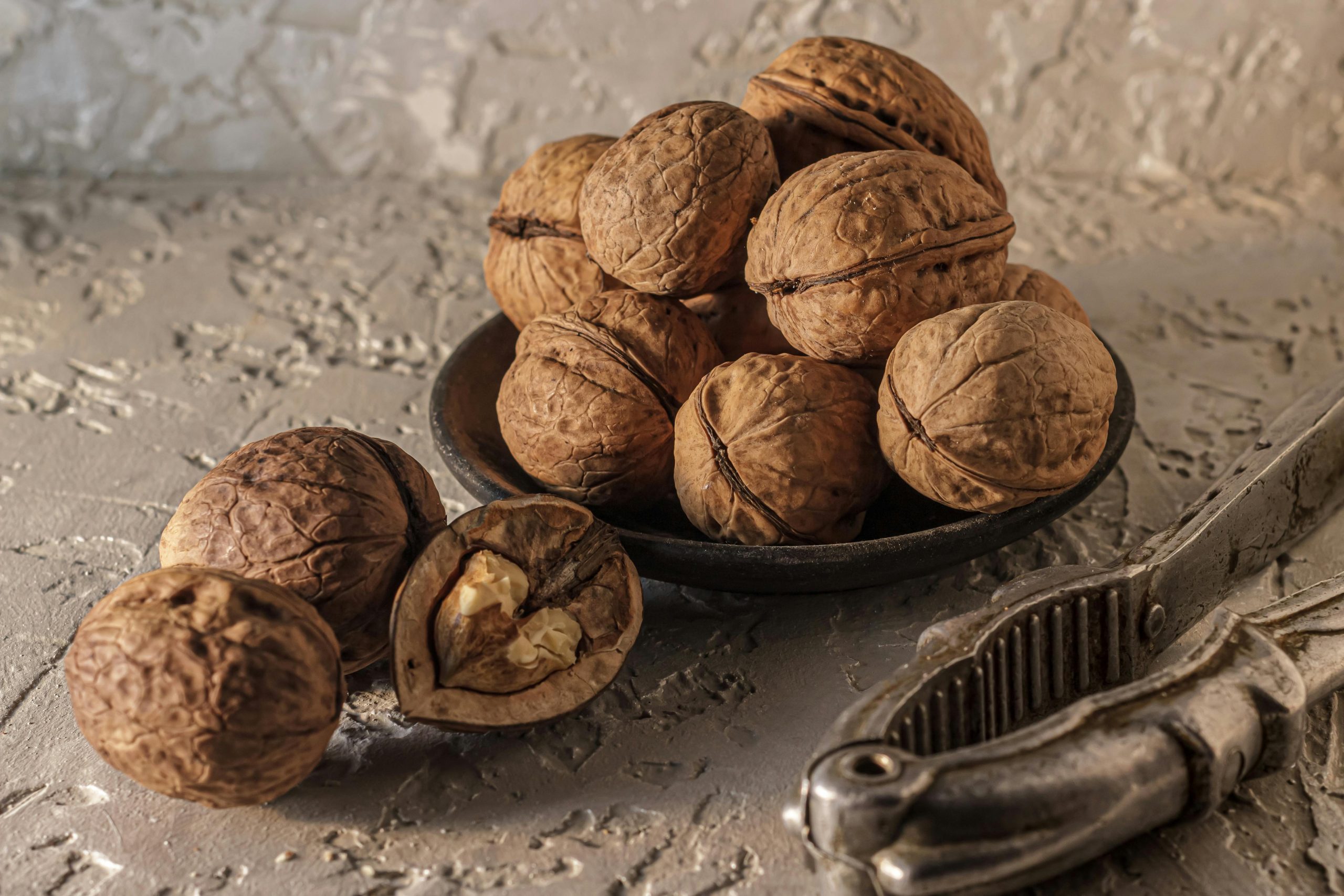
Walnuts look like miniature brains, and fittingly, they are excellent for the organ they resemble as well as for your cardiovascular system. Alpha-linolenic acid, a plant-based omega-3 fatty acid found abundantly in walnuts, enhances endothelial function and reduces plaque accumulation. The endothelium is the delicate inner lining of your arteries, and keeping it healthy is everything.
Nuts are a good source of protein, fiber, and healthy fats, and regular nut consumption has been associated with a reduced risk of overall cardiovascular disease and coronary heart disease. Of all nuts, walnuts contain the highest levels of heart-healthy, plant-based omega-3s.
The PREDIMED study found a decrease in internal carotid artery intima-media thickness and plaque height after consumption of a Mediterranean diet supplemented with nuts. That is a real, measurable structural change in artery walls. You only need to eat a small handful, roughly 20 to 30 grams, per day. That is about a tablespoon and a half. Easy enough for even the pickiest eaters in the family.
6. Leafy Greens: The Nitrate-Rich Vegetables That Widen Your Blood Vessels
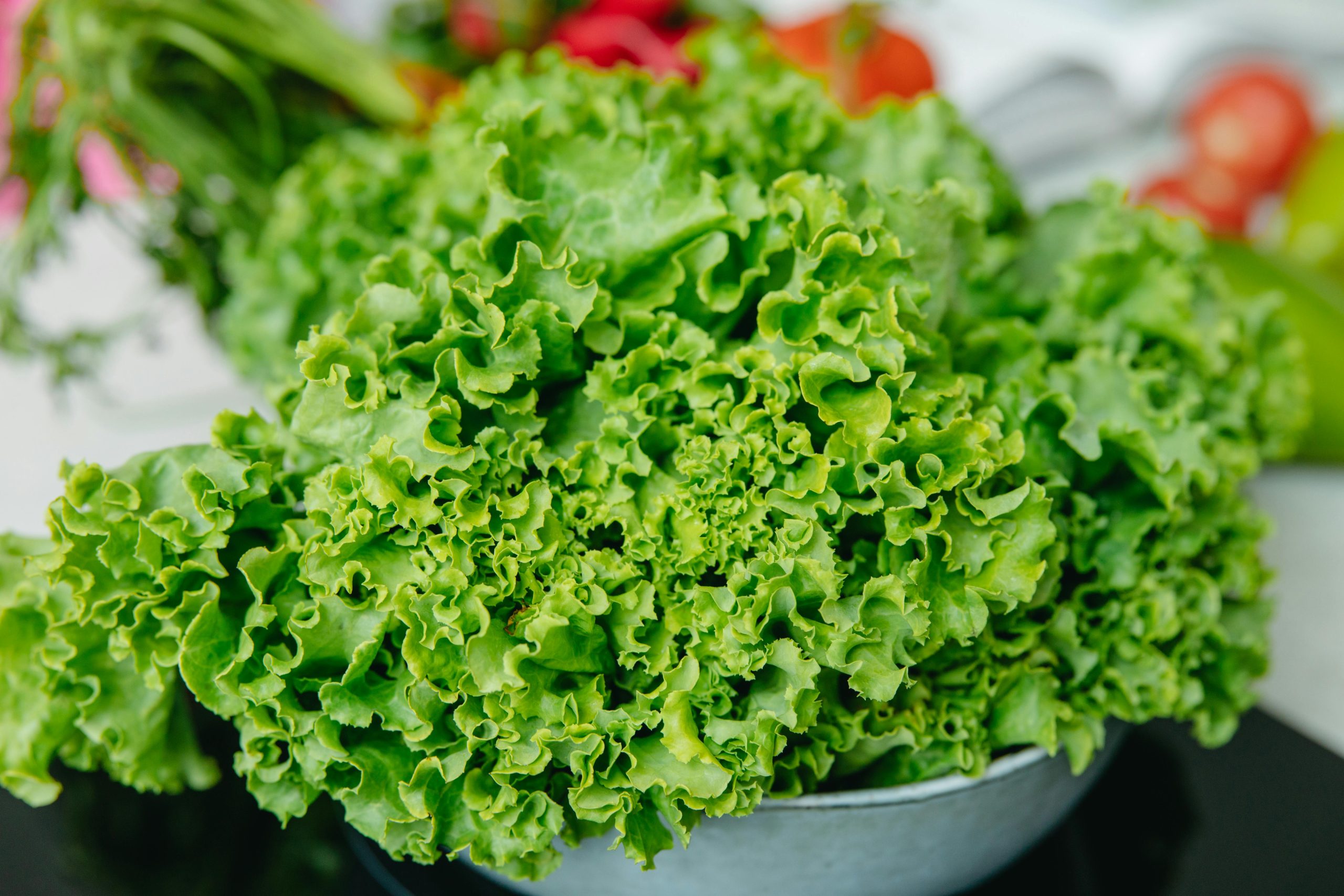
Spinach, kale, and Swiss chard are full of nitrates, which convert into nitric oxide to help widen blood vessels. They also deliver fiber, folate, and potassium for all-around heart support. Nitric oxide is essentially nature’s artery relaxant, and leafy greens are one of the best ways to get it.
In addition to the antioxidant vitamins C and E, green and yellow vegetables contain abundant quantities of carotenoids and polyphenols. The consumption of carotenoids and vitamins C and E has been shown to be inversely associated with coronary artery disease. Inversely associated means the more you eat, the lower your risk.
Cruciferous vegetables like broccoli, cauliflower, and Brussels sprouts deserve special mention here too. Like allium vegetables, cruciferous vegetables also contain organosulfur compounds and may reduce your risk of death from atherosclerosis. Further research has found that consuming cruciferous vegetables is associated with thinner, healthier carotid artery walls, with thick artery walls being a known marker of atherosclerosis. Sauté them, roast them, toss them raw into salads. Just get them on the plate.
7. Oats and Whole Grains: Fiber That Works Like a Cholesterol Sponge
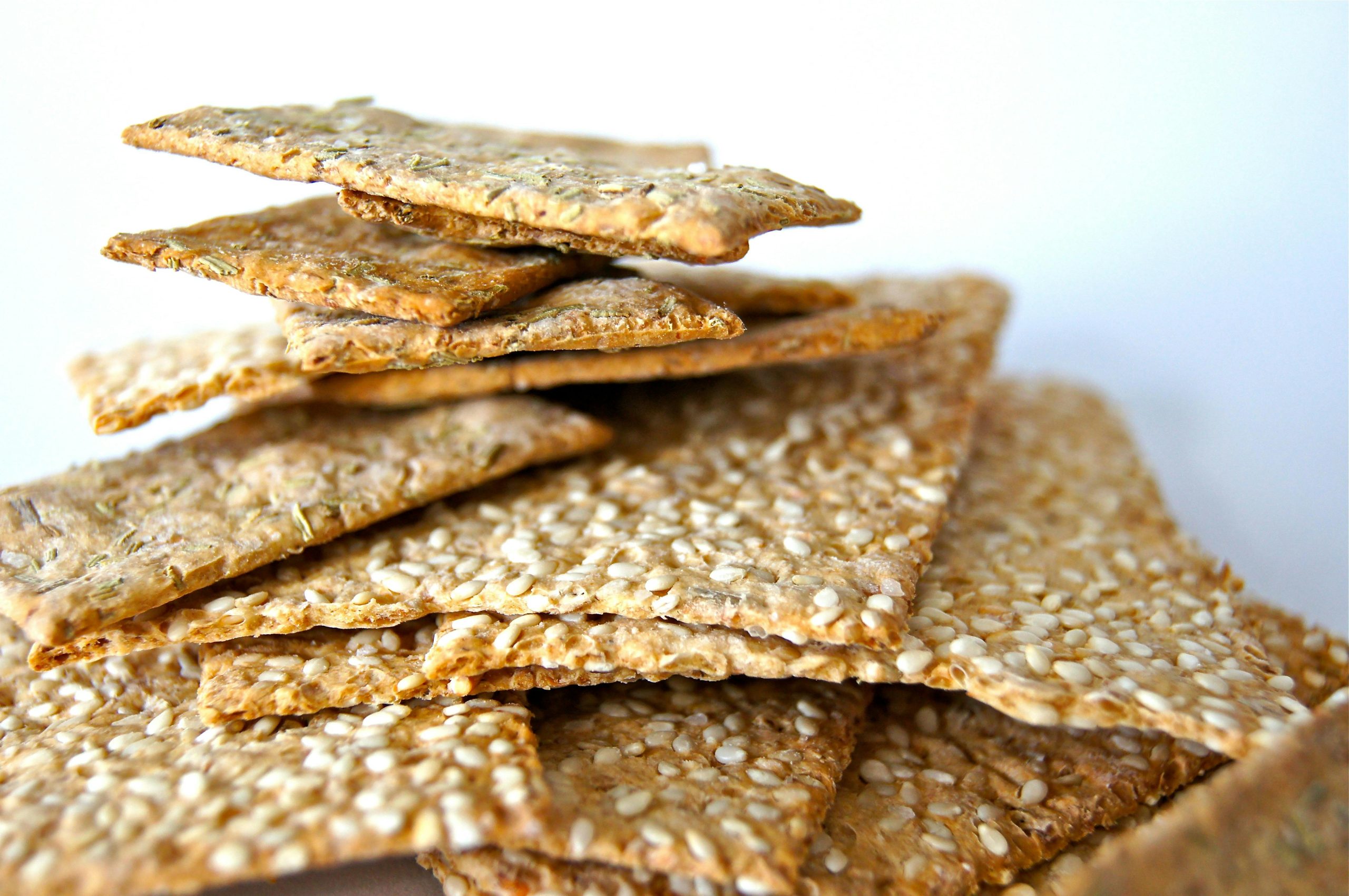
Let’s be real: oats are perhaps the most unsexy superfood ever put before the public. Yet the research behind them is genuinely impressive. Oats are rich in beta-glucan fiber, which may help lower LDL cholesterol levels. Lower LDL means less raw material available to form artery-clogging plaque.
Dietary patterns that include a high intake of vegetables, fruits, and whole-grain cereals are associated with lower risk of cardiovascular disease. Whole grains are a consistent, non-negotiable part of every dietary pattern that has shown benefit for artery health. A 2025 study published in Cardiovascular Research, using data from over 24,000 adults, reinforced this connection between high-fiber diets and lower risk of dangerous coronary plaque features.
Adults should eat a heart-healthy diet which emphasizes plant-based foods such as vegetables, fruits, legumes, nuts, whole grains, and lean protein foods and fish. It is important to limit foods high in saturated fats and dietary cholesterol, reduce sodium, avoid trans fat, processed meats, refined carbohydrates, and sugar-sweetened foods and beverages. Swapping refined white grains for whole oats, barley, or whole wheat is one of the simplest upgrades your family’s diet can make.
8. Turmeric: The Golden Spice With Real Anti-Plaque Credentials
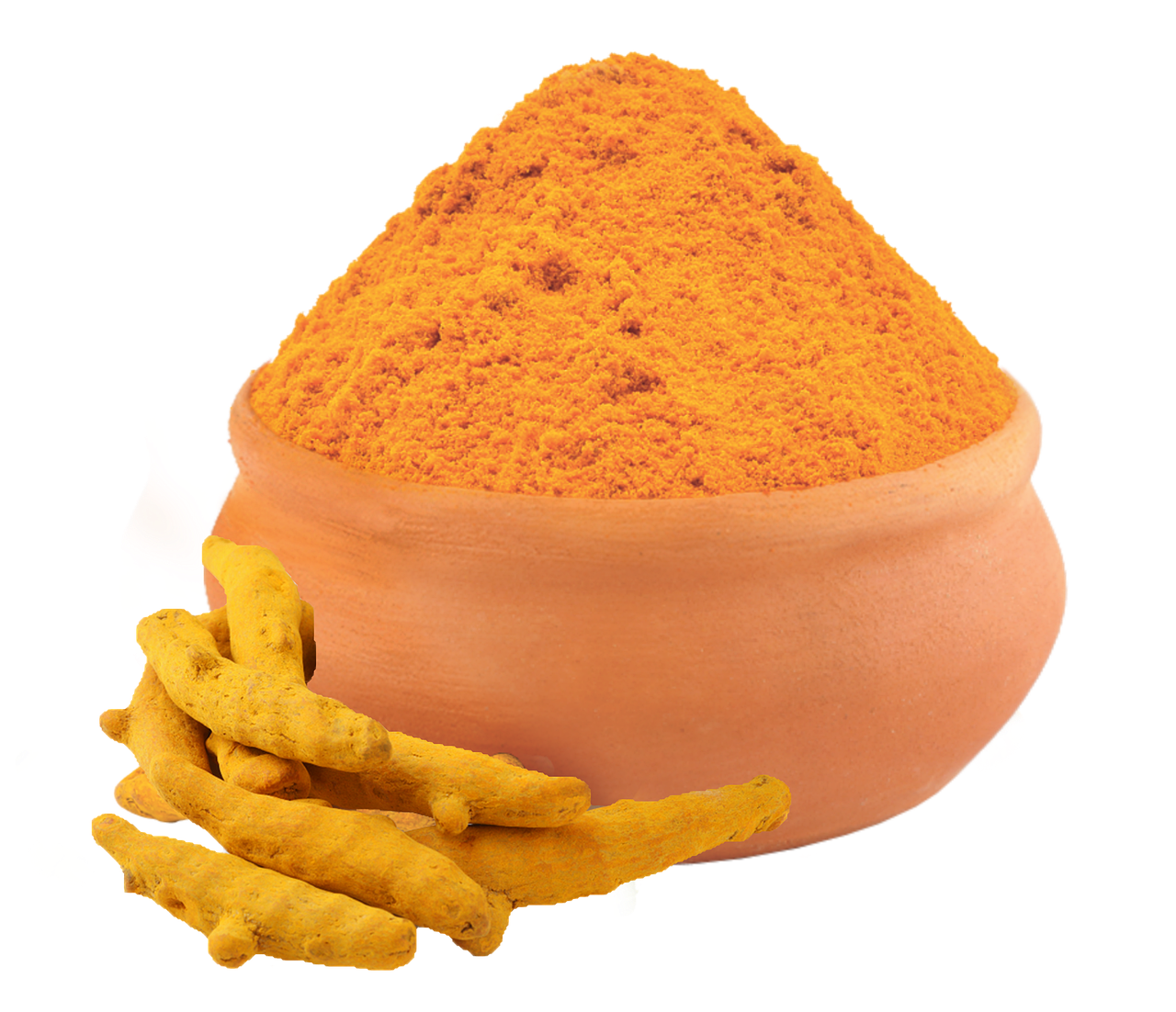
Turmeric has had its share of overhyped wellness claims, but for arterial health, the science is genuinely solid. Turmeric is notably high in curcumin, the main compound that gives turmeric its protective capabilities. Curcumin can lower inflammation in the body and prevent LDL cholesterol from becoming oxidized, which are key processes in atherosclerosis.
Turmeric’s main ingredient, curcumin, has potent anti-inflammatory and antioxidant qualities. It decreases the development of plaque, lowers LDL oxidation, and shields the endothelium. Turmeric also lowers the risk of clot formation and enhances blood vessel function.
Curcumin has been reported to inhibit DNA methyltransferases to repress pro-atherogenic gene expression of key adhesion molecules. That is cutting-edge molecular biology pointing to benefits that go well beyond simple anti-inflammation. One practical tip worth remembering: for optimal absorption, incorporate turmeric into everyday meals or take it with warm milk and a dash of black pepper. Black pepper increases curcumin absorption dramatically.
9. Green Tea: A Daily Cup That May Quietly Protect Your Arteries
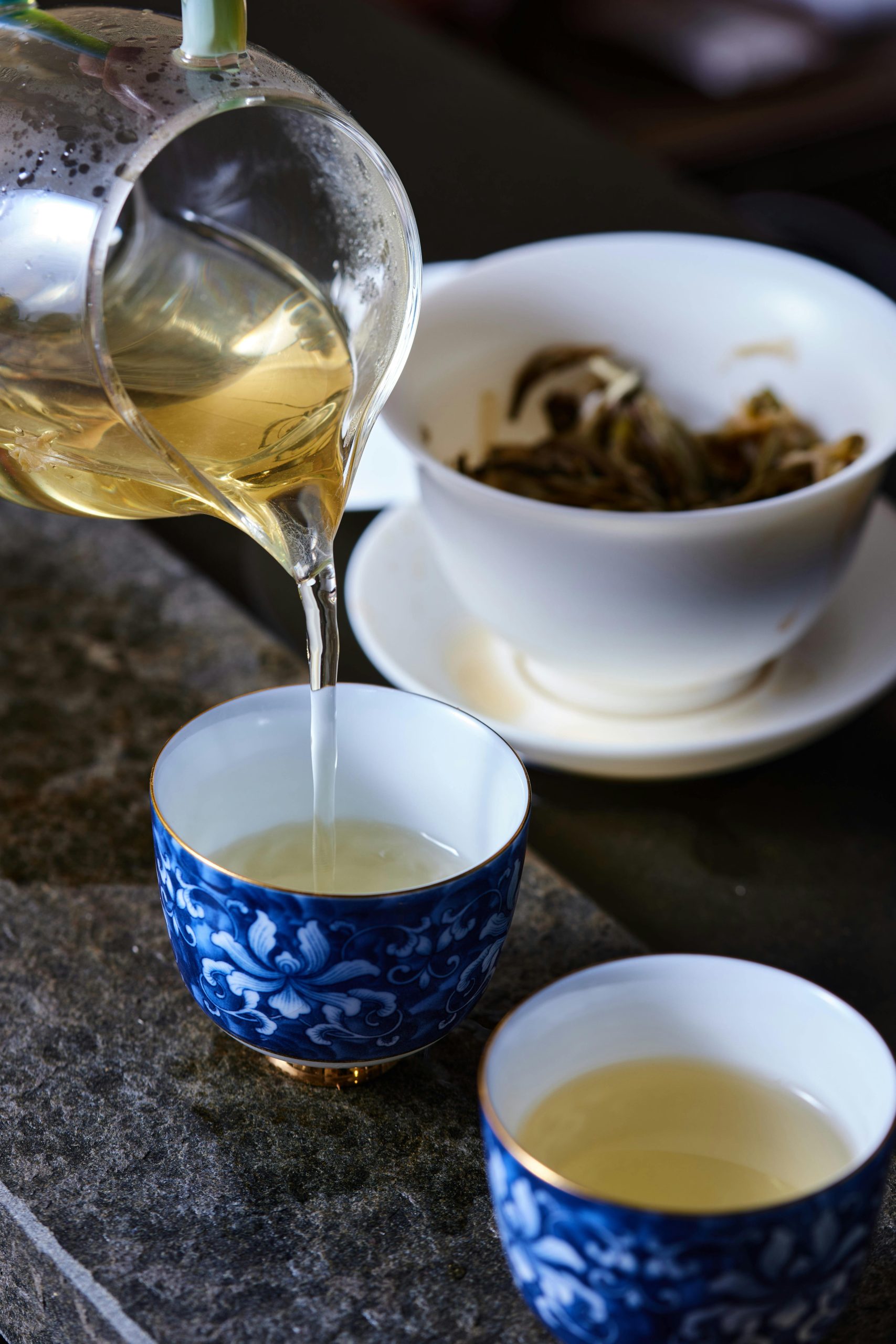
Green tea is one of those foods that seems almost too quiet and everyday to be significant. Honestly, that is what makes it so powerful. Catechins, which are abundant in green tea, lower LDL oxidation, increase vascular function, and improve fat metabolism. Frequent green tea consumers have better cholesterol profiles and reduced heart disease rates.
According to a 2024 study, eating foods rich in beneficial plant compounds called flavonoids may lower the risk of atherosclerosis in the arteries of the legs and neck. Green tea is one of the richest sources of these protective compounds. The study included nearly 5,600 people in the Multi-Ethnic Study of Atherosclerosis. Compared to people who consumed the least amount of flavonoids, those who ate the highest amounts had noticeably lower odds of having plaque in their legs and necks.
Quercetin in onions and apples, and catechins in green tea, have been found to suppress ACE activity, thereby reducing the levels of angiotensin II and diminishing vasoconstriction. In other words, green tea actively helps keep blood vessels open and flexible. Two to three cups per day is what many studies consider a meaningful amount. It is a habit that costs almost nothing and, based on the available evidence, could genuinely add years of vascular health to your life.
The Bigger Picture: Food as a Long-Term Strategy, Not a Quick Fix
Making plaque completely disappear is not possible, but with lifestyle changes and appropriate support, plaques can shrink and stabilize. That distinction matters enormously. Food is not magic, but it is one of the most powerful levers you can pull. Both the DASH and Mediterranean diets may slow or even partially reverse the progression of atherosclerosis. Regular consumption of good fats and whole, plant-based foods plays a key role in lowering cholesterol levels, inflammation, and blood pressure, all of which contribute to clogged arteries.
A 2022 analysis confirmed that inflammation contributes to arterial plaque, and pro-inflammatory foods may likely play a role in causing cardiovascular issues. This is a two-sided equation: eating the right foods helps, but reducing the wrong ones matters just as much. Processed meats, trans fats, refined sugar, and sugar-sweetened beverages are consistently flagged across the research as accelerants of artery damage.
Arteries are dynamic, living tissues that can recover when given the proper food. Plaque accumulation can be slowed, stabilized, and in the early stages even partially reversed by eating foods high in fiber, antioxidants, healthy fats, and anti-inflammatory compounds. That is genuinely hopeful. The nine foods in this list are not exotic or expensive. Most of them are things you could add to your family’s table starting tonight. What would it feel like to know that every meal is quietly working in your favor?




Leave a Reply