
Some kitchen routines seem like pure indulgence at first glance. Running the dishwasher half empty, leaving the oven light on, tossing certain scraps straight into a bag instead of the trash. Yet a closer look at how energy, food, and time actually work in a home kitchen tells a different story.
What looks like waste on the surface sometimes turns into real savings once you factor in efficiency, spoilage prevention, and the true cost of doing things the “frugal” way. Here are nine habits worth reconsidering before you judge them as careless.
1. Running the dishwasher even when it’s not completely full
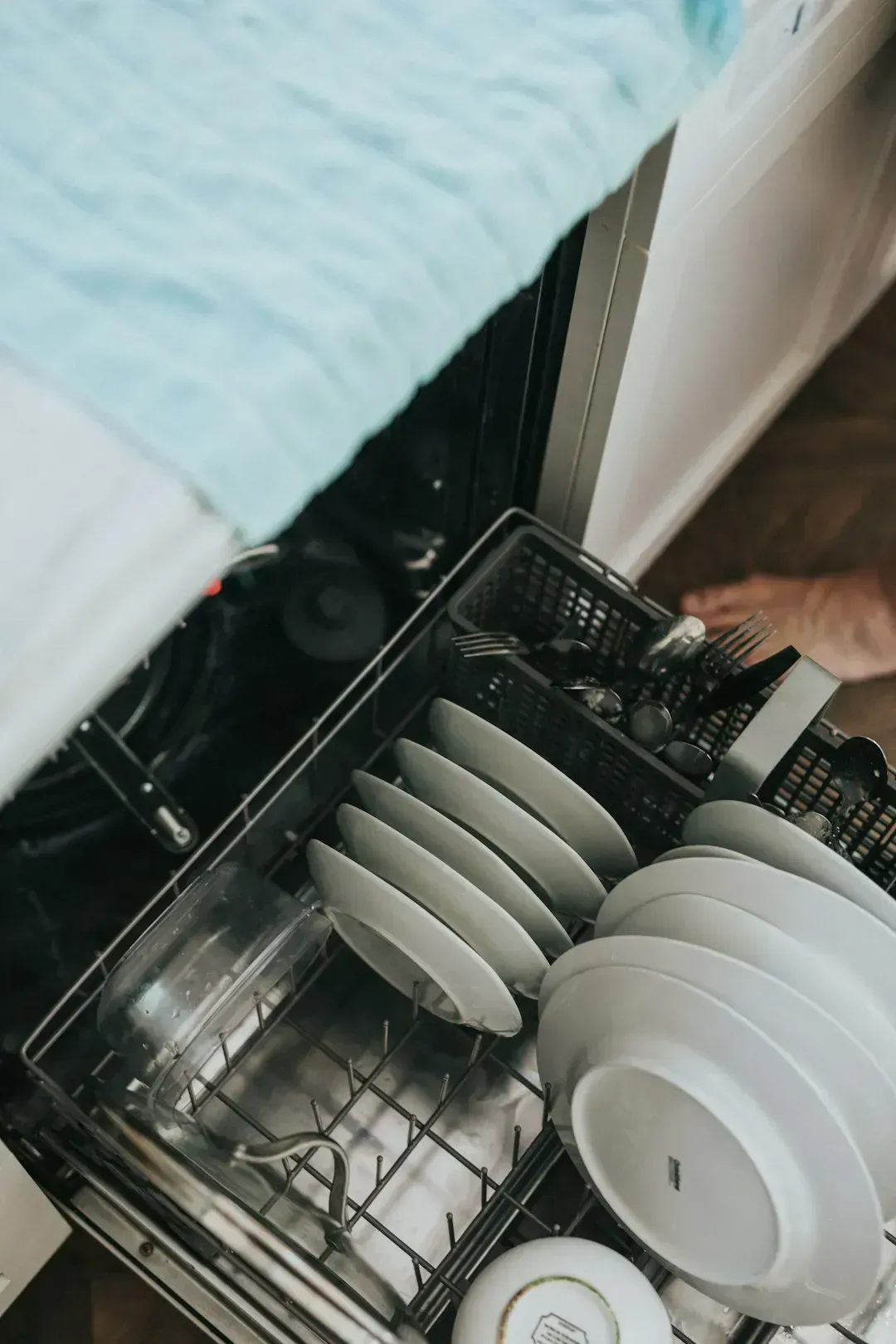
It feels counterintuitive to start a cycle with a few empty slots, but modern dishwashers are built for this. Energy Star certified models use significantly less water per load than handwashing the same dishes, and running a slightly underfilled load still beats letting dishes pile up for two extra days while food residue hardens and requires more scrubbing later.
Waiting for a completely packed load also means dishes sit longer, sometimes attracting pests or forcing you to rewash items that dried with stuck-on grime. The marginal water cost of an early cycle is usually smaller than the labor and water spent scrubbing crusted plates by hand.
2. Leaving the oven door closed after turning it off
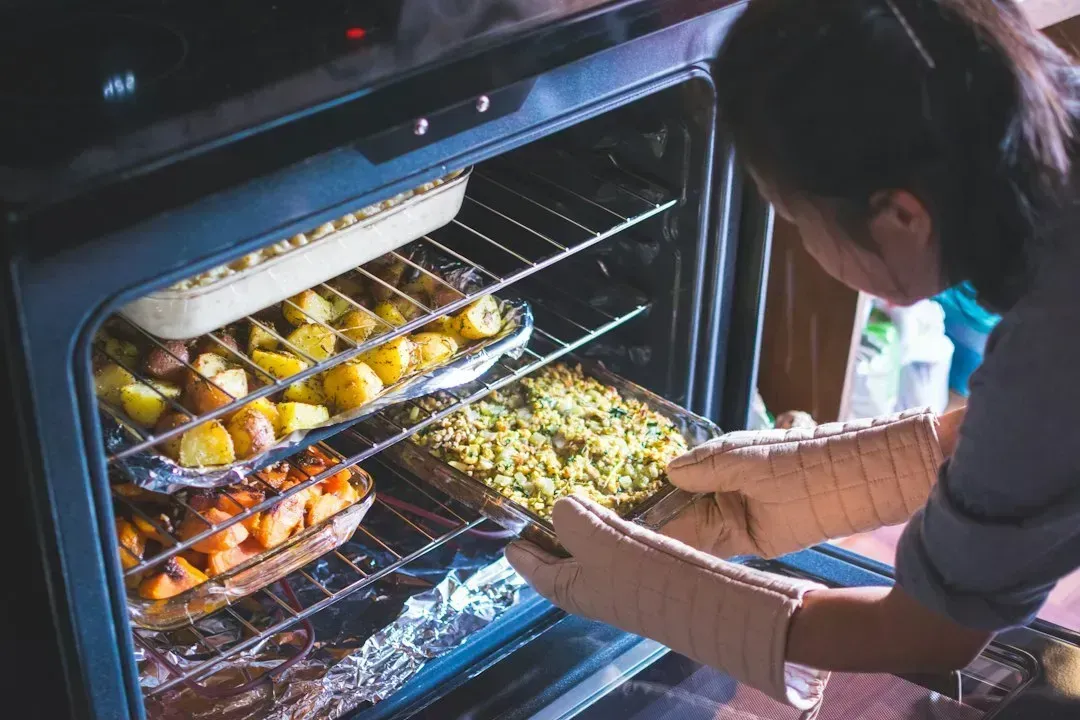
Opening the oven right after baking to “save energy” actually wastes the residual heat still radiating inside. Ovens retain heat for ten to twenty minutes after shutoff, and that leftover warmth can finish cooking a casserole, keep bread warm, or even dry herbs without using another watt of electricity.
Some home cooks intentionally shut the oven off a few minutes early for dishes like roasted vegetables or baked potatoes, letting the trapped heat finish the job. It looks like they’re cutting corners, but it’s really squeezing extra value out of energy already paid for.
3. Buying pre-cut or frozen vegetables instead of whole fresh ones

Pre-cut produce often carries a higher per-pound price tag, which makes it look like an unnecessary splurge. However, whole vegetables that go unused because of spoilage or forgotten drawers represent a much larger loss, and food waste researchers have long pointed to spoilage as one of the biggest silent costs in household grocery budgets.
Frozen vegetables in particular are usually flash frozen at peak ripeness, locking in nutrients and extending usable shelf life for months. Paying a bit more upfront for something that actually gets eaten is frequently cheaper than paying less for something that ends up in the compost bin.
4. Keeping the refrigerator fuller than seems necessary
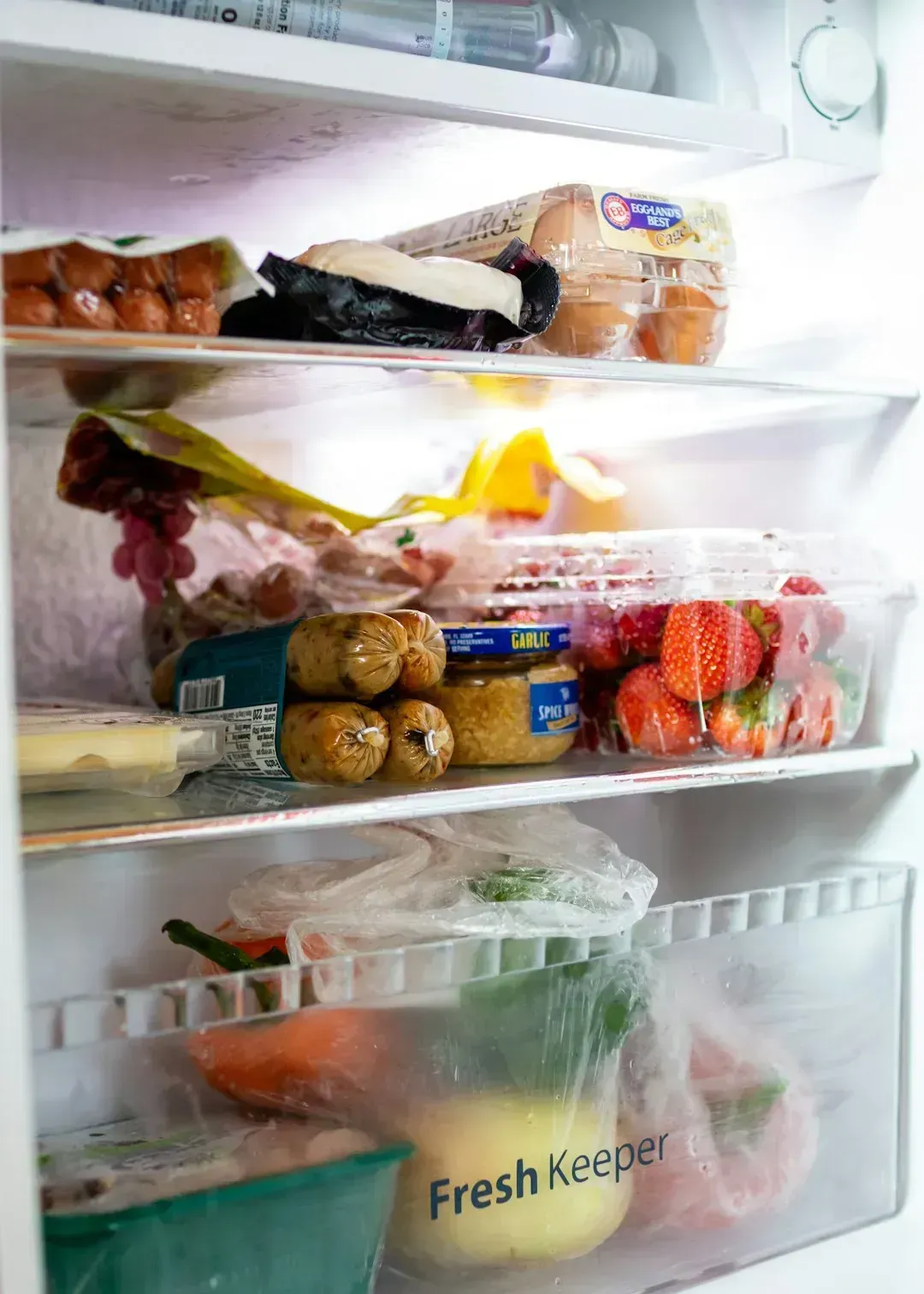
An overstuffed fridge can look like overbuying, but a well loaded refrigerator actually runs more efficiently than a sparse one. The mass of food and containers helps maintain a stable internal temperature, meaning the compressor cycles on and off less frequently compared to a nearly empty fridge that loses cold air quickly every time the door opens.
This doesn’t mean cramming shelves to the point where air can’t circulate, since that backfires. But keeping the fridge reasonably stocked, even with water jugs as filler, is a small trick that trims electricity use over the course of a year.
5. Using multiple small containers instead of one big one for leftovers
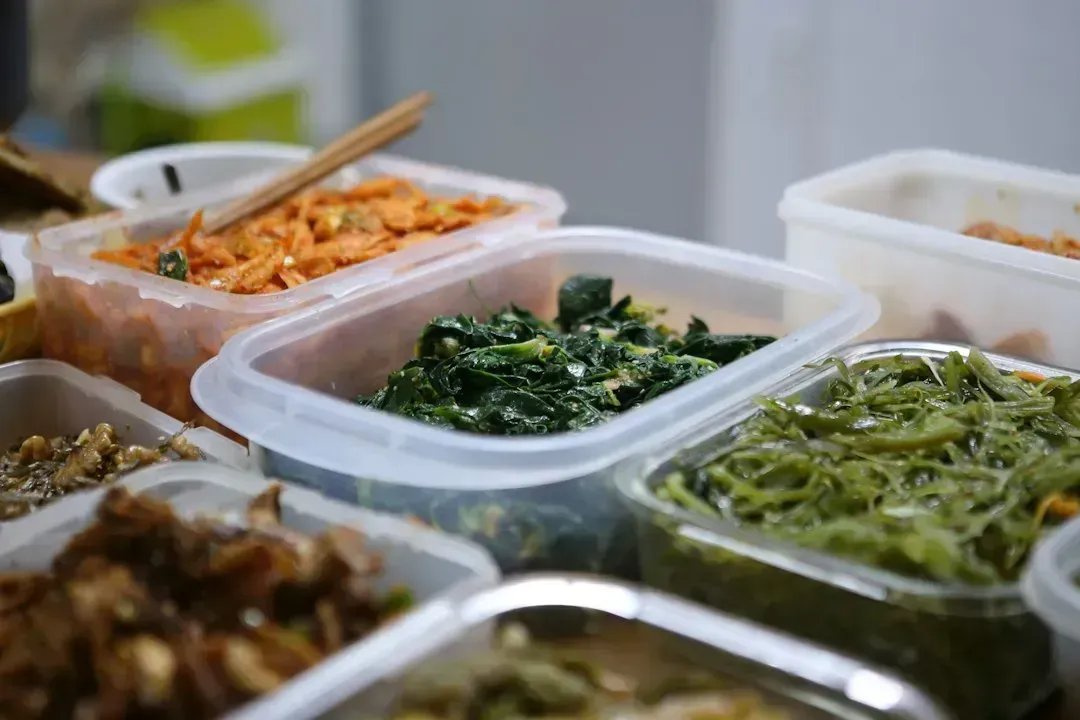
Splitting a batch of soup or rice into several smaller containers instead of one large tub seems like it wastes plastic or glass, and it does use more containers upfront. But food cools and reheats far more evenly in smaller portions, reducing the risk of the middle staying lukewarm and becoming a breeding ground for bacteria, which is a common cause of spoiled leftovers being thrown out.
Portioned leftovers also make it easier to grab exactly what’s needed for a single meal, which cuts down on the temptation to reheat the entire batch and then waste what’s left over a second time. The extra containers pay for themselves by extending how many meals actually get eaten instead of discarded.
6. Letting produce sit out on the counter instead of refrigerating everything
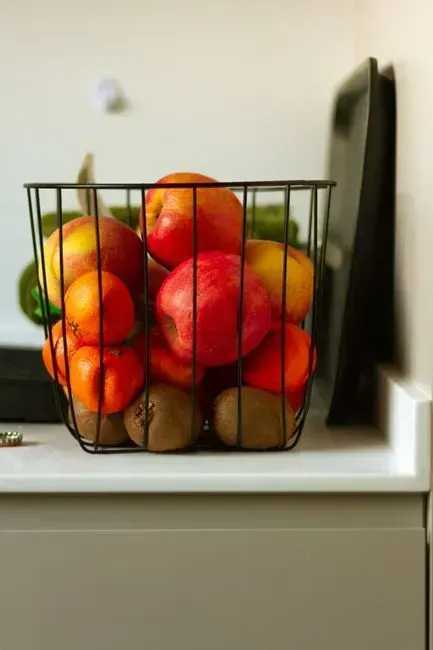
It looks careless to leave tomatoes, onions, or potatoes sitting in a bowl instead of tucking them into the crisper drawer. In reality, cold temperatures break down the texture and flavor of certain produce faster, and refrigerating them prematurely can cause mealiness or early rot that leads to more food being thrown out, not less.
Countertop storage for items like bananas, tomatoes, and whole melons allows them to ripen properly and stay usable longer than if they were chilled too soon. Understanding which foods actually benefit from refrigeration versus which ones degrade faster in the cold is a small piece of knowledge that quietly reduces grocery waste.
7. Buying a slightly more expensive cast iron or stainless steel pan
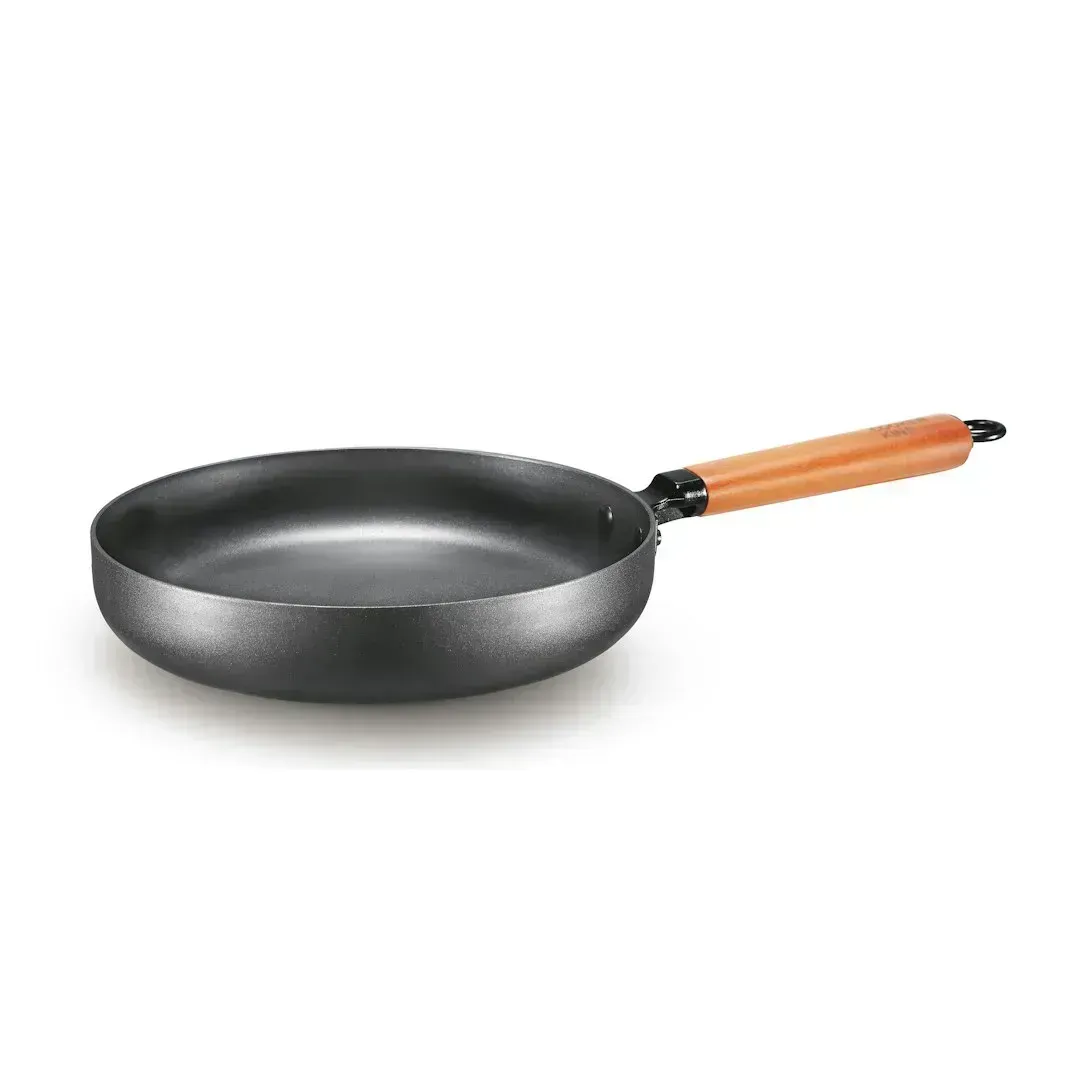
Walking past the ten dollar nonstick skillet for a forty dollar cast iron pan feels like an unnecessary upgrade for casual home cooking. Nonstick coatings typically degrade within one to five years depending on use, especially with metal utensils or high heat, while a well seasoned cast iron pan can last for decades and even improve with age.
The upfront cost looks steep, but spreading that price over the pan’s actual lifespan makes it dramatically cheaper per year of use than replacing a nonstick pan every couple of years. It’s a rare case where the pricier option is genuinely the budget conscious one.
8. Running the exhaust fan or range hood during and after cooking
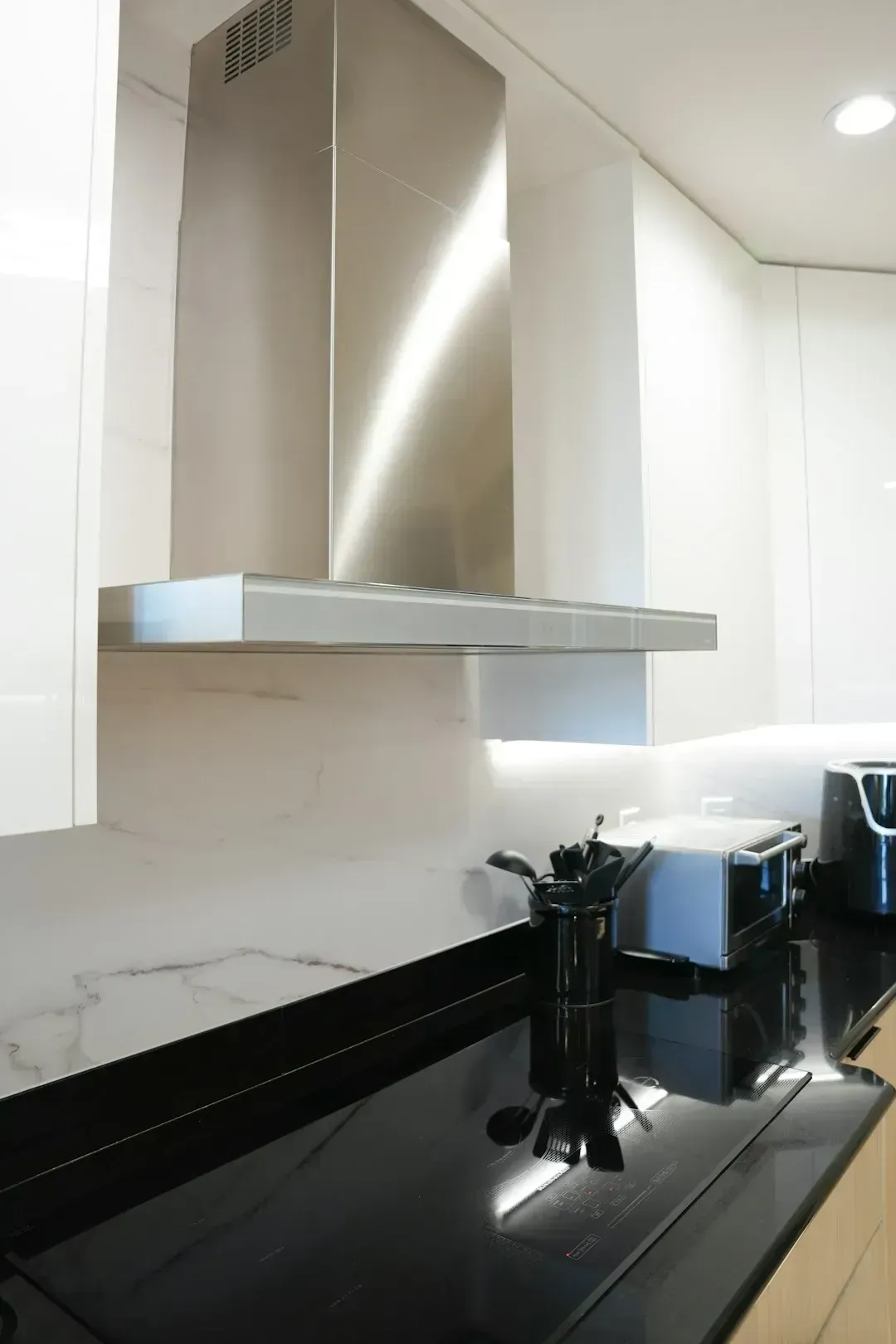
Flipping on a noisy exhaust fan while cooking seems like an energy drain nobody really needs, especially since most range hood fans use a small motor rather than a major appliance level draw. What that fan actually does is pull out excess moisture, grease particles, and heat that would otherwise force air conditioning or dehumidifiers to work harder in warmer months.
Letting it run for a few extra minutes after cooking clears lingering grease from the air before it settles on cabinets and walls, which reduces how often deep cleaning products and degreasers are needed. The small electricity cost of the fan is minor compared to the buildup and cleaning expenses it prevents over time.
9. Composting food scraps instead of just tossing them in the trash
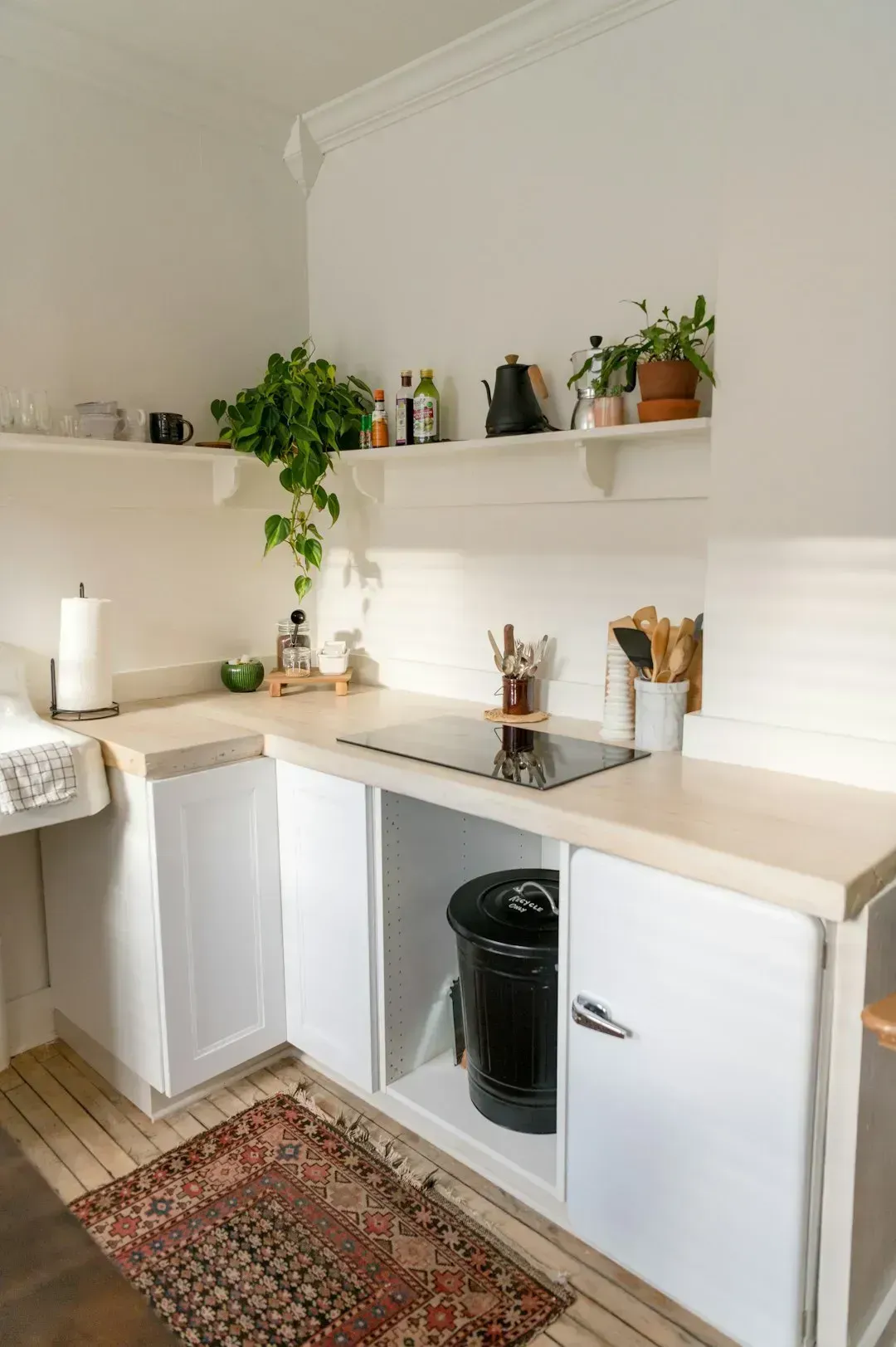
Setting aside vegetable peels, coffee grounds, and eggshells into a separate compost bin looks like extra effort for no real payoff, particularly for renters without a backyard garden. Yet composting reduces the volume of household trash, and in many municipalities that now charge by trash volume or offer discounted rates for smaller bins, that reduction translates into a lower monthly waste bill.
Finished compost also replaces the need to buy fertilizer or potting soil for anyone growing herbs, tomatoes, or houseplants, which adds up over a gardening season. What looks like an inconvenient extra step in the kitchen quietly turns kitchen scraps into a resource instead of a cost.
Kitchen habits that seem inefficient on the surface often reflect a deeper understanding of how appliances, food, and materials actually behave over time. The real waste usually hides in the habits that look thrifty at first glance, like scrubbing dishes by hand for twenty minutes or buying the cheapest pan every other year. Reassessing a few daily routines with this lens can lead to savings that don’t show up immediately but accumulate steadily across months and years.





Leave a Reply