
Picture a small puppy trotting down the sidewalk, tugging gently toward a leaf. Nobody minds, because it’s cute and the puppy weighs about as much as a bag of flour. Then six months pass, the leaf becomes a squirrel, and the same tug turns into a real problem.
Many leash habits are taught by accident, through small moments that owners barely notice. Trainers and veterinary behaviorists have long pointed out that dogs repeat whatever gets rewarded, even when the reward is just moving forward. Here are nine common lessons puppies pick up, and why they tend to backfire.
Pulling Forward Gets You Where You Want to Go
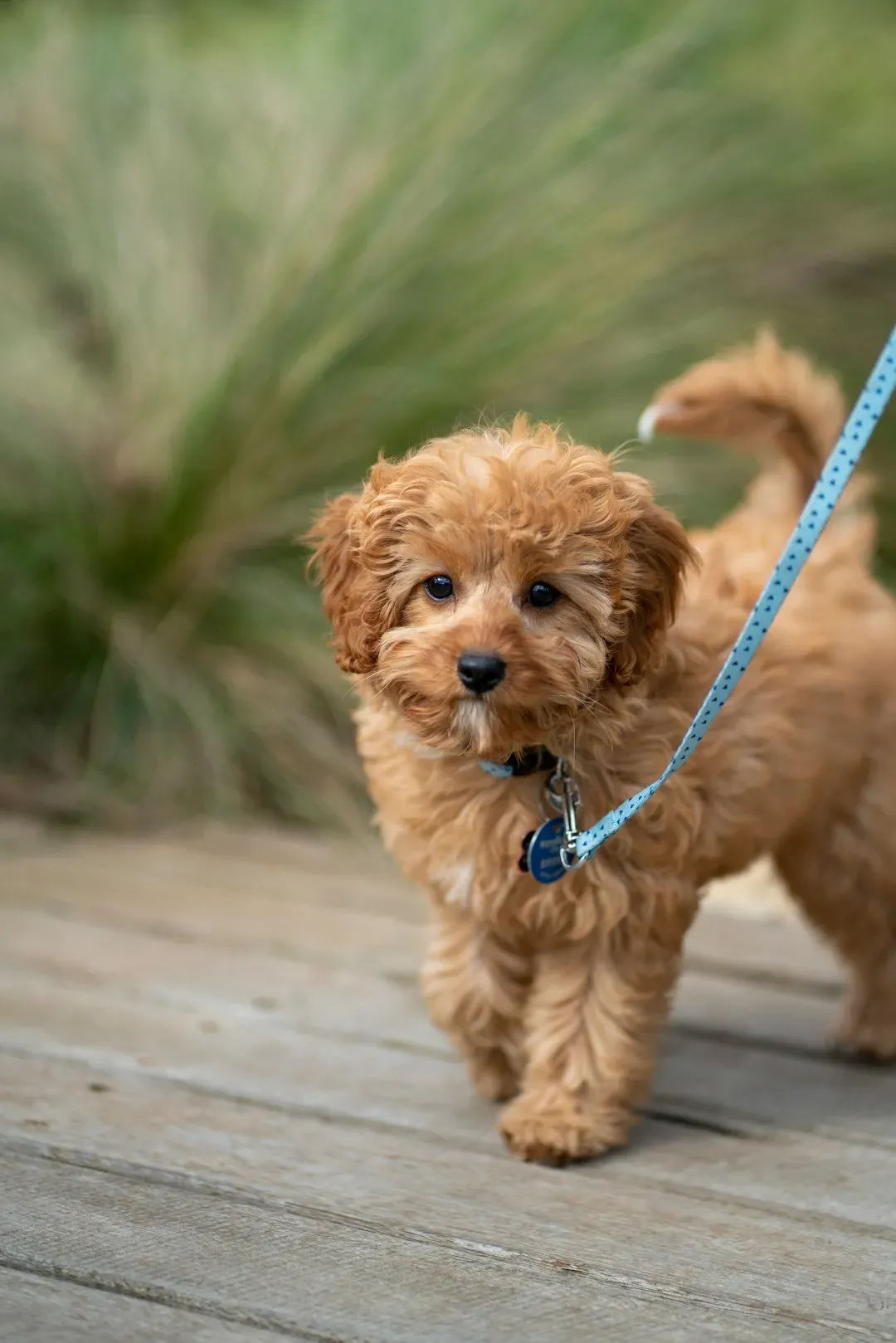
This is the classic. A puppy leans into the leash, the owner keeps walking, and the puppy learns that tension equals progress. Most trainers describe this as a simple case of reinforcement, since the dog reaches the tree or the corner by pulling.
Stopping when the leash goes tight, then moving again once it slackens, teaches the opposite lesson. It takes patience, and early walks may feel painfully slow. Still, the pattern is much easier to build at twelve weeks than to undo at twelve months.
Greeting Every Dog and Person on the Walk

Letting a puppy rush up to everyone feels friendly and social. Over time, however, the dog may come to expect that every sighting leads to a greeting. That expectation can turn into frustration, lunging, or barking when the leash stops the meeting.
The American Veterinary Society of Animal Behavior stresses well managed, positive socialization during early development, which isn’t the same as unlimited leash greetings. Brief, calm exposure from a distance, paired with treats, gives puppies experience without building the habit of charging forward.
Using a Retractable Leash as an Everyday Tool
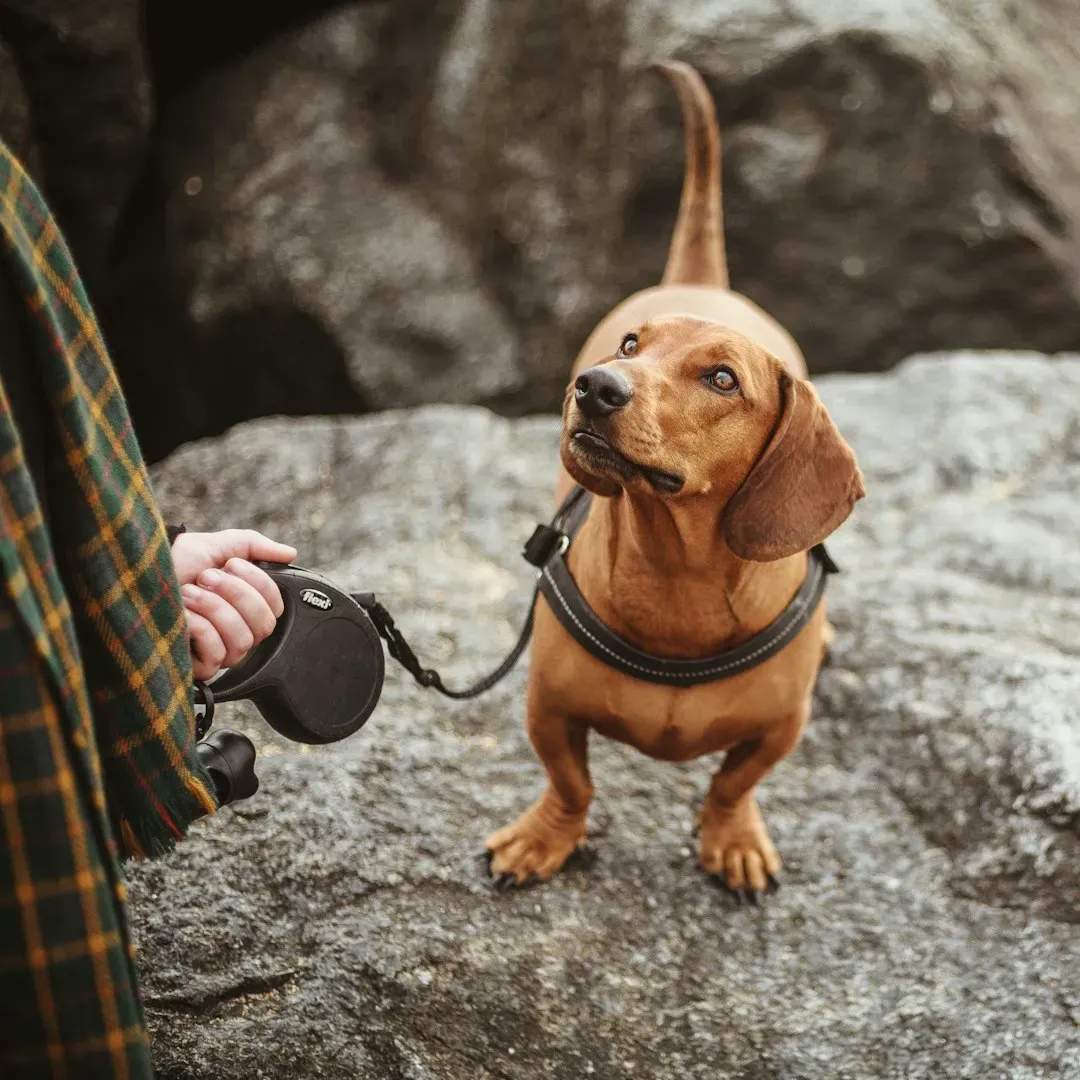
Retractable leashes are popular because they promise freedom. In practice, they give the dog constant light pressure to pull against, which can quietly teach that tugging is normal. The length also makes it harder to control a puppy near traffic or other dogs.
Injuries linked to these leashes, including cord burns and sudden jerks, have been documented in medical literature. For teaching manners, a fixed leash of about six feet is generally the better training choice.
Ignoring the Leash Until There’s a Problem
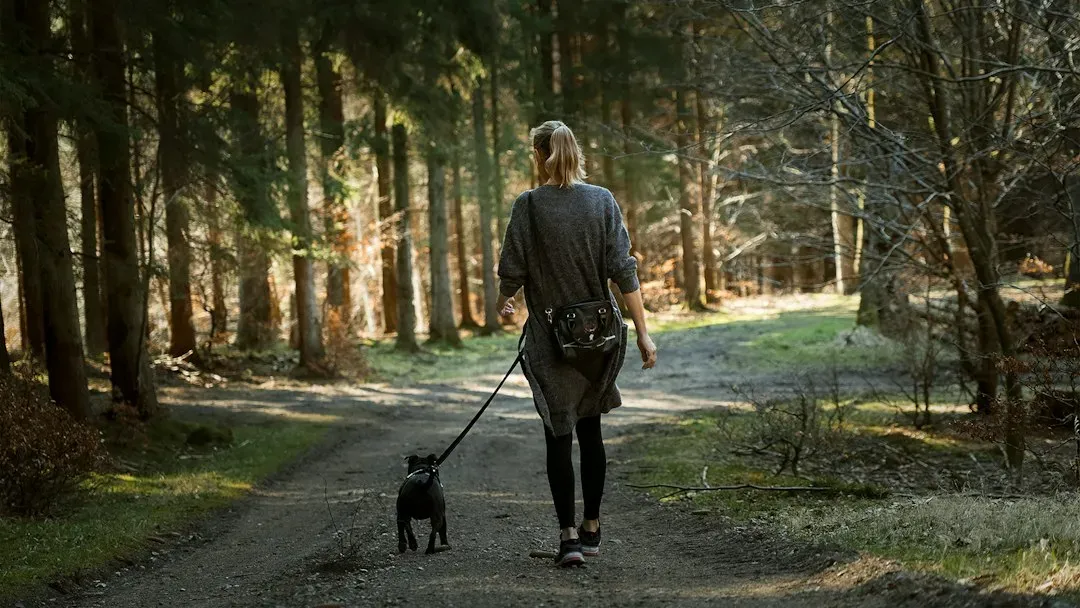
Many owners hold the leash loosely and only pay attention when the puppy bolts or lunges. That teaches a puppy that nothing matters until the last second, and by then the owner is reacting rather than guiding. Dogs learn from patterns, and inconsistent attention produces inconsistent behavior.
Rewarding the puppy for walking beside you, even for a few steps, builds the opposite pattern. Small treats delivered at your side help the dog figure out where the good stuff happens.
Yanking Back When the Puppy Pulls

It feels natural to jerk the leash in response to a pull. Unfortunately, research reviewed by veterinary behavior groups links aversive training methods to more stress and, in some cases, more fear and aggression. A sharp tug can also strain a young puppy’s neck.
Many owners find that a front clip harness or simply changing direction works better. The dog gets clear feedback without pain or confusion, and the walk stays pleasant for both of you.
Letting the Puppy Sniff Everything Without Any Structure
Sniffing matters. Dogs gather a huge amount of information through scent, and a walk without it can feel dull to them. The mistake is allowing a free for all, where the puppy drags the owner from one smell to the next.
A better approach is to build in cues, such as a release word that says it’s time to sniff. That way the puppy gets the mental benefit of exploring while still learning that the leash sets the pace.
Walking Out the Door First
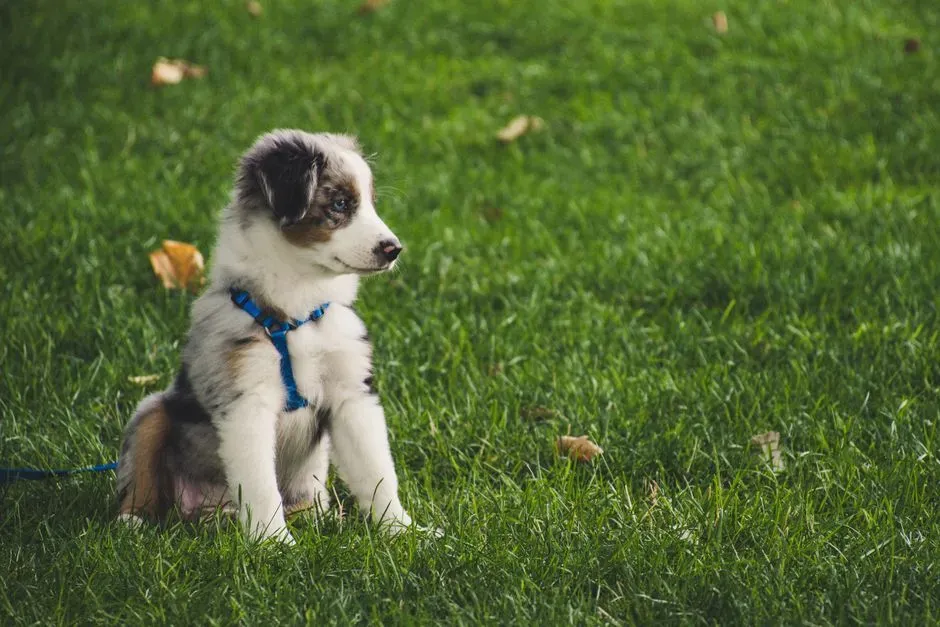
Puppies often burst through doorways, gates, and car doors because nobody asked them to wait. It seems harmless until the day the door opens onto a street. The habit is also hard to break once the dog is larger and stronger.
Teaching a short pause at every threshold gives you a reliable safety skill. Ask for a sit, open the door, and release the puppy with a cue only after they’ve stayed calm. Repeated daily, it becomes automatic.
Allowing Chewing and Tugging on the Leash
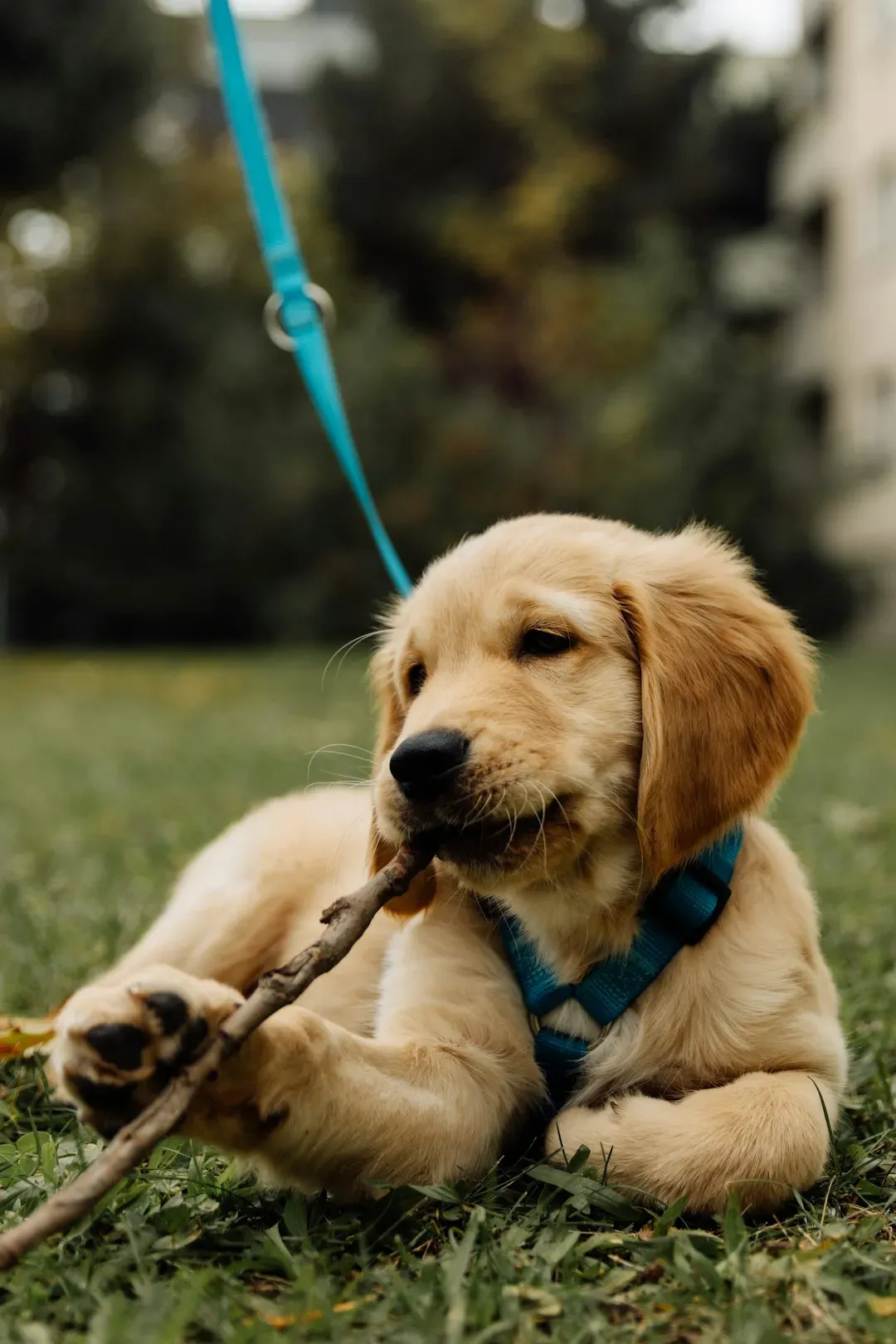
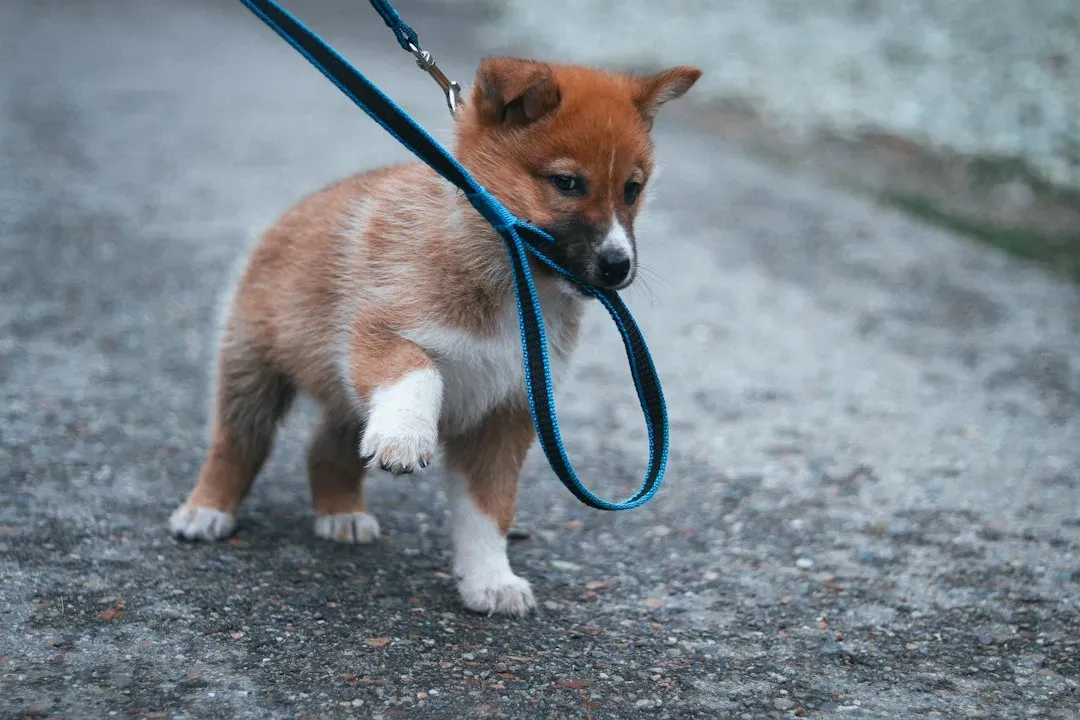
Puppies explore with their mouths, and a dangling leash looks like a toy. Owners often laugh and play tug, which turns the leash into a game. Soon the puppy is grabbing it mid walk, which makes controlled walking nearly impossible.
Redirecting to a chew toy before leaving, or carrying a treat to reward a closed mouth, usually helps. Consistency matters here, because even occasional play teaches the puppy that leash grabbing is worth trying.
Skipping Training Because the Puppy Is Still Small
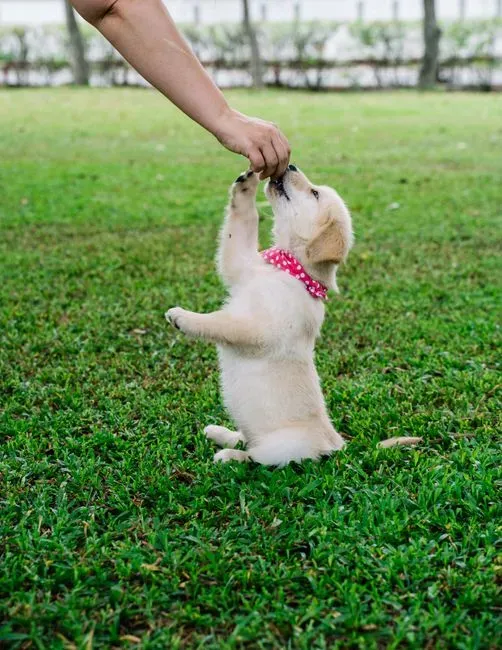
Perhaps the most common habit is waiting. Owners assume leash skills can start later, once the puppy is older and calmer. Yet behavior professionals generally recommend starting basic training right away, since early weeks are a key learning window.
Short sessions of a few minutes, repeated through the day, are enough for young puppies. Starting early doesn’t demand perfection. It simply means the puppy never gets the chance to practice the habits you’ll later wish you hadn’t allowed.





Leave a Reply