
There’s a particular kind of knowledge that doesn’t live in textbooks. It shows up in a grandmother’s kitchen, in a grandfather’s workshop, in the quiet way an older person handles a difficult neighbor or a stretched budget. There was a time when schools didn’t just focus on test scores – they taught children how to live. From basic budgeting to home economics and moral reasoning, students once graduated with practical skills and personal values that helped them build strong families and successful lives.
Over the years, as schools have shifted their priorities toward test performance, digital literacy, and evolving social agendas, many of those timeless lessons have quietly disappeared. What’s left behind is a gap that grandparents, often without even realizing it, are still filling every single day. These are nine of the most important lessons they carry.
1. How to Manage Money Before You Run Out of It

Many young adults enter the real world without understanding credit, budgeting, or the dangers of debt. They’re taught to use apps, not balance checkbooks – to borrow for everything, not to save first. Grandparents who lived through tighter economic times tend to see money completely differently. They know that financial stability isn’t about income alone; it’s about discipline and restraint.
We live in an expensive time that requires willpower and creativity to make money go further. Grandparents start grandchildren off on the right foot by teaching budgeting from an early age – breaking out the old piggy banks and teaching the worth of a dollar and the value of saving for rainy days. That kind of hands-on money sense is hard to replicate in a classroom setting, and most schools still don’t try.
2. The Art of Real Conversation
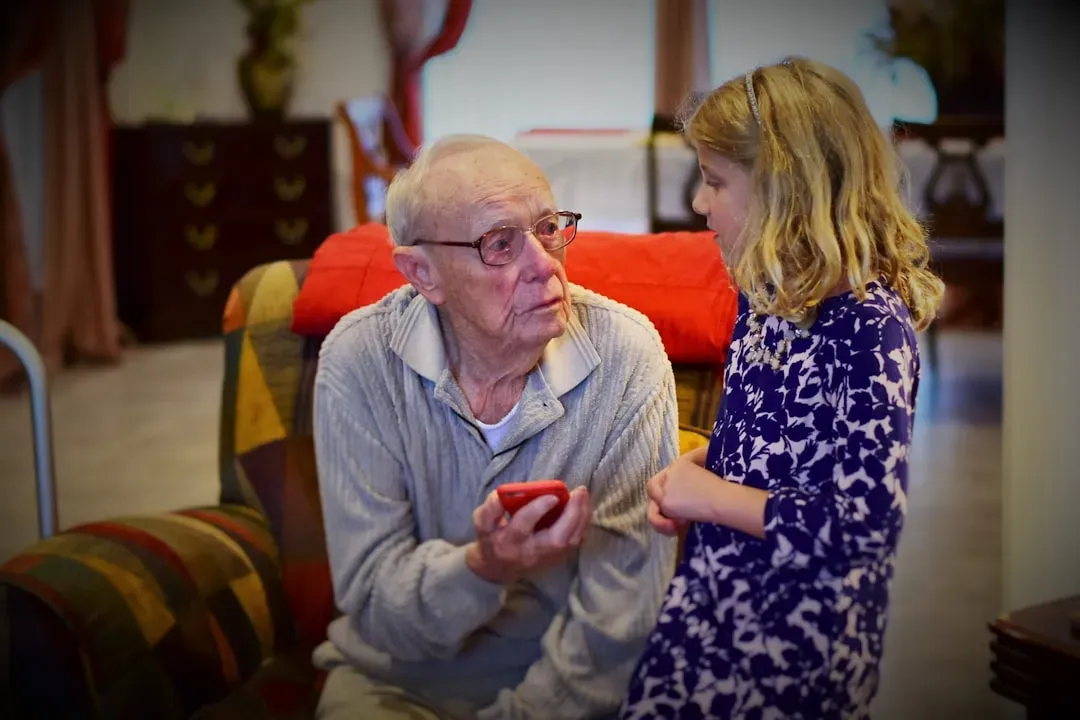
Social media may have made young people more connected, but not necessarily more civil. Many lack face-to-face communication skills, patience in disagreement, or the ability to listen without reacting. The gap between being online and being present is something grandparents bridge naturally, often without a lesson plan in sight.
Grandparents can model and teach the lost art of conversation: looking people in the eye, asking thoughtful questions, and treating others with dignity even when opinions differ. Schools often teach children what to think, not how to think. Sitting across a table from someone who genuinely listens is itself a masterclass in communication that no app can replicate.
3. Practical Skills That Actually Keep a Home Running
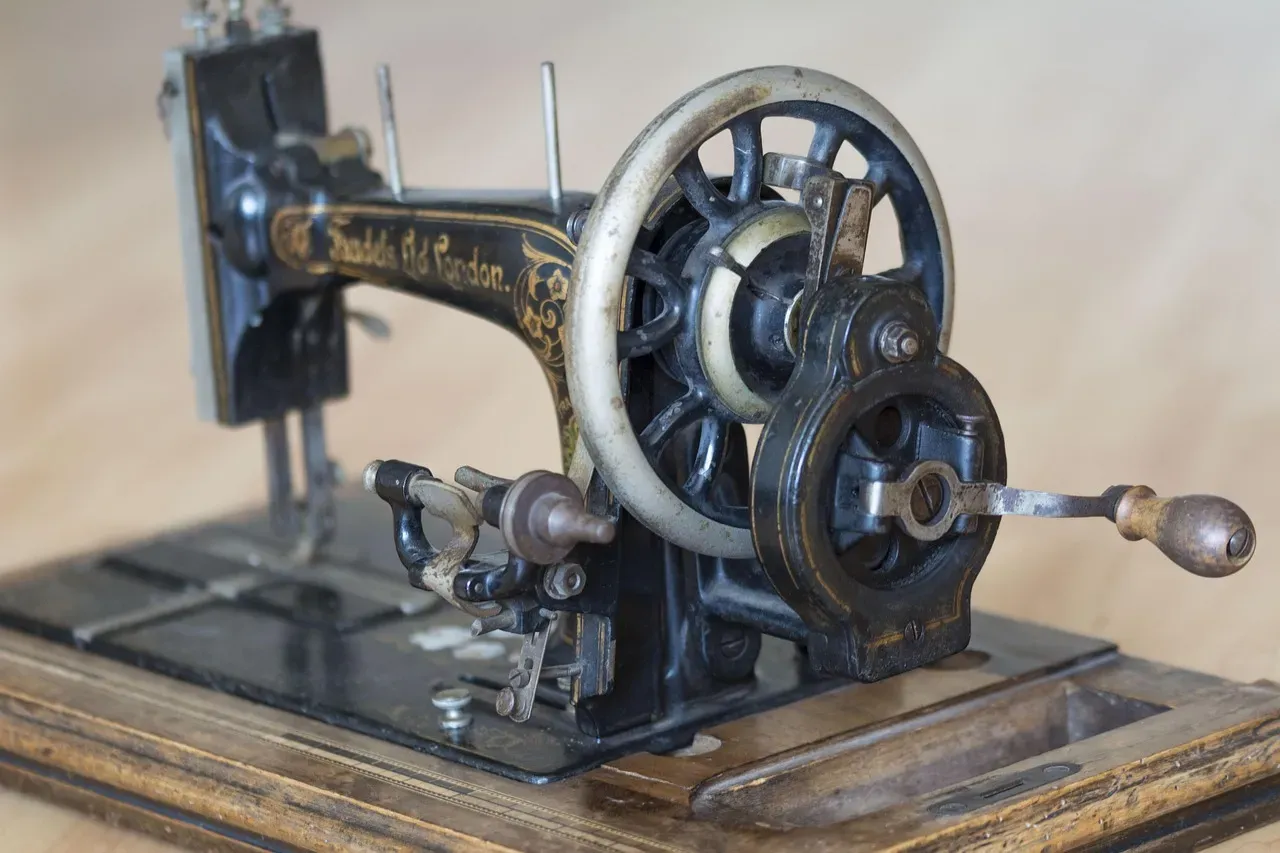
Things like sewing, baking, woodworking, and even car mechanics were necessary skills for previous generations, and were even taught in public school systems. Today, most of those shop classes and home economics courses have been quietly dropped from curricula to make room for standardized test prep. The result is a generation of young adults who can pass an exam but can’t fix a hem or patch a leaking pipe.
When they were growing up, many grandparents learned skills such as sewing, gardening, baking, farming, and woodworking. These are great things to pass on, as they may not be commonly taught anymore but are still very useful talents to possess. Grandparents are walking encyclopedias of practical knowledge that’s rapidly disappearing from our digital world. That knowledge, passed down through doing rather than watching, tends to stick.
4. How to Grow Something and Be Patient Enough to Watch It Happen
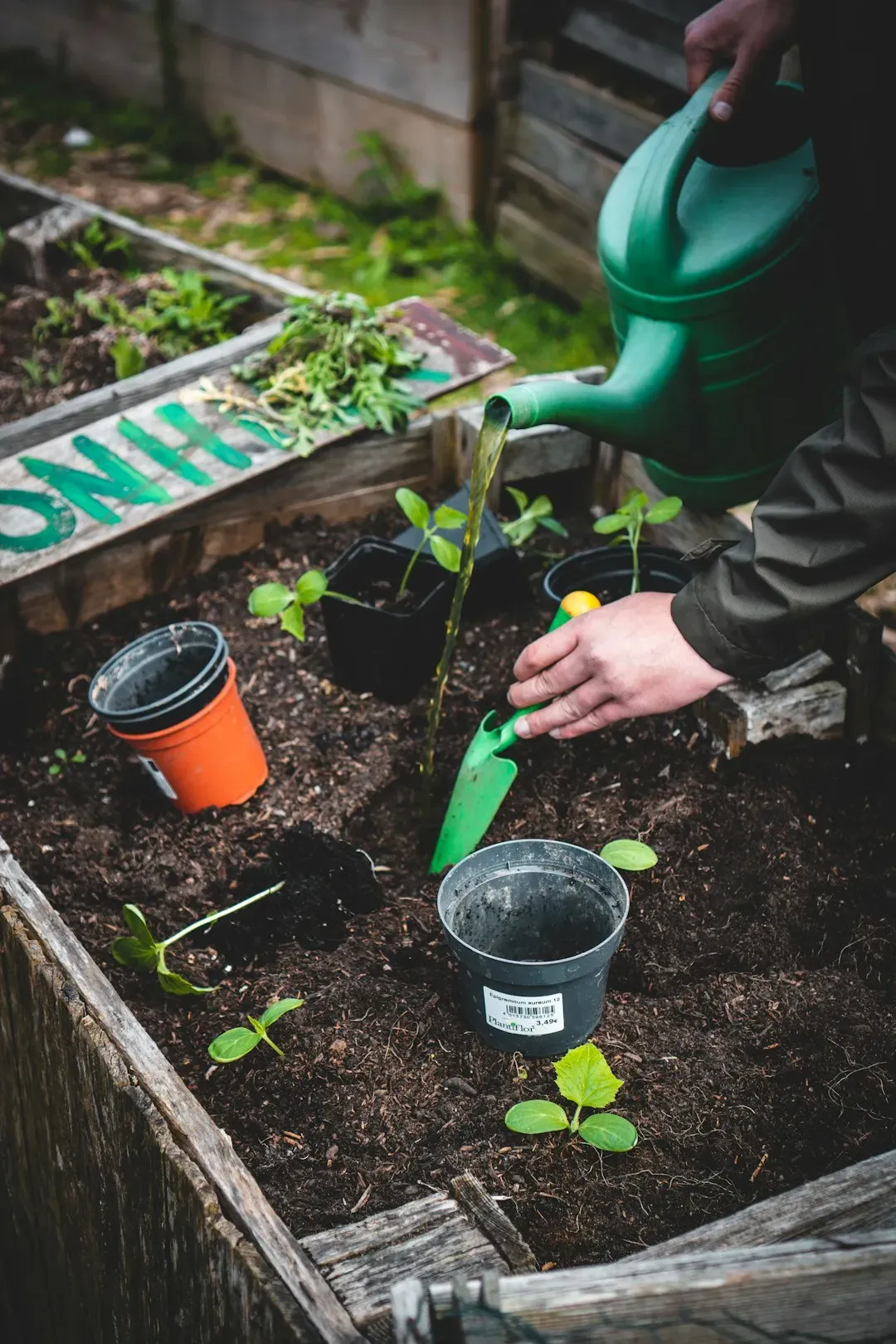
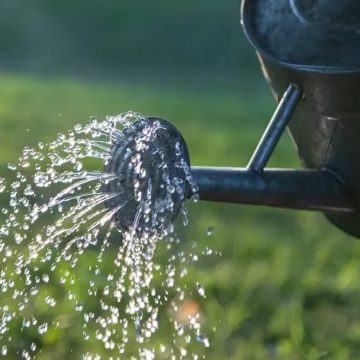
At some point as a society we got away from gardening. Those vegetables in the supermarket didn’t magically appear there. From sunflowers to bell peppers, gardening is not just planting but a lesson in planning, patience, and reaping rewards. It teaches children that effort and time are connected – a concept increasingly at odds with a world of instant results and next-day delivery.
From gardening to cooking, grandparents possess a treasure trove of practical skills. They teach grandchildren how to grow plants, share family recipes, and engage in hands-on activities that foster independence and self-sufficiency. There’s something quietly grounding about watching a seed become food. It’s a patience lesson that no classroom schedule really has room for.
5. Resilience: Getting Back Up Without Making It a Crisis
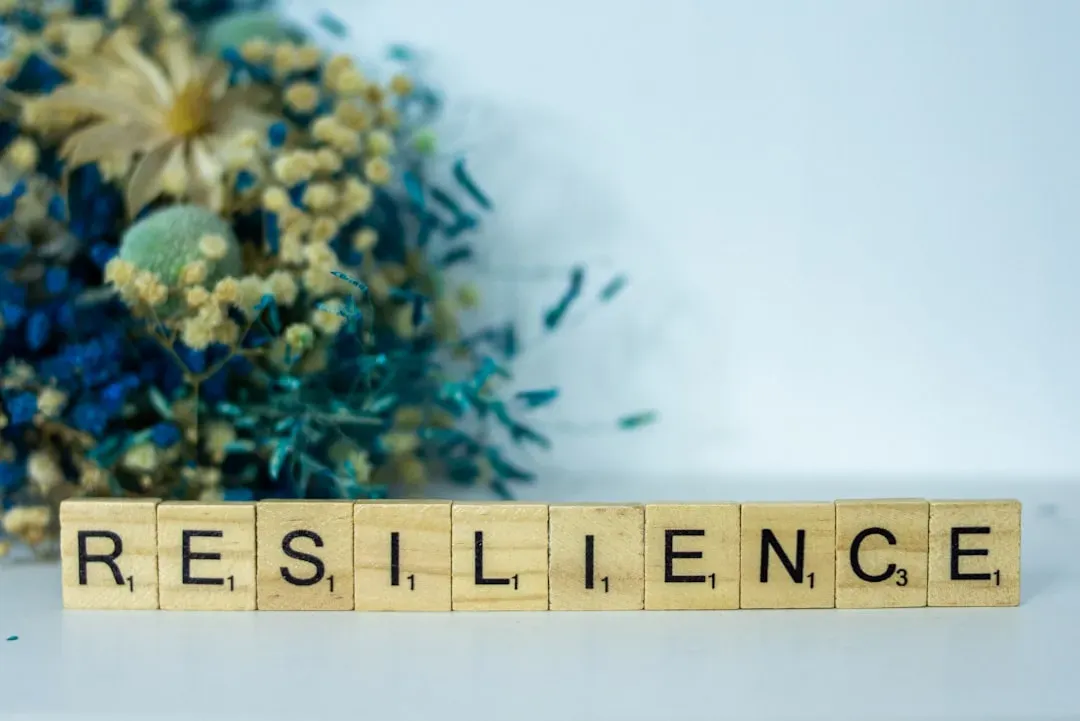
Grandparents model resilience in a way that younger generations can’t. They’ve weathered job losses, health scares, and global upheavals. Seeing how they’ve adapted and thrived gives children a template for handling their own future challenges. This is different from the resilience worksheets some schools hand out. It’s witnessed. It’s personal. It lands differently.
When a grandchild worries about something at school, a grandmother can share how she faced similar challenges and lived to tell the tale. It’s not dismissive; it’s deeply reassuring. That kind of lived perspective – calm, earned, unshakable – is one of the most underrated gifts an older generation can offer a younger one.
6. Honesty, Humility, and the Quiet Weight of Character
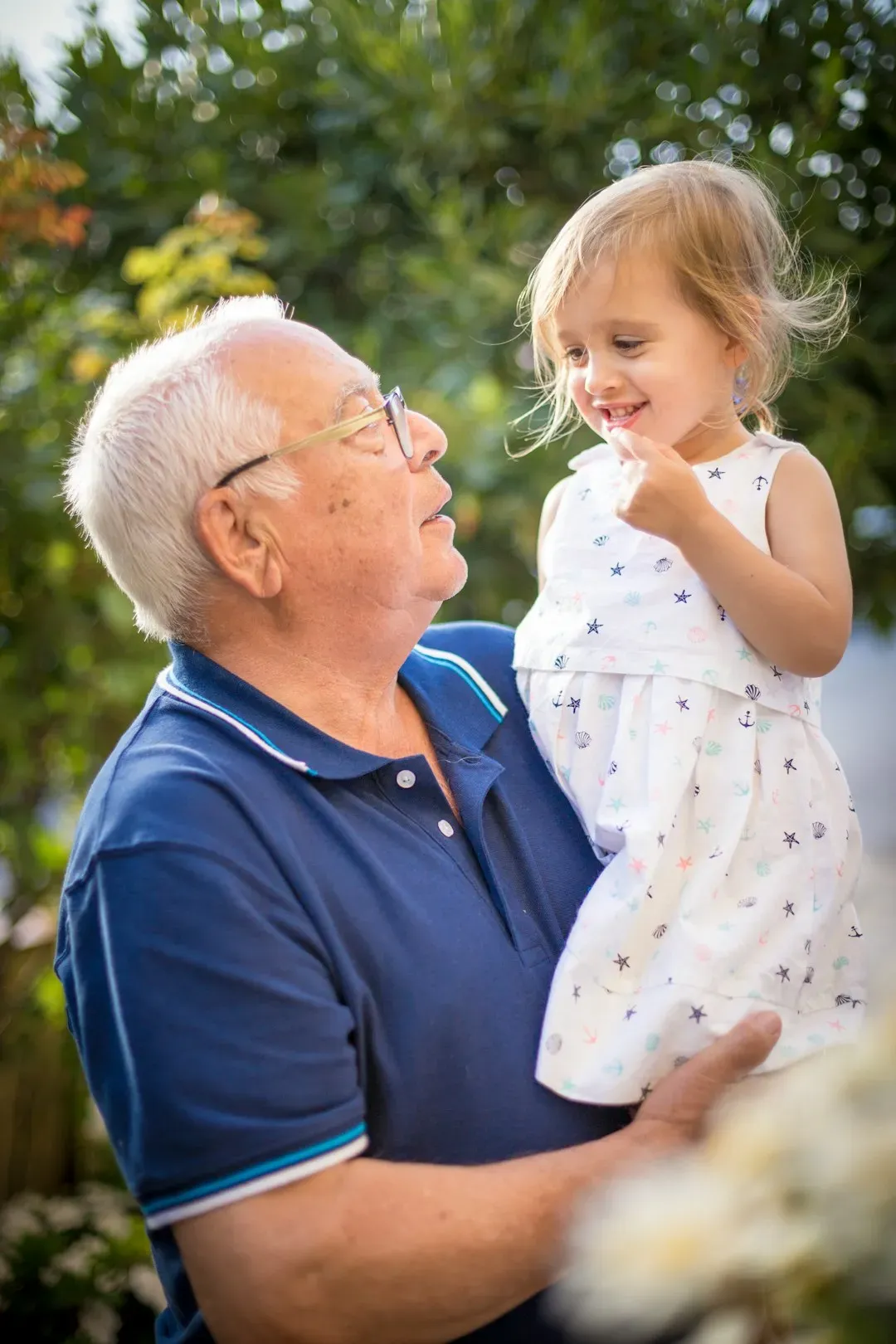
Moral and character education used to be a cornerstone of the school experience. Now, ethics are often treated as relative or avoided altogether. Grandparents from earlier generations carry a more direct relationship with right and wrong – not because they were simpler, but because they lived in communities where reputation and behavior were tightly linked.
Older generations, who were taught right from wrong without apology, can pass on the importance of honesty, humility, perseverance, and respect for others. These values still matter – and they’re often best taught through example and everyday stories. A grandparent who never takes the easy dishonest shortcut teaches more through that behavior than any lecture ever could.
7. The Value of Mending Rather Than Throwing Away
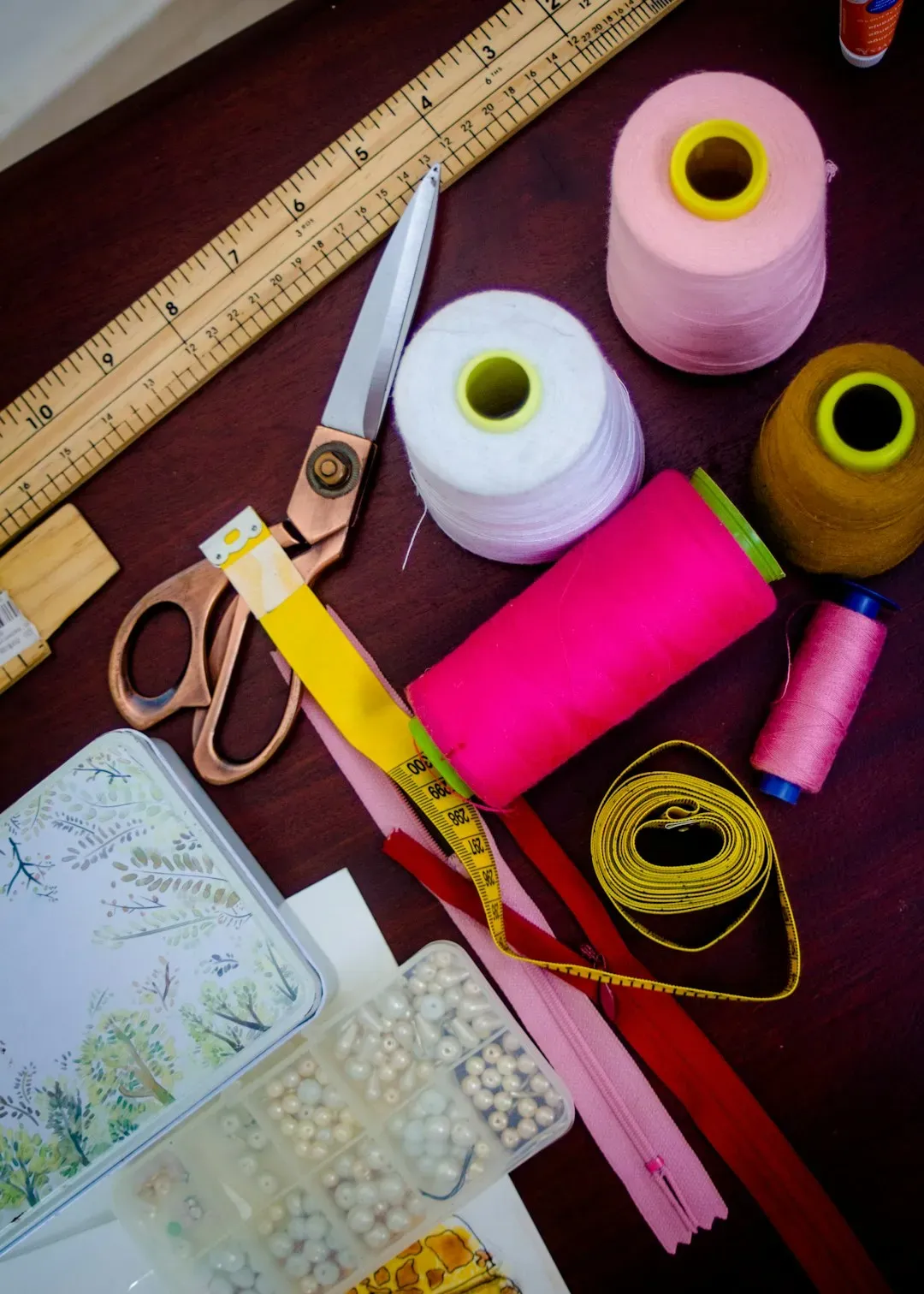
Make do and mend – a lesson in frugality and resourcefulness straight from the war years. Before throwing something away, try fixing it. Stitching up a torn shirt or fixing a squeaky hinge cultivates patience, creativity, and respect for what we have. This philosophy sits in sharp contrast to a throwaway culture shaped around planned obsolescence and cheap replacements.
Teaching the art of hand-sewing as clothes come and go with fleeting fashion trends saves money and instills the philosophy of repair over replacement. Beyond the practical savings, there’s a mindset shift involved – treating objects as worthy of care rather than disposable. That’s a form of environmental and personal responsibility that schools rarely address head-on.
8. Sitting With Boredom – and Finding Something in It
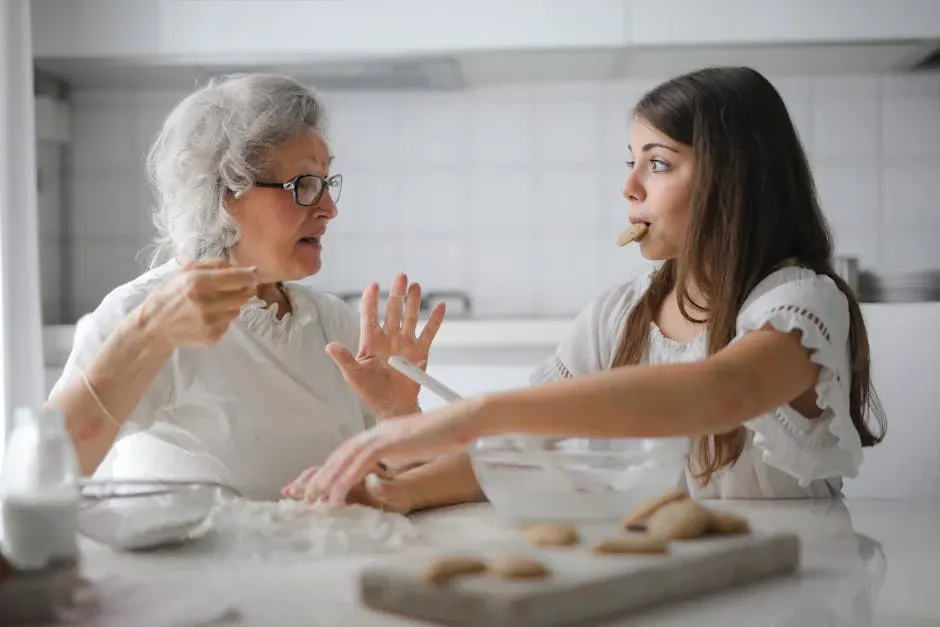
Grandparents move through the world at a different pace. While parents rush to get everyone out the door, a grandfather will spend twenty minutes examining a caterpillar with a grandchild. There’s no agenda, no timeline – just pure presence. In a productivity-obsessed culture, grandparents teach kids that not every moment needs to be optimized.
Boredom used to be the starting point of creativity. It forced children to invent games, explore backyards, and tell stories. Card games and other analog pastimes once central to older generations are falling out of style with the advent of video games and smartphones. Letting grandparents share what they did for fun often reveals a new favorite way to spend an afternoon. Sitting quietly, without a screen, turns out to be a skill in itself – and one worth preserving.
9. Family History as a Map for Who You Are
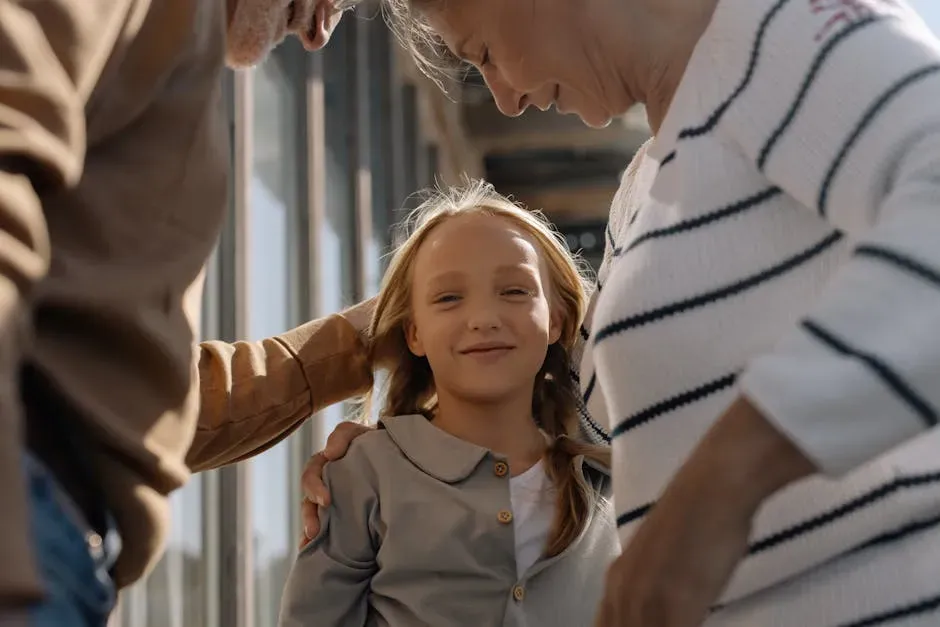
Grandparents have lived through different eras and witnessed historical events. Sharing personal stories about their experiences provides children with a unique perspective on history and instills a sense of appreciation for the past. Kids may resist learning about history from schoolbooks and old paintings, but they often find it far more interesting when it comes from someone who actually lived it.
Grandchildren pick up a great deal simply by watching grandparents and being around them – learning something all the time by how they act, their routines, how they handle emotions, and how they treat people. Telling stories and sharing the past are more great ways grandparents can teach. Grandparents teach children the significance of family bonds and the value of spending time with loved ones. Through their presence and stories, grandparents instill a sense of belonging and remind children about the importance of cherishing family relationships.
What makes these lessons so durable is that they weren’t delivered with a grade attached. They arrived through proximity – through shared meals, long afternoons, and the ordinary rhythms of life alongside someone older. In an age where schools focus more on standardized metrics and less on human development, family has become the most powerful classroom left. The lessons grandparents carry aren’t relics. They’re the kind of knowledge that keeps working long after the school bell has rung for the last time.


Leave a Reply