
1. Showing up without a REAL ID compliant license or acceptable ID
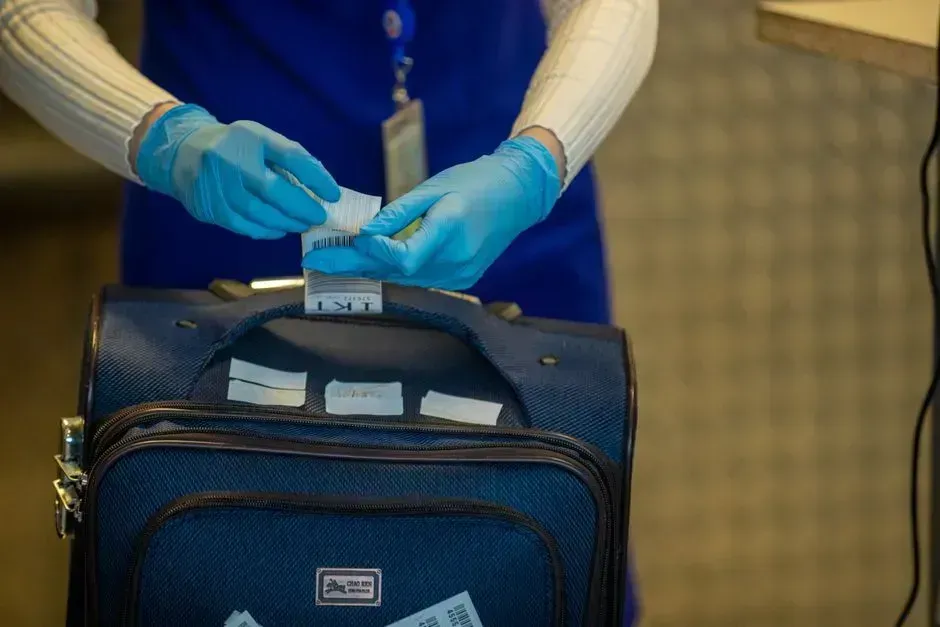
Since May 2025, TSA has stopped accepting driver’s licenses that don’t meet federal REAL ID standards. TSA no longer accepts state-issued identifications that are not REAL ID compliant at security checkpoints, and all airline passengers 18 years and older, including TSA PreCheck members, must present REAL ID-compliant identification or another acceptable ID. That means even trusted traveler status won’t save you if your license itself is out of date.
The situation got another layer starting February 1, 2026. Travelers flying without a REAL ID may opt for TSA Confirm.ID for identity verification, which costs a non-refundable 45 dollar payment, and the fee covers a 10-day travel period allowing round-trip or multiple flights within that window. Officers would much rather see a compliant card than walk someone through a paid backup process that can eat up half an hour before boarding.
2. Forgetting to empty your pockets before the body scanner
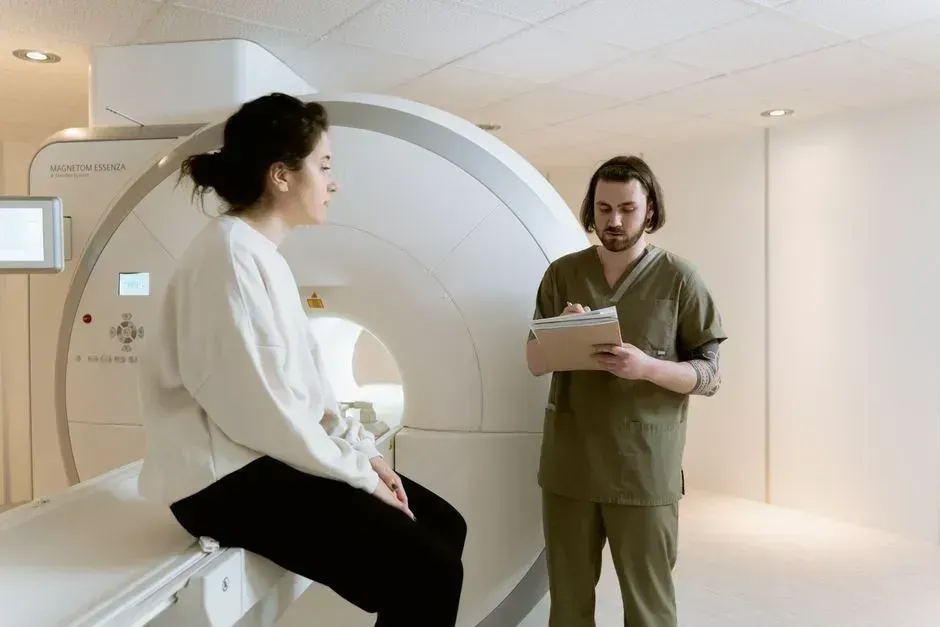
It sounds basic, yet it remains one of the most repeated errors at checkpoints nationwide. A common mistake is failing to empty pockets before going through the body scanner, since items like keys, phones, money clips and loose change can set off alarms and lead to additional checks. Every alarm means a pat down or a rescan, and that backs up the entire line behind you.
Officers aren’t being dramatic when they ask twice. They’re trying to avoid the exact scenario that follows when someone insists their pockets are already empty and then a phone slides out mid scan. A quick pat down of your own pockets before you step up saves everyone a few extra minutes.
3. Packing liquids and gels the wrong way
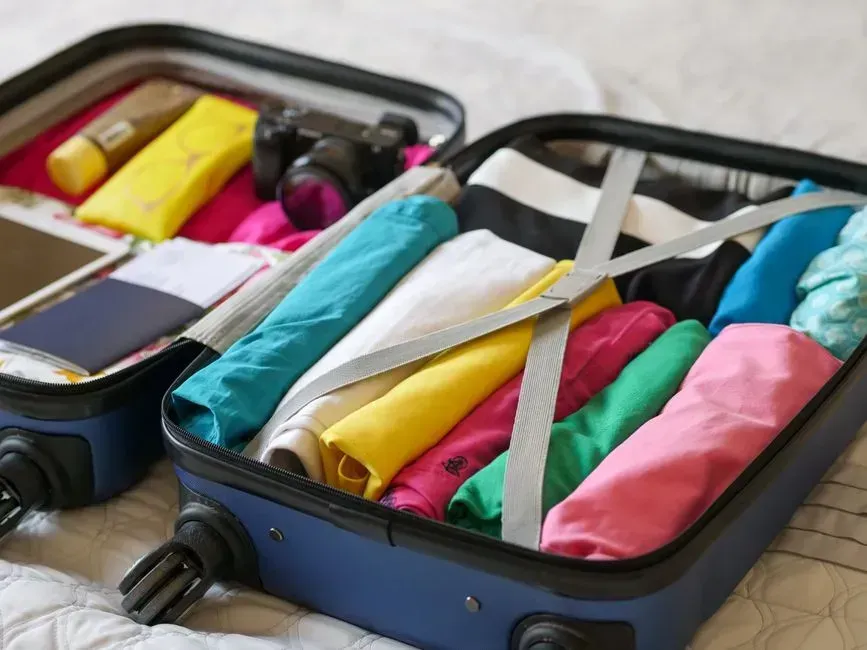
The classic 3-1-1 rule for liquids still trips people up years after it became standard practice. Bringing full size shampoo bottles, oversized toiletry kits, or forgetting that gel like items count too remains a steady source of confiscated bags and irritated sighs from the bins. Even with newer CT scanners appearing at some checkpoints that can see liquids more clearly, most airports still run the older rules, so assuming your airport has upgraded is its own kind of mistake.
Officers see this constantly during peak travel weeks, when bags are packed in a hurry and toiletry bags get shoved in without a second thought. It’s a small thing, but multiply it across a few hundred passengers an hour and it becomes one of the biggest sources of delay at any checkpoint.
4. Leaving laptops and electronics buried in your bag
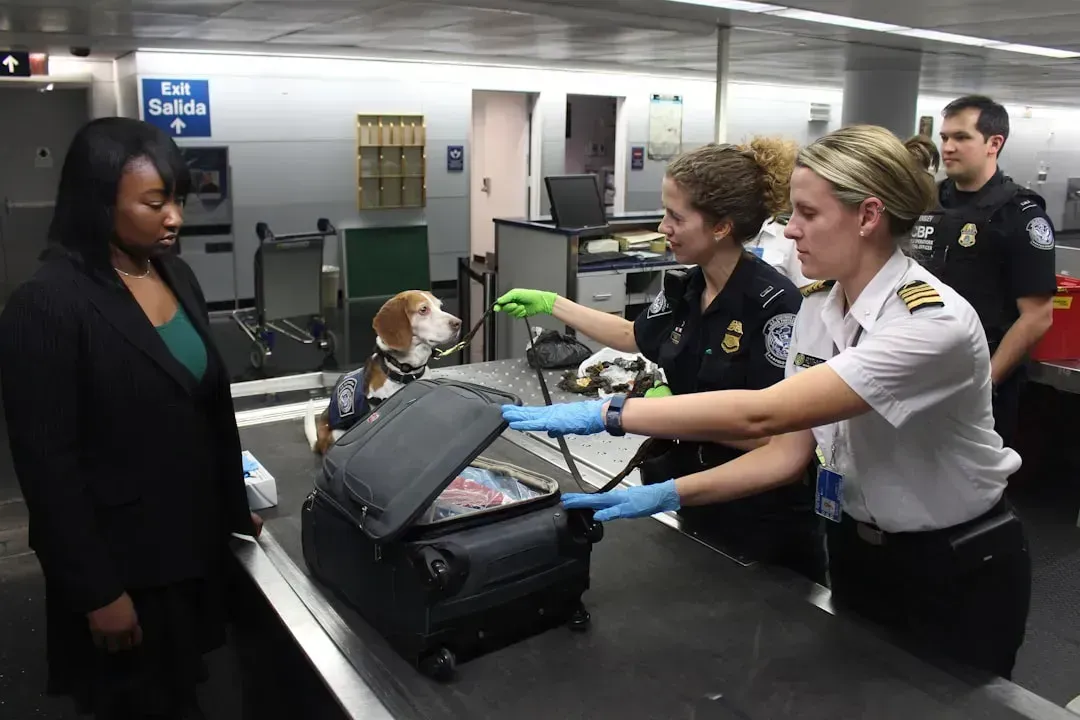
Not pulling out laptops, tablets, or other large electronics before the bag hits the X-ray belt is a habit officers notice right away. According to TSA agents, one of the most frustrating habits of travelers is not listening to instructions, including not removing laptops from bags or failing to take off shoes and belts, and listening to and following agents’ instructions can make the process smoother for everyone. A bag that has to be pulled aside and manually opened slows the belt for everyone waiting behind you.
This gets worse when people wait until they’re already at the front of the line to start digging through their bag. Getting your electronics out while you’re still standing in the queue, rather than at the very last second, keeps the whole line moving at a reasonable pace.
5. Wearing complicated clothing and loaded down accessories
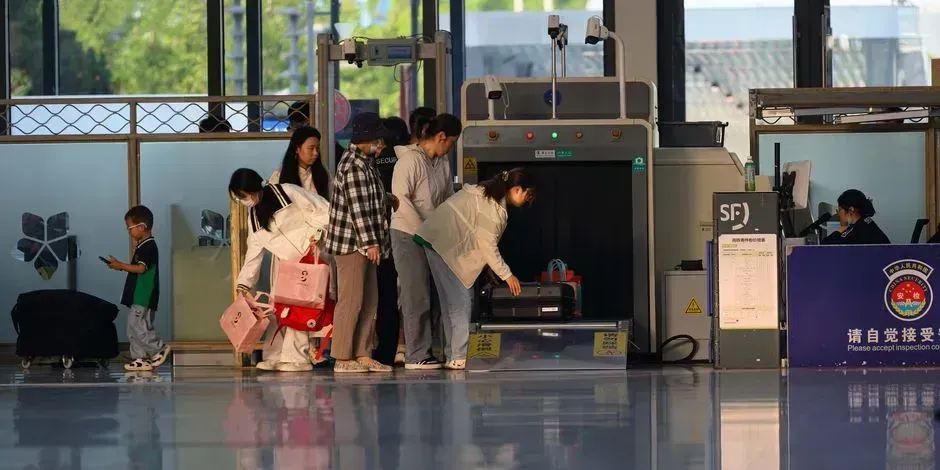
Belts with big metal buckles, boots with dozens of eyelets, layered jewelry, underwire, all of it tends to trigger extra scanning. The TSA recommends wearing slip-on shoes and few or no metal accessories to keep things moving along. Officers don’t dislike your style choices personally, they just know from experience which outfits mean a longer line for everyone.
The fix is genuinely simple and most frequent flyers have already figured it out. Save the statement jewelry and complicated boots for after you land, and stick to something you can shed and re-wear in under a minute at the checkpoint.
6. Packing checked bag only items into your carry-on
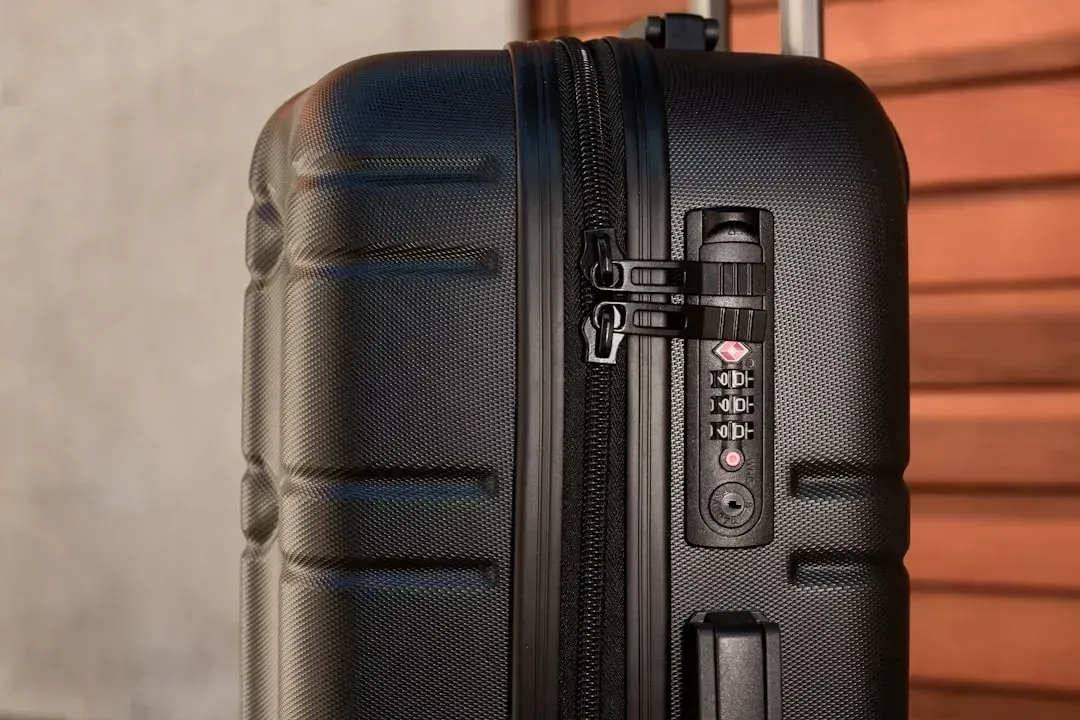
Ammunition, certain knives, and other restricted items are legal to travel with, just not in the bag you’re carrying onto the plane. At Akron–Canton Airport and Newark Liberty International Airport, passengers arrived at security with ammunition and knives in their carry-on bags, and while both items may be transported legally when properly packed in checked luggage, they are prohibited at passenger screening checkpoints. This isn’t a matter of trying to sneak something through, it’s usually just a packing mix up, but it still triggers a full stop at the checkpoint.
Firearms cause the same headache when they aren’t packed correctly. TSA has reminded passengers that they can travel with firearms, but they need to be packed according to security guidelines, properly secured in a locked, hard-sided case. Officers would much rather you check the rules before you pack than find out the hard way at the X-ray machine.
7. Ignoring or arguing with officer instructions
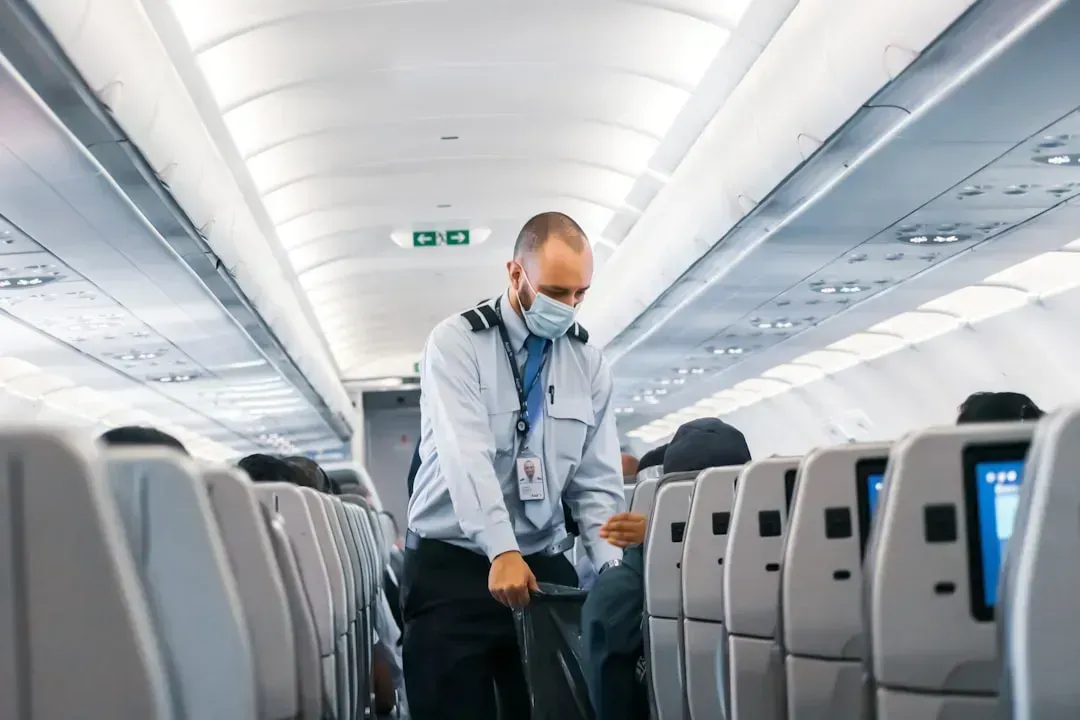
Every checkpoint has its rhythm, and officers repeat the same instructions dozens of times an hour for a reason. One of the most frustrating habits of travelers is not listening to instructions, and many travelers wait until the last minute to follow directions such as removing items from pockets or taking out laptops. Treating the process as optional, or pushing back on a request for a rescan, doesn’t speed anything up, it just adds friction.
Most officers are simply trying to move a long line of tired, stressed people through as smoothly as possible. Cooperating quickly, even when a request feels repetitive, is genuinely the fastest way through.
8. Cutting your arrival time dangerously close
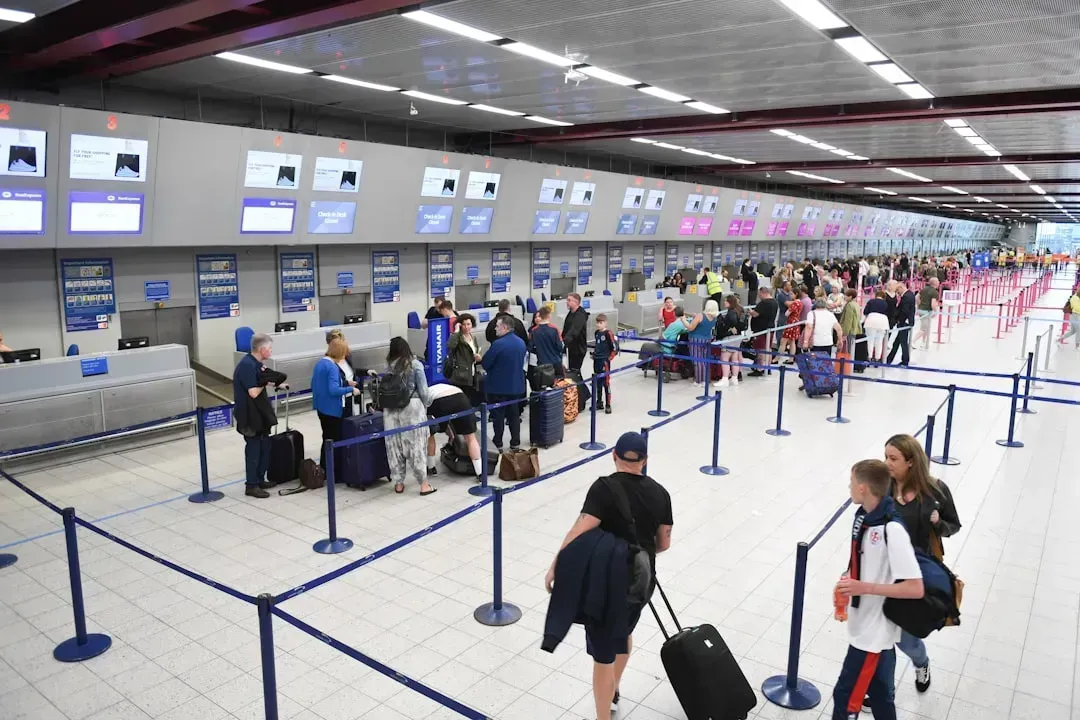
Underestimating how long security will actually take remains one of the most common self inflicted problems travelers create. Underestimating the time needed to get through security is a frequent mistake, and with increased passenger volumes, especially during peak holiday travel times, arriving at least two hours before a domestic flight and three hours before an international flight is recommended. Officers can see the panic coming from a mile away when someone sprints up asking to be moved to the front.
Rushed travelers make more mistakes, forget items in pockets, and argue more when told to step aside. Giving yourself a real buffer isn’t just about catching your flight, it’s about not becoming the person who throws off the whole line’s pace.
9. Charging your phone at public USB ports or using open Wi-Fi for sensitive tasks
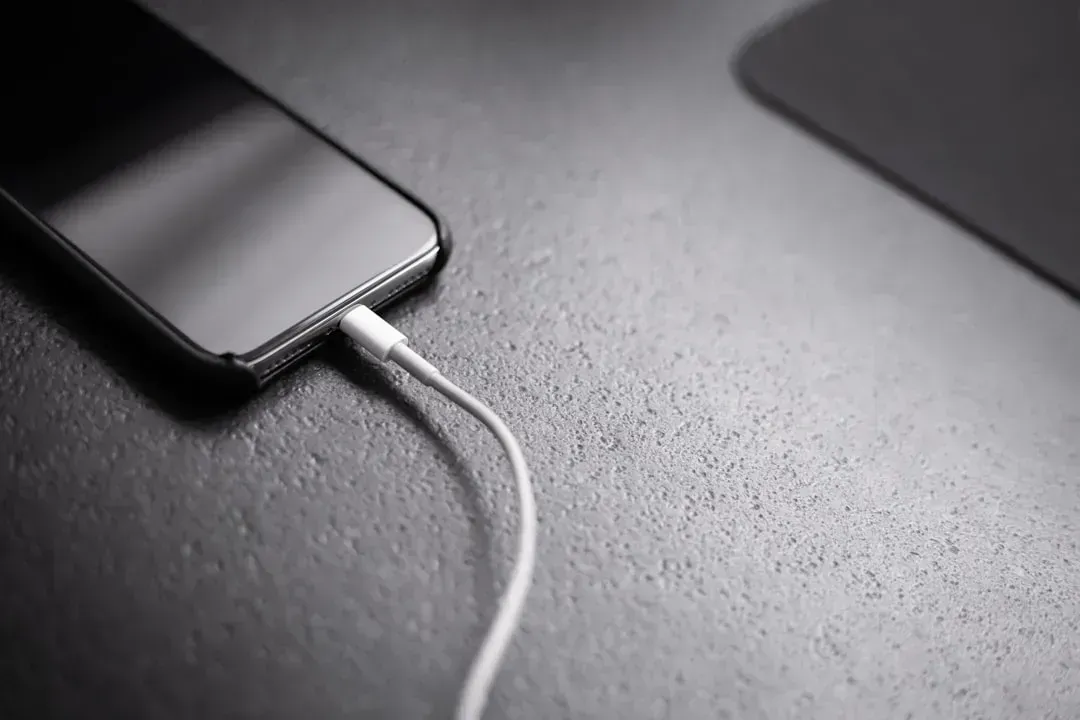
This one isn’t about the physical checkpoint, but TSA has made a point of warning travelers about it directly. TSA wrote that in this technology age, cybersecurity has never been more important, warning that hackers can install malware at USB ports through what’s called juice or port jacking, and that travelers should not plug their phones directly into a USB port at the airport. The agency’s advice instead is straightforward.
Bring your own charger and plug into a wall outlet, or carry a portable battery pack. TSA also reminded travelers not to use free public Wi-Fi, especially when planning to make online purchases, warning travelers not to enter sensitive information while using unsecure Wi-Fi. It’s a modern security concern rather than a checkpoint one, but it fits squarely into the same category of small habits that quietly put travelers at risk.
None of these mistakes are dramatic on their own. They’re the kind of small, repeatable habits that add up across thousands of passengers a day, which is exactly why officers notice them so consistently. Fixing even a few of them, keeping your ID current, packing liquids properly, giving yourself extra time, tends to make the entire experience smoother, not just for you but for everyone standing in line behind you too.




Leave a Reply