
1. Tossing Your Luggage Straight Onto The Bed
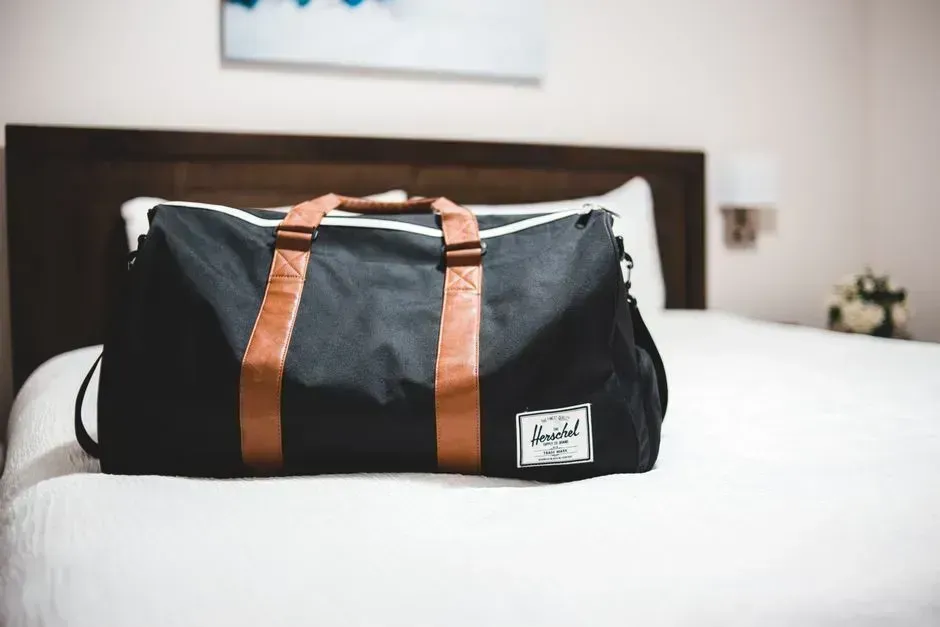
It’s an automatic reflex. You walk in, wheel the suitcase across the room, and heave it onto the nearest flat surface, which is almost always the bed. You open the door, wheel in your suitcase, and toss it on the nearest flat surface, which usually happens to be the bed, but travel experts are clear that you should not put luggage on the hotel bed, because bed bugs can be rife in hotels purely because of how many people pass through them.
This isn’t about hygiene snobbery or judging a particular hotel. Contrary to popular belief, bed bugs don’t discriminate and can be found in any hotel, luxury to inexpensive, and any home, big, small, clean, or dirty. A better habit is to set luggage on a hard surface first and inspect the mattress seams before unpacking anything. When you arrive in your room, immediately place your luggage on a tiled floor in the bathroom or kitchen, where the insects are unlikely to hang out.
2. Skipping The Fire Escape Route On Arrival
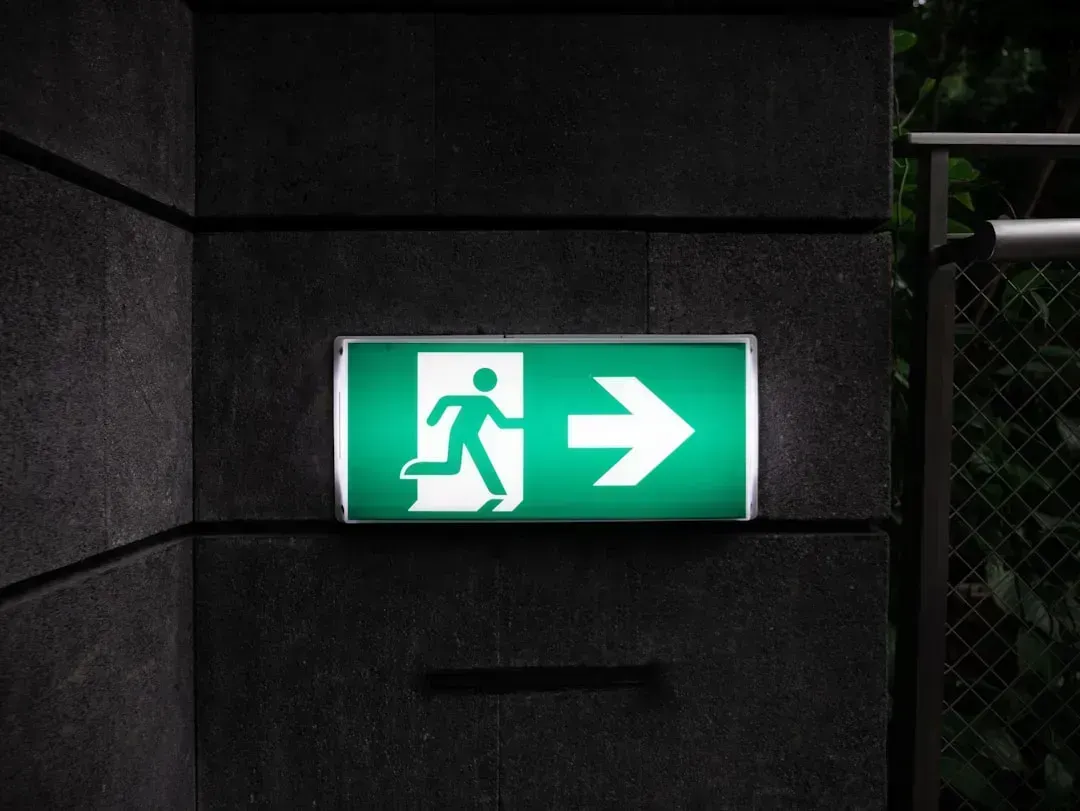
Nobody wants to think about emergencies while checking into a beach hotel or a boutique property in a city they’ve been dreaming about for months. Still, this is one habit that genuinely matters. Skipping this step is genuinely one of the most dangerous things tourists do, so look at the emergency plan posted in your room and find the closest emergency exit and learn the emergency route as soon as you arrive.
Foreign hotels don’t always follow the same fire codes or signage conventions travelers are used to at home, which makes this step even more worthwhile abroad. Remember that exiting through windows might not always be possible, and safety experts recommend selecting a room located between the fourth and sixth floor. A quick photo of the posted evacuation map on your phone takes seconds and could matter far more than it seems in the moment.
3. Not Securring The Door Properly At Night
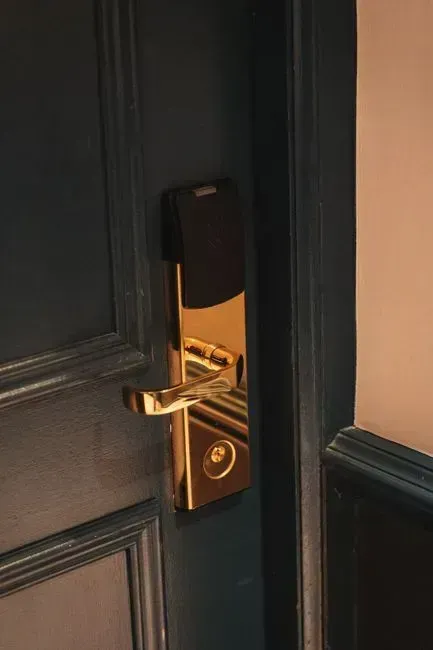
Locking the main door feels obvious, so it’s easy to assume everyone does it consistently. They don’t. Safety should always be a top priority in a foreign hotel, yet tourists sometimes forget to lock hotel rooms or leave windows open, creating potential security risks, so always double-check that your door and windows are securely closed when leaving the room and before sleeping at night.
Connecting doors between rooms are an often-overlooked weak point, especially internationally. If your room connects to the one next to it, make sure that connecting door is locked as well, and keep your door locked at all times whenever you’re in your room, including any deadbolts, security chains, or swinging metal security locks. Many travelers also don’t realize that many foreign doors don’t auto-lock as securely as American ones, so it’s worth always double-checking the lock manually from the outside before you settle in for the night.
4. Leaving Valuables Out In The Open Or Skipping The Safe

Passports left on nightstands, laptops open on desks, wallets peeking out of jacket pockets hanging on a hook. None of it feels risky in the moment, but it adds up. Tourists consistently underestimate how visible their belongings can be, and a passport on the nightstand, a laptop open on the desk, a wallet peeking out of a jacket pocket hung on the door is essentially an invitation.
The fix is straightforward but often skipped. Use the safe in your room to secure copies of your documents, and if your room does not have a safe, consider packing your travel documents in a bag with a travel lock for an added layer of security. It’s also worth remembering that many hotels do not accept liability for items left in guestroom safes, so for anything genuinely irreplaceable, the front desk with a written receipt is often the safer bet.
5. Accepting A Ground-Floor Without Asking Questions

Check-in agents assign rooms quickly, and most travelers just accept whatever they’re handed without a second thought. Most hotel guests just accept the room they’re given, but that room could be anywhere in the hotel, and location matters more than people assume. Many safety experts recommend staying between the third and sixth floors, where rooms are high enough to avoid easy break-ins but low enough to be reached by fire engine ladders, since ground-floor rooms are easy targets for intruders, especially those with easy access via balconies.
A security consultant who advises hotels and travelers put it plainly: theft is a crime of opportunity, which means thieves tend to target rooms at ground level and close to exits, so when you check in, request a room between the third and sixth floors. It’s a five-second request at the front desk that costs nothing and can meaningfully change your risk profile for the whole stay.
6. Banking Or Shopping On Hotel Wi-Fi Without Protection
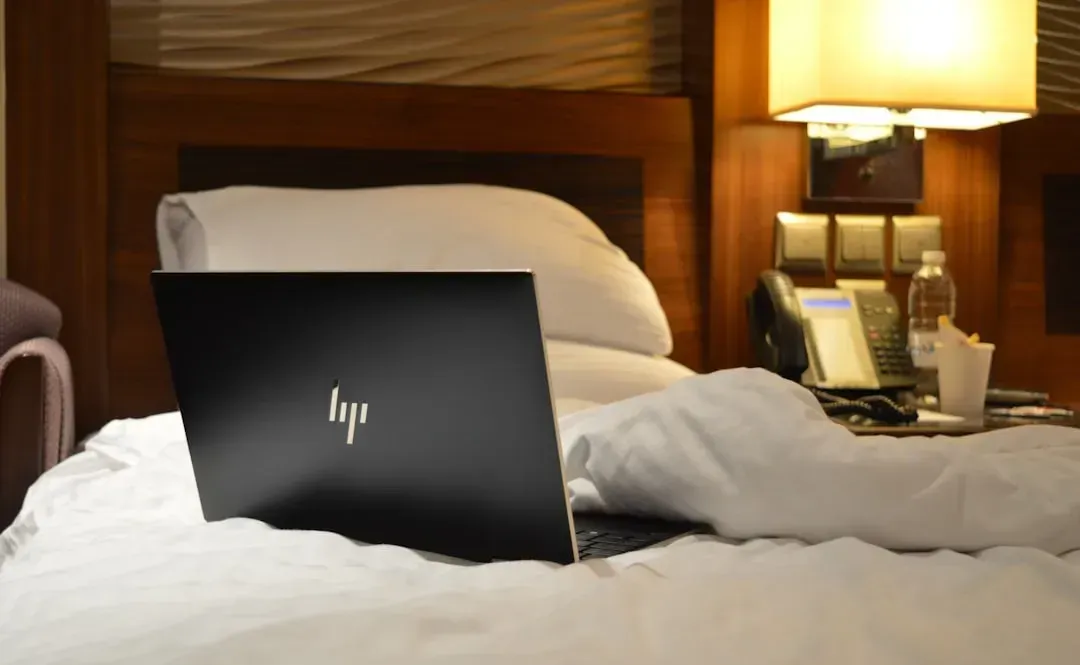
Free Wi-Fi feels like a basic amenity, so most guests connect without thinking twice, sometimes to check email, sometimes to log into a bank account from bed. That instinct is riskier than it looks. According to the FBI’s Internet Crime Complaint Center, public WiFi-related cyberattacks increased by 47% in 2024, with hotel networks being the third most targeted venue after airports and coffee shops.
The scale of casual risk-taking is notable too. A report by Kaspersky found that 48% of travelers use public Wi-Fi for online banking and other financial transactions, making them vulnerable to cyber-attacks, and roughly 4 in 10 people have fallen victim to cybercrime due to the use of unsecured public Wi-Fi networks. Using a VPN, sticking to a mobile hotspot for sensitive tasks, or simply saving banking logins for a trusted network back home are all small habits that close off a genuinely common attack path.
7. Not Asking For a Full Price Breakdown At Check-In

Surprise charges tend to surface at the worst possible time, right at checkout when you’re rushing to catch a flight. This is especially true outside the United States. The FTC’s all-in pricing rule only covers U.S. properties, so international reservations still carry the risk of surprise surcharges at the front desk.
Resort fees, minibar charges, parking, and internet add-ons are the usual culprits. The most common hotel fees include resort and amenity fees, parking fees, late checkout and early departure fees, reservation cancellation fees, minibar and room service surcharges, and internet and telephone charges, but the fix is simple: ask for a full breakdown of all charges at check-in, not at checkout. Reviewing the bill the night before departure, rather than in a rush at the desk, also gives you time to dispute anything that looks off.
8. Treating Your Room Number And Key As Public Information

Guests routinely say their room number out loud at the front desk, at the bar, or within earshot of strangers, without realizing how much that single detail gives away. Privacy around a room number is a genuine, if underrated, security layer. Maintaining your privacy is a big part of hotel safety, and one good strategy is keeping your room number under wraps, asking reception not to say your room number aloud and having them write it down instead, since your room number is part of your personal security while traveling and should be treated as private information.
Just as important is who else might end up with access to your room. There have been documented cases where a woman in the U.K. was assaulted in her hotel room by a man who was given a key after simply asking for one at the front desk and claiming to be the woman’s boyfriend, which is exactly why hotels should be told plainly that no one else gets a copy of your key, no exceptions. Asking for two keys under your own name, rather than letting a “partner” or “family member” request one separately, closes this loophole entirely.
9. Ignoring Local Room Mechanics Like Key-Cards Power Slots and Unfamiliar Bathrooms

Plenty of hotels outside North America run lights and air conditioning through a slot by the door that only activates once your keycard is inserted, and travelers routinely forget this. Many hotels in Europe and Asia require your room key card to be inserted into a slot by the door to activate the lights and AC, and tourists often leave, take their key, and return to a sweltering room because the power cut out. Asking for a spare card at the desk solves the problem before it starts.
Bathrooms bring their own learning curve too. Many tourists are baffled by the bidet when traveling to Europe or South America, and mistaking it for a secondary sink or a foot-wash is common, but the real mistake is not testing the mechanics before you need them. The same goes for open-plan “wet rooms” common across parts of Southeast Asia, where a few minutes of orientation on arrival prevents a soaked bathroom floor and a fair amount of confusion later.
Taken individually, none of these nine habits sound like much. Tossing a bag on a bed, skimming past a fire exit sign, connecting to Wi-Fi without a second thought, none of it feels risky in isolation. But hotel safety, like most travel safety, tends to come down to small, repeatable habits rather than one big precaution. Building a short mental checklist for the first ten minutes in any new room, lock the door properly, scope out the exit, secure your valuables, protect your data, is a small investment that pays off far more often than most travelers expect.




Leave a Reply