
1. Avoiding bitter vegetables like broccoli and Brussels sprouts
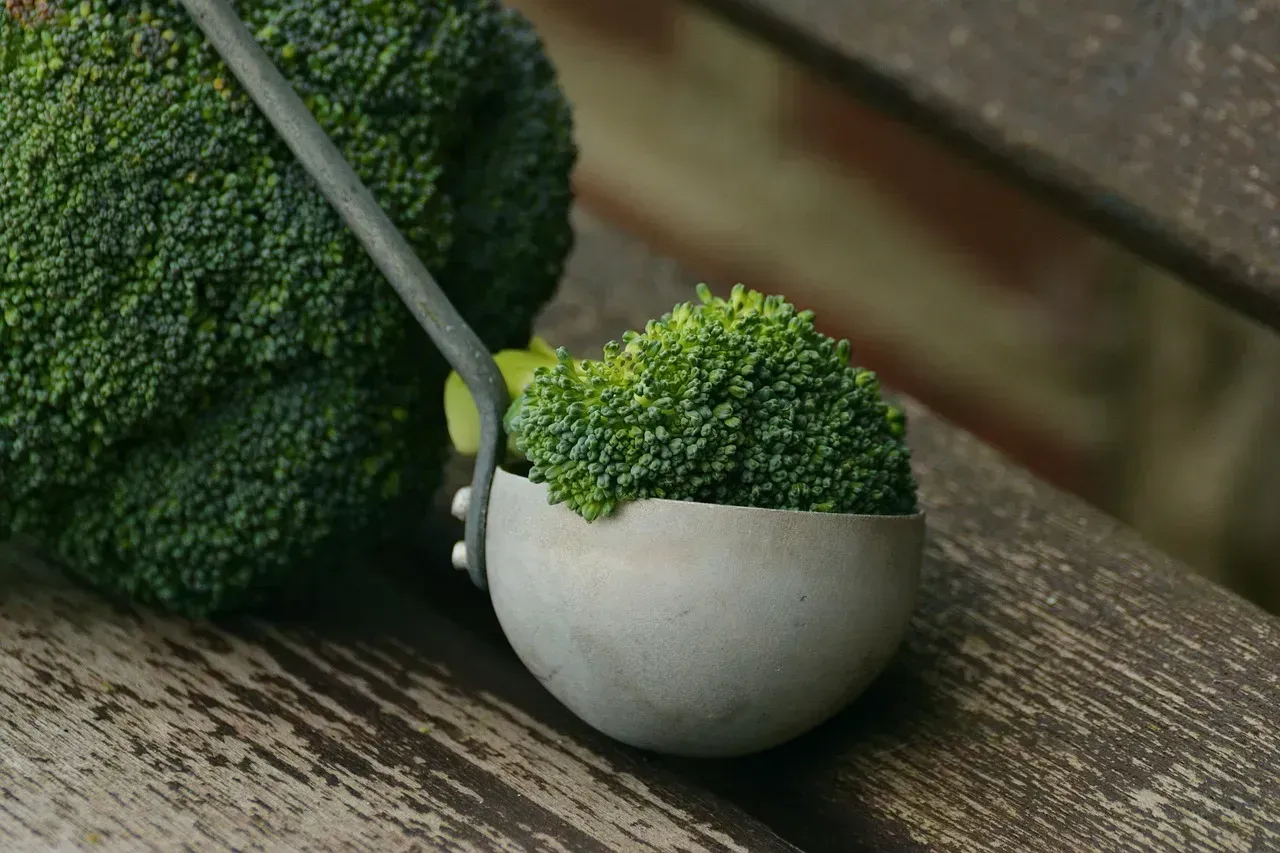
People who push cruciferous vegetables to the side of the plate aren’t necessarily being difficult. Studies have found that supertasters, who are more sensitive to PROP, tend to eat fewer vegetables because of their sensitivity to bitter flavours, particularly those in the cruciferous family: bok choy, broccoli, Brussels sprouts, cauliflower, radish, rutabaga, turnip, and watercress. The compound responsible, glucosinolate, isn’t imagined either.
These foods contain high levels of a nutritionally beneficial, naturally-occurring chemical called glucosinolate; this can taste up to 60 percent more bitter to supertasters than to non-tasters. That’s not a small difference. It’s roughly the gap between a mild seasoning and an overwhelming one, which explains why some people genuinely gag at foods others find pleasant.
2. Refusing dark chocolate and black coffee

Bitterness aversion doesn’t stop at vegetables. Aversion to bitter foods, if you can’t stand bitter foods, such as black coffee, dark chocolate, certain citrus fruits, and some vegetables and spices, you could be a supertaster. This isn’t about lacking sophistication or refusing to “grow into” adult tastes.
It comes down to receptor density and genetics. For people with sensitive taste buds, bitterness is typically the least tolerable of the basic flavors. Someone who winces at unsweetened espresso may simply be detecting compounds at concentrations that barely register for everyone else at the table.
3. Being unusually sensitive to spicy or hot foods
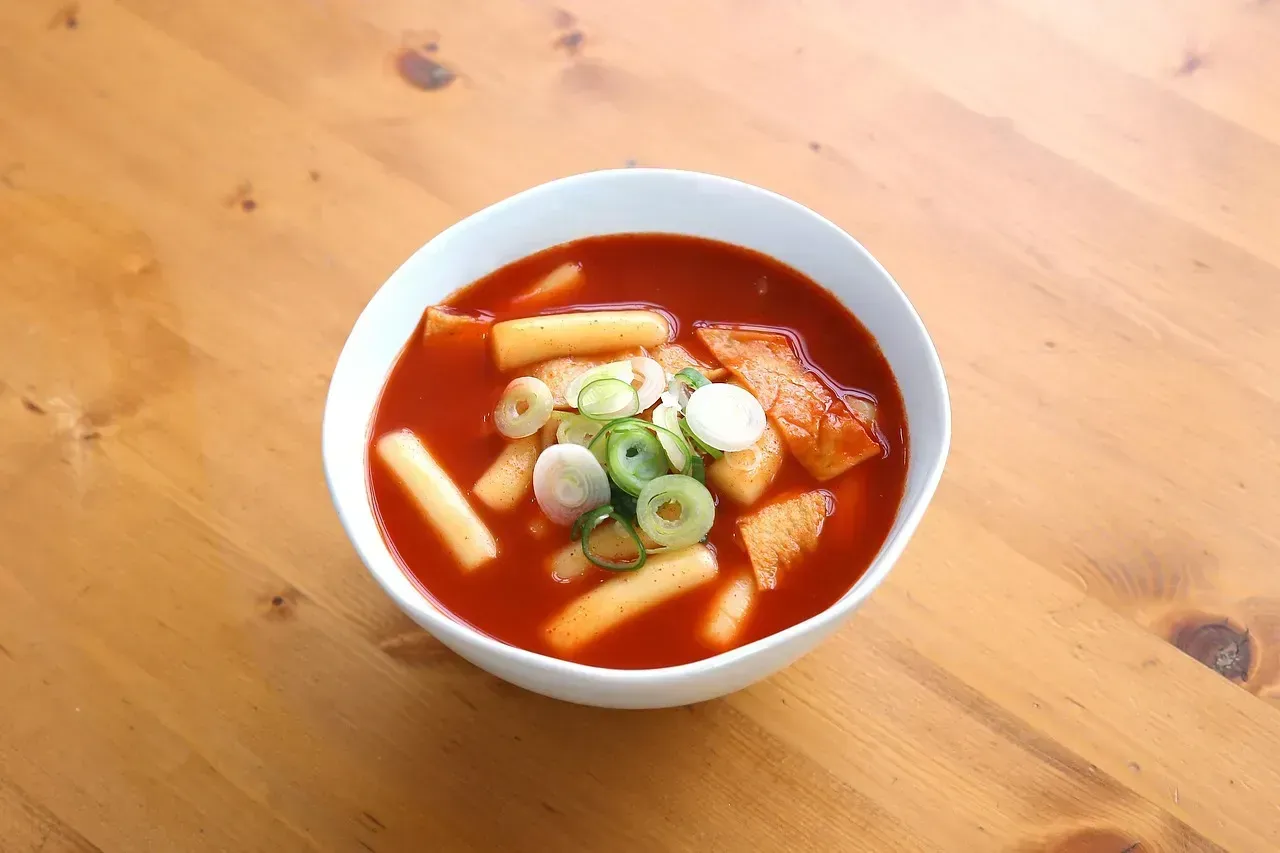
Spice tolerance gets treated as a personality trait, but it has a physical basis tied to the same anatomy that governs bitterness. Supertasters tend to have a much higher density of the small bumps on the tongue that house taste buds. The second related factor is anatomical: supertasters typically possess a much denser concentration of fungiform papillae compared to medium tasters or non-tasters.
More papillae generally means more nerve endings crowded into the same amount of tongue surface, which can heighten the burn from capsaicin as well as basic taste signals. So the friend who can’t handle a mildly spicy salsa might not be exaggerating. Their mouth may genuinely be registering more sensory input per bite than yours does.
4. Rejecting grapefruit and other bitter citrus

Grapefruit juice is a classic test case in taste research precisely because reactions to it vary so widely. Drewnowski’s team found that supertasters were likelier to dislike grapefruit juice, which contains the bitter compound naringin, believed to have cancer-fighting properties. That’s a fairly specific and well-documented finding, not a guess.
It also illustrates a recurring theme in this kind of research: the foods that sensitive tasters avoid are often the same ones nutritionists consider beneficial. That mismatch between taste sensitivity and nutritional value is part of why scientists keep studying this trait rather than dismissing it as trivial.
5. Being female and having a stronger reaction to bitter foods

There’s a documented sex difference in bitter sensitivity that shows up repeatedly in the research. Some 35 percent of women and 15 percent of men are supertasters, and people of Asian, African, and South American descent have a stronger response as well. That’s more than double the rate between the sexes, which is a meaningful gap in a trait this common.
One theory ties this back to reproduction and evolutionary caution. Women are more likely than men to detect the bitter taste of PROP, which may have helped avoid harmful foods during pregnancy, and studies have shown that women are most likely to reject bitter foods in the first trimester when the fetus is most vulnerable. It’s a reminder that pickiness sometimes has deep biological roots rather than being a modern quirk.
6. Finding that pickiness fades somewhat with age or hormonal shifts

Taste sensitivity isn’t necessarily fixed for life, which surprises a lot of people. Research specifically on women’s taste patterns has found notable shifts tied to hormonal changes. Research by Bartoshuk’s team indicates that the number of supertasting women decreases after menopause.
This helps explain why some adults report becoming less picky as they get older, sometimes suddenly tolerating foods they avoided for decades. It’s not that willpower kicked in. The underlying biology may have genuinely shifted.
7. Reacting strongly to strong smells at the table, not just tastes

Picky eating often gets framed purely around taste, but smell plays a much bigger role than most people realize. Current thinking on supertasting has moved beyond a single bitter compound. The contemporary view supports that supertasting encompasses an elevated response to all taste qualities.
This broader sensitivity frequently extends into smell, since taste and aroma are closely linked in how the brain interprets flavor. Someone who leaves the room during strong cooking smells or complains about pungent cheese may be experiencing an amplified version of a normal sensory signal, not being deliberately dramatic.
8. Preferring bland, familiar foods over bold or mixed flavors

A consistent preference for plain, unseasoned meals sometimes gets mistaken for a limited palate. In reality, it can be the opposite: an oversensitive one. Because supertasters register flavor more intensely across the board, complex or heavily seasoned dishes can feel like sensory overload rather than an enjoyable challenge.
Supertasters are particularly sensitive to bitter flavors in foods such as broccoli, spinach, coffee, beer, and chocolate. When a meal stacks several of these intense flavors together, a sensitive taster may retreat to simpler, more predictable options simply to keep the experience manageable. That’s a coping strategy, not a lack of adventurousness.
9. Passing on beer and other bitter alcoholic drinks

Adult beverages are another common flashpoint. Supertasters are particularly sensitive to bitter flavors in foods such as broccoli, spinach, coffee, beer, and chocolate. This overlaps with the same TAS2R38 gene variant responsible for detecting PROP and PTC in laboratory taste tests.
Due to a gene called TAS2R38, some people taste PROP strongly, while the rest of us don’t taste it at all. Someone who consistently reaches for sweeter cocktails or wine instead of a hoppy IPA isn’t necessarily lacking refinement. Their receptors may simply be picking up hop bitterness at an intensity that others don’t experience.
None of this means every picky eater is a supertaster, and taste sensitivity exists on a spectrum rather than as a strict on-or-off trait. While about 25% of the population is extremely sensitive to the taste of this chemical, an equal portion (25-30%) cannot taste it, leaving about 45-50% of the population to be “average” in their ability to taste PROP. Genetics, anatomy, and even hormonal changes all play a role, which is why two people can sit at the same table and have completely different reactions to the exact same bite.




Leave a Reply