
A mechanic doesn’t need to pop the hood to start forming an opinion about your car. Sound, smell, and even the way a vehicle rolls into a service bay tell a story long before any diagnostic tool gets plugged in. Technicians who’ve spent years around engines develop a kind of pattern recognition, and certain warning signs jump out immediately, often before the customer has even finished parking.
These clues aren’t mysterious to the people trained to spot them, but most drivers have no idea their car is broadcasting trouble. Below are nine things that catch a mechanic’s attention right away, along with why each one matters and what it usually signals underneath the surface.
1. A cloud of blue or white smoke from the tailpipe
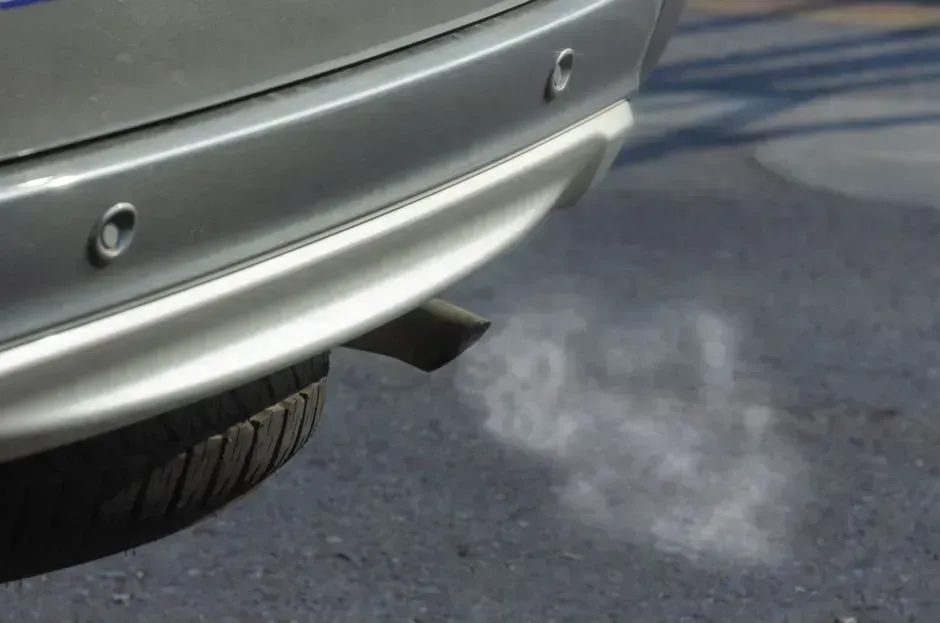
Smoke color is one of the fastest tells in the business. Blue smoke usually points to oil leaking into the combustion chamber, often through worn valve seals or piston rings, while thick white smoke that doesn’t fade can mean coolant is burning inside the engine, a sign of a failing gasket or cracked head.
Mechanics know these aren’t cosmetic issues. Oil burning off steadily can starve an engine of lubrication over time, and coolant entering the cylinders can quietly overheat components that are expensive to replace. A quick glance at the exhaust as a car pulls up often shapes the entire conversation that follows.
2. Uneven or excessive tire wear
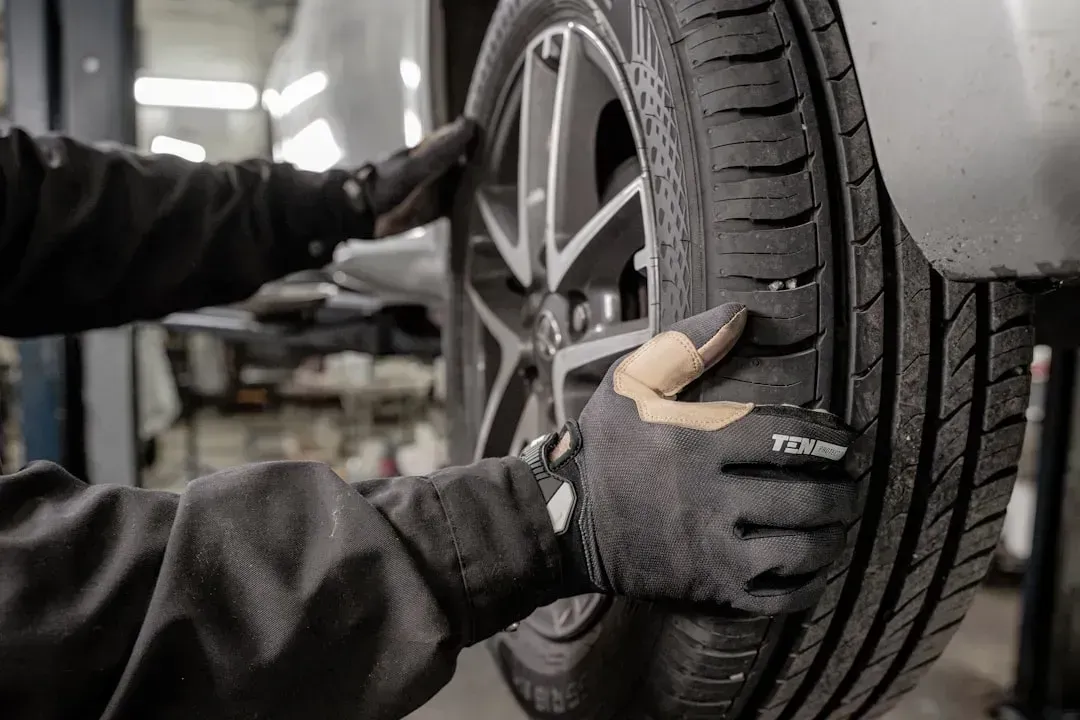
Tires tell a story about alignment, suspension health, and driving habits all at once. A technician walking around a car can often spot cupping, feathering, or wear concentrated on one edge from several feet away, and each pattern points to a different underlying issue.
Inner edge wear often suggests alignment problems, while cupping can mean worn shocks or struts aren’t controlling tire bounce properly. Because tires are a major safety component, this is rarely something a shop lets slide without at least mentioning it, even if the customer came in for something unrelated.
3. A strong burning smell near the engine or brakes
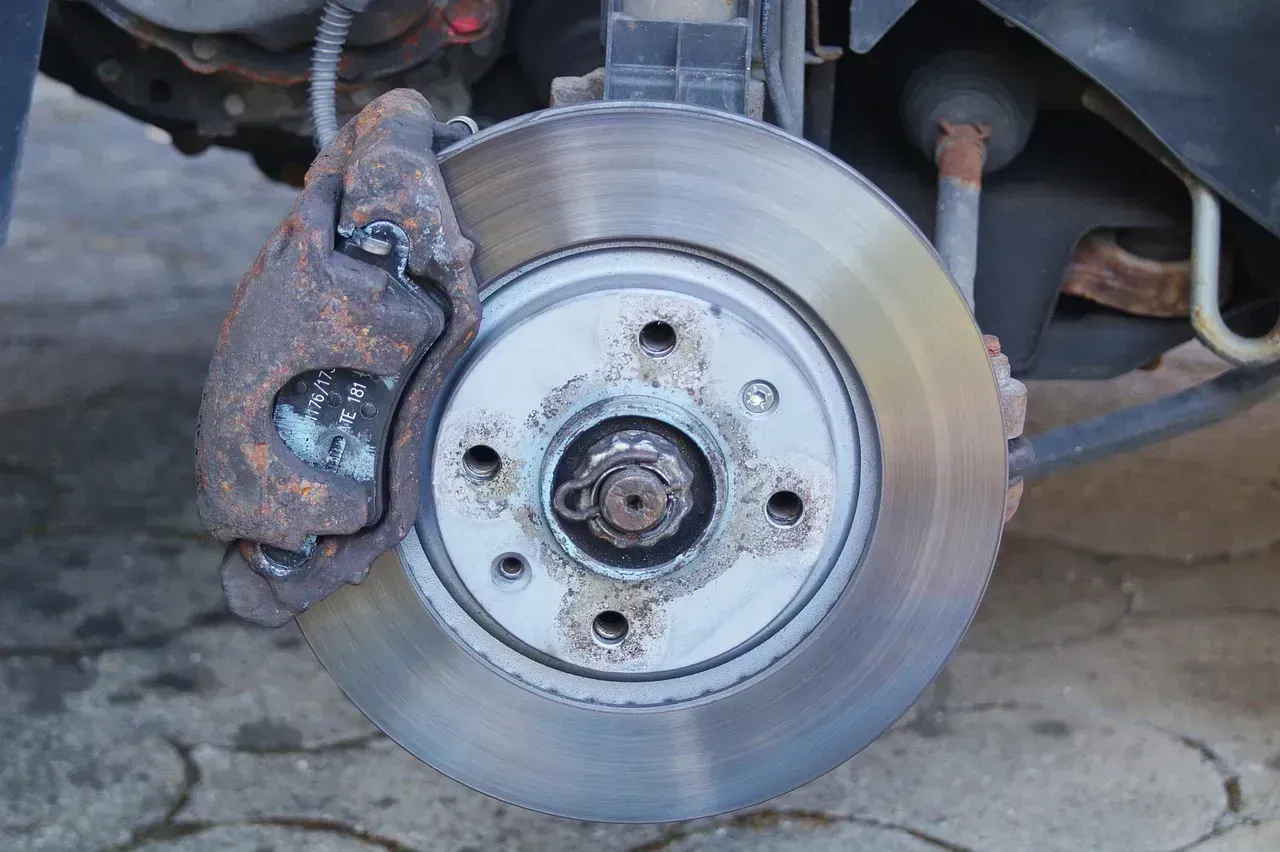
Smell is an underrated diagnostic tool, and experienced mechanics rely on it constantly. A sharp, acrid odor near the front of the car often signals overheating brakes or a slipping clutch, while a sweeter smell can point to leaking coolant.
Burning smells rarely appear without a reason, and ignoring them tends to be more costly than addressing them early. A shop that catches this scent the moment a car rolls in will usually ask pointed questions before the customer even finishes explaining what brought them in.
4. Dashboard warning lights already illuminated
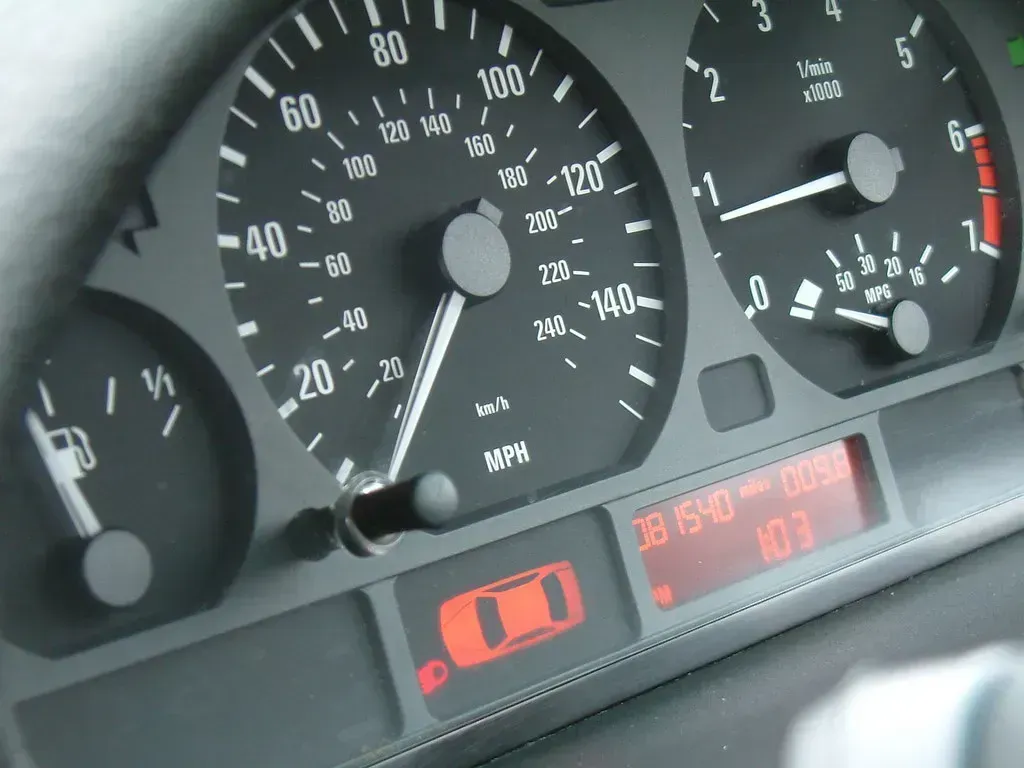
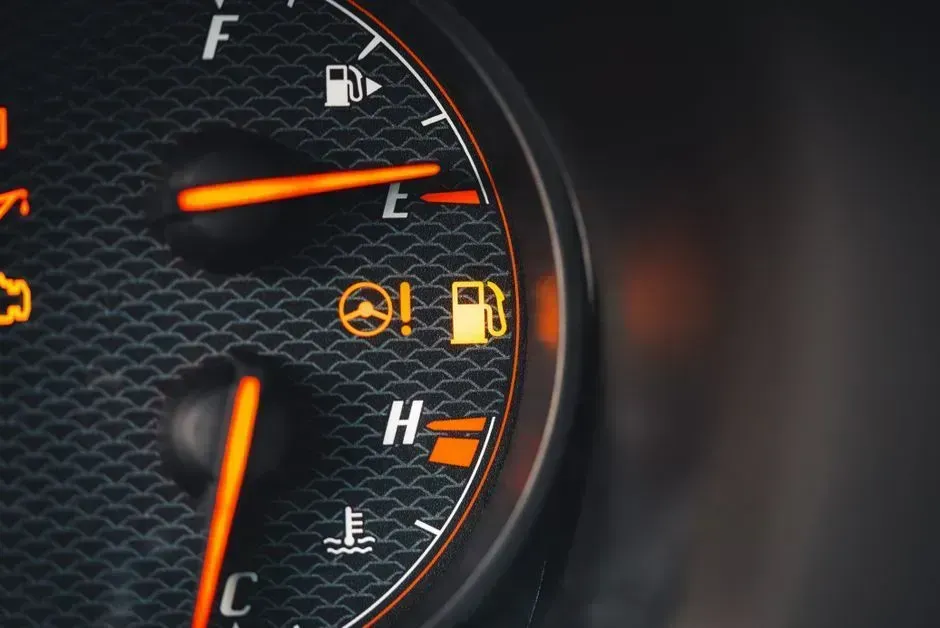
Modern vehicles are loaded with sensors, and when a check engine light, ABS warning, or battery icon is glowing before the car is even shut off, it immediately narrows the diagnostic focus. Mechanics know that dashboard lights correspond to specific systems, so seeing one lit up gives them a head start before a scan tool is even connected.
According to data from CarMD’s annual vehicle health index, check engine light issues remain among the most common reasons drivers bring cars into shops each year. A lit indicator isn’t always catastrophic, but it’s rarely something a trained eye will overlook.
5. Fluid stains or drips left on the pavement

Where a car parks often leaves behind more information than the driver realizes. Dark oil spots, pink or green puddles from coolant, or a slick reddish stain from transmission fluid all point to specific systems that may be leaking.
Mechanics have learned to read these puddles almost like a signature. A small drop of condensation from an air conditioning system is completely normal, but anything colored or slick usually gets flagged immediately as something worth investigating further.
6. A rough idle or noticeable engine shake at a stop
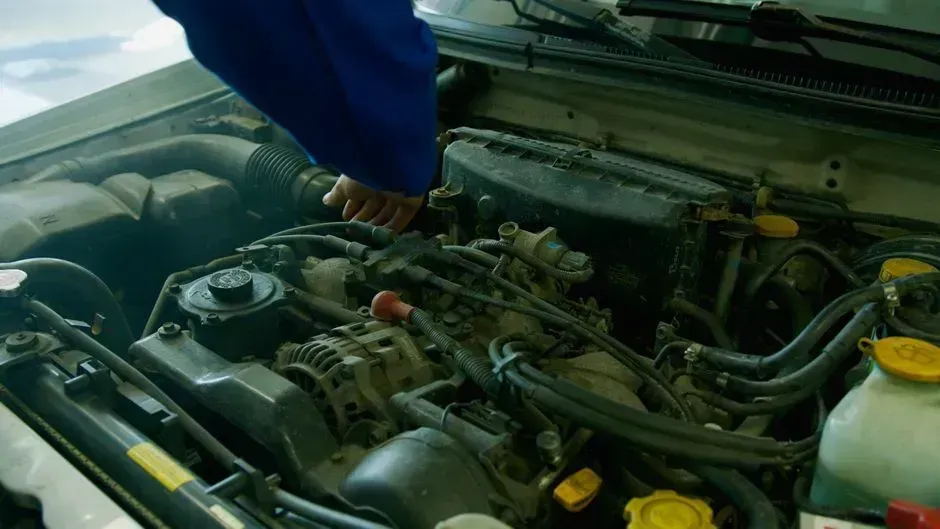
An engine that shakes, sputters, or idles unevenly while the car is stopped is one of the more obvious red flags a mechanic notices right away. This kind of behavior often points to misfiring cylinders, worn spark plugs, or a vacuum leak, and it’s usually apparent within seconds of the car settling into park.
Because a rough idle can affect fuel efficiency and emissions, it’s not something most shops treat as minor. A trained ear can often narrow down whether the issue is fuel related, ignition related, or something more mechanical before even opening the hood.
7. Grinding, squealing, or clunking noises during arrival
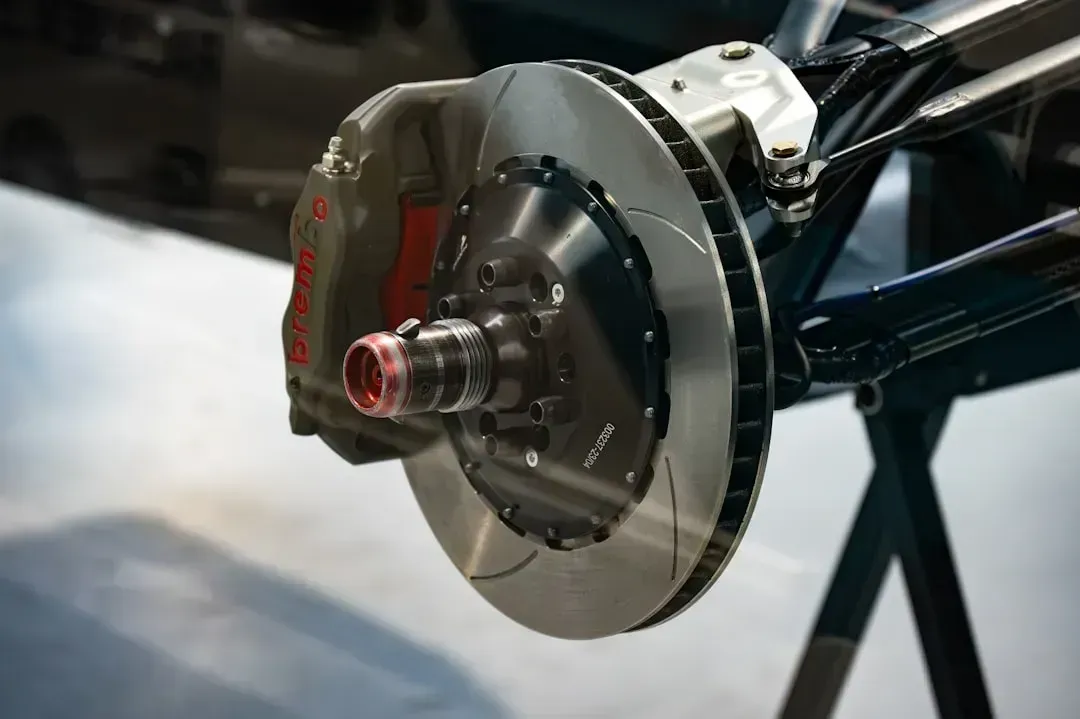
Brakes squealing on approach, a clunk over a small bump, or a grinding sound while turning the wheel are all things a mechanic clocks the instant a car pulls in. These sounds are rarely subtle, and technicians are trained to associate specific noises with specific components, from worn brake pads to failing CV joints.
Ignoring these noises for too long tends to turn a simple repair into a more expensive one. A squealing brake pad, for example, is often designed with a built in wear indicator specifically so drivers catch the sound before rotors get damaged.
8. Visible rust or corrosion on the undercarriage

In regions where roads are salted during winter, undercarriage rust is one of the most common issues mechanics watch for, especially on older vehicles. Corrosion on brake lines, exhaust components, or structural areas can compromise both safety and performance, and it’s often visible without even lifting the car.
Shops in colder climates tend to build entire inspection routines around catching this early. A technician glancing underneath a car as it pulls into the bay can often estimate how much rust related work might be needed before a full inspection even begins.
9. A driver who mentions the car “just started doing this”
Sometimes the biggest red flag isn’t mechanical at all, it’s what the driver says while getting out of the car. Phrases like “it just started making that noise” or “the light just came on” tell a mechanic that a symptom is new, which changes the diagnostic approach significantly compared to a long standing issue.
Experienced technicians know that recent changes often point to a specific event, like hitting a pothole or driving through deep water, rather than gradual wear. This kind of context, even offered casually, often shapes how a shop prioritizes its inspection from the very first minute.
Spotting these signs early rarely costs a driver anything beyond a bit of attention. A quick look at tire wear, a sniff near the engine bay, or simply listening for unusual noises during a short drive can catch problems before they turn into expensive repairs. Most of what mechanics notice instantly is available to anyone willing to pay closer attention to their own vehicle.





Leave a Reply