
America’s food map is far bigger than burgers, pizza, and fried chicken. Drive a few hours in almost any direction and you’ll find dishes that locals grew up on and that barely register anywhere else.
Many of these foods come from immigrant communities, Indigenous traditions, or local ingredients that never traveled well. Here are nine worth seeking out.
Scrapple from the Mid-Atlantic
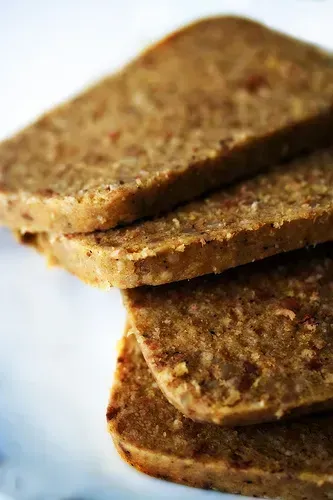
Scrapple is a loaf made from pork scraps and broth thickened with cornmeal, then sliced and fried. It comes from Pennsylvania Dutch kitchens, where cooks aimed to use as much of the hog as they could. It’s most familiar around Pennsylvania, Delaware, Maryland, and New Jersey.
Done right, the outside turns crisp and the inside stays soft and savory. Many people eat it at breakfast, often with eggs, and some add apple butter or syrup.
Cincinnati Chili
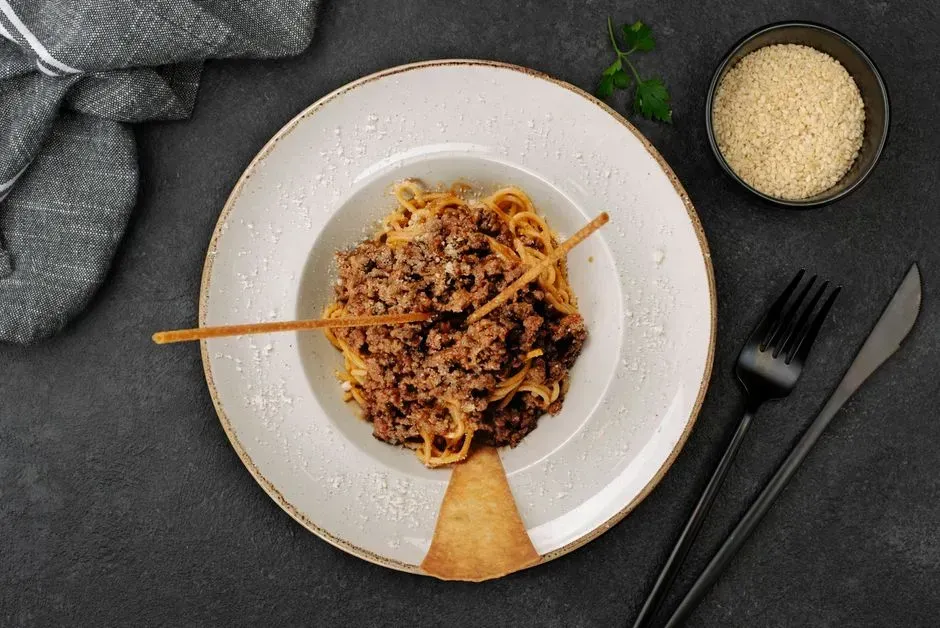
Cincinnati chili isn’t much like the Texas kind. It’s a thin, finely textured meat sauce seasoned with warm spices such as cinnamon, and it’s served over spaghetti. The style was developed by Greek immigrants in Cincinnati in the 1920s.
Ordering it “three way” means spaghetti, chili, and shredded cheddar. Add onions or beans and you’ve gone four or five ways.
Chicago-Style Italian Beef
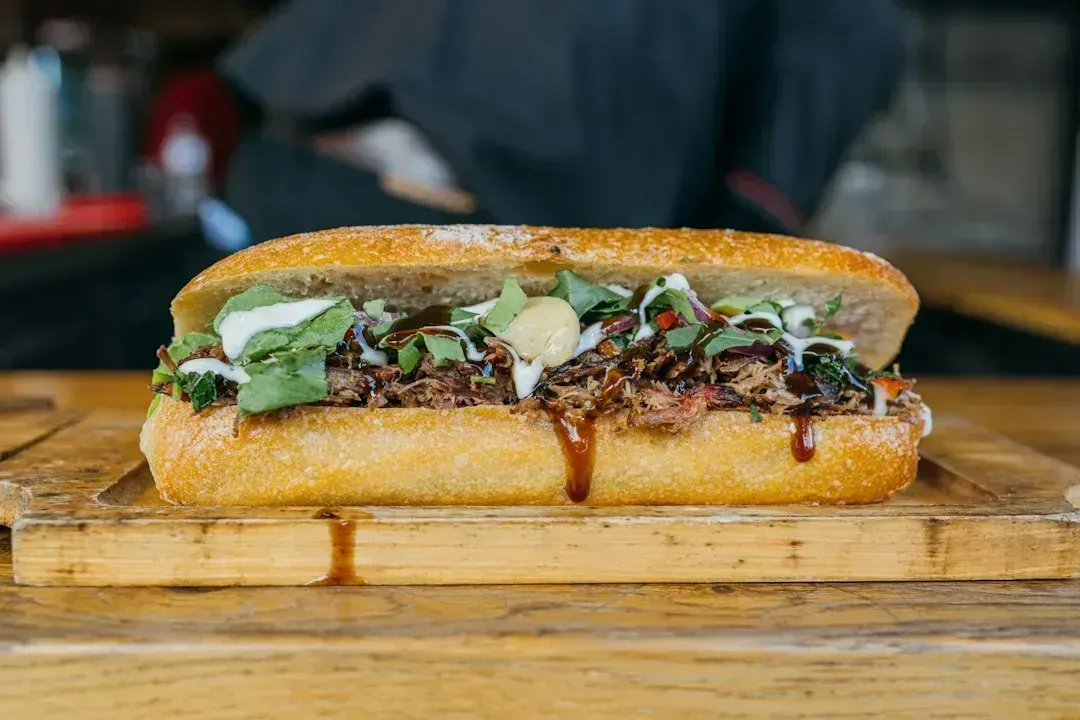
Italian beef is thinly sliced roast beef soaked in seasoned jus and piled into a long roll. It’s a Chicago staple that grew out of the city’s Italian American community. Giardiniera, a pickled vegetable relish, is a common topping.
You can order it “dipped,” where the whole sandwich gets a dunk in the juices. It’s messy, and eating it leaning over the counter is part of the tradition.
Hot Brown from Kentucky
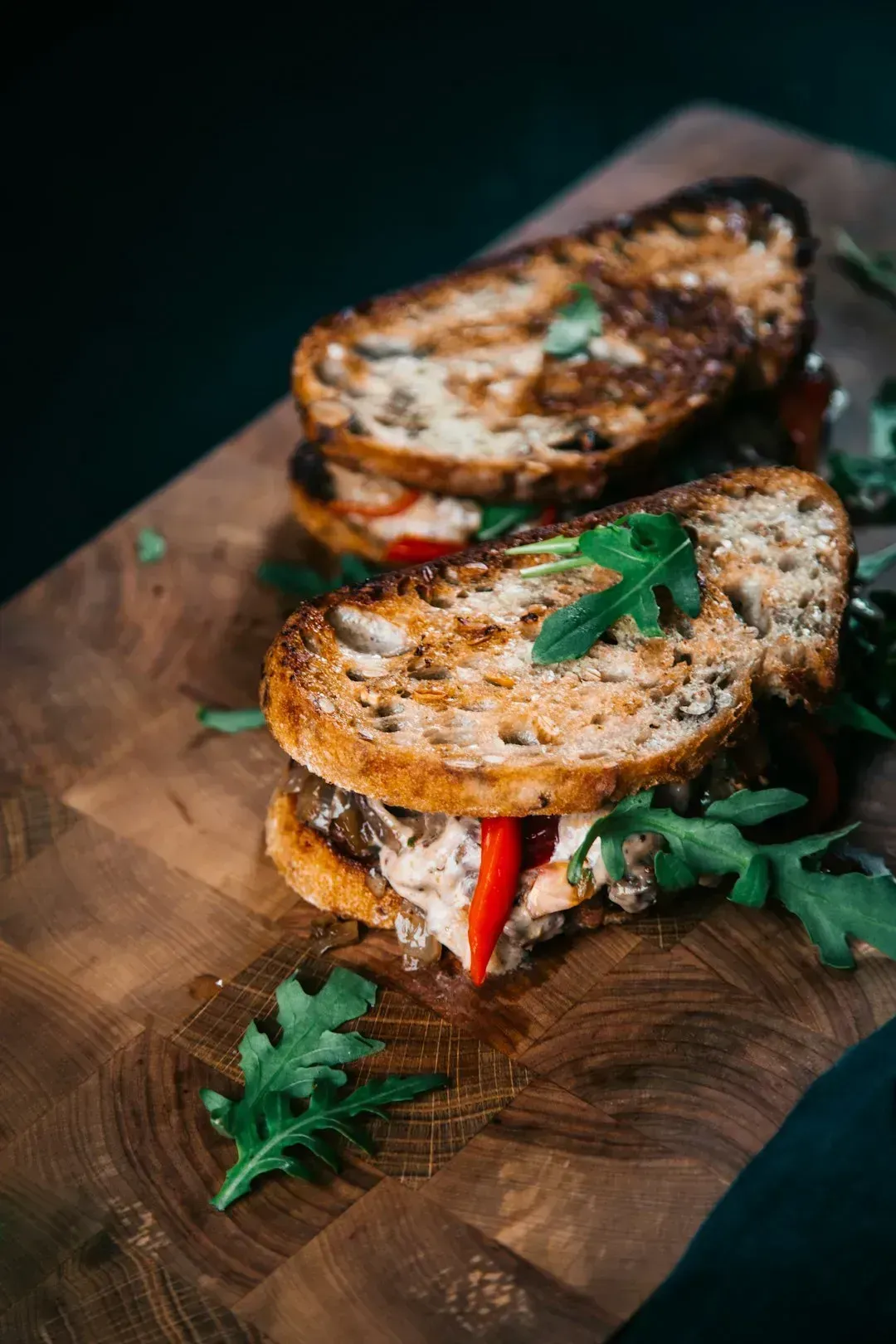
The Hot Brown is an open-faced turkey sandwich covered in Mornay sauce, baked until bubbly, and finished with bacon and tomato. It was created at the Brown Hotel in Louisville in the 1920s. The hotel still serves it today.
It sits somewhere between a sandwich and a casserole. Plan on a fork and a knife, and maybe a nap afterward.
Lutefisk and Lefse from the Upper Midwest
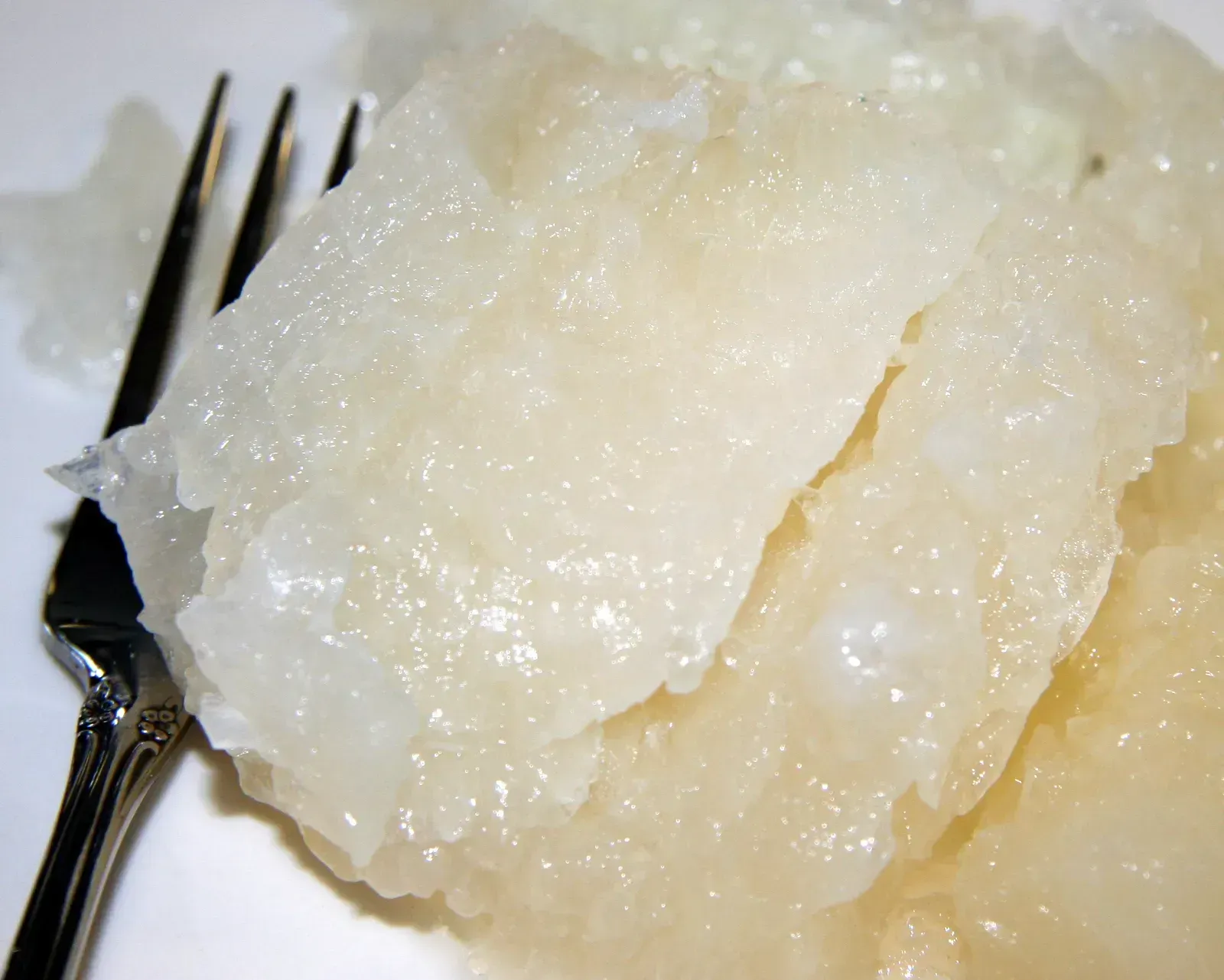
Scandinavian immigrants brought lutefisk, dried whitefish treated with lye and then rehydrated, to Minnesota, Wisconsin, and the Dakotas. It’s usually served at church suppers and holiday dinners, often alongside lefse, a soft flatbread made with potato. The texture is gelatinous, which divides opinion sharply.
Lefse is the easier entry point. People spread it with butter and sugar, then roll it up like a tidy little crepe.
Green Chile Stew from New Mexico
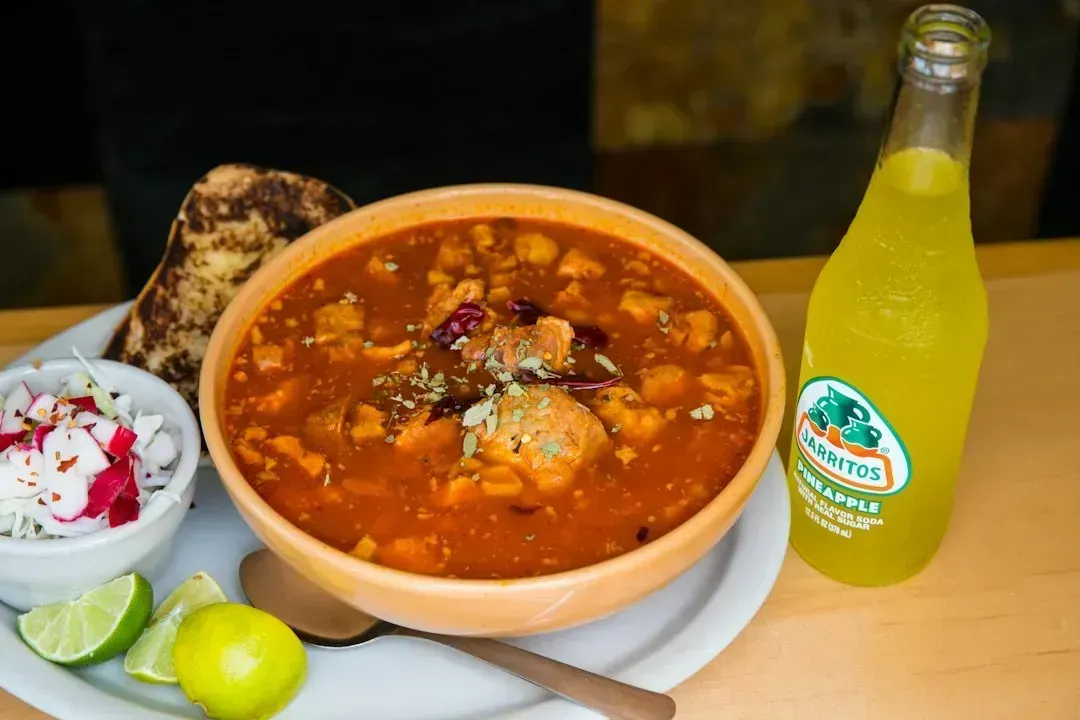
New Mexico’s cuisine is built around chile, and green chile stew shows why. Roasted Hatch-style green chiles go into a pot with pork, potatoes, and onions. It’s thick and smoky, with heat that varies from mild to serious.
Chile roasting season in late summer fills the state with the smell of charred peppers. Many households freeze batches to use through the year.
Poi and Laulau from Hawaii
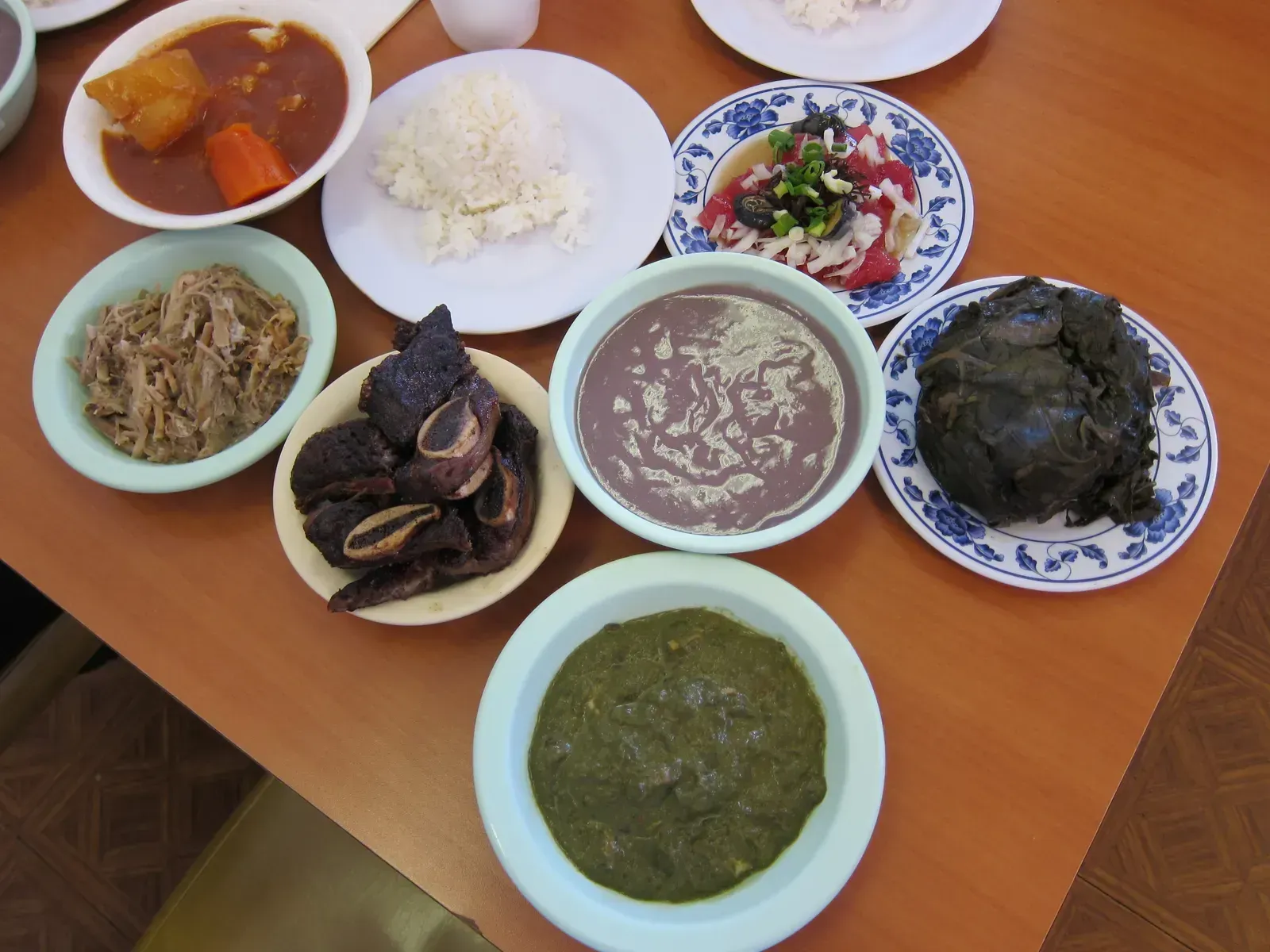
Poi is a traditional Native Hawaiian food made by pounding cooked taro root into a smooth paste. It tastes mild and slightly tangy, especially as it ferments a bit over a few days. It’s often eaten with rich dishes because it balances them.
Laulau is a common partner, made of pork or fish wrapped in taro leaves and steamed until tender. Plate lunch spots and luaus around the islands serve both.
Akutaq from Alaska
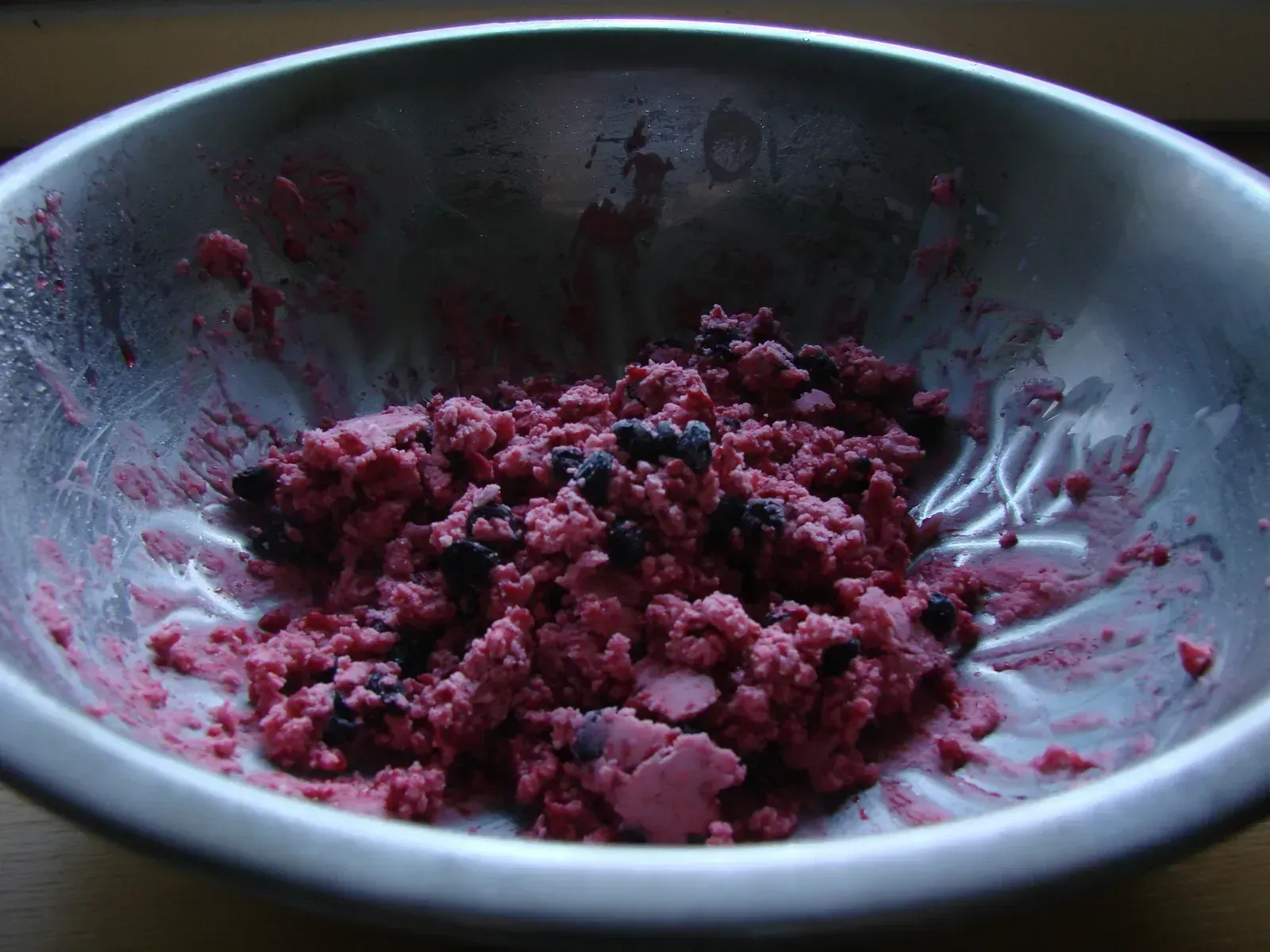
Akutaq, sometimes called Eskimo ice cream, is a traditional Alaska Native food. It was made by whipping fat, such as reindeer or seal fat, with berries and sometimes fish. Recipes differ by region and family.
It’s not sweet like dessert ice cream, and it was designed as energy-dense nourishment for cold climates. Some modern versions use shortening and sugar, but the berry tradition remains central.
Gumbo z’herbes from Louisiana
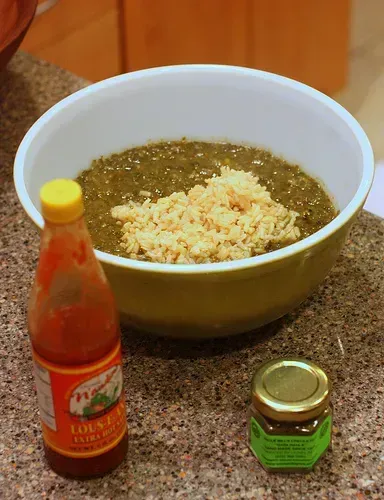
Most people know seafood or sausage gumbo, but gumbo z’herbes is a green gumbo made with a mix of leafy greens. It has long been tied to Lent in Creole kitchens in New Orleans, when meat was set aside. Cooks often use several types of greens, such as collards, mustard, and turnip tops.
A dark roux and plenty of seasoning give it depth. Some versions still include smoked meats, so check with the cook if you’re looking for a fully meatless bowl.



Leave a Reply