
Dining out used to feel simple. You sat down, someone brought you a menu, and the transaction between guest and restaurant was more or less balanced. Over the past few years, though, something has shifted. Customers are increasingly walking away from meals with a vague sense of having been nudged, prodded, or pressured at nearly every turn, and survey data is beginning to reflect exactly that frustration.
This isn’t a minor cultural footnote. Over a third of American diners say they have dined out less frequently in the past 12 months, with that proportion climbing even higher among lower-income households. Much of that pullback isn’t just about price. It’s about how the dining experience itself has started to feel less like hospitality and more like a sales floor. Here are nine habits restaurants have developed that Americans are increasingly calling out.
1. The Digital Tip Prompt on a Tablet Screen
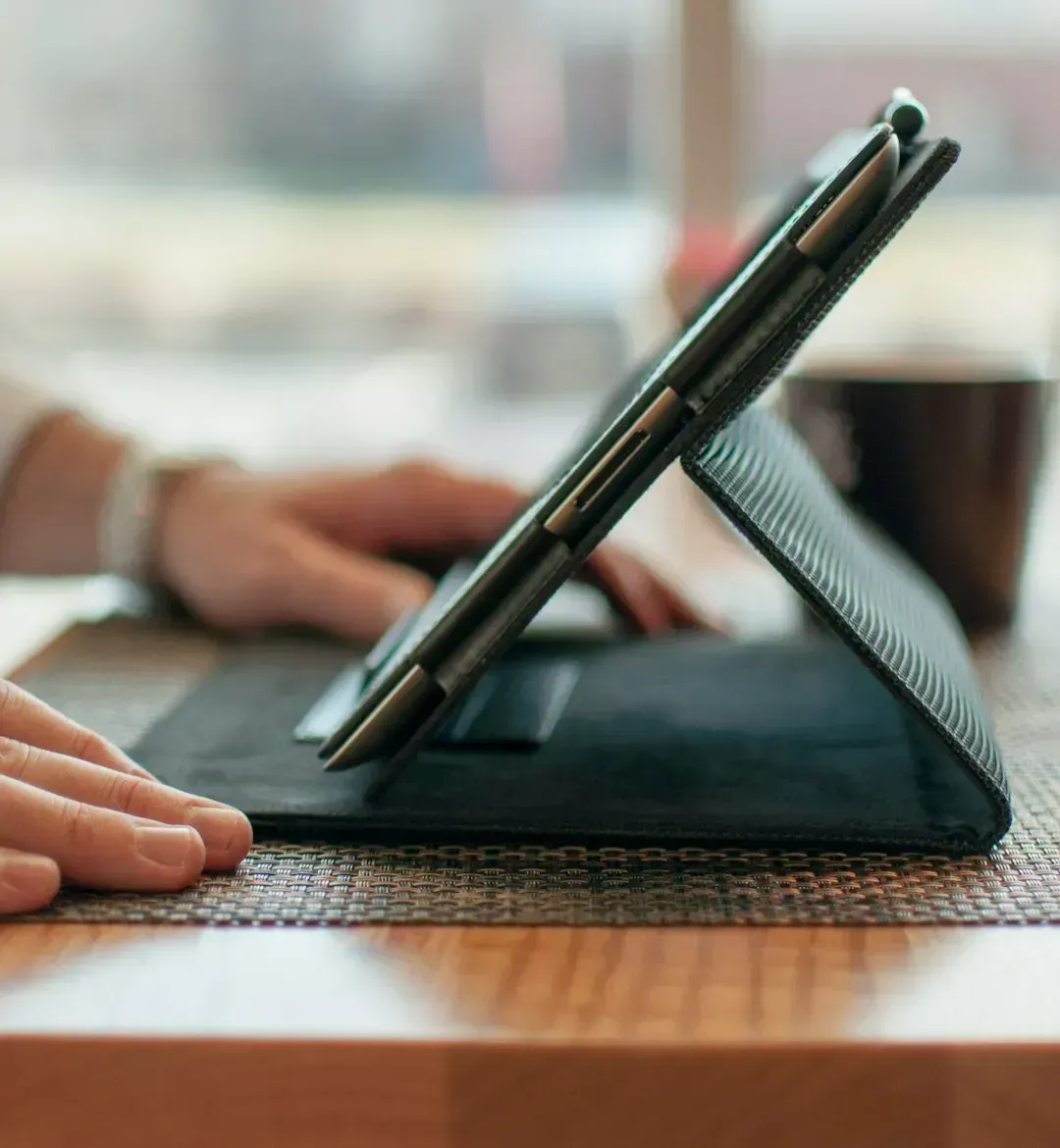
Few moments at a restaurant feel more socially loaded than a tablet screen rotating toward you, pre-loaded with tip suggestions of twenty percent or higher, while a staff member stands just a few feet away. Today, Americans are being asked to tip in far more situations than before, from coffee counters to self-checkout kiosks, and about seventy-two percent of U.S. adults say tipping is expected in more places than it was five years ago, according to Pew Research Center data.
The pressure of that moment is not imagined. Americans say they do want to tip a job well done, but they don’t want to be told what they should tip while someone watches them enter it. That tipping pressure from automated systems is creating a counterculture of people wanting to tip less. The numbers confirm it. The overall tipping average for restaurants came in at 18.8% in the third quarter of 2024, according to Toast data, down from 19% in the third quarter of 2022 and 19.2% in the same period in 2021.
2. Mandatory Service Fees Added to the Bill
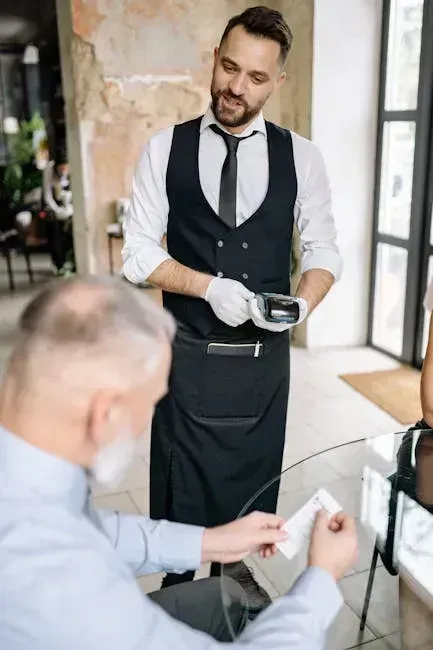
Beyond the tip screen, a growing number of restaurants have started quietly adding automatic service fees to checks, often described in fine print or disclosed only on a menu’s back page. Non-optional gratuities and service fees have cropped up more in recent years at restaurants, and that trend has prompted smaller voluntary tips from diners on top of already high menu prices.
According to a 2024 National Restaurant Association survey, nearly three quarters of restaurants that implement automatic gratuity have faced customer refusals at least once, with roughly one in five reporting regular pushback. There’s a real irony here. Restaurants often add these fees to stabilize worker income, but many operators are doing it because labor is expensive and margins are tight, not because the model is elegant. Customers tend to experience it differently, as a surprise charge that wasn’t part of the deal they agreed to.
3. QR Code Menus With No Physical Alternative
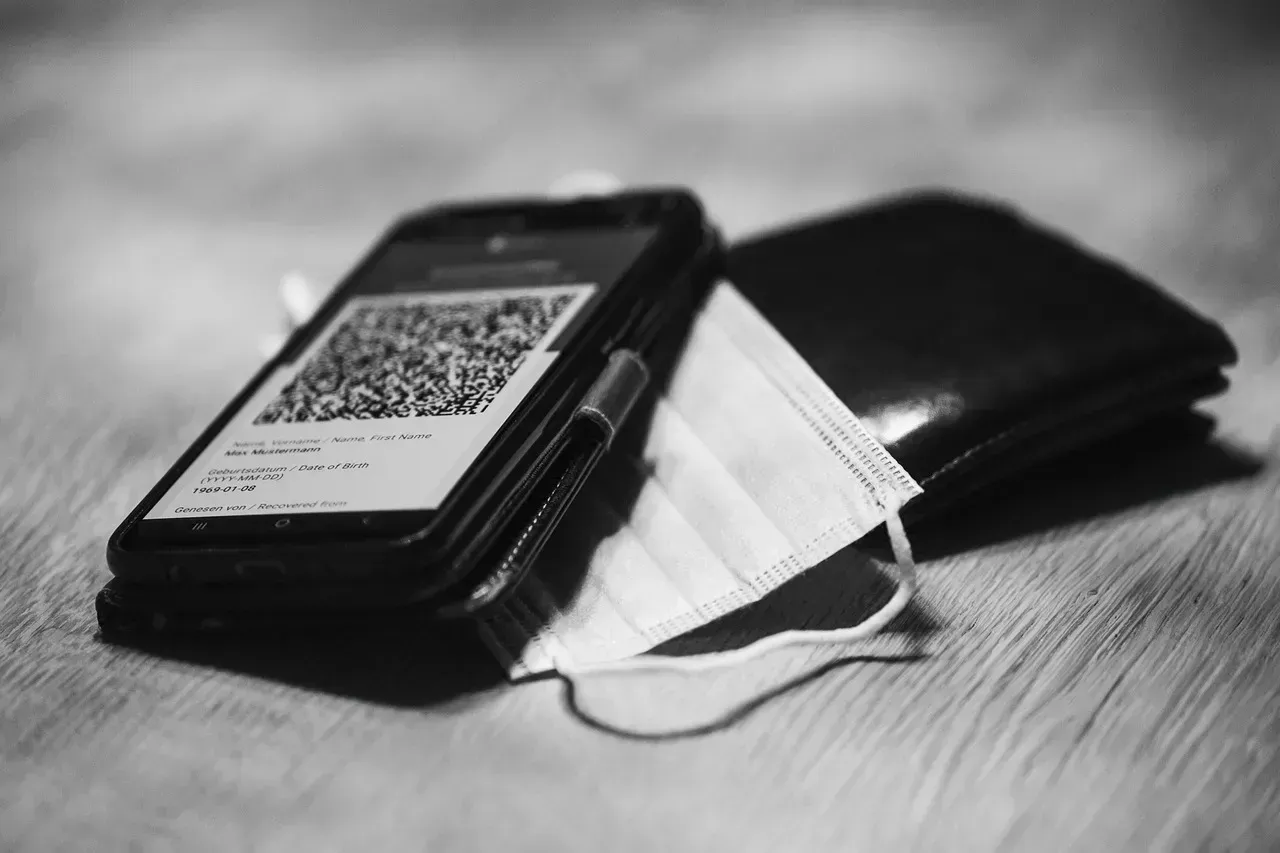
The QR code menu emerged as a pandemic necessity and never fully left. Many restaurants still rely on them as a default, assuming customers have adapted. The data suggests otherwise. In 2024, fully ninety percent of U.S. diners said they prefer a physical menu over scanning a QR code, which is actually a higher share than the year before. The direction of that trend is striking on its own.
Dislike of QR code menus is growing across all generational segments, with 95 percent of Baby Boomers and 90 percent of Gen Z preferring print menus over QR codes in 2024. When a restaurant offers only a digital menu, with no paper backup available, diners increasingly read that as a signal that convenience for the house matters more than comfort for the guest. Editors at Eater have noted that anything making dining more impersonal, including tablet ordering, QR code menus, and iPad wine lists, runs counter to what people actually want from hospitality.
4. Servers Asking “Are You Still Working on That?”
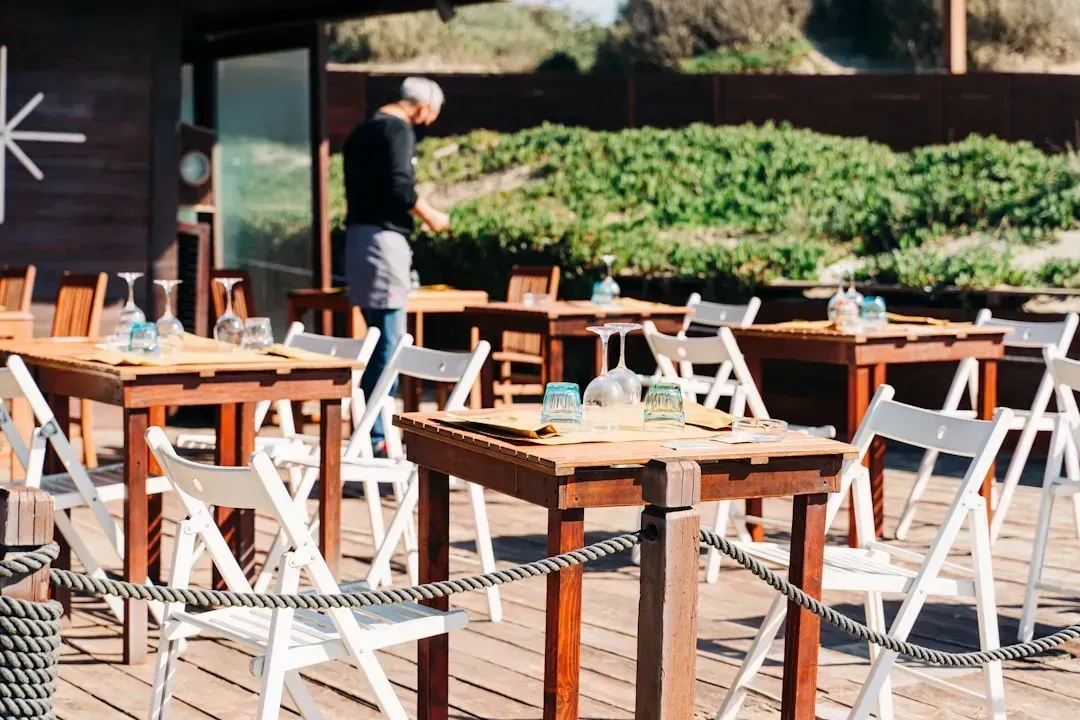
It has become one of the most common phrases in American dining, and also one of the most quietly grating. The question implies the meal is a task to be completed rather than an experience to be enjoyed. Food writers have noted that “are you still working on that?” is not an appetizing question, suggesting a diner is about to excavate a plate rather than enjoy it. A simpler alternative like “may I take your plate?” would serve the same function without the awkward framing.
This habit falls under a broader pattern of well-meaning server behavior that ends up feeling more transactional than warm. Checking in constantly, interrupting conversations at the table, and using scripted phrases that no one finds natural all chip away at the sense that a guest is actually being cared for. The sign of good service, as hospitality professionals have long noted, is when you have everything you need but were never explicitly asked if you needed it.
5. Aggressive Upselling From the Moment You Sit Down
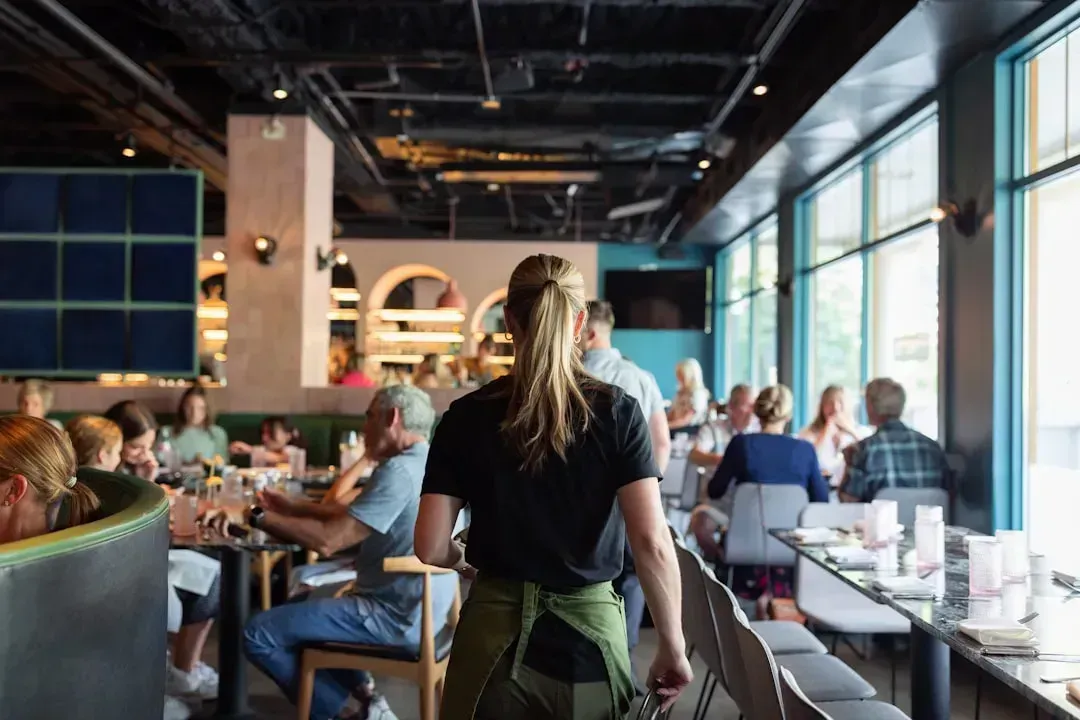
There’s a meaningful difference between a server mentioning a seasonal dish they’re genuinely excited about and one who methodically pitches premium add-ons at every stage of the meal. Appetizers, bottle service, side upgrades, dessert packages. When the cadence feels like a sales script, diners notice. Survey data shows that rude or overly pushy restaurant service ranks among the top five frustrations for American diners when eating out.
The timing of the pitch matters just as much as its content. A server who describes a high-margin item before a guest has even settled in, or who circles back repeatedly to suggest add-ons, tends to register as pushy rather than helpful. Only about a quarter of consumers currently feel restaurant prices are at a fair level, and the vast majority of Americans say menu prices have risen considerably in the past year. In that climate, aggressive upselling lands harder than it ever did before.
6. Rushing the Table Before Guests Are Ready to Leave

Dropping the check before anyone has asked for it, clearing plates before the whole table is finished, or hovering near a table while diners are still in conversation. These are signals that a restaurant wants the table back, and most customers pick them up clearly. Surveys show that the vast majority of Americans consider staying past a restaurant’s closing time to be unacceptable behavior by a diner. The flip side is also true: being made to feel unwelcome while still within normal dining time is equally frustrating.
The experience of atmosphere and socialization is, according to consistent survey data, one of the main reasons Americans choose to dine in rather than order takeout. The appeal of dining out centers around the overall experience, with factors like atmosphere, socialization, and special occasions ranking as the key drivers. When restaurants undercut that by hustling people out, they’re effectively dismantling the very reason the customer came in the first place.
7. Dynamic Pricing Based on Demand or Time of Day
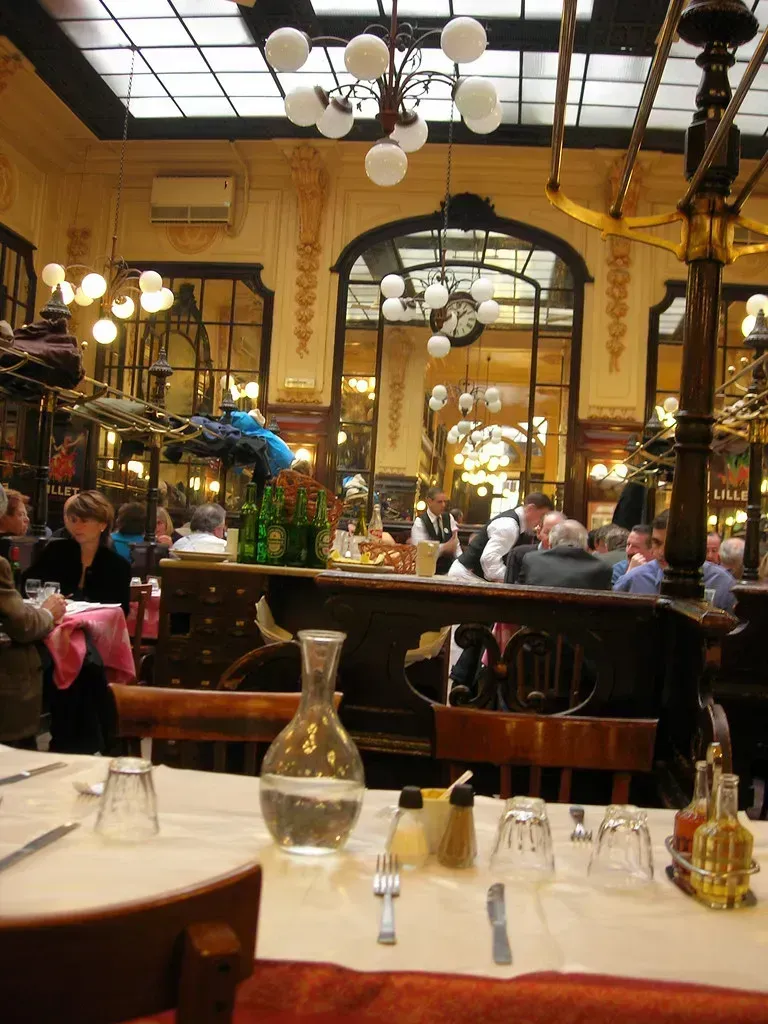
The practice of adjusting menu prices based on the time of day, day of week, or general demand level is relatively new in restaurants, borrowed from ride-share and airline models. Americans are not warming to it. People who eat at restaurants at least once a month are especially likely to say it’s unacceptable for restaurants to use dynamic pricing, in which prices vary based on demand or time, with that sentiment running above seventy percent among frequent diners.
The core frustration is straightforward: people want to know what they’re agreeing to pay before they sit down. When a burger costs more at 7 p.m. on a Friday than at noon on a Tuesday, and that’s not clearly communicated upfront, it can feel less like smart business and more like an ambush. Consumers point to hikes in menu prices and inconsistent restaurant details as specific deal-breakers when evaluating dining options. Surprise pricing of any kind tends to undermine the trust that repeat restaurant visits are built on.
8. Constant Check-Ins That Interrupt the Meal
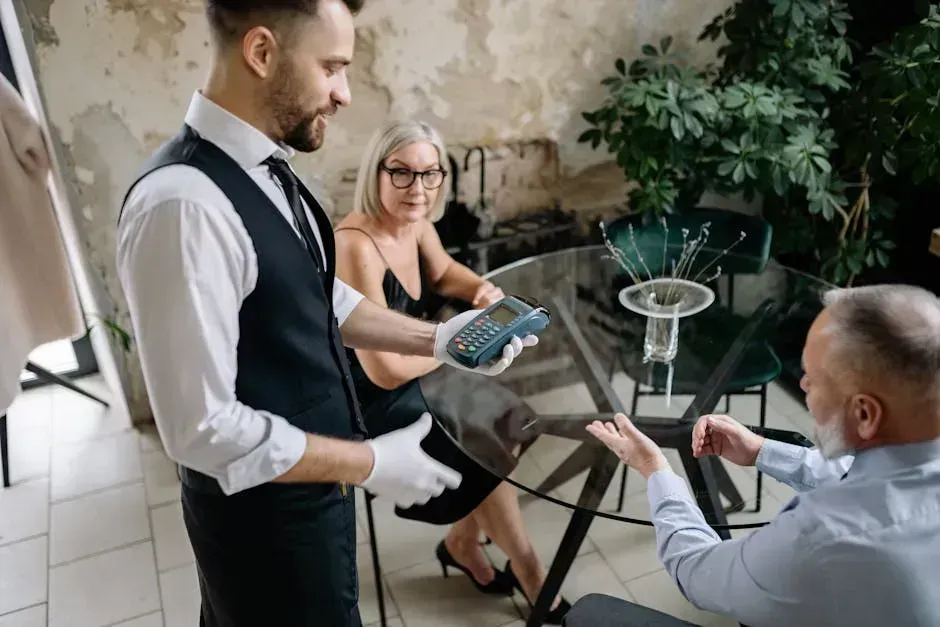
Attentive service and intrusive service are not the same thing, though restaurants sometimes treat them as if they were. A server who appears at the table every three minutes, loudly asking whether everything is okay, breaks the rhythm of a meal rather than improving it. A well-documented pet peeve among diners is the overzealous server who commands the undivided attention of every member of the table with a loud check-in, treating that interruption as a measure of good service.
Silent service is widely considered the gold standard in hospitality. You don’t have to be loud or constant to give good service; in fact, the opposite tends to be true. There’s a real skill in reading a table, knowing when guests need something and when they simply want to be left to their conversation. Constant interruption, even when well-intentioned, signals that the server’s rhythm is running the meal rather than the guest’s.
9. Using Guilt or Social Pressure Around Tipping Amounts

Beyond the tablet screen prompt, some customers report a subtler form of tip pressure: the moment when a suggested gratuity feels less like a default option and more like a social obligation enforced by proximity. When pre-set tip amounts start at twenty percent and the lowest option is labeled something like “other,” the design itself is doing the pushing. Research published in 2025 found that tip requests in non-traditional settings can reduce consumer satisfaction and perceived fairness, and that the reaction gets worse when tips are requested before service has even been delivered.
Many Americans are openly annoyed with tipping culture, with nearly six in ten U.S. adults holding at least one negative view about tipping. That’s not a fringe sentiment anymore. More diners are openly resisting tip prompts, tip screens, and the sense that gratuity is now expected almost everywhere. The irony is that restaurants relying on pressure-heavy tipping mechanics may actually be accelerating the backlash, nudging customers toward leaving less rather than more.
What connects all nine of these habits is a gap between what restaurants intend and what diners actually experience. Most of these practices started as reasonable business decisions, managing labor costs, turning tables efficiently, or training servers to stay visible. The trouble is that customers now see them clearly for what they are, and they’re pushing back. A large majority of Americans say menu prices have risen considerably in the past year, and nearly sixty percent say they’re actively trying to save money when dining out. In that environment, any practice that feels extractive rather than welcoming is likely to cost a restaurant more than it gains.




Leave a Reply