
1. Washing the car in the driveway

For decades, a soapy bucket and a garden hose on a Saturday morning was practically a neighborhood event. Boomers treated car washing as a weekly chore tied to pride of ownership, often turning it into a family activity with kids helping out for a few extra dollars in allowance. It wasn’t just about cleanliness, it was a visible, social act that signaled care for one’s belongings.
Millennials, many of whom live in apartments or dense urban areas without driveways, have largely outsourced this task to automated car washes or skipped it altogether. Rising water costs and stricter municipal rules about runoff have also made driveway washing less practical in many cities. The ritual hasn’t disappeared entirely, but it has become the exception rather than the expectation.
2. Attending weekly religious services
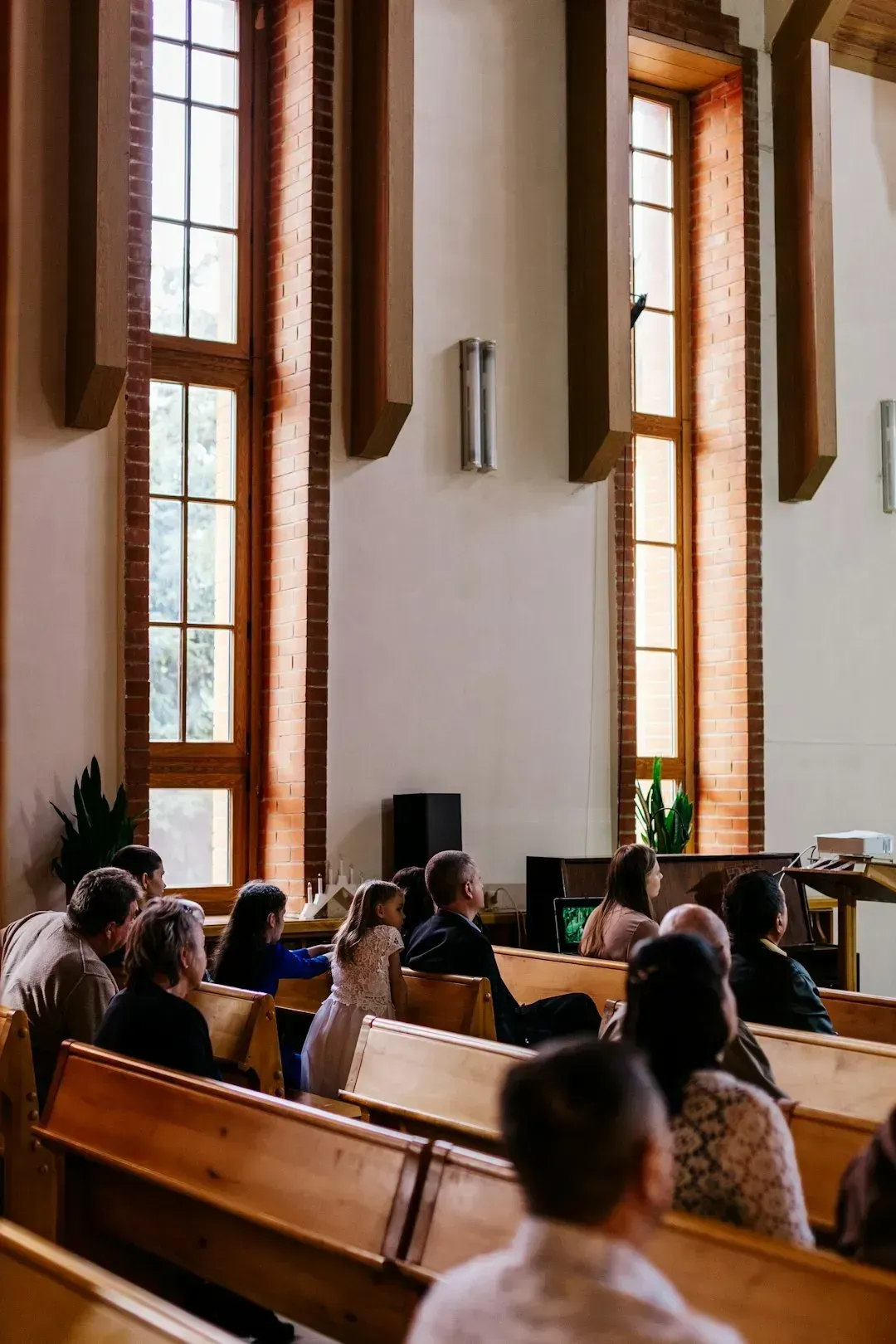
Sunday mornings were once nearly synonymous with church, synagogue, or another house of worship for a large share of Boomer households. Regular attendance was woven into the social fabric, often followed by community lunches or visits with extended family. Gallup has tracked a long decline in weekly attendance nationally, and its 2025 data found that 31% of Americans said they attend church weekly or nearly weekly, another 10% attend about once a month, and 57% attend seldom or never.
Interestingly, the story for Millennials isn’t quite the flat drop-off people assume. Barna Research data cited by several outlets shows Millennials now report a 39% weekly church attendance rate, up significantly from 21% in 2019, surpassing Boomers for the first time. So the weekend habit hasn’t vanished for everyone, but it has clearly fractured, with many Millennials opting out entirely while a smaller, more committed group attends more than their parents once did.
3. Mowing the lawn on a strict schedule
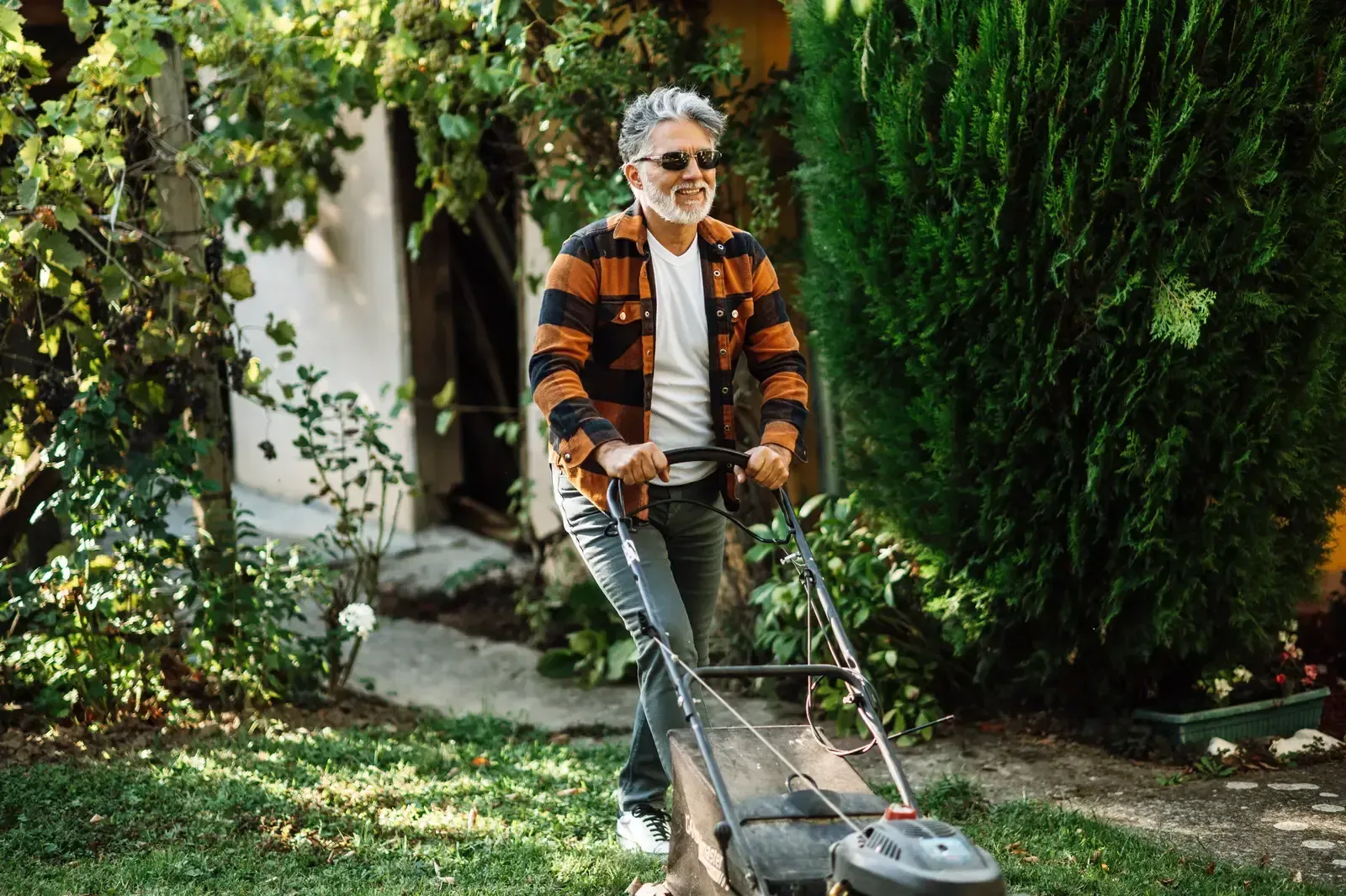
Boomers often treated lawn care as a near-sacred weekend obligation, mowing on the same day every week regardless of how much the grass had actually grown. A tidy, striped lawn was a point of neighborhood pride and sometimes even a subtle competition with the house next door. Hardware stores and garden centers built entire weekend business models around this predictable foot traffic.
Millennials, especially those renting or living in townhomes with shared landscaping services, have far less reason to keep this ritual alive. Smaller yards, xeriscaping trends, and a general shift toward low-maintenance living have also reduced the appeal of a perfectly manicured lawn. When millennials do mow, it’s usually reactive rather than habitual, done when the grass demands it rather than because Saturday morning has arrived.
4. Reading the physical newspaper cover to cover

A thick Sunday paper with the classifieds, comics, and sports section was a fixture on many Boomer kitchen tables, often paired with coffee and a couple of unhurried hours. It was as much about the pause it created as the news itself, a slow ritual that punctuated the start of the weekend. Local papers built entire advertising businesses around this predictable weekend readership.
5. Hosting or attending a yard sale
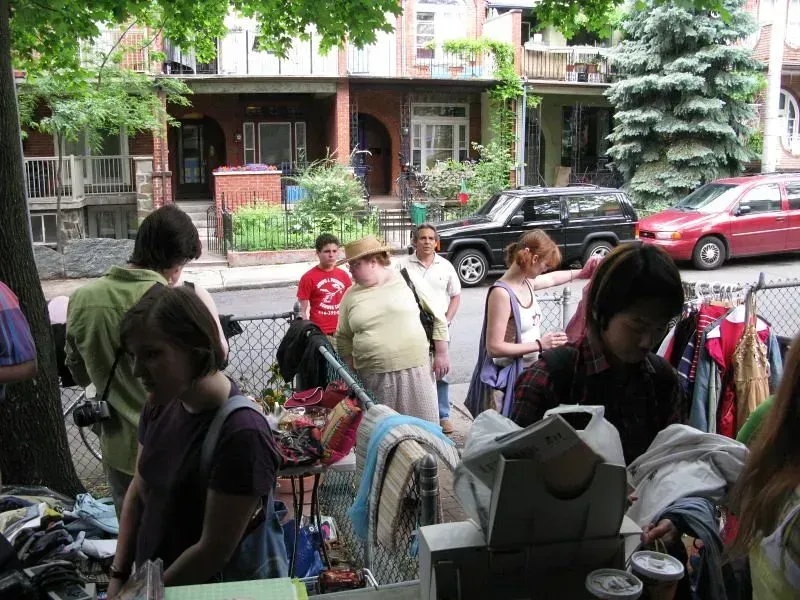
Boomers turned yard sales into a genuine weekend institution, setting up folding tables in the driveway and haggling over secondhand goods with neighbors and strangers alike. It doubled as decluttering, socializing, and a bit of extra cash all at once. Entire Saturday mornings were planned around driving from one sale to the next, hunting for bargains.
Millennials tend to handle the same impulse differently, listing unwanted items on apps like Facebook Marketplace, Poshmark, or OfferUp instead of setting up a table outside. The convenience of selling to a wider audience without leaving the house has largely replaced the face-to-face haggling that defined the old ritual. The core motivation to clear out clutter for cash hasn’t gone away, but the weekend spectacle around it has.
6. Sitting down for a big family dinner every Sunday
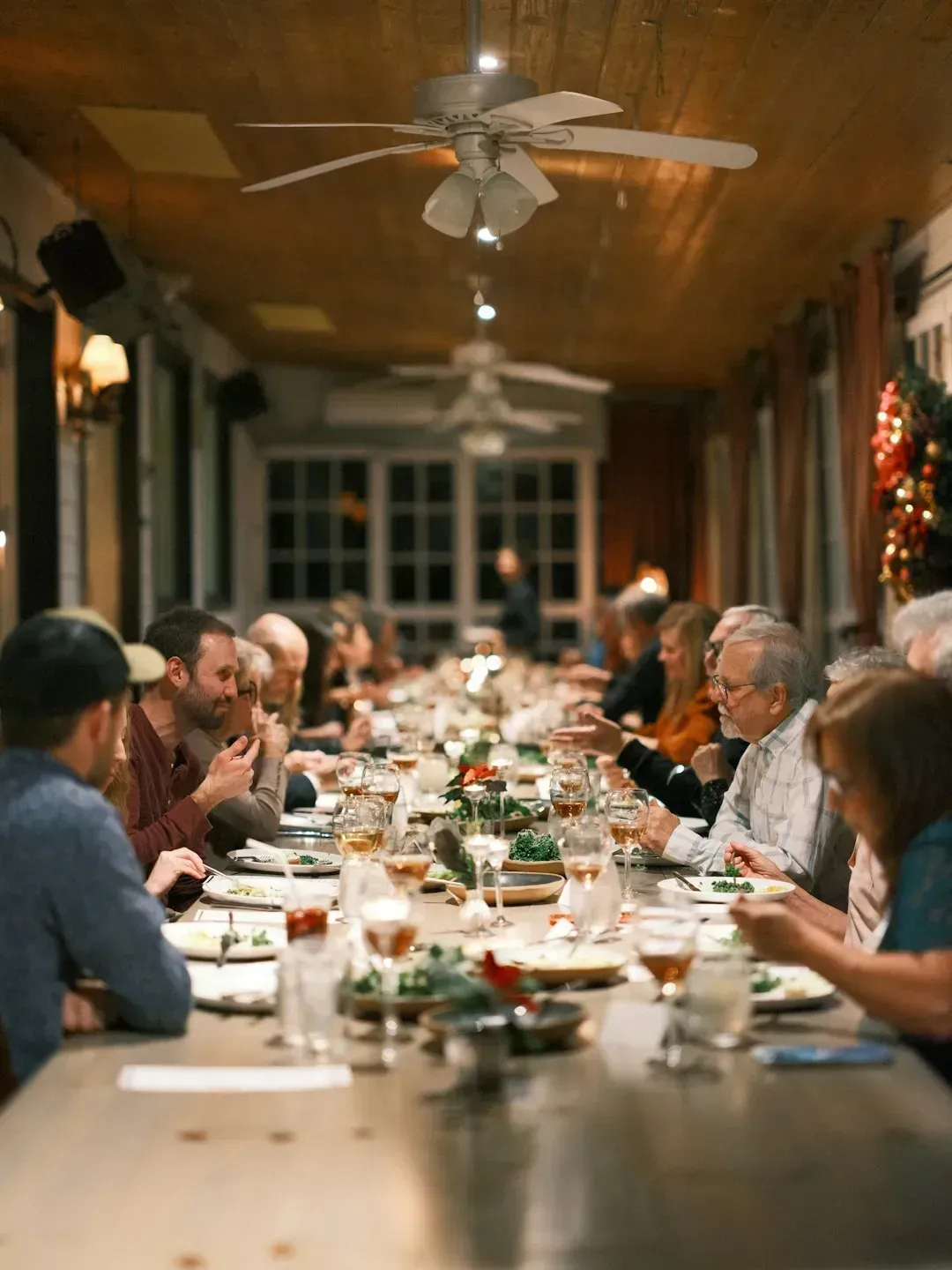
For many Boomer families, Sunday dinner was non-negotiable, a set time when everyone gathered around the table regardless of individual schedules. It often meant a home-cooked roast, extended family dropping by, and conversations that stretched well past the meal itself. This weekly gathering reinforced family bonds and gave the week a clear structural bookend.
Millennials juggle more dispersed family geography, irregular work schedules, and smaller household sizes, all of which make a fixed weekly dinner harder to sustain. Many have replaced it with looser, less frequent gatherings, or with group chats and video calls that substitute for in-person time. The sentiment behind staying connected remains, but the strict weekly appointment has largely dissolved.
7. Bowling or joining a recreational league

Weekend bowling leagues were once a massive part of American social life, with Boomers signing up for regular Friday or Saturday night slots at the local lanes. It offered a low-cost, low-pressure way to socialize with coworkers, neighbors, or church groups on a recurring basis. The bowling alley itself functioned almost like a community center.
Participation in organized bowling leagues has declined substantially over the decades as fewer alleys operate and social habits shift toward more flexible, less scheduled activities. Millennials are more likely to organize one-off outings through group texts than commit to a season-long league. When they do bowl, it’s often a novelty night out rather than a standing weekend commitment.
8. Doing a full day of errands on Saturday
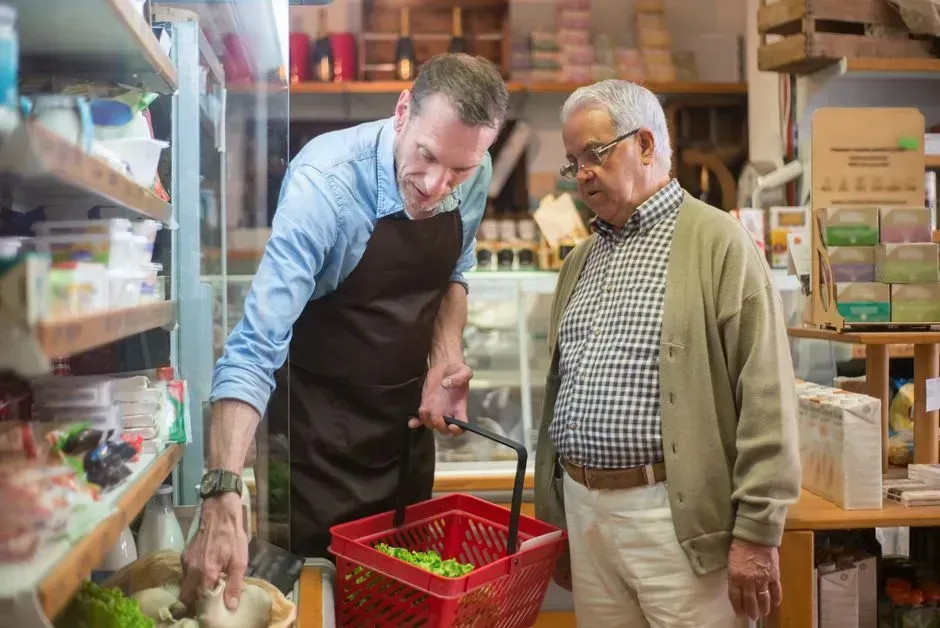
Boomers often batched an entire day’s worth of tasks into Saturday: grocery shopping, dry cleaning, the bank, the post office, and maybe a stop at the hardware store, all done in person and often on foot or with a single tank of gas. It was a practical necessity when most businesses were closed on Sundays and online options simply didn’t exist. The errand run was as much a social outing as a chore, with familiar faces at the same shops each week.
Millennials have scattered these tasks across the week or eliminated many of them entirely through online banking, grocery delivery, and subscription services. Same-day delivery and mobile apps mean fewer reasons to leave the house on a set schedule just to check boxes off a list. The Saturday errand marathon has largely been replaced by smaller, spread-out digital transactions that require far less planning.
9. Visiting the mall just to walk around
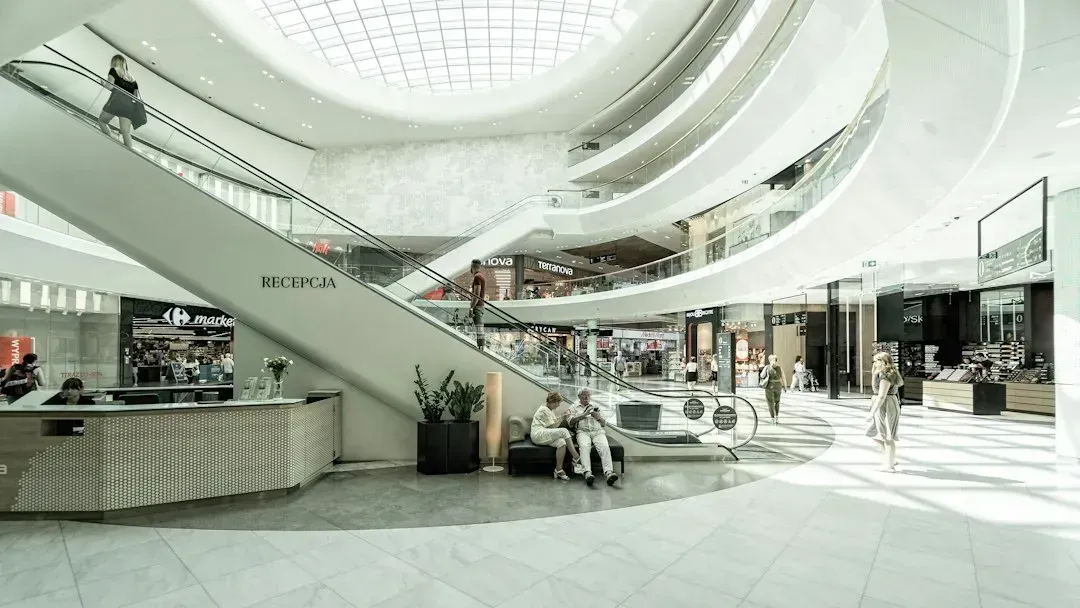
For Boomers, the mall wasn’t only a shopping destination, it was a weekend social hub where people browsed stores, grabbed food court lunches, and ran into acquaintances without any specific purchase in mind. Malls were built and marketed around this kind of leisurely, recurring foot traffic. Entire Saturday afternoons could pass with nothing bought and nobody minding.
Millennials shop online far more often and treat physical retail visits as more targeted and less frequent, driven by a specific need rather than idle curiosity. Many American malls have closed or been repurposed over the past two decades as this kind of casual foot traffic dried up. When millennials do visit a mall, it’s typically brief and purposeful rather than the aimless weekend wander their parents once enjoyed.
These habits didn’t vanish overnight, and none of them completely disappeared either. What changed is the sense of obligation behind them, the quiet assumption that a weekend without these rituals wasn’t a real weekend at all. Millennials still shop, still connect with family, still find ways to unwind, just on looser, more improvised terms shaped by different tools and different pressures than the ones their parents grew up with.



Leave a Reply