
There’s a version of class that’s bought – the right address, the expensive suit, the membership to the right club. Then there’s the version that’s taught, usually quietly, over years of dinners, car rides, and casual corrections from someone who genuinely cared. The second kind is harder to fake and far more durable.
There’s a certain kind of elegance that doesn’t come from expensive clothes, prestigious schools, or flashy titles. It’s something far more subtle – and far more powerful. It’s the way a person carries themselves, how they treat others, and the little social habits that speak volumes about the kind of upbringing they had. The nine behaviors below are things well-raised people do on autopilot. Most of the people around them never consciously register it – they just feel better in the room.
1. They Greet Everyone in the Room, Not Just the Important People

A person raised with class doesn’t only acknowledge the CEO at the table or the host of the dinner party. They greet the receptionist, the waiter, the cleaner – anyone they encounter – with equal warmth and sincerity. This isn’t performance. It’s something instilled early, usually by a parent who modeled it without making a speech about it.
This is one of the strongest indicators of upbringing. Parents who teach their children to respect everyone, regardless of status or job, instill a lasting sense of humility. The habit surfaces without thought in every social setting, and people feel it even if they can’t name it.
2. They Never Start Eating Until Everyone Has Been Served
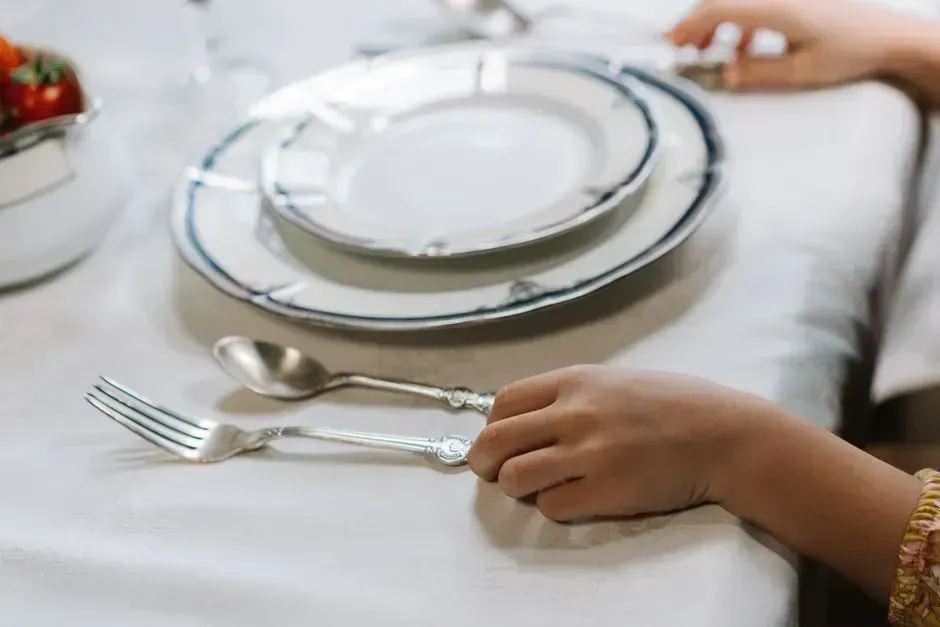
There’s an old etiquette principle that you don’t start until everyone has their plate – unless the host invites you to begin. This isn’t just politeness for politeness’ sake. It’s a nonverbal way of saying, I value the shared experience more than my own hunger. It’s a small pause, barely two seconds, and most people at the table don’t consciously notice it.
Good table manners aren’t just about impressing others – they signal respect, self-awareness, and emotional intelligence. In psychology, these behaviors often reflect how someone learned to navigate social situations early in life. Waiting for others before eating is one of those habits so deeply embedded that it simply happens, without deliberate thought.
3. They Listen Without Plotting Their Next Line
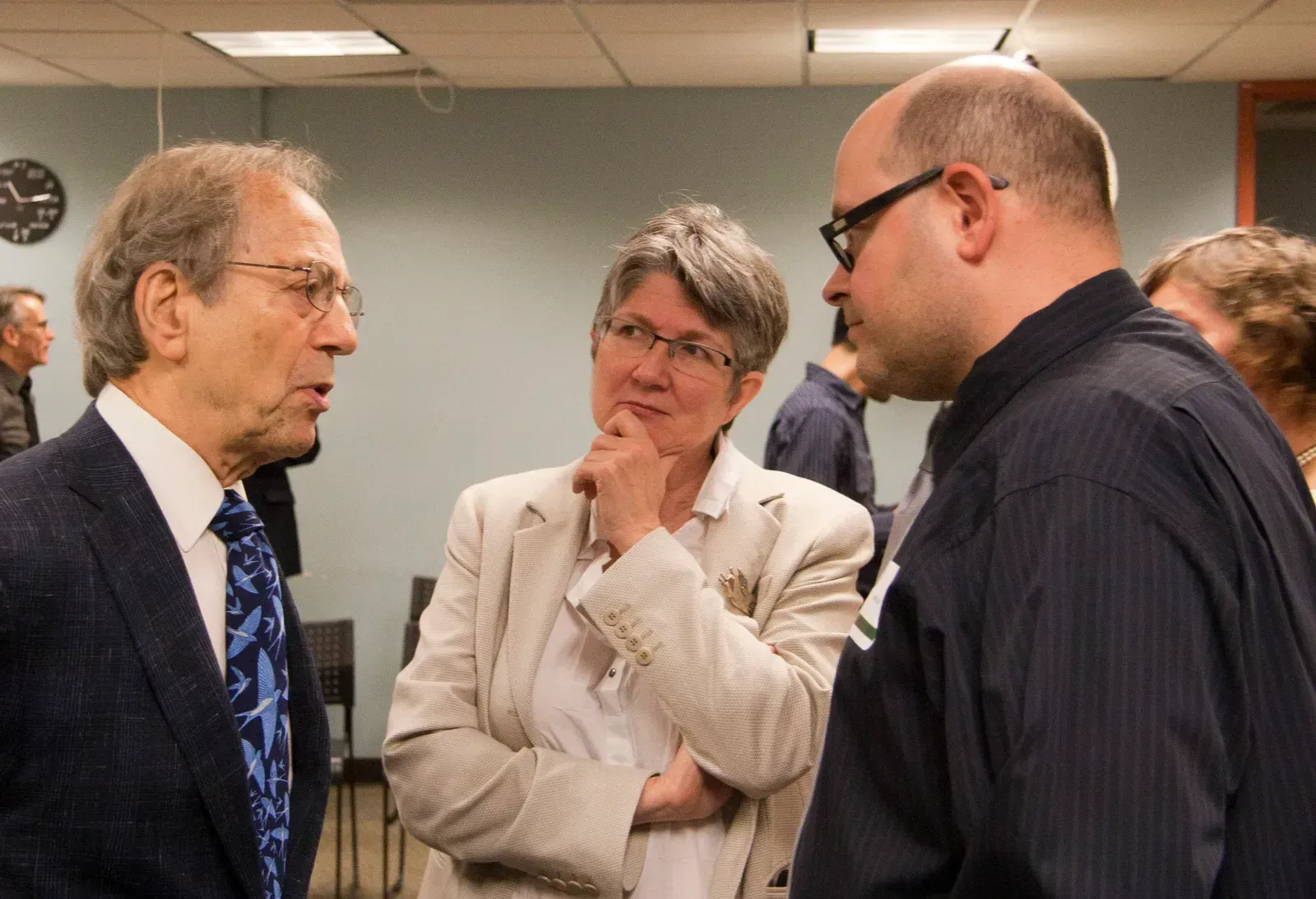
Research has demonstrated that active listening promotes trust and reduces misunderstandings. People raised with genuine consideration for others develop this naturally. They’re not scanning the conversation for an entry point – they’re actually tracking what the other person is saying and letting it land before responding.
Research in social psychology consistently indicates that people who maintain appropriate eye contact are perceived as more confident, sincere, and trustworthy. The goal is natural, intermittent eye contact that feels comfortable and genuine. In practice, this means making eye contact consistently while someone is speaking, briefly looking away to gather thoughts, and re-establishing eye contact when responding. It sounds simple. It’s rarer than it should be.
4. They Hold the Door – and Actually Mean It
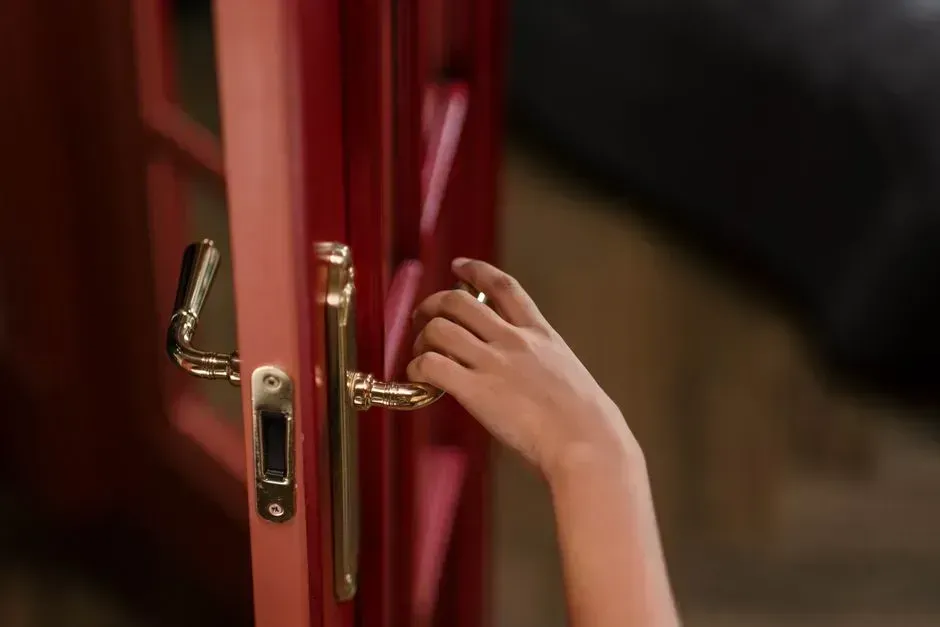
Holding a door for someone is one of those gestures that takes almost zero effort but communicates quite a lot. Etiquette provides a means of conveying respect for others, and research has shown that holding a door open for another person reflects the door holder’s expectation that the person they’re helping shares the social understanding that collective effort, gracefully distributed, benefits everyone. People raised with class do this without calculation – they just do it.
If you are going through a door and there are people behind you, you hold it for them. They feel valued and appreciate the small gesture. Likewise, if someone holds the door for you, you say thank you. The exchange is quick, but it leaves a trace. These micro-moments of courtesy add up over the course of a day in ways that shape how others feel about an interaction long after it ends.
5. They Don’t Dominate Conversations – or Disappear From Them

One of the cardinal sins of manners is interrupting others when they are speaking. Polite people simply don’t do it. Oftentimes, being a good listener will short-circuit this impulsive behavior. People raised with real class have a quiet sensitivity to conversational rhythm. They notice when someone has been talked over and gently correct the balance.
The flip side is equally important. A well-raised person doesn’t retreat into silence and make others carry every interaction. Research in the European Journal of Counselling Psychology found that non-verbal signals like nodding, open posture, and eye contact are positively correlated with perceived empathy in professional settings. These people engage fully – present without being overwhelming, attentive without being passive.
6. They Acknowledge Their Mistakes Without Drama

The ability to admit when they’ve made a mistake is another indication that a person was raised with good manners. Humility isn’t an easy trait to master, but someone raised with good manners knows how important it is, especially in the workplace. There’s no elaborate deflection, no shifting blame – just a clean acknowledgment and, when needed, a correction.
A study from the University of Buffalo found that leaders who believe in the power of teachability and admitting their mistakes are more effective and well-liked than leaders who don’t exhibit those traits. Researchers discovered that when leaders model their own humanness, they legitimize the process of becoming. The habit starts long before anyone becomes a leader, though. It starts at a family dinner table where someone said “I was wrong” out loud and the world kept turning.
7. They’re Quietly Punctual

Punctuality is more than just good manners – it’s a way of showing love and respect for others. Being on time communicates that you value someone else’s time just as much as your own. People raised with a strong sense of consideration internalize this early. They don’t announce their punctuality, they don’t expect praise for it. They’re just there when they said they’d be.
People raised with good manners understand that when you’re late, you apologize and acknowledge the inconvenience. What’s notable isn’t the apology itself – it’s the fact that they recognize the impact of their absence on another person’s time. That recognition is what separates a courteous person from someone who simply memorized a rule.
8. They Don’t Let Their Phone Pull Focus in a Conversation

Screen time aside, there’s a particular quality to people raised with social awareness: they put the phone down, or at minimum make it invisible, when someone is talking to them. If you’re at work or at the movies, it’s polite to take phone calls outside so as not to disturb people. This kind of contextual awareness runs deeper than knowing when to silence a ring. It’s about reading the room and prioritizing the person in front of you.
The main habit polite people share is their ability to put others at ease. Polite people often have a keen eye to recognize when people are uncomfortable and know the little things they can do to help fix that. Keeping a phone off the table during a meal or a conversation is one of the most visible ways this plays out today – and one of the clearest quiet signals that someone was taught to treat attention as a form of respect.
9. They Express Genuine Gratitude, Not Reflexive Thanks

People who were raised with good manners know the value of expressing gratitude. By letting other people know that they appreciate them, they deliver a powerful, positive message that sends kindness forward. There’s a quality of specificity to how they do it. They don’t just say “thanks” and move on – they name what they’re grateful for, which makes the other person feel genuinely seen rather than processed.
According to a paper by the Greater Good Science Center at UC Berkeley, generosity is deeply rooted in human behavior. Generosity is strongly associated with psychological health and well-being, as studies have shown that people who practice volunteerism report having a greater quality of life. Having a strong sense of empathy and compassion for others is a requirement for generosity. The people raised in environments where gratitude was genuine – not a script – carry that into every room they enter, and people feel the difference.
None of these nine habits requires wealth, connections, or a particular zip code. They require something harder to manufacture: years of being shown, in small daily moments, what it looks like to treat people with care. That’s the thing about real class – it accumulates quietly, and it shows up the same way.





Leave a Reply