
Eating out has become a noticeably different calculation in 2026. Since COVID, menu prices have risen between roughly a quarter and nearly a third, and industry analysts note that prices this year have already increased another four percent from what they were in 2025. When money is tighter and expectations are higher, nobody wants to commit to a meal and discover mid-entrée that it wasn’t worth a cent.
The good news is that restaurants leave plenty of clues before you ever pull out a chair. A few well-trained glances at the right things – the entrance, the menu posted outside, the staff near the door – can tell you almost everything. Here are nine of the most reliable signals to look for.
1. The Cleanliness of the Entrance and Surrounding Pavement
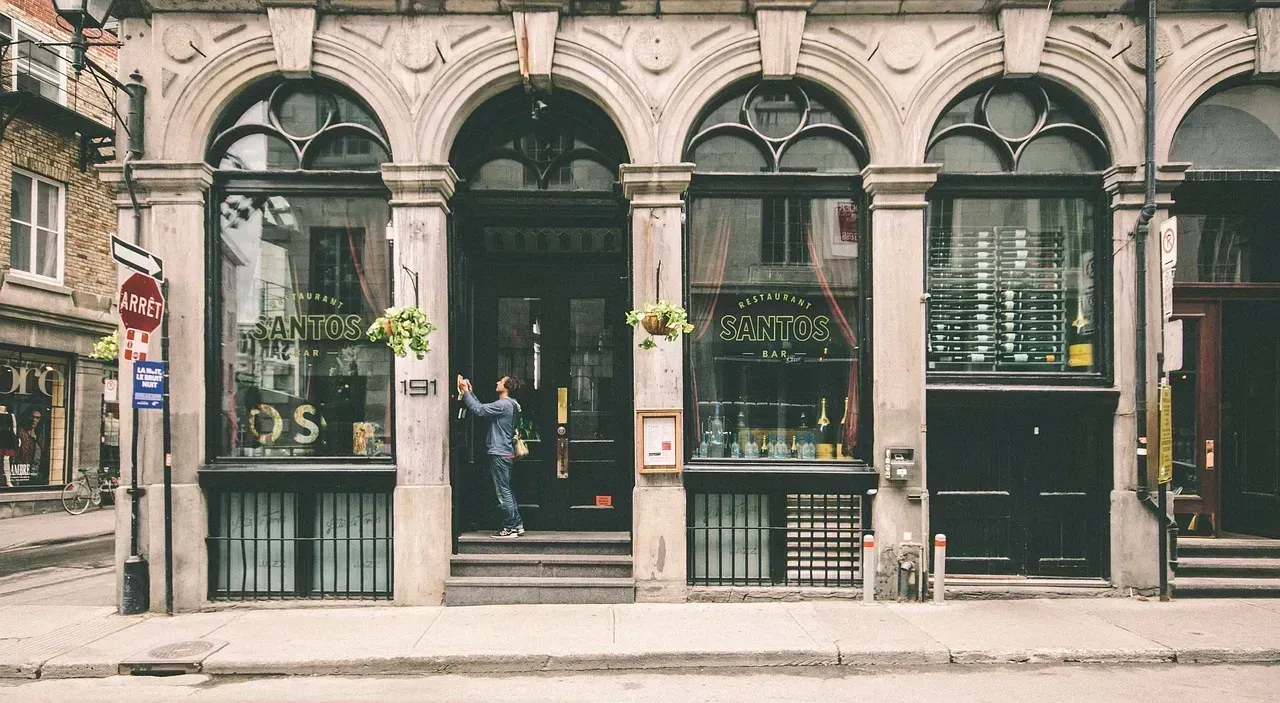
The very first square footage a restaurant controls is its entrance. Cigarette butts ground into the doorstep, a sticky door handle, or a grimy welcome mat are not trivial oversights. Industry professionals consistently note that “floors, menus, waiting area – if those look cared for, the rest usually falls in line.” An owner who keeps the front tidy is almost certainly applying the same attention to the kitchen.
One of the clearest signs that a restaurant may not be up to standard is visible messiness or lack of cleanliness, which can manifest in ways from dirty floors to cluttered service areas, and it immediately raises concerns about how the restaurant is being managed. If the exterior looks neglected before you’ve even touched the door, treat it as an honest preview.
2. How the Exterior Signage Is Presented
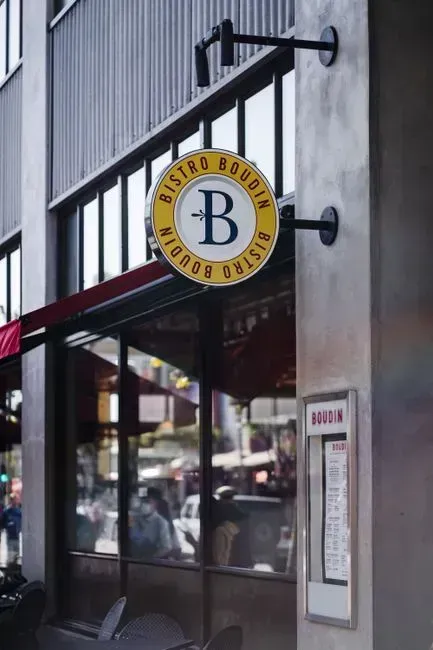
Before guests even see a menu or meet the staff, they’re already sizing up a restaurant based on the way it looks from the street. Signage that’s faded, has broken letters, or looks like it hasn’t been updated in a decade communicates something specific: the ownership isn’t paying close attention. Attractive signage speaks volumes about a restaurant or venue, giving impressions of what visitors can expect from the dining experience.
An elegant, beautiful experience often means a modern, sleek sign that employs a minimalist design aesthetic, while a rustic, hand-painted sign can speak of a cozy, warm experience. Neither style is inherently better. What matters is whether the sign feels intentional and maintained, because your signage is the first clue to the type of dining experience on offer.
3. Whether an Outdoor or Window Menu Is Posted

A menu displayed outside, whether it’s a printed board, a framed card, or a window decal, is one of the most customer-friendly gestures a restaurant can make. It lets you judge price, range, and style before you commit. Restaurants that hide their menus entirely are either overconfident or simply indifferent to your time.
Effective outdoor menu displays are designed for clarity and impact, showcasing a restaurant’s offerings succinctly to engage passers-by, and illuminated, easy-to-update digital menu boards can reflect a forward-thinking approach to customer engagement. More importantly, people are looking at menus and asking themselves “is this worth it?” – which is exactly why a solid, competitive menu presentation is so important to attract new customers.
4. The Length and Focus of the Menu
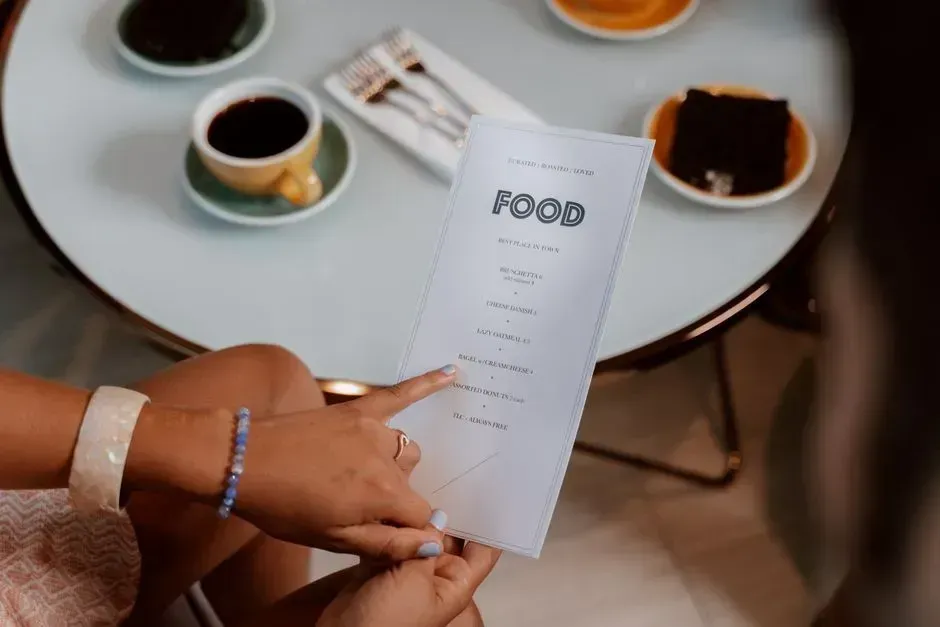
A menu that tries to do everything usually does nothing particularly well. A small menu is often one of the signs you’re in a good restaurant, though it’s not universally true – some excellent Chinese and Indian restaurants have enormous menus – but it tends to be a good indicator. The real question is whether the menu shows a clear point of view.
If the menu shows no point of view or tries to please every type of diner, the food will likely be mediocre at best. Dishes that don’t seem to belong on the menu can be a red flag – if you go to an Italian restaurant and also see Indian dishes, you might wonder how authentic either one actually is. A focused menu is a confident one, and confidence in the kitchen usually translates to better food on the plate.
5. The Physical Condition of the Menu Itself
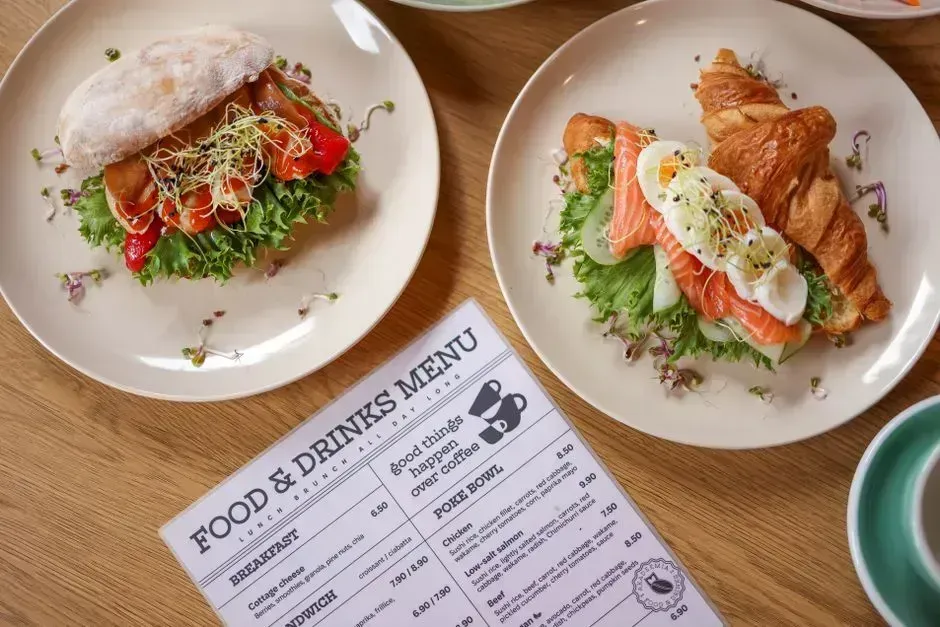
If a restaurant displays a physical menu near the entrance or hands one over as you’re deciding whether to stay, take a close look at it. The actual physical menu can tell you a lot about a restaurant. Checking whether menus are clean and cared for or reused without a second thought to their appearance matters, because dirty or beaten-up menus are a bad sign – this is the kind of small factor that might signal greater problems. If staff don’t care about the little things, it may follow that the larger issues aren’t important to them either.
This goes beyond cleanliness to design as well. The design of the menu is important: if it’s visually outdated, cluttered, has a poor color scheme, or lacks visual hierarchy, it gives a bad impression. A menu that reflects care in its layout suggests a kitchen that takes similar care with plating and presentation.
6. Staff Behavior Visible From the Doorway

You don’t need to walk inside to observe how staff are conducting themselves. A quick glance through the window or from the entrance tells you whether the team is organized, present, and attentive. Busy restaurants might be full and staff may be rushed, but they shouldn’t be keeping people waiting without acknowledging them, nor should there be multiple empty tables that haven’t been bused. If the host can’t quote a basic wait time or servers keep moving without apparent purpose, that’s disorder.
Beyond price, the three most important attributes mentioned in “worth it” restaurant experiences in online reviews are the attitude of employees, the taste of the food, and the consistency of the experience. Staff attitude is the one variable you can partially assess before ordering a single thing. Alert, pleasant-looking staff is a genuinely good sign.
7. How the Restaurant Smells at the Door
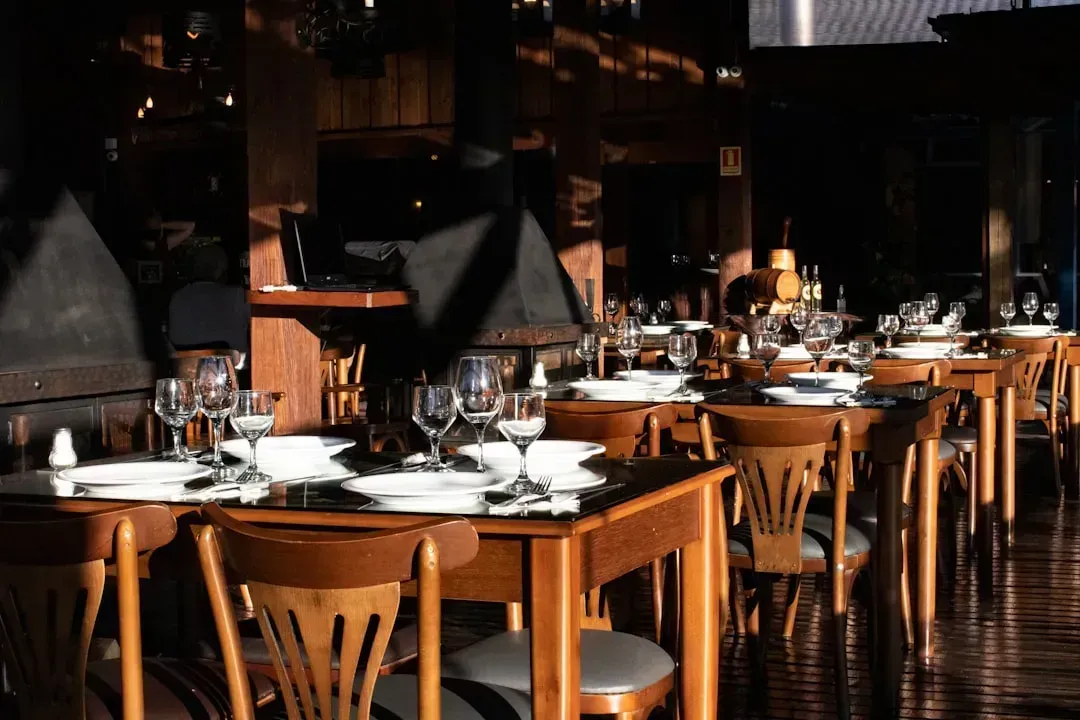
Smell is one of the fastest and most honest assessments you can make. A well-run restaurant at the right hour should carry the aroma of something cooking, something fresh, something appetizing. Unpleasant odors are prime indicators of deeper problems: they can emanate from garbage disposal areas, restrooms, or the kitchen, particularly from drains and grease traps that aren’t adequately maintained, and persistent smells can tarnish a restaurant’s reputation and deter customers from returning.
The reverse is equally informative. A kitchen that smells genuinely good from the entrance signals active cooking, fresh ingredients, and a clean operation. It’s a simple, involuntary signal that’s very hard to fake. Trust your nose more than you might think.
8. The Transparency of the Kitchen, If Visible
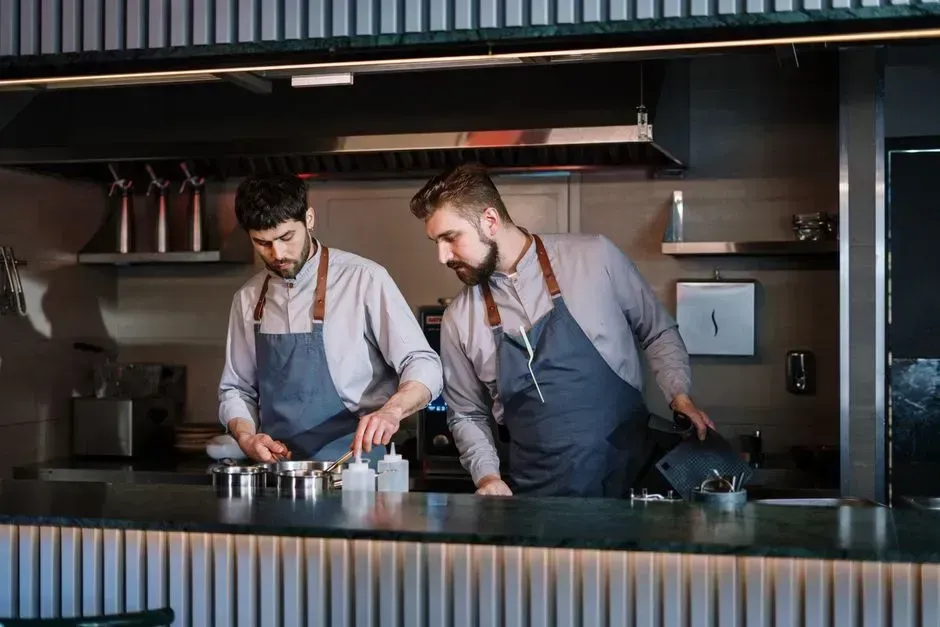
Many restaurants, particularly those opened in the past several years, have moved toward open or partially visible kitchens. This isn’t just an aesthetic trend. Many restaurants have an open kitchen these days, an approach that not only promotes transparency and cleanliness but also adds a dynamic, engaging element to the dining experience, allowing diners to watch the preparation of their meals and creating a sense of connection with the food and the chefs.
Even if the kitchen isn’t fully open, a restaurant that gives you a sight line to some of the prep area is making a quiet statement about confidence and hygiene. Conversely, a restaurant that seems to aggressively conceal its kitchen while the dining room itself looks unkempt is worth approaching with more skepticism. Transparency, even partial, is generally a good signal.
9. The Consistency Between the Exterior and Interior Aesthetic
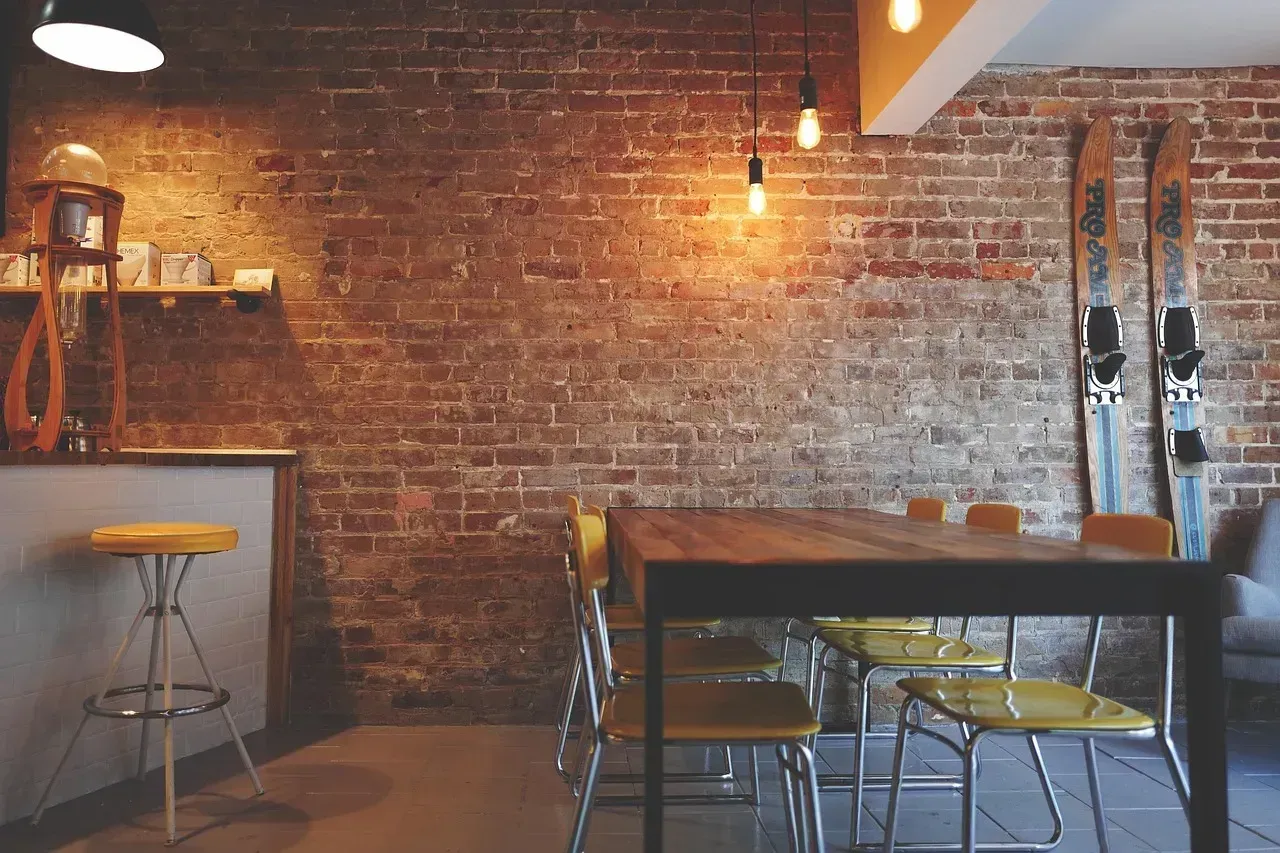
A restaurant that has invested genuine thought into its identity tends to keep that identity consistent from the outside in. When all small signs and design details share the same design language, including fonts, colors, and materials, as the main menu board and exterior sign, it creates a professional, intentional, and memorable brand experience. The opposite, a polished exterior that gives way to a chaotic, mismatched interior, often signals that someone spent the budget on appearance rather than substance.
Key elements such as outdoor seating arrangements, impactful signage, inviting lighting, and material choices are crucial, and each component should not only attract but also promise a continuation of the interior’s ambiance and quality, ensuring a cohesive and comprehensive guest experience from the outset. When what’s outside genuinely matches what’s inside, you’re usually dealing with an owner who cares about the whole experience, not just the first impression.
None of these nine signals require a reservation, a Yelp deep-dive, or a word from a friend. They’re available to anyone willing to slow down for sixty seconds before walking in. In online reviews, the attribute most commonly mentioned when a restaurant experience is described as “worth it” or “not worth it” is price, but beyond price, the next three most important factors are employee attitude, the taste of the food, and the consistency of the experience. The signals above are, in many ways, an early preview of all three. A restaurant that scores well on these visible cues before you sit down is rarely a disappointment once you do.




Leave a Reply