
Walk into any veterinary clinic and the exam usually starts before anyone even touches your pet. Vets are trained observers, and the first thirty seconds in the room often tell them more than a lab report ever could. The tricky part is that a lot of what they see falls into a gray zone between “worth mentioning” and “not my business to say.”
Some of these observations are physical, some are behavioral, and a few are about you rather than your pet. Either way, most veterinarians quietly file this information away rather than bring it up directly, especially if it feels personal or awkward. Here’s a look at what’s really going through their minds during that first glance.
1. Weight gain or loss since the last visit

Vets almost always glance at the scale reading and compare it mentally to the last recorded weight before they say a word. A noticeable shift, even just a pound or two in a small dog or cat, can be a meaningful percentage of body weight and a signal of something metabolic, dental, or behavioral going on at home. Obesity in particular is common enough that many vets have simply learned to soften how they bring it up rather than skip the topic entirely.
Pet obesity affects a significant portion of dogs and cats in the United States, and veterinary associations have flagged it as one of the most common preventable health issues they see. Vets often hesitate to lead with “your pet has gained weight” because it can land as a judgment on the owner’s habits rather than a medical observation. Instead, they might ease into diet questions or portion sizes, quietly steering the conversation toward the same point.
2. Overgrown nails and neglected grooming
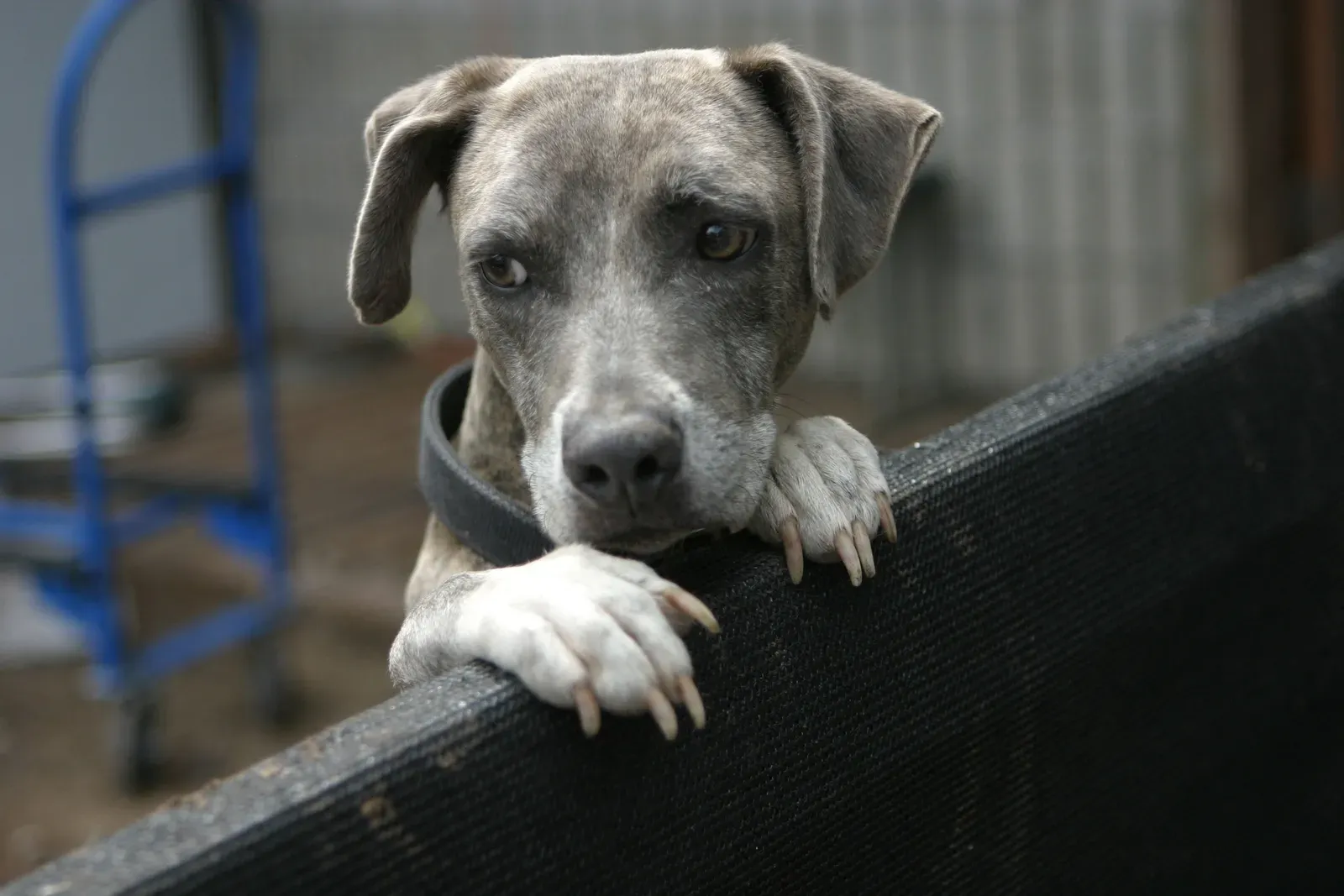
The second a pet crosses the exam room floor, a vet’s eyes tend to drop to the paws. Nails that curl under, click loudly on tile, or have visibly overgrown past a healthy length are an easy visual cue that grooming has fallen behind. It’s rarely a sign of neglect in a dramatic sense, more often just a task that gets postponed because it’s stressful for both the pet and the owner.
Matted fur, especially around the hindquarters or armpits in longer haired breeds, is another quick tell. Vets know these issues can trap moisture, cause skin infections, or restrict circulation in extreme cases, so they’re often assessing severity in their head before deciding how directly to bring it up. Many will handle it gently, offering a referral to a groomer rather than pointing out that it’s been overlooked for a while.
3. Signs of dental disease from across the room
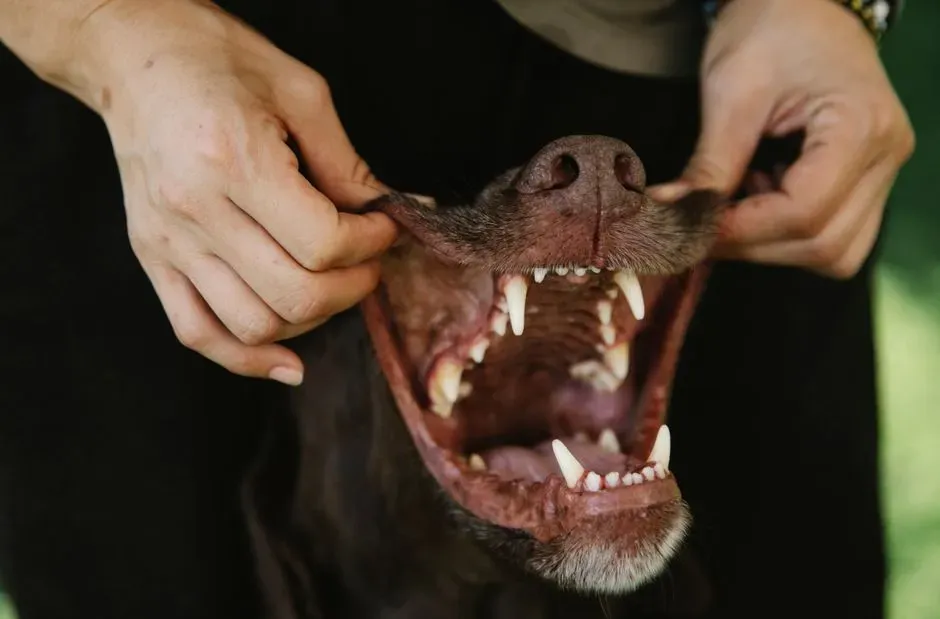
Dental problems are one of the most common findings in companion animals, and a trained vet can often smell it before the pet even reaches the exam table. Bad breath that’s noticeably foul, rather than just typical dog or cat breath, is frequently a marker of tartar buildup, gum inflammation, or worse. According to veterinary dental research, the majority of dogs and cats over the age of three show some degree of periodontal disease.
What vets are often reluctant to say directly is how far along it might already be, especially if previous recommendations for dental cleanings were declined due to cost or anesthesia concerns. They tend to reframe it as a new conversation rather than pointing out that earlier advice wasn’t followed. It’s less about assigning blame and more about avoiding an awkward moment neither side really wants.
4. Anxiety and fear responses tied to the owner’s energy
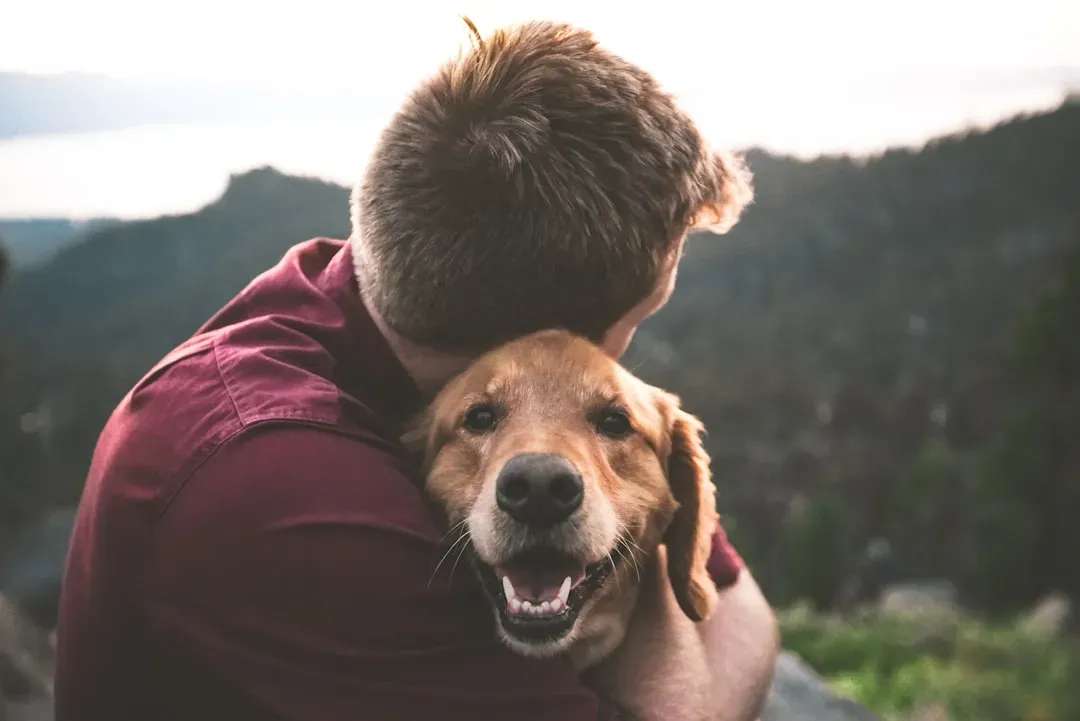
Pets often mirror the emotional state of the person holding the leash, and vets pick up on this dynamic almost immediately. A dog trembling, tucking its tail, or refusing to make eye contact can sometimes be less about the clinic itself and more about tension the owner is carrying that day. Cats hiding in carriers or hissing preemptively often reflect stress that started well before the car ride.
Veterinary behaviorists have written extensively about how animals pick up on human stress cues through tone of voice, grip pressure, and body language. Vets are usually careful not to suggest that an owner’s anxiety is making things worse, since that can feel like an accusation rather than an observation. Instead, they may suggest calming aids or shorter visits, quietly working around the root cause rather than naming it outright.
5. Skin and coat changes that point to diet or allergies
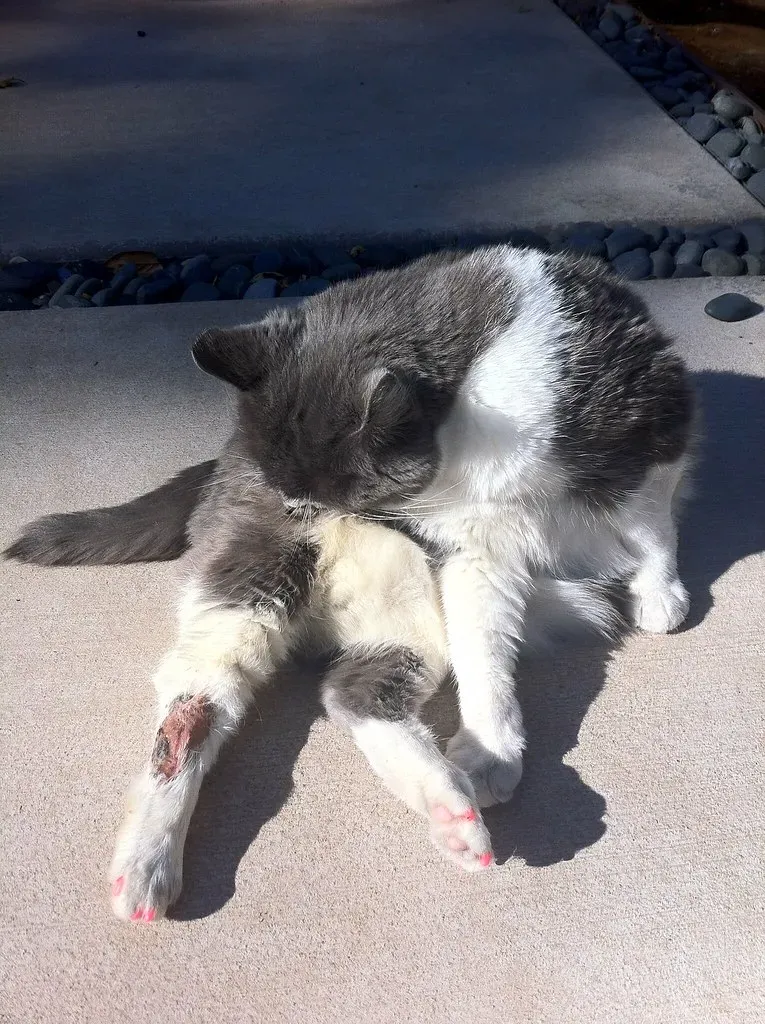
A dull coat, excessive shedding, or patches of flaky skin are often visible the moment a pet is lifted onto the table. These signs can point toward a handful of possibilities, including poor quality food, environmental allergies, or an underlying hormonal issue. Vets tend to scan the coat almost automatically, forming an early hypothesis before any formal exam begins.
What’s harder to say out loud is when the coat condition seems linked to a diet choice the owner is emotionally attached to, like a trendy grain-free brand or a homemade recipe without proper nutritional balancing. Raising concerns about a pet’s food can feel like criticizing a personal decision, so many vets frame it as “let’s try something different” rather than “this diet may not be working.” It’s a diplomatic dance that happens more often than most pet owners realize.
6. Ear infections and odor that owners have gotten used to
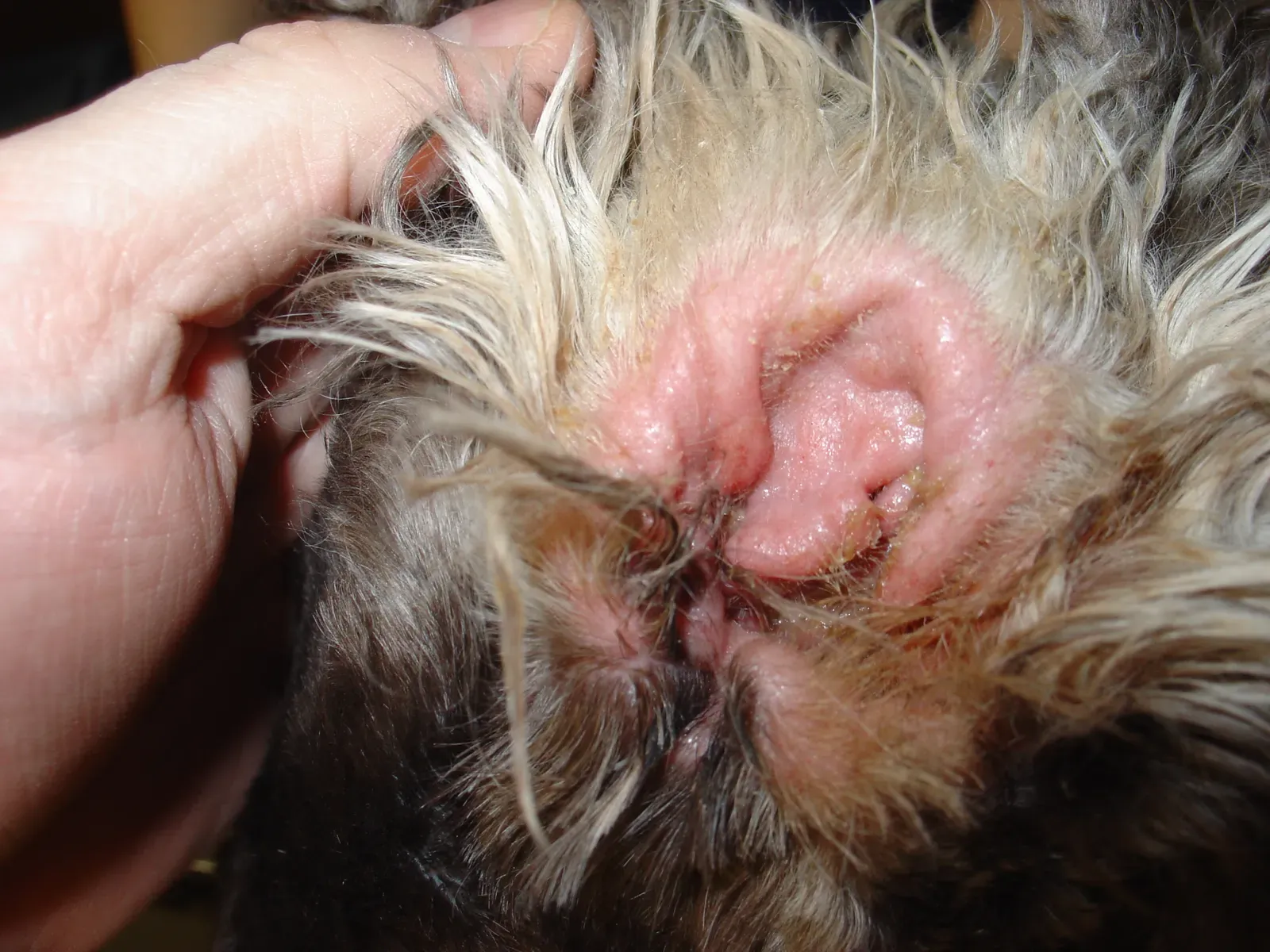
Chronic ear infections often produce a distinct smell that’s noticeable within moments of a pet entering the room, especially in floppy eared breeds prone to moisture buildup. Vets frequently encounter cases where the odor has been present long enough that the owner has simply stopped noticing it. Redness, discharge, or a pet repeatedly shaking its head are all visual cues that reinforce the suspicion before an otoscope is even used.
What vets rarely say directly is that a chronic, recurring ear infection likely means the underlying trigger, be it allergies, a foreign object, or a shape of ear canal, was never fully addressed on a previous visit. Bringing that up can sound like a criticism of past treatment, whether from this clinic or another. So they usually default to explaining the current infection thoroughly and let the pattern speak for itself.
7. Mobility issues suggesting arthritis or joint pain

The way a pet walks, or hesitates, across the exam room floor is one of the clearest early indicators of joint discomfort. Stiffness after sitting, reluctance to jump, or a slight limp that resolves once the pet warms up are all classic signs of arthritis, which is remarkably common in older dogs and cats. Veterinary studies suggest a large share of senior dogs show some radiographic evidence of joint disease, even when owners haven’t noticed obvious symptoms at home.
Vets often hold back from saying “this has probably been going on for months” because it can make an attentive, loving owner feel guilty for not catching it sooner. Arthritis pain in pets is frequently subtle and gradual, which makes it genuinely easy to miss even for people paying close attention. Instead, the conversation usually shifts quickly toward management options rather than dwelling on when it started.
8. Vaccination and preventive care gaps
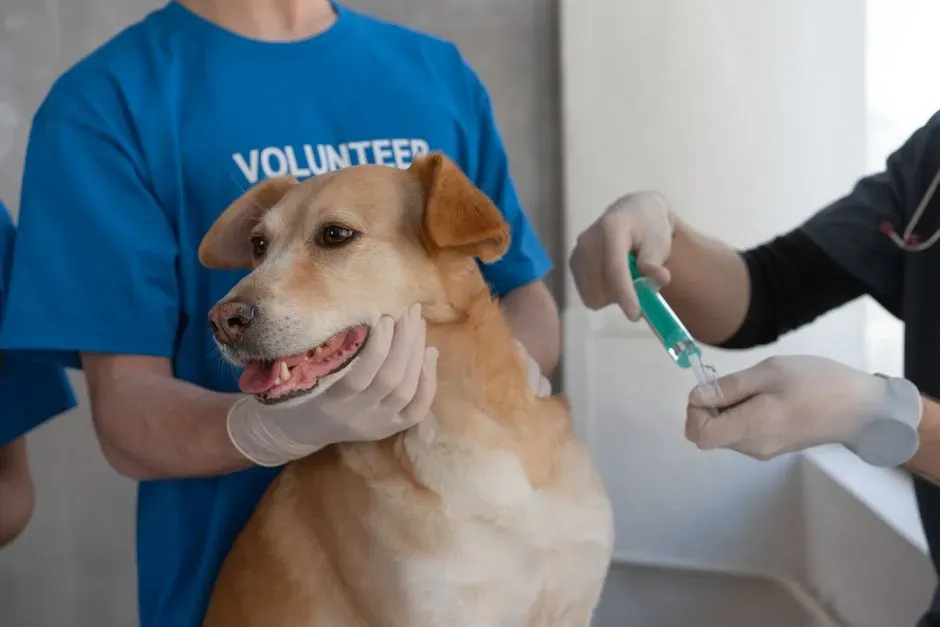
Before a vet even opens the chart, a glance at wellness stickers, tags, or simply asking a quick question about recent vaccines and flea prevention gives a fast read on how consistent care has been. Gaps in preventive treatments are common, particularly with heartworm and flea and tick prevention, which many owners assume isn’t necessary during colder months. Vets are trained to notice this quickly because lapses in prevention correlate closely with the parasitic or infectious cases they end up treating.
What they’re hesitant to say is that a lapse of even a few months can meaningfully raise the risk of exposure, especially in regions where parasites are active nearly year round due to warmer average temperatures. Pointing out a missed dose can come across as scolding, so most vets simply reissue the recommendation without dwelling on the gap itself. It’s a professional habit built around not wanting to shame someone who is, in most cases, trying their best.
9. Subtle signs of pain the pet is trying to hide
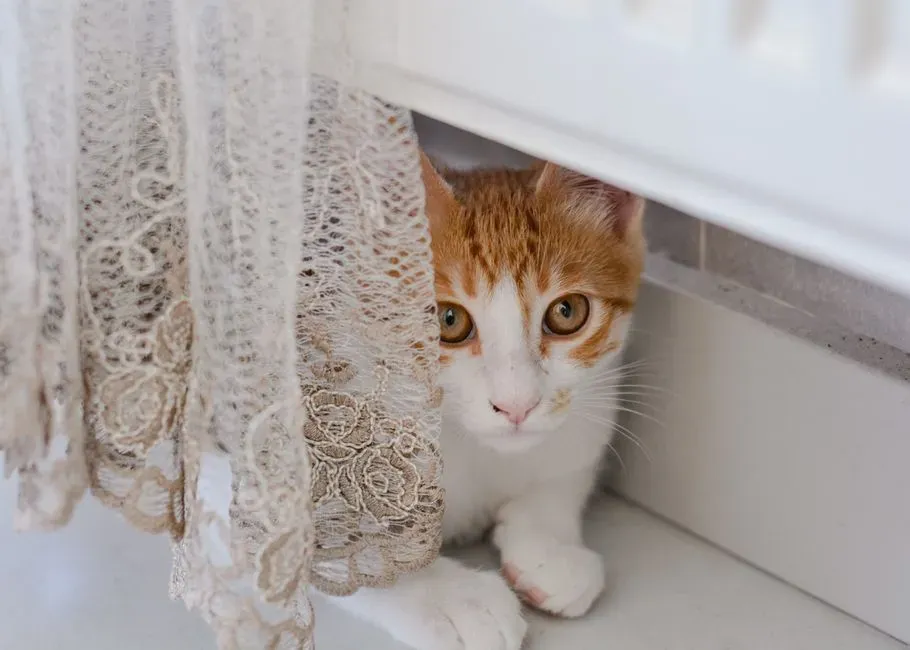
Animals are remarkably good at masking pain, a trait rooted in survival instinct, and vets are specifically trained to catch the small tells that owners often miss entirely. A slightly hunched posture, reduced tail wagging, or a pet that seems unusually quiet compared to its usual personality can all be early indicators of discomfort. Cats in particular are notorious for hiding pain well enough that studies on feline pain recognition suggest owners underestimate its presence more often than with dogs.
The part vets often keep to themselves is a suspicion that pain has been present for a while and simply wasn’t obvious because the pet adapted its behavior gradually. Saying “I think this has been hurting for weeks” can feel like an indictment of the owner’s attentiveness, even though it usually isn’t. So instead, they focus on identifying the source and building a treatment plan, letting the timeline stay unspoken.
None of this is about vets keeping secrets in any dramatic sense. It’s more that veterinary visits involve a constant, quiet balancing act between clinical honesty and basic tact. The next time a vet seems to be choosing their words carefully, there’s a decent chance they’ve already noticed more than they’re saying, and they’re simply deciding how to say it kindly.




Leave a Reply