
Dogs rarely announce that they’re uncomfortable in a way we’d notice right away. Most of what they tell us comes through small shifts in the face, the body and the voice. Many of these signals are easy to miss, or easy to mistake for something harmless.
Veterinary behaviorists and trainers, including those behind the Fear Free program and the American Veterinary Society of Animal Behavior, encourage owners to read these cues as a group rather than one at a time. Context matters a great deal, because a yawn after a nap means something very different from a yawn at the vet’s office. Here are nine signs worth learning.
Lip and Nose Licking
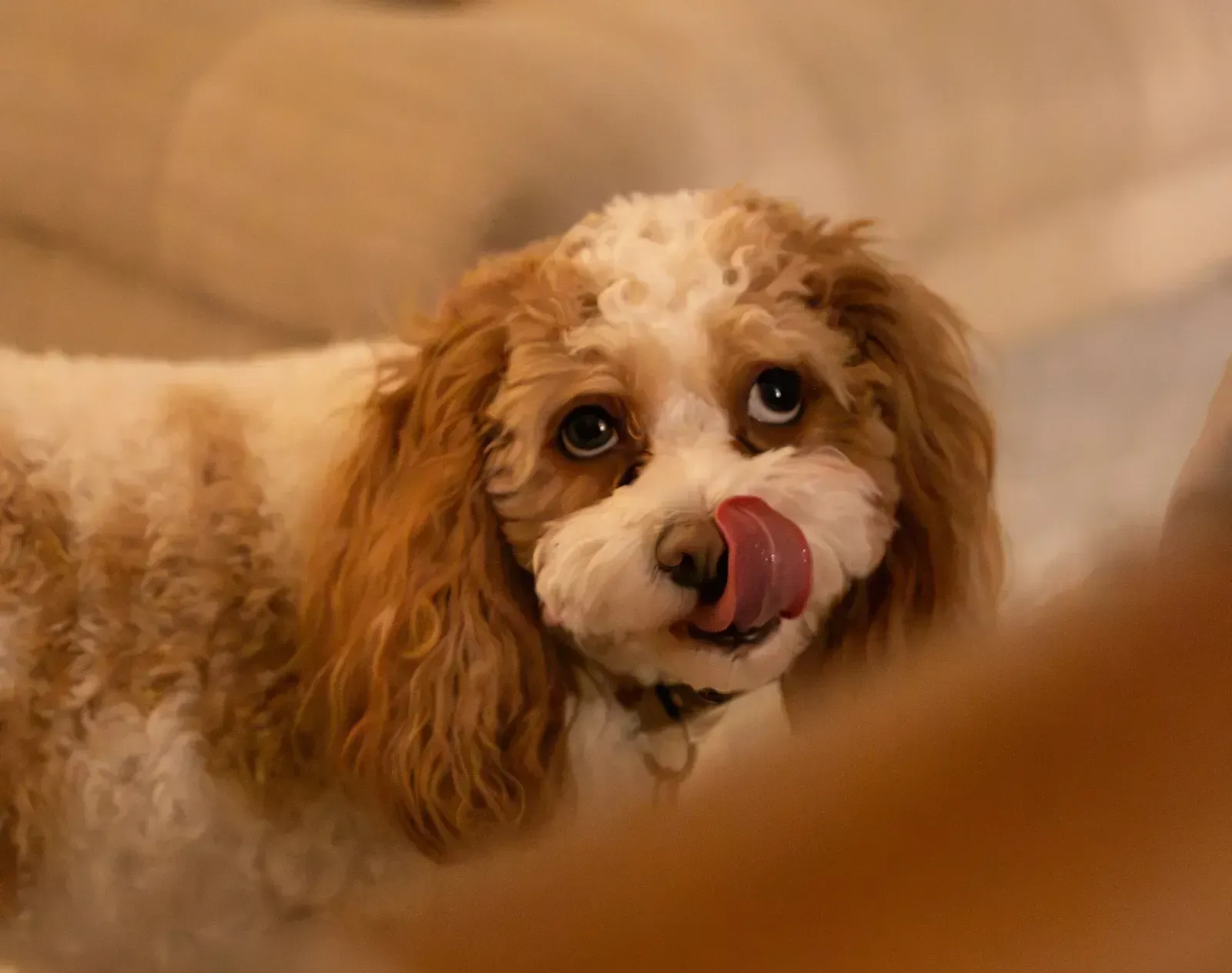
A quick flick of the tongue over the nose or lips, when no food is around, is one of the most commonly cited stress signals. Behaviorists often group it with displacement behaviors, which are small actions a dog performs when it feels conflicted or uneasy. The trainer Turid Rugaas popularized this idea in her work on calming signals.
Pay attention to when it happens. A dog licking its lips as a stranger leans over its head, or while being scolded, is likely telling you something. Licking after a meal is just licking.
Yawning Outside of Sleepiness
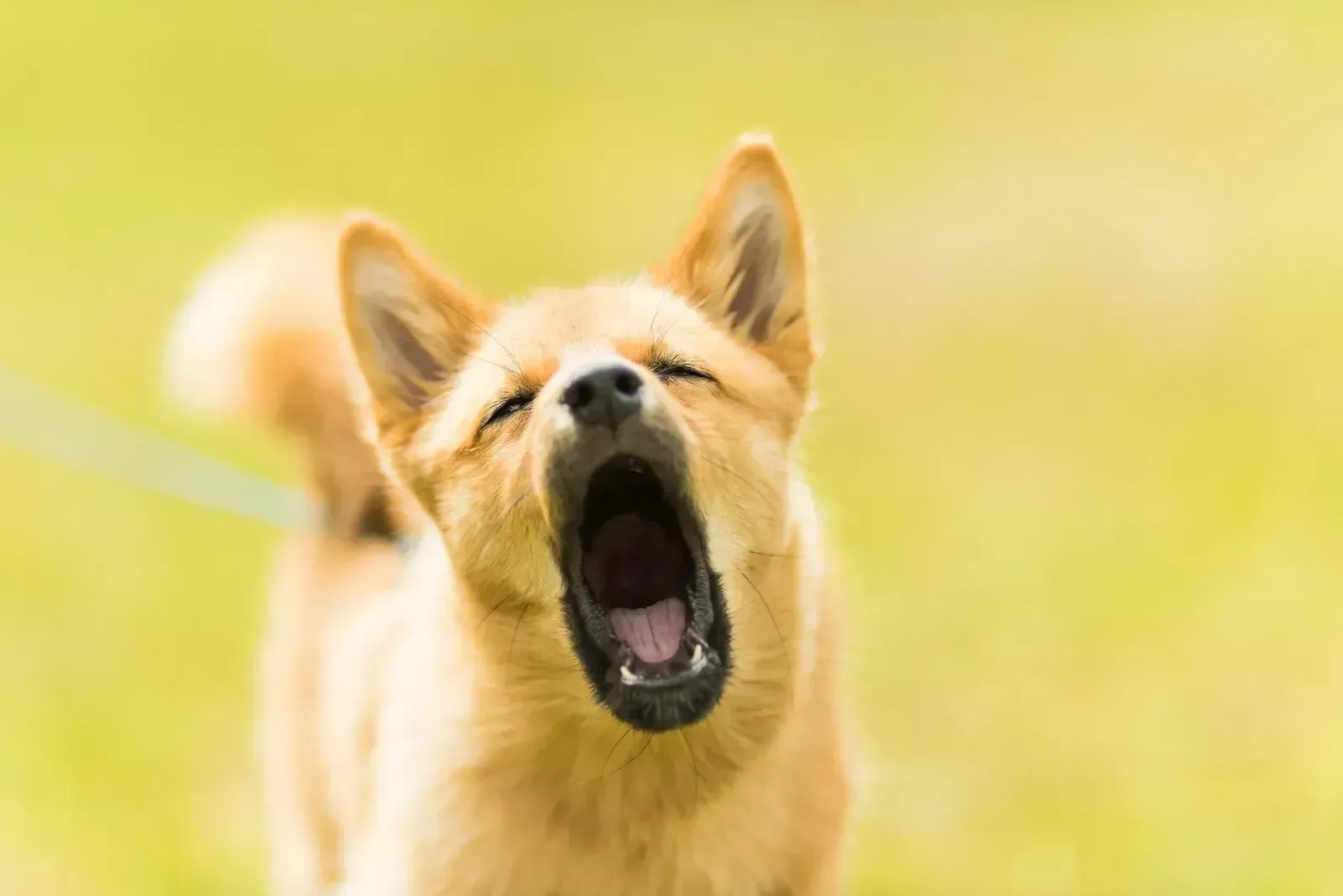
Dogs yawn when they’re tired, of course. Still, a yawn that shows up during a tense moment, such as at a crowded dog park entrance or during a training session that’s gone on too long, often points to stress. These yawns tend to look tighter and longer than a relaxed, sleepy one.
Behaviorists treat yawning as a possible coping behavior, though research on exactly why dogs do it is still limited. Because of that, it’s best read alongside other signs instead of as proof on its own.
Whale Eye
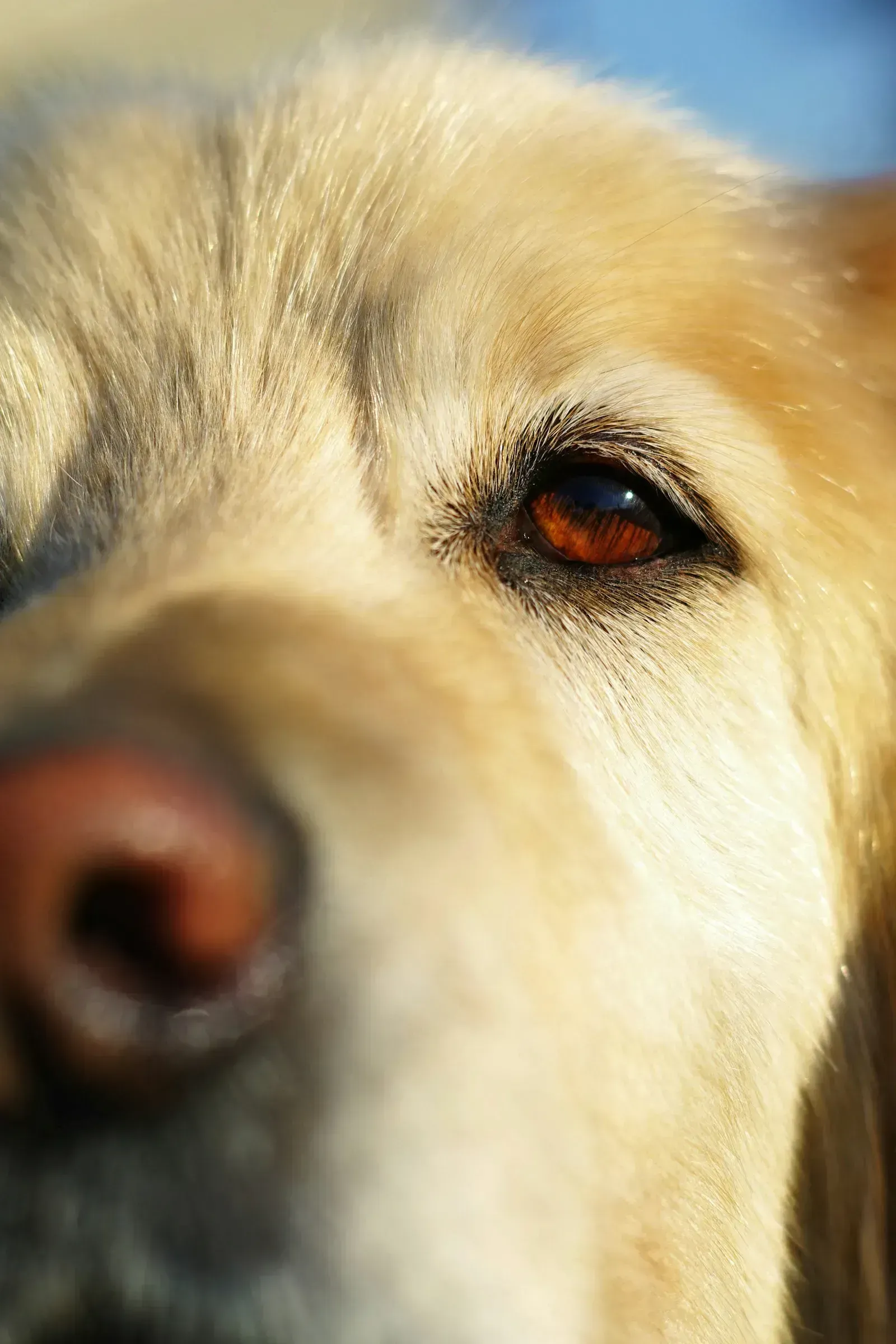
Whale eye describes a dog turning its head away while its eyes stay fixed on something, so the whites of the eyes show in a crescent shape. It’s frequently seen when a dog feels guarded about a toy, a bone or a person approaching. Veterinary behavior groups list it as a warning that the dog may be close to its limit.
If you see it, give the dog space. Pushing past this signal is one reason some dogs end up escalating to growling or snapping.
Heavy Panting Without Heat or Exercise
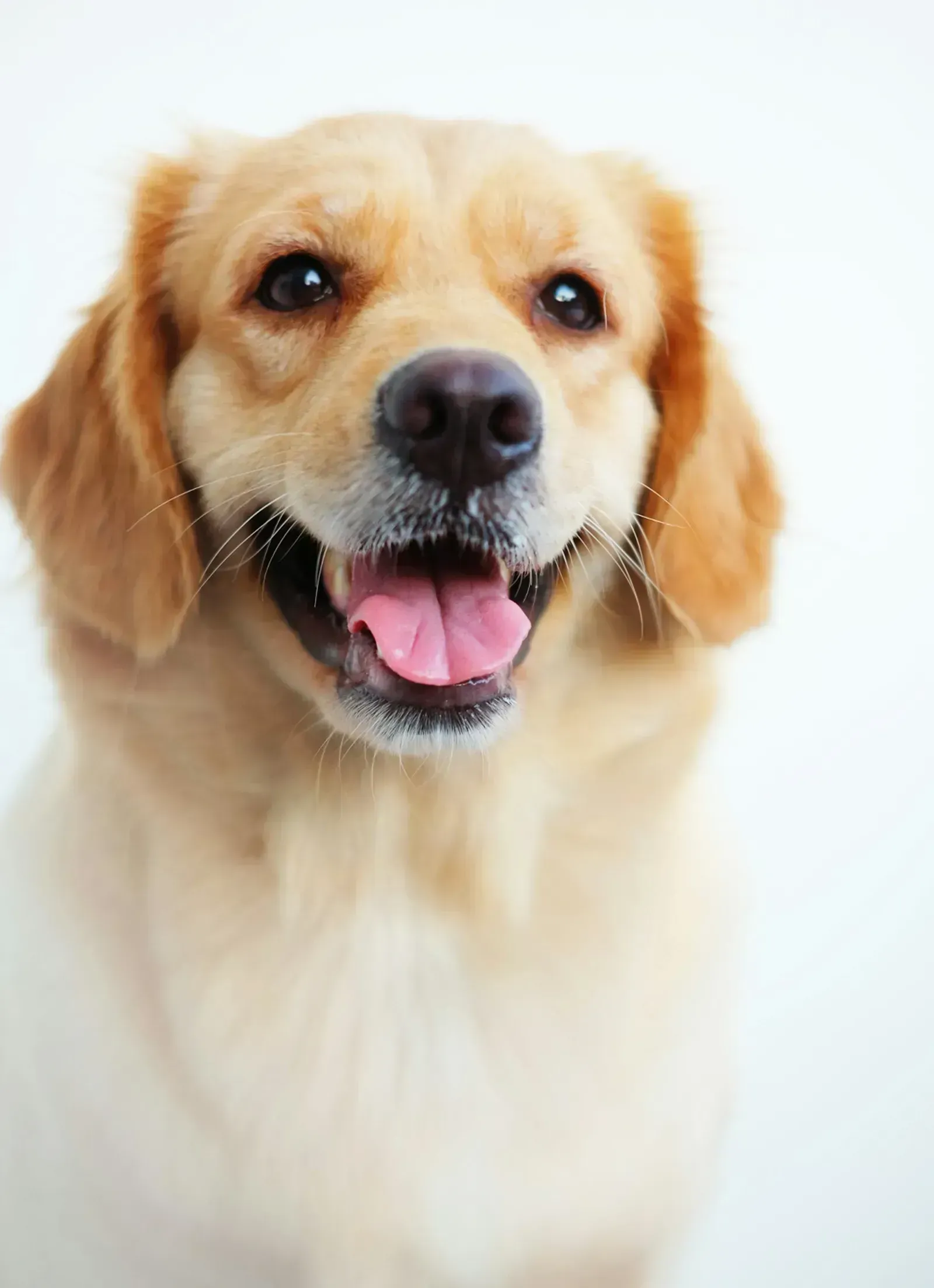
Panting is how dogs cool down, so it’s normal after a run or on a warm day. When a dog pants in a cool room, or while sitting still in the car, stress may be behind it. The breathing often looks shallow and fast, and the mouth corners may be pulled back.
Pain, illness and certain medications can also cause unexplained panting. If it happens often and without an obvious trigger, a vet visit is a sensible next step.
A Lowered Body and Tucked Tail
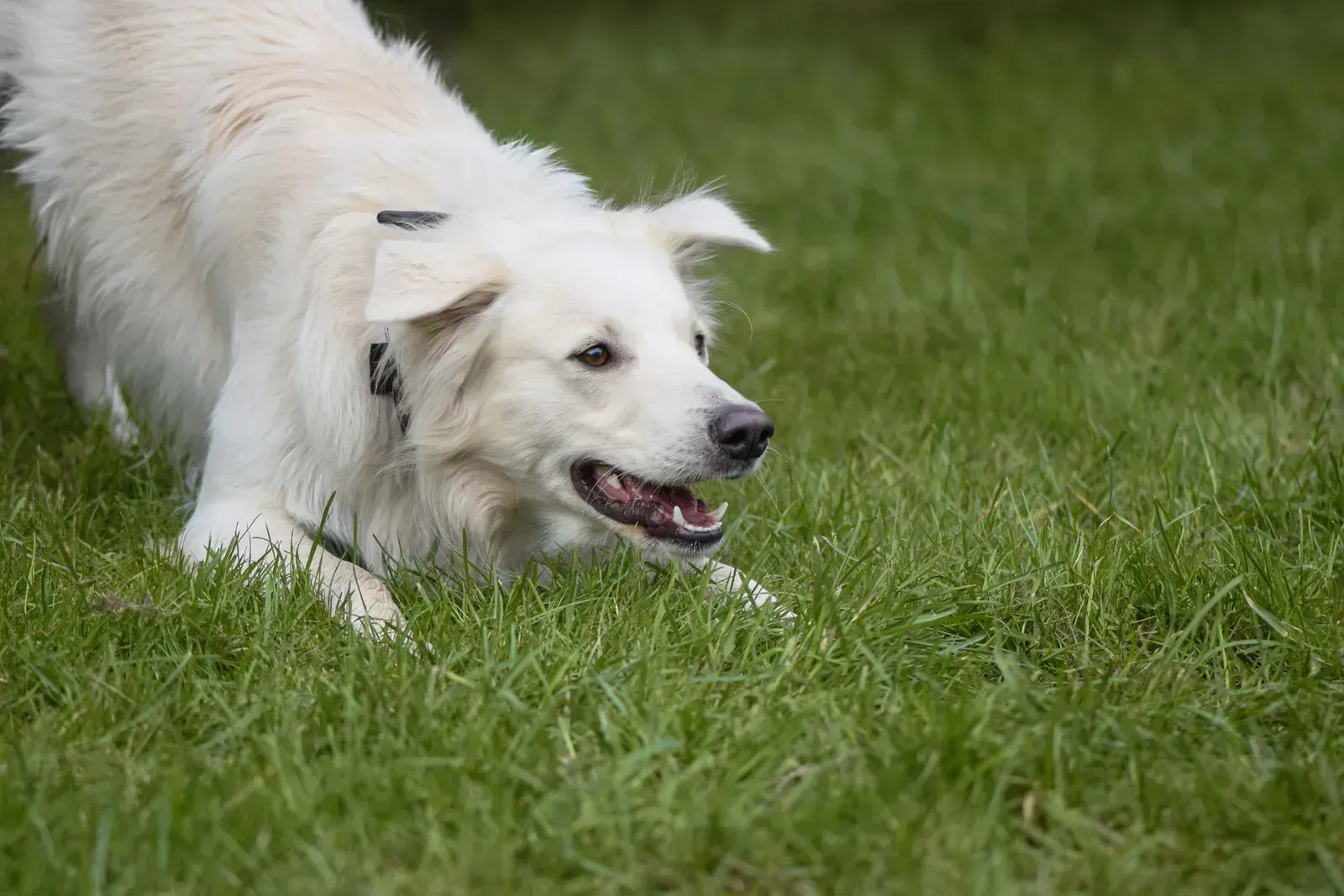
A stressed or frightened dog often tries to look smaller. You may see a crouched posture, bent legs, a tail pulled tight against the belly and a head held low. Some dogs also lean away from whatever is bothering them.
This is a different message from a loose, wagging tail and a relaxed frame. Remember that tail wagging alone doesn’t mean a dog is happy, since the speed, height and stiffness of the wag all carry meaning.
Ears Pinned Back and a Tense Face
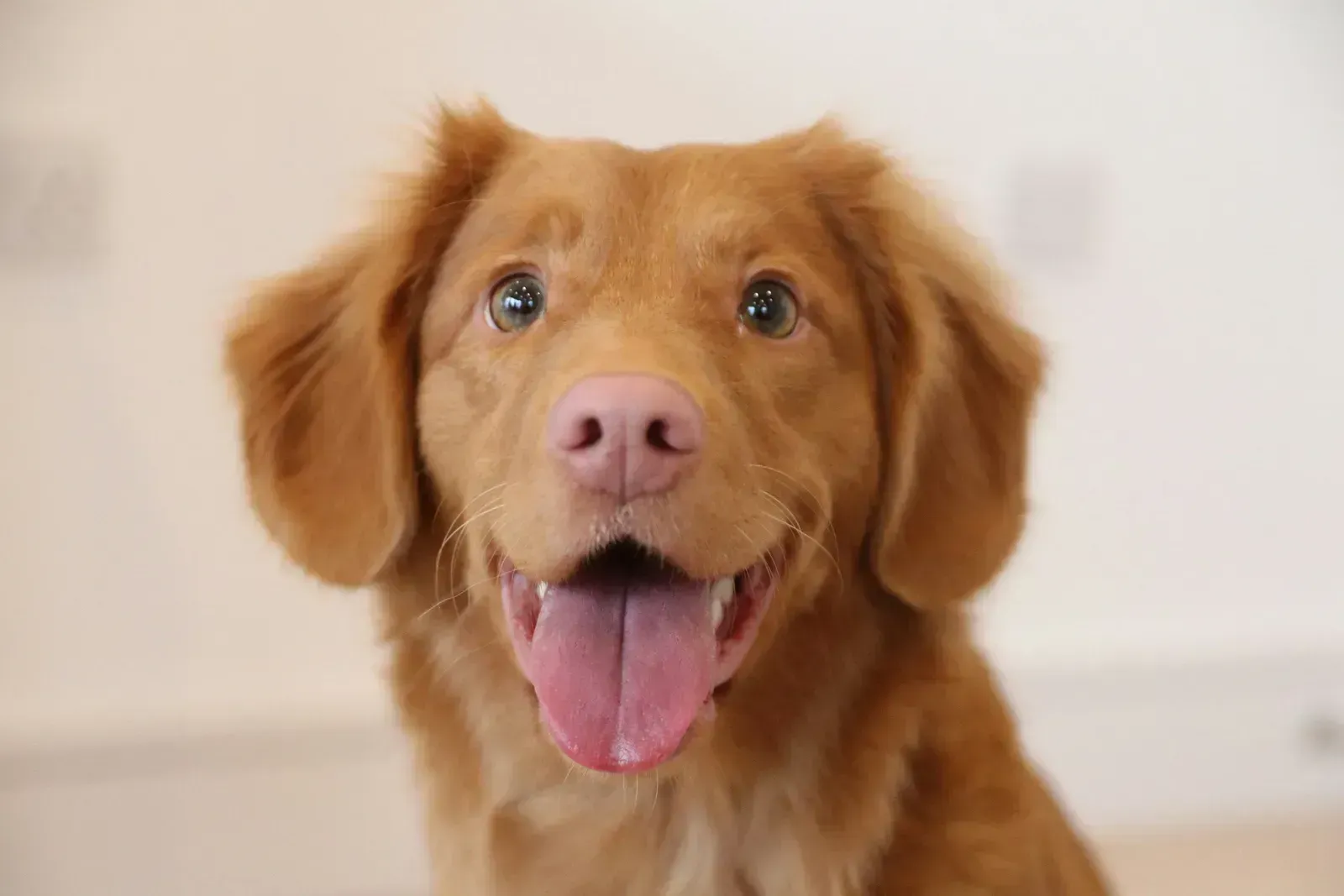
Ears flattened against the head, a furrowed brow and a closed, tight mouth can all signal discomfort. Dogs with naturally floppy or cropped ears can be harder to read, so it helps to look at the whole face. Wide eyes and a stiff expression add to the picture.
Breed shape plays a role here too. Flat faced dogs, for example, may show subtler changes, which means owners sometimes have to rely more heavily on body posture.
Pacing and Restlessness
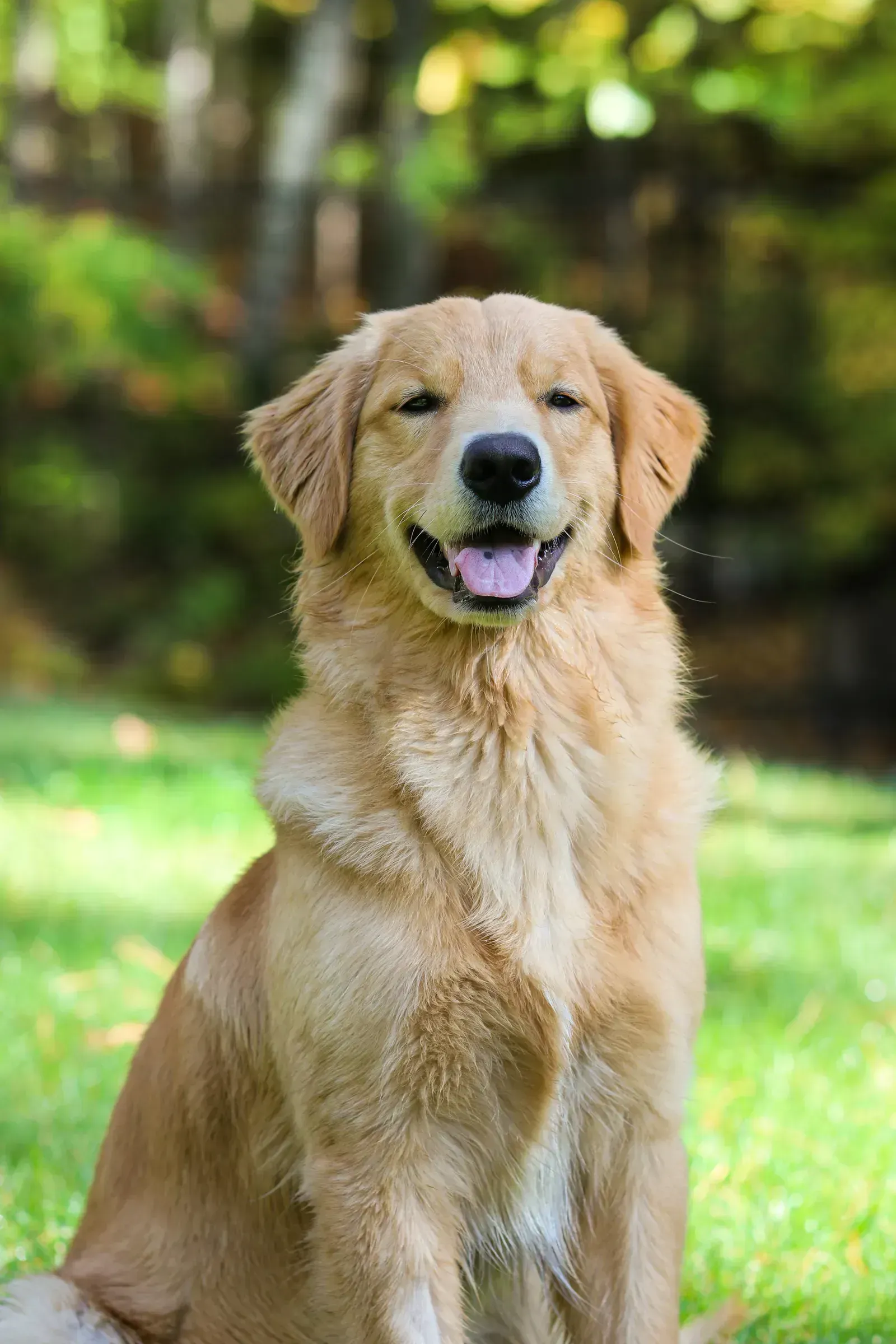
A dog that can’t settle, walking back and forth or moving from room to room, may be struggling with anxiety. This is common during thunderstorms, fireworks or when a family member is about to leave. Some dogs also follow their owners closely, unable to relax unless they’re nearby.
Restlessness can have medical causes as well, including pain and cognitive changes in older dogs. Behaviorists generally suggest ruling those out before assuming the cause is purely emotional.
Shaking Off and Trembling
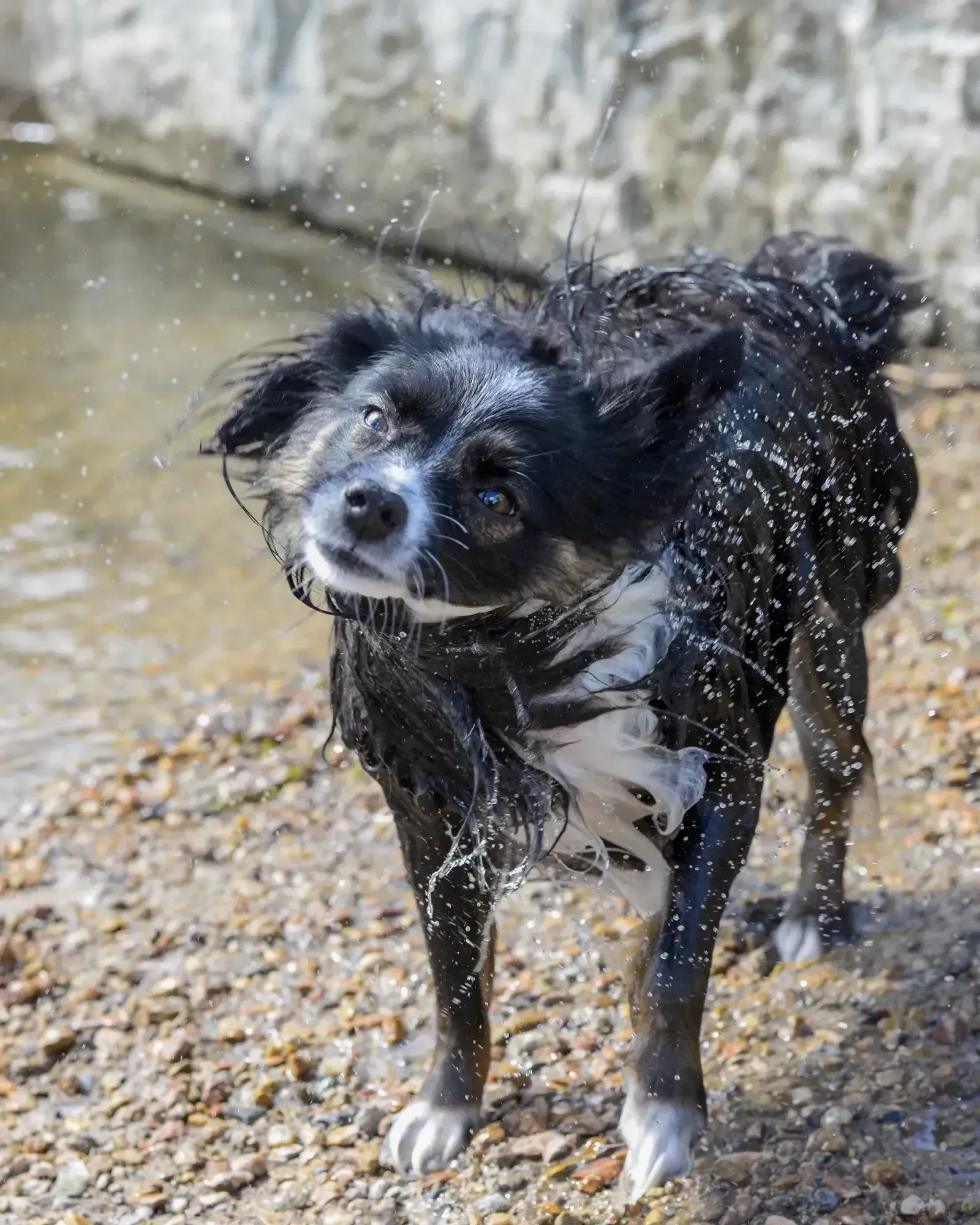
Many dogs do a full body shake after a tense encounter, even when they’re perfectly dry. Behaviorists often describe this as a way of releasing tension and resetting after something stressful, like a rough greeting from another dog. It’s usually brief and followed by a calmer posture.
Continuous trembling is another matter. Shivering during a vet exam or a storm can reflect real fear, though cold, pain and illness can cause it too.
Whining, Barking and Other Vocal Changes
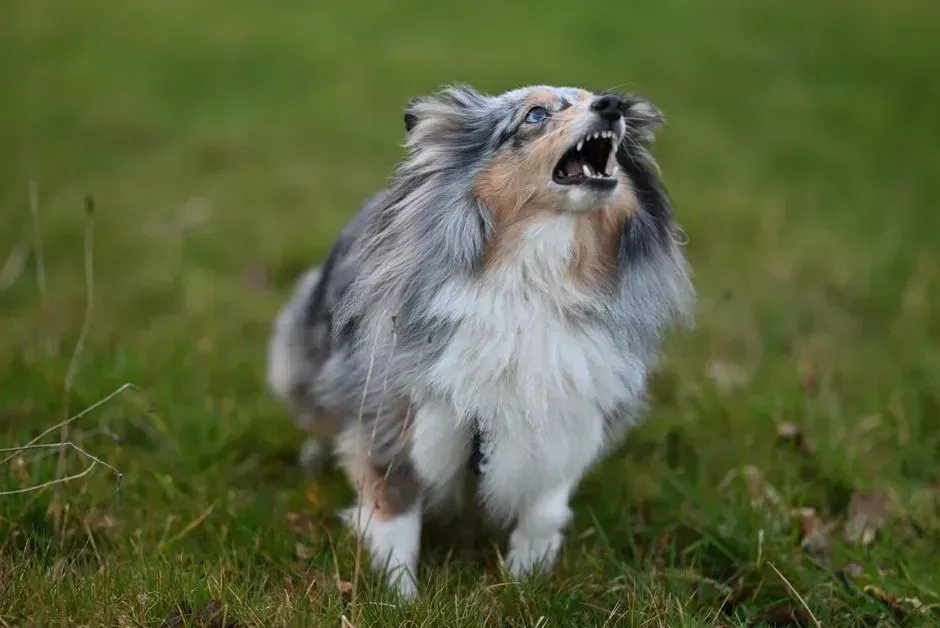
Whining, high pitched barking and repeated howling can all express stress, especially when they occur during isolation or in unfamiliar settings. Some dogs go quiet instead, which can be just as telling. A sudden change from a dog’s usual vocal habits is worth noticing.
Context helps sort it out. A dog barking at the window is likely alert or excited, while a dog whining at a closed door with a stiff body and wide eyes is more likely distressed.





Leave a Reply