
Home inspectors walk into thousands of houses every year and see the same pattern repeat itself: someone added something to the electrical system, thought it looked fine, and moved on. The problem is that looking fine and actually being safe are two very different things when it comes to wiring. Homeowners often try to modernize or improve their electrical systems without realizing that some common DIY practices violate the National Electrical Code and local regulations, creating fire hazards and voiding insurance coverage.
What tends to surprise people is how ordinary these violations look. No sparks, no burning smell, no obvious sign that something is wrong. Home inspectors keep circling the same problem in their reports: improvised electrical work that looks clever at first glance but quietly raises the risk of fire, shock, and failed inspections. What feels like a quick DIY fix often turns into a bright red flag that spooks buyers, frustrates insurers, and leaves you paying twice to have the job done correctly. The nine items below are the ones professionals flag most consistently.
1. Junction Boxes Hidden Behind Drywall
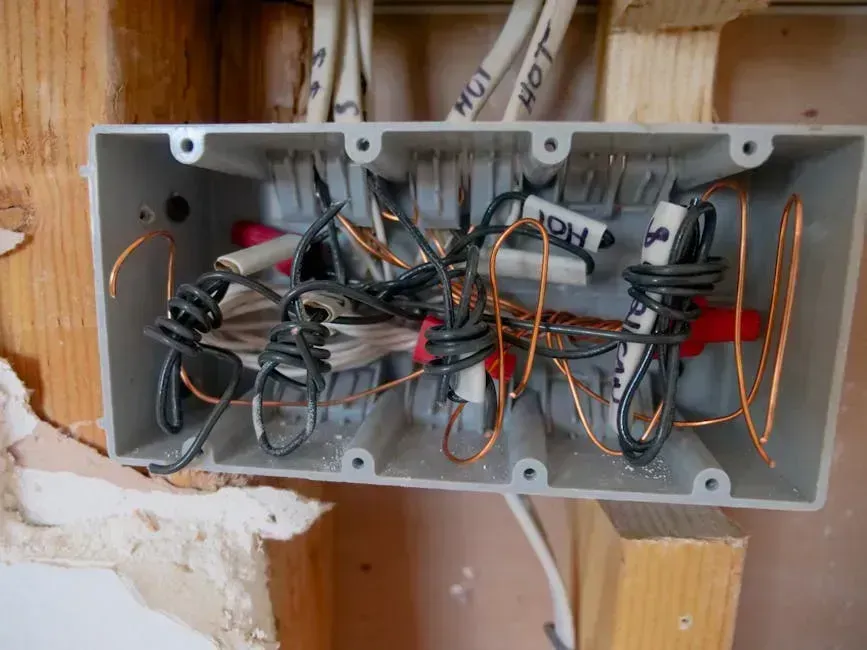
A junction box must remain accessible by law, as required by the National Electrical Code. Hiding one behind drywall, cabinetry, or insulation prevents future inspections and increases the risk of unnoticed overheating or arcing. Electricians warn that concealed boxes are a leading cause of electrical fires because loose connections can’t be serviced. It’s the kind of shortcut that takes an afternoon to create and weeks of drywall work to undo.
All wire splices must be housed inside a junction box, and that box must remain accessible. Contractors have been known to splice wires and then bury the box behind drywall or insulation to hide their work. This is dangerous for two reasons: loose connections generate heat, and if that heat is trapped behind a wall without a proper enclosure, it can ignite building materials. If a problem occurs, the connection is impossible to locate without cutting open walls.
2. Oversized Breakers Paired with Undersized Wire
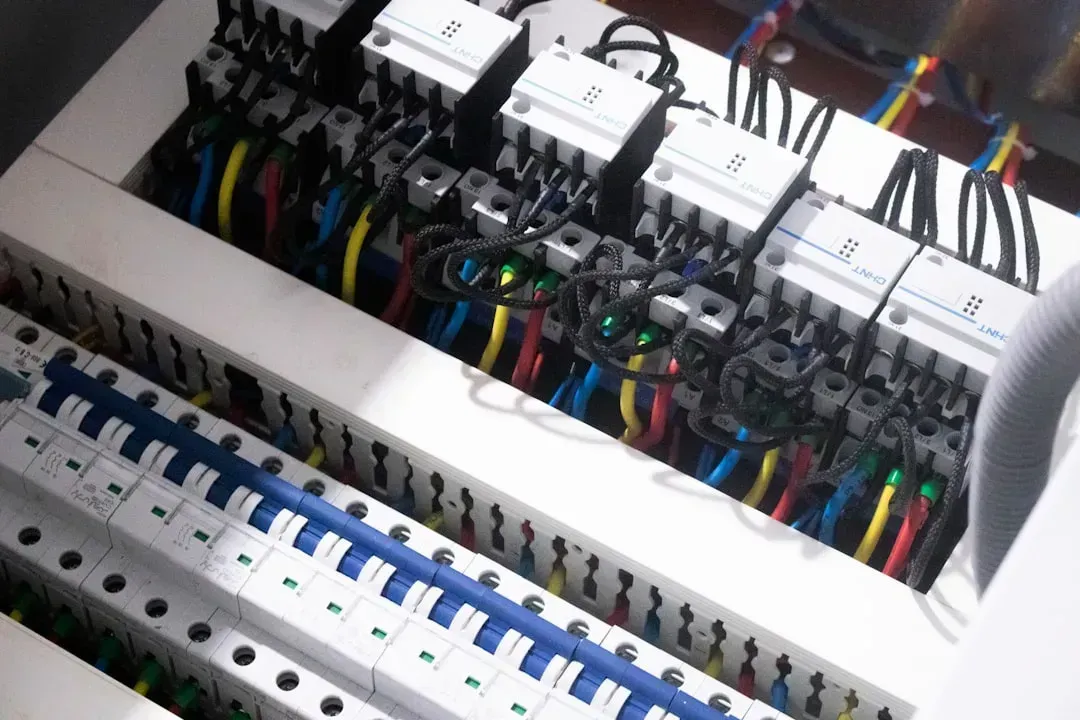
Replacing a 15-amp breaker with a 20 or 30-amp breaker to stop tripping is illegal and extremely dangerous. This allows wiring to carry more current than it was designed for, dramatically increasing fire risk. Licensed electricians consider this one of the most hazardous DIY mistakes seen in U.S. homes. The logic behind the swap seems reasonable to a frustrated homeowner, but the consequences are severe.
A common violation occurs when an amateur sees a breaker tripping and simply swaps the 15-amp breaker for a 20-amp one, without upgrading the wire. This allows the wire to carry more current than it is rated for. The wire can overheat and melt its insulation before the breaker ever trips, leading to an electrical fire inside your walls. In short, the breaker stops doing its only job.
3. Standard Romex Cable Used Outdoors
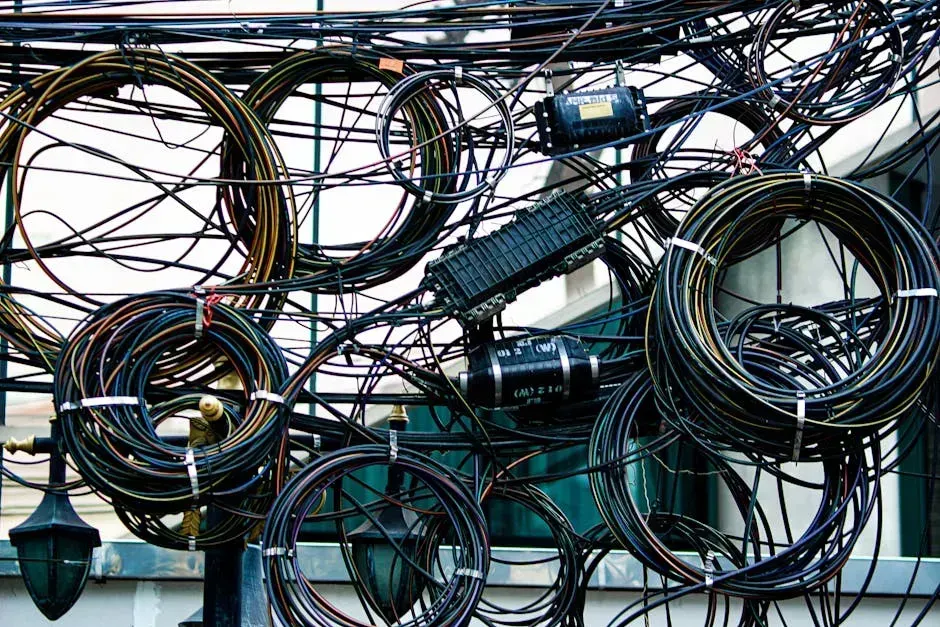
Romex is for indoor use only, and using it outside, under decks, across yards, or along fences exposes it to weather and physical damage violating code, as outdoor wiring must use approved weather-resistant conduit and cable types designed to withstand moisture and UV exposure. It’s one of those items that looks perfectly serviceable when first installed and deteriorates silently after that.
Romex has a paper covering inside that absorbs moisture like a sponge. Once water gets in there, corrosion starts eating away at the conductors. Inspectors who find outdoor Romex during a sale will flag it immediately, and the correction often requires running new conduit from scratch, a job that costs considerably more than doing it right the first time.
4. Ceiling Fans Mounted to Non-Rated Boxes
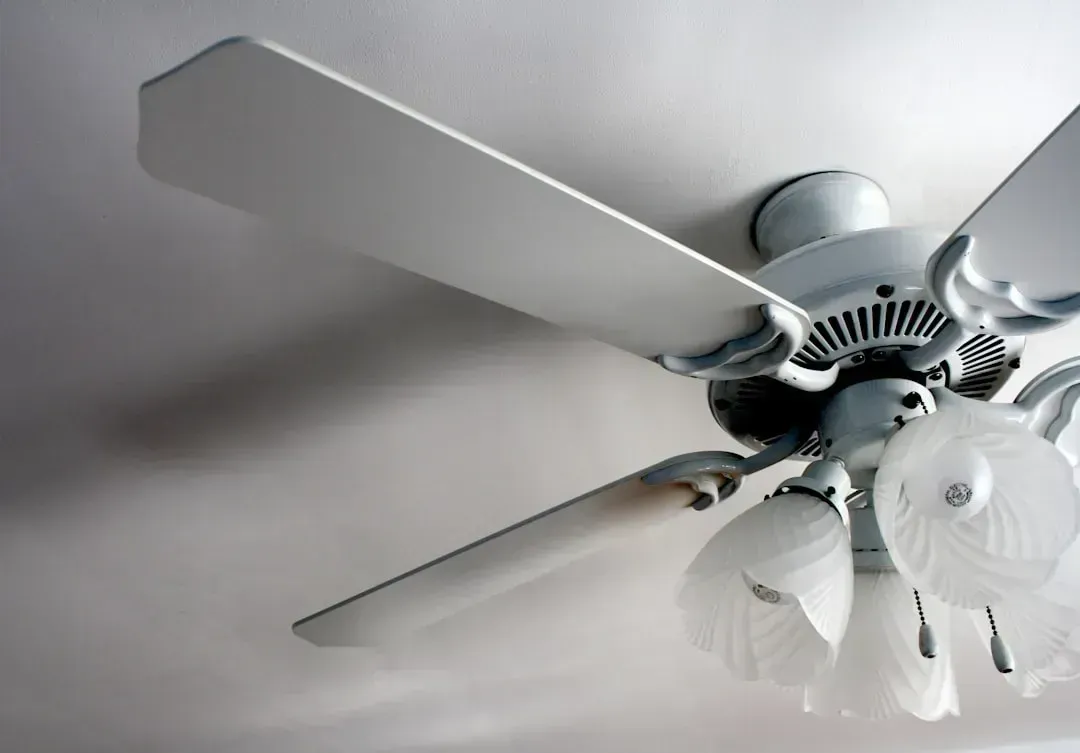
Some homeowners mount heavy ceiling fans to boxes designed only for light fixtures, and electricians warn that these boxes cannot handle the weight or vibration of fans, with failures having caused injuries and structural damage, as building codes specify fan-rated boxes for any overhead fan installation. The distinction between a fan-rated box and a standard octagon box is not obvious to the naked eye, which is part of why this violation persists.
A regular octagon box is rated for roughly ten pounds of static weight. A ceiling fan weighs fifteen to thirty pounds, plus it’s spinning and creating vibration forces that multiply the stress on that box. The screws work loose, the box pulls away from the joist, and suddenly you have a very dangerous projectile. The fix is simple and inexpensive before installation. It becomes neither after the fan is up.
5. Unpermitted Circuit Additions to the Panel
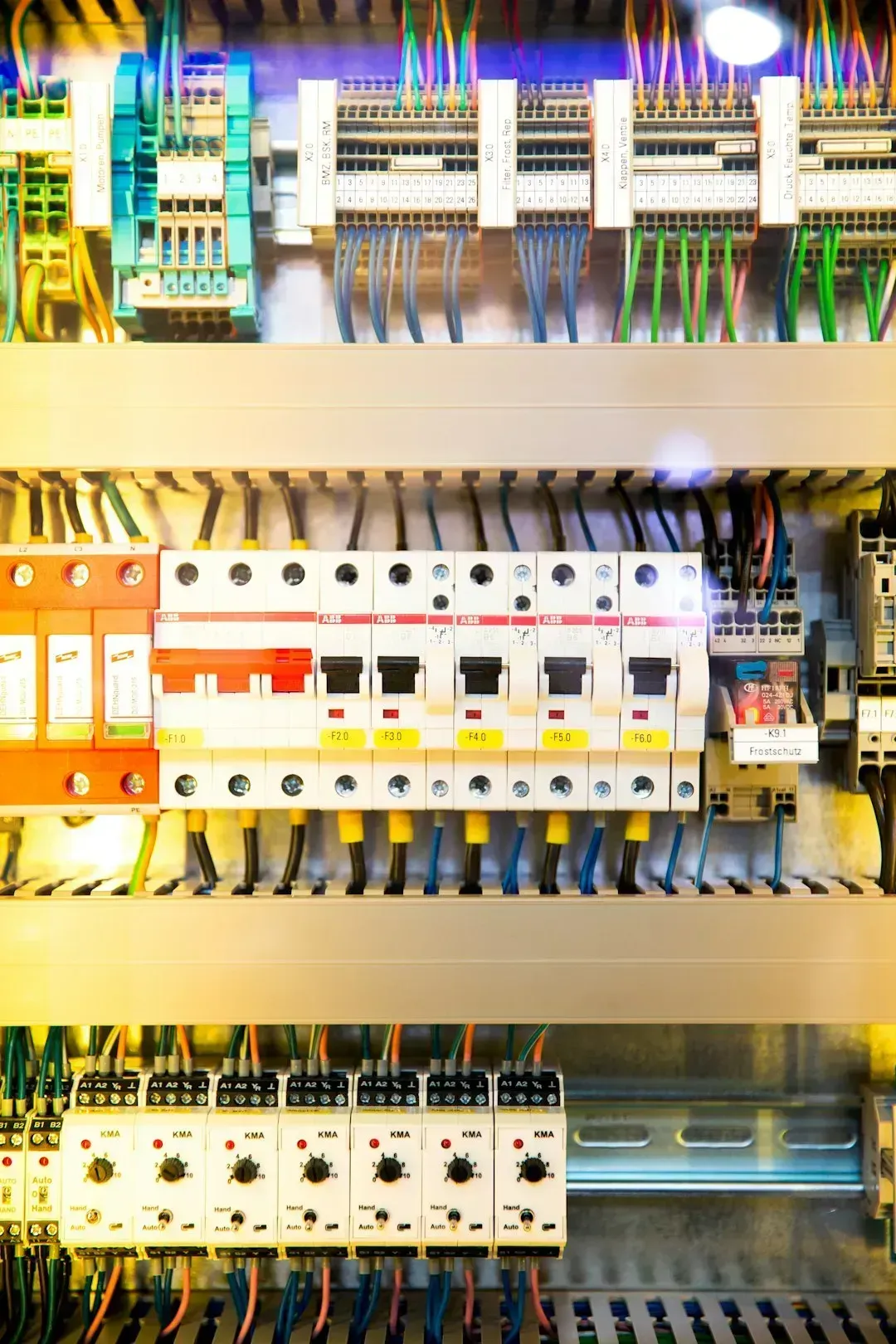
Electrical panels must be evaluated for available capacity before adding circuits. Unpermitted additions often overload panels, create unsafe heat buildup, and violate local codes. Home inspectors frequently flag these illegal upgrades when homes are sold, sometimes requiring expensive corrections. The visual presence of an empty breaker slot is misleading. Empty space does not mean available capacity.
Just because there’s a physical space for another breaker doesn’t mean your panel can actually handle the additional load. You might be pulling two hundred amps through a panel rated for one hundred fifty. That’s when things start getting warm, connections start degrading, and fire risks skyrocket. A licensed electrician can calculate the actual load before any breaker gets added. Skipping that step is where the real risk begins.
6. Extension Cords Used as Permanent Wiring

Extension cords are designed for temporary use and lack the insulation and load capacity needed for long-term power delivery. Fire investigators have repeatedly linked permanent extension-cord setups to overheating and house fires. U.S. codes require fixed wiring to be installed in approved conduit, raceways, or walls. Running an extension cord under a rug or stapling it along a baseboard doesn’t make it permanent wiring. It makes it a concealed hazard.
The NEC doesn’t allow extension cords to be used as a substitute for permanent wiring. The National Fire Protection Association estimates nearly 50,000 dwelling fires in the U.S. happen every year due to overloading an electrical system not equipped with enough receptacles. To compensate for the lack of outlets, homeowners are quick to rely on extension cords not designed to handle large amounts of electricity. Adding a proper outlet is almost always the safer and more cost-effective long-term solution.
7. Ungrounded Outlets with Three-Slot Covers
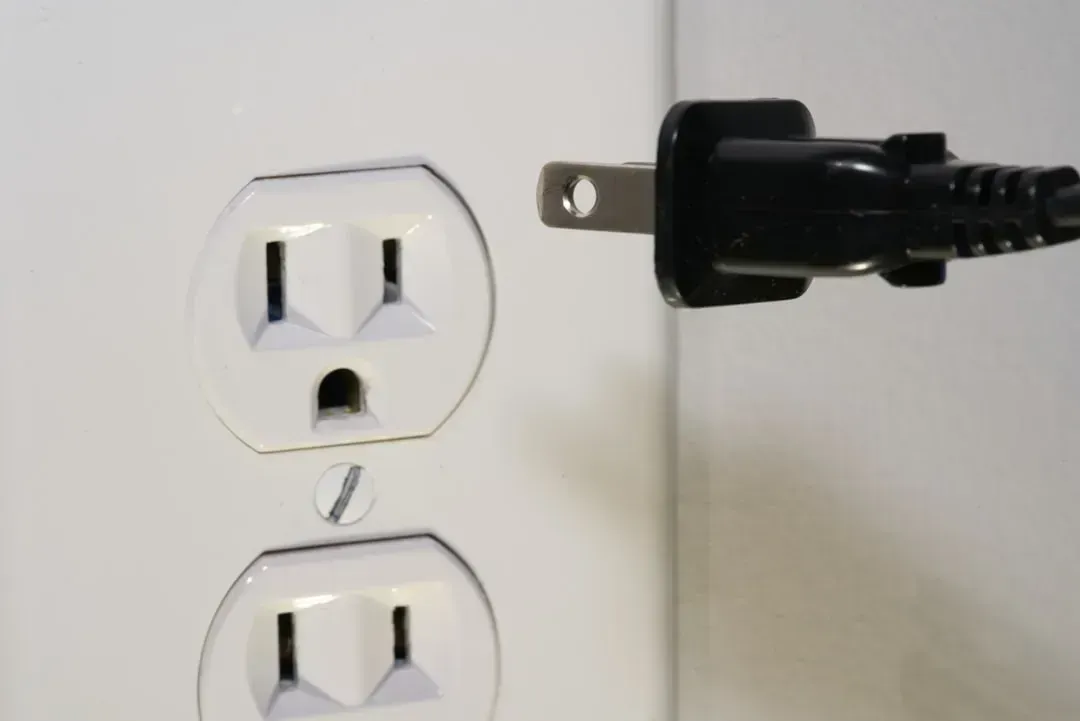
In older homes, it is common to find two-slot outlets. A major code violation occurs when someone swaps these out for modern three-slot outlets without actually installing a ground wire. This tricks the user and sometimes a tester into thinking the outlet is grounded when it is not. This leaves expensive electronics and appliances vulnerable to power surges and leaves occupants vulnerable to shock.
Some homeowners add outlets without connecting them to a grounded system, especially in older houses. Ungrounded outlets violate electrical code and put users at risk of shock, especially when plugging in metal-cased appliances or electronics. The cosmetic fix of installing a three-prong cover creates a false sense of safety that can be harder to detect than leaving the old two-slot outlet in place.
8. Disabling GFCI or AFCI Protection
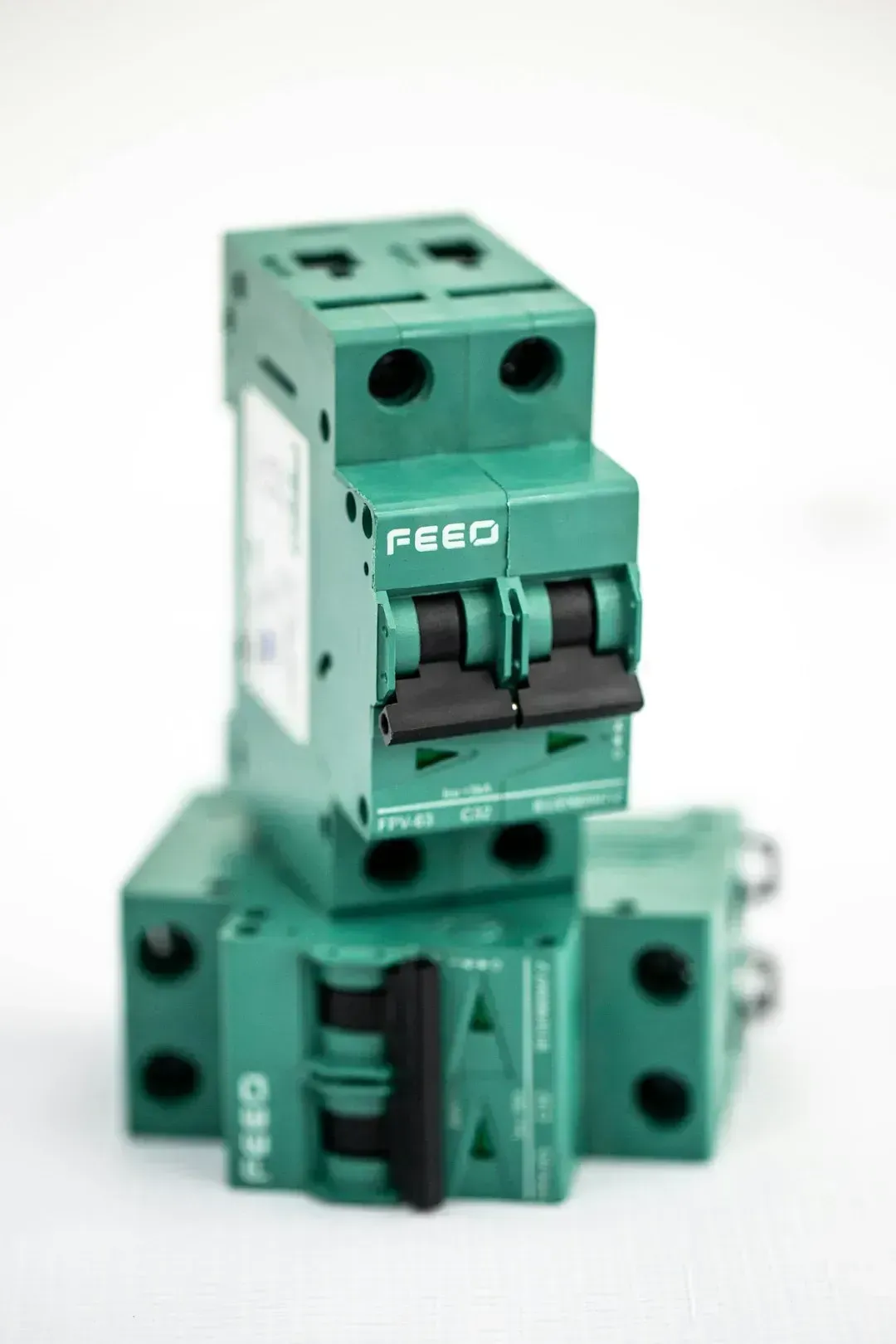
Some homeowners disable ground-fault or arc-fault protection because of nuisance tripping. Both devices are required by modern U.S. code in areas where shock or arc hazards are high, such as kitchens, bathrooms, and bedrooms. Disabling them removes critical safety layers that prevent electrocution and electrical fires. The frustration behind this move is understandable. A breaker that trips constantly is genuinely annoying. The solution, though, is diagnosing the underlying cause, not eliminating the protection.
Ground Fault Circuit Interrupters protect against shock by shutting off power when electricity takes an unsafe path. Kitchens, bathrooms, garages, basements, laundry rooms, and outdoor outlets all need GFCI protection. Without them, the risk of electric shock near water sources is much higher. GFCI outlets must be installed in all areas where water and electricity are likely to come into contact. Removing or bypassing these devices is not a gray area. It’s a clear code violation.
9. Open Wire Splices Without Junction Boxes
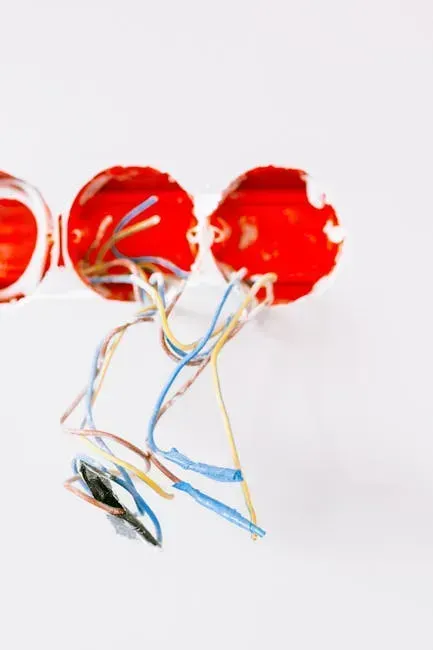
Twisting wires together in a wall cavity and covering them with tape is strictly prohibited. U.S. electrical code requires all splices to be enclosed in approved boxes to reduce the risk of arcing, short circuits, and overheating. Electrical inspectors flag open splices as immediate fire hazards. Electrical tape was never designed to serve as a permanent insulator for live connections, though it’s used that way more often than any inspector would like to see.
A splice is a connection between two or more wires and is one of the worst code violations. The splice is illegal and dangerous if not contained inside a junction box. Junction boxes must be covered, and you can’t have splices made outside of a junction box. Open splices have been found simply dangling in wall cavities. Getting this right is a small task. Leaving it wrong is a problem that compounds quietly over time until it isn’t quiet anymore.
Most of these violations share a common thread: they were installed by someone who believed the system was working well enough. Working and safe aren’t always the same thing. Avoiding NEC violations isn’t just about passing inspection. It’s about keeping your family safe and your electrical system reliable. When in doubt, a licensed electrician can assess what’s actually behind the walls before a home inspector finds it for you.




Leave a Reply