
There’s a particular kind of disappointment that comes from reaching for a familiar snack, one you’ve eaten a hundred times, and noticing that something is off. The texture isn’t quite right. The flavor is a little blander. The bag feels lighter in your hand. It’s not your imagination. Over the past two years, dozens of beloved snack and pantry products have changed in ways ranging from subtle recipe tweaks to outright size reductions, driven by inflation, commodity crises, and a broader industry scramble to protect margins.
The forces behind these changes are real and well documented. As food companies saw their costs rise substantially, many used two strategies to avoid raising prices: shrinkflation, where something is reduced in size or volume but the price stays the same, and skimpflation, which refers to more subtle tweaks like substituting cheaper ingredients to cut costs. The result is a grocery store landscape where familiar packaging increasingly masks unfamiliar contents.
1. Potato Chips
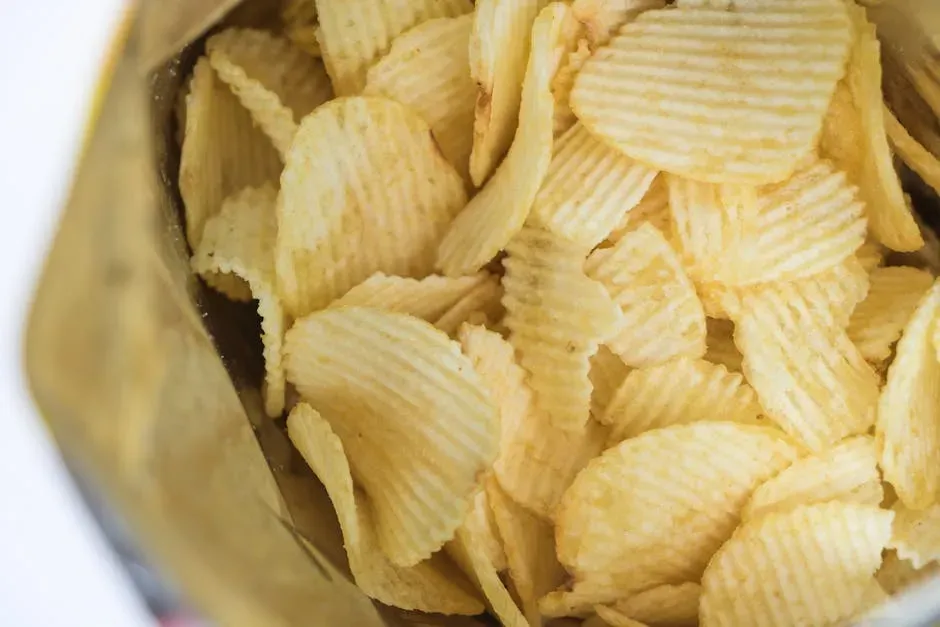
Potato chips might be the single most visible casualty of the shrinkflation era. Since 2020, the price per ounce of salty snacks has risen by roughly a third, outpacing the overall increase in grocery store prices by a wide margin. Bags have gotten lighter while shelf prices have crept steadily upward, and plenty of shoppers have noticed.
Faced with inflationary pressures and shrinking purchasing power, consumers began turning to more affordable private-label brands or cutting back on non-essential purchases like salty snacks. This shift hit major manufacturers’ bottom lines, with some companies seeing a drop in both sales and snack volumes through 2024. PepsiCo ultimately reversed course on some bag sizes, though the broader pattern across the category remains one of less for the same price.
2. Tortilla Chips
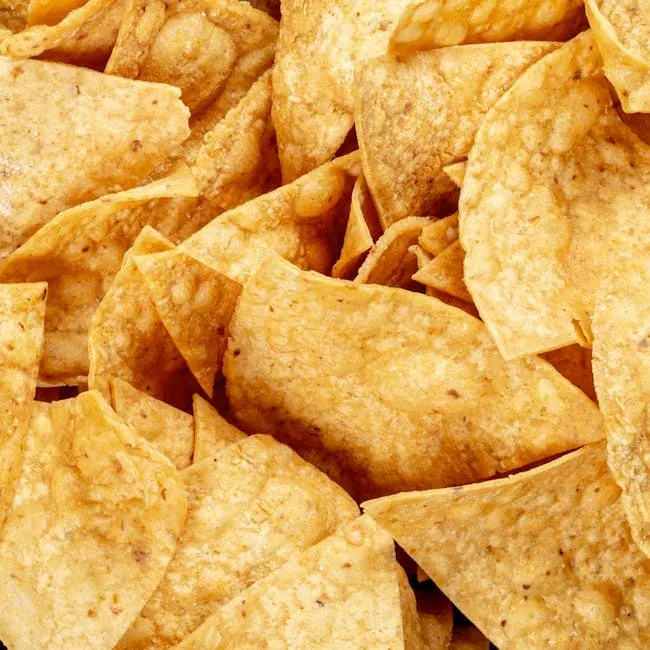
Tortilla chips have been a rare bright spot in the salty snack category in terms of sales growth, but that growth has come with its own trade-offs. Other snacks that have gotten smaller but pricier include party-size sour cream and onion Lay’s, family-size original Wheat Thins, and party-size original Tostitos, according to analysis by LendingTree. Tostitos, one of the most popular chip brands in the country, was specifically cited in consumer complaints before PepsiCo announced corrective steps.
PepsiCo, the owner of Lay’s, Doritos, Tostitos, and Ruffles chips, announced it would put more chips in some bags that had gotten lighter. Tostitos and Ruffles “bonus” bags would contain 20% more chips for the same price as standard bags in select locations. The fact that this was treated as a marketing event, rather than simply a return to normal, tells its own story.
3. Chocolate Bars
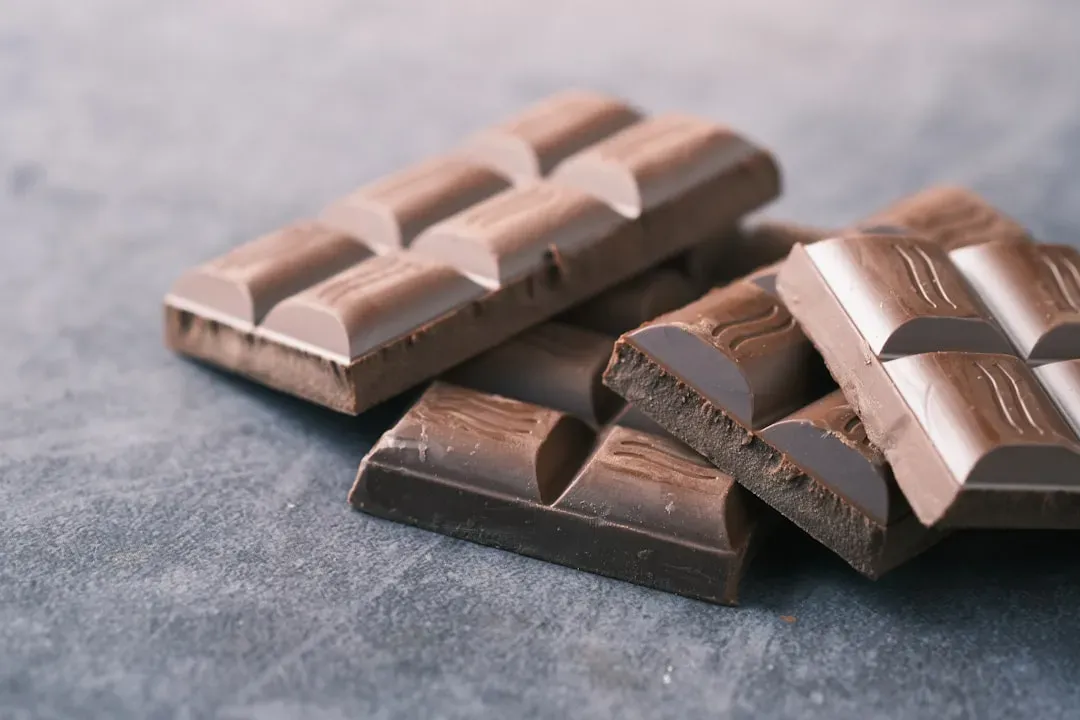
No product category has been more dramatically reshaped in recent years than everyday chocolate. Cocoa prices, which had typically held between $1,000 and $3,000 per tonne for years, rocketed to a 50-year high of almost $13,000 in 2024 as climate change, disease, and aging trees resulted in mass crop failure across Ghana and Ivory Coast. That’s not a small fluctuation. It’s a structural rupture in the global supply chain.
For companies, the response was reformulation. In the United States and Europe, several seasonal products used palm and shea oils increasingly replacing cocoa components, allowing companies to protect margins while keeping shelf prices within reach. Biscuits like Club and Penguins, both made by Pladis, are now no longer allowed to be described as “chocolate” as they contain more palm oil and shea oil than cocoa. That’s a remarkable departure from a product with decades of tradition behind it.
4. M&M’s and Bagged Candies
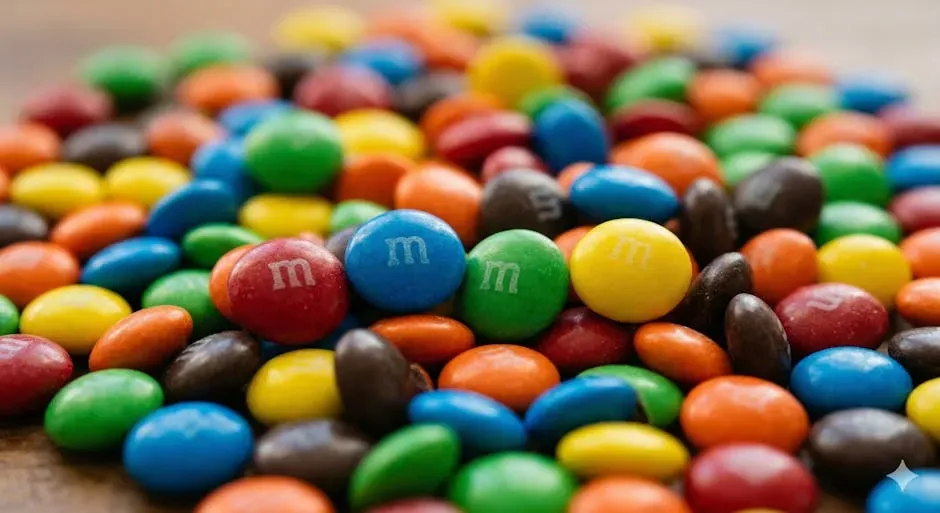
Party-size candy bags are a good place to see shrinkflation in plain arithmetic. About 38% of candy items are now sold in smaller amounts, including party-size Reese’s miniatures, which have gone from 40 ounces to 35.6 ounces, and party-size milk chocolate M&M’s, which dropped from 42 ounces to 38 ounces. The bags look much the same on the shelf, but there’s noticeably less inside.
The Bureau of Labor Statistics indicated that snacks, candy, and household paper products have been most impacted by shrinkflation. For consumers buying these items in bulk for celebrations or holidays, the effect compounds quickly. The cumulative effect of multiple shrinkflation examples across shopping carts compounds the impact on household budgets. A typical family purchasing 20 affected products monthly may receive between 8% and 12% less product volume for the same expenditure compared to 2024 purchases.
5. Frosted Flakes and Breakfast Cereals
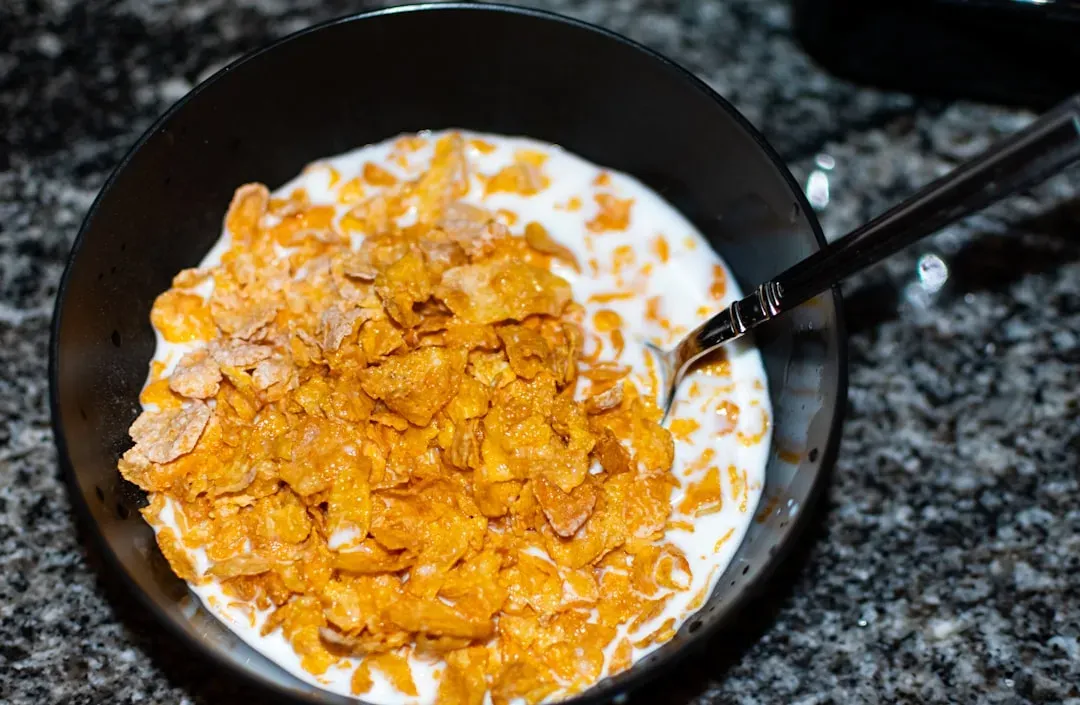
Cereal has been quietly shrinking for years, but the recent wave of reductions is particularly striking for morning staples. Breakfast foods had the second-highest rate of shrinkflation, with analysis finding that roughly 44% of tracked breakfast items were now sold in smaller portions. Family-sized Frosted Flakes, made by Kellogg’s, slimmed from 24 ounces to 21.7 ounces, resulting in a 40% increase in per-ounce pricing.
Cereal box sizes decreased from 19.3 ounces to 18.1 ounces across several national brands. The change is easy to miss when you’re reaching for the same colorful box you’ve always bought. Most shoppers simply don’t keep old packages around for comparison, which is precisely what brands have relied on. The bowl still looks full. The crunch is the same. The math, however, is different.
6. Coffee (Ground and Whole Bean)
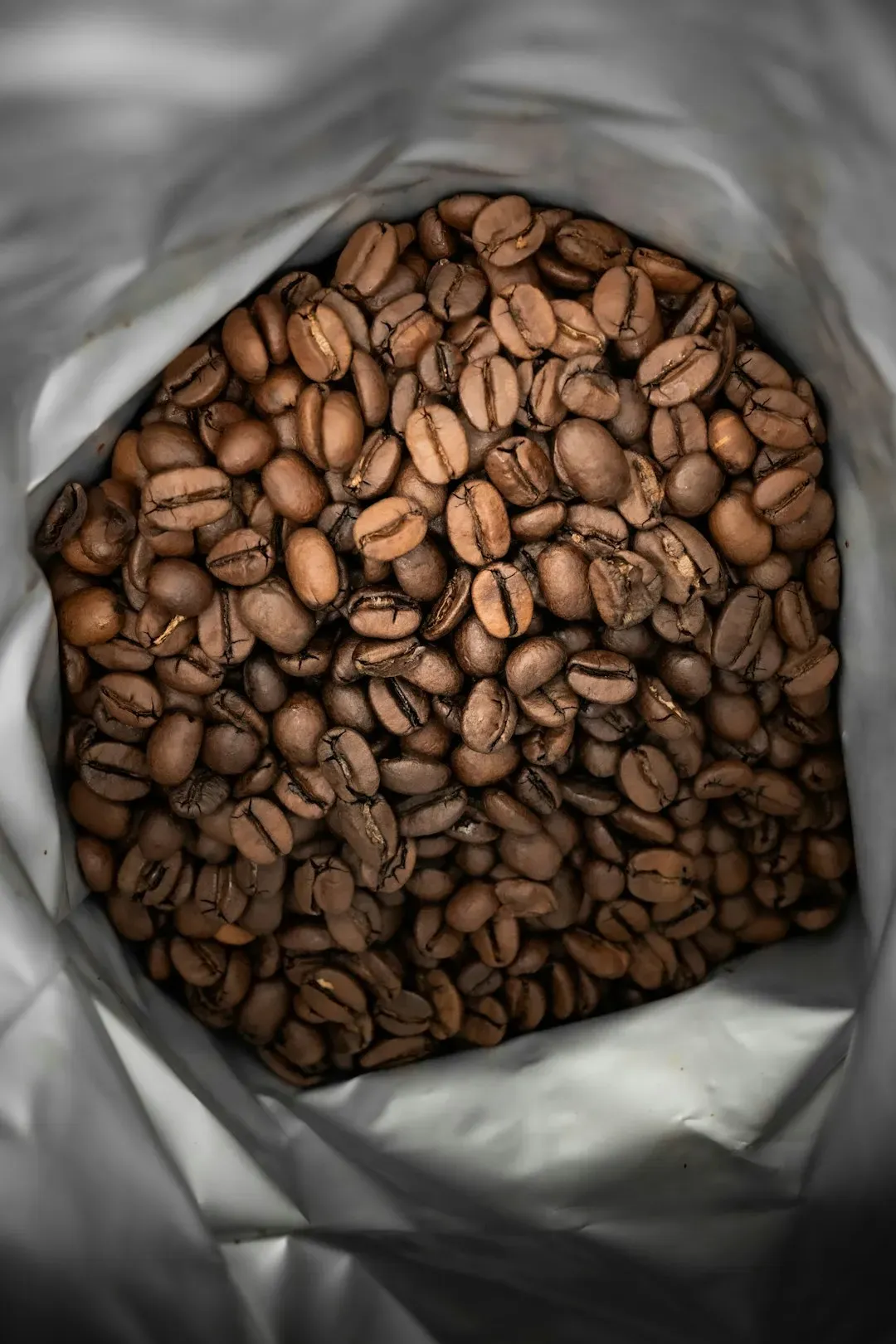
Coffee is one of those pantry staples where the packaging change hits especially hard because the product is bought so regularly and the habit is so ingrained. Folgers coffee, for example, saw the average can drop from 51 ounces to 43.5 ounces without a corresponding drop in price. For daily drinkers, that’s a meaningful reduction that builds up over months of shopping.
Coffee packages reduced from 12 ounces to 10.5 ounces across some product lines. Beyond the quantity changes, coffee prices have also simply risen due to commodity pressures on arabica and robusta beans. The combination of smaller cans and higher per-unit costs makes this one of the more quietly painful pantry adjustments many households have absorbed without fully registering what changed.
7. Peanut Butter
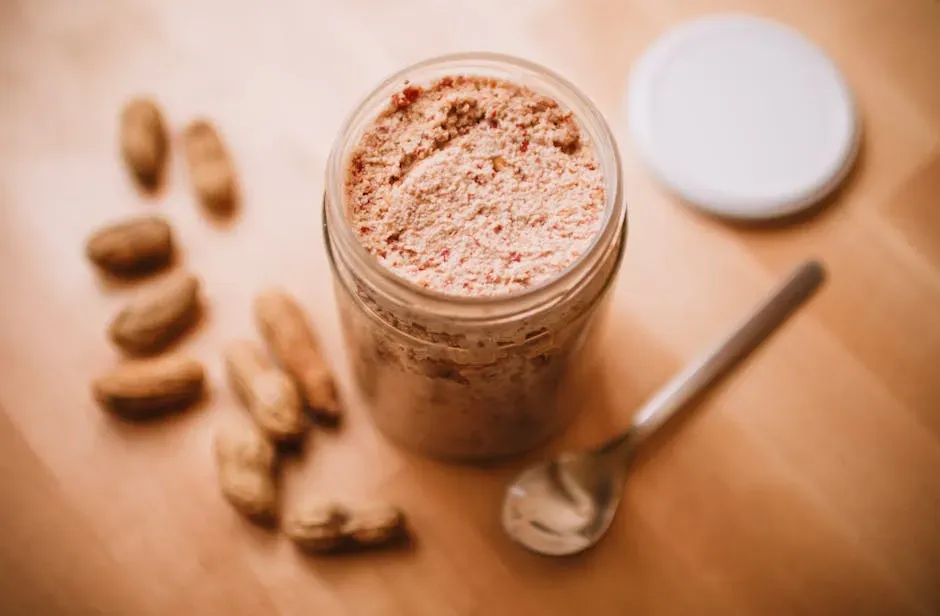
Peanut butter has a long and somewhat illustrious history with shrinkflation. During the 2008 financial crisis, Skippy shrank the amount of peanut butter in their jars from 18 ounces to 16.3 ounces while keeping the price the same. The company added a glass dimple to the bottom of the jar so the two sizes appeared to have the same amount of peanut butter on store shelves. That technique, the indented jar bottom, became something of a case study in discreet downsizing.
The same tricks have resurfaced in more recent years, applied to this and similar spreads. Skimpflation, as it’s now called, means a manufacturer has reformulated one of its products, usually with cheaper ingredients. For nut butters, this can mean different oil compositions, adjusted stabilizer levels, or simply less product in a jar designed to look unchanged. Not every jar has changed, but enough have to warrant checking the net weight label before reaching for your usual brand.
8. Pasta
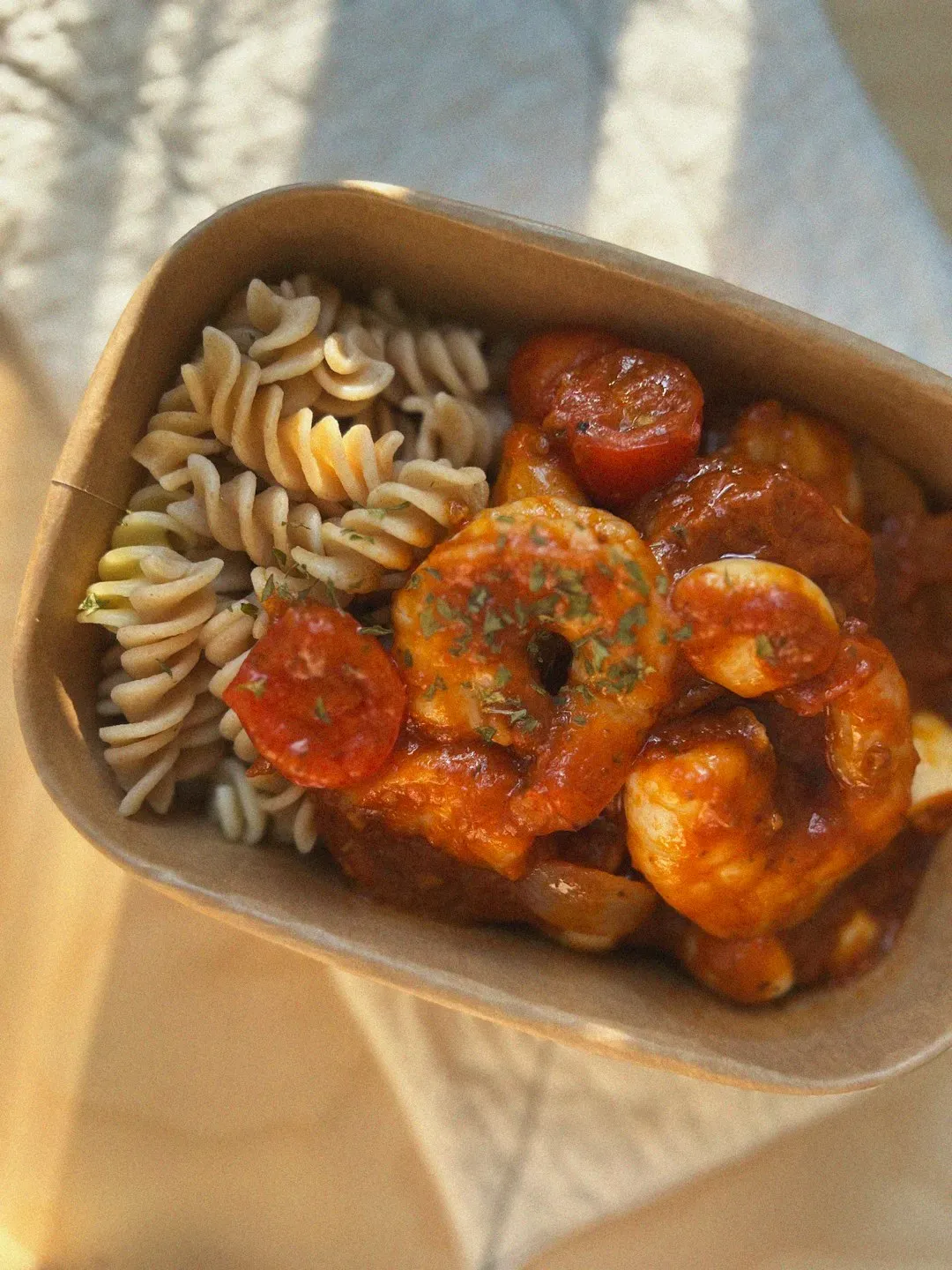
Pasta might seem like one of the more dependable pantry staples around. It’s wheat, eggs, maybe some semolina, and not much else. Yet even here the category has not been immune. Pasta boxes shifted from 16 ounces to 14 ounces in select product lines. For a product that costs relatively little per box, that’s a proportionally significant reduction in what you’re actually getting.
Part of what makes the pasta change feel strange is how deeply it’s embedded in routine. Recipes assume standard box sizes. Serving calculations are built around it. When a box quietly drops two ounces, the recipe still works, but the math is slightly off. Three quarters of Americans have noticed shrinkflation at their grocery store, and among them, roughly four out of five have taken some kind of action as a result, which tells you the cumulative effect isn’t going unnoticed, even when the individual products are easy to overlook.
9. Crackers and Wheat Thins
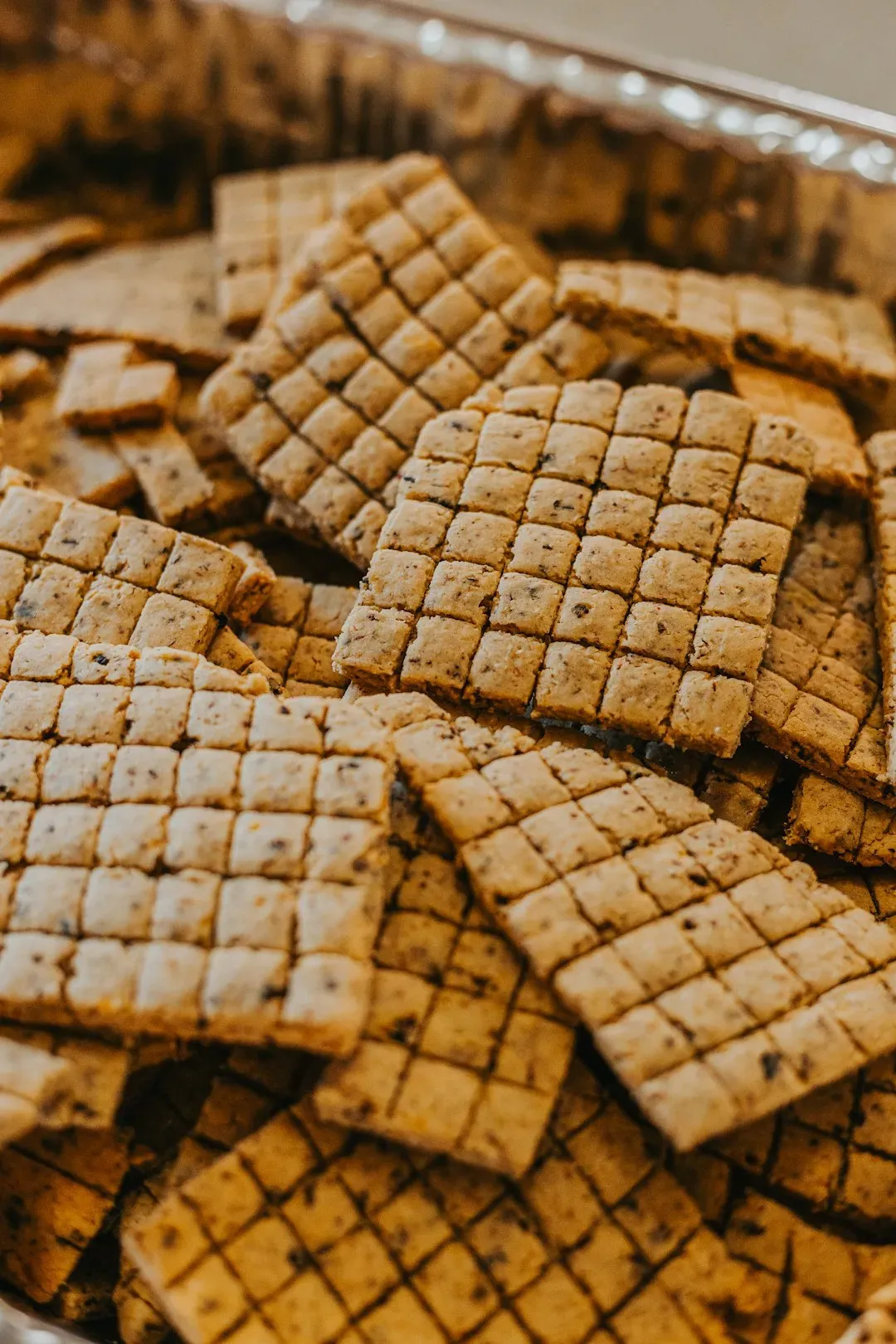
Crackers occupy a special spot in the snack-and-pantry crossover zone. They’re used as snacks on their own, paired with cheese, or broken into soups. Wheat Thins specifically have been called out in consumer tracking data. Family-size original Wheat Thins appeared on the list of snacks that have gotten smaller but pricier. For a product that many households keep stocked continuously, even a small reduction in box weight means buying replacement boxes more often.
The cracker category is also one where ingredient changes can be harder to detect through taste alone. Vegetable oil substitutions and slightly adjusted salt or seasoning ratios can quietly shift a product’s flavor profile without triggering immediate recognition. Skimpflation refers to these more subtle tweaks, like substituting cheaper ingredients to cut costs. Some consumers only notice when they go back and try a product they hadn’t eaten in a while and find themselves wondering what’s different.
10. Cheetos and Puffed Snacks
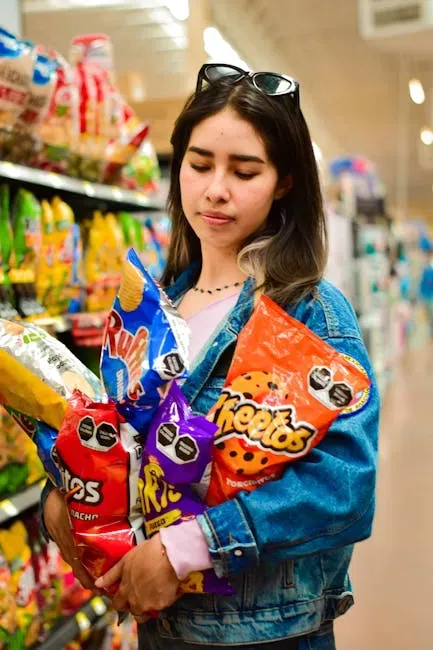
Puffed snacks have seen both size and ingredient pressure in recent years. Party-size Cheetos, made by Frito-Lay, shrank to 15 ounces from 17.5 ounces, while the per-ounce price rose to 40 cents from 17 cents. That’s a dramatic per-unit increase even if the shelf price looks similar at a glance.
There’s also a color angle to puffed snacks worth noting. Legislative pushes, including a string of U.S. state artificial colorant bans involving dyes like Red No. 3 and Red No. 40, are impacting popular products like flavored tortilla chips, puffed snacks, boiled sweets, gummies, and chews where those dyes are commonly found. For brands that have relied on particular visual signatures for decades, reformulating colors without affecting flavor is an ongoing challenge that some consumers are already picking up on in stores.
11. Gummy Candies
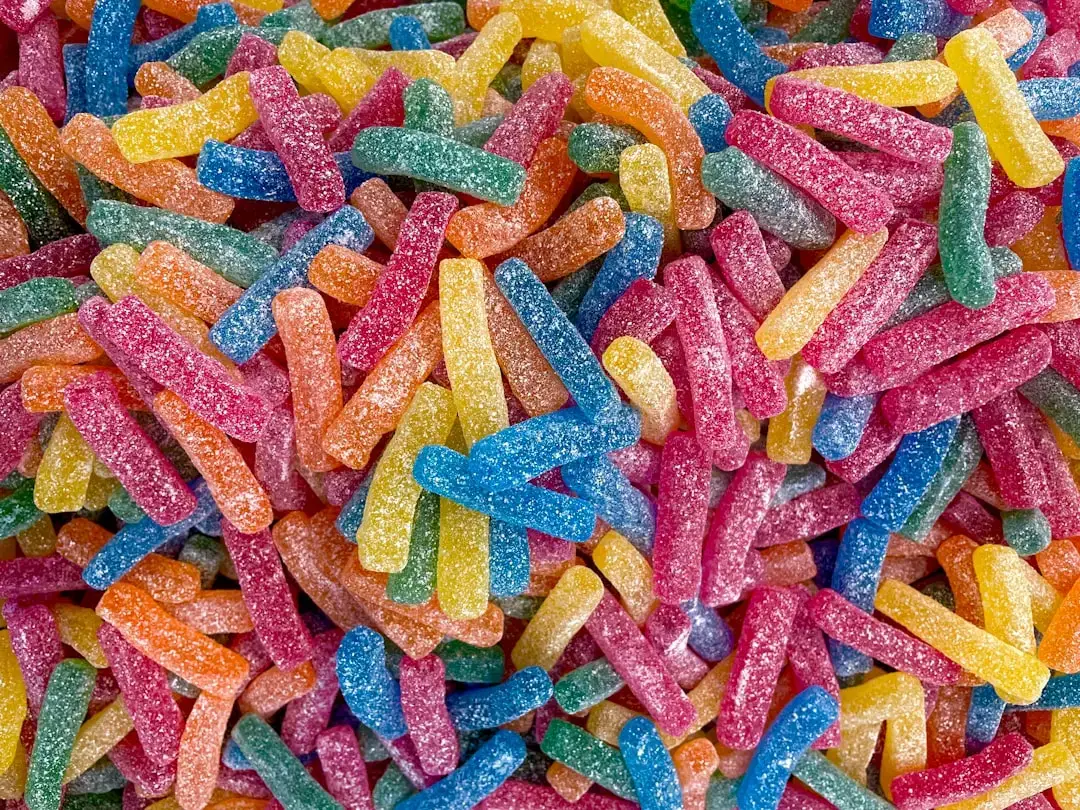
Gummy candies have felt the squeeze from multiple directions at once. Ingredient costs for gelatin, fruit concentrates, and synthetic dyes have all shifted, and the regulatory environment around artificial colors is tightening. Confectionery snacks and soft drinks are among the categories most associated with shrinkflation, and they’re also the ones most vulnerable to shopper abandonment.
Haribo and shrinkflation have become a subject of discussion in several markets. Color-Rado candies in Switzerland saw the package price adjusted upward, with some Haribo sweets costing noticeably more than before. Gummy products are also particularly susceptible to quality changes through formulation, since the ratio of gelatin to flavoring to sugar affects texture in ways that dedicated fans definitely notice, even when they can’t immediately identify what shifted.
12. Breakfast Cookies and Snack Bars
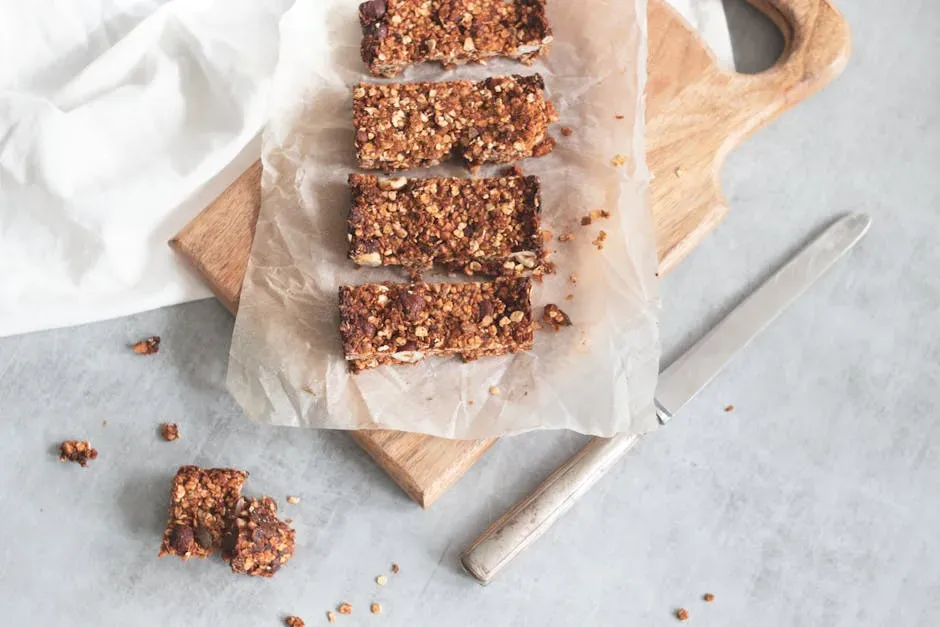
The snack bar and breakfast cookie category has expanded enormously over the past decade, but it’s also been reshaped by the protein trend and cost pressures simultaneously. Adding protein and energy-boosting ingredients has become a key strategy to win over American consumers, with protein now the most important health claim for more than half of consumers. More than seven in ten parents and millennials say they seek snacks to supply energy.
The challenge is that reformulating a bar to add protein while controlling costs can mean quietly reducing other ingredients that give the product its original character. Older fans of certain bars have noted changes in chewiness, sweetness balance, or coating thickness. Chocolate levels were trimmed quietly. Packaging claims shifted. Some brands absorbed the chaos while others passed it along and hoped shoppers wouldn’t notice. The breakfast bar aisle, in short, is doing a lot of quiet repositioning under familiar branding.
13. Juice and Fruit Drinks
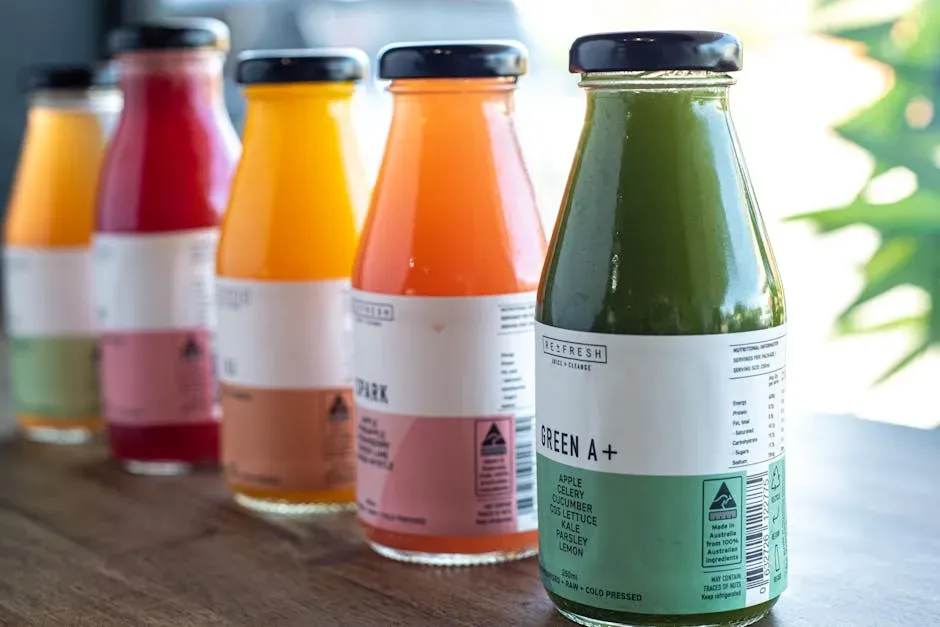
Juice containers are another category where the math has shifted without a lot of fanfare. Juice containers changed from 64 fluid ounces to 59 fluid ounces across some product lines, a reduction that’s easy to miss given how similar the bottles look. A few fluid ounces per carton doesn’t feel significant in isolation, but across weekly grocery runs it adds up.
Beyond quantity, the juice and fruit drink category has also seen formulation adjustments, with some products adding more water, sweeteners, or flavoring concentrates to maintain price points under ingredient cost pressure. Roughly two thirds of shoppers express concern over shrinkflation, and juice is one of the categories where that concern is highest because consumers feel they’re paying for something premium, whether it’s 100% juice or a vitamin-enriched blend, and subtle recipe shifts can feel like a quiet betrayal of that expectation.
14. Cereal Box Pantry Staples (Oats and Granola)
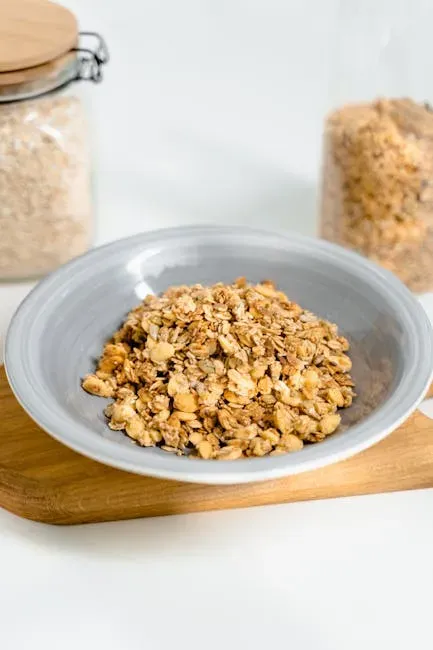
Rolled oats and granola occupy a useful middle ground between pure pantry staple and everyday snack, and both have felt the effects of commodity pressure and portion shrinkage. Some major brands reduced product sizes by over 30% in 2025 without reducing prices, with shrinkflation averaging nearly 15% among selected national grocery brands. Granola in particular, which often contains nuts, seeds, and dried fruit, has been affected by elevated ingredient costs across multiple components at once.
What makes the granola shift notable is that it often comes alongside a repositioning toward health claims. While indulgence remains a trend, there is significant demand for healthier options, with consumers looking for snacks that are high in protein, have clean labels, and are made with better-for-you ingredients. Brands have used this health-forward marketing as cover for reformulations that reduce costly ingredients while simultaneously charging more per ounce. The package says “high protein” and “whole grain.” What it doesn’t always say is that you’re getting less of it than you used to.
15. Reese’s and Chocolate-Coated Confections
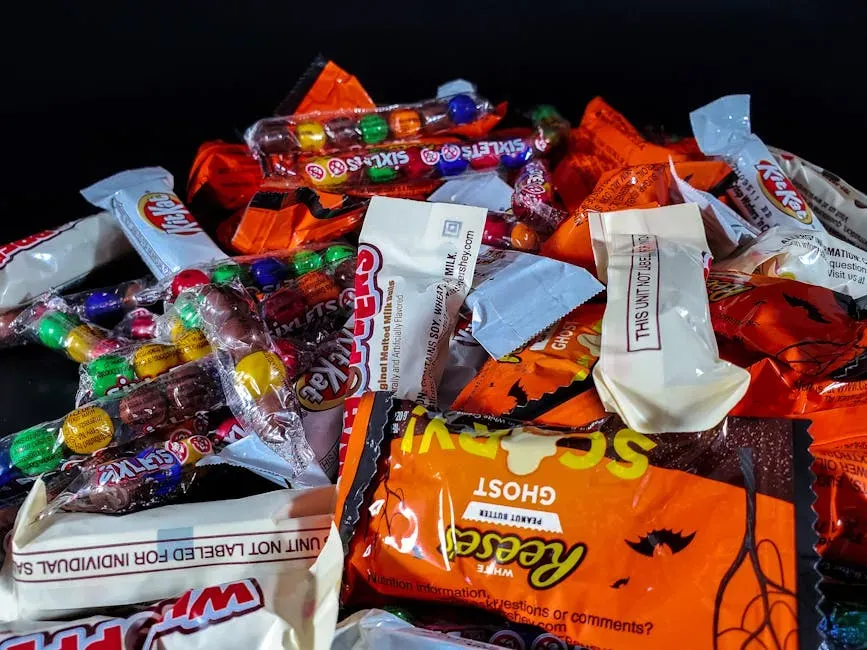
Few products illustrate the full arc of shrinkflation and skimpflation more clearly than chocolate-coated confections like Reese’s. Reese’s party-size miniatures are now 35.6 ounces, down from 40 ounces. That’s a reduction of nearly a tenth of the product at an unchanged or higher price. For a brand with a fanbase built on consistent indulgence, that’s a significant shift.
The chocolate coating on these products has also been subject to ingredient pressure. To cope with record cocoa prices, brands raised prices, shrank product sizes, and adjusted ingredients, moves that were especially tough on products with longstanding formula expectations. Consumers are likely spending between 10% and 20% more for the same chocolate products in 2025 than they did in 2024, with wholesale prices surging by roughly a third from January 2024 to January 2025. The Reese’s you grew up with still exists on the shelf. Whether it’s exactly the same product is a genuinely complicated question.
What ties all 15 of these products together is something more than inflation or supply chain disruption. It’s the quiet erosion of the consumer’s ability to trust that a familiar product is what it always was. In an era where consumer trust is both fragile and fiercely defended, shrinkflation is more than a pricing tactic; it’s a huge reputational risk. Brands must recognize that loyalty is no longer guaranteed and transparency is no longer optional. The brands that will hold their ground long-term are the ones that earn it back, not the ones that keep hoping nobody checks the label.



Leave a Reply